The challenge in oncology is that oncologists often encounter data that is too complex. For example, while they may look for mutations in a patient’s DNA to determine if there are drugs available for it, there are times where the mutations do not have a clear treatment option available.
Wellness
Jason Williams of Williams Cancer Institute: Artificial Intelligence Unlocks Personalized Oncology Treatments by Synthesizing Complex Patient Data
Dr. Jason Williams discusses pioneering ablation techniques and harnessing advanced artificial intelligence to transform complex cancer data into actionable personalized treatment regimens.
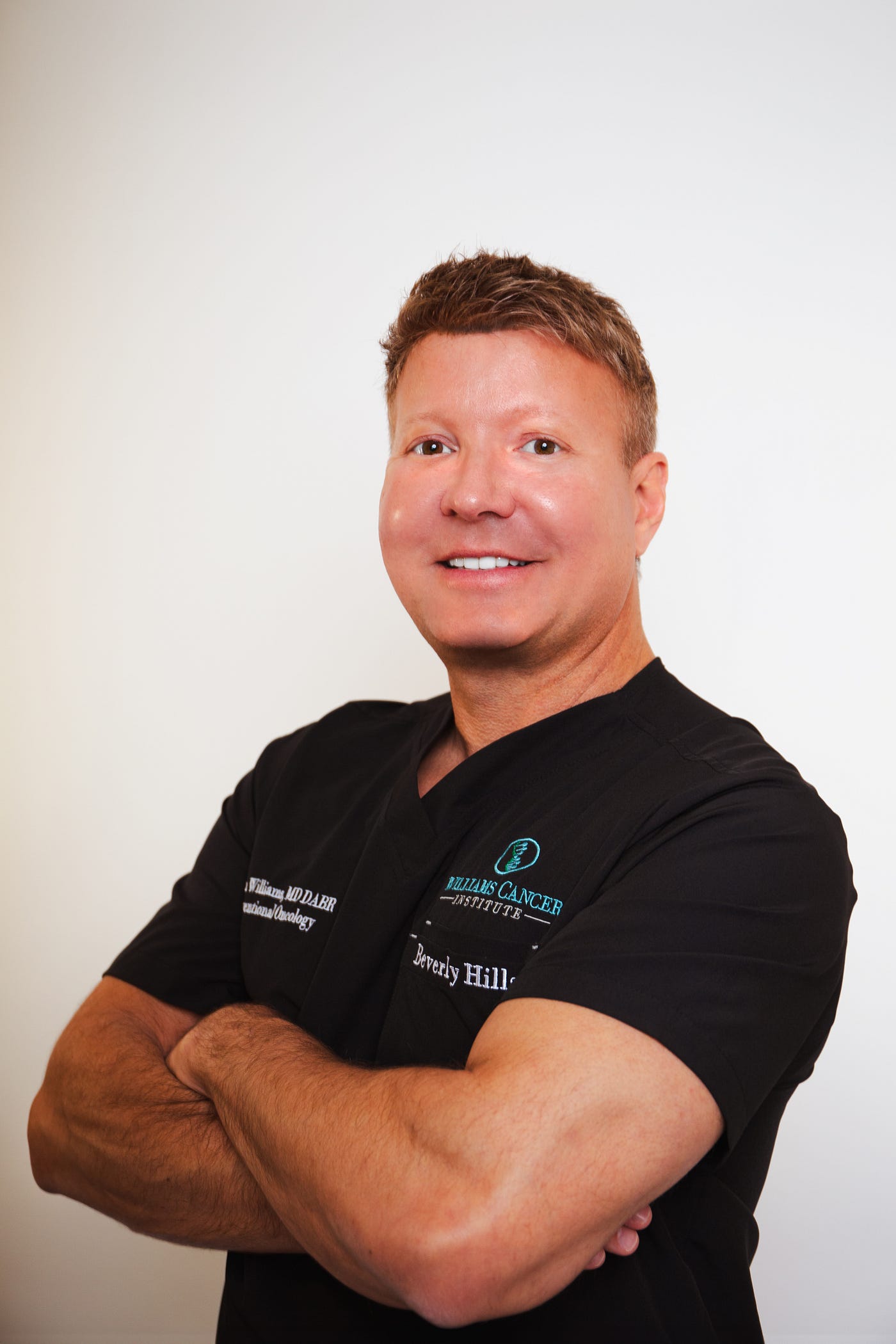
Cancer is a horrible and terrifying disease. There is so much great information out there, but sometimes it is very difficult to filter out the noise. What causes cancer? Can it be prevented? How do you detect it? What are the odds of survival today? What are the different forms of cancer? What are the best treatments? And what is the best way to support someone impacted by cancer?
In this interview series called, “5 Things Everyone Needs To Know About Cancer” we are talking to experts about cancer such as oncologists, researchers, and medical directors to address these questions. As a part of this interview series, I had the pleasure of interviewing Dr. Jason Williams.
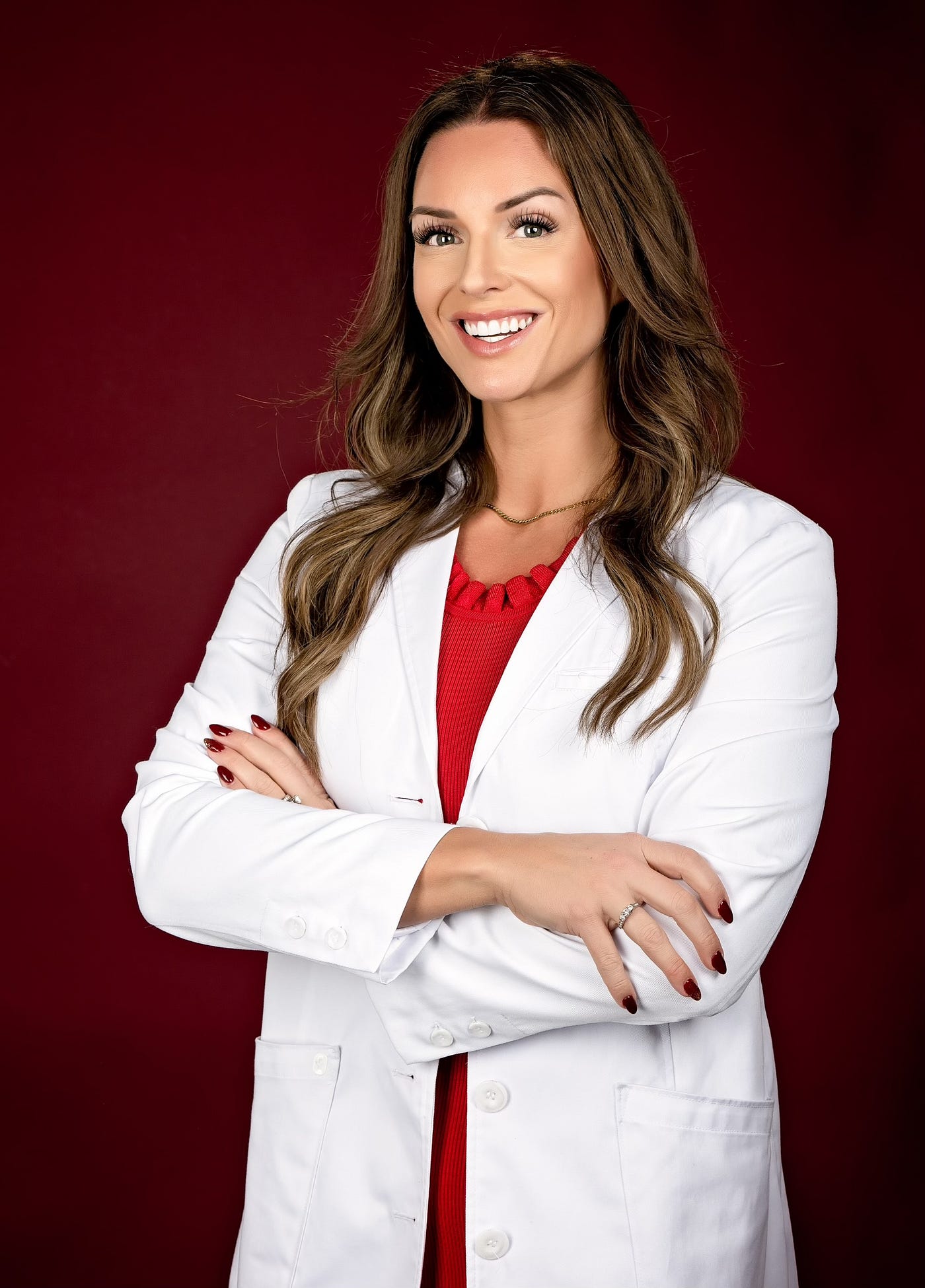
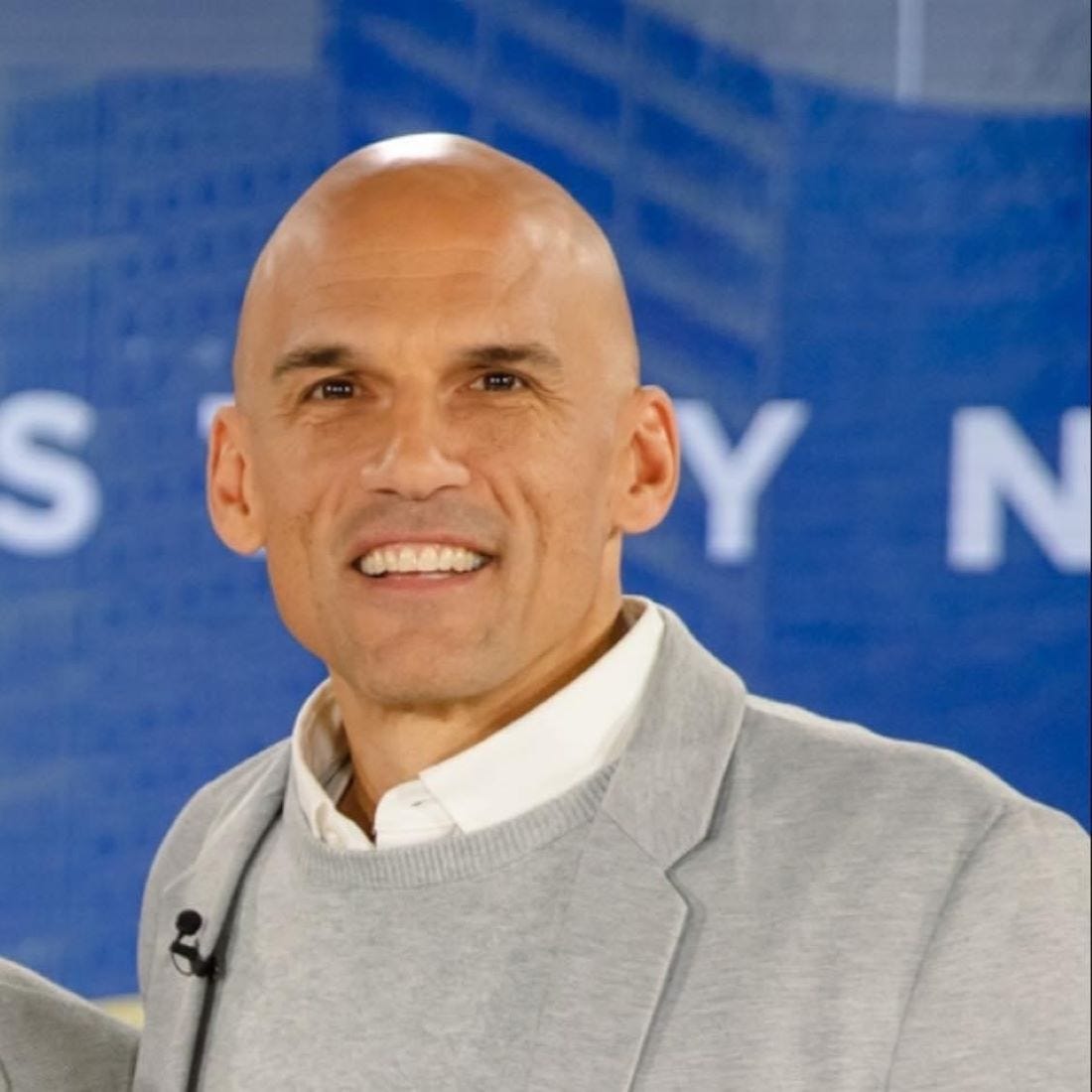
Dr. Jason Williams is a medical doctor, board-certified radiologist and image-guided cancer specialist. As a leader in immunotherapy, he performed the world’s first ablation procedure combined with intra-tumoral immunotherapy injections. Dr. Williams serves as the Director of Interventional Oncology and Immunotherapy at the Williams Cancer Institute, which he founded to advance innovative cancer treatments. With thousands of procedures under his belt, many of which were first in humans, Dr. Williams has extensive experience in ablation and cryoablation therapies. He is an adjunct professor at Case Western Reserve University, contributing to cutting-edge research. His work spans private research on combining immunotherapy agents for image-guided intra-tumoral injections across various cancer types. Dr. Williams also authored The Immunotherapy Revolution.
What or who inspired you to pursue your career? We’d love to hear the story.
The biggest inspiration was seeing my grandmother who died of breast cancer when I was 12 years old. Seeing her suffer inspired me to pursue the work that I am in. She got diagnosed when I was about 10, and she died about two years later. My mother was her caregiver, so as a young child, I spent a lot of time at her house and the treatment journey was brutal. She went through surgery, mastectomy, radiation, chemotherapy, and she was sick the whole time. After she died, I thought to myself, there’s got to be a better way than this. That firsthand experience really compelled me to go into college with the desire to either be in cancer research or a doctor. I wasn’t really sure exactly, but I knew I wanted to do something cancer-related.
This is not easy work. What is your primary motivation and drive behind the work that you do?
Well, my number one goal is to cure cancer. I know that it’s an ambitious goal and I’m not sure it will be achieved in my lifetime, but it’s something I at least wanted to be doing and at the Williams Cancer Institute, we’re trying. I pretty much have a one-track mind that is focused on that. I do believe that we are making strides in the right direction, however, we need more years of data and proof to move forward.
What are some of the most interesting or exciting projects you are working on now? How do you think that might help people?
One area that we are working in — which has obviously gained a ton of attention and has become a focus for many companies — is AI. We have a project that’s called Cancer Care AI. The AI is used to harness the patient’s data — such as the DNA of their tumor, gut microbiome analysis, and lab panels (such as cytokine levels) to help create a personalized treatment regimen. The challenge in oncology is that oncologists often encounter data that is too complex. For example, while they may look for mutations in a patient’s DNA to determine if there are drugs available for it, there are times where the mutations do not have a clear treatment option available. However, these mutations can indicate certain tumor behaviors or suggest off-label drug options that could be beneficial. By developing this AI system, we are hoping to assist oncologists through this complex process. This system will analyze all the available data, pulling information directly from the patient’s chart, and will generate a report that provides potential treatment pathways.
For the benefit of our readers, can you briefly let us know why you are an authority about the topic of Cancer?
I’ve been working in the cancer space for a long time, about 30 years. I was one of the original pioneers in the ablation techniques of inserting needles into tumors and destroying them. I did many, first in human cases, and then that led me to be heavily involved in immunology and immunotherapy. I was fortunate enough that I picked the right path, and I studied this area extensively.
I actually wrote a book on this subject which has kept me motivated to stay abreast of all of the research and current studies that are ongoing.
Ok, thank you for all of that. Let’s now shift to the main focus of our interview. Let’s start with some basic definitions so that we are all on the same page. What is exactly cancer?
What causes cancer?
Cancer begins when a cell’s DNA is damaged, leading to abnormal cell division. Typically, the body has correction mechanisms to identify and fix these DNA errors, but sometimes these processes fail. As a result, the cell continues to grow without fulfilling any specific function for the body. Instead of contributing to the body’s normal processes, these cells hijack the immune system and proliferate in a self-serving manner.
Several factors can contribute to DNA damage, including smoking, radiation, and exposure to toxic substances. Emerging research also highlights the gut microbiome’s role in regulating immune function. A healthy gut can strengthen the immune system, while an imbalance may weaken its ability to fight off diseases like cancer.
What is the difference between the different forms of cancer?
Most people break down cancers into solid and either bloodborne or what we call hematologic cancers. Solid cancers are ones that arise in organs like the lung, the breast, prostates, ovaries — those solid organs. Whereas bloodborne cancers typically involve more immunologic type cells (i.e. Leukemias or Lymphomas). Breast cancer is relatively common. Colon cancer is also relatively common, as new research has shown it has become an increased risk for patients who are being exposed to things like ultra processed foods. As these cancers become more advanced, they can spread to other organs. For example, it is common for colon cancer to spread to the liver and breast cancer to spread to the liver or the lungs.
I know that the next few questions are huge topics, but we’d love to hear your thoughts regardless. How can cancer be prevented?
Yeah, that’s a good question. It’s interesting because when I wrote my book and I did some research into this, the one thing I noticed is that there were not as many studies on cancer prevention and the studies they have conducted don’t get a lot of attention. I think that it’s unfortunate that we don’t see as much attention around this effort. One thing that I found very interesting and important that I think people need to know is that Vitamin D is very important in your immune system.
If you’re deficient in Vitamin D, your immune system is not as strong and you’re going to be at high risk of getting cancer. Another important supplement that I have read about in many studies is Selenium, an element that is considered a trace mineral that can help improve a patient’s immune response. When you analyze these studies, they pretty much all focus on improving the immune system which will then help with cancer prevention. For example — there was a study I read indicating a 50% reduction in breast cancer with women who were supplemented with Selenium.
There are other studies that have been published which look at certain prescription drugs. For example, Valproic Acid, which is normally a prescription drug that we could use for bipolar disorder or could be used for seizures. There was a study done on VA hospital patients that saw a 50% reduction in their development of head and neck cancers using Valproic Acid. Valproic acid may be something that can extend life expectancy in other forms beyond just cancer. There is also the positive impact of low dose Aspirin. There’s been some studies that indicate it may reduce colon cancer. Patients need to of course consult their doctors, but there are plenty of studies out there that identify different supplements that can help support the immune system and help prevent cancer.
How can one detect the main forms of cancer?
For women, detecting breast cancer can be done by self-exams, exams at all ages and mammograms, as appropriate. Typically a mammogram would start at age 40 unless the person has risk factors (i.e. genetics or family history). In regards to Colon Cancer, that is detected through colonoscopies. As with breast cancer, colonoscopies are typically done for patients beginning at the age of 50, however, with the recent spike of colon cancer in young patients, these types of tests are starting to be considered for a lower age range. For prostate cancer, patients will undergo digital screening exams.
There are also tests that a patient would have to pay out of pocket for, such as detecting cancer DNA through a blood test. The other test that is becoming more popular is the whole-body MRI screenings. Influencers like Kim Kardashian have been promoting these types of tests. I think it’s an effective test because it has a cancer detection technique on it that has a pretty decent sensitivity of around 90%. That’s pretty good for screening studies for patients, however, I think a recommendation for these types of tests (which are also very costly) depends on age. I wouldn’t necessarily recommend this to somebody who’s in their 30s unless they have a family history or some strong reason. I would say 40, maybe 50 plus.
Cancer used to almost be a death sentence, but it seems that it has changed today. What are the odds of surviving cancer today?
I think it’s variable depending on the cancer type and when it’s discovered. Typically, for your main cancers, whether it’s breast, colon, etc., when they’re discovered early stage one or stage two, the success rates are pretty decent, 70% roughly. On average, it’s when they get more advanced, stage three or four, that they don’t really have great treatment options available. Stage fours are generally considered incurable for the most part.
Screenings have gotten better, as have treatment options. Ten-plus years ago, advanced melanoma treatment options were terrible. Now, immunotherapies are highly successful. These treatments went from being 10–20% successful, to having nearly 80% success rates. We’re seeing major advances in immunotherapies, but I think it’s earlier detection that really led to the increase in survival rate success.
Can you share some of the new cutting-edge treatments for cancer that have recently emerged? What new cancer treatment innovations are you most excited to see come to fruition in the near future?
In terms of standard-of-care, what patients are receiving now is a lot more immunotherapy in patients of all cancer types. Immunotherapy was originally limited to treating melanoma. Now, it’s approved in more than 20 cancer types. As such, you are seeing it in lots of patients and they’re finding that earlier administration of immunotherapy has been more successful for patients.
In the future, doctors will have the ability to identify potential cancer in a person, without having to do a biopsy and wait several weeks for the result. When that happens, this waiting period delays a patient’s treatment. We also know that sometimes biopsying that tumor and leaving it, may increase their risk of metastasis. The time that you wait from biopsy to treatment, the longer it is, the worse that can be. There was a study that showed that breast cancer patients waiting more than 50 days from biopsy to treatment had a higher risk of metastasis. In the future, I envision a scenario where, upon identifying a potential cancer, a physician could use a specialized needle to obtain a sample directly from the tumor. This innovative technology, which we have developed at our institute, would enable the needle to determine whether the tissue is cancerous. Following this assessment, if the cancer is confirmed, the physician would be able to administer definitive treatment during the same visit. This approach would allow patients to receive both diagnosis and treatment in one comprehensive appointment, streamlining their care and improving outcomes.
Healing usually takes place between doctor visits. What have you found to be most beneficial to assist a patient to heal?
Well, I think one thing, particularly in cancer patients, is their own individual treatment journey is a very stressful time and stress is not only bad for patients mentally, it is bad for their immune response and makes the healing process more difficult. There are a handful of published studies that shine a light on how meditation, for example, is very helpful for a cancer patient in terms of healing. Having a good support system is also extremely beneficial for a patient’s healing. At WCI, we operate a little bit differently than your standard oncologist. We work with patients and advise them not only of certain diets to consider, but also certain supplements that can help boost their immune response to the therapies.
Many patients will visit standard oncologists who provide chemotherapy and other treatments, but often they feel unsupported once they leave the clinic because they are basically on their own. It can be challenging for us as well, as we cannot be there to guide them through every step after treatment. However, we strive to offer patients valuable guidance and resources to help them navigate their journey after treatment.
From your experience, what are a few of the best ways to support a loved one, friend, or colleague who is impacted by cancer?
I have learned that simply being there to talk and listen is a great way to show support. Oftentimes, you’ll run into patients who don’t really want to talk about their diagnosis. They don’t want somebody to say that they feel sorry for them. Regardless of that, just lending your ear and letting them know that you will support them, no matter what, can have a huge impact. A lot of times, friends and family want to try to give the patient a lot of advice. Sometimes, the patient gets so much advice, it can be overwhelming. At the end of the day, regardless of the advice patients receive, I will also try to make an effort to ensure that we are proceeding down a path that is what the patient wants, not just listening to their family and friends, etc.
What are a few of the biggest misconceptions and myths out there about fighting cancer that you would like to dispel?
Cancer care does not come out of a cookbook. While there are a number of major cancer centers that have great reputations, for the most part, cancer care is very standardized. Patients should always consider getting a second opinion.
The other myth is assuming that your doctor knows everything because nobody knows everything. I encourage patients to always do their own research to help give them the empowerment they need on their cancer journey.
Unfortunately, a lot of the care that patients receive is dictated by insurance companies. For example — there could be a new drug available that would be great for your diagnosis, but you come to find that your insurance doesn’t cover it. If that’s the case, your doctor may not even offer it.
Thank you so much for all of that. Here is the main question of our interview. Based on your experiences and knowledge, what are your “5 Things Everyone Needs To Know About Cancer? Please share a story or example for each.
The number one thing goes back to the gut microbiome. We know that some people with good gut microbiomes can respond well to immunotherapy, while people with bad gut microbiomes don’t respond as well. Through my own research, I have learned that there are easy things that patients can do to help improve their gut microbiome that people may not know about. For example, there’s a fruit from the Amazon rainforest and when it is combined with a supplement called camu camu, it has improved their gut microbiome, and they had a higher response to immunotherapy. A study by MD Anderson showed that eating navy beans leads to a higher response to immunotherapy, as well.
Number two is diet. But again, a lot of these reflect back to the gut microbiome. There’s always the concern of eating too many sugars and that cancers feed off sugars. That’s somewhat true, but also, keep in mind that your immune system uses sugars as well. So maybe you don’t want to completely eliminate sugars, but maybe you want to decrease your intake. When you look at what diets were shown more beneficial in cancer, I think it boils down to a couple. A ketogenic diet was shown to be pretty successful in cancer patients, though arguably, I think you might want to take breaks from it. Another diet that has proven to be successful for cancer patients to follow is intermittent fasting. We’re also seeing that fasting prior to chemotherapies helps to improve responses.
The next one is supplementation. Again, a lot of the supplementations also might reflect back to the gut microbiome. Vitamin D is certainly really important as is selenium, in certain cases. There are numerous supplements that patients could take that can help boost their immune response.
Lastly, the psychological aspects of dealing with cancer cannot be overstated. I have observed that patients who maintain a positive mental outlook tend to have better outcomes. Conversely, those who adopt a negative mindset or express feelings of hopelessness often struggle with treatment. Integrating practices such as meditation can significantly support patients’ mental health. Therefore, addressing psychological well-being is crucial in the overall treatment of cancer.
You are a person of great influence. If you could start a movement that would bring the most amount of good to the most amount of people, what would that be? You never know what your idea can trigger.
For those working in the cancer space, I think we need to be much more careful in how we treat patients, and what that treatment regimen looks like. Currently, the standard of care is to proceed with aggressive treatments, including invasive biopsies and surgeries. I have learned in my experience, this may not always be in the best interest of the patient.
Moving forward, it is essential that we explore less invasive alternatives that will minimize patient discomfort and complications. While our current techniques may not be fully developed, we are making significant strides in this area. Emphasizing minimally invasive procedures will ultimately lead to better outcomes and a more compassionate approach to cancer treatments.
How can our readers further follow your work online?
Readers can stay connected with us through various platforms. For the latest updates, research findings, and patient resources, they can visit our website at williamscancerinstitute.com. They can also follow us on social media for regular insights, community engagement, and patient testimonials:
Instagram: @immunotherapyforcancer
Facebook: WilliamsCancerInstitute
This was very inspiring. Thank you so much for the time you spent on this. We wish you only continued success.
About The Interviewer: Savio P. Clemente, TEDx speaker and Stage 3 cancer survivor, infuses transformative insights into every article. His journey battling cancer fuels a mission to empower survivors and industry leaders towards living a truly healthy, wealthy, and wise lifestyle. As a Board-Certified Wellness Coach (NBC-HWC, ACC), Savio guides readers to embrace self-discovery and rewrite narratives by loving their inner stranger, as outlined in his acclaimed TEDx talk: “7 Minutes to Wellness: How to Love Your Inner Stranger.” From his best-selling book to his impactful work as a media journalist covering resilience and wellness trends with notable celebrities and TV personalities, Savio’s words touch countless lives. His philosophy, “to know thyself is to heal thyself,” resonates in every piece.
SP
Written by
Savio P. Clemente
Editor & Journalist · Authority MagazineSavio P. Clemente is a senior columnist at Authority Magazine covering Tech and Wellness, conducting primary-source Q&A interviews with founders, executives, and industry leaders.

Published inAuthority MagazineTop Lessons, Top Authorities · 42K Followers
Exclusive, curated interviews with the leaders and changemakers shaping tomorrow. Leadership lessons, industry deep dives, and executive profiles.