The fact that I had such a rare diagnosis was the scariest and most consequential issue I had ever faced in my life. I spent many hours researching and investigating answers and immersed myself in information to understand the disease.
Wellness
Josh Mailman: Radical Information Acquisition Defeats Rare Cancer Uncertainty
The WARMTH COO and cancer survivor shares how total immersion in medical research, patient advocacy, and integrative oncology completely transformed his approach to beating a terminal prognosis.
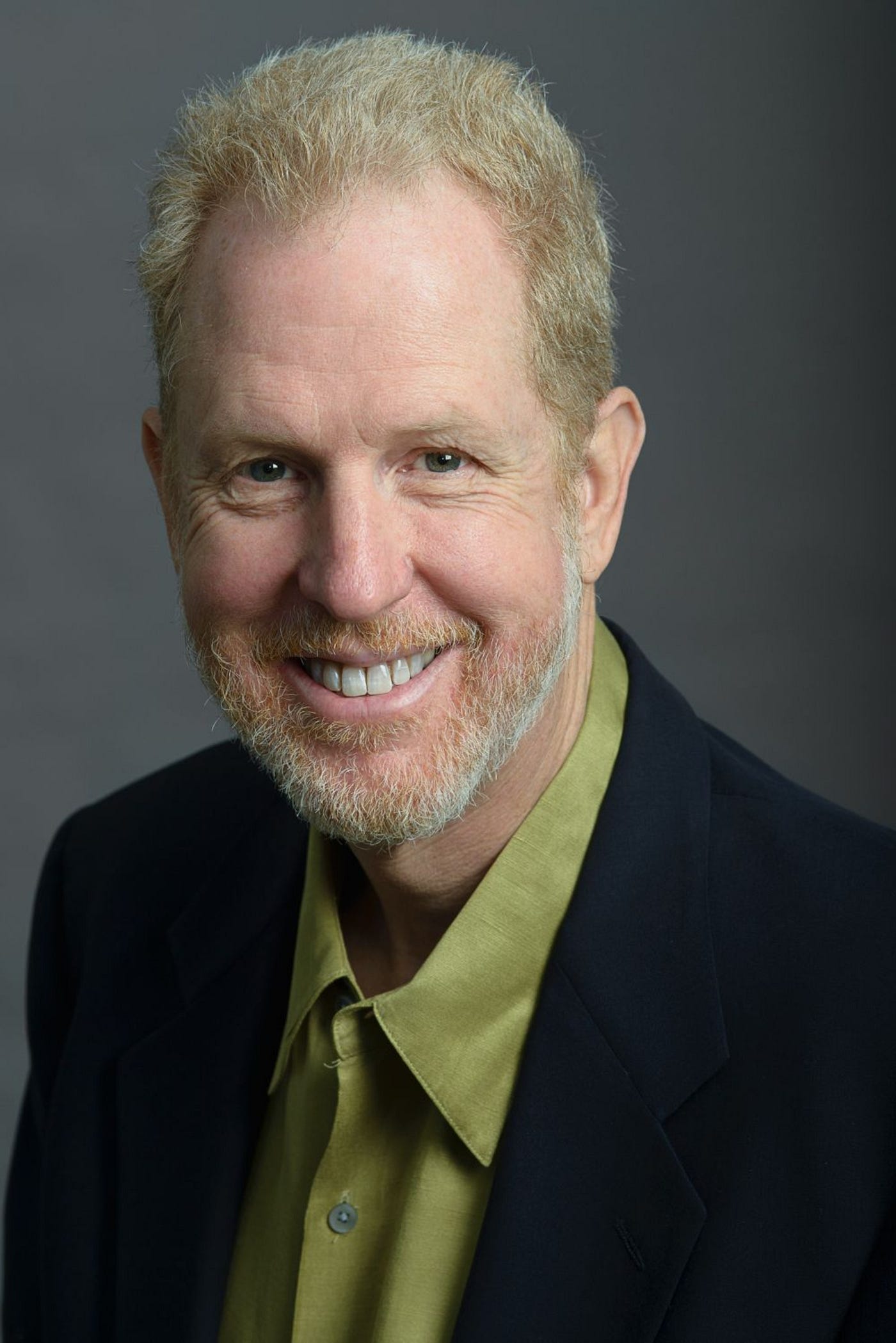
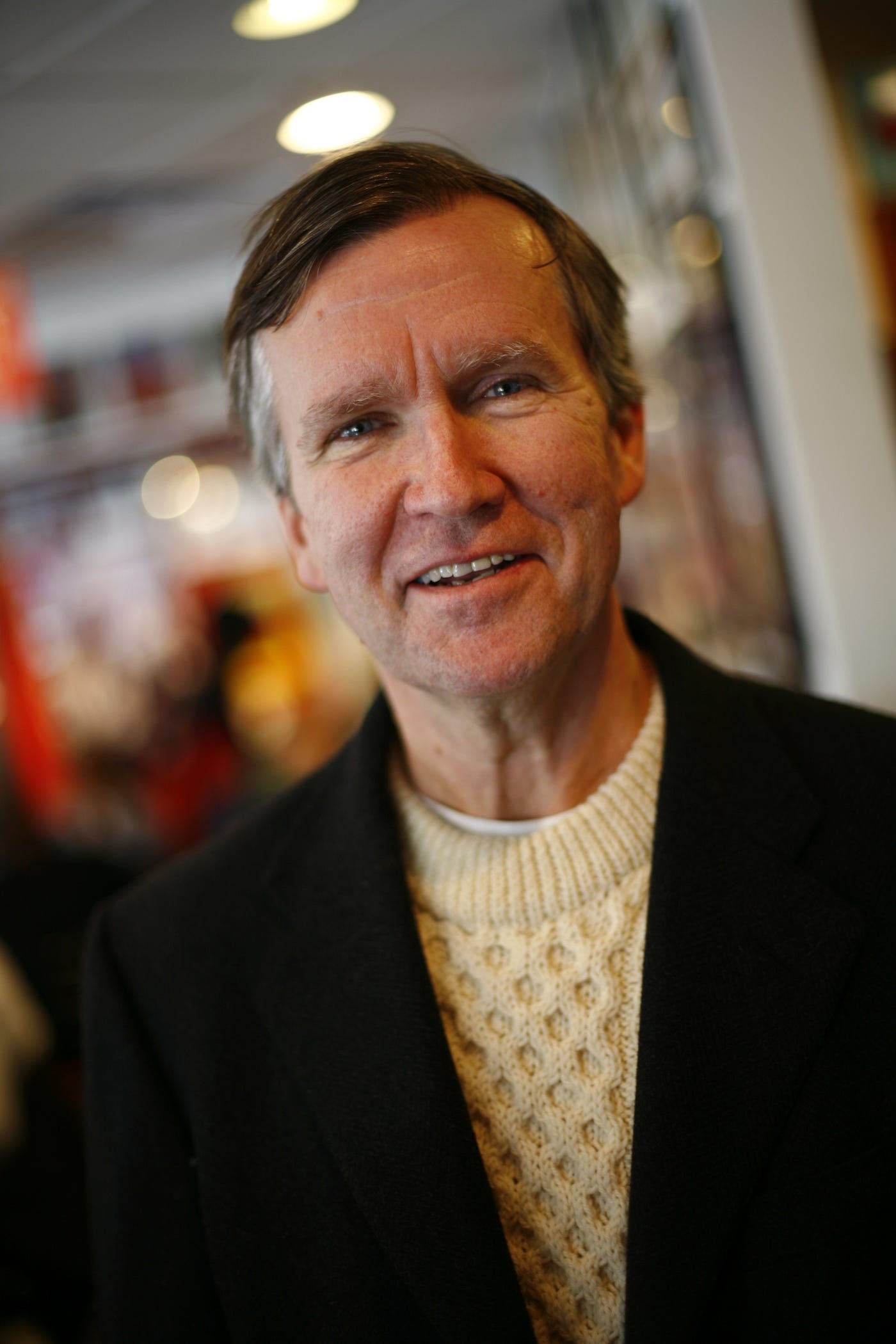
Cancer is a horrible and terrifying disease. Yet millions of people have beaten the odds and beat cancer. Authority Magazine started a new series called “I Survived Cancer and Here Is How I Did It”. In this interview series, we are talking to cancer survivors to share their stories, in order to offer hope and provide strength to people who are being impacted by cancer today. As a part of this interview series, I had the pleasure of interviewing Josh Mailman.
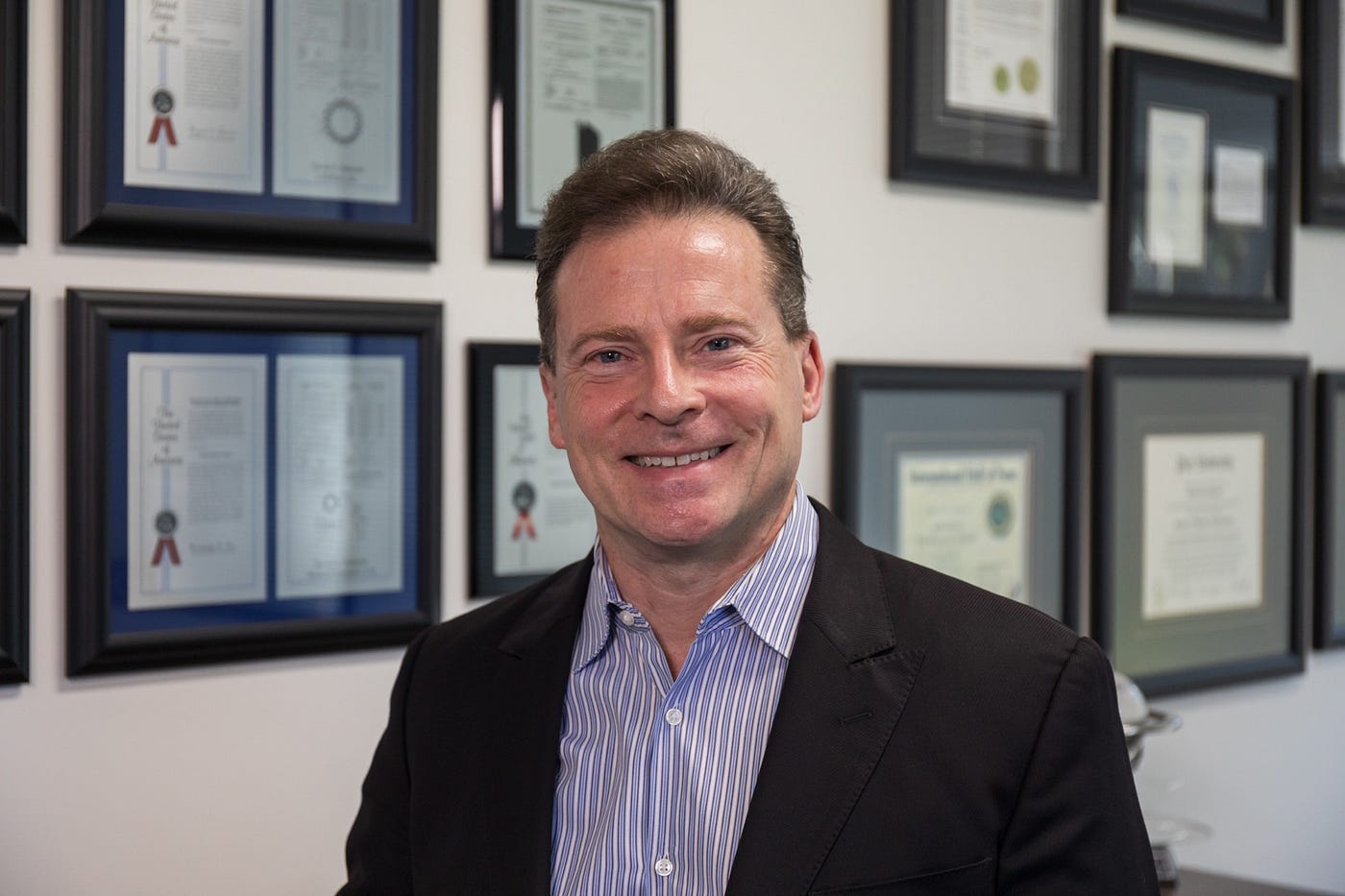
Josh Mailman is an internationally recognized advocate for neuroendocrine tumor patients as well as an advocate for nuclear medicine and molecular imaging and integrative oncology. He is the inaugural chair of the Society of Nuclear Medicine and Molecular Imaging’s (SNMMI) Patient Advocacy Advisory Board, a board member of the Neuroendocrine Tumor Research Foundation, President of NorCal CarciNET Community and COO of WARMTH. He has an MBA from the Anderson School of Management at UCLA and has been a technology entrepreneur for more than 20 years.
Thank you so much for joining us in this interview series! We really appreciate the courage it takes to publicly share your story. Before we start, our readers would love to “get to know you” a bit better. Can you tell us a bit about your background and your childhood backstory?
I am the youngest of four children and the only son in the family. My dad was a physician and my mom a registered nurse. I was always comfortable around medicine, as I went on patient ‘rounds’ with my father in the hospital on the weekend. I played volleyball in high school and then kept playing at the beach during my college years. I was always healthy, and had only experienced medical issues due to injuries sustained from volleyball. I had knee surgery in my teens and shoulder surgery as an adult. Otherwise, I was just your average, 6’6” volleyball player from sou
thern California.
Can you please give us your favorite “Life Lesson Quote”? Can you share how that was relevant to you in your life?
“Enjoy Every Sandwich” — Warren Zevon
Warren Zevon (lung cancer patient) made this comment on his last appearance on the David Letterman Show, when David had asked him for a “life lesson quote.” It sums up what I tell other cancer patients — we need to do what we can to prolong the quantity and quality of our life, but in the end, we must enjoy what is around us, as that is really all that really matters.
Let’s now shift to the main part of our discussion about surviving cancer. Do you feel comfortable sharing with us the story surrounding how you found out that you had cancer?
Happy to — as I hope my path through cancer can help others.
So the challenge of my cancer discovery was that I was feeling well. I was 46 years old and going in for my annual checkup. My physician felt something unusual under my rib cage, but she didn’t think much of it. She recommended at some point to have an ultrasound, but it wasn’t a rush. Six weeks later, I went to Urgent Care for a flu test. Since I needed an ultrasound too, it was suggested I get the ultrasound while I wait for my test results. I’m not worried at all at this point. Things turned scary when the technician wouldn’t look me in the eye during the ultrasound. The Urgent Care physician would no longer look me in the eye either. I knew something was amiss. The Urgent Care doctor put me in touch with my internist. He ordered a bunch of extra blood tests and told me that they needed to do more imaging scans and that everything was going to be alright.
The CT scan was scheduled for the following week. The waiting between the ultrasound and the CT scan was incredibly scary. Once the scan was complete, we knew it was a tumor on my pancreas that had spread into my liver.
What was the scariest part of that event?
Waiting for the diagnosis was incredibly scary. I was pretty scared after they realized it was a tumor on my pancreas. Doctors weren’t sure what it was for certain or if it was cancerous, but they did not seem to think it was going to be good. This waiting and uncertainty were very frightening. I waited another 10 days for a biopsy and another week until we found out what type of cancer I had. I have a very rare neuroendocrine tumor of the pancreas with metastatic disease to my liver. At the time of diagnosis, I had a larger-than softball size tumor on my pancreas and several hundred tumors on my liver. At that time, our son was only 10-months-old and I was fearful that I wouldn’t be at his first birthday party.
What did you think was the worst thing that could happen to you?
Given the extent of my disease, I was not sure there were any surgical options available to me. I thought the worst thing that could happen to me is that I would not be alive to see my son reach his first birthday.
How did you react in the short term?
My background is in technology management. The way I manage most things is I try to get the most information that I can and make the best decisions based on that information. The fact that I had such a rare diagnosis was the scariest and most consequential issue I had ever faced in my life. I spent many hours researching and investigating answers and immersed myself in information to understand the disease.
After the dust settled, what coping mechanisms did you use? What did you do to cope physically, mentally, emotionally, and spiritually?
The dust never settles when you have a cancer diagnosis. In the early days, I would drive my road bike around the bay on the Bay Area Trail in California and just look at the beautiful water. I tried to calm myself on those rides. I have tremendous support from my wife, and from my family and friends. I also have an incredibly supportive medical team.
When I did find a support group that dealt with this rare type of cancer — I learned to lean on my support group friends as well. I was also really fortunate to be able to take advantage of the University of California San Francisco (USCF) Integrative Oncology Program where I learned about taking care of myself during this part of my life journey.
It was my support group that changed the arc of my journey with cancer. The group provided me with emotional support, encouraged me to learn more about my disease and explore educational conferences, and to meet with more patients and doctors. It was at an educational conference on my disease where I had heard a lecture from a leading nuclear medicine physician from Germany that changed my life and learned how I was to be medically treated going forward.
Is there a particular person you are grateful towards who helped you learn to cope and heal? Can you share a story about that?
There are so many people who help you and join the journey with you. Donald Abrams, M.D. at UCSF taught me how to take care of myself. My wife stood by me at every appointment and at every turn of my diagnosis and subsequent treatments. My friends and family were always there for me, as were members of my support group.
In my own cancer struggle, I sometimes used the idea of embodiment to help me cope. Let’s take a minute to look at cancer from an embodiment perspective. If your cancer had a message for you, what do you think it would want or say?
Figure out what is important to you — what brings you joy and go do it. Don’t put off something in the future or don’t waste time on work that has little meaning for you — life is too short. In a sense, I have adapted this attitude — my planning horizon is no more than four times my imaging scan intervals.
What did you learn about yourself from this very difficult experience? How has cancer shaped your worldview? What has it taught you that you might never have considered before? Can you please explain with a story or example?
I learned to trust the tools that I had used in my life in this stressful situation. There are no easy answers or shortcuts: do your research, learn who to trust and who you want on your team.
I am, as are most who live in the United States and other developed countries, extremely fortunate to have quality health care and availability of treatment options. These options don’t exist for most in the developing world and even for some in underserved communities. We must work with the medical community to make durable, affordable health care solutions that can be implemented worldwide.
Until I started working with healthcare nonprofits and speaking at international events, I had never fully considered the challenges in providing healthcare worldwide. The typical Western model of seeing a doctor annually for check-ups or when sick, and taking a treatment followed by another checkup is not viable in many other parts of the world. Most will see a doctor only when sick, but will barely be able to afford it, and many don’t have the luxury of multiple treatment visits. Treatments need to be available and financially viable to these types of communities.
How have you used your experience to bring goodness to the world?
I’m leading a life of advocacy for others in my situation. I advocate for neuroendocrine tumor patients as well as advocate for nuclear medicine and molecular imaging and integrative oncology. I chair the Society of Nuclear Medicine and Molecular Imaging’s (SNMMI) Patient Advocacy Advisory Board and am a board member of the Neuroendocrine Tumor Research Foundation, as well as the President of NorCal CarciNET Community and COO of WARMTH (World Association of Radiopharmaceuticals and Molecular Therapy).
I also work with the American Society of Clinical Oncology (ASCO) and the American Association of Clinical Researchers (AACR) to help train young clinical oncology researchers across all cancer types because it is vital that we train the next generation of researchers to keep making progress against all types of cancers.
What are a few of the biggest misconceptions and myths out there about fighting cancer that you would like to dispel?
First, it’s a myth that you can’t live with cancer. You can. I am. I’ve had cancer for 15 years. With the right treatment plan, you can still participate and thrive in life.
Second, it’s a myth that there are miracle cures that can cure everything, including cancer, that are being kept from patients. There really aren’t and the vast majority of all who work in the medical field would like people to live longer and have a better quality of life.
Third, go where your journey takes you. You want to ask questions and be open to learning something new. I was fortunate to meet with some of the leading experts in nuclear medicine at a patient conference. I asked questions and was open to learning more even though I knew very little at the time. The path that opened up for me changed the path of my cancer journey with new diagnostics that could image my disease and new treatment possibilities that could extend and improve the quality of my life.
Fourth, remember that the statistics that you see online or that your doctor may quote to you are for what came before. There are new treatments and methods going forward and your job is to live your best life and continue to seek advancement in care.
Fantastic. Here is the main question of our interview. Based on your experiences and knowledge, what advice would you give to others who have recently been diagnosed with cancer? What are your “5 Things” You Need To Beat Cancer? Please share a story or example for each.
- Talk about it — to your medical team, to your family, to others who share your journey. Find a support group; find a way to reach out and help others who are walking a similar path as you. Learn how to talk to your medical team so that they can be more responsive to what you need. Learning to “Speak Up!” is something I am passionate about — I have even gone around the country giving talks on this topic. https://norcalcarcinet.org/speakingup, Many patients don’t want to share their journey with family and friends, for me it was a great source of support. Yes, you might lose a few friends in the process but the ones who step up will be your true friends for life. Support groups can be extremely helpful as it gives you an opportunity to listen to and share experiences with others. The support group I went to encouraged me to educate myself in addition to the information I was receiving from my medical team which led me to the treatment path that extended the quantity and quality of my life. In 2008, with the encouragement of my support group, I attended a patient education conference in Toronto, Canada 3,000+ miles from my home. There, I learned about new innovations in nuclear medicine occurring in Europe. Within six weeks, I was in Europe having a new type of imaging tracer for my disease. That one decision changed the course of my disease. Six months later, I was back in Europe having a type of nuclear medical therapy that was still investigational. I didn’t know at the time but this was early in the development of theranostics (diagnostics/therapy) of my disease — which used the same nuclear medicine targeting agent for imaging and treatment of cancer. This not only changed the path of my disease, but it also changed it for tens of thousands of those that have come after me since the approval of theranostics in Europe and the United States in 2017–2018. Now this nuclear medicine technique is in clinical trials and heading towards approval in prostate cancer.
- Never stop learning. Research your disease — research treatments. Don’t be afraid to ask for a second opinion. Your journey might take you on unfamiliar roads. Many people are afraid of ‘Watch and Wait.’ I was told this at the start of my journey. I turned this into “Watch and Learn” so when the time came for action, I was prepared to make a decision.
- Enjoy Every Sandwich. I am inspired by the words of the late singer-songwriter Warren Zevon who when asked by David Letterman if he had any wisdom that he wanted to share now that he was diagnosed with terminal cancer replied “ Enjoy Every Sandwich”. I think Warren’s message is simple — don’t dwell on the past and enjoy where you are and every moment that you experience. While I have lived with cancer for more than 14 years I know that I will not live forever, so I try to enjoy every moment I have.
- Remember, the majority of your body is well. While it is natural to focus on your cancer and what you need to manage your care, make sure to take care of yourself. When I was first diagnosed and had my first meeting with an integrative oncologist his philosophy was that my body was a garden and that cancer was a weed growing in my garden. My oncology team’s job was to manage and remove the weeds as best as they could. His job (and mine too) was to tend the garden — -making it a place of joy and beauty and not an easy place for weeds to grow.
Cancer patients often tell me that their oncologists only see their cancer and not them. I let them know that that’s okay, as their job is to weed out the cancer. Work with an integrative oncologist or a palliative care team to make sure all of ‘YOU’ is taken care of so you can have the best ‘garden on the block.’ - Give back — If you survived cancer, it is because others before you gave their time, energy, or funding to make the advancements that have enabled you to survive and thrive. I have continually given back by participating in clinical trials and volunteering with medical societies to give patient’s perspectives. I have also raised funds for and donated to cancer research. One of the nuclear medicine diagnostic clinical trials I raised funds for was approved in 2020.
You are a person of great influence. If you could inspire a movement that would bring the most amount of good to the greatest amount of people, what would that be?
I would make cancer diagnostics and care more affordable and available worldwide. I would educate more physicians and patients on the benefits of nuclear medicine and the emerging field of Theranostics which uses the targeting molecule to image and treat cancer.
We are very blessed that some very prominent names in Business, VC funding, Sports, and Entertainment read this column. Is there a person in the world, or in the US with whom you would love to have a private breakfast or lunch, and why? He or she might just see this if we tag them. :-)
I’d go with breakfast, as I am up early collaborating with friends in the nuclear medicine field around the globe. I’d love to have breakfast with Bill Gates to discuss his efforts on worldwide health initiatives. He has spent a great deal of energy and resources on tackling some of the world’s largest health issues, like COVID and malari — — which combined has taken the lives of 4,000,000. How can I learn from what has and has not worked on controlling those infectious diseases and apply this to cancer which takes 10,000,000 lives annually? Is there a strategy for low-cost and durable cancer treatments so less lives can be lost to this deadly disease?
How can our readers further follow your work online?
You can follow me on Twitter @globeseek or contact me at josh@norcalcarcinet.org
Thank you so much for sharing these important insights. We wish you continued success and good health!
About The Interviewer: Savio P. Clemente helps cancer survivors overcome the confusion and gain the clarity needed to get busy living in mind, body, and spirit. He inspires health and wellness seekers to find meaning in the “why” and to cultivate resilience in their mindset. Savio is a Board Certified wellness coach (NBC-HWC, ACC), stage 3 cancer survivor, podcaster, writer, and founder of The Human Resolve LLC.
Savio pens a weekly newsletter at thehumanresolve.com where he delves into secrets from living smarter to feeding your “three brains” — head , heart , and gut — in hopes of connecting the dots to those sticky parts in our nature that matter.
He has been featured on Fox News, and has collaborated with Food Network, WW, Bloomberg, Amazon, and Facebook. His mission is to offer clients, listeners, and viewers alike tangible takeaways in living a truly healthy, wealthy, and wise lifestyle.
Savio lives in the suburbs of Westchester County, New York and continues to follow his boundless curiosity. He hopes to one day live out a childhood fantasy and explore outer space.
SP
Written by
Savio P. Clemente
Editor & Journalist · Authority MagazineSavio P. Clemente is a senior columnist at Authority Magazine covering Tech and Wellness, conducting primary-source Q&A interviews with founders, executives, and industry leaders.

Published inAuthority MagazineTop Lessons, Top Authorities · 42K Followers
Exclusive, curated interviews with the leaders and changemakers shaping tomorrow. Leadership lessons, industry deep dives, and executive profiles.