The expedient thing would have been private practice with my financial needs taken care of and less stress on me and my family life, but in the way I saw it, it wouldn’t have been as meaningful. I followed the quote.
Wellness
Gary Onik MD of The Center for Recurrent Cancer on Navigating Terminal Diagnosis, Pursuing Meaningful Innovation, and Challenging Conventional Oncology Paradigms
The pioneering physician and cancer survivor discusses his unexpected metastatic diagnosis, his lifelong dedication to developing groundbreaking image-guided tumor ablation, and choosing a meaningful path over an easy one.
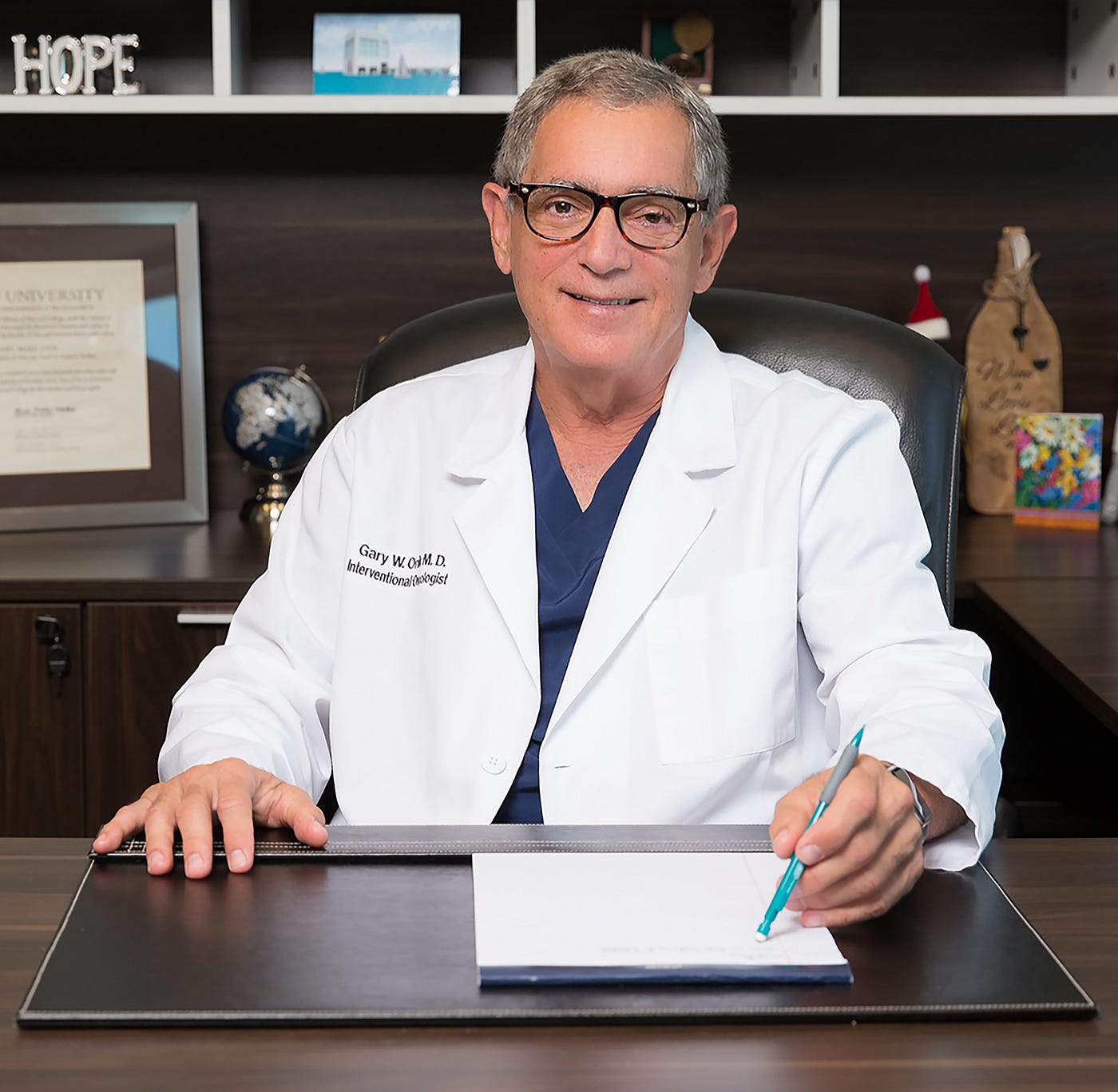
Cancer is a horrible and terrifying disease. Yet millions of people have beaten the odds and beat cancer. Authority Magazine started a new series called “I Survived Cancer and Here Is How I Did It”. In this interview series, we are talking to cancer survivors to share their stories, in order to offer hope and provide strength to people who are being impacted by cancer today. As a part of this interview series, I had the pleasure of interviewing Gary Onik MD.
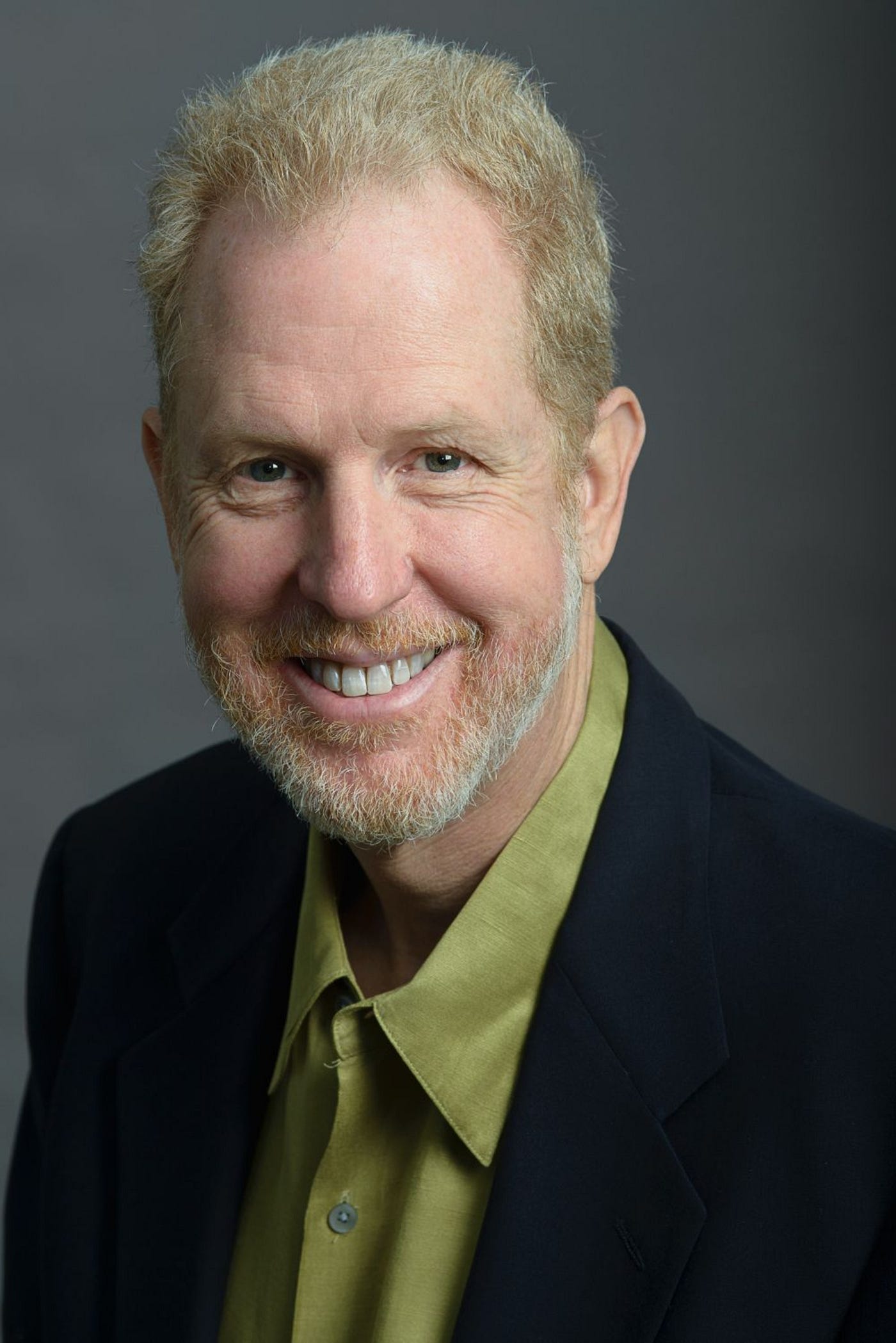
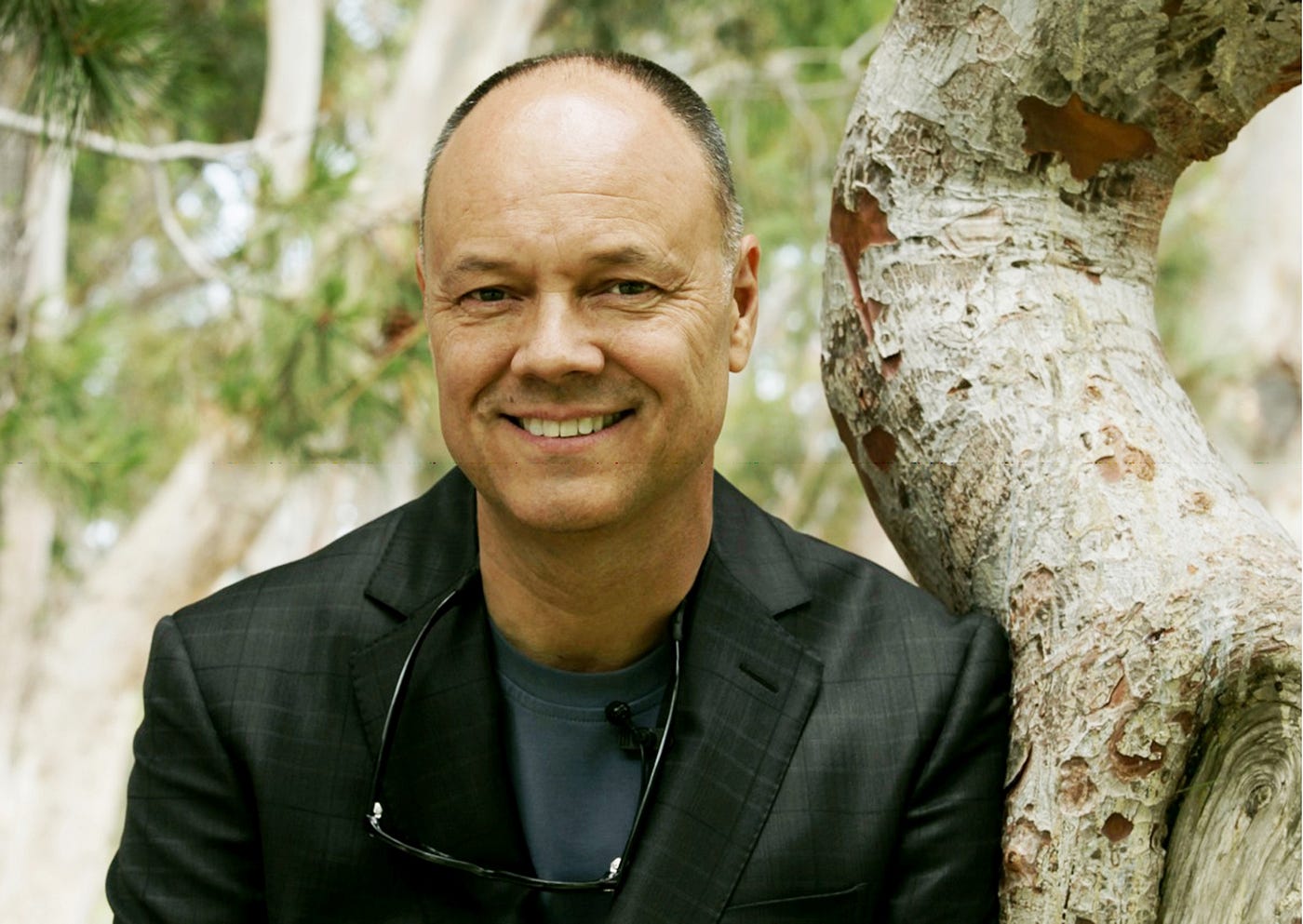
Gary Onik MD is the Director of The Center for Recurrent Cancer (Aventura, FL) and Adjunct Professor of Mechanical Engineering at Carnegie Mellon University.
In 1982, using cryosurgical ablation he developed the first new curative treatment for liver cancer patients. Concurrently, he developed the instrumentation and techniques for the cryosurgical ablation of prostate cancer, the preferred treatment for patients with prostate cancer when radiation fails. More recently, Dr. Onik and his long-term collaborator, Boris Rubinsky PhD, developed Irreversible Electroporation (IRE) or the “NanoKnife”, which is being used to successfully treat inoperable pancreatic carcinoma.
Dr. Onik has appeared on national news shows including ABC World News Tonight, Good Morning America, 20/20 and CNN. Print media include Time, The New York Times, and The Wall Street Journal, among others. He is the host of a new soon to be released podcast, Cancer is Tough but You’re Tougher.
Thank you so much for joining us in this interview series! We really appreciate the courage it takes to publicly share your story. Before we start, our readers would love to “get to know you” a bit better. Can you tell us a bit about your background and your childhood backstory?
I grew up in Brooklyn in the early 50s when basically the world was simpler. We played out in the street, we went home for lunch, then back out again till dinner. We weren’t driven everywhere, and back then there were no soccer moms. When I was 8 years old my dad died. It was a major upheaval, a single mom now taking care of 2 kids, having to work. My brother and I basically became latchkey kids. We let ourselves into the apartment, and stayed there until mom came home.
I knew from a very early age that I was going to be a physician. A driving force was our own family doctor, Dr. Klima. He was this ruddy, kind-faced doctor with white hair and white bushy eyebrows, like 2 caterpillars had crawled above his eyes. When you were sick, Dr. Klima would make his house call, and just him being there made you feel better.
Coincidentally, I was recently talking to a friend, Myles Pensak, who is a well-known ENT physician. I’ve known Myles since kindergarten. When I asked him, “When did you know you were going to be a doctor, and why?” He told me about Dr. Klima, and that Dr. Klima had given him the impetus to become a physician as well.
I went to medical school after graduating Harvard in ’74. I had a hard time getting into medical school, it was a difficult time at that point but I did. After doing a 2-year stint in the US Public Health Service, I went on to a radiology program. During my second year I had the seminal moment that changed my life forever.
I was doing a CT-guided biopsy of a tumor of the liver and it occurred to me that if we could place a needle into a tumor to sample it, perhaps using imaging guidance we could place a probe of some sort into the tumor and kill it, rather than having to remove the tumor. This is important because a lot of tumors can’t be removed, and back then such patients invariably died.
At that time radiology was almost purely diagnostic. Interventional radiology was just starting. My faculty took a favorable view of my idea and offered me an NIH/National Cancer Institute Fellowship to take a year off and do the research on this treatment. That started my career in cancer treatment.
From that early work, myself and others developed image-guided tumor ablation. I was the first to show that this technique could actually cure liver cancer and numerous other kinds of cancer that couldn’t be surgically removed. This is now a standard technique that’s used tens of thousands of times a year to treat cancer patients.
Can you please give us your favorite “Life Lesson Quote”? Can you share how that was relevant to you in your life?
My favorite life lesson quote is the seventh rule from Jordan Peterson’s book, Twelve Rules for Life: “Pursue what is meaningful, not expedient.” I had a major choice when I finished my radiologist training and had started a family. I could take the path to a private practice, make good money, have a lot of time off, and have a good life.
Or, I could take this other path, pursuing cancer research, with uncertainties of finances and the controversy that comes with developing new cancer treatments. The expedient thing would have been private practice with my financial needs taken care of and less stress on me and my family life, but in the way I saw it, it wouldn’t have been as meaningful.
I followed the quote. I came to realize I was given a gift to be able to do this in a way that is unusual and unique. In my career I’ve come up with a number of very successful cancer treatments across many different cancers. This is meaningful to patients, so naturally it is meaningful to me. That’s how the quote is relevant in my life.
Let’s now shift to the main part of our discussion about surviving cancer. Do you feel comfortable sharing with us the story surrounding how you found out that you had cancer?
Yes, I do. I was having difficulty urinating, so I was considering having an imaging-guided procedure called prostate embolization. This is used to shrink a benign prostate so a man can pee easier. I went for an imaging study of my prostate before the procedure. Afterward, I immediately met with the radiologist, and we looked at my scan together. As the images came up, I saw I was in a great deal of trouble.
I had a huge prostate tumor growing out of my prostate into my bladder. I had a very large mass in my pelvis that was pushing my organs and bladder to the other side. I had obvious cancer in my lymph nodes and bones.
My first thought was, “Oh shit, this is not good.” I had dealt with this in terms of telling people they had this terrible disease. Now here I was, seeing it in me. There was an air of unreality about it. Literally, I had this sinking feeling. It’s like the bottom is falling out from your insides. It took me about a day to process it.
What was the scariest part of that event? What did you think was the worst thing that could happen to you?
Initially, the scariest part was the realization that I was going to die. I had incurable metastatic prostate cancer. I could stave it off with various treatments, but there was no question that it would kill me.
Then I thought, what’s the worst thing that could happen to me? In fact, it wasn’t dying. The worst thing was the poor quality of life I going to have as I died. This is because the main treatment for metastatic prostate cancer is basically castration, whether chemical or surgical. It has lot of bad side effects. Despite how The Game of Thrones portrays The Unsullied, what it does to a man is not a fictional drama. You lose any sex life that you had, it increases your chances for dementia, there’s heart disease issues, it takes away your vigor. In short, it’s a miserable treatment.
I immediately made the decision that I’d had a very fulfilling and meaningful life, and that I was really prepared to die rather than undergo that type of treatment and existence. Everything I love to do is physical, from sex to climbing mountains. And for me, to lose that would have been an intolerable situation. On the other side there was my family. My dying was obviously going to have an impact on them, but I was going to die anyway. So, I decided to die on my own terms, with as much dignity as I could.
How did you react in the short term?
The short term between my diagnosis and my treatment was a flurry of decisions and actions. Once I made the decision between castration that could extend my life with lots of side effects and complications, versus the choice of dying on my own terms, I began putting into place my plan for surviving this situation.
Some background will help explain my plan. My position was really unprecedented because I did have a possible way to cure myself. Approximately 5 years before I was diagnosed, I had a patient come to me who had terminal prostate cancer. He was literally weeks from dying and had been told to get his affairs in order. At that time, I had already been contemplating how I might be able to harness the immune system to kill cancer.
There’d been published instances where freezing tumors had resulted in the immune system ridding a patient of widespread cancer — a very rare phenomenon. The good news was, there were now new drugs available that enhanced the immune system. The bad news was, they did not appear effective against prostate cancer. My thinking was along the lines of combining the immunologic effect of freezing a tumor with administering the new drugs to improve on the poor drug effect.
So, when this patient came to me — he was a very sophisticated patient — I explained my concept and said I could not give any assurances since he would be my first patient. Basically, the treatment is creating a vaccine in the patient of his own cancer. His body recognizes the cancer as foreign, and then his immune system goes around his whole body and kills the cancer. He understood the concept and agreed to undergo the treatment, which offered his only hope.
Well, what happened was virtually miraculous. Within 8 weeks, he had no evidence of cancer, and he remains cancer free to this day more than 6 years later.
By the time I was diagnosed with incurable prostate cancer, I had treated other patients as well and it was clear that this was a reproducible phenomenon. I was the only person in the world with a new treatment approach that could cure metastatic prostate cancer. The problem was that it involves a procedure, and it wasn’t clear how I was going to be able to do this to myself.
All of this was happening very quickly after my diagnosis. I went to a good friend of mine, a urologist who I’d worked with in the past, on another project called the Male Lumpectomy where we focally destroyed prostate cancer in a patient’s prostate, just like a woman’s lumpectomy for breast cancer. I knew he had the skills for the new procedure but he didn’t know how to do it the way I designed. I asked if he was willing to do the procedure while I was awake under spinal anesthesia so I could guide him through it.
His reply went something like this: “Are you out of your mind?!” We laugh about it now, but I did convince him, and we eventually carried out the procedure together successfully.
After the dust settled, what coping mechanisms did you use? What did you do to cope physically, mentally, emotionally, and spiritually?
Over the course of the last 15 years, I had developed a strong spirituality and a belief in God, in a Higher Power. That I had been given a cancer that only I would be able to cure was so improbable that I had to believe that it was purposeful, to show what this new treatment can do.
With this belief, I now had to do what every patient has to do, which is let his loved ones know about this dreaded diagnosis. I have 3 children. They’re spread out all over the country, so I brought them together, sat down with them, and basically told them that I had terminal cancer.
Each one reacted in a way consistent with their personalities. My daughter Emily basically burst into tears. My son Casey said, “Gosh, Dad, you can’t even die in the usual way.” And my son Al, who is on the Asperger’s spectrum (autistic) looked at me and in the usual flat way that he had of speaking, said, “Dad, I am crushed.”
My response to him was, “Al, you don’t have to be crushed, because we know how this is going to turn out, because God wants it to turn out a certain way. This is being done to prove a point.” When we went our separate ways, I returned to get on with what I had to do to treat myself.
Physical, mental and emotional coping can be summed up in one word: acceptance. Acceptance of the situation which allows you to get on with what you need to do. One thing I did was to make a bunch of t-shirts with the saying “Fuck Kübler-Ross”, my dark humor way of signifying my acceptance. As you know, Elisabeth Kübler-Ross wrote the classic book about the 5 stages of death and dying: denial (it’s not going to happen to me), anger (resentment, rage, envy), bargaining (the hope that this can somehow be postponed), depression (sorrow and loss), then finally acceptance (inner peace as you surrender to the certainty of death).
The reason that I made those t-shirts was because I felt at peace with everything from the very beginning. I thought, it’s a waste of time to go through the first four stages. Mentally and emotionally, I was now committed to do what needed to be done to somehow change this prognosis.
Spiritually, I knew that prayer could have a significant effect on my outcome. As a physician treating cancer patients, I had personally witnessed it. I had a patient who was diagnosed with a metastatic liver tumor from colon cancer. He refused all traditional treatment, none of which would save his life, and he had his church start a prayer chain going around the world. His cancer completely regressed, and 5 years later he still had no other evidence of it. That opened my eyes to the possibility that prayer could make a big difference in how a cancer patient did. I had also read books that documented a scientific basis upon which prayer could work, most convincingly “The Field” by Lynne McTaggart. “The Field” is about the zero point field which is well accepted in quantum physics. It says basically every square millimeter of this universe is filled with this zero point field that randomly winks in and out of existence. Through this field we have ongoing interaction, and our consciousness works with it. Stanford University did studies that contribute to this in relation to prayer and how a person’s consciousness can affect outcomes for patients. Work from Princeton showed unequivocally that your consciousness can influence physical things in this environment.
So, believing that prayer could have a major impact on how I cope with this, I embarked on a program to request people to pray for me. I was convinced it didn’t matter, if the person praying was Christian, Muslim, Jewish (as I am), HIndu, Buddhist or even nonreligious secular agnostics, putting positive intentions out there, they all could have a positive effect for me. I found a wonderful video production company that was spiritually-based and took this on as a kind of a personal mission, making all sorts of accommodations to get a video done quickly, which it had to be. I immediately contacted friends and colleagues, as well as some of my patients and asked them if they would be willing to become part of my story about my own journey with prostate cancer and my treatment. Within a couple of weeks, I was literally on a whirlwind tour around the United States visiting my various patients and various colleagues, and filming the video. It took about 10 days to shoot, another two weeks to edit and do a voiceover. This became the video “AKA Doctor Hope.” When we distributed it, it went viral as well as winning a number of awards. I will never know all the people who ended up praying for me because of it, but I am tremendously grateful since I believe their prayers worked. I could now live to bring my treatment to the world.
Is there a particular person you are grateful towards who helped you learn to cope and heal? Can you share a story about that?
There are 3 people who were particularly important who helped me cope and heal. The first two, Karen Barrie and a friend of mine, Mike Reischmann, were important because they affirmed my belief that God was playing a role in this situation, and that I had to proceed as if that was the case.
Karen wasn’t any surprise because she actually met her husband when she was a nun, and ended up leaving the convent. Mike’s support was more surprising. He is a serial entrepreneur with a hard-driving Type A personality. When I told him of my cancer, he immediately said there’s God involved in this. I was taken aback because I didn’t think he was a spiritual person at all. When I asked him why, he said that when he was in Vietnam there were times when his life was saved in ways that he had to believe that something had spared him, that his survival was so improbable it gave him a basic faith. I mean, I was floored by this, because we had never talked about spirituality, he never told me about his relationship with a Higher Power. He basically said, “What’s happening to you can’t be random. Think about it. You are the only person in the world that has a potential cure for a disease that you are then given. Not just any disease, but the disease that you have been working on for 5 years to be able to cure.” So, he was important in confirming in my mind, as well as Karen, that this was in a sense a challenge to me from God. I had something important to give the world that could alleviate great suffering, and they believed and I believed that God wouldn’t take me from this world before I could have a chance to see this project through.
And the last person I was grateful toward was actually an old girlfriend, Mariela, who I wasn’t with at the time. When I became sick, her spiritual support also reinforced that this was something I was going to survive because I had something to give. But also from the practical end, after my treatment she provided the care taking that you get from a loved one. My kids, of course, wanted to come but they had their own lives, and I didn’t want to disrupt them — although I think my daughter still somewhat resents me for not disrupting her life. Mariela was right there for me. It was a great comfort.
In my own cancer struggle, I sometimes used the idea of embodiment to help me cope. Let’s take a minute to look at cancer from an embodiment perspective. If your cancer had a message for you, what do you think it would want or say?
I think it would want to say, “I’m proud of you.”
What did you learn about yourself from this very difficult experience? How has cancer shaped your worldview? What has it taught you that you might never have considered before? Can you please explain with a story or example?
It was less of a learning than a confirmation of myself. I had a certain view of the world and of myself and my place in it before I got sick. I had a view of God and my spiritual grounding and how that gave me strength and purpose, and this situation confirmed that that was strong and real. You can’t know if your beliefs can withstand such a test as this until it happens. There was no question from the time I was diagnosed that those beliefs were confirmed.
The cancer didn’t shape my world view. I had my world view already. It really affirmed the way I see the world. I’ve been famous in my own right; early on in my career, as a young kid I stood on the podium alongside the old cancer professors who’d had full careers in oncology. I’d had a number of successful cancer inventions, developments that gave me some financial stability as well. Then, at one point in my career all of that was taken away from me in one fell swoop.
In having it all taken away from me, I found humility and that these things — fame and fortune — are very ephemeral and are not the answer to happiness. Just look at Hollywood and the movie industry where people who appear to have everything, fame and fortune, destroy their lives with addiction and things like that. I learned that in life, you can’t depend on your happiness from outside things that can be taken away.
It was the epiphany I needed. It set the foundation for why I was doing this project and the goals were not fame and fortune.
How have you used your experience to bring goodness to the world?
I’d like to combine my answer to that by also responding to your question, “You are a person of great influence. If you could inspire a movement that would bring the most amount of good to the greatest amount of people, what would that be?” Here’s my answer to both questions.
I made the video to have people pray for me as my first arm of treatment. The second arm was to apply my own technology to treat myself. With God’s grace, I was given a complete cure. Within 8 weeks I had no evidence of cancer anywhere. My pain was gone. I was urinating normally, all my tests and imaging were negative for cancer. I was given this tremendous gift. I don’t believe it was a “well, I’m going to give you this so you have to do that” kind of situation but I knew that I had something very important to give the world. What can bring more goodness than alleviating people’s suffering — at the very least — and also impacting their lives to give them hope as well as more time with their family and friends?
Basically, I am starting a movement. The movement is to bring optimal personalized cancer care through this cancer vaccine platform I developed to as many people as possible.
My challenge is to bring the most good to as many people with this advance. We are finding we can get results in other cancers besides prostate cancer. We’ve had very exciting results relating to pancreatic cancer, lung cancer, and some rare tumors, sarcomas. This is a platform that can have a tremendous impact on the wellbeing of tens of thousands of cancer patients.
The great challenge now is to get the treatment of at least one of these cancers over the finish line so that we can start bringing this to a large number of patients. Right now, the cost of the treatment is very high and patients have to pay for it themselves. We need to get this approved through major studies, sponsored FDA-type studies. We’ve already started an FDA study to show in a controlled fashion that these results are reproducible.
I expect pushback from the traditional medical community, and that’s appropriate. The medical community doesn’t look at something like this and go, “Oh look, he’s got the answer! Let’s put everything else away because this guy solved the problem!” It doesn’t happen that way. I’m reminded of the story of Ignaz Semmelweis, a physician in the mid-1800s in Vienna. He found a way to reduce the death from childbirth infection from 30% to 3%. This was such an important advance, yet he never saw the full acceptance of his remarkable discovery within his lifetime. He had so much controversy and pushback and nonacceptance, despite what he showed was obvious, that he actually had a mental breakdown and ended up dying in a mental institution.
So, you accept pushback. It’s part of the game. I’ve experienced it in every major advance that I’ve put forth, with or without collaboration, and we’ve always eventually overcome it. So that’s my movement. I’m going to bring the next phase of immunotherapy to the fore, we’ve got good people working together to do that. We’re following the rules because that’s the way it has to be. What’s the biggest thing holding us back? It’s resources. If there’s a benevolent billionaire out there who wants to help fund what will have a tremendous impact we would welcome his participation. We’re going to get it done, but it’s about timing. With funding, we could accelerate our mission.
Ironically, I have been told that my focus on spirituality has hampered our ability to gain funding for this project. I have been urged to take down the Dr. Hope videos. A higher power is such an integral driving force within my story it just can’t be removed. I guess you could say that I am stuck “between a rock and a god place.”
What are a few of the biggest misconceptions and myths out there about fighting cancer that you would like to dispel?
Well, it’s surprising to see how much of the population thinks that there’s a cure for cancer and there’s a conspiracy to keep it from happening, because companies want to continue to make money the way they are. There’s a belief the companies and medical professions are in league with the FDA to keep good treatments from reaching the market.
First, let me address the FDA. The FDA does not do or initiate studies. It only evaluates and regulates the medications that are brought to them. In the area of oncology, my experience has been that the FDA is extremely helpful and wants to get these new treatments to patients as quickly as possible. They’ve instituted new programs for breakthrough designations and they’ve accelerated the approval process by helping investigators design their studies, to shepherd their new treatments and get an approval for them in a quicker manner. The idea that the FDA is involved in some conspiracy to keep things from happening, I just don’t think it’s true.
Big pharma? They are in it to make money. And if they don’t make money, then new cancer treatments can’t be brought forth. Now, if there was a wonderful cancer treatment that was out there and was not patentable and therefore not able to become a profitable commercial enterprise, then naturally they’re not going to be interested in it. I don’t think that it’s in any way, shape or form a conspiracy to keep good things away from patients that need them, it just the practicality they live with.
We are very blessed that some very prominent names in Business, VC funding, Sports, and Entertainment read this column. Is there a person in the world, or in the US with whom you would love to have a private breakfast or lunch, and why? He or she might just see this if we tag them. :-)
You have to understand that we did approach philanthropic foundations, the Gates Foundation, the Michael Milken Foundation for Prostate Cancer, the Sean Parker Foundation, that was started to advance immuno-oncology specifically. We’ve contacted them all and presented our information to the lower levels of their organization, but we’ve never gotten a chance to speak to anybody directly, we’ve never really had a response.
If I had one person in the world with whom I would love to have a private breakfast or lunch, it would be Elon Musk.
Major breakthroughs are made by an insight that changes the whole paradigm. About 5 years ago, MD Anderson created the Moon Shots Program, establishing committees to cure various types of cancer. Well, you don’t create a committee to cure cancer. There has to be a major insight that changes directions.
My track record in creating breakthroughs in cancer treatment speaks for itself in this regard. What most people don’t know about me was that I was originally a professor of neurosurgery, and concurrently with developing the cancer techniques we’ve talked about, I developed the first minimally invasive operation for herniated discs called Automated Percutaneous Lumbar Discectomy (APLD). It spawned the whole field of minimally invasive spine surgery. It shows that my way of thinking is unique and might be appreciated by someone like Mr. Musk.
So, the person I would like to have lunch with would be Elon Musk. He has no preconceived notions about cancer, but as perhaps one of the greatest innovators since Thomas Edison, he will have an instinctive understanding that this idea will be a major direction change in conquering cancer. I hope he would also recognize in me a kindred “thinking outside of the box” spirit.
Ironically, I have something to offer Elon in return for his support for this project. A while back a group of physicians I know were able to take a gas that is used in treating premature babies with lung disease and adapt it as a unique tire gas!!! We’ve shown that it can improve mileage on a tank of gas or battery charge by 7% and markedly reduce tire wear. We actually had a meeting with Tesla scheduled to explore the invention but the meeting was canceled due to an emergency. We all went back to focusing on Medicine and never bothered to reschedule the meeting.
So maybe our lunch could be mutually beneficial. :-)
How can our readers further follow your work online?
They can read more and contact me at garyonik.com. They can see a short video on the principle behind our new treatment at https://youtu.be/NOpTmY3sI7g. I welcome the chance to connect with anyone interested in how we might help them or they help us.
For those who want to see my video, “aka Dr. Hope”, it’s in two parts. Part I is at https://www.youtube.com/watch?v=Q3DyGgbzS6Y&t=997s, and Part II is at https://www.youtube.com/watch?v=STA5_je9c5A&t=575s
Thank you so much for sharing these important insights. We wish you continued success and good health!
SP
Written by
Savio P. Clemente
Editor & Journalist · Authority MagazineSavio P. Clemente is a senior columnist at Authority Magazine covering Tech and Wellness, conducting primary-source Q&A interviews with founders, executives, and industry leaders.

Published inAuthority MagazineTop Lessons, Top Authorities · 42K Followers
Exclusive, curated interviews with the leaders and changemakers shaping tomorrow. Leadership lessons, industry deep dives, and executive profiles.