As we age, our bodies change, but this doesn't necessarily mean we are doomed or condemned — we need to understand the impacts of these transitions to adjust our routines and carry on with a healthy lifestyle.
Wellness
Shanna Missett Nelson of Jazzercise: Strength Training and Movement Are Essential Antidotes to Perimenopause

Perimenopause is a significant transitional phase for many women, often accompanied by a variety of physical and emotional symptoms that can impact daily life. However, with the right knowledge and support, it’s possible to thrive through this stage. How can women navigate perimenopause with resilience and a positive outlook? What tips, resources, and lifestyle adjustments can make this transition smoother? As part of this interview series, we are interviewing Shanna Missett Nelson.
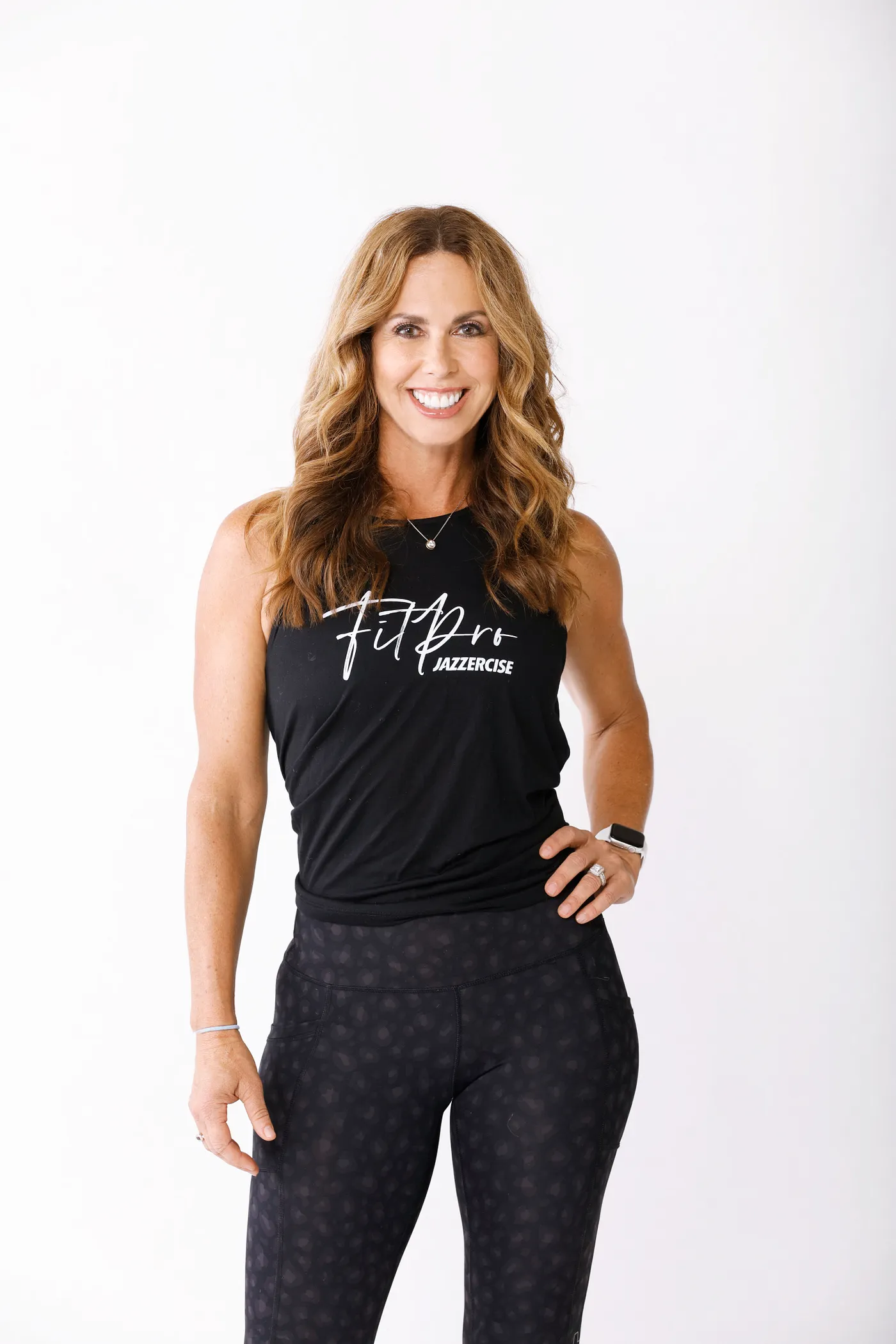
Shanna Missett Nelson is the CEO and Chief Choreographer of Jazzercise, Inc. She has a background as an instructor, franchise owner, and international brand consultant. Based in Carlsbad, CA, Shanna also choreographs for the company’s instructors and teaches classes both in person and on Jazzercise On Demand.
Thank you so much for doing this with us! Before we dig in, our readers would like to ‘get to know you’. Can you tell us a bit about your background and your backstory?
Dance has always been my passion; making fitness a joyful and enjoyable experience for all is one of my life goals. I grew up watching my mom, Judi Sheppard Missett, Founder of Jazzercise, teach classes to hundreds of people, who, week after week, showed up eager to have a great workout, feel better, and see their friends. As the first Jazzercise baby, I grew up surrounded by strong, intelligent women who were passionate about building Jazzercise but most focused on making a difference in people’s lives.
Jazzercise has always been about more than just a workout — it’s a community. I’ve been lucky enough to be part of this amazing journey professionally for 37 years, and what I love most is seeing people from all walks of life find confidence and strength through dance fitness. My strongest friendships have been forged through dance, and I witness this with our members who find friendships in our studios or even through the digital community.
Outside the studio, I’m a mom (my two daughters are also dancers, and my oldest is currently involved in the company), a friend, a sister, and someone who believes life is better when you exercise and move. Whether teaching a class, leading the company, or just hanging out with friends and family, I find inspiration in the energy and positivity of movement.
In my current role, I oversee the strategic direction of Jazzercise and lead our executive team in driving business growth and innovation to keep Jazzercise as the leader in the dance fitness industry.
Can you share a story with us about what brought you to your particular career path?
I grew up dancing and was around Jazzercise my entire life (I am the same age as the company!). In college, I started taking Jazzercise for the workout and was encouraged by my instructor in Tucson, Arizona to train to teach. I thought it would be fun, and I could get my workout in, but I quickly realized Jazzercise was so much more than a workout.
During my senior year I was asked to move to Tokyo to help our licensor in Japan expand the business. During this time, I found that while I enjoyed teaching, I really loved the business of Jazzercise. I returned to the US, finished college, and began my career. The idea of working for a best-in-class dance fitness company that helps people globally lead healthier, happier lives became the reason why I chose Jazzercise for my career.
What are some common misconceptions about perimenopause, and how can debunking these myths empower women going through this stage?
I would say that two of the biggest ones are that perimenopause is the beginning of an inevitable decline and that there is nothing a woman can do to feel better during this stage.
As we age, our bodies change, but this doesn’t necessarily mean we are doomed or condemned — we need to understand the impacts of these transitions to adjust our routines and carry on with a healthy lifestyle. Debunking myths can help empower women to have a positive relationship with themselves.
Embracing this new phase and arming yourself with knowledge is powerful. It allows women to focus on their overall well-being, prioritize self-care, and take proactive steps to manage symptoms. With the right mindset, lifestyle adjustments, and, if needed, medical support, perimenopause can become a time of growth, increased self-awareness, and even renewed vitality. It’s not about resisting change but learning to adapt and thrive as we step into this new chapter of our lives.
Many women experience unexpected emotional challenges during perimenopause. How can they develop mental resilience and maintain a positive mindset through this transition?
Finding a healthcare provider that hears you out and validates your physical and mental changes is VITAL. And they must be experts in perimenopause and menopause to guide you through a treatment plan that is right for you.
With that said, I don’t think it’s as simple as adopting a “positive mindset” when physical changes affect your mental well-being. Validation that the symptoms are typical is essential, and you have to know you can get support when you need it.
What lifestyle adjustments — including diet, exercise, and sleep routines — do you recommend to help alleviate some of the most common symptoms of perimenopause?
As a fitness enthusiast, my main recommendation for women navigating perimenopause and menopause is to incorporate regular exercise into their daily routine, no matter their life stage. Just start. At Jazzercise, we recognize how important movement is during this phase, and we’ve created special programs designed to support women in managing the unique challenges that come with hormonal changes. Our classes offer a fun, effective, and supportive environment to help women stay strong, energized, and balanced through every stage of life.
For example, strength training and HIIT workouts help with:
- Enhanced muscle mass retention by preserving strength and counteracting muscle loss from decreased estrogen
- Better bone health through weight-bearing and impact exercises that support bone density
- Cardiovascular health by improving heart function, circulation, and reduced risk of heart disease
- Regulation of blood sugar by enhancing insulin sensitivity and managing menopause-related changes in glucose metabolism
- Brain health by stimulating the brain, boosting mental clarity and focus as estrogen levels decline
- Mood and energy boost by releasing endorphins, reducing anxiety, mood swings, and fatigue
- Improved body composition and functional mobility by boosting metabolism, reducing belly fat, and maintaining a healthy weight
Again, finding a skilled menopause provider to assist you through this stage is essential. They can help you decide if hormone therapy might support you during perimenopause and menopause, along with your lifestyle changes.
In your experience, what are the most effective natural remedies or alternative treatments for managing symptoms like hot flashes, mood swings, and fatigue?
For me, hormone replacement therapy (HTR) helps manage my symptoms, but I also choose it as a preventative health measure. Medical decisions are personal, but this is what works best for me in addition to balanced nutrition and exercise.
Other natural remedies are exercise and diet. Adding more protein to your diet and keeping your exercise consistent (with strength training and HIIT workouts) will support your best health in every stage, but particularly important as you transition through perimenopause and menopause.
Hormonal changes can impact cognitive function, often referred to as “brain fog.” What advice would you give to women looking to keep their minds sharp and focused during perimenopause?
Exercise, and specifically dance fitness, helps with brain fog quite a bit. I feel like the movement and sweat clear out the cobwebs. I know this works for me, but significant research shows that creatine can help improve brain function as well as consuming healthy fats.
HRT can also be a tool used in combating brain fog.
Ok. Here is the main question of our discussion. Can you please share “5 Things You Need To Thrive Through Perimenopause”? If you can, kindly share a story or example for each.
A healthcare provider skilled in perimenopause and menopause — see above for the why.
- Exercise — see above for why and what kind of exercise.
- Healthy eating — there are many things you cannot control during menopause, but you can control what you eat. Eating whole foods, plenty of protein, and limiting alcohol is critical to managing and thriving through menopause.
- Check in regularly with yourself and how you are feeling and track what you are doing when you feel good. Menopause is not linear, and things change as you go through hormonal shifts. What works one day may not work another day, and you need to know what you are doing to adjust as needed.
- Educate yourself and advocate for yourself. Read, listen to podcasts, attend seminars about this stage of life, and bring this knowledge to your healthcare provider.
- Believe that this is the 2nd chapter of your life and not your final chapter. Over 50 is amazing and women today are THRIVING at this age. There are so many tools and resources to get through an uncomfortable stage, feeling even better than you were in your 30s and 40s, but you have to believe this in order to make it happen.
What role does community and social support play in navigating perimenopause, and how can women find or create supportive networks during this time?
Don’t be afraid or embarrassed to talk about perimenopause! Every woman experiences changes during her life; the more you talk about it, the better. You will learn new things and find resources through other women. Community and social support are essential for anything in life — most definitely for navigating physical, emotional, and mental changes during a phase like perimenopause.
At Jazzercise, we’ve built a strong community where women support one another inside and outside the studios. Our classes aren’t just about fitness — they’re about connection. We create a welcoming environment where women of all ages can bond over shared goals, find motivation, and stay encouraged as they prioritize their health and well-being. Having women 10, 20, 30 (and more!) years older than you as role models is pretty powerful. Watching them navigate life before you experience the same phases and transitions alleviates a lot of fear and the unknown.
By fostering a positive and inclusive community, Jazzercise helps women reduce the stigma surrounding this natural phase of life, empowering them to embrace the changes with strength, resilience, and joy. Through movement, support, and shared experiences, women at Jazzercise can feel more confident, connected, and empowered to thrive during perimenopause.
Looking forward, what proactive steps can women take in their 30s and 40s to prepare for peri-menopause and set themselves up for a healthier, smoother transition?
- Exercise, eat protein, and start building your skeletal muscle now. The more muscle you have going into menopause, the better off you will be.
- Educate yourself and start looking for a provider prepared to support you before you need it.
- As someone who has been through this process herself, I can say that taking proactive steps to prepare for perimenopause is key to navigating the changes more easily and confidently.
- The first thing I recommend is getting a head start on adopting a healthier lifestyle. It’s never too early (and never too late! but don’t let that be an excuse to wait). A healthy lifestyle at baseline allows bodies to have an easier time adjusting to the hormonal fluctuations that are part of the transition, setting them up for a smoother experience overall. By focusing on nutrition, exercise, stress management, and building strong support networks, women can create a solid foundation that helps manage symptoms and maintain their well-being.
- The earlier they begin making these positive changes, the more empowered and prepared they’ll feel when perimenopause arrives. I encourage people to embrace this time as an opportunity to prioritize health and take control of how they move through this natural life stage.
Wonderful. We are nearly done. Is there a person in the world, or in the US, with whom you would like to have a private breakfast or lunch, and why? He or she might just see this, especially if we tag them. :-)
Yes, Dr. Stacy Sims — I’m a huge fan of her work and would love to connect!
How can our readers further follow your work online?
Readers can find me on Instagram (@shannamissettnelson), follow @jazzecise, and LinkedIn (Shanna Nelson)
This was very meaningful, thank you so much. We wish you only continued success on your great work!
About the Interviewer: Shawna Robins is an international best-selling author of two books — Powerful Sleep — Rest Deeply, Repair Your Brain and Restore Your Life, and Irresistibly Healthy — Simple Strategies to Feel Vibrant, Alive, Healthy and Full of Energy Again. Shawna is the founder and CEO of Third Spark, an online wellness hub for women over 40 who want to reignite their sleep, reset healthier habits and respark their lives. Shawna is a sleep expert, hormone health expert, and a National Board-Certified Health and Wellness Coach (NBHWC). She has been featured on many podcasts including Dr. Mindy Pelz’s “The Resetter Podcast” and in Authority Magazine, Thrive Global, and The Huffington Post. A free download of her latest book can be found at www.thirdsparkhealth.com/powerful-sleep/ You can follow her on YouTube, Facebook, Instagram and LinkedIn.
SR
Written by
Shawna Robins
Executive Contributor · Authority MagazineShawna Robins is an executive interviewer and contributor covering leadership, culture, and business for Authority Magazine.

Published inAuthority MagazineTop Lessons, Top Authorities · 42K Followers
Exclusive, curated interviews with the leaders and changemakers shaping tomorrow. Leadership lessons, industry deep dives, and executive profiles.