After six unsuccessful attempts, I lost hope of ever getting sober. I didn’t know what to do anymore. On July 17, 2018, I was stranded in Palm Springs, California with no gas and no money with ten days left to return to work from my second medical leave of absence.
Wellness
Taron Sargsyan of Goodbye Addiction: Why We Must Reject the Disease Model of Addiction and Embrace Individual Agency
Taron Sargsyan shares his harrowing journey from Disney software engineer and active addiction to recovery, advocating for personalized care and the belief that addiction is not a lifelong disease.
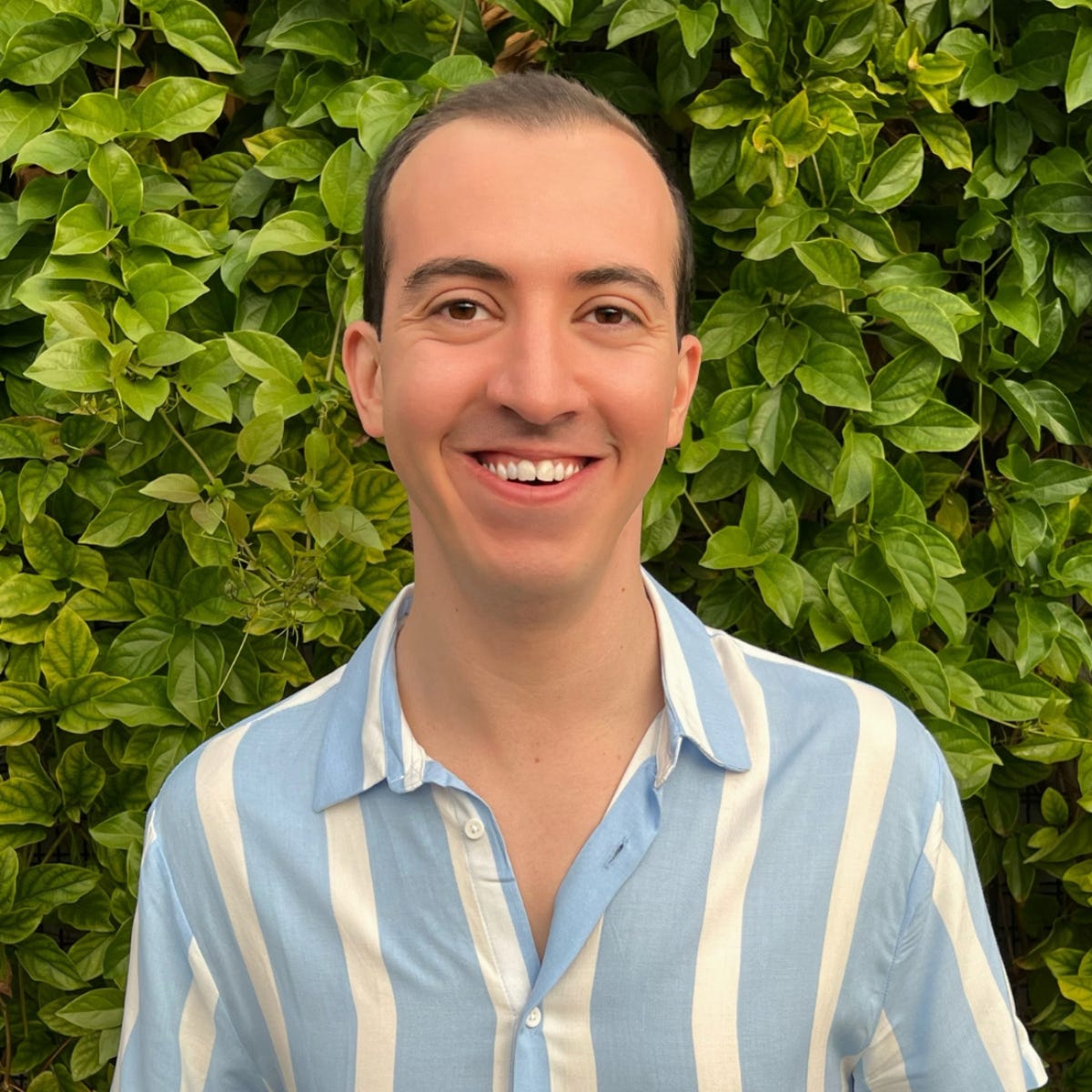
As a part of our series about “Heroes Of The Addiction Crisis,” I had the pleasure of interviewing Taron Sargsyan.
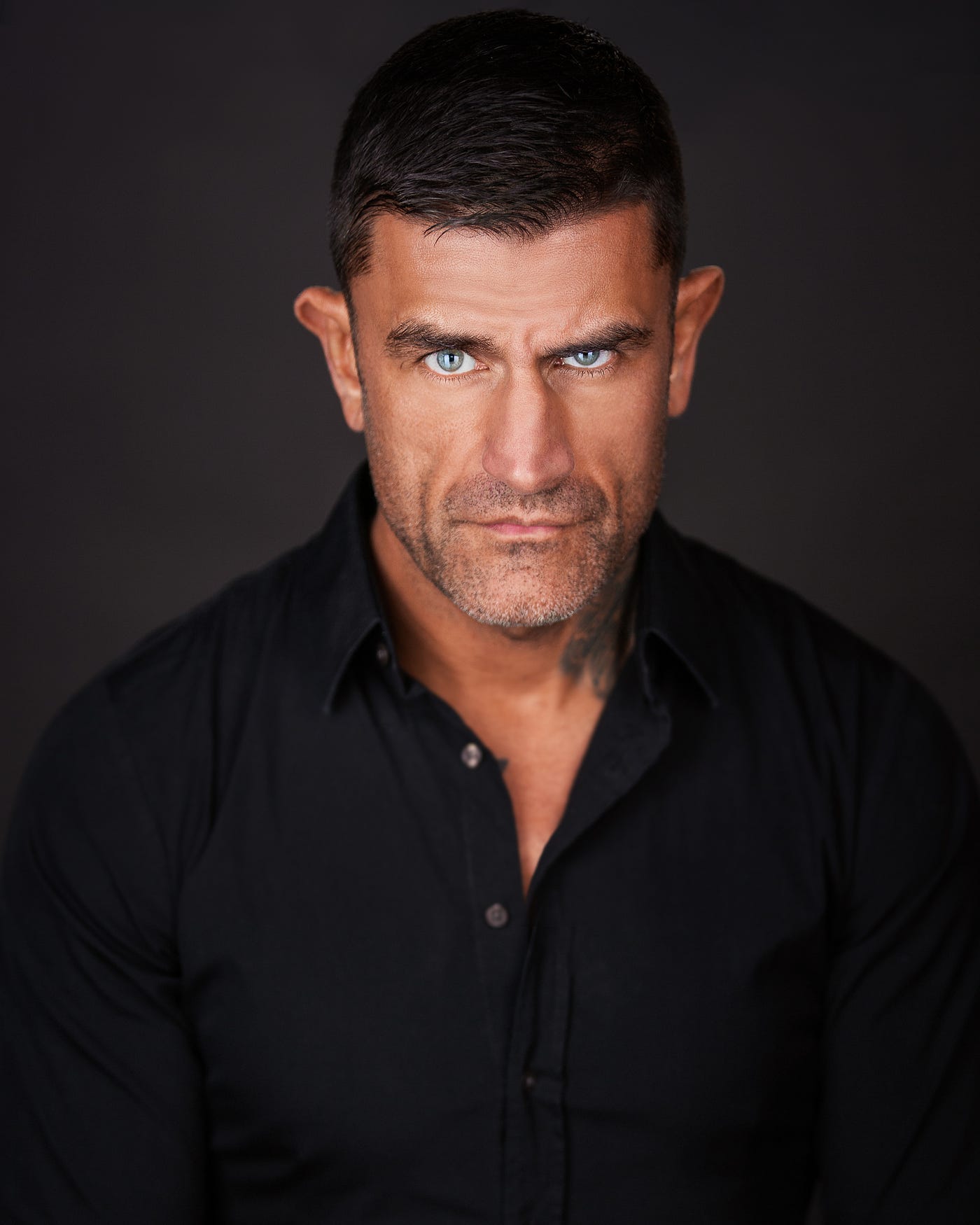
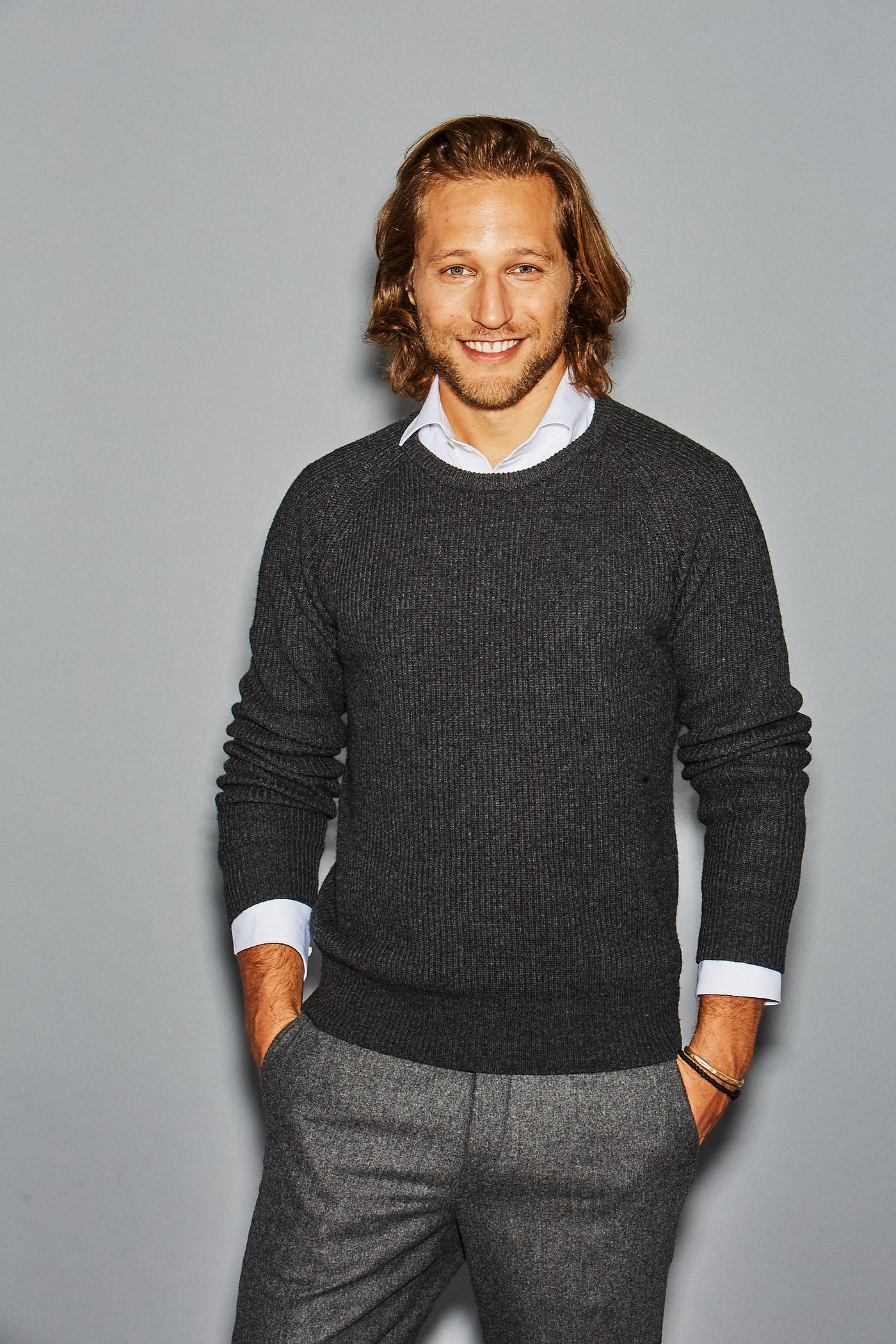
Taron Sargsyan found himself ensnared in the clutches of addiction at the young age of 22 while studying at the University of Southern California. Despite his active addiction, he secured a job as a Software Engineer at Disney. However, his life continued to spiral out of control, leading him to spend over $24,000 on Disney’s corporate credit card to sustain his drug habit. After admitting his mistake to his manager, Taron was astonished to learn that Disney would not terminate his employment. The compassion Disney showed Taron motivated him to seek help for his addiction. But after six failed rehab attempts, he gave up hope of ever getting sober. Until the pivotal moment on July 17, 2018 — Disneyland’s Birthday — when Disney intervened to rescue Taron from the depths of his struggles. This experience had a profound impact on Taron and his family, inspiring him to advocate for a change in societal attitudes towards addiction and the importance of personalized care and compassion for individuals in their healing journey.
Thank you so much for doing this with us! Can you tell us a bit of your backstory?
Sure! Thank you for this amazing opportunity.
I grew up as a kid who thought I would never be able to truly be myself. I was scared and hidden. I grew up in Armenia, in a conservative Christian household. I had a big secret to hide from my family but I was terrified to share it with them. Eventually, I worked up enough courage to come out as gay and it didn’t go very well. I felt rejected, like I was a mistake. I took my parents’ rejection to heart. I felt disappointed because I couldn’t fulfill their expectations of me. Their words made me feel unworthy of love. From then on, I did everything I could to feel worthy of love again.
My desperate need to belong led me to hang around men I felt safe around, men who accepted me for being gay. One day, one of these men offered me drugs. I was young and naive and I desperately wanted to feel loved by this man and so I said yes. I was instantly hooked on meth. Addiction started slow, but it was all I could think about. It gave me joy. A false sense of confidence that all my problems were manageable. Within a year and a half, I started injecting the substance intravenously.
Despite my addiction, I still managed to graduate from USC and landed a job as a Software Engineer at Disney. In spite of landing the job of my dreams, my addiction worsened. It got to the stage where I spent over $24,000 on Disney’s corporate credit card (entrusted to me for business related travel expenses) to support my drug habit. I convinced myself I would pay it back but was getting in over my head. After I admitted my mistake to my manager, Disney didn’t fire me. They allowed me to pay it back. I anticipated the possibility of losing my job or even facing legal consequences. I knew I had to do something about my addiction and so I began my journey into treatment centers.
I entered treatment centers multiple times, but various factors, including fear of losing my job, undiagnosed mental health issues, cultural insensitivity, and personal safety concerns, led to failure. After six unsuccessful attempts, I lost hope of ever getting sober. I didn’t know what to do anymore.
On July 17, 2018, I was stranded in Palm Springs, California with no gas and no money with ten days left to return to work from my second medical leave of absence. I had just left another rehab against medical advice and I feared I was about to lose the only thing left in my life: my job. But on this fateful day, Disney threw a lifejacket out for me and their intervention saved my life. This time, the treatment plans addressed the core reasons for my past failed attempts. I couldn’t believe I was getting the best and most personalized care I could ever dream of. For once, I didn’t feel alone and invisible in the world.
Disney fully believed in my capacity to change and offered me everything I needed to succeed. I spent six months healing through various modalities of therapy. After a year into my sobriety, I quit my job and moved back in with my family to heal the damage I caused them during my active addiction. I also wanted to give my family the chance to make their amends to me and get to know their gay son. I extended the same gesture of compassion and forgiveness towards my family that Disney extended towards me at the lowest point of my life.
What I learned over the last five years is that addiction is not a lifelong disease. So, in 2022, I created the TikTok account, @goodbye.addiction, to share parts of my story in an effort to change people’s perceptions surrounding addiction.
Is there a particular story or incident that inspired you to get involved in your work with opioid and drug addiction?
Yeah, there’s definitely a story that inspired me to get involved in addressing this issue. Besides the life-changing experience of my intervention, there’s this book called The Biology of Desire: Why Addiction is Not a Disease by Marc Lewis, PhD that had a huge impact on me.
I read it during my fourth year of sobriety. The author dives into all this research that goes against the common belief that addiction is a lifelong disease. As I read this book, I had so many aha moments that resonated with my lived experiences.
There’s this one story in the book that really got me thinking and questioning the way society looks at addiction. It goes something like this: If you lock a cancer patient in a room and only provide them with food and water, their condition gets worse because you’re not treating the disease. But if you lock someone struggling with addiction in a room (assuming they can detox safely), their condition actually improves. So why do we label both as diseases?
Subscribing to the disease model means that people in addiction believe they don’t have the agency to choose. The reality is that everyone who is sober right now made a choice to get sober because there was sufficient motivation to get them into sobriety. Are we doing enough as a society to motivate these people to seek help and choose sobriety? Are we offering them the right support? Are we reintegrating them into society properly? Are we supporting them with job placement? Housing? Mental health services?
Here’s what I firmly believe: Nobody should be judged based on the severity of their addiction because addiction can happen to anyone. We all have the potential to fall into addiction given the right circumstances. We need to consider those circumstances and understand that someone else in the same shoes might have made the same choices. But the good news is that our brains are neuroplastic. They have the amazing capacity to heal from addiction when they receive the right support.
Nobody expects their life to fall apart when they first say yes to drugs. It’s unfair to judge someone for an honest mistake.
After Disney’s intervention, and looking at my own life through the lens of the non-disease models, I was inspired to free people from the idea that their mistakes define them for the rest of their lives.
Can you explain what brought us to this place? Where did this epidemic come from?
I would love to zoom in a little and analyze the individual instead of the whole epidemic.
If we zoom in on one person, we can see that it started from a person saying yes to drugs (multiplied by millions of people). I think when we ask the question “Why did this person say yes to drugs”, we can peel the layers of the onion and get to more interesting questions that consider the broader context in which addiction occurs.
Questions like: What was going on in the person’s life at that exact moment when they said yes? Were they desperate for a sense of belonging? How secure was their self-worth? How was their financial health? What untreated traumas did they have in life? How is their family dynamics? Do they have family members who are a part of their life? Who offered them the drugs? How did they get access to the drugs? Do they have mental health disorders they are not aware of? What is their living environment like? Do they have positive role models in life? Are they seeing drugs as a solution to an underlying problem they are not aware of? Etcetera.
I think we can gain a deeper understanding of the complex web of influences that contributed to this epidemic by answering these important questions.
Can you describe how your work is making an impact in battling this epidemic?
I truly believe that stories have this incredible power. They can connect people, spark empathy, and even change the way we see things. And that’s exactly what I’m trying to do with my work.
By sharing my own story, I want to show everyone that criminalizing individuals for non-violent crimes during their active addiction just doesn’t cut it. It’s not a real solution. Instead, I’m all about personalized care, forgiveness, compassion, and motivation. These things can work wonders on a person’s healing journey — and I speak from experience.
If we want our loved ones to heal and find their way back to their families, we need to approach addiction with more compassion and understanding. That’s exactly what Disney did for me, and it changed my life.
Wow! Without sharing real names, can you tell us a story about a particular individual who was impacted by your initiative?
When I created my TikTok account @goodbye.addiction, it just so happened that someone from my past actually stumbled upon my account and reached out to me for help with their loved one’s addiction. I was so glad to be there for them, offering guidance and becoming a source of inspiration. I gave them a different vantage point to view their loved one’s situation from. When I found out they invited the loved one to their wedding, I was filled with joy. Because I know deep inside, this person truly appreciated celebrating with family — and he would appreciate that gesture of inclusion even more during his sobriety.
Can you share something about your work that makes you most proud? Is there a particular story or incident that you found most uplifting?
Oh, there are so many things that make me proud of what I do. But I’m most proud of giving people hope for the future and showing them the power of forgiveness in their healing journey. Let me tell you about this incident that really uplifted me:
I was at a community networking event recently. I met a stranger who I found out was six months into his healing journey from addiction. As I shared parts of my story with him, I could see his eyes light up with excitement. He was so happy to hear a refreshing perspective on this issue. He jokingly said that he can leave the event now because “he already got what he came for”. I laughed when he said that.
And then, he said something that really touched me. He told me that he wanted to “do what I did” to heal from addiction. Knowing that I had empowered someone to take back control of their life and see their addiction from a more compassionate and forgiving place — it’s just incredible to me. I love moments when I can connect with someone and inspire them to believe in themselves and their journey. It’s all about spreading hope and showing people that healing is possible.
Can you share three things that the community and society can do to help you address the root of this problem? Can you give some examples?
- Invest in evidence-based cultural competency training for healthcare providers and therapists — It was so important for me to have providers who really understood my sexuality and my ethnic background. When they have that cultural sensitivity, it makes such a difference in the level of care they can provide.
- Give people a chance to take radical accountability for their addiction journeys — If someone we care about is really trying their best to own up to their past mistakes, we should give them an opportunity to earn back that trust. It’s all about supporting their growth and healing journey.
- Work on cultivating relationships where people feel safe to express themselves freely — We need spaces where there’s no fear of anger, judgment, or resentment hanging over us. That’s where cognitive empathy comes in — it helps us truly understand and connect with others.
If you had the power to influence legislation, which three laws would you like to see introduced that might help you in your work?
If I had the power to shape legislation, there are three laws that I’d be really thrilled to see in place.
- Decriminalizing individuals who are locked up for non-violent drug offenses — We need to offer them a chance to reintegrate into society through rehabilitation programs and community support. It’s about giving them a real shot at turning their lives around.
- Requirement for insurance companies to share treatment plan information from past rehab experiences with the most recent one. This way, we can ensure that there’s continuity in their care and build upon the progress they’ve already made.
- Offer benefits, tax credits, or other incentives to businesses that hire, train, and support individuals who are on their healing journey.
I know that this is not easy work. What keeps you going?
How many people can say that Disney saved them from addiction and brought their family back together? It’s pretty mind-blowing. If it wasn’t for Disney’s profound impact on my life, I wouldn’t have the confidence to share my message and make a difference. I want to give back to the world what was so freely given to me by Disney. I know my story has the potential to change lives, challenge the status quo, and contribute to a broader shift in societal attitudes towards addiction. I want to help others see that they can imagine a whole different life for themselves, too. Because here’s the thing, addiction is not this lifelong disease that defines us. There’s so much more to the story.
Do you have hope that one day this leading cause of death can be defeated?
Absolutely! But without forgiveness, compassion, radical accountability, personalized care, and the rest of society joining in on the effort, I think it’s going to be much harder to achieve this goal.
How do you define “Leadership”? Can you explain what you mean or give an example?
To me, leadership is all about inspiring and guiding others to unleash their full potential. A true leader has the power to positively transform the way people think, feel, and act towards themselves and everyone around them.
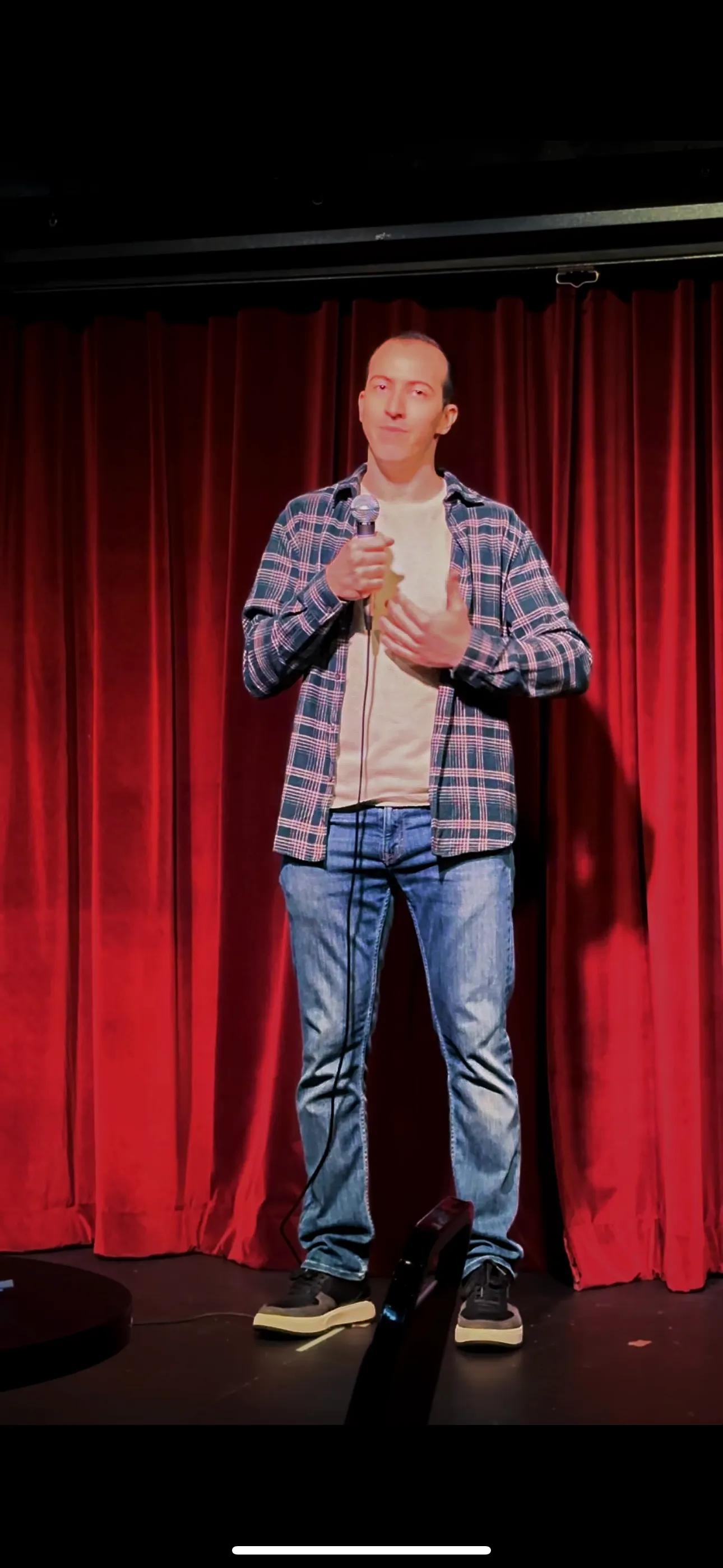
What are your “5 things I wish someone told me when I first started” and why?
There are a lot of things I wish someone told me when I first started. I’d love to share some.
- Self-forgiveness is crucial — During my intervention, when I first entered my room at the rehab, there was a five-page worksheet on my bed on self-forgiveness. This worksheet listed bullet points of what life looks like when we forgive ourselves. One page listed what life looks like when we DON’T forgive ourselves. Another page talked about HOW to self-forgive. As I read through the pages, tears began to flow down my face. By the time I got to the last page, I was sobbing uncontrollably. This worksheet stretched my imagination so that I could picture a life in which addiction did not define me and where my guilt was extinguished. I was convinced that if I wanted to heal, I had to FIRST forgive myself.
- We won’t know what people’s inner experience is like unless we ask or they share — Imagine you’re seeing your friend drive to you in their fancy car. You think it’s a really nice car and wish you had it too. They park the car, and you get inside. As you sit down, you notice that the check engine light is on, the oil change light is on, and the wheel sensors are not detected. From the outside, you wanted that car. It was driving fine and looked nice. But it wasn’t until you got inside the vehicle that you discovered all these underlying issues. This analogy applies to human experiences as well. People can appear to have everything together on the outside, but unless we actively inquire or they choose to share, we won’t truly understand what they are going through on the inside. Every time you get into your vehicle, remember this analogy.
- Be grateful for the intangibles — Right before leaving my job at Disney, I began writing a gratitude list every morning. After losing my job and throughout the following two years while I journaled, I observed a transformation in my list. It shifted from being a compilation of tangible items like my car or paycheck to embracing intangibles such as family and health.
- Be prepared for resistance — challenging norms is tough. Be patient and understanding of opposing viewpoints, but don’t be afraid to use the power of stories to humanize the issue, challenge stereotypes, and inspire empathy and compassion.
- You won’t realize the true value of things until you lose them — I felt the blow of losing my job, health insurance, apartment, car, and source of income all at once. That experience filled me with an overwhelming sense of gratitude. During my active addiction, I had taken so many things for granted. It was only after leaving my job at Disney that I truly appreciated what I had lost.
You are a person of enormous influence. If you could inspire a movement that would bring the most amount of good to the most amount of people, what would that be? You never know what your idea can trigger. :-)
Well, if you ask me, there’s a huge need for a movement focused on fostering empathy and compassion. Just look at the numbers! According to the Substance Abuse and Mental Health Services Administration’s 2021 National Survey on Drug Use and Health, a whopping 46.3 million people aged 12 or older (that’s around 16.5 percent of the population!) met the criteria for a substance use disorder in the past year. And that’s just in the United States — and I’m sure the number is even higher post-pandemic! Imagine how many family members, coworkers, and friends are affected too.
My vision is to create a world where individuals genuinely understand and care for one another as human beings, free from judgment. It’s about seeing the person behind the addiction.
Here’s something practical we can do right now: companies should start including addiction workshops in their wellness programs for employees. Reintegration into society cannot happen without reintegration into the workplace. By offering education and support right in the workplace, we can foster a more compassionate and inclusive environment for those on their healing journey.
Can you please give us your favorite “Life Lesson Quote”? Can you share how that was relevant to you in your life?
You know, there are so many quotes out there that really hit home, but one that really stuck with me is by this philosopher named Soren Kierkegaard. I stumbled upon it while I was taking this online Social Psychology course during the pandemic. He said, “Life can only be understood by looking backward; but it must be lived looking forward.” And wow, did that resonate with me.
When I was in the midst of my addiction, everything felt so confusing and chaotic. I couldn’t make sense of my own circumstances. It took me well over a year of being sober to really gain the clarity and perspective needed to reflect on my past and learn valuable lessons from my journey.
But here’s the thing, this process of analyzing and finding meaning is an ongoing journey. It never really stops. That class filled me with this deep sense of self-compassion and gave me a better understanding of my own personal history.
Is there a person in the world or in the US whom you would love to have a private breakfast or lunch with, and why? He or she might just see this, especially if we tag them. :-)
Having lunch with Bob Iger, CEO of The Walt Disney Company, to thank him in person for running the company that saved my life would be pretty epic!
How can our readers follow you on social media?
Anyone who would like to say hi or needs an encouraging word can find me on any of these social media platforms:
Instagram: https://instagram.com/tar0n
TikTok: https://www.tiktok.com/@goodbye.addiction
Threads: https://www.threads.net/@tar0n
LinkedIn: https://www.linkedin.com/in/taronsargsyan/
Twitter: https://twitter.com/Tar0nSargsyan
Or they may contact me via my website https://taronsargsyan.com to discuss future opportunities.
This was very meaningful. Thank you so much!
AM
Written by
Authority Magazine Editorial Staff
Editorial Desk · Authority MagazineThe Authority Magazine Editorial Desk produces, verifies, and edits long-form primary-source interviews with executives, innovators, clinicians, creators, and social impact leaders across Business, Tech, Pop Culture, Wellness, and Social Impact.

Published inAuthority MagazineTop Lessons, Top Authorities · 42K Followers
Exclusive, curated interviews with the leaders and changemakers shaping tomorrow. Leadership lessons, industry deep dives, and executive profiles.