A hero is a person who knows that he or she is going against the grain of society. A hero is a person who believes in himself or herself and has a meaningful message.
Wellness
Dr. Alan Bain: Conventional Healthcare Has Abandoned True Observation in Favor of Pervasive Superficiality
The veteran primary care physician discusses his unconventional approach to treating Covid-19, the symbolic warnings of Moby Dick, and why healthcare must return to deep, critical thinking.
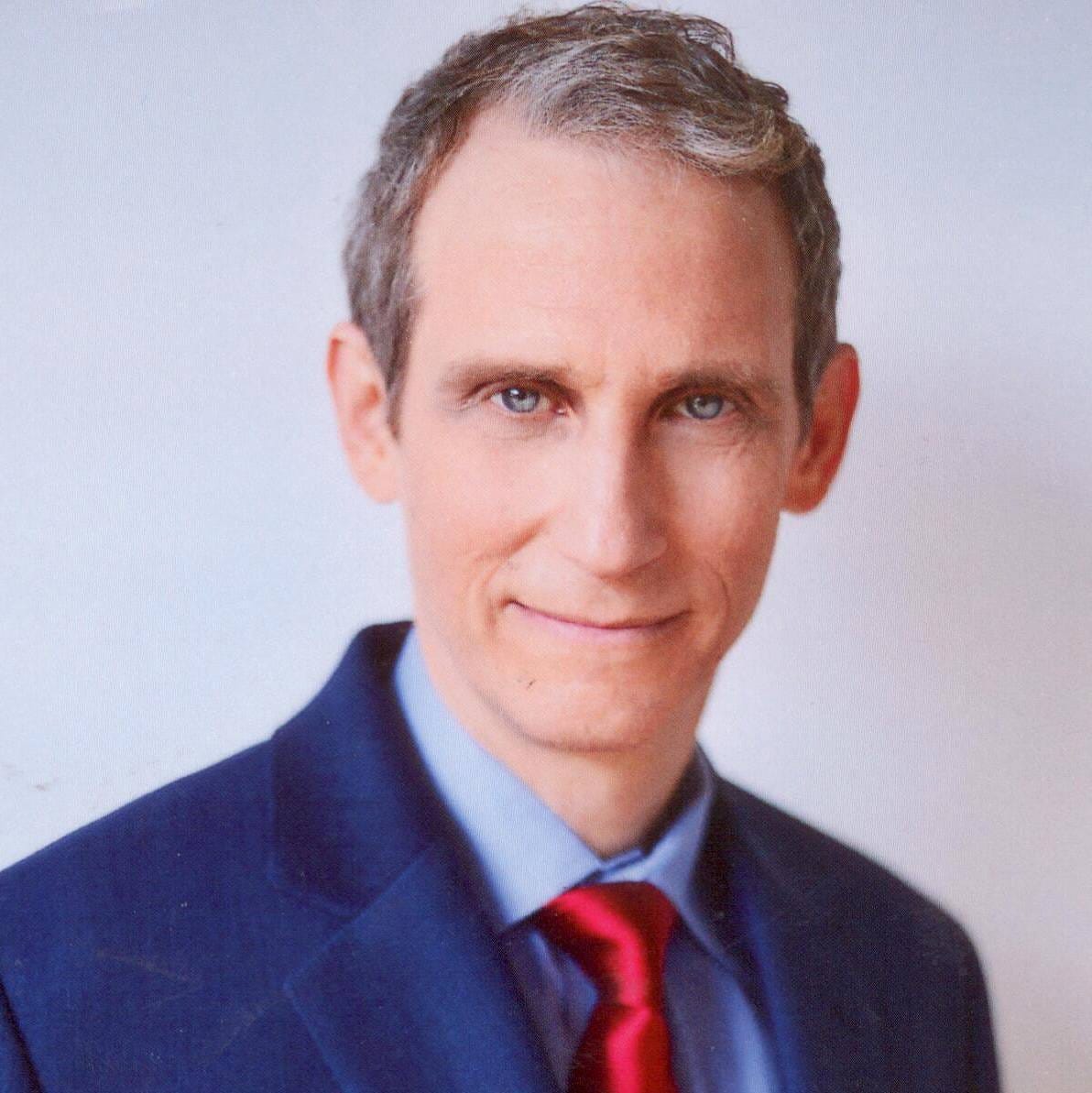
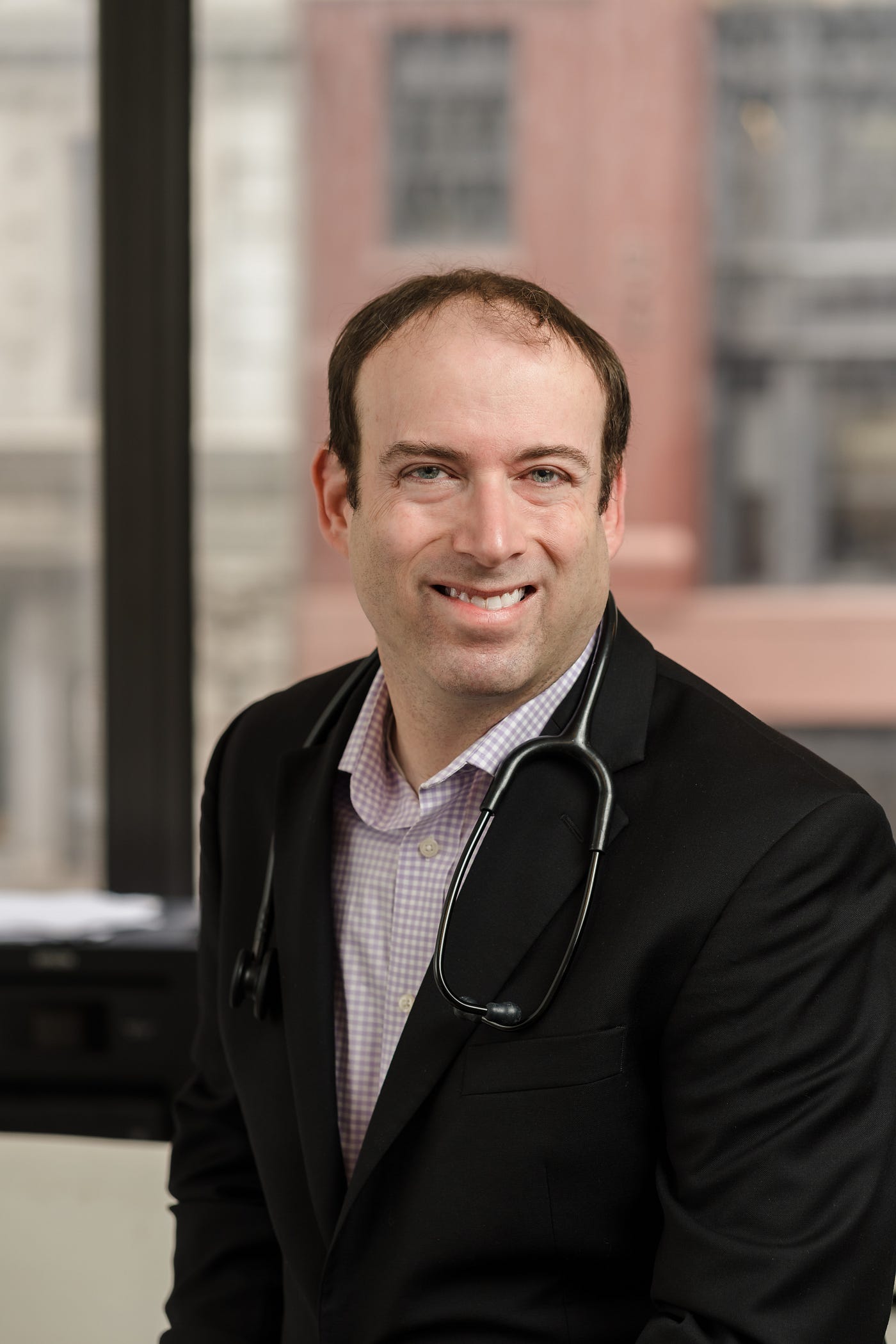
As part of my series about people who stepped up to make a difference during the COVID-19 pandemic, I had the pleasure of speaking to Dr. Alan Bain.
Dr. Alan Bain is a true hero of the Covid-19 pandemic, standing at the forefront of the crisis with unwavering dedication and a relentless pursuit of innovative solutions. As a distinguished primary care internist with over 35 years of experience, Dr. Bain has fearlessly challenged conventional approaches, forging a unique treatment strategy that combines observationally-driven analysis, empirical thinking, and a holistic approach to patient care.
Guided by his belief in the body’s innate capacity to strengthen its immune system, Dr. Bain departed from solely relying on vaccines and embraced a comprehensive and tailored approach to combat the virus. His exceptional contributions in working with Ivermectin have transformed the lives of numerous patients, aiding in their recovery from ventilator dependency and providing effective treatment in the comfort of their homes. Dr. Bain’s unwavering commitment to finding safe alternatives and his pioneering efforts in reshaping the approach to healthcare have made him an invaluable hero in the fight against Covid-19.
Throughout the pandemic, Dr. Bain has fearlessly advocated for individual freedom and patient choice in healthcare, challenging public policy and prioritizing the observationally-driven analysis approach to disease diagnosis and treatment. His dedication to unwavering honesty, transparency in research, and the disengagement of research from commercial interests has set him apart as a trailblazer in the medical community. Dr. Bain’s compassionate care, audacious voice, and relentless pursuit of knowledge have made him a true hero, empowering his patients to make informed decisions and reshaping the healthcare landscape for the better.
Thank you so much for doing this with us! Before we dig in, our readers would like to get to know you a bit. Can you tell us a bit about how and where you grew up?
I grew up in the Midwest in a suburb of Chicago, Illinois. I always wanted to be a doctor even as a child. I was always curious about alternative forms of healing methods. In high school, I dedicated a considerable amount of time to researching and writing papers on acupuncture. I spent most of my time diligently studying to get good grades, to get into medical school.
Is there a particular book that made a significant impact on you? Can you share a story or explain why it resonated with you so much?
There are many books that impacted me at many different times in my life. What comes to mind, which took me more than 2 years to read is the book called Moby Dick by Herman Melville. Back then, folks did not go to college but they were very smart and expressed themselves well. The book, even to this day, remains very complex to comprehend but when I have the opportunity to read through its pages, I take it on as a challenge.
The depth of understanding and the different personalities of the various characters in Moby Dick may be used as a framework to which our society can be compared. For instance, it prompts us to contemplate our perception of good and evil and teaches us valuable lessons about tolerance — or the lack thereof — towards others. Books like this one, provide invaluable opportunities for personal growth and introspection.
What’s interesting is that the whale, Moby Dick, was white. Melville talks about how dangerous this whale was but yet it was white? He dedicated an entire chapter to discussing the symbolic significance of the color white relative to so-called purity. I am bringing this up because we need to be aware of things that look white and pure or perhaps things that are considered “safe and effective” that really might have other underpinnings of messaging that we all need to be wary of. In our time, we need to be careful when selecting individuals to trust as “experts,” as they may be subject to significant funding and biases. Herman Melville was a critical thinker who had a vocabulary well beyond even that of graduate students of our day. We need to strive for that and recognize where we have lost our great abilities to think and communicate and write. This is juxtaposed against how we are fed information and don’t want to read anymore and don’t want to think deeply anymore. The pervasive superficiality that permeates our world and society poses a significant threat and contributes to the troubles we currently face.
Do you have a favorite “Life Lesson Quote”? Do you have a story about how that was relevant in your life or your work?
“Life is too short.” There was a very interesting woman who has been involved in politics for more than 20 years who says, “Don’t agonize, organize!” We often become emotionally entangled in our political views and sentiments, which is understandable, but it is crucial to come together, share our inherent common sense, initiate change, foster communication, and devise solutions to problems. In the present era, it is imperative that we take decisive action and not merely passively concern ourselves with others’ opinions. Organize, organize, organize! I can personally attest to this and agree.
Ok, thank you for all that. Now let’s move to the main focus of our interview. You are currently leading a social impact organization that has stepped up during the COVID-19 Pandemic. Can you tell us a bit about what you and your organization are trying to address?
My organization, Chicago Health and Wellness Alliance, will soon be going international so that we might serve those who have been stricken by long covid and stricken by the messenger RNA shot injury. The world, in my opinion, is not responding quickly enough to find the answers to why people are getting sick.
In your opinion, what does it mean to be a hero?
A hero is a person who knows that he or she is going against the grain of society. A hero is a person who believes in himself or herself and has a meaningful message. A hero is a person who sacrifices himself or herself for the greater good even if it means that he or she might potentially be in harm’s way. They are individuals, who demonstrate a deep love for humanity, fostering connections and empathetically understanding the human experience at all levels. A hero is a person who is unafraid, to tell the truth, and be transparent, steadfast in their commitment, and does not flinch.
In your opinion or experience, what are “5 characteristics of a hero? Please share a story or example for each.
Sacrifice
Many of the Covid doctors are heroes for continuing to treat symptoms with early treatment for Covid. All the nurses who tended to their patients and the individuals worldwide who selflessly made sacrifices, even sacrificing themselves for an experimental device called a “vaccine” can be rightfully regarded as heroes. I deeply honor and love both those who have successfully overcome the challenges posed by the pandemic and those who tragically lost their lives while receiving this experimental injection.
Tenacity
Dr. Paul Marik from Virginia and Dr. Joseph Varon from Texas, both incredible heroes in the battle to preserve human life, have made monumental contributions within their intensive care units. Through their unwavering dedication and tireless efforts, they have been instrumental in saving hundreds of lives by successfully aiding patients in weaning off ventilators using their own hospital protocol. Notably, their exceptional approach incorporated Ivermectin as a prominent component.
Additionally, Dr. Daryl DeMello, hailing from India, displayed unwavering dedication, saving the lives of more than 20,000 individuals during the challenging times of the Delta variant and beyond, combating the perils of acute Covid. Dr. Chetty, a remarkable healthcare professional from South Africa, implemented a protocol that resulted in saving over 6,000 lives. Dr. Peter McCullough, who has been actively involved since the pandemic’s onset, not only battled his own Covid infection but also utilized his personal experience as a template for healing himself and contributing to the well-being of the global community. Dr. Mobeen Syed deserves recognition for tirelessly creating educational series and providing valuable knowledge to all of us. Carolyn Blakeman, a compassionate member of the former Feds group, tirelessly devoted hours throughout the night to tend to the emotional wounds of grieving family members affected by the Remdesivir protocol. These individuals, along with many others, have exhibited extraordinary dedication and compassion in their respective fields, deserving admiration and gratitude.
Speaking Truth to Power
Dr. Peter McCullough, presidential candidate Robert F. Kennedy Jr., Dr. Ryan Cole, and the founders of FLCCC (Front Line COVID-19 Critical Care). I could go on and on with this list of doctors that I love and respect. Many of the leaders within vaccine injury support groups embody the spirit of Wounded Warriors and serve as heroes in their own right. It is disheartening that doctors who have spoken out to those in power have faced unjust criticism from their own medical boards, incorrectly labeling them as the problem instead of recognizing them as part of the solution. Shame on all these medical boards for following orders and not honoring the frontline doctors who witness firsthand what is truly effective and what is not.
Willingness to Walk into Danger
Thomas Renz and German attorney Reiner Fuellmich are individuals who fearlessly confronted the government and exposed the issues surrounding vaccines. Also reflecting on my father who was willing to go through a hernia operation to be accepted into the military as he wanted to enlist to fight to defeat Hitler from taking over the Western world. Additionally, I am fortunate to have friends who fearlessly meet with very powerful people that could potentially hurt them, yet they remain resolute in doing what is morally right without succumbing to fear.
Enduring Unbearable Physical and Psychological Pain
My wife, along with some of my friends, have endured significant hardships in their pasts, yet persevered. Wounded Warriors that have been shot injured but keep on going like Catherine Parker of Minnesota. My patients who have endured the challenges of long Covid and vaccine injuries are true heroes to me.
If heroism is rooted in doing something difficult, scary, or even self-sacrificing, what do you think drives some people — ordinary people — to become heroes?
This is a tough question because many people in today’s society are very fearful. But heroes can still be fearful, yet committed to doing what is morally right, prioritizing it over personal validation. Many heroes are egoless and they don’t worry about how they will be looked upon in the eyes of others. Many heroes exhibit humility and are unconcerned about others’ perceptions of them. While they may consider optics to a certain extent, their primary focus lies in aligning their actions with what is right. It is important to acknowledge that we are all ordinary people, including those who are famous. What sets heroes apart is the character within each of us that defines our ability to act heroically.
What was the specific catalyst for you or your organization to take heroic action? At what point did you personally decide that heroic action needed to be taken?
The old adage holds true, “Don’t just do nothing, do something!” If there’s even a slight possibility of saving a life, it is imperative to act upon that instinct. As a doctor that’s what I do at all costs. I strive to comprehend the complete picture and contribute to the preservation of life. Doing nothing would be considered a sin. So, if I’m given an opportunity to help, I will forge ahead to do so, no matter what.
Who are your heroes, or who do you see as heroes today?
My utmost admiration goes to individuals, both men, and women, who prioritize the care of their loved ones and elderly parents, as they are the true heroes in my eyes. Heroes can be found throughout society and across the globe. In the public and medical spheres, those doctors and lawyers who choose to do what is right, even at the potential cost of their careers and reputations, epitomize true heroism. They possess a deep understanding of the divine flow we refer to as the Holy Spirit and acknowledge their accountability to a higher calling. One of the heroes I envision is Dr. Peter McCullough, who serves as both a mentor and a personal hero to me. Additionally, Dr. Marik and Dr. Kory also hold a special place in my heart as heroes. I can mention numerous other doctors who, without hesitation, would go to great lengths to save a life, even if it means endangering their professional licenses. These individuals exemplify genuine heroism.
Let’s talk a bit about what is happening in the world today. What specifically frightened or frightens you most about the pandemic?
What frightens me is giving up our humanity to the technology that we created. Both humans and the technology we develop possess their share of imperfections. When we allow technology to intercede in our God-given right to think through a process, we will be missing out on advancing society. When we give in to governments and institutions to take care of us, we give up our free thinking and our rights to grow accordingly in the image of what our Creator has planned for us.
It is very frightening that our young people are mesmerized and distracted by phones and computers to a degree that will probably be the devolution or downfall of meaningful interaction between people and perhaps of society. The pandemic has shown us that fear can be cultivated in a split-second clouding even the most brilliant of a mind, to not think clearly. Even the geniuses and the brilliant minds of the world are susceptible to the influence of induced fear, leading to erroneous decisions. Through this pandemic, one size never fits all. To think that an experimental device actually saved the world is a fallacy. When you go to war, you need multiple tools to save a life. You just don’t use one tool to save a life. Many simple measures were forgotten to save lives, so simple that you’d be in shock and would never trust a statistician or a medical practitioner ever again if you knew some of the simple principles that were forgotten. It is gobsmacking, stunning, and sometimes stops me in my tracks if I let it. But I have learned not to agonize, but to organize and take action.
Despite that, what gives you hope for the future? Can you explain?
This question is challenging because many individuals are unaware of their own suffering, often overlooking the significance of influential figures who speak out against prevailing narratives, such as the man who made notable declarations at the World Economic Forum. There is a growing sense of desensitization and complacency among people, and it is crucial that they resist and fight back against such tendencies. My aspiration is for this sentiment to resonate widely, particularly among the younger generation, encouraging them to independently make decisions and approach problems critically rather than placing excessive trust in authority. Encouragingly, we have witnessed instances where individuals have questioned authority, and this ongoing questioning is vital for humanity to retain its sense of identity and purpose. It is essential that we all actively engage in the process and acknowledge our personal stake in shaping the world around us.
What has inspired you the most about the behavior of people during the pandemic, and what behaviors do you find most disappointing?
What I find most disappointing is how doctors did not learn more and did not act accordingly as advocates for their patients. Instead, just followed rigid rules and orders by the corporate entities who autocratically told doctors what to do so that they were not allowed to be doctors and practice medicine as thinking, and knowledgeable professionals. Many doctors displayed a lack of empathy and compassion, resorting to blaming patients and even engaging in gaslighting when faced with complex medical issues. This is so disconcerting that it’s hard to even express it in words.
Has this crisis caused you to reassess your view of the world or of society? We would love to hear what you mean.
My trust in society is wavering at this point. My trust in the world is waning. We’re allowing rich billionaires who are feeding public institutions money to decide what the world has to be like. We are up against the big boulder that needs to be gotten control of before it rolls down the hill and crushes all of us!
What permanent societal changes would you like to see come out of this crisis?
I would like to see men and women rise up and actively participate in shaping our society. I would like to see true democracy happen today. As citizens, we contribute through our taxes and votes to elect officials who are meant to represent our interests, yet it feels as though they have lost touch with the concerns of the people. It is my fervent desire to witness a greater emphasis on transparency, honesty, and a genuine regard for truth in the world.
If you could tell other young people one thing about why they should consider making a positive impact on our environment or society, like you, what would you tell them?
I would urge young people today to not be duped by the influence of their phones. I would implore them to be free thinkers to analyze critically but respectfully their superiors including their parents. I would ask them to stop using their phone so much and read more tangible books and have more face-to-face meaningful conversations and not be so trusting when it comes to social media. Social media should be approached with caution, as it often presents a false sense of connection while lacking true human interaction. You need to be next to your friends physically. Social media has to be used correctly in terms of getting information out but it should not be a substitute for true human-to-human connection.
You are a person of great influence. If you could start a movement that would bring the most amount of good to the most amount of people, what would that be? You never know what your idea can trigger. :-)
I advocate for the decentralization of medical care within organizations, fostering an environment where freedom of thought and intervention can flourish, ultimately leading to effective problem-solving. Too many hospitals are being bought by big corporate institutions. Too many big institutions are buying media so they can dictate what counts as news. This is really dangerous. I will say it again, this is really dangerous! I firmly believe that corporations should refrain from imposing dictatorial policies that stifle the exploration and resolution of problems, as such practices undermine the fundamental principles of freedom and autonomy.
Additionally, I am currently working on launching the Medical Arts Healing Foundation, aimed at supporting individuals affected by vaccine injuries and long Covid. This initiative seeks to provide affordable access to experienced doctors and nurse practitioners, particularly for those who have lost their jobs and are currently reliant on public assistance due to financial hardships. By offering this support at a reduced cost, we aspire to give our fellow Americans, who have been deeply impacted by the effects of Covid and the vaccine, a greater opportunity to regain their health, reintegrate into society, and eventually find employment once again.
Is there a person in the world, or in the US, with whom you would like to have a private breakfast or lunch, and why? He or she might just see this, especially if we tag them. :-)
I would like to meet an influential billionaire who is a man or woman of the people to represent us. Even considering individuals like the CEO of Goya Foods, who demonstrate an understanding of the Holy Spirit. I would like this man or woman not to be influenced by other billionaires or special interests who want to control the world and to act as if they know what is best for us even though they don’t walk in our shoes.
How can our readers further follow your work online?
Please connect with me via my website at www.docintheloop.com and follow me on social media: Facebook, TikTok, Twitter, and Instagram.
This was very meaningful, thank you so much. We wish you only continued success in your great work!
AM
Written by
Authority Magazine Editorial Staff
Editorial Desk · Authority MagazineThe Authority Magazine Editorial Desk produces, verifies, and edits long-form primary-source interviews with executives, innovators, clinicians, creators, and social impact leaders across Business, Tech, Pop Culture, Wellness, and Social Impact.

Published inAuthority MagazineTop Lessons, Top Authorities · 42K Followers
Exclusive, curated interviews with the leaders and changemakers shaping tomorrow. Leadership lessons, industry deep dives, and executive profiles.