When my health took a downward slide and I was starting my journey back, I used the phrase Pay Yourself First very often. That phrase allowed me to choose personal responsibility.
Wellness
Jaime Seeman MD: The Daily Weightlifting and Protein Rule That Reverses Menopausal Insulin Resistance
Board-certified OBGYN and menopause specialist Dr. Jaime Seeman shares why women over 45 must prioritize resistance training, high protein intake, and metabolic health.
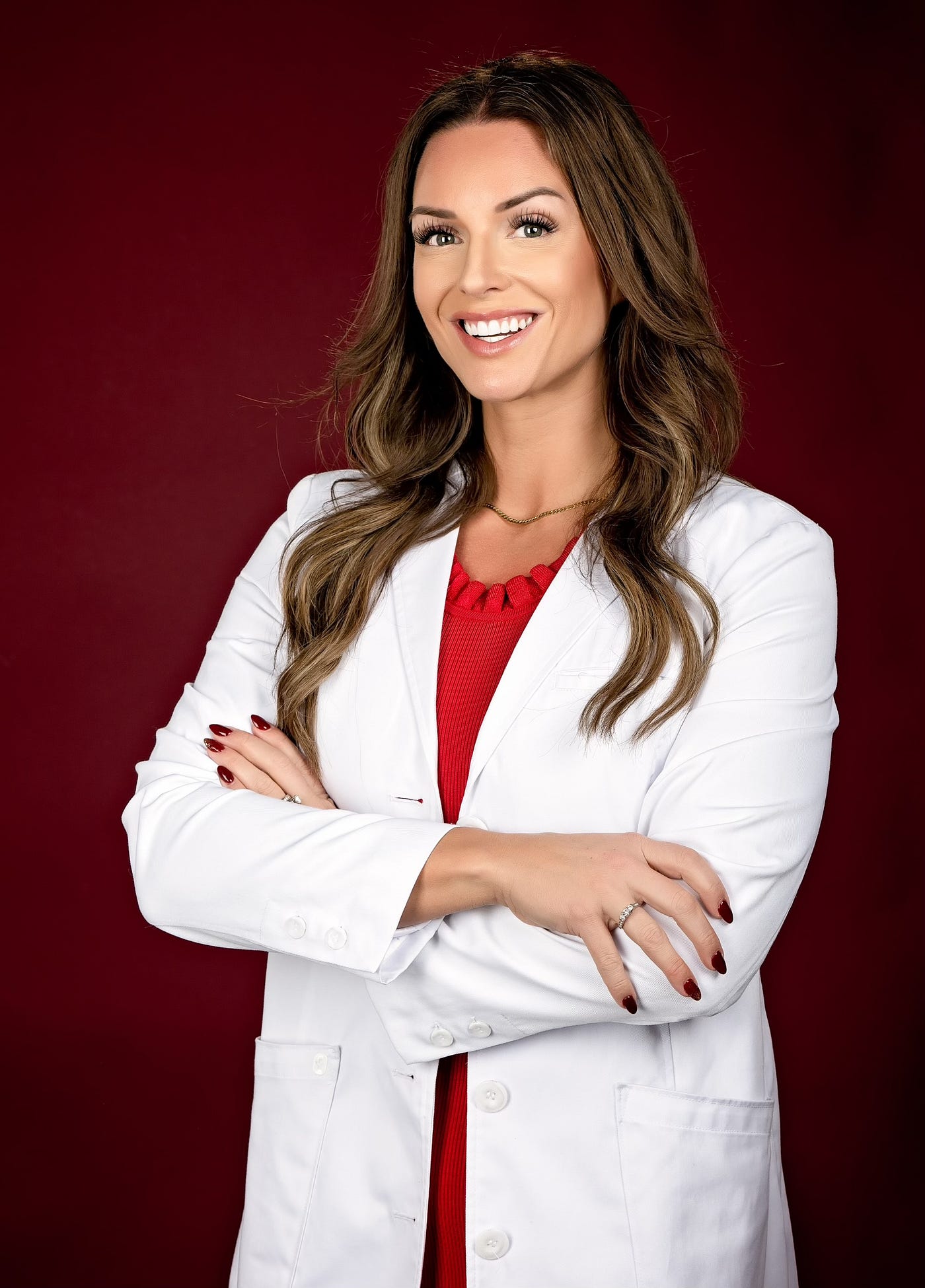
Menopause is a significant transition in a woman’s life, often accompanied by various physical and emotional challenges. However, it is also an opportunity to embrace wellness and thrive. How can women over 45 navigate this phase with grace and vitality? As part of this interview series, we had the pleasure to interview Jaime Seeman MD, FACOG.
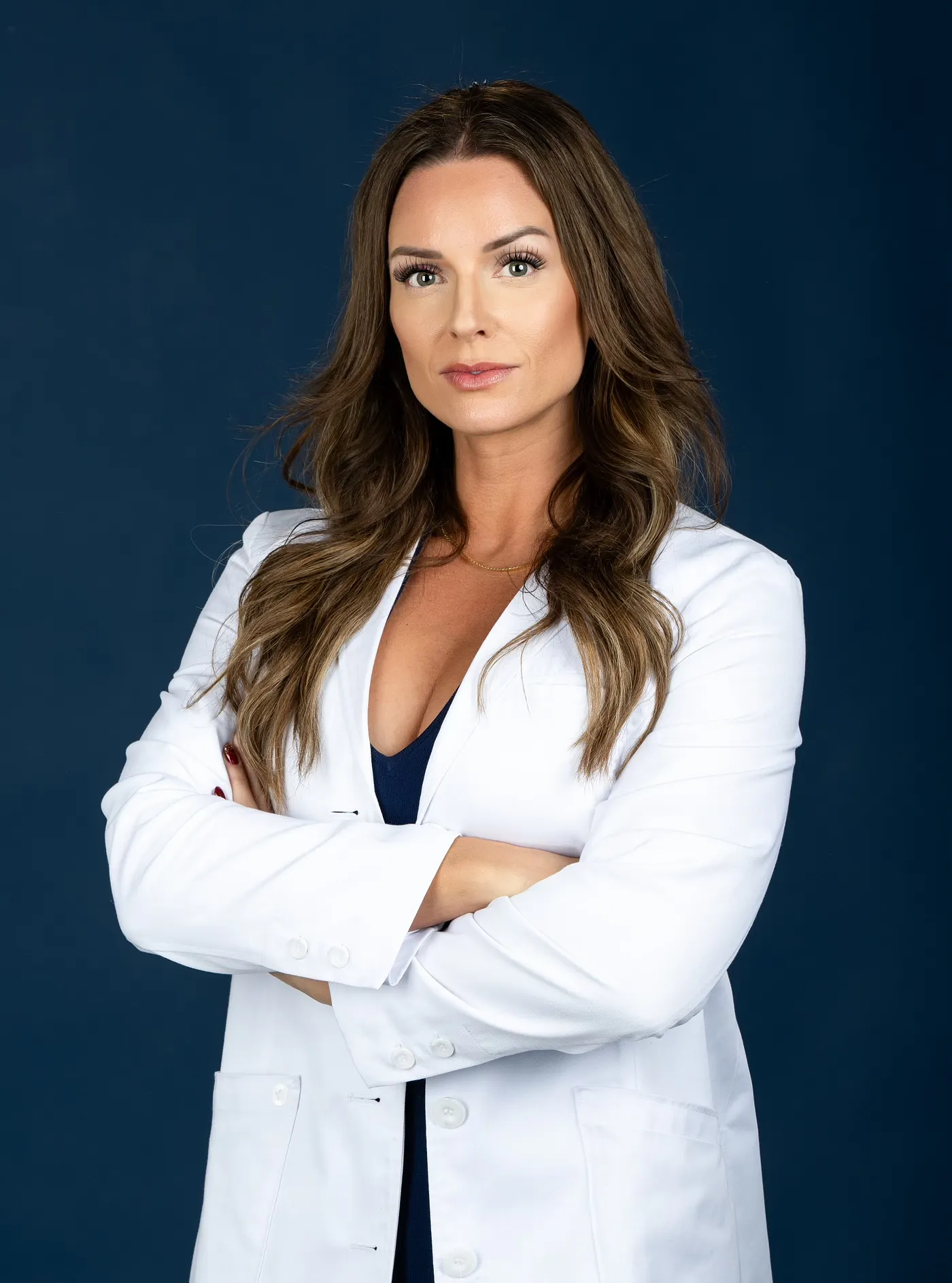
Dr. Jaime Seeman is an OBGYN, a board-certified menopause specialist practicing in Omaha, NE and scientific advisory board member to PanTheryx, an integrated digestive and immune health company. She not only runs a successful medical practice but hosts The Fit and Fabulous Podcast, is a published author, was Mrs. Nebraska 2020 and competed on NBC’s Titan games with Dwayne “The Rock” Johnson. Dr. Seeman is passionate about preventative health care, which is why her integrative medical practice focuses on nutrition, exercise, sleep, stress reduction and much more as adjunctive treatment for her patients.
Thank you so much for doing this with us! Before we dig in, our readers would like to ‘get to know you’. Can you tell us a bit about your background and your backstory?
I grew up in the Midwest as an active child, engaging in numerous sports. I had the privilege of being a collegiate athlete, playing softball for the University of Nebraska, where I earned my Bachelor of Science in Nutrition, Exercise, and Health Sciences. At Nebraska, I was dedicated to my fitness, earning the Lifter of the Year award twice, an honor bestowed upon one male and one female athlete annually.
Following my undergraduate studies, I married and pursued medical school at the University of Nebraska. During my medical training, my husband and I decided to start a family, and we are now blessed with three incredible daughters. However, medical school marked a significant shift in my daily routine. My rigorous training regimen was replaced by long hours of studying in libraries and coffee shops, with weekly exams. After the birth of my children, I stopped lifting weights entirely and took up running, hoping it would help me regain my fitness.
In 2015, I faced a devastating personal tragedy with the loss of a close friend and learned that I was not as healthy as I appeared. I was diagnosed with pre-diabetes and hypothyroidism. As a doctor with a background in nutrition and exercise science, I felt a profound sense of responsibility and failure. Determined to improve my health, I completed a fellowship in Integrative Medicine at the University of Arizona.
What began as a personal journey to regain my health evolved into something far greater. I launched a social media platform called “Doctor Fit and Fabulous,” aiming to authentically demonstrate that doctors are human too and must practice what they preach. Today, I strive to inspire other mothers and women to become the best versions of themselves by leading by example.
Can you share a story with us about what brought you to your particular career path?
This story is simple. My family didn’t have any doctors in it and my mother inspired me to become one. By education, my mom was a nurse but later transitioned into healthcare administration. It was her who told me if she had to go back and do it all over again, she would have become a doctor. So, here I am!
Can you share with our readers a bit about why you are an authority in the menopause and women’s wellness fields? In your opinion, what is your unique contribution to the world of wellness?
I strive to serve as a living example for my patients. I begin each day at 5 a.m. with exercise before heading to the hospital and clinic. Balancing the demands of three children, managing several businesses, hosting a podcast, and being on call for deliveries at all hours, I understand the many excuses available to neglect proper nutrition and fitness. However, I refuse to settle for mere survival and aim to thrive.
As I approach 40, I have returned to my roots, lifting weights as I did in college, incorporating hill sprints, cold plunges, sauna sessions, preparing nutritious meals, meditating, and more. I recognize that as leaders in our homes, we must prioritize our health to maintain the energy and resilience needed to care for others. It is crucial for women to stop placing themselves at the end of the line.
And, as a board-certified doctor in women’s health and menopause, I am uniquely positioned to understand the challenges women face from both sides of the clinic door. My goal is to help my patients lead healthier lives, free from hospital beds and excessive medications, allowing them to experience true joy and a sense of worth.
Do you have a favorite “Life Lesson Quote”? Do you have a story about how that was relevant in your life or your work?
When my health took a downward slide and I was starting my journey back, I used the phrase “Pay Yourself First” very often. That phrase allowed me to choose personal responsibility. I recognized that I had the power to shape my own life and experiences, independent of past circumstances or external factors. When I pay myself first by eating nutrient dense foods, exercising, prioritizing sleep, and finding ways to recover and mitigate stress it makes me a better, mom, wife, doctor, and human.
Ok, thank you for all that. Now let’s move to the main focus of our interview. Let’s start with the basics. What lifestyle changes have you found to be most effective for women to thrive during menopause?
The biggest shift that comes with menopause is loss of estrogen. With the loss of estrogen, EVERYTHING changes in the body. The brain gets slower, joints start hurting, the skin thins out and you start to deposit more fat in the mid-section and lose your lean muscle tissue. With the loss of estrogen women become more insulin resistant and the risk of diabetes and cardiovascular disease increases. Then of course it can impact quality of life as some women experience hot flashes, night sweats and vaginal dryness.
So what can be done? When it comes to nutrition, women should cut out alcohol, plain and simple, it does nothing but harm, and cut the simple sugars and carbs. Instead, try to focus on adding lots of protein in the diet. Protein is especially important during a woman’s menopausal years because protein can help with muscle mass, bone health, and weight management.
Some women can enhance their diet by supplementing with targeted probiotics such as TruBiotics Women’s, which offers two novel formulas designed to support women’s evolving microbiomes and diverse health needs. TruBiotics Women’s Capsules, which contain Lactobacillus reuteri and Lactobacillus rhamnosus, can help keep vaginal pH and yeast in balance. Separately, TruBiotics Sugar-Free Gummies help maintain the gut microbiome as changes occur with age, and include cranberry extract for UTI prevention, which is also beneficial in relation to the loss of estrogen.
Lastly, when it comes to exercise, resistance training is a must. It not only helps us retain lean muscle tissue but helps keep our bones strong too.
Can you share any specific dietary recommendations that help alleviate common menopause symptoms?
As I noted before, protein should be prioritized in the diet. Increasing dietary protein can help improve body composition but women are notorious for undereating dietary protein. It provides excellent satiety and stimulates muscle protein synthesis. This will help mitigate age related declines in muscle tissue. Women should aim for 0.8–1.0 grams of protein per pound of ideal body weight. This is ideal to help stimulate muscle growth.
Again, minimize the simple carbs and sugars, and if you eat carbs make sure they are complex, whole food carbs that contain fiber. Focusing on the nutrient density of the food you eat will optimize your health and function.
How important is mental health during menopause, and what strategies can women use to maintain it?
Cognitive and mood changes are common complaints amongst patients in menopause. Estrogen and progesterone regulate brain metabolism, nerve growth and neurotransmitter turnover. There is a potential risk for mental health conditions like major depression due to the altered brain metabolism. There are things that can help though.
Continuing to challenge the brain with things like puzzles, reading and learning new skills. Having deep meaningful relationships with other people fosters a sense of community. Beyond diet and exercise which do have a major impact on mental health, an interesting recent study in the British Medical Journal highlighted that dancing, performed better than any other modality, including medications at treating depression.
What role does exercise play in managing menopause symptoms, and what types of exercise are most beneficial?
Exercise is important at every stage of our life but after menopause it becomes conditionally essential. With the age-related declines in muscle mass, strength, and power we become weak and unstable. Our bones soften and our body composition changes with an increase in central obesity.
Resistance training is critical as it helps maintain speed, strength, and power. In fact, resistance training is the only non-pharmacological intervention shown to consistently do this! It helps keep your muscles strong and your bones too. There is some small evidence for things like Yoga and Tai Chi, but you really need the weights to benefit those muscles.
Ok. Here is the main question of our discussion. Can you please share “5 Things You Need to Know to Thrive Through Menopause”? If you can, kindly share a story or example for each.
1. Focus on nutrient dense foods. Your body needs it more now than ever. It is not uncommon to see a patient back year to year who suddenly develops pre-diabetes within a year of the menopause transition. By increasing healthy fats and protein and reducing simple carbs you can combat these change that happen with the loss of estrogen.
2. Start lifting heavy things! There are studies of women over the age of 65, doing resistance band training that show improvements in strength, gait speed and functional fitness. The amount of work required to see benefit is quite small.
3. Nourish the gut (see #1 above)! With the loss of estrogen, the gut microbiome starts to shift. Cut all processed foods and alcohol, this hurts the good bacteria. Increase fiber and fermented foods in the diet, which contain pre- and probiotics for our gut, or find supplements that help you reach your health goals. Again, TruBiotics Women’s has two great multi-benefit probiotic formulas that address women’s age-related health concerns.
4. Mitigate stress. Meditation, breath work, community, dancing, fellowship, music, vacations and more.
5. Talk to your doctor about hormone replacement therapy or vaginal estrogen therapy. The vast majority of women within 10 years of menopause would see benefit that is greater than any risk. There is no reason to suffer with hot flashes, night sweats, vaginal dryness and more when we have safe and effective therapies.
Can you discuss any alternative therapies or natural remedies that have shown promise in supporting women through menopause?
Although nothing replaces hormones like estrogen except HRT there are some alternative therapies that can be helpful. For women who cannot take hormones, acupuncture can be helpful. When it comes to herbs and botanicals some women may consider black cohosh or valerian root. In perimenopausal patients I will sometimes use chasteberry and ashwagandha.
I also love to support the microbiome with pre and probiotics that nourish the gut and genitourinary tract. Collagen is also a fantastic supplement that can help fight all those fine lines and wrinkles. However, do your research and read about the supplements you decide to take. It’s important you know where botanicals and herbs are harvested from, how the ingredients are made, and if they are third party tested. Lastly, work with your medical provider to make sure the supplements you want to take don’t conflict with any other medications you might be taking.
Wonderful. We are nearly done. Is there a person in the world, or in the US, with whom you would like to have a private breakfast or lunch, and why? He or she might just see this, especially if we tag them. :-)
My daughters would probably like me to arrange lunch with Taylor Swift and I actually am very fascinated with her massive success. I read that she ran on the treadmill singing her songs so that she had the stamina to complete a 3+ hour show. To see a musician take her health and strength that seriously gets extra points in my book!
How can our readers further follow your work online?
You can find me on most social channels including Instagram @doctorfitandfabulous or my website www.doctorfitandfabulous.com. You can also tune in to my podcast, The Fit and Fabulous Podcast. It streams on all major platforms.
This was very meaningful, thank you so much. We wish you only continued success on your great work!
About the Interviewer: Shawna Robins is an international best-selling author of two books — Powerful Sleep — Rest Deeply, Repair Your Brain and Restore Your Life, and Irresistibly Healthy — Simple Strategies to Feel Vibrant, Alive, Healthy and Full of Energy Again. Shawna is the founder and CEO of Third Spark, an online wellness hub for women over 40 who want to reignite their sleep, reset healthier habits and respark their lives. Shawna is a sleep expert, hormone health expert, and a National Board-Certified Health and Wellness Coach (NBHWC). She has been featured on many podcasts including Dr. Mindy Pelz’s “The Resetter Podcast” and in Authority Magazine, Thrive Global, and The Huffington Post. A free download of her latest book can be found at www.thirdsparkhealth.com/powerful-sleep/ You can follow her on YouTube, Facebook, Instagram and LinkedIn.
SR
Written by
Shawna Robins
Executive Contributor · Authority MagazineShawna Robins is an executive interviewer and contributor covering leadership, culture, and business for Authority Magazine.

Published inAuthority MagazineTop Lessons, Top Authorities · 42K Followers
Exclusive, curated interviews with the leaders and changemakers shaping tomorrow. Leadership lessons, industry deep dives, and executive profiles.