Anxiety and overwhelm are instinctive reactions to outside threats, while stress is the internal pressure — mental, emotional, and physical — which, when not dealt with, builds up and has serious consequences to one’s health.
Wellness
Valeriya ASMR on Creating Digital Sanctuaries, Embracing Character as Destiny, and Conquering Modern Stress
The renowned content creator with nearly a million subscribers shares how daily relaxation rituals and ASMR can effectively reduce stress and improve mental well-being.

In today’s fast-paced world, stress has become an inevitable part of life. Developing better habits to manage and reduce stress is essential for maintaining overall well-being and productivity. What are the best practices and strategies to create lasting habits that help individuals cope with stress effectively? As part of this interview series, we had the pleasure to interview Valeriya ASMR.
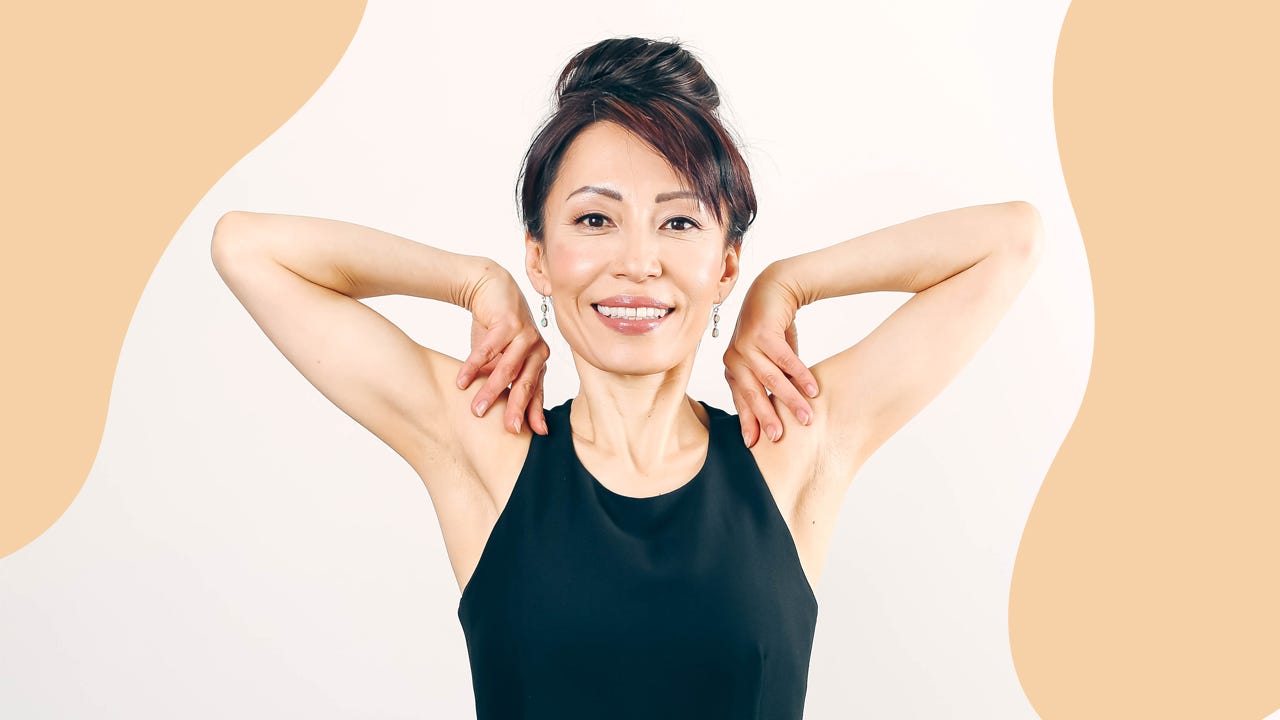
Valeriya ASMR is a renowned content creator with over 1 million subscribers on YouTube, Instagram and TikTok where she has been building a loyal following for nine years with her unique ASMR videos. Starting from simple filming on her phone, Valeriya now has her own home studio and special equipment for creating relaxing ASMR videos, showcasing her dedication to enhancing viewer experience. ASMR (Autonomous Sensory Meridian Response) is a phenomenon characterized by a tingling sensation on the skin, often triggered by specific auditory or visual stimuli, which induces relaxation and a sense of well-being in some individuals.
Thank you so much for doing this with us! Before we dig in, our readers would like to ‘get to know you’. Can you tell us a bit about your background and your backstory?
Since childhood, I have been interested in visual art. I dreamed of being an actress. In high school, we even set up our own studio with my friends and shot music videos for popular songs. Then the first digital cameras came out. We built sets and tried to replicate scenes from celebrity videos. I think that from then on I enjoyed working with camera, sound equipment, and lighting. Moreover, maybe that is why I decided to work with social media.
Can you share a story with us about what brought you to your particular career path?
In 2013, I worked very hard at my then job. I was very tired, and it was difficult for me to relax and fall asleep after work. In the evenings, I loved watching videos of massages and facials from beauticians. I found these videos very calming, especially if the beautician had a pleasant, soothing voice. Then one day, when I was watching such videos, YouTube recommended a video with the abbreviation “ASMR”. In this video, a girl acted as a beautician, but at the same time, she talked to the camera and gently stroked the lens with a brush, so there was a complete illusion that she was talking to me. Her microphones were set up so that each movement of the brush imitated the sound of touching my ears. It was very pleasant and relaxing. That is how I fell in love with ASMR — with videos that were created specifically for relaxation and falling asleep. Rough, sharp sounds are unacceptable in ASMR, and ASMRtists (as the authors of ASMR videos are called) usually speak in a whisper or a quiet voice.
ASMR has become my routine almost every evening. I learned that for full immersion, you need to listen to them with headphones, and then you will feel like the ASMRtist is talking to you ear to ear. I literally became obsessed with these videos and now I always had headphones lying on my bed.
I watched and listened to almost all the ASMR videos that were coming out on YouTube at the time. By the way, the ASMR community was very small then, so there weren’t many videos. But even then, the significant therapeutic effect that these videos could have was noticeable. I began to fall asleep faster and felt much better. It was an indispensable therapy and free, without leaving home. I learned that there are role-plays in ASMR — when the ASMR practitioner plays the role of, for example, a doctor or a cosmetologist, and helps you feel in a pleasant atmosphere, where you are being taken care of. These videos became my favorites.
So two years passed, and at the end of 2015 I thought, “Maybe I could make ASMR videos too?” One evening, I just turned on my phone and made a video about the most pleasant ASMR triggers for me. I remember that on the first day 10 people subscribed to me, and the video itself got about a thousand views. “Not much,” I thought, “but maybe I should try to make a role-play, since I love them so much?” My second video was called “Ear Spa”, and in a week, it got 30 thousand views! At that time, it seemed like a fantastic number to me! People supported me in the comments and waited for new videos. That is how I became an ASMRtist. Now I have almost a million subscribers on my main ASMR channel, about 113 thousand on an additional one.
Can you share with our readers a bit about why you are an authority in the stress and wellness fields? In your opinion, what is your unique contribution to the world of wellness?
ASMR on YouTube is now quite saturated, and there is something for almost everyone. I believe I offer something unique in the consistency of my presentation and interaction with viewers. I started creating videos before ASMR became so popular, and my own channel’s development has influenced the ASMR landscape to become what it is today.
Over my 9 years as an ASMRtist, I have tried a great variety of relaxation techniques in my videos, ranging from positive affirmations to role-playing.
However, ASMR is not just popular videos on YouTube. It really helps relieve stress.
In 2018, a scientific study was conducted on ASMR at Dartmouth College in Hanover, New Hampshire using an MRI scanner. They found that: “The attention-receiving or observation-granting behaviors in many ASMR videos have similarities to being cared for or to looking after someone. Studies utilizing fMRI have shown some affiliate behaviors involve strong activation of the mPFC, NAcc, insula, and IFG — all regions strongly activated in our study. The neurohormones widely reported to be responsible for most affiliative behaviors include dopamine, oxytocin, and endorphins. These neurohormones are known for inducing feelings of comfort, relaxation, and sleepiness — feelings often reported with ASMR.” 1 Thus, the therapeutic and relaxing effect of ASMR has a scientific basis.
Do you have a favorite “Life Lesson Quote”? Do you have a story about how that was relevant in your life or your work?
“Character is Destiny.” Heraclitus
Many times in my life, I have been convinced that a person’s personality influences his life more than external circumstances. How we move towards our goals and how we respond to the challenges of fate ultimately determines the trajectory of our lives. Simply put, “It doesn’t matter if you fall down, it’s whether you get back up”.
Ok, thank you for all that. Now let’s move to the main focus of our interview. Let’s start at the very beginning so that we are all on the same page. What is the definition of stress? How is it different than anxiety or overwhelm?
Literally defined, stress is pressure. Anxiety and overwhelm are instinctive reactions to outside threats, while stress is the internal pressure — mental, emotional, and physical — which, when not dealt with, builds up and has serious consequences to one’s health.
What are some common misconceptions about stress and habits that people should be aware of?
One misconception is that you can eliminate stress. In reality, it is impractical and often impossible to eliminate all sources of stress. Managing stress and building resilience are more realistic goals. The other misconception is that only major life events cause stress. Actually, daily hassles and minor frustrations can contribute significantly to overall stress levels.
Can you share an example of a successful habit transformation that effectively reduced stress?
With the introduction of ASMR videos into my life, I really began to spend more time on my bedtime routine. Now I always set aside time to watch or listen to 1 or 2 ASMR videos in bed before falling asleep without reading the news or watching TV. This personal, noise-free time before bed improved my sleep quality and made me feel much better.
What are some key daily habits that can significantly reduce stress levels?
First, I would say prioritizing good sleep hygiene and ensuring you get enough restful sleep each night is crucial for stress management. Lack of sleep can exacerbate stress levels and make it harder to cope with daily challenges. Also, physical activity is a powerful stress reducer. Aim for at least 30 minutes of moderate exercise most days of the week. I prefer walking, jogging, yoga and dancing.
How can individuals identify and replace habits that contribute to their stress?
I’d suggest reflective practice. Take time to reflect on your daily routines and activities. Maybe try to keep a journal or use an app to record thoughts and feelings associated with stressful situations. Then it will be much easier to understand what causes your stress. Also, try to identify the habits or activities that lead to stress. For example, these could include habits like procrastination, perfectionism, overcommitting, or poor time management. My viewers often shared their positive experiences with keeping diaries. When you have found those patterns that lead to stress, do not try to change your life all at once. Try to change your routine gradually, giving yourself more and more freedom.
How can someone stay consistent with new stress-reducing habits amidst a busy schedule?
In the modern world, there are a lot of online and digital services that help you save time. You no longer need to go to a yoga studio to practice yoga. You don’t need to go to a teacher to learn meditation. Now all these services are available online, often free of charge. ASMR is a great example of this. ASMR videos can replace sessions of personal attention in a beauty salon, helping to escape from reality. If all you want is to feel a little pampered, then with ASMR you don’t even need to get out of bed!
Also, it is much easier to implement new practices knowing that you can save not only time, but also money. Therefore, I started exercising every day, using videos with workouts on YouTube. Before, it took a lot of effort for me to force myself to go to the gym. I immediately felt the positive effect of regular exercise.

Ok. Here is the main question of our discussion. Can you please share “5 Ways to Create Better Habits Around Stress”? If you can, kindly share a story or example for each.
1. Improve your sleep. Sleep is one of the key conditions for our psychological health. I personally experienced great relief when I achieved sound sleep. I became much less irritable and tired, and my life became more productive.
2. Physical activity. This is also very routine and conventional advice, but perhaps that’s because it really works! My psychologist even told me, “We must run from stress! Usually, the body senses stress and subconsciously wants to escape, but at this moment, we usually sit still at the computer chair. Let your body run from stress!” You don’t have to run if you’re not a fan of running, though. Any physical activity will work.
3. Don’t neglect relaxation techniques. Try everything from meditation to breathing exercises and find what works best for you. For example, meditation didn’t work for me, but I became a big fan of listening to positive affirmations. In today’s variety of stress relief techniques, everyone can find something suitable!
4. If you feel like you can’t handle the workload, then it’s time for time management! It’s not for nothing that so many books and scientific papers have been written about this. Spend a little time organizing your day and you’ll find it easier to deal with urgent matters. Use time management techniques such as setting priorities, creating to-do lists, and breaking tasks into smaller, manageable steps. However, don’t overdo it! One day I caught myself making a list of my lists, and then I decided that this was too much! Be sure to schedule time for pleasure and relaxation in your to-do lists.
5. Don’t neglect personal communication. Sometimes we are too lazy to go to a bar to meet friends or chat with a girlfriend over a cup of coffee, but hanging out with nice people does a greater job of relieving stress than you think! If you are alone, now you can communicate online. Returning to my favorite topic of ASMR, I can tell that now there are even ASMR streams on YouTube, where you can chat with an ASMR artist and ask him for personal attention in real time! This is a great opportunity for those who are shy to make new acquaintances in real life. To reduce stress, all means are good!
What role does mindfulness play in developing better stress management habits?
Mindfulness practices help you to focus attention on the present moment so you can approach stressful situations with greater clarity. It is difficult for modern people to slow down and understand our feelings, but the more our lives speed up, the more often we must go deeper into ourselves to understand our true feelings and emotions. This is a good practice for reducing anxiety, since anxiety is focused on the future, and awareness is focused on the present moment.
How can technology be leveraged to support the creation of stress-reducing habits?
I have already touched on the fact that modern online services have become wonderful assistants in stress management. They save both time and money. I think it is precisely because of this convenience that ASMR has become so popular. Modern people are ashamed to admit that sometimes they are just looking for care and attention, but ASMR videos give them this opportunity! Many city residents feel lonely, and many have no friends, which in itself is a huge stress. In this sense, ASMR content gives them the opportunity to feel much better!
Wonderful. We are nearly done. Is there a person in the world, or in the US, with whom you would like to have a private breakfast or lunch, and why? He or she might just see this, especially if we tag them. :-)
Theo Hutchcraft from Hurts. Their songs have always had an amazing calming effect on me.
How can our readers further follow your work online?
Well, I have two ASMR channels. One is called Valeriya ASMR and the other one — All about Val.
This was very meaningful, thank you so much. We wish you only continued success on your great work!
About the Interviewer: Shawna Robins is an international best-selling author of two books — Powerful Sleep — Rest Deeply, Repair Your Brain and Restore Your Life, and Irresistibly Healthy — Simple Strategies to Feel Vibrant, Alive, Healthy and Full of Energy Again. Shawna is the founder and CEO of Third Spark, an online wellness hub for women over 40 who want to reignite their sleep, reset healthier habits and respark their lives. Shawna is a sleep expert, hormone health expert, and a National Board-Certified Health and Wellness Coach (NBHWC). She has been featured on many podcasts including Dr. Mindy Pelz’s “The Resetter Podcast” and in Authority Magazine, Thrive Global, and The Huffington Post. A free download of her latest book can be found at www.thirdsparkhealth.com/powerful-sleep/ You can follow her on YouTube, Facebook, Instagram and LinkedIn.
SR
Written by
Shawna Robins
Executive Contributor · Authority MagazineShawna Robins is an executive interviewer and contributor covering leadership, culture, and business for Authority Magazine.

Published inAuthority MagazineTop Lessons, Top Authorities · 42K Followers
Exclusive, curated interviews with the leaders and changemakers shaping tomorrow. Leadership lessons, industry deep dives, and executive profiles.