Excellence in healthcare is about patients being given the space to express themselves and make better health choices based on the right information.
Wellness
Tom X. Lee: The Principle of Restructuring Financial Choice and Community to Overhaul the US Healthcare Delivery System
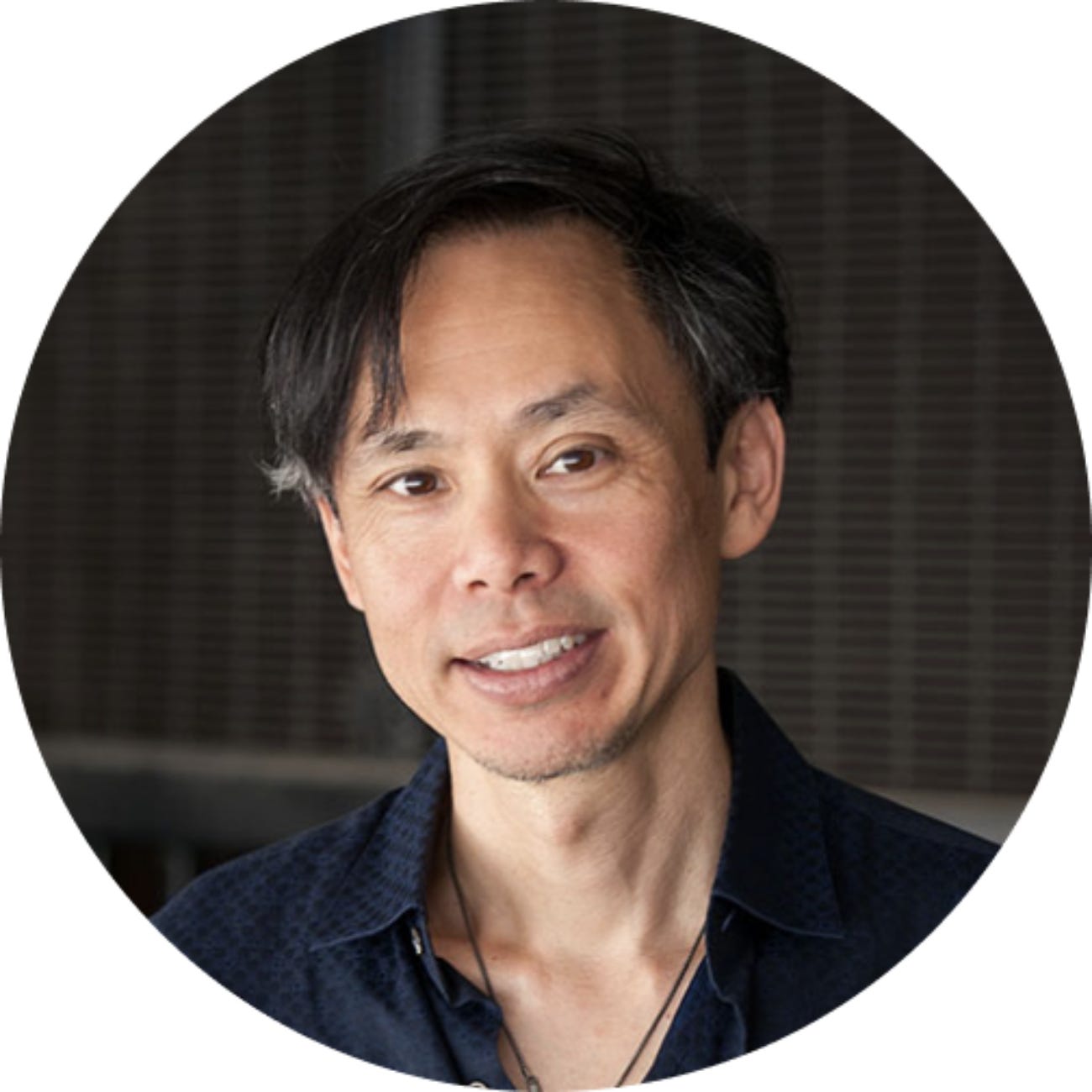
As a part of our interview series called “5 Things We Must Do To Improve the US Healthcare System”, I had the pleasure to interview Tom X. Lee.
Tom is the CEO and visionary behind Galileo — a next-generation health care delivery model designed for the future. Using innovative technology and human-centered design, Galileo improves clinical outcomes while reducing total cost of care across broad, complex and diverse populations.
Prior to Galileo, Tom helped build One Medical into the leading, independent primary care system in the country. In addition, he was responsible for mobile and web products at Epocrates, serving as Chief Medical Officer and lead designer.
Tom is a board-certified internist who completed training at Harvard’s Brigham and Women’s Hospital. He received his BS from Yale University, MD from the University of Washington School of Medicine, and MBA from Stanford University’s Graduate School of Business.
Thank you so much for joining us in this interview series! Before we dive into our interview, our readers would like to get to know you a bit. Can you tell us a story about what brought you to this specific career path?
Most of my early years as a medical student and young physician were centered around how to become a great clinician. And I was fortunate to have trained under some amazing, skilled physicians and mentors along my journey.
However, as I began practicing medicine in a variety of environments — from rural private practice to urban academic medical centers — it became clear that the craft of medicine was being altered and distorted by a mysterious force called “the healthcare system.” I wasn’t able to practice medicine the way I had hoped, and I wanted to understand how to better shape the system to foster a more personalized, thoughtful approach to medicine.
Those early experiences ultimately catalyzed my entrepreneurial journey — one focused on how to improve the quality and affordability of health care for all.
Can you please give us your favorite “life lesson quote”? Can you share how that was relevant to you in your life?
I’m not big on distilling life or work into “life lessons,” but this quote seems particularly relevant these days: “After all is said and done, more is said than done.” — Aesop
How would you define an “excellent healthcare provider”?
There are several ways to cut this, but, in general, I like to look across a variety of factors that can be broadly characterized as humanitarian and scientific. Do they thoughtfully listen and care for individuals across a broad range of backgrounds? Are they rational and knowledgeable to help provide proper counsel to those individuals? And are they humble enough to know their own limitations? Ultimately, excellence in healthcare is about patients being given the space to express themselves and make better health choices based on the right information.
Are you working on any exciting new projects now? How do you think that will help people?
Most of my time these days is focused on building and scaling my current venture, Galileo.
For those not as familiar, Galileo is a new model of longitudinal, multispecialty care focused on improving the outcomes of broad and complex populations. We’re currently serving patients across all 50 states, from lower income to higher income, across a wide range of clinical conditions. If I were to build a model of care for my family members, Galileo would be it.
Ok, thank you for that. Let’s now jump to the main focus of our interview. According to this study cited by Newsweek, the US healthcare system is ranked as the worst among high income nations. This seems shocking. Can you share with us 3–5 reasons why you think the US is ranked so poorly?
It all depends on what you’re measuring. In general, most countries have historically favored egalitarian access to affordable general medical care. By contrast, the U.S. system has been heavily subsidized by the private sector, which has fostered more choice and access to specialization and innovative therapies. I think it’s easy to beat up on the U.S. health system, but there are also some unique strengths. Regardless of the system, huge opportunities remain to improve the quality, access and affordability of care.
What concrete steps would have to be done to actually manifest these changes? What can a) individuals, b) corporations, c) communities and d) leaders do to help?
As an upfront caveat, this topic requires more thoughtful discussion given its nuance and complexity.
From a pragmatic perspective, keeping the regulatory and payment frameworks somewhat stable, fostering innovation and value within those frameworks, and helping build a more prepared workforce would be some of the pillars for what could be called “evolutionary improvement.”
To be more provocative and, therefore, politically untenable, here are some thoughts about what could really move the needle:
- Provide financial choice and freedom to individuals. Today, the vast majority of funds in the healthcare system are disassociated from the patient and health care provider. What if those dollars were put back into the hands of patients and families? There are many ways to accomplish this, but in areas where consumers pay directly for health care services, you’ve generally seen a faster and greater movement toward value.
- Simplify the safety net. The current system is too fragmented and administratively complex to really offer a reliable, responsive safety net. If we put “first dollar coverage” back into the hands of patients, we could then build a safety net that was more explicitly designed for those who fall through the cracks, possibly a national public option with basic benefits and reasonable reimbursement for providers.
- Offer free public and preventive health. As the pandemic has illustrated, we all benefit if others stay healthy and make the right choices. By lowering any cost barriers to public and preventive health measures, we enhance our chances of building a strong public and preventive health ecosystem.
- Foster a more sustainable food and environmental ecosystem. Lifestyle (specifically, diet, exercise and sleep) have a broader and more substantial impact on our health than many of us may realize. If we don’t address root problems to our food and environmental ecosystem, our healthcare system will constantly be working uphill.
- Decrease social fragmentation and isolation. Though much easier said than done, it’s apparent that social fragmentation and isolation are creating unhealthy anxiety, loneliness and division in our society. If we could come together with our neighbors in a more civil, connected and empathetic way, it would go a long way toward improving our sense of community and belonging.
How do you think we can address the problem of physician shortages?
I’m not sure if we fully understand the size and nature of the gap, let alone how to close the gap. I view the issue as more of a matching problem, rather than just a shortage of capacity. Today, we have significant mismatches in supply and demand across geographies for a variety of specialty areas. In addition, the work that’s assigned to specific physicians could be better done by others.
Certainly, adding more physicians is one way to address the issue. Another would be to improve the effectiveness of any physician on any day, against what was needed. I believe that technology can play a big factor in helping reduce these inefficiencies.
How do you think we can address the issue of physician diversity?
To start, we need to acknowledge that this is not only an important issue but an equally challenging and complex one to solve. While there is very good gender diversity in medical school, the number of underrepresented minorities lags far behind.
Unless we address these disparities upstream in the collegiate, pre-medical and medical school communities, there will be a limit to what can be done at the physician hiring and training level.
That being said, most provider organizations don’t do a good job thinking about and managing programs around diversity. We all need to start doing our part.
You are a person of great influence. If you could inspire a movement that would bring the most amount of good to the most amount of people, what would that be? You never know what your idea can trigger. :-)
Let’s do our best to treat each other as unique individuals, each pursuing our own personal journeys, with mutual humility and respect.
How can our readers further follow your work online?
You can stay updated with our work here, thanks!
Thank you so much for these insights! This was very inspirational and we wish you continued success in your great work.
LK
Written by
Luke Kervin, Co-Founder of Tebra
Columnist & ContributorAuthority Magazine Columnist & Contributor

Published inAuthority MagazineTop Lessons, Top Authorities · 42K Followers
Exclusive, curated interviews with the leaders and changemakers shaping tomorrow. Leadership lessons, industry deep dives, and executive profiles.