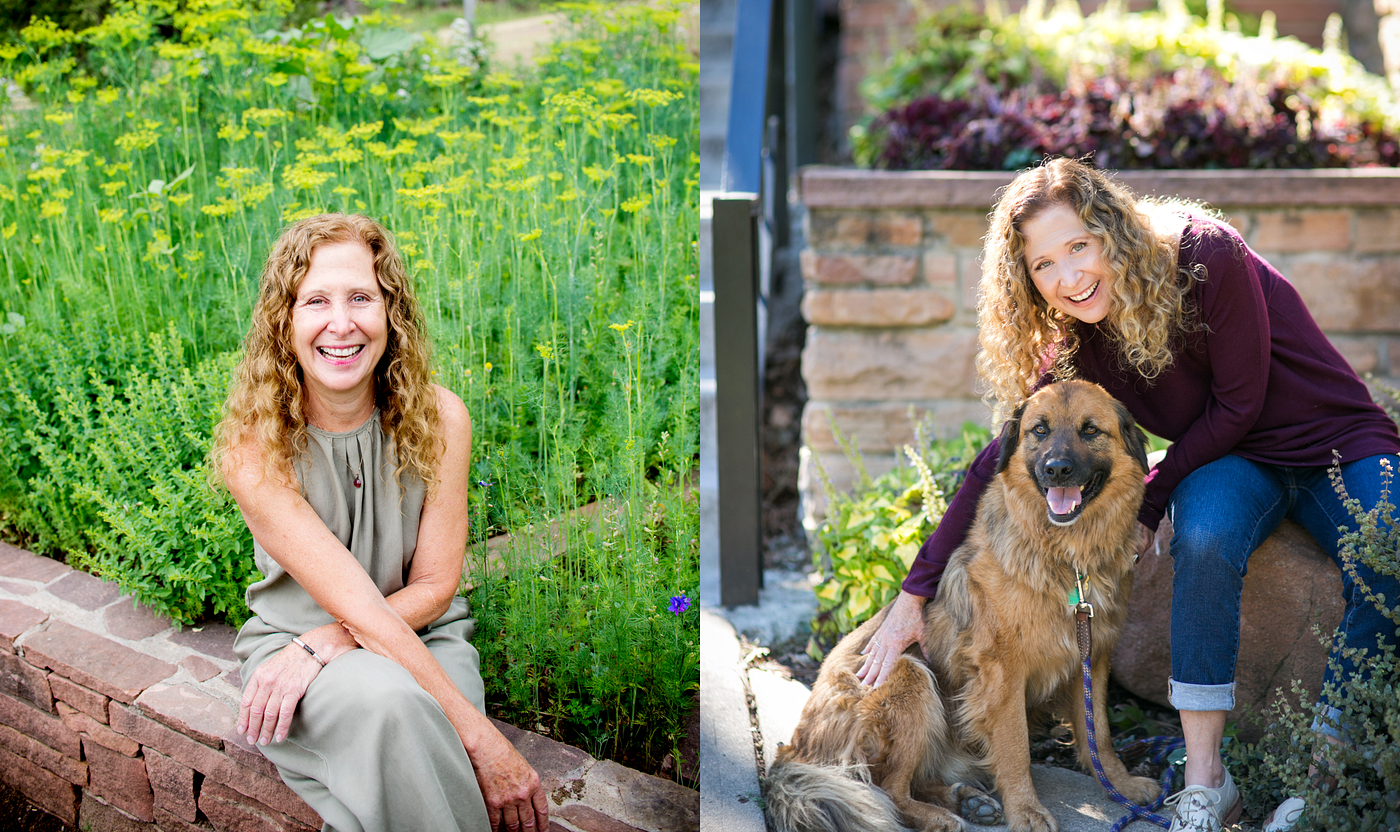
I let him feel my hurt, and it made an impact; he became infinitely more self-aware of his behavior.
Wellness
Dr. Mitra Ray: How Embracing Vulnerability and Overcoming Childhood Trauma Transforms Personal and Professional Leadership
The scientist-turned-entrepreneur and mental wellness startup CEO shares how shedding generational trauma and mastering emotional boundaries unlocks true leadership potential.

Being vulnerable and authentic are some of today’s popular buzzwords. It may seem counterintuitive to be vulnerable, as many of us have been taught to project an air of confidence, be a boss, and act like we know everything. In Brene Brown’s words, “vulnerability takes courage.” So is vulnerability a strength or a weakness? Can someone be authentic without being vulnerable? How can being authentic and vulnerable help someone grow both personally and professionally? In this interview series, we are talking to business leaders, mental health professionals and business and life coaches who can share stories and examples of “How Authenticity and Vulnerability Pay Off and Help You Win Personally and Professionally.” As a part of this series, I had the pleasure of interviewing Dr. Mitra Ray.
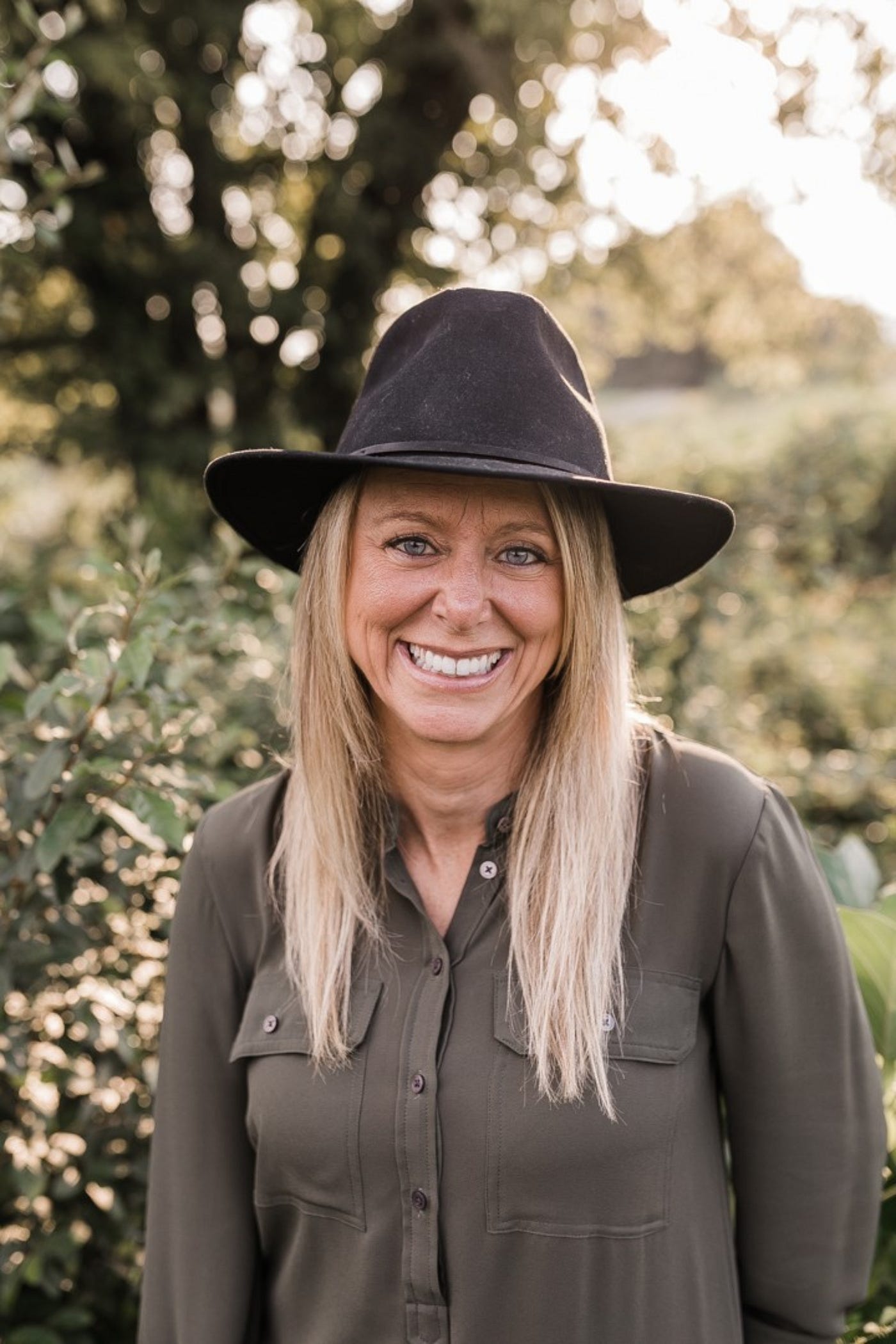
After a decade of being an NIH-funded, published researcher at Stanford University and the University of Washington, Dr. Mitra Ray began her entrepreneurial career with a global leader in the health food industry and gained unparalleled experience in the wellness space. She established herself as a Founder and the most sought-out speaker worldwide for the company. Currently, she is the CEO and co-founder of rREST Inc., bringing both her scientific expertise and entrepreneurial fortitude to this mental wellness startup.
Thank you so much for doing this with us! Before we start, our readers would love to “get to know you” a bit better. Can you tell us a bit about your childhood backstory?
Yes, and thank you for the opportunity to perhaps help someone with what I am sharing today.
I was born in Kolkata, India, and when I was eight, I immigrated to the USA with my parents and little brother. For my parents, this move was the second experience as immigrants within one lifetime. When they were young, British Colonial India was split into three countries. In 1947, Hindu families that resided in what is now Muslim-dominated Bangladesh had to migrate to the new India by foot, with whatever they could carry on their person, and leave behind any family wealth or status. Growing up as immigrants necessitated my parents to be driven. Of course, they would raise their children to be driven as well. My mom taught me how to do long division by the time I was five! When we moved to the USA, we were one of the first Indian families to move to suburban New Jersey, which ironically looks like Little India now! But back then, both my brother and I faced a lot of prejudice and violence. Our escape was to become more educated and driven than our peers. Both of us got PhDs in math and science and built our careers using not just our brains but also grit. But happiness and fulfillment were elusive until we started to focus inward and understand more about our childhood and generational traumas. For the last thirty years, I’ve been committed to continuing to grow as a person and giving back to others.
Can you please give us your favorite “Life Lesson Quote”? Can you share how that was relevant to you in your life?
For years, I allowed one person’s words and actions to start occupying more space in my head. I knew that this person I worked with was threatened by my mere existence. He threw every obstacle he could in my path and often threatened that I stood to lose my income if I didn’t listen to him. Logically, I knew he didn’t have that kind of authority. But I couldn’t be too sure. I was confused. My emotions were all twisted, and I started playing the victim. I thought I needed someone to step in and rescue me.
Then I met a woman I instantly liked and admired. She said, “Don’t let people occupy space in your head for free.”
Instantly, I went from confusion to clarity. I realized I was choosing to give away all my power, so I stopped returning my mental squatter’s calls and emails. After a few weeks, I heard that he was being asked to retire early. It was like magic; the Universe shifted as soon as I did.
So that quote is powerful. If someone is bullying you or not giving you a fair chance, it is time to stop playing the victim. A slight shift in your attitude, choosing to not give away your power, can create a ripple effect in the outer world. But it must begin with you.
Is there a particular book, podcast, or film that made a significant impact on you? Can you share a story or explain why it resonated with you so much?
Ah, so many good books and podcasts to choose from… Let’s talk about Linchpin by Seth Godin.
In this book, Godin introduces the idea of becoming a linchpin within an organization or company. A linchpin serves a vital function for a car. It’s a pin passed through the end of an axle to keep a wheel in position. A linchpin has also come to mean a person who is vital to an enterprise or organization. Godin also explains that becoming a linchpin requires becoming an artist, and he defines art as anything that helps another person see the world from a new perspective. We are all unique creative beings, and we must draw from that creativity. It is our biggest asset to not only make a living but also to become essential in our community or workplace. The scale of the innovation is not what matters — small innovations in day-to-day tasks can have significant ripple effects in the world. Godin urges us to make art, despite our fears.
Our fears arise from a part of the brain called the amygdala. We all have an amygdala, the part of our brain that is so ancient that lizards have them too. An amygdala helps us to survive and is responsible for the flight or fight response. Almost all information to the brain from the body passes through the amygdala, including our emotions. When we experience fear of any kind in any amount, our amygdala tries to protect us, even when we want to step out and take chances with our art — speaking our voice, making our own unique impact on others, creating new options in the world. Godin asks us to tame our amygdala, talk to it like you would a small, scared child, and then carry on with our new ideas, big and small.
Let’s now shift to the main part of our discussion. Let’s begin with a definition of terms so that each of us and our readers are on the same page. What exactly does being authentic mean?
Authenticity is an experience when we feel like we are being ourselves without any filters. Sadly, I don’t think most of us remember what it is to be truly authentic. It’s more of a distant memory…
We were 100% authentic in the moment of birth, wailing away and wanting human touch. Slowly over the course of the first 5 to 7 years, we were weaned away from being authentic. We were told to use our words, told to be quiet, told what was right and what was wrong, told when to go to sleep and when to awake, when to eat and when to go to the bathroom. Because we were vulnerable and had basic needs like love, food, and shelter, we learned pattern after pattern of acceptable behaviors to get our needs met. On top of that, we were punished in some form or another for unacceptable behaviors. To survive with the least amount of friction, we had to let go of being truly authentic.
Becoming a teenager is marked by a return to trying to become our most authentic selves. Unfortunately, it is seen as mostly a rebellious phase, with body piercings and emotional outbursts as a means to define who we are. Furthermore, society has even less tolerance for teenagers than for young children — so rebellion or compliance become the only two options for most teenagers. While compliance may seem to be the more socially acceptable option, it often comes at the cost of our authenticity.
As adults, we get a glimpse of our authenticity in brief moments, maybe while out in nature or in the middle of an intense physical experience. But most of the time, we are behaving in predictable ways to gain ease and acceptance with others.
It’s possible to return to authenticity, but it would require letting go of a lot of those stress patterns we picked up during childhood. I know this both from personal experience as well as from working with clients.
Having the freedom to be authentic comes from rewriting our childhood programming. It is a journey worth exploring because getting back to that place of having the freedom to be authentic is so fun and real. It’s like you didn’t even know that you were in the dark, and then suddenly, the lights come on, and you can see again.
What does being vulnerable mean? Can you explain?
Vulnerability gives you emotional agility. Now that’s not fair. Instead of answering the question, I’m introducing new terms! Let me break it down.
Having agility means having both the strength and the flexibility to bend as necessary. Emotional agility is having the strength and flexibility to ride out your emotions without trying to fix them, justify them, squash them, change them, or feel bad about them.
We cannot go through life expecting to feel awesome, joyful, and loving all the time. When we lose a loved one or a pet, or even a job or a partner, we need to have the strength and flexibility to go through the necessary and healthy mourning period — to allow the feelings to arise, live in the body, and then dissipate in their natural time. Vulnerability is an emotional state that allows for the agility you need to ride those waves of emotions. Emotions are what make us human, and, when left to themselves, they subside on their own. If we resist our emotions, then they tend to persist, which eventually has sad consequences for our health.
What are the positive aspects of being authentic and vulnerable? Can you give a story or example to explain what you mean?
Positive Authenticity and Vulnerability are spontaneous and have no agenda but create miracles anyway.
The biggest gain from being authentic and vulnerable is our emotional well-being and how that allows us to interact with others better. Humans are emotional beings, first and foremost. When we talk about being authentic and vulnerable, we are really talking about having the freedom to emote. If we use our emotions as the filter they are meant to be, then they become our best guide.
Recently I have been working with an investor — someone who knows a great deal more than me about wealth building. I was sharing some feedback about his business proposition with my associates when he suddenly got all arrogant with me, telling me that if my associates didn’t get the value of his proposition, then I should just tell them to go elsewhere.
At that moment, I surprised myself with my authentic and vulnerable reaction. I felt this childlike emotion arise within me; he was just being mean, like a bully. Without a moment’s hesitation, I simply said, “There’s no reason for you to be mean.” My authenticity and vulnerability really caught him off guard. He immediately changed his tone. Furthermore, he has never spoken to me that way again. Instead, he treats me with greater respect now. I let him feel my hurt, and it made an impact; he became infinitely more self-aware of his behavior.
No one wants to be mean, not really, not fundamentally. This investor has emotions too, but he, like many, was lacking the vulnerability and authenticity he needed to get his point across using his emotions as a filter, rather than his defense mechanism.
Are there negative aspects to authenticity and vulnerability? Can you give a story or example to explain what you mean?
Negative Authenticity and Vulnerability have an agenda, which usually ends badly.
When authenticity and vulnerability are accompanied by the intention to manipulate a person or situation, there can be serious negative consequences. In fact, that is the definition of manipulation — pretending to be authentic and vulnerable with one’s feelings while having an agenda. In the story above with my investor friend, I simply showed my authenticity and vulnerability spontaneously, without any expectations. In fact, had I had time to think through it, I might have never said anything.
Many people try to get others to do what they want them to do by sharing their feelings overtly. One clear example is when people try to make you feel guilty by sharing how bad they feel and suggesting how you could make things better. I’m sure most people have experienced both ends of that stick. Unfortunately, many parents use this tactic to get their kids to do what they want. Then the kids grow up and use the same tactic on the next generation. If you feel guilty or manipulated, it is because you are at the receiving end of negative authenticity and vulnerability.
At the extreme end are professional con artists, who are masters of pretending to be “real,” using negative or fake authenticity and vulnerability to create trust in their victims so they can take advantage of them. If you are questioning someone’s display of authenticity and vulnerability repeatedly, then that is your inner voice letting you know you are being manipulated. Listen to your gut feeling because we feel our emotions in our bodies. As you become more emotionally agile, your intuition will naturally get stronger. You will be able to discern the difference between manipulation versus genuine authenticity and vulnerability. Furthermore, you will naturally attract more of the right kind people to you.
From your experience or perspective, what are some of the common barriers that hold someone back from being authentic and vulnerable?
While Brene Brown taught us that it takes courage to be vulnerable and authentic, the real barrier is that we lose the innocence of authenticity and vulnerability we were born with. Perhaps if we can empathize with what happened to us when we were young, we can open our hearts and minds to step more bravely into being our authentic and vulnerable selves.
Through our combined experience working with thousands of clients at rREST Inc., we realize that all stress has its roots in childhood or generational trauma. Protecting ourselves from being authentic and vulnerable is, first and foremost, a stress response. What? Yes, that’s right.
Imagine this scene with me. You are two years old, playing with your older siblings who are throwing around a ball. One of them misdirects the ball toward you, but you are in your own imaginary world, playing with your own toys. You don’t move or react when they ask you to throw the ball back at them, so they start to make fun of your inability to play with them (according to their own rules, of course). You tune into their hurtful words and start to cry. Then they laugh at you for crying and authentically showing your natural vulnerability, and you go on an emotional roller coaster of feelings, feeling sad, bullied, and abandoned by the same siblings that usually give you positive attention and love. Then moments later, you go into survival mode. To protect you, your brain declares that “vulnerability sucks” and “crying sucks.” It is better to just simply disengage and feel lofty and detached instead.
Your brain stores all those emotional responses as a “survival code of conduct” for future experiences that may come up when you feel similar feelings. Meanwhile, you don’t have a fully developed hippocampus — which is where you might have stored the memory of what happened, when it happened, and who was involved in this pivotal moment. While you consciously forget about this ball incident, your subconscious brain safely stores away the emotional response for future reference. The kicker about these survival codes we write during early childhood is that they don’t live in our conscious mind, and they sneak up on us from the depths of our subconscious mind, whenever we feel stressed by similar feelings as adults. Then these survival codes hijack our adult brain, and our nervous system triggers our flight-or-fight response, or even other stress states such as “fawn,” “faint,” or “freeze.”
With the repeated triggering of the stress response, something even more insidious can happen. Because some of us have listened to countless “mentors” or read all the books, we can build “emotional resilience” which is all the rage now and is quite different from emotional agility. To build emotional resilience, we become the “adaptive child” that carries on suppressing any “bad” emotions and plowing through the day. We pat ourselves on the back for having grit, or emotional resilience. We have been taught to and praised for “toughing it out.” Meanwhile, because we choose not to ride out those negative emotions, and suppress them outwardly, the energy of these emotions — which is real, measurable energy that lives in our nervous system — travels deeper into our body and creates conditions where physical disease begins to set in. Next thing you know, your doctor wants to talk to you about your bloodwork.
Chances are rather high that you had similar emotional experiences as the one described above with the two-year-old, but under different circumstances with different characters. You had experiences when being vulnerable and authentic was not really an acceptable response to the people around you. Chances are you were not rewarded or celebrated in your childhood moments of emotional vulnerability repeatedly, and you stored your own version of survival codes to avoid showing your vulnerability. Each time you avoid being vulnerable as you grow up, those survival codes get stronger and faster in your nervous system until it’s so automatic that you don’t even perceive it as a problem. If you are conditioned to avoid being emotionally vulnerable, this unconsciously suppresses your authenticity.
But let’s call a spade a spade. From a neuroscience perspective, protecting ourselves from being vulnerable and authentic is a stress response that has its roots in childhood or generational trauma.

Here is the central question of our discussion. What are five ways that being authentic and vulnerable pay off, and help you win, both personally and professionally?
- Emotional Mastery — Having the freedom to be authentic and vulnerable is about having emotional mastery. Emotions matter and being able to master your emotions is a real-life superpower because you have the capacity to experience the full spectrum of emotions. This allows you to take risks, whether it be in your relationships or your career, or your business. If you have the emotional capacity to face the fear of rejection, then you take bigger risks that can lead to bigger rewards in both your personal and professional life.
- Clarity — Without emotional mastery, people are mostly existing in a state of confusion about what’s the right thing to say to someone, or what’s the right thing to do next. Ultimately, confusion allows people to avoid making choices and they stay stuck as a result. When you can be vulnerable and authentic, you stop worrying about the consequences, and you have much more clarity. When you are powered by clarity about what feels right, you talk to people and you take action.
- Permission — When you give yourself permission to be vulnerable and authentic, you automatically exude empathy for yourself and others. People find this so refreshing that it gives them permission to step into that same space with you and show you their true colors.
- Magnetism — Having the capacity to be authentic and vulnerable allows you to have a genuine and undeniable presence. People are caught by surprise and are naturally attracted to you because you make them feel at ease.
- Willpower — This one might surprise you. Most people don’t realize that what gets in the way of exercising our willpower is being stressed, pretending to be something you’re not. Holding back on being authentic and vulnerable takes energy and drains you silently. On the other hand, having willpower is easy when you are authentic and vulnerable because you have the energy and the freedom to be excited about your goals and dreams. That genuine excitement is irresistible and contagious, which helps you win big time.
You are a person of great influence. If you could inspire a movement that would bring the most amount of good to the most amount of people, what would that be?
The movement I would start is the journey I am already on — to educate people that we all have childhood and generational trauma that are holding back our true nature. Being authentic and vulnerable is part of our natural state. Most people have created a story that they had a great childhood, or if they know they had trauma, they tell themselves that they are doing their best to move forward despite their childhood.
Not enough people know that there are two types of traumas — what we at rREST call “small-t traumas” and “big-T Traumas.” When we mention the word trauma, most people think big-T-traumas, like abuse, parents dying, or being incarcerated. They don’t realize that we all experience small-t-traumas, such as older siblings not wanting to play with us, or the first time someone other than your mom started feeding you, or waking up from a bad dream and not having an adult right then and there to console you. At rREST, we found that both types of traumas leave long-lasting footprints that follow us into adulthood. We relive these same emotional experiences repeatedly. But because they get triggered by different circumstances, we focus on managing the external trigger — not the origin of the emotional trauma.
Major advances in neuro-emotional therapies, such as rREST sessions, can get at those hidden patterns that live in our subconscious mind and rewrite them. If everyone in the world did ten of these sessions, to rewrite the triggers that plague us the most, we would truly create a much healthier and happier world.
I really believe that when people are not being triggered, they are naturally more happy, healthy, and have the courage to be authentic, vulnerable, and love deeply. What holds us back from being our best are these survival codes written during our childhood when we didn’t have an adult brain to help us understand the emotions we were feeling. Unfortunately, these survival codes can also be passed down through generations through our DNA expression (epigenetics).
Having worked with countless people to help them erase these survival codes, I started to see that people are not fundamentally mean, selfish, weird, violent, or any other derogatory adjective to describe bad behavior. I am much more hopeful for the future because there is a way to heal these survival patterns and allow our true vulnerable and authentic persona to emerge. My movement is to inspire people to discover their true potential sans hidden childhood and generational traumas. This would change our prisons, our politics, our courtrooms, and most importantly, our children. We would understand how emotionally vulnerable children really are from birth and raise them in a better world where their emotions are understood and honored.
Is there a person in the world whom you would love to have lunch with, and why? Maybe we can tag them and see what happens!
Yes. Meghan Markle. I watched the Netflix series Harry & Meghan and I immediately thought I needed to reach out to them, especially Meghan. What they went through was really a journey of personal growth. Their circumstance forced them to deal with those triggers one way or another, find their authenticity and vulnerability, and use them as their strength and source of power. I know they are committed to giving people a voice and having them feel important regardless of they come from. I know they are committed to mental and emotional wellness.
If you think of the mind as a garden, then meditation, affirmations, music therapy, yoga, etc., are what can till the soil and water the garden of the mind. But there are these weeds — childhood and generational traumas. The step-by-step rREST technique can quickly find these weeds and pull them out by the roots. I would love for Meghan to experience this weeding of the garden of the mind for herself. We all have these blind spots that are at the root of holding us back from our true authentic, and vulnerable selves and owning our real power and purpose.
How can our readers follow you online?
https://www.linkedin.com/in/drmitraray/
Thank you so much for sharing these important insights. We wish you continued success and good health!
About The Interviewer: Maria Angelova, MBA is a disruptor, author, motivational speaker, body-mind expert, Pilates teacher and founder and CEO of Rebellious Intl. As a disruptor, Maria is on a mission to change the face of the wellness industry by shifting the self-care mindset for consumers and providers alike. As a mind-body coach, Maria’s superpower is alignment which helps clients create a strong body and a calm mind so they can live a life of freedom, happiness and fulfillment. Prior to founding Rebellious Intl, Maria was a Finance Director and a professional with 17+ years of progressive corporate experience in the Telecommunications, Finance, and Insurance industries. Born in Bulgaria, Maria moved to the United States in 1992. She graduated summa cum laude from both Georgia State University (MBA, Finance) and the University of Georgia (BBA, Finance). Maria’s favorite job is being a mom. Maria enjoys learning, coaching, creating authentic connections, working out, Latin dancing, traveling, and spending time with her tribe. To contact Maria, email her at angelova@rebellious-intl.com. To schedule a free consultation, click here.
MA
Written by
Maria Angelova
CEO of Rebellious Intl. · Authority Magazine ColumnistMaria Angelova, CEO of Rebellious Intl. is an executive interviewer and contributor covering leadership, culture, and business for Authority Magazine.

Published inAuthority MagazineTop Lessons, Top Authorities · 42K Followers
Exclusive, curated interviews with the leaders and changemakers shaping tomorrow. Leadership lessons, industry deep dives, and executive profiles.