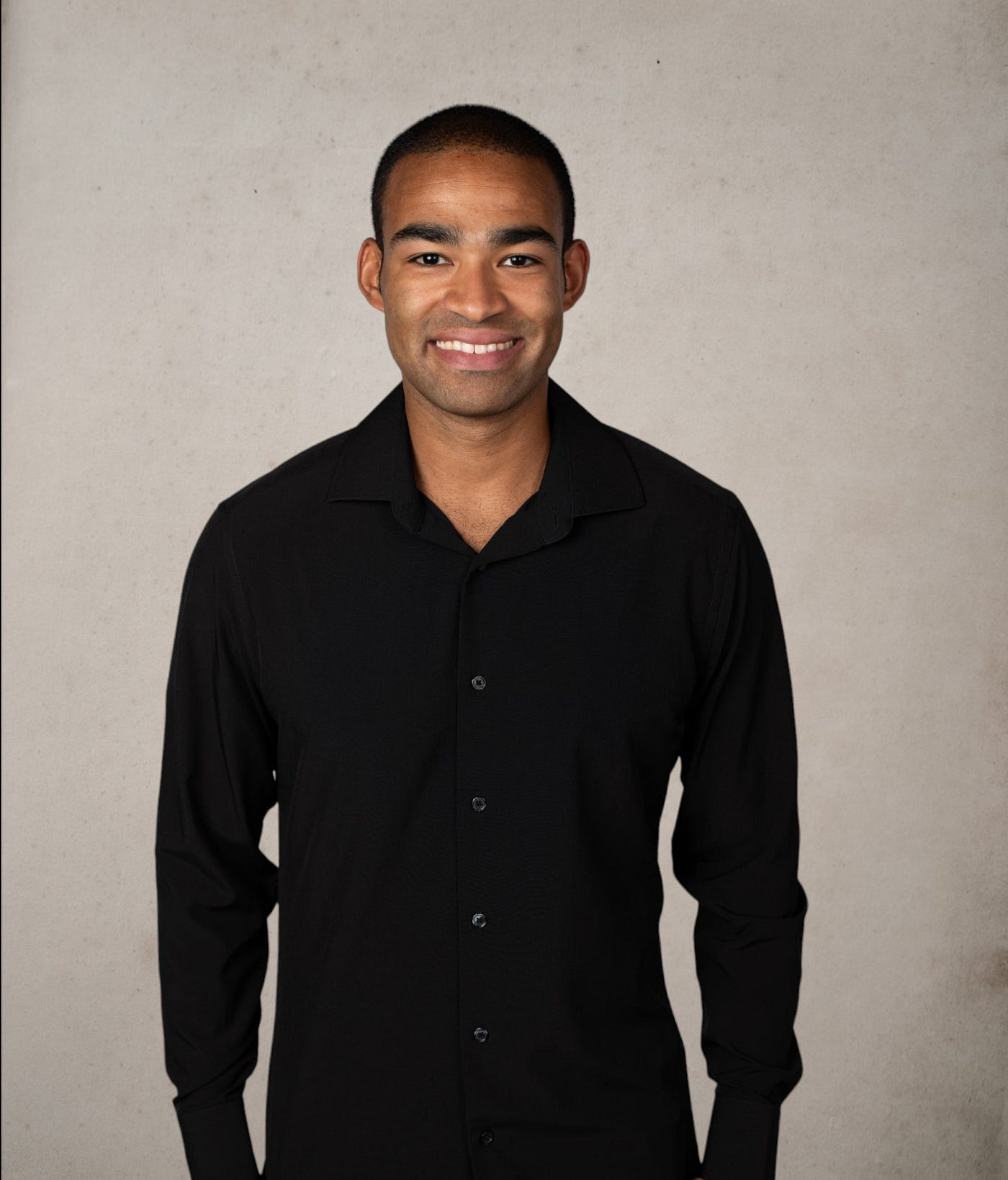
My unique authority is providing whole person medicine to empower women to take back control of their health and the way that they feel as they approach menopause.
Wellness
Sarah Gibson of Vitality Health Matrix: How Targeting Root Hormone Imbalances Reverses Perimenopausal Fatigue and Weight Gain

Menopause is a significant transition in a woman’s life, often accompanied by various physical and emotional challenges. However, it is also an opportunity to embrace wellness and thrive. How can women over 45 navigate this phase with grace and vitality? As part of this interview series, we had the pleasure to interview Sarah Gibson.
Sarah is a Functional Medicine Physician Assistant with over 20 years of experience. She is also a certified health and wellness coach who helps women increase energy, balance hormones, and lose weight. But more importantly, Sarah is a woman over 40 who knows what it’s like to struggle with fatigue and weight and found a way to reverse these issues using Functional medicine and has made it her mission to help women everywhere!
About Vitality Health Matrix:
Vitality Health Matrix is a medical practice that combines both traditional and functional medicine to help people achieve full body wellness. We believe in addressing the root cause of medical conditions using both functional medicine and lifestyle to promote healing and then we fill in the gaps with traditional medicine with labs and prescription medications. Our team offers expertise in all aspects of wellness and provides unparalleled support to each of our patients.
For more information about Vitality Health Matrix, please visit https://vitalityhealthmatrix.com
Thank you so much for doing this with us! Before we dig in, our readers would like to ‘get to know you’. Can you tell us a bit about your background and your backstory?
I was raised in Lancaster, PA and have always lived an active lifestyle. As the oldest of 3 children, I was the typical first-born over achiever, people pleaser and therefore was constantly pushing myself to add more into my schedule. I studied premed while also playing college sports, I was the president of my graduate school class, and prided myself in working long hours in my first job.
My life was always high-stress but I thought I managed it well! I had 4 children in 4 years and even trained and ran my first marathon. It was at that time that I began to struggle significantly. The scale kept going in the wrong direction, despite over-exercising and eating well. I tried every diet out there, I went vegan, and even completed a 17-day water fast where I had nothing but water and electrolytes. Yet despite all of those efforts, I couldn’t lose weight.
I went to my PCP who told me my “labs were fine” and that it was just part of getting older and being a busy mom. But I felt awful. I had no energy, terrible sleep patterns, felt anxious constantly, and not having control over the scale made me depressed.
I didn’t want to be seen in photos, I was so embarrassed to run into people I knew, I didn’t want to go out socially, and hated shopping for new clothes.
It was at that point that I started to research women’s hormones and perimenopause. I discovered functional medicine and took a deep dive into nutrition. And when I started to see myself as a perimenopausal woman with hormone imbalances that I was able to target healing in my own body.
I received additional certifications in Lifestyle Medicine, health and wellness coaching, and even took functional medicine courses. That combined with 20 years working in traditional medicine as a Physician Associate allowed me to heal my body, lose over 50 pounds, and get my “old self” back.
And the transformation in my own life was so life-changing that I quit my traditional medicine job and started my own functional medicine practice helping women get the same results.
Can you share with our readers a bit about why you are an authority in the menopause and women’s wellness fields? In your opinion, what is your unique contribution to the world of wellness?
I had to become an authority in perimenopause and women’s wellness because there wasn’t a lot of information out there! This was 10 years ago when my role-models Dr Mary Claire Haver and Dr Sara Gottfried were just starting to put information out there.
So I really didn’t have anything other than research to trust as a reliable source.
Since my background is in traditional medicine, I have always relied heavily on science. And what I discovered is that there are 5 main hormone imbalances that women develop as they go through perimenopause (the 15 year period prior to menopause), that directly impacts the ability to lose weight and is responsible for symptoms like brain fog, low energy, sleep disturbance, low libido, heavy periods, uterine fibroids, anxiety, and more. These imbalances can be tested very simply and when you know how to interpret the results, you can treat the underlying issue.
And once you target the root cause using a combination of traditional medicine, functional medicine, and lifestyle changes, you can reverse the damage, reverse the symptoms, and release the weight.
My unique authority is providing “whole person” medicine to empower women to take back control of their health and the way that they feel as they approach menopause. By testing their labs and telling them exactly what the issue is, and helping them use all of the “tools in the toolbox” to heal, they take back control of their future.
Do you have a favorite “Life Lesson Quote”? Do you have a story about how that was relevant in your life or your work?
Quote: “The best way to predict the future is to create it.” — Peter Drucker
Relevance to My Life and Work: This quote resonates deeply with my approach to medicine and patient care. Throughout my career, I have seen the transformative power of proactive health management, particularly for women navigating menopause. By empowering my patients with knowledge and actionable strategies, I help them take control of their health and well-being. One of my patients Melana sent this message about 3 months after finishing the program with our team: “It has been a bit of a whirlwind here. My son is getting married tomorrow! I just want to say my confidence is back. I really didn’t realize I had lost it. My dress fits and the weight loss was a bonus, but looking healthy is the true reward! I wanted to thank you ladies for your support, encouragement, and the tools that got me to this point.”
Ok, thank you for all that. Now let’s move to the main focus of our interview. Let’s start with the basics. What lifestyle changes have you found to be most effective for women to thrive during menopause?
Each one of these questions could be an entire article, so I will try to keep it succinct but if you would like me to expand any of these talking points, I am happy to do so!
Change your relationship with food: Stop dieting and starving yourself! As women, when we can’t control the scale, it warps our relationship with food. We restrict ourselves to the point where food is either “good” or “bad” and we link our self worth to the ability to “avoid bad foods.”
When I work with clients, we focus on food targets and goals. No dieting, no restricting, and no food is “off limits.” It’s a concept I refer to as food freedom!
Eating pattern adjustments: Healing metabolism involves eating consistently throughout the day in a pattern that includes protein, fiber, healthy fats, and YES even carbohydrates! Years of yo-yo dieting and starving yourself slows metabolism and makes weight loss difficult. By providing your body with the vitamins and minerals it needs, a broken metabolism can heal!
Easy tips to start the healing process:
- Aim for 80–100g of protein daily, divided into 4 smaller meals.
- Aim for 30g of fiber daily
- Eat every 2.5 to 3 hours
- Focus on whole foods and supplement any gaps
Strengthen your muscles: As women age and hormone levels change, we lose lean muscle (which is called sarcopenia). This causes our metabolism to slow down because muscle burns almost twice as many calories as fat does, so when we lose muscle mass, we burn fewer calories.
Another reason this is so important is because we are at risk for changes in balance and mobility as we age (as a woman, you don’t want to be the one who has “fallen and can’t get up!”)
A simple way to combat this is to incorporate lifting weights for 20 minutes 3 times per week. And if you are just starting out, you can do this right in your living room by using exercises like squats, push ups, and overhead press. This protects lean muscle and can prevent that loss of muscle.
Move your body: Just as it is important to strengthen your muscles, it is important to move your body. As we age, our activity level can decrease which causes weight gain. Therefore by focusing on daily movements, we continue to burn calories the same way we did when we were younger!
Easy strategies include:
- Trying to hit step goals! You can track daily steps and slowly increase over time to get to a goal of 10,000 steps daily
- Incorporate flexibility movements that also build lean muscle, like yoga and pilates
- Even just developing a simple daily stretching routine can help your balance and mobility as you age
Focus on simple habits: As we age, our bodies become more sensitive to daily fluctuations. For example, you may notice that it is more difficult to recover from a night of terrible sleep. By focusing on simple habits and staying consistent, you can develop a pattern that sets your body up for success.
Two examples that you can start doing immediately:
- Regulate Sleep
- Manage Stress
Preventative medical care: Regular screenings and discussions with your healthcare providers can help catch things early on so you can address them. Things like regular mammograms or colonoscopies are important so having a provider that listens to you is key.
Can you share any specific dietary recommendations that help alleviate common menopause symptoms?
Fiber-Rich Foods: vegetables and whole grains contain fiber to balance blood sugar, control hunger hormones, and even promote healthy estrogen levels.
Examples of Fiber-Rich Foods Include:
- Whole Grains: Oats, brown rice, and quinoa aid digestion and provide sustained energy.
- Fruits: Apples (with skin), berries (raspberries, blackberries, strawberries), and pears improve digestion and offer antioxidants.
- Vegetables: Broccoli, Brussels sprouts, and carrots enhance digestion and provide essential nutrients.
- Legumes: Lentils, chickpeas, and black beans are high in fiber and also rich in protein.
- Nuts and Seeds: Chia seeds, flaxseeds, and almonds are packed with fiber and healthy fats.
Protein-Rich Foods: Protein is broken down into amino acids, which are the building blocks for so many things our bodies need, including making brain chemicals (neurotransmitters), building hormones, and repairing lean muscle
Examples of Protein-Rich Foods Include:
- Animal Sources: Chicken breast, salmon, and eggs are high in protein and essential amino acids.
- Dairy: Greek yogurt, cottage cheese, and milk offer balanced protein and calcium
- Legumes: Lentils, chickpeas, and black beans provide protein and fiber, ideal for vegetarian diets.
- Nuts and Seeds: Almonds, pumpkin seeds, and peanuts are rich in protein and healthy fats.
- Soy Products: Tofu, tempeh, and edamame are versatile, protein-rich plant-based options.
Food rich in Vitamin D: Vitamin D is essential for so many functions in our body, yet most of us are deficient in it! Vitamin D helps regulate healthy weight, decrease inflammation, stabilize mood, prevent osteoporosis, and protect against cardiovascular disease.
Examples of Foods rich in Vitamin D Include:
- Fatty Fish: Salmon, mackerel, and sardines are excellent sources of vitamin D
- Fortified Foods: Fortified milk, orange juice, and cereals help meet daily vitamin D needs.
- Egg Yolks: Eggs provide a modest amount of vitamin D and essential nutrients.
- Mushrooms: Some varieties, like shiitake and maitake, contain vitamin D, especially when exposed to sunlight.
Omega-3 Fatty Acids: Omega 3 fatty acids help reduce inflammation and improve both brain health and heart health.
Examples of Omega-3 Fatty Acid-Rich Foods Include:
- Fatty Fish: Salmon, mackerel, and sardines are excellent sources of omega-3s and provide high-quality protein.
- Chia Seeds: Packed with omega-3s, they can be easily added to smoothies, yogurt, or oatmeal.
- Flaxseeds: High in omega-3s, they can be ground and incorporated into various dishes, such as baked goods or cereals.
- Walnuts: A convenient snack option, rich in omega-3s and beneficial fats.
Hydration: Staying well-hydrated helps manage symptoms like bloating and dryness.
Tips for Staying Hydrated Include:
- Water: Aim to drink at least 8 glasses (64 ounces) of water daily. Carry a reusable water bottle to ensure you’re drinking throughout the day.
- Hydrating Foods: Incorporate water-rich foods into your diet, such as cucumbers, watermelon, oranges, and strawberries, which can contribute to overall hydration.
- Herbal Teas: Herbal teas like chamomile or peppermint can be a soothing way to increase fluid intake without caffeine, which can sometimes exacerbate dehydration.
- Limit Dehydrating Beverages: Reduce consumption of caffeinated and alcoholic beverages, as they can lead to dehydration. If you do consume them, balance them with additional water intake.
How important is mental health during menopause, and what strategies can women use to maintain it?
Mental health during menopause and perimenopause is closely linked to hormonal fluctuations that can significantly impact mood, anxiety, and overall well-being. Hormonal changes, such as estrogen dominance, low estrogen levels, and high cortisol levels, can lead to symptoms like anxiety, brain fog, and depression. These symptoms often result in women being prescribed antidepressants or anti-anxiety medications and referred for mental health counseling. Additionally, these mental health challenges can affect relationships with friends and family, further emphasizing the need for effective management strategies.
Strategies to Maintain Mental Health Include:
Mindfulness and Meditation Practices:
Engage in mindfulness and meditation practices to promote relaxation and reduce stress. Techniques such as deep breathing, guided imagery, and progressive muscle relaxation can help manage anxiety and improve mental clarity.
Social Support:
Maintain connections with friends, family, and support groups. Sharing experiences and receiving encouragement from loved ones can provide emotional support and reduce feelings of isolation.
Professional help and Counseling:
Seek counseling or therapy to address significant mental health concerns. Professional guidance can help develop coping strategies and provide a safe space to discuss emotional challenges.
Speak with your Medical Provider:
Have an honest discussion with your medical provider about your mental health. Consider exploring options like hormone replacement therapy and checking vitamin D levels, which can affect mood.
Pursue hobbies and interests:
Engage in activities that bring joy and satisfaction to counterbalance stress. Hobbies such as gardening, painting, or reading can provide a mental break and enhance overall happiness.
Consistent Exercise:
Incorporate physical activity into your routine, as exercise is known to release endorphins, which improve mood and reduce anxiety. Aim for a balanced approach, avoiding over-exercising to prevent additional stress on the body.
Get Outside:
Spend time outdoors to boost vitamin D levels naturally. Sunlight exposure can improve mood and support overall mental health.
Regulate Sleep:
Establish a consistent sleep routine and create a restful environment to improve sleep quality. Adequate sleep is crucial for mental and physical health, helping to manage mood swings and anxiety.
Stress Management:
Focus on stress-management techniques such as yoga, tai chi, or journaling. These practices can help reduce cortisol levels and promote a sense of calm and well-being.
What role does exercise play in managing menopause symptoms, and what types of exercise are most beneficial?
Exercise plays a critical role in managing menopause symptoms by:
- Reducing Hot Flashes: Regular aerobic exercise can help lower the frequency and severity of hot flashes.
- Improving Mood: Exercise boosts endorphin levels, helping to manage mood swings and anxiety.
- Enhancing Sleep Quality: Physical activity promotes better sleep patterns.
- Maintaining Bone Density: Weight-bearing exercises like walking and strength training prevent bone loss.
- Supporting Weight Management: Regular physical activity helps in maintaining a healthy weight, reducing the risk of associated health issues.
Beneficial types of exercise include:
- Strength training as mentioned above (full body strength training for 20 minutes, 3 times per week)
- Movement as mentioned above (aim to get 10,000 steps daily)
- Stretching and mobility exercises to help with balance and agility that is often compromised with aging
- Limit exercises that increase cortisol, like running, HIIT, and intense workouts, especially during the hormone balancing and healing part of your perimenopause journey but listen to your body. If you incorporate things like walking, cycling, or swimming for aerobic health start with short periods of time and see how your energy levels are the next day
Ok. Here is the main question of our discussion. Can you please share “5 Things You Need to Know to Thrive Through Menopause”? If you can, kindly share a story or example for each.
1 . Understanding Hormonal Changes: There are 5 main hormone changes in women as they go through perimenopause that directly impact their weight and ability to lose weight. These are:
- Sex hormone imbalance (changes in estrogen, progesterone, and testosterone)
- Vitamin D Deficiency (optimal range is 60–80 for weight management)
- Adrenal Fatigue (due to chronic high cortisol levels and stress)
- Insulin Resistance (where the body can’t burn glucose properly and instead stores it as fat)
- Thyroid dysfunction (which slows metabolic rate)
Each of these imbalances can be tested with a simple blood test and can tell the cause of weight struggles. And once you know what areas to target, you can start to heal the body, balance hormones, reverse symptoms, and control the number on the scale.
- Example: Every woman I see in my clinic has hormone imbalances and most 3 or more, despite being told that their “labs were fine.” I personally had estrogen dominance, insulin resistance, adrenal fatigue, and vitamin D deficiency. Once I knew what was happening in my body and used targeted treatments to fix the underlying problem, getting the scale to move was easy and I lost 60 pounds in 8 months.
2 . Prioritizing Nutrition: Many women starve themselves and restrict entire food groups in order to move the scale. This causes the metabolism to slow down and burn fewer calories, making it even harder to lose weight. By focusing on foods that include protein and fiber are just one of the important parts of nutrition. Another is eating more consistently throughout the day to communicate with the body that there is a consistent source of energy and it can burn more calories.
Example: Last month I had a client named Emily who was terrified of carbs. She had been doing strict keto and working out 5 times per week and still couldn’t get the scale to budge. She counted every calorie she put in her mouth. After addressing the underlying hormone imbalance and working with our nutrition team, she was eating 5 times per day, including carbohydrates at every meal, working out only 3 times per week, and lost 29 pounds in 8 weeks.
3 . Staying Active: With all of the demands on women’s daily lives, it is difficult to stay active. But simply tracking and increasing daily steps can move the scale in the right direction! Start small and increase by just a few hundred steps per week, aiming to hit 10K daily can help not only your waistline, but also is powerful for mental health as well.
Example: I recently had a client who balanced her hormones and had her nutrition locked in, but was struggling to move the scale. She lifted weights 3 times per week, but it wasn’t until she increased her daily steps that she noticed her efforts paying off. She said “Well, miracle of miracles, I lost 5 pounds this week! I have more than doubled my daily steps from 2K to 6K, and I feel really good! My energy level is great, I’m sleeping well at night, and I’m eating more than I have in years.”
4 . Managing Stress: Every high-functioning female deals with stress on a constant basis. The problem is that stress was meant to be just a short-term response! And when we are younger, we can handle the chronic demand for additional cortisol. However as we begin to go through perimenopause, our bodies become more sensitive. Our adrenal glands can’t keep up with the high-demand and we start to experience symptoms like worsening anxiety, brain fog, and irritability. The reason for this is that the adrenal gland has to produce more than just cortisol and when it gets fatigued, we end up with hormonal imbalances.
Example: I have many high-functioning women that are clients and don’t understand why they are suddenly struggling with symptoms since their lifestyle has always been high stress. My client LaTonya was a busy mom with 2 teenage twins, had gotten her PhD and was a CEO of a busy company. She had been working with a personal trainer doing intense workouts for 8 months prior to working with me. We switched her daily routine to include supplements to support adrenal fatigue, deep breathing techniques, yoga instead of HIIT workouts, and nightly meditation tracks. In just 6 months she was down over 50 pounds and thriving in her busy schedule.
5 . Regular Medical Check-Ups:
Example: I diagnose unknown medical conditions every day. I have a client that was told her thyroid was fine, but she had massive elevations in thyroid antibodies and I caught that she had Hashimotos thyroid disorder. This meant that her own body was attacking her thyroid gland, causing inflammation in her body, and symptoms beyond just weight struggles. By treating the inflammation, healing the gut, and supplementing her body with the minerals and nutrients it needed to heal, she had complete remission in just 5 months. Her thyroid gland was functioning well and her thyroid antibodies were very low. And more importantly, she had much more energy and was able to wake up refreshed for the first time in years.
Navigating perimenopause is difficult when you don’t know what to do. I encourage women to find out what the hormone issues are in their own bodies, targeting the root cause with traditional medicine, functional medicine, nutrition, and lifestyle. And then surround yourself with support to help encourage you and keep you moving in the right direction and also to help you navigate obstacles or stumbling blocks. Every woman should know her own personal blueprint to feeling her best and controlling the scale at any age!
Can you discuss any alternative therapies or natural remedies that have shown promise in supporting women through menopause?
Honestly we’ve spoken about natural lifestyle things to do to support hormones including sleep, stress management, nutrition, movement, and supporting vitamin D. Other alternative therapies can be used but to target specific symptoms.
For example, supplements that include Black Cohosh and Red Clover have studies showing improvement in the symptom of hot flashes. But knowing your labs, connecting the imbalance to symptoms, then targeting the root cause to personalize healing in your body is very individual and can’t be treated with a
“One size fits all” approach.
Wonderful. We are nearly done. Is there a person in the world, or in the US, with whom you would like to have a private breakfast or lunch, and why? He or she might just see this, especially if we tag them. :-)
I am constantly trying to improve the way I help women and love learning from others, so of course it would have to be Dr Mary Claire Haver! She has paved the way for women’s health awareness and bases her treatment in science, just like I do! So I think it would be so much fun to talk with her, trade stories, and collaborate together
How can our readers further follow your work online?
IG, TT, FB, Pinterest @vitalityhealthmatrix and @sarahgibsoncoaching
Websites: vitalityhealthmatrix.com and sarahgibsoncoaching.com
This was very meaningful, thank you so much. We wish you only continued success on your great work!
About the Interviewer: Shawna Robins is an international best-selling author of two books — Powerful Sleep — Rest Deeply, Repair Your Brain and Restore Your Life, and Irresistibly Healthy — Simple Strategies to Feel Vibrant, Alive, Healthy and Full of Energy Again. Shawna is the founder and CEO of Third Spark, an online wellness hub for women over 40 who want to reignite their sleep, reset healthier habits and respark their lives. Shawna is a sleep expert, hormone health expert, and a National Board-Certified Health and Wellness Coach (NBHWC). She has been featured on many podcasts including Dr. Mindy Pelz’s “The Resetter Podcast” and in Authority Magazine, Thrive Global, and The Huffington Post. A free download of her latest book can be found at www.thirdsparkhealth.com/powerful-sleep/ You can follow her on YouTube, Facebook, Instagram and LinkedIn.
SR
Written by
Shawna Robins
Executive Contributor · Authority MagazineShawna Robins is an executive interviewer and contributor covering leadership, culture, and business for Authority Magazine.

Published inAuthority MagazineTop Lessons, Top Authorities · 42K Followers
Exclusive, curated interviews with the leaders and changemakers shaping tomorrow. Leadership lessons, industry deep dives, and executive profiles.