The mistake I made early on in my career was thinking that I could help everyone, when in fact, I can only help those that want to be helped.
Wellness
Raj Gupta On The Power of Food as Medicine: The Current Pill For An Ill Society Can Be Overcome By Treating the Root Cause of Chronic Illness
Dr. Raj Gupta discusses his journey from overcoming childhood migraines to becoming a leading wellness expert dedicated to reversing Type 2 diabetes through customized nutrition and lifestyle changes.
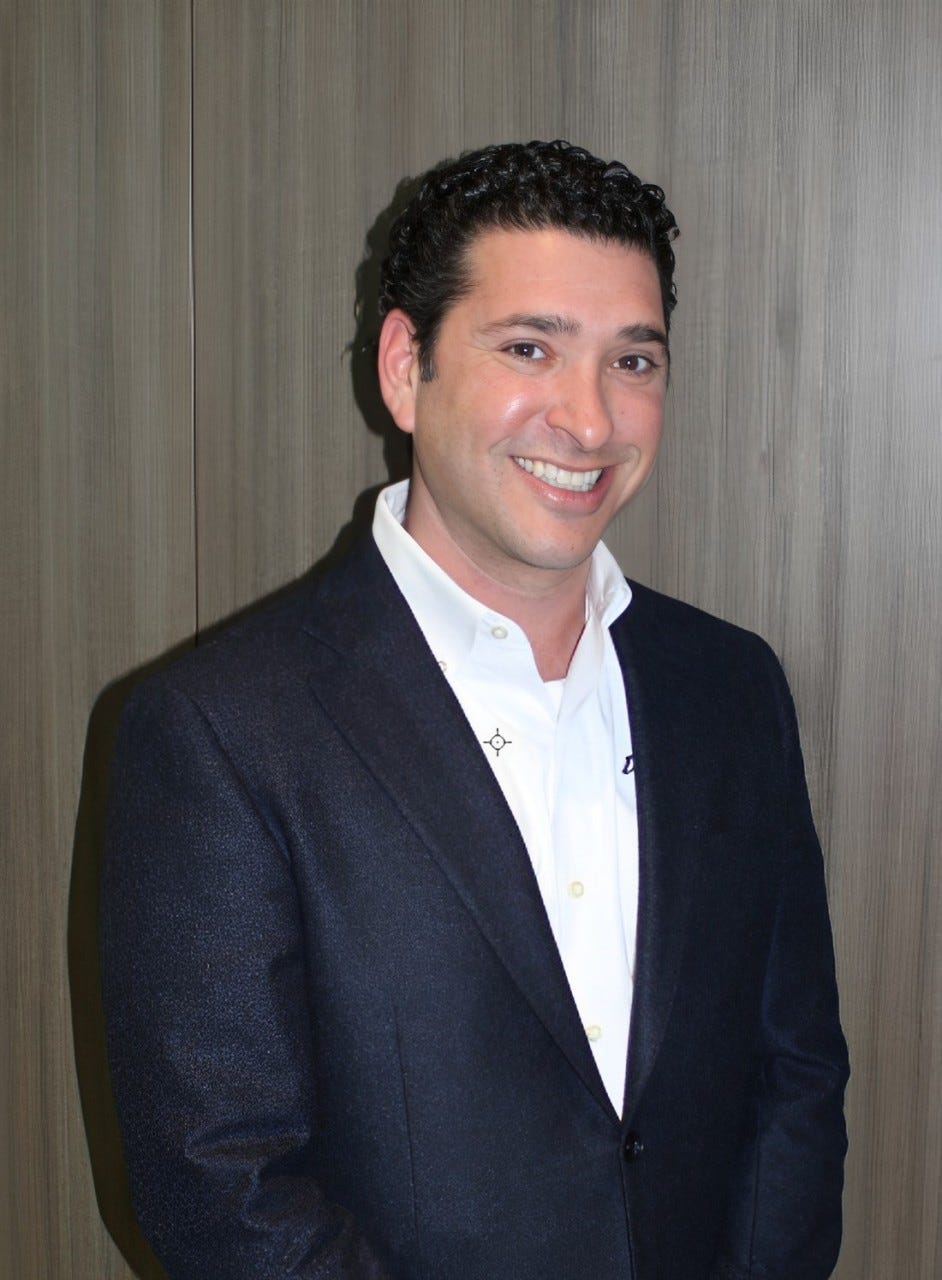
In an era dominated by pharmaceutical solutions, there is a rising consciousness about the incredible healing and preventive powers of food. As the age-old saying goes, “Let food be thy medicine, and medicine be thy food.” But how does this translate in today’s world? Can we really use nutrition as a potent tool against sickness and disease? How does one curate a diet that supports health, longevity, and wellness? In this series, we are talking to nutritionists, dietitians, medical professionals, holistic health experts, and anyone with authoritative knowledge on the subject. As a part of this series, we had the pleasure of interviewing Dr. Raj Gupta.
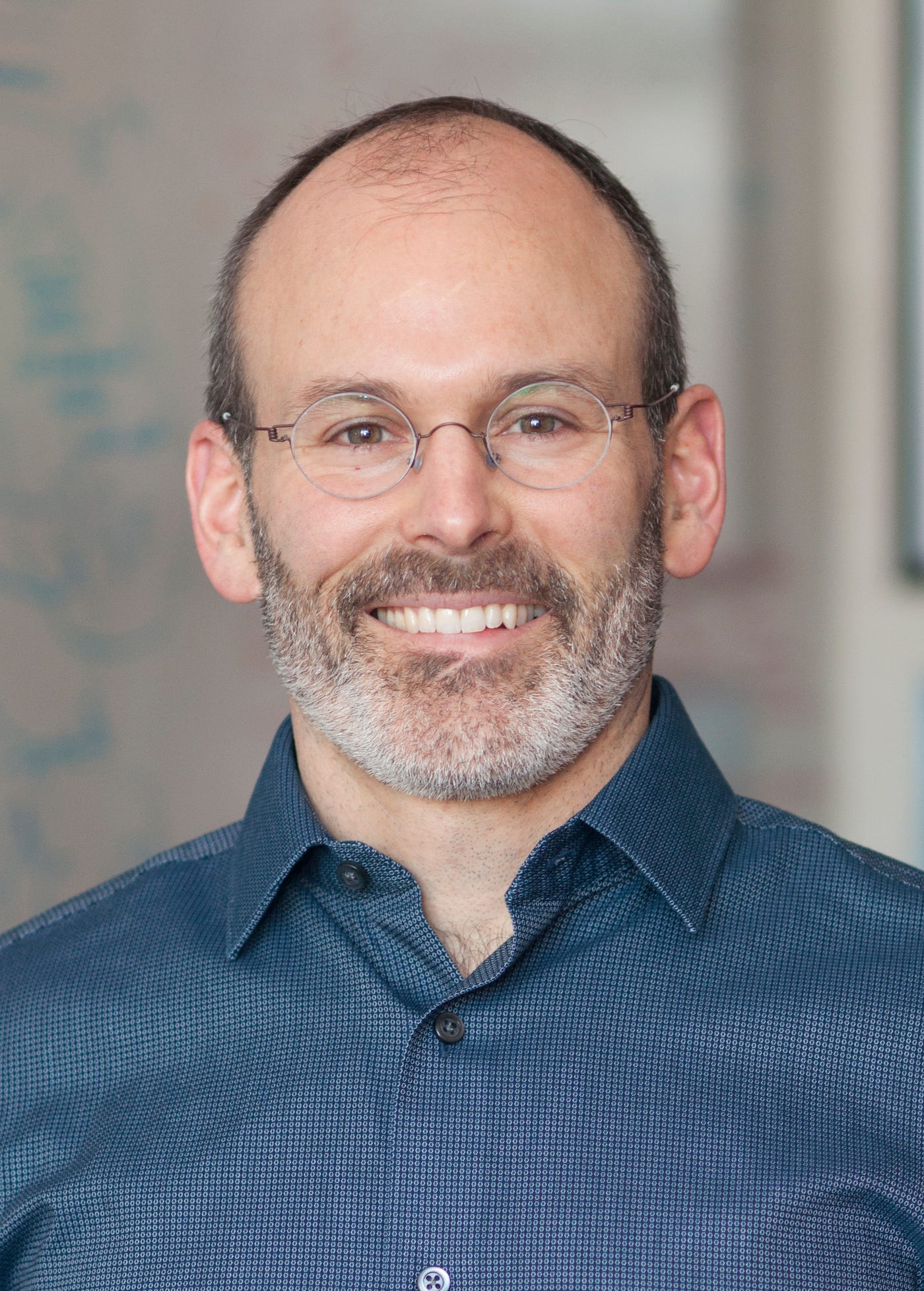
Dr. Raj Gupta (www.soulfocus.com), is passionate about his purpose to help as many people as possible avoid unnecessary prescription medication by not only using diet and exercise, but also by diagnosing chronic issues at their source. He also regularly hosts a five-day master class, The Road Map to Reversing Type 2 Diabetes, where he shares information on the reason people have insulin resistance, how to find it and eliminate and with it, reverse the Type 2 diabetes diagnosis. With past and upcoming appearances on the NBC television show ‘Fixing Us,’ radio appearances on Fox News Radio and articles in NY Daily News, Reader’s Digest, U.S. News and World Report and Woman’s World, Dr. Gupta is considered a national expert on wellness. After obtaining a bachelor’s in marketing degree from Drexel University, Dr. Gupta attended Life Chiropractic College. He challenges people to adopt a healthy lifestyle by exposing the flaws of the current “pill for an ill” society in his forthcoming third book, Reverse Your Type II Diabetes: Treat the Root, Not the Fruit.
Thank you so much for joining us in this interview series! Before we dive into the main focus of our interview, our readers would love to “get to know you” a bit better. Can you tell us a bit about your childhood backstory?
I grew up the son of a hard-working immigrant from India, who worked tirelessly to provide a prosperous life for his family. I was very active in sports, playing baseball, soccer and tennis. At one point, I began suffering from debilitating migraine headaches. After seeing multiple specialists and having a ton of tests, doctors suggested to my parents that I might be seeking attention as they could not find anything wrong with me.
Family friends who were also husband-and-wife chiropractors asked if they could see me. I went in for my first consultation while having a full-blown migraine — I’d rank it as an 11 on a 1 to 10 pain scale. To my surprise, they showed me an X-ray where my head was not “screwed on right” as being the cause of the chronic migraines. Subsequently, after chiropractic treatment, I never suffered from migraines again. However, it wasn’t until a sports injury, resulting in what doctors diagnosed as a sprained ankle, that an adjustment was made to my foot and ankle which allowed me to put down my crutches. That was when I was convinced that becoming a chiropractor is what I wanted to do.
It has been said that our mistakes can sometimes be our greatest teachers. Can you share a story about the funniest mistake you made when you were first starting? Can you tell us what lesson you learned from that?
When I began practicing, I was under the impression that people held their health in the highest regard, meaning I thought that people would do whatever they could to promote a healthy body. However, this is not the case. I realized that in many cases, people only wanted to be as healthy as their insurance company would allow them to be. While unfortunate, relying on one’s insurance coverage to keep them healthy is like depending on one’s life insurance to keep them alive. The mistake I made early on in my career was thinking that I could help everyone, when in fact, I can only help those that want to be helped.
You are a successful leader. Which three-character traits do you think were most instrumental to your success? Can you please share a story or example for each?
Passion, Purpose and Perseverance: the 3 “P’s”
Belief in oneself. Typically, when everyone else tells you that you cannot do something, what they are really saying is that THEY can’t do it. Follow your heart and then implement the 3 P’s above.
In 2010, I had the vision of a wellness center that encompassed my medical rehab practice, a full-service gym and a full-service spa. I decided to build out a 16,000-square-foot facility and EVERYONE who cared about me, and their mother (including my own), begged me not to do it due to the risk that I would be taking. For the first two years, in part due to the tremendous project, and in part due to Hurricane Sandy, I almost went bankrupt. However, the 3 P’s prevailed and I ended up becoming an expert, having published two books on the subject of how to build successful wellness centers.
What are some of the most interesting or exciting projects you are working on now? How do you think that might help people?
Several years ago, I learned that Type 2 diabetes, along with other chronic and auto-immune diseases, are reversible. Fortunate to have been exposed to cutting-edge breakthroughs in health and wellness, I dedicated hundreds of continuing education hours to learning how this was done. I have dedicated my entire career and specialty to reversing my patients’ Type 2 diabetes. The results are reproducible, and I now live for and fuel my passion with patient success stories of reducing and then eliminating their medications, and then their disease. I have also been blessed to have appeared on an NBC show with a patient to document her journey as she reversed her Type 2 diabetes.
OK, thank you for all of that. Let’s now shift to the core focus of our interview about cultivating wellness through proper nutrition and diet. To begin, can you tell our readers a bit about why you are an authority on the topic of nutrition?
I am an expert in providing customized diets for patients with the intention of providing nutrition that reduces complications of inflammation, allowing the patient’s body to heal itself and regain homeostasis. Hippocrates, the father of modern medicine, is known to have said “nutrition is thy medicine,” and I am a physician who uses my expertise in nutrition to reverse chronic diseases.
We all know that it’s important to eat more vegetables, eat less sugar, etc., and while we know it intellectually, it’s often difficult to put that information into practice and make it a part of our daily habits. Consider the main obstructions that prevent us from taking the information that we all know and integrating it into our lives: it’s availability.
Our society is a hustle and bustle, grab-and-go society. This, combined with capitalism, is the reason it is difficult for people to eat what they KNOW is right for them rather than choose less healthy options. Many American food processing and farming practices are illegal in most countries due to the toxins and chemicals used. This includes herbicides, pesticides and other contaminants used to increase crop size, plant size and profitability. The “quick and easy” culture lends itself to foods that are not prepared properly, have preservatives added for shelf life and reduced nutritional value. The fast, easy access to food we have at every convenience store or fast-food joint is our downfall. If one should wait until they get hungry to look for food, in this country, you are subject to poor options.
From your professional perspective, do you believe that nutrition plays a pivotal role in supporting the body’s natural healing processes and overall well-being, particularly in cases of chronic diseases? We’re interested in hearing your insights on the connection between a holistic approach to diet and its benefits for individuals facing health challenges.
Absolutely! An inflammatory diet is the water on the seeds of our genetic root structure. In other words,
people may be born with several predispositions based on their genetic background, like a family history of diabetes. However, one does not need to water that genetic seed of Type 2 diabetes to have it grow. Therefore, you do not need to express the genetic predisposition, and if you already have, you can still turn off the water (anti-inflammatory diet) and the seed will no longer be able to live and grow!
Based on your research or experience could you share with us five examples of foods or dietary patterns that have demonstrated remarkable potential in preventing, reducing, or managing specific health conditions? If you can, it would be insightful if you could provide real-life examples of their curative properties.
Research has shown that chronic inflammation is associated with heart disease, diabetes, cancer, arthritis and bowel diseases like Crohn’s disease and ulcerative colitis. These five most inflammatory foods, when eliminated from one’s diet, can lead to the reduction and elimination of chronic disease, cholesterol and blood pressure medication. In addition, it is common for patients to lose 25–40 pounds doing nothing else.
- Diary — No, milk does not do a body good. Humans stop making lactase, which breaks down lactose between the ages of 2–5 years old when we are weaned off our mother’s milk. Further, the pasteurization of milk kills all enzymes allowing us to digest milk, and 75% of the population is genetically unable to digest milk. Growth factors in milk make a 90-pound cow a 1,500-pound cow in 10 months. Estrogen has been proven as a larger factor in protection of bone health than that of calcium and there are better sources for those searching for more calcium.
- Gluten — The industrialization of grains has led to mono-cropping and the weakening of our crops. Chemical fertilization of hormones, fertilizers and fumigants are applied to our crops in 10 separate applications making grains stronger and thicker allowing for machine farming. These toxins, such as glyphosate (the active ingredient in Roundup weed killer), are then consumed in the form of grains/gluten. Research shows a direct correlation in the increased use of glyphosate on crops to an increase in Type 2 diabetes.
- Soy — Of all soy produced in the United States, 94% is genetically modified. Soy phytoestrogens disrupt endocrine function (cause Type 2 diabetes) and can cause infertility and promote breast cancer in adult women. Soy phytoestrogens are potent antithyroid agents that cause hypothyroidism by decreasing T4, therefore T3, and may cause thyroid cancer — which has doubled since 1970. In infants, consumption of soy formula has been linked to autoimmune thyroid disease (Hashimoto’s and Graves’ disease).
- Fructose — An intolerance to fructose is the cause of irritable bowel syndrome (IBS). Fructose causes oxidative stress (aging) and damages the mitochondria, resulting in less energy production and metabolic output. Over time, the survival switch becomes constant, and excess weight is locked in. Fructose consumption makes the body produce more fructose and when the cellular source of energy, adenosine triphosphate (ATP), drops, it’s because the body thinks there is not enough fat to maintain, even though there’s plenty. This locked-in fat surplus prevents existing fat from being broken down and causes additional fat storage. Thus, stimulating hunger and thirst and causing leptin resistance, which decreases willpower, making individuals feel as if they are not full, which stimulates foraging.
- Corn — In the United States, 99% of corn is hybridized (increased sugar content) and 92% is genetically modified. As one of the highest lectin foods, corn can cause allergies and bloating by creating a histamine response, and leaky gut and an imbalance of gut flora (bacteria). Corn is also connected to weight gain, as it is used to fatten livestock and create marbling in meat — do you really want your muscles marbled with fat? Additionally, corn causes insulin surges, which can lead to insulin resistance and diabetes. It also contains the phytonutrient Phytate (AKA Phytic Acid); Phytate prevents proper absorption of iron, as well as zinc and selenium, which can lead to hypothyroidism. Moreover, corn contains Prolamines — protein that your body cannot break down — which can lead to leaky gut and an imbalance in gut flora.
Do experts generally agree that merely choosing healthy foods isn’t sufficient, but that understanding how to consume them is key to unlocking their full health benefits? (For example, skins on/off, or cooked/raw, or whole grain/refined grain) Could you provide advice on how to approach this and sidestep common errors or misconceptions?
Yes, it is widely accepted that eating a healthy diet alone is not enough to reverse chronic diseases and promote health and wellness. While recommended diets should be customized for individuals based on food sensitivities and allergies. The above question would require volumes of information about what to eat and how to eat it. Basic nutrition should consist of lean meats, complex carbohydrates consisting of fruits and green, leafy vegetables, half of body weight in ounces of water per day and foods that existed in caveman days that do not require a factory to create. When keeping the recommended diet and eliminating the five most inflammatory foods, it is not necessary to weigh or measure foods before consuming. It is not calories but chemicals, and it is not gluten free, but it is grain free, that matters.
With the recent prominence of nutrition’s integration into healthcare, what’s your perspective on the collaborative approach between medical professionals, health coaches, and nutrition experts when it comes to delivering holistic patient care? Can you please explain?
This is what I do. I facilitate the integration of medical professionals to do the proper detective work to identify and diagnose breakdowns in the systems of the body. I then coach patients to carry out the prescribed treatment plan, coupled with nutritional intervention to properly fuel the body back to homeostasis and health and wellness.
It’s been suggested that using ‘food as medicine’ has the potential to reduce healthcare costs by preventing disease severity. However, there’s concern about the affordability of healthier food options. What solutions do you believe could make nutritious choices accessible to everyone, ensuring that food truly becomes a form of medicine for all?
This would require an entire change in the way we cultivate and grow food in this country. Grains are not bad for us, the farming process to produce our grains is what makes grains bad for us. Changes in farming, mandated by the government, that currently subsidize our farmers, would ensure healthier food and eliminate the need for people to pay more for healthier alternatives that would no longer be necessary.
Everyone’s body is unique, and what works for one might not work for another. How does one navigate the vast array of nutritional advice available today to curate a diet tailored to individual needs, ensuring health and longevity?
One size does not fit all. To determine what foods and supplements are most beneficial for each person, everyone must test to find out what deficiencies are present and what foods they may be sensitive to.
As our understanding of the intricate link between food and health continues to evolve, we’re curious to know which emerging trends or breakthroughs in nutritional science excite you the most. How do you envision these advancements shaping the future of healthcare?
The most recent research shows the detrimental effects of mycotoxins, environmental toxins and heavy metals on overall health and wellness. Americans encounter 700,000 toxins a day. While it takes medical research 15–20 years to become mainstream, I look forward to a shift in the production of products with a focus on eliminating toxin exposure.
How can we better educate the public about the medicinal properties of food, and what role do professionals like you play in this educational journey?
The best people to lead the way are the medical professionals themselves. However, the current curriculum in medical schools allows for only five nutrition credits. Further, in addition to not having been educated on proper nutrition, many physicians do not maintain a proper diet themselves. To change the future of how a doctor can practice, there first must be a change in the way we train our doctors. The doctors who currently specialize in holistic medicine must commit to hundreds of hours of post-graduate studies.
How can our readers further follow your work online?
Facebook group page: The End of Type 2 Diabetes: Exposing Myths — Revealing Truth
Thank you for these really excellent insights, and we greatly appreciate the time you spent with this. We wish you continued success and good health!
About the Interviewer: Wanda Malhotra is a wellness entrepreneur, lifestyle journalist, and the CEO of Crunchy Mama Box, a mission-driven platform promoting conscious living. CMB empowers individuals with educational resources and vetted products to help them make informed choices. Passionate about social causes like environmental preservation and animal welfare, Wanda writes about clean beauty, wellness, nutrition, social impact and sustainability, simplifying wellness with curated resources. Join Wanda and the Crunchy Mama Box community in embracing a healthier, more sustainable lifestyle at CrunchyMamaBox.com .
WM
Written by
Wanda Malhotra
Editor & Journalist · Authority MagazineWanda Malhotra is a contributing interviewer at Authority Magazine covering Wellness and Business, conducting primary-source Q&A interviews with founders, executives, and industry leaders.

Published inAuthority MagazineTop Lessons, Top Authorities · 42K Followers
Exclusive, curated interviews with the leaders and changemakers shaping tomorrow. Leadership lessons, industry deep dives, and executive profiles.