My career ended with a tragic illness, and I was fighting for my life for a year. It took ten years to fully recover. My passion is to see more people discover the deepest healing and indestructible hope that is available to all of us.
Wellness
Jesse Bradley on Recovering from Tragedy, Finding Indestructible Hope, and Navigating Grief
The pastor and former professional soccer player shares his personal journey of overcoming immense physical and emotional trauma, finding faith, and processing the loss of family members to suicide.
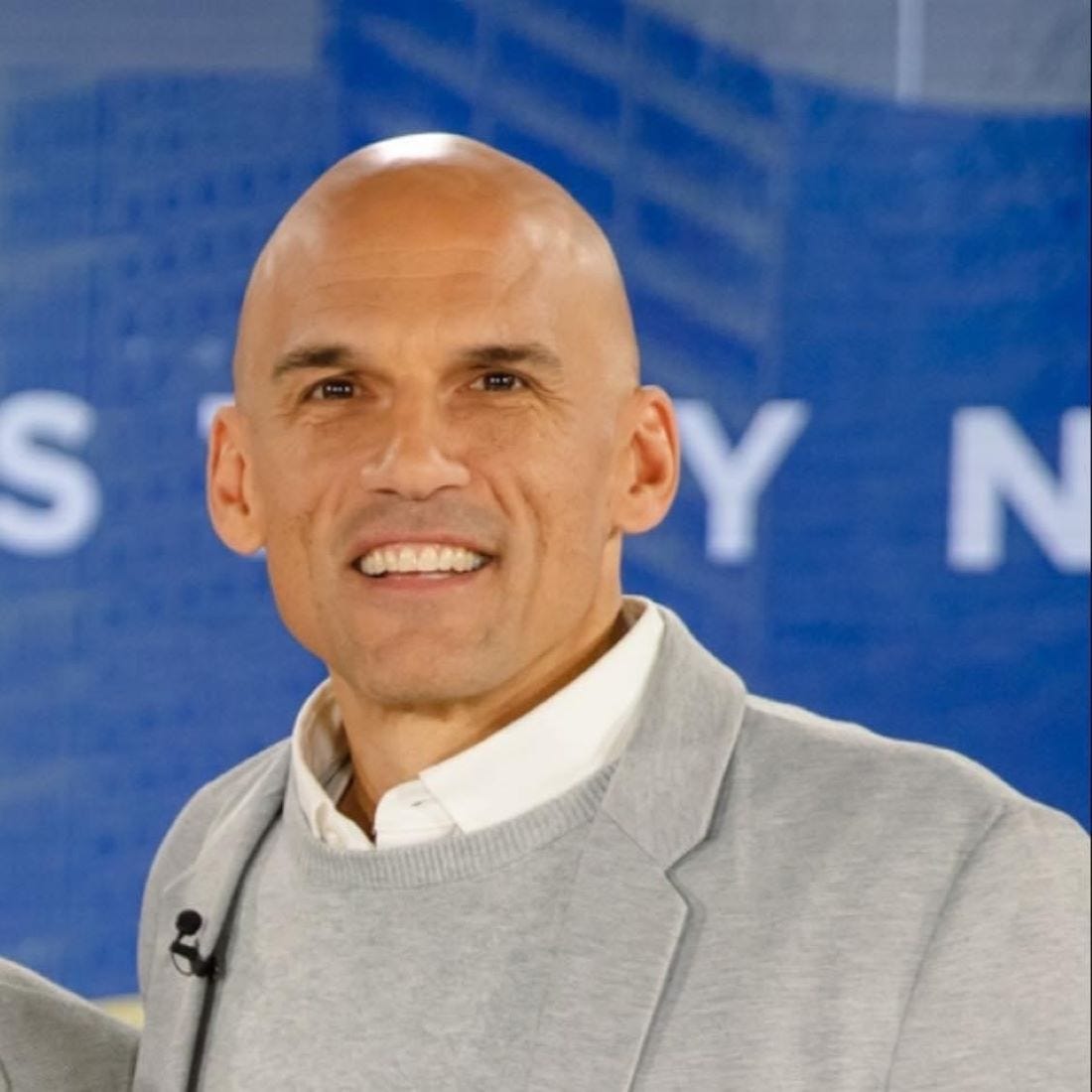
Losing a loved one to suicide is a heart-wrenching experience. It can also be confusing, and it usually comes with a lot of mixed-up feelings, including anger and guilt. What are some things that family members would like other people to know about losing a loved one to suicide? As a part of this interview series, I had the distinct pleasure to interview Jesse Bradley.
After graduating from Dartmouth College with a degree in Psychology, Jesse Bradley’s childhood dream came true, playing professional soccer as a goalkeeper in Zimbabwe. A prescribed medication built up toxic levels in his system and ended his career, but Jesse discovered a hope greater than his challenges with a new purpose and passion. Jesse serves in many roles, including senior pastor of Grace Community Church, a vibrant multiethnic congregation in Seattle. Jesse and Laurie have four children and a patient dog named Bella.
Thank you for your bravery and strength in being so open with us. I personally understand how hard this is. Before we dive in, can you tell our readers a little bit about yourself and what you do professionally?
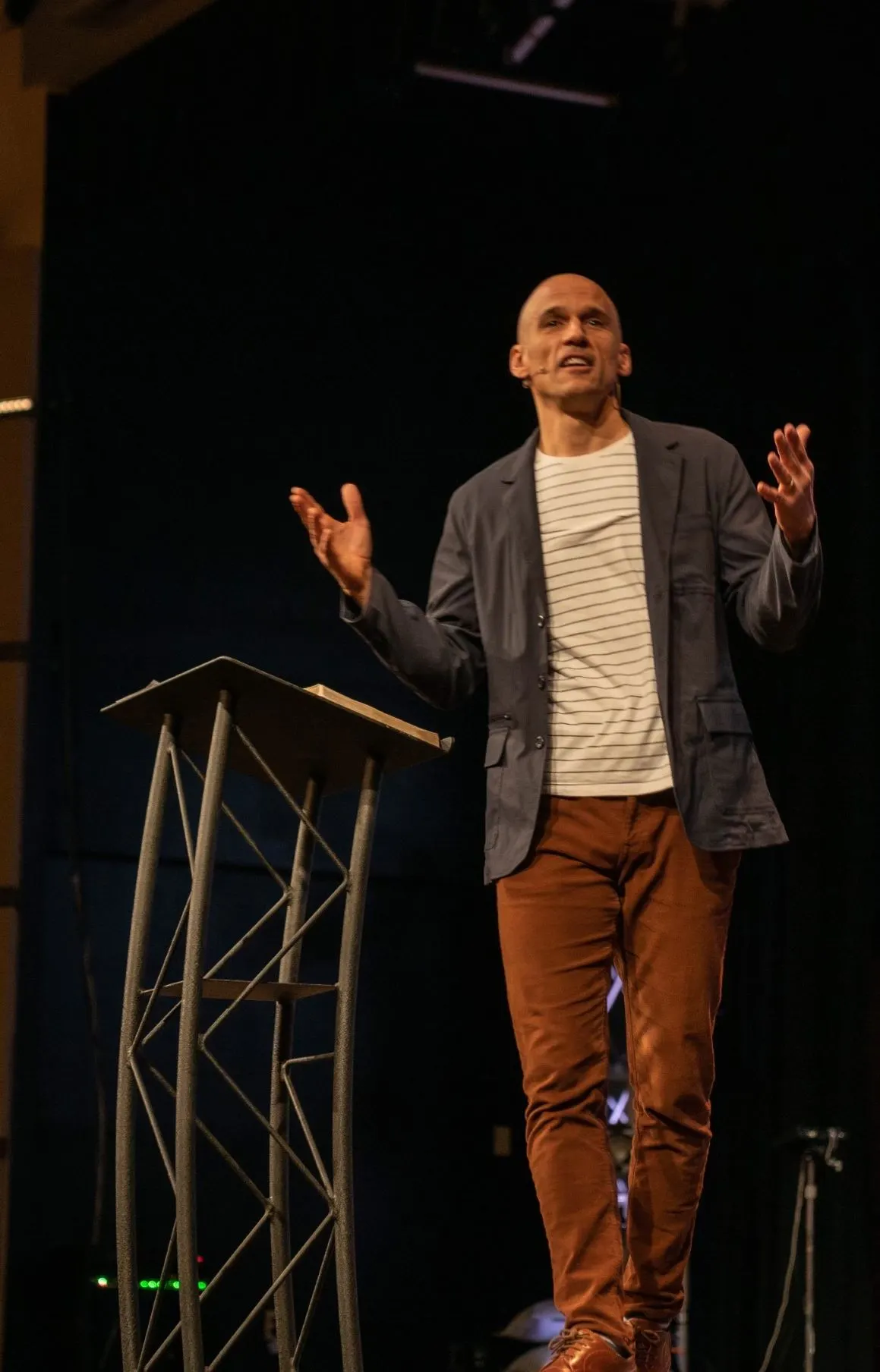
Thanks for inviting me into this conversation. I am a pastor, speaker, author, and former professional soccer player. My career ended with a tragic illness, and I was fighting for my life for a year. It took ten years to fully recover. My passion is to see more people discover the deepest healing and indestructible hope that is available to all of us. Our team shares content through videos, interviews, digital campaigns, books, and live messages. My website is JesseBradley.org
Are you working on any exciting new projects now? How do you think that will help people?
We have an initiative to bring clean water to thousands of children in Africa. We also have a wide range of resources, including a series that strengthens marriages on our website Revivinghope.com You will also find a popular video series called Reviving Hope in Seven Days, and all of our content is free. We want to empower people to experience an abundant life and be all God has designed them to be.
Can you please give us your favorite “Life Lesson Quote”? Can you share how that was relevant to you in your life?
Jesus said: “Come to me all who are weary and burdened, and I will give you rest.” (Matthew 11:28) I came from a family kind of like Baskin & Robbins, with 31 flavors spiritually. I didn’t believe God existed. Then I took a class at Dartmouth which was an introduction to the world’s religions, and the Bible was assigned. I had dozens of questions about Jesus. My life looked like a success on the outside, but the inside story carried a hidden emptiness. When I decided to follow Jesus, I found real peace, a relationship with God, my sins were forgiven, and I know I am going to heaven when I die. God’s love brought a contentment that I could not find anywhere.
Let’s now shift to the main part of our discussion. Do you feel comfortable sharing with our readers about your loss?
I have lost two family members to suicide, my uncle and my cousin. I really miss both of them.
What was the scariest part of it? What did you think was the worst thing that could happen to you?
It happened so suddenly, and it has permanent implications. The loss is immense. It is also such an intense tragedy because I see how much all of the family has suffered. It really hits on so many levels.
How did you react in the short term?
I was stunned. Lots of sadness, grief, and tears. I tried to gain more information and process it all. I wanted to understand why they would make that decision. I realized there are many answers I will never have.
After the dust settled, what coping mechanisms did you use?
I shared with loved ones and listened to them too. A close community and supportive family relationships are a key part of the healing process.
Can you share with us how you were eventually able to heal, at least to some degree?
I prayed and gave the burdens to God as I poured out my heart. God is strong enough to carry us and the pain we go through. God cares and wants us to turn to Him. God brings a real comfort in the deepest part of our being.
In my own grief journey, I found writing to be cathartic. Did you engage in any writing during that time, such as journaling, poetry, or writing letters? If yes, we would love to hear about any stories or examples.
Writing can be instrumental in bringing clarity. It also helps to put words on your thoughts and feelings. I also wrote down prayers and significant events in my healing journey. It can feel like you get stuck sometimes in the grieving process, but there is a freedom that is released in writing and praying.
Aside from letting go, what did you do to create an internal, emotional shift to feel better?
It was very difficult but leading the funeral for my cousin was ultimately encouraging. Guiding other people through the service helped me work through my own mourning as well. Speaking about the great attributes of my loved ones also felt good; celebrating their lives is important. I loved hearing many people share their stories and memories. Some of the stories were hilarious and laughing together is part of the restoration. The funeral brought a sense of closure and honor. Although grieving doesn’t really end, the gathering produced gratitude in the middle of the loss.
Is there a particular person who you are grateful towards who helped get you to cope and heal? Can you share a story about that?
I remember my parents saying there was nothing I could have done ultimately to prevent my uncle’s suicide. Those were important words to hear because I kept thinking about what I could have possibly done to save my uncle’s life. It’s not healthy to carry a false sense of responsibility or guilt. I believe receiving God’s grace sets us free from shame and despair.
What did you learn about yourself from this very difficult experience? Can you please explain with a story or example?
It really reminded me how fragile and temporary life is. The pain of their suicides fuels me to tell more people about a relationship with God, that there is a hope greater than our challenges, and that heaven is real. I have seen several family members turn to Jesus and decide to walk with Him. It’s a powerful experience to know that you are loved by God. I also try to be more intentional in talking honestly about suicide and connecting people who are hurting with resources and professional counselors.
What did you do to get help and support for yourself?
I am grateful for my wife, Laurie. I share with her whatever I am going through. She is a great listener and encourages me. We had many conversations about this topic. She is very understanding and prayerful.
What signs would you tell parents, friends or loved ones to look for in people they think may need help?
Pay attention to anyone who retreats away from people, is feeling hopeless and worthless, talks about suicide, or has a plan to end their life. Contact a counselor, pastor, or a mental health expert right away. Don’t ignore clues and indicators, ask people how they are really doing, and listen closely to their words and heart.
Thank you for sharing all of this. Here is the main question of our interview. Based on your experiences and knowledge, what are five thing you want people to know about losing a loved one to suicide?
1) Let go of guilt and shame: Your loved one would not want you to carry these unbearable feelings. They want you to be fully alive and release unnecessary and unhelpful burdens. I have told this to my family many times.
2) There is healing after the revealing: Share with people what you are thinking and experiencing. When you stuff your feelings, they can become destructive. Funeral services are a significant step in overcoming loss.
3) You can love God and mourn deeply: It doesn’t make you less spiritual. Jesus wept at a funeral. You are human and it is important to be authentic.
4) Notice early warning signs: If something intuitively does not seem right and you have concerns, then take the steps to reach out with a conversation and protect your loved one. There are many suicide hotline phone numbers you can call.
5) Isolation breeds discouragement: We all need God and each other. Despair grows in the dark. Take relationship risks and build community. Invite people to events, your home, and to do life with you.
You are a person of great influence. If you could inspire a movement that would bring the most amount of good to the most amount of people, what would that be?
I want to share with everyone in the world how much God loves them. There is nothing more powerful than love. Receiving this love is where healing happens. No one loves you more than Jesus, and He can relate to your pain and sadness. The movement is actually over two thousand years old, and I believe it is a personal and eternal movement. God will also bring people into your life as His instruments of healing. Receive their love and kind words too. Life really is primarily about relationships- with God, family, and friends.
We are very blessed that some very prominent names in Business, VC funding, Sports, and Entertainment read this column. Is there a person in the world, or in the US with whom you would love to have a private breakfast or lunch, and why? He or she might just see this if we tag them. :-)
It would be Damar Hamlin, the NFL player who nearly died during a game recently. I can relate on many levels and would want to encourage him in his recovery.
How can our readers further follow your work online?
Please reach out to me on social media, my handle on all platforms is @JesseJBradley or through our website JesseBradley.org
I would also be glad to connect with any potential donors who want to partner with us as together we are spreading hope to millions of people around the world.
Thank you so much for your courage in telling your story. We greatly appreciate your time, and we wish you only continued success and good health.
PJ
Written by
Pirie Jones Grossman
Editor & Journalist · Authority MagazinePirie Jones Grossman is a senior columnist at Authority Magazine covering Tech and Business, conducting primary-source Q&A interviews with founders, executives, and industry leaders.

Published inAuthority MagazineTop Lessons, Top Authorities · 42K Followers
Exclusive, curated interviews with the leaders and changemakers shaping tomorrow. Leadership lessons, industry deep dives, and executive profiles.