
The truth about time management is that there’s no secret. And there sure as fudge isn’t any “balance.” We’re all juggling responsibilities, hoping we don’t drop the most important balls.
Note From Nancy Landrum: As a relationship coach, I understand the challenge of practicing what I teach! I have a great deal of respect and admiration for teachers, therapists, and coaches who “walk their talk.” I’m eager to hear your story, and thank you for sharing it with our readers!
(Karen Kossow from Out Of Your Ordinary) on Lessons Learned as a Care-Giver
Being a caregiver is a role filled with both challenges and profound rewards. It requires compassion, resilience, and a commitment to the well-being of others, often under difficult circumstances. We would like to highlight practical advice, emotional reflections, and the impact of caregiving on both the caregiver and the ones they care for. As a part of this series I had the pleasure of interviewing Karen.
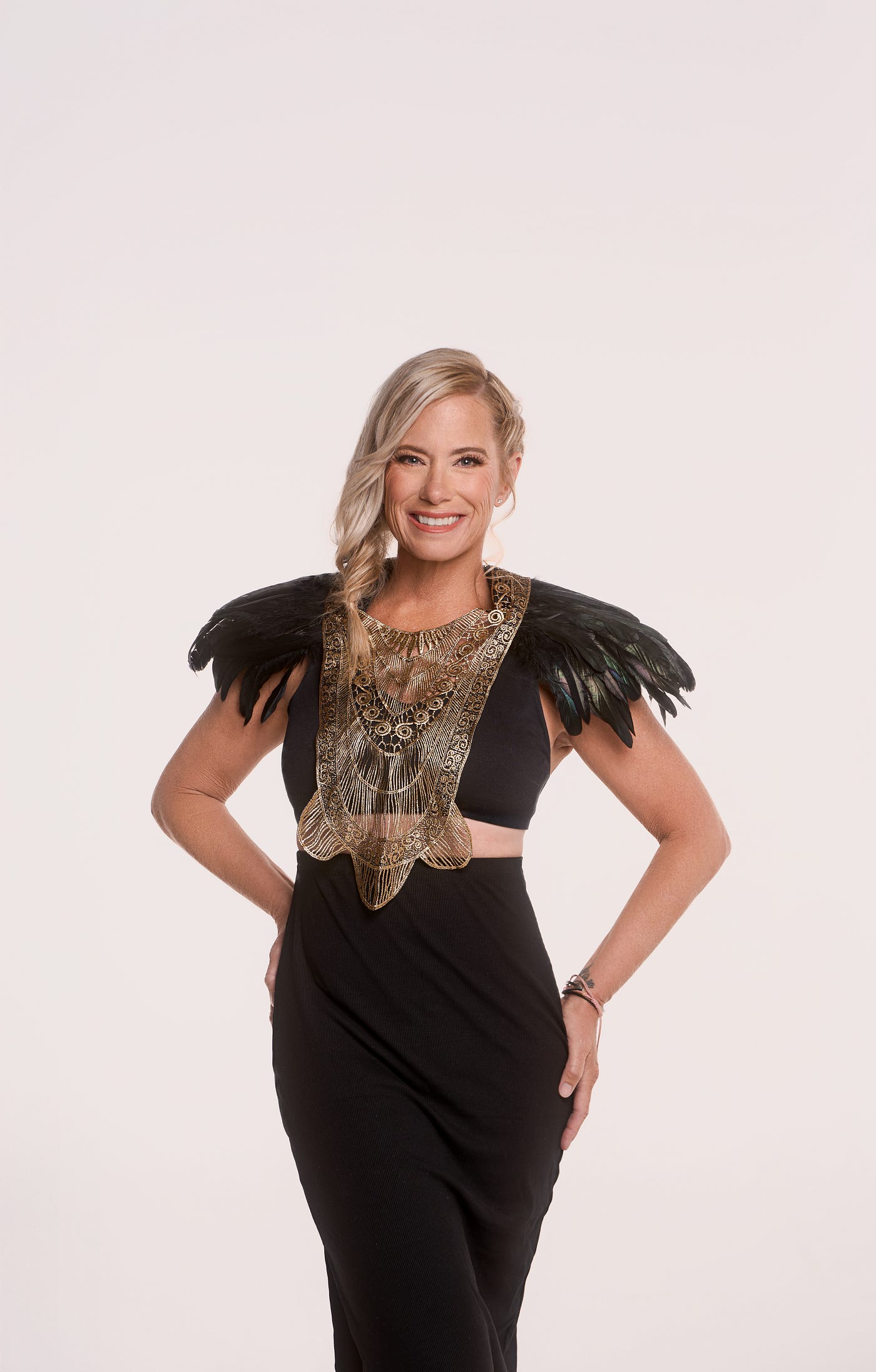
Karen Kossow is a writer, podcast host, coach, and founder of Out Of Your Ordinary. She is a neurospicy, homeschooling mom and caregiver to two semi-feral - but always lovable - AuDHD kiddos. Her mission is to help neurodivergent and autism parents understand that self-care and resilience are the keys to successfully parenting their unique kiddos without losing themselves or their minds in the process.
Thank you so much for doing this with us! Can you tell us a little about yourself? How did you find yourself in this role, as a caregiver?
Like many parents of autistic kids, it was a slippery slope! My kids were both high-needs infants with lots of quirks. In many ways, I was like a frog in boiling water—I didn’t realize how much they were struggling because it had always been our normal.
Fast forward 15 years, and both of my children are diagnosed with autism and face physical health challenges. My days are a delicate balance of meeting their needs while tending to my own. It turns out I’m the autistic tree those autistic apples fell from. I also have a genetic collagen disorder called Ehlers-Danlos Syndrome. Caring for them while caring for myself takes up most of my days.
Looking back on your caregiving journey, what’s one lesson you learned that you wish someone had shared with you earlier?
It’s a marathon, not a sprint. When your child is diagnosed with autism, many families are offered various therapies and supports. Sometimes, children as young as 2 are recommended to participate in 40+ hours of therapy each week. Deciding what would be most helpful for my children was difficult. At one point, between the three of us, we had over 30 weekly appointments.
It was exhausting and unsustainable. As parents and caregivers, we need to budget our energy so we can navigate years of services, care for ourselves, manage the education system (or choose to homeschool), and still be there to support our children.
What was the most unexpected thing you discovered about yourself through being a caregiver?
I’ve learned how little sleep I can function on, just how strong I am, and what a great choice I made in choosing my husband. He’s an excellent father to our children and a wonderful source of support for me. We couldn’t get through everything without him.
Were there any moments when you felt like you got it wrong? How did you navigate those feelings and move forward?
Oh, all the time! The hardest part for me was realizing that what the “experts” told me to do was actually harming my children. Now that we’ve embraced a neuroaffirming approach to navigating the challenges autism brings to our lives, we’re all doing much better. Our days are less hectic, our home is safer, and we’re all happier. While our lives may not look the same as our neighbors', we’re (mostly) happy, strengthening our resilience, and learning to navigate life in a world that often feels overwhelming and upsetting to our nervous systems.
Letting go of guilt isn’t easy, but it’s necessary. I comfort myself with the thought that I was doing the best I could with what I had at the moment. Now I know better, so I do better. I’ve apologized to my children for the things I unintentionally did that made life harder for them. Focusing on our relationships and rebuilding trust has allowed me to release many of the negative feelings I once carried.
Caregiving can be emotionally and physically demanding—what strategies or habits helped you stay grounded and find balance?
Admitting that it’s hard is the first step. Too often, people try to push through and ignore the difficult, sometimes “negative” emotions that come with caregiving—especially when it’s not a choice. Most parents plan to care for their children from birth until age 18, with a gradual shift of responsibilities as they become independent. It’s okay to have whatever feelings you do when life doesn’t follow that plan.
For me, finding a community of like-minded parents has been a game-changer. Caregiving, especially with a diagnosis like autism, can be an incredibly isolating experience. I’ve worked hard to build a community for other parents in my situation, both in person and online.
Another huge piece of self-care—though I’m not talking about mani-pedis or brunch with the gals—is about small, daily strategies that help reduce the overwhelm we face. For me, that’s practicing gratitude, spending time in meditation, and prioritizing rest. It also means treating myself like a fancy houseplant: making sure I get enough water, sunshine, fresh air, and time in nature.
Is there a particular story or memory from your caregiving experience that stands out as a defining moment?
Due to the nature of my work as a public figure in the autism community, and to preserve my kids’ privacy, I don’t share many specifics about my children. But I can tell you that the moment I realized I could build a business around the lessons I’ve learned from parenting my neurospicy kiddos to help other parents was a game changer!
For years, I felt like the struggles we went through had to be for a bigger reason. Once I figured that out, I felt a deep sense of relief and validation. My work brings me so much joy, and while I wish my children didn’t have to struggle, I’m grateful I can find lessons in the challenges I’ve faced as their mother.
Were you given any advice or had you made any assumptions that turned out to be unrealistic? Unworkable? If so, name them and give examples of why those plans didn’t work.
For years, I thought that if I just found the right time management system, I could solve all my problems. I spent countless hours and untold sums of money buying books and taking courses, mostly from men who didn’t face the unique challenges I did as a stay-at-home, disabled caregiver to two autistic children—while also trying to build a business, homeschool, and maintain a social life.
The truth about time management is that there’s no secret. And there sure as fudge isn’t any “balance.” We’re all juggling responsibilities, hoping we don’t drop the most important balls.
What works for a single man, or a father with a spouse and admin team supporting him, won’t work for me—and it drove me crazy trying! Of course, that famous author can get up at 5 a.m., get in a full workout, meditate undisturbed for an hour, and then have five hours of focused work time! He doesn’t have to dive into the nitty-gritty tasks of caregiving or be the on-call, default parent. His system only works for a small percentage of people like him.
And that’s okay!
Our approach to life and self-care as caregivers needs to be highly personalized. Take the nuts, leave the shells when anyone offers advice. Some things will work for you, some won’t. The greatest skill you can have is knowing the difference—and when to walk away.
Five Things I Wish I Knew When I First Became a Caregiver
When I first became a caregiver, I had no idea how much I'd need to adjust, not just for my children but for myself. Over the years, I've learned some valuable lessons that I wish I knew sooner:
Focus on Sleep: Sleep. If you only take away one thing from this, make it sleep. From day one, we’ve made sleep a top priority in our house, and it’s honestly what has saved us. We’ve tried everything: sleep studies, meds, weighted blankets, soothing lights, sound machines, and yes, even a few surgeries. But our motto has always been, “Whatever gets the most sleep for the greatest number of Kossows.” If sleep is struggling, so are we. So take it seriously!
Self-Care is Not a Luxury—It’s a Lifeline: For years, I focused entirely on my children and completely neglected my own well-being. After more than a decade of parenting high-needs kids, I started realizing just how much damage I had done to myself physically and emotionally. I wish someone had told me earlier how to make self-care actionable—even when you’re homebound with no childcare. This is part of why my business exists—I don’t want anyone else to go through what I did. Self-care isn’t a luxury—it’s a necessity.
What Works for Others Might Not Work for You, and That’s Ok: Here’s the thing about caregiving: It’s not one-size-fits-all. What works for someone else may not work for you, and that’s frustrating as heck. But it’s important to keep going, keep experimenting, and find what works for you. Self-care needs to be personalized to your unique needs. And remember: it will probably change over time. Be open to that.
You Are a Person Too—Don’t Lose Yourself in the Caregiving: I see this happen all the time, and it breaks my heart. It happened to me too. When you’re caring for a child with autism, you’re in it 100%, and it’s easy to lose yourself in the process. You forget about your needs, your hobbies, your interests. You can wake up one day, and your whole life has been about your child’s needs, and you can’t even remember the last time you watched something just for you. Don’t let that happen. You matter, too!
Distribute the Emotional Labor Equitably in Relationships: If you have a partner, make sure you’re sharing the load. Caregiving isn’t just physical—it’s emotional, and it’s easy for one person to get buried in it. It doesn’t need to be 50/50, but it should be balanced. Lean into each other’s strengths, and make sure that no one is shouldering all the appointments, paperwork, and emotional work. If this resonates with you, I highly recommend Fair Play by Eve Rodsky. It has totally transformed how my partner and I approach the mental load of caregiving.
None of us are able to achieve success without some help along the way. Who has been the inspiration or model for you? Can you share a story about that?
I see it with my coaching clients all the time! There’s nothing better than helping a parent recognize where they’re blocked and showing them a different approach that reduces their stress and helps them connect more deeply with their children.
Every time I see a client have a breakthrough, it inspires me to keep doing the work I do and to continue being the best parent I can be to my own children.
How have you used your success to bring goodness to the world?
Over the past decade, I’ve helped thousands of families navigate the ups and downs of raising their autistic children. I’ve assisted them in accessing the services they need to get medical care and therapy for their children, helping them reach their full potential. I’ve also created communities where we come together to share our wins and find inspiration in each other’s joys and struggles.
As the only U.S.-based self-care and resilience coach for neurodivergent and autism parents, I strive every day to be a voice of care and support for those around me. I’ve seen firsthand the difference self-care has made for me—both as an individual and as a parent. The changes in my children once I stopped being a Martyr mom and started taking better care of myself were immense.
I want that same change to happen for more families! That’s why I’m committed to sharing my message and advocating for parents to care for themselves as well as their children.
You are a person of great influence. If you could inspire a movement that would bring the most amount of good to the most amount of people, what would that be? You never know what your idea can trigger. :-)
There are two things I would like to see happen:
Number one is enacting legislation that allows parents to be paid caregivers for their disabled children. This is a matter close to my heart and something I’m working on in my home state of Idaho. The American Academy of Pediatrics has strongly recommended this kind of support, and I urge both state and national governments to follow suit. It’s a cost-saving measure in the long run and greatly reduces reliance on “entitlement” programs like SSDI/SSI, Medicaid, and SNAP benefits. Plus, the benefits to children and families are immeasurable.
The second thing I’d like to see is all parents of newly diagnosed autistic children being supported through the transition with more than a printout listing ABA clinics and telling them to find a Facebook group for support. Parents need—and deserve—more than that! I’d love to see a wraparound program that helps parents learn more about autism, how it affects their child, what they can do to support their child, and how best to care for themselves so they can be the best parents they can be.
Can you please give us your favorite "Life Lesson Quotes"? Can you share how that was relevant to you in your life?
Can I quote someone who quotes someone else?
I love that Brené Brown has popularized this quote from Theodore Roosevelt: “It is not the critic who counts; not the man who points out how the strong man stumbles, or where the doer of deeds could have done them better. The credit belongs to the man who is actually in the arena, whose face is marred by dust and sweat and blood; who strives valiantly; who errs, who comes short again and again, because there is no effort without error and shortcoming; but who does actually strive to do the deeds; who knows great enthusiasms, the great devotions; who spends himself in a worthy cause; who, at best, knows the triumph of high achievement, and who, at worst, if he fails, at least fails while daring greatly.”
What this means to me is that I don’t (often) take advice from folks who haven’t lived through the challenges I’ve faced. People can have all the education and good intentions in the world, but lived experience is often what matters most. It’s why I look to autistic adults when my children struggle and avoid well-intentioned advice from professionals who don’t take a neuroaffirming approach to their care.
It’s also why I can confidently ignore the stares in the grocery store, gleefully reject unhelpful suggestions from neighbors (and sometimes family), and joyfully continue being the loving parent my unique children need me to be.
We are very blessed that some of the biggest names in Business, VC funding, Sports, and Entertainment read this column. Is there a person in the world, or in the US with whom you would love to have a private breakfast or lunch with, and why? He or she might just see this if we tag them :-)
Oh my goodness, what a great question! My inner 22-year-old fan girl wants to say Harry Styles, but my 40+-year-old real self would love to have tea with Elizabeth Gilbert. Her book Big Magic was the catalyst for me starting my business. She has inspired millions of people through her writing, and I hope to do the same with mine. I’d love to chat with her about her writing process, her views on life, and how she juggles her priorities in light of the success she’s attained.
How can our readers follow your work online?
The best way to stay in contact with me is by visiting my website, Out Of Your Ordinary. From there, you can follow my Substack, join the Self-Care Support Squad, or check out The NeurOrdinary Podcast. I’m sensitive to the fact that everyone learns differently (and as caregivers, we all have limited time), so you’ll discover a variety of ways to get the community and support you need, all without spending a lot of time.
Thank you so much for joining us. This was very inspirational.
Thank you so much, Nancy! I truly appreciate you holding space for the caregiver community, and I’m beyond thrilled to be a part of this incredible series. It’s an honor to contribute to something that uplifts and supports others in such meaningful ways.