
Over time I have embraced the fact that being Sarah’s caregiver is my highest call and most meaningful purpose in life. Years ago, long term caregiving was presented as a burden rather than a privilege.
Being a caregiver is a role filled with both challenges and profound rewards. It requires compassion, resilience, and a commitment to the well-being of others, often under difficult circumstances. We would like to highlight practical advice, emotional reflections, and the impact of caregiving on both the caregiver and the ones they care for. As a part of this series I had the pleasure of interviewing Shauna Amick, M.Ed.
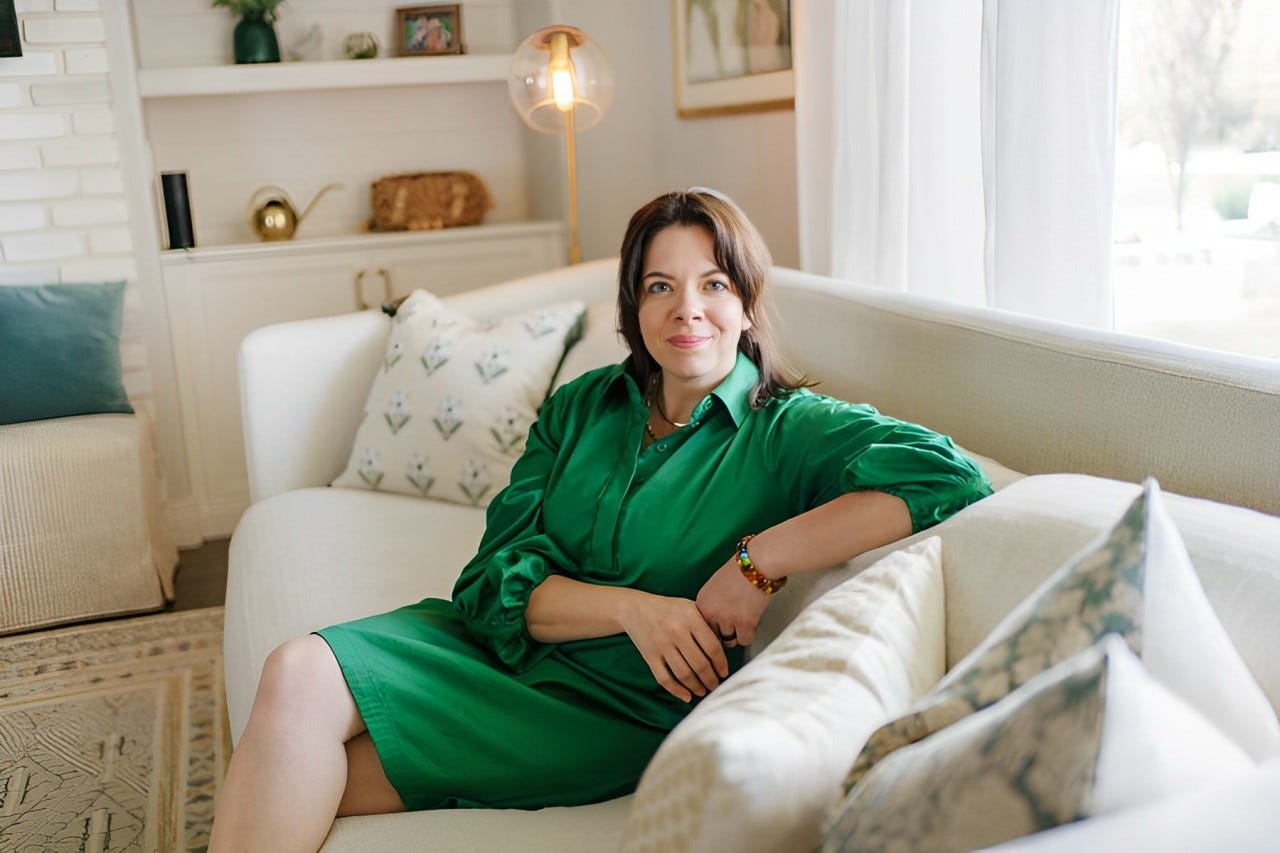
BIO: Shauna Amick, M.Ed.
Shauna’s passion for the inherent worth and dignity of every human life was deeply solidified when her third child was diagnosed with Down syndrome, a near fatal heart defect, and a slew of other genetic abnormalities. As a speaker, author, and disability rights advocate, Shauna shares the gift of viewing challenges through the lens of God’s Word and does so with incredible transparency and vulnerability. Despite the many trials of life, Jesus remains the anchor of her soul. Shauna became part of the international disability ministry Joni and Friends 19 years ago as a desperate mother in need of help and hope. She has been a staff member for 14 years now, currently serving as the Director of Direct Response and Radio Channel Marketing. The testimony she and her daughter, Sarah, share shines a spotlight on the never-ending love of Christ. Shauna can often be heard encouraging radio listeners alongside Joni Eareckson Tada.
“Shauna has so much to say when it comes to seeing life’s hardships from God’s point of view, encouraging everyone who listens.” ~ Joni Eareckson Tada
Thank you so much for doing this with us! Can you tell us a little about yourself? How did you find yourself in this role, as a caregiver?
When someone becomes a parent, you’re instantly a caregiver. But the 24/7 demands of caregiving decrease as our children grow up—except in the case of children with disabilities. When I got my daughter’s diagnosis during the fourth month of pregnancy, I knew I was looking at a lifetime of around-the-clock caregiving. Sarah is 19 years old now. She requires constant supervision and assistance with daily living tasks. And I have the honor of being her primary caregiver.
Looking back on your caregiving journey, what’s one lesson you learned that you wish someone had shared with you earlier?
Over time I have embraced the fact that being Sarah’s caregiver is my highest call and most meaningful purpose in life. Years ago, long term caregiving was presented as a burden rather than a privilege. As a young mother looking ahead to decades of 24/7 caregiving, I wish I would have understood that caregiving is a joyful, fulfilling role. It’s rewarding like no other calling.
What was the most unexpected thing you discovered about yourself through being a caregiver?
I’ve discovered that I’m stronger than I ever expected myself to be. The demands of caring for an adult child with intellectual disabilities require a tremendous amount of patience, emotional resiliency, and physical endurance. Sarah has given me those gifts and I am extremely grateful to her and to God for developing those characteristics in me. Not to say that I never get it wrong….
Were there any moments when you felt like you got it wrong? How did you navigate those feelings and move forward?
Every day brings with it opportunities to do better—to apologize for mistakes made and to analyze future decisions. When I feel like I’ve failed, I bring those regrets to God in prayer, and I make intentional plans for moving forward in ways that best serve my daughter. That might mean making changes in Sarah’s routines or making changes in my own so that I can be a better caregiver. Either way, moving forward is critical so that both Sarah and I can thrive.
Caregiving can be emotionally and physically demanding—what strategies or habits helped you stay grounded and find balance?
Being part of a faith community, spending time with God in prayer and in the Bible, getting regular exercise, and sticking to a regular bedtime (for both Sarah and myself) have all been important habits that help us stay happy and healthy. There are times when we go out with friends and I’d like to stay out past Sarah’s bedtime, which is early, but I know that if I do, it will throw her whole routine off balance and result in negative behaviors. So, we say no to some good things—like visiting with friends past a certain time—so that we can say yes to better things—like a positive outlook on the next day. Sarah and I are part of a wonderful ladies’ Bible study that meets weekly. Every woman in the group loves Sarah, and she thoroughly enjoys the fellowship. Being part of such an encouraging group of women helps both Sarah and me find joy and feel supported regardless of our circumstances.
Is there a particular story or memory from your caregiving experience that stands out as a defining moment?
I recall a moment when I had a decision to make: accept a ministry opportunity that I had been hoping for, or keep Sarah as my priority and decline the opportunity so I could do the best thing for her. It sparked selfishness in my heart, and working through it ultimately molded my character a little more into that which is Christ-like.
It was an opportunity that only comes along once. An invitation others would envy. And yet I knew I would have to decline. As the single mother of a significantly disabled daughter, saying yes to once-in-a-lifetime events is close to impossible.
I worked through my short list of people I trust with Sarah’s caregiving routines and came up short. No one was available. Someone else would end up receiving the blessing I longed for.
That’s when I felt that old, familiar sin creeping into my heart. If Sarah didn’t have Down syndrome and a slew of other genetic abnormalities, I’d have more options. Other mothers my age are beginning to enjoy their empty nest; my nest will never be empty. I’m stuck on the sidelines—watching other moms enjoying their new-found freedom while I spend another day, week, month, and year at home.
It’s not that I’d change anything about Sarah. Not at all. Sarah is who she is because she has Down syndrome—fearfully, wonderfully, even miraculously made in God’s image—and I wouldn’t have it any other way. My biggest struggle isn’t the endless medical appointments or frustrating school meetings or inhospitable stares from strangers. No… what eats me up is that nasty spirit of comparison, taunting me with “if onlys” that try to trick me into believing my life would somehow be better if I wasn’t Sarah’s primary caregiver.
Really, Lord? While other women are out there climbing mountains, taking classes, and going on trips, I get to stay home and orbit around Sarah’s highly structured routine so as not to upset the apple cart? (Translation: so my daughter doesn’t end up hurting herself or others.)
My assumptions about how great other moms’ lives are can get the best of me. That’s what jealousy does. It lies to us—and we end up marinating in our own disappointment and missing out on the joy set before us.
When I feel myself spiraling down into that ugly pit of comparison, that’s when I remember Psalm 16, especially verses 5 and 6. “Lord, you alone are my portion and my cup; you make my lot secure. The boundary lines have fallen for me in pleasant places; surely I have a delightful inheritance.”
That’s right! The boundary lines of my life aren’t necessarily better or worse than those who don’t live with disability, they’re just different. Sure, there are things I don’t get to do because I can’t always find anyone to help me with Sarah, but there are so many things I do experience because of her. Like the beauty and sanctity of human life, the daily depiction of true equality in the body of Christ, and the fulfillment of my God-given calling. Because here’s the thing… Jesus himself decided that I’m the perfect person to be Sarah’s primary caregiver. And as I embrace his call on my life, he fills me with joy in his presence.
“Therefore my heart is glad and my tongue rejoices,” as it says in Psalm 16:9. Sarah and I are flourishing within these boundary lines that God drew around us. And you can flourish, too. Do your boundary lines include disability, disease, or depression? Keep your eyes always on the Lord. With him at your right hand, you will not be shaken. And “fight for your joy,” as Joni Eareckson Tada likes to say. That’s when you’ll find that the Lord—and that loved one he’s entrusted to your care—are your greatest blessings of all.
Were you given any advice or had you made any assumptions that turned out to be unrealistic? Unworkable? If so, name them and give examples of why those plans didn’t work.
I’ve had offers from several people to come alongside Sarah and me to provide additional caregiving support, but unfortunately most of those offers do not come to fruition. I think people mean well and want to be helpful, but when it comes right down to it, they haven’t embraced caregiving as an important call on their lives and end up cancelling, leaving me without support. There was a time when I thought it should be easier to find reliable caregiving help, but I’ve realized I need to remain very flexible and be ready to cancel plans if other caregivers don’t keep their promises.
From your experience, what are “Five Things I Wish I Knew When I First Became a Caregiver”?
1 . Caregiving will push you to your limits physically, mentally, emotionally, and spiritually.
2 . Consistently putting someone else’s needs above your own will reveal your own vulnerabilities.
3 . Serving as your loved one’s primary caregiver develops, strengthens, and refines your character and your faith.
4 . Caregiving gives us the opportunity to prove our love. “Greater love has no one than this: to lay down one’s life for one’s friends.” John 15:13
5 . There is no higher call than caring for someone who is unable to care for herself. “‘Lord, when did we see you hungry and feed you, or thirsty and give you something to drink? When did we see you a stranger and invite you in, or needing clothes and clothe you? When did we see you sick or in prison and go to visit you?’ The King will reply, ‘Truly I tell you, whatever you did for one of the least of these brothers and sisters of mine, you did for me.’” Matthew 25:37-40
None of us are able to achieve success without some help along the way. Who has been the inspiration or model for you? Can you share a story about that?
I’ve met countless other parents and caregivers of disabled children through the ministry of Joni and Friends, and each one inspires me to persevere and love my daughter and my life deeply. Whether I’m interviewing a single mother for one of our newsletters or listening to their stories during one of our ministry outreach events, I always walk away encouraged and hopeful. These caregivers sacrifice so much on behalf of their loved ones. They truly are my heroes.
How have you used your success to bring goodness to the world?
I know that Sarah’s testimony shares goodness, beauty, and love with all who hear it. Her life makes the world a better place, and it’s an incredible delight to tell her story through a variety of different platforms including radio, video, online and print publications, and in-person support groups and speaking events. I am dedicated to encouraging other parents and caregivers along their own personal journeys.
You are a person of great influence. If you could inspire a movement that would bring the most amount of good to the most amount of people, what would that be? You never know what your idea can trigger. :-)
My heart’s desire is that people would embrace the truth that all humans—regardless of how many chromosomes they have or how many IQ points they think they have—all people are equally valuable and worthy of respect. Embracing this truth would not only support people with disabilities and help them to experience the dignity and joy they deserve, it would also be a great encouragement to the caregivers who give their lives for the good of people with disabilities. Our Joni and Friends vision is to create a world where every person with a disability finds hope, dignity, and their place in the body of Christ. This is my personal vision, as well.
Can you please give us your favorite "Life Lesson Quotes"? Can you share how that was relevant to you in your life?
One of my favorite life lesson quotes in respect to caregiving is from Psalm 16:6. “The boundary lines have fallen for me in pleasant places; surely I have a delightful inheritance.” This reminds me not to envy someone else’s life or begrudge my role as a caregiver. Instead, I welcome this call on my life and all the many ways that caregiving feeds my soul.
“God permits what he hates to accomplish what he loves.” This quote from Joni Eareckson Tada reminds us that although we will have hardships in life, persevering through those hardships develops our character, strengthens our faith, and gives everyone watching an example worth following.
“Every setback is an opportunity to refine your strength and character. It’s not what happens to you, but how you respond that shapes your future. Gratitude shifts your focus from what’s missing to what’s already here.” These are some of my favorite quotes from author and psychologist Dr. Henry Cloud.
We are very blessed that some of the biggest names in Business, VC funding, Sports, and Entertainment read this column. Is there a person in the world, or in the US with whom you would love to have a private breakfast or lunch with, and why? He or she might just see this if we tag them :-)
My first choice would be Joni Eareckson Tada, as she is the leading voice in disability advocacy and caring for caregivers. Joni was paralyzed in a diving accident at the age of 17, and she has spent the past 45 running a ministry to help others touched by disability. But I already have the wonderful blessing of being able to spend time with Joni in ministry. In addition to Joni, Dr. Henry Cloud has been a tremendous source of inspiration to me for over twenty years. His encouragement is helpful to anyone, and his work is especially beneficial for caregivers. I would love to meet with him and hear his wisdom one-on-one.
How can our readers follow your work online? www.joniandfriends.org
Thank you so much for joining us. This was very inspirational.