I’m very excited to incorporate journaling into my coaching work. I’ve been a wellness consultant for years, but it wasn't until I wrote my book that I discovered the power of healing through words.
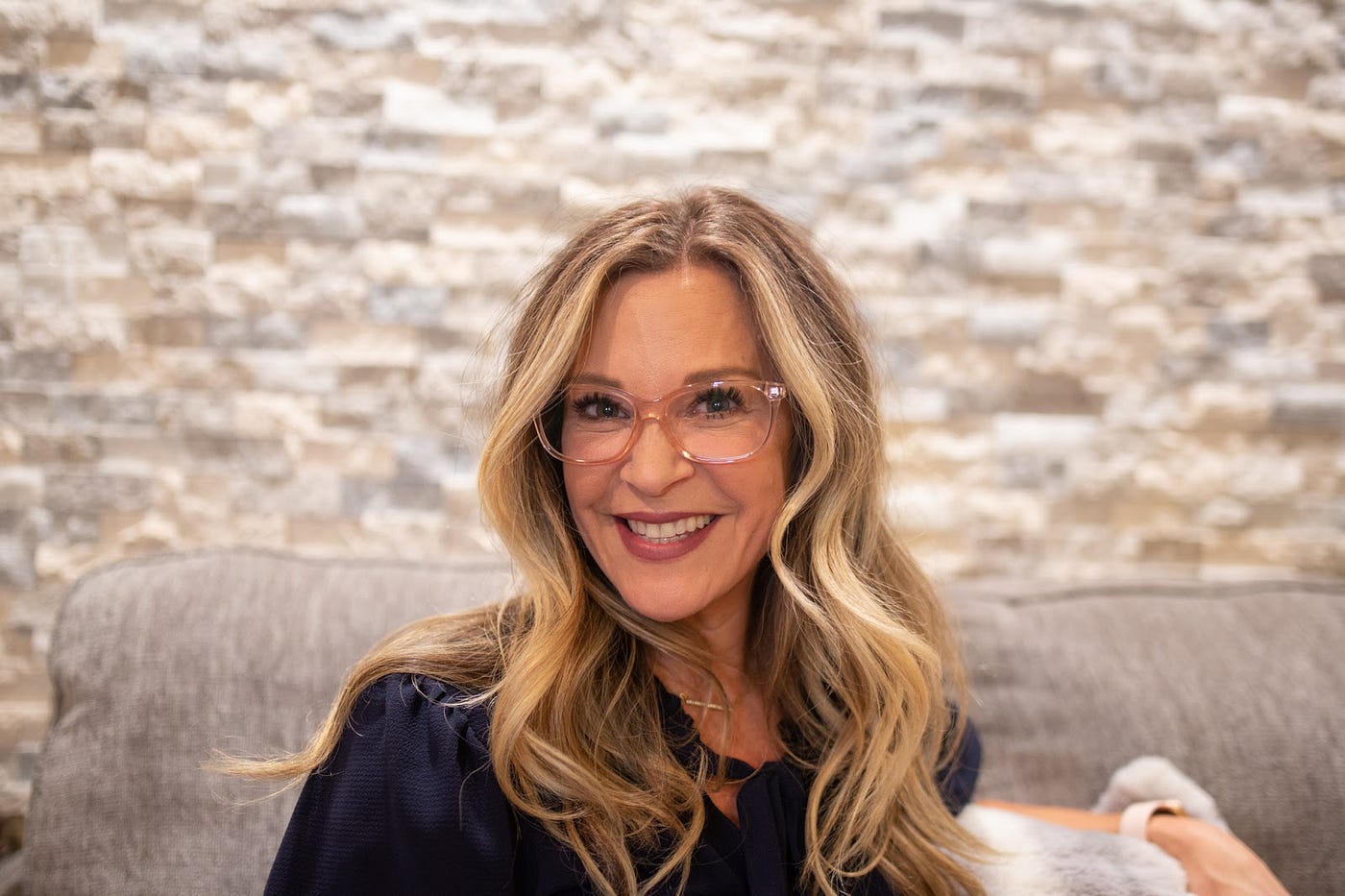
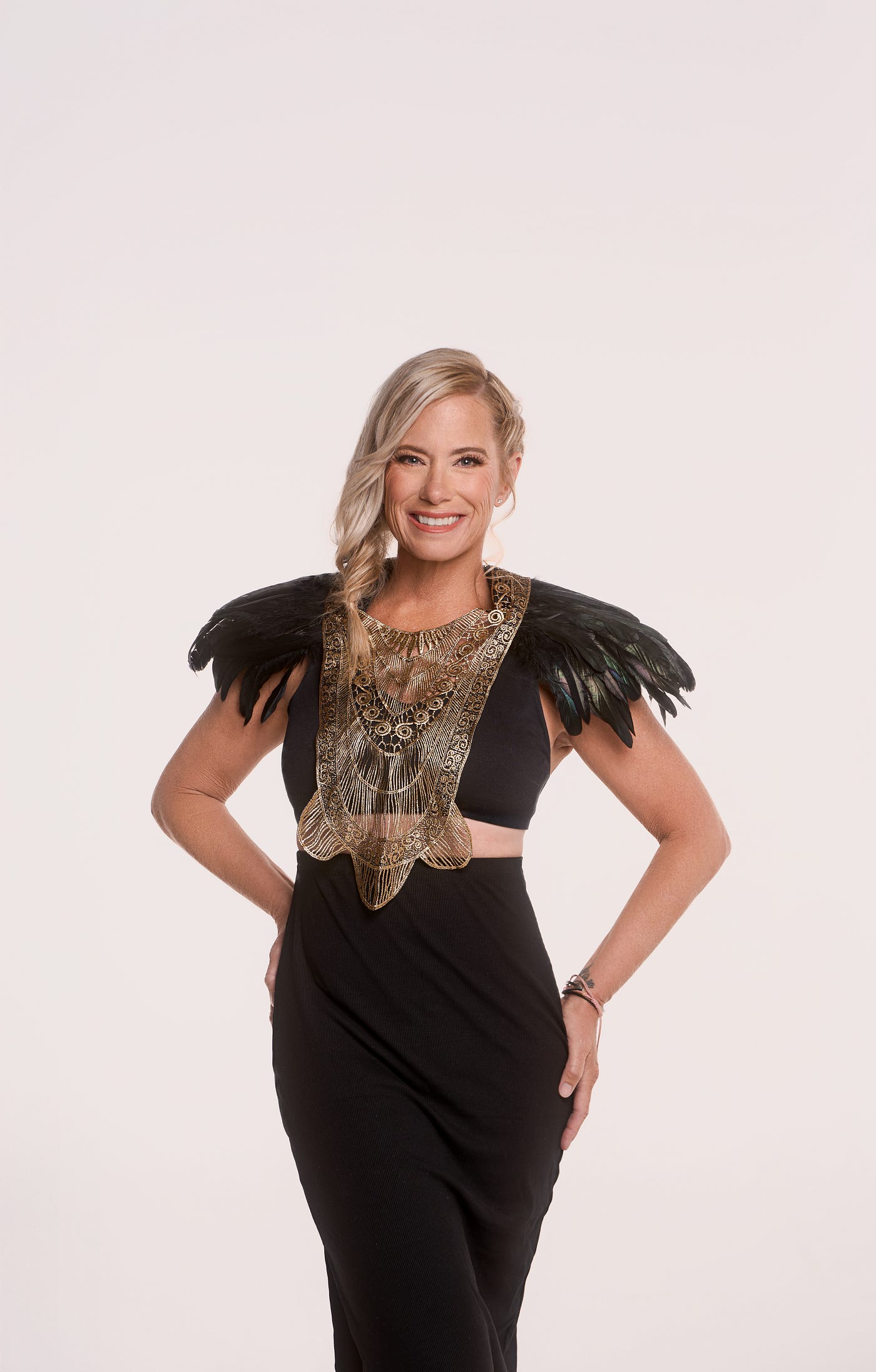
Angie Lickliter is a best-selling author, entrepreneur, and holistic health coach. After overcoming a decades-long battle with Crohn’s Disease—her “Gut Monster”—she founded Gut Girl Coaching to help others reclaim their health and power. She’s certified in Holistic Gut Health and Cannabis Coaching and is the author of Finding Her, a raw and inspiring memoir of healing and self-discovery. A dynamic speaker and podcast guest, she’s passionate about helping others become warriors in their own healing journeys.
Thank you so much for joining us! Before we dive in, our readers would love to “get to know you” a bit better. Can you tell us a bit about your ‘backstory’?
My life has had many layers. From being unwanted before I was even born, to battling disease, and ultimately discovering my true self, I’ve learned more from the school of hard knocks than any traditional education could have taught me.
I was born in Seattle, Washington, and moved to Olathe, Kansas, when I was seven years old. At the age of ten, I was told my dad had adopted me, and later that year, my parents divorced. Being raised by a tough single mom taught me grit, resilience, and the true meaning of hard work.
I married my high school sweetheart, and we had two daughters by the time I was 24. In my late twenties, I was diagnosed with Crohn’s disease (I’m 55 now), and for many years, that diagnosis defined me. My gut monster, as I like to call it, kept me constantly worrying about how long I’d be on this earth.
My love for people and cash tips motivated me to stay in the restaurant industry for much of my early life. I loved the flexibility of being home with my girls during the day while still earning a good income at night. I later spent about six years in corporate sales, which helped me discover my passion for entrepreneurship and being my own boss, as I was not a fan of the 8-5 grind.
This inspired me to purchase a coffee franchise, which I absolutely loved, but after 8 years, a severe health decline from my Crohn’s disease forced me to sell my store and explore alternative ways to earn an income. While navigating life with my gut monster and its new debilitating symptoms, I joined several network marketing companies as I searched for my next step. During this difficult time-often stuck at home and in excruciating pain-I dove deep into researching my disease, which led me to the world of holistic health, and I began pursuing certification as a holistic gut health coach. That journey was interrupted by a much-needed bowel resection.
After I recovered from surgery, I completed my schooling and launched my own coaching business, helping others with gut issues, autoimmune conditions, and general wellness.
From all my trials, tribulations, and gut battles, I recently published a book called Finding Her, where I share the story of my journey through the monsters that tried to break me.
Now, I enjoy coaching, public speaking, and participating in podcast interviews.
My husband and I have been alcohol free for over three years, and we love enjoying many outdoor activities like camping, hiking, golfing, and pickleball.
Can you share with us the most interesting story from your career? Can you tell us what lessons or ‘takeaways’ you learned from that?
I purchased my coffee shop from an existing franchise owner who was relocating to another state. Believe it or not, I decided to buy the business in May of 2008, when the world’s economic outlook was weak. At the time, I didn’t see it as a downfall, but as a challenge. However, about six months after purchasing my store, a major roadblock came my way…literally. My shop was located on a busy corner in a corporate area, but that intersection was scheduled for nine months of construction. Access to the shopping strip where we were located was closed intermittently, which forced me to think outside the box to bring customers in.
We only had indoor seating, which meant I had to reduce staff hours, cut non-essential services, and really focus on retention to hold onto the customers we still had. To keep my key employees, I gave them the prime shifts while I worked the slower times. I also joined the local Chamber of Commerce and began promoting sections of my shop for meetings and small gatherings to attract people in.
I learned many valuable lessons during that time. One of the biggest was understanding that owning a business is like riding a roller coaster: when you’re at the top, you need to save and prepare for when the ride hits the bottom. As an owner, keeping your “feet on the street” paired with good old-fashioned guerrilla marketing can sometimes make all the difference. I learned the importance of truly understanding your customer base and identifying the low-hanging fruit that can help sustain your business through tough times.
You are a successful individual. Which three character traits do you think were most instrumental to your success? Can you please share a story or example for each?
I believe that the traits that have led to my success aren’t the ones most people would consider typical.
First of all, I have high energy, which is crucial for managing the restaurant business “rushes” as well as the busy mornings at my coffee shop. My cup is filled by being around people, and I love to stay busy. When life slows down, my mind wanders, and I usually come up with something new to do, which leads me to my next trait: I’m an opportunity seeker.
I love change that challenges me to level up. This mindset has pushed me to try many new things and careers that most people wouldn’t have the courage to attempt, like network marketing, owning a coffee shop, flipping homes, coaching, and most recently… writing a book.
Speaking of books, I can read people like one. I’m very socially intuitive. I’ve often been told that people feel they can talk to me about anything, as if they’ve known me for years. This skill served me well in the service industry, where I could sense when someone was having a bad day. “Killing them with kindness” became one of my go-to strategies, and it worked. I was often a therapist for my customers, which now makes for the perfect foundation in my coaching work.
Are you working on any exciting new projects now? How do you think that might help people?
I’m very excited to incorporate journaling into my coaching work. I’ve been a wellness consultant for years, but it wasn't until I wrote my book that I discovered the power of healing through words. We can become healthier, eat better, and lose weight-but if we don’t address the deep-rooted issues, we’re never truly whole. I believe this will help my clients find their true self and push past what could be holding them back from living the life of their dreams.
Ok, thank you for all that. Now let’s shift to the main focus of our interview. How would you advise individuals who are contemplating the journey to sobriety but might be hesitant or unsure about taking the first step? Are there key considerations or strategies that can make this initial phase more manageable?
If you’re considering sobriety, I highly recommend journaling and tracking. Free-write when you’re sober, and then again after you’ve had some drinks. See what shifts in your thoughts or mindset. Track when you drink, how much you drink, and whether a specific situation drove you to it. Write down where you drink and who you’re with. You may start to notice patterns that concern you, or simply become more aware of what your consumption looks like. Sometimes, that awareness alone can motivate you to quit or give you the courage to start.
Depending on your personality, you may choose to quit cold turkey or gradually decrease the amount you consume. No one can answer that for you… Journaling can help unlock the best solution for your journey.
Of course, if you feel the need, remove alcohol from your home. If you typically drink during happy hour, try replacing it with something healthier, like walking, working out, or creating a “happier hour” (that’s what I like to call it), which could include enjoying a non-alcoholic drink instead.
Sobriety often comes with its unique set of challenges. Can you share insights on how individuals can effectively navigate obstacles or triggers that may arise during their journey? Are there specific tools or support systems that you find particularly helpful in overcoming these challenges?
Sobriety comes with many different challenges, and one of the hardest for me was figuring out what to say when people found out I had quit drinking. Find what words work for you and stick with them. You can practice different scenarios so you’re not caught off guard and stumbling over your tongue.
Here are some phrases I found helpful, especially during the transition:
“I’m taking a break from it.”
“No thanks, not today.”
Now, I tell people that I quit drinking for my health. I was simply tired of waking up not feeling 100%. It can feel awkward at first, but it gets easier as time goes by. You’ll also find out who your true friends are through sobriety.
Maintaining sobriety is a long-term commitment. From your experience, what are the essential factors that contribute to the sustained success of individuals on this journey? Are there lifestyle adjustments or mindset shifts that prove crucial for the ongoing pursuit of sobriety?
If your goal is to maintain sobriety forever, the key factor is figuring out your “why” for quitting. Is it for your health? Is it because you didn’t like the person you became when you drank? Is it costing you too much money? People quit for different reasons, but if you don’t keep that reason at the forefront of your mind, it’s easy to slip back into old habits when you’re in a difficult situation with alcohol.
One thing that really helped me was realizing that saying “no” to alcohol 100% of the time was actually easier than deciding whether I was going to have one glass of wine or a whole bottle. If the answer is no, that’s it—nothing else to think about.
Keep your lifestyle the same; just omit the alcohol. If you like hosting parties, then host them! Let your guests know it’s BYOB, so you don’t have to worry about providing alcohol. It’s a good idea to have something fun for yourself to drink, too. You can still be social with a bubbly or a beer; there are so many great non-alcoholic options. I love the simplicity of a flavored seltzer water with fresh fruit. I’ve even made an amazing N/A margarita that my friends who still drink absolutely loved. My old bartending skills have paid off, in a sobering way.
Here is our main question. Based on your research or experience, can you please share your “5 Things You Need To Begin, Navigate, & Sustain Sobriety”? (Please share a story or an example for each)
1 . Find Your “Why”
Why do you want sobriety? For health reasons? Relationship repair? Gain focus and
clarity? Begin by journaling. Write while you are drinking and when you are sober. What
thoughts are recurring? Write your reasons down and keep them visible. Post-it
Notes on mirrors and around your home can help you stay on track. I found some scary statistics around alcohol and its effects on breast cancer, which my grandmother had twice. Those stats were written on notes and taped to my bathroom mirror.
2 . Change Your Environment
Sobriety is successful in supportive surroundings. Remove the alcohol from your home and stock it with alternatives (sparkling water, herbal teas) and create cozy spaces for new
habits like journaling or meditation. If you have toxic people in your life, step away from
them during this journey. Get outside and use nature as your new addiction. The world is beautiful and looks totally different for me now that I don't drink.
3 . Replace it, Don’t Exclude it.
Fill your time with intentional things: join a fitness class, start a new hobby, or explore
sober social groups. There are many restaurants that have “sober sips”. Seek them out
for dining out or better yet, have a “Happier Hour” at home where you pour yourself a
healthier drink and enjoy that time relaxing or fixing a healthy dinner. Focus on what
positive things come from sobriety. Health is wealth, and alcohol can make you poor. Since I quit drinking, I really enjoy my coffee time in the morning. It is my gift to myself for not picking up the bottle the night before.
4 . Find a Sober Friend and/or a Challenge.
Look for a buddy to support you. If you do not have a significant other or friend for that,
look on social media for groups that will. They are out there. Join a challenge and give yourself a reward at the end-a massage, new clothes, or a trip. My husband and I did the 75 Hard Challenge, and that is what set us up for a sober life. We had no intention of quitting forever, but after not drinking for 75 days, we felt so much better and had no reason to go back to it. You can do this!!
5 . Forgive Yourself
If you slip, don’t beat yourself up. Nobody is perfect. It’s about returning to your true self. We are often far tougher on ourselves than we’d ever be to a friend. Show yourself the same kindness that you would give others. A friend of mine slipped back into drinking, but instead of being depressed about it, she reached out to me. We did another challenge together, and she has now been sober for 3 years!
Community support plays a vital role in the journey to sobriety. How can individuals find and engage with supportive communities or resources that align with their specific needs and goals? Are there online platforms, local groups, or initiatives that you recommend for fostering a sense of connection and understanding during this process?
Finding the type of support you need during this journey is very important when navigating this new path. As you begin researching sobriety, the algorithms will take over, and you’ll start to see many sober groups on Instagram and Facebook. This is where I found great ideas for mocktail recipes, as well as other like-minded people trying the same thing.
Alcoholics Anonymous is a great option if you feel you need that type of support, but AA wasn’t the route I chose. I’m not an alcoholic—I was more of a gray area drinker, which many people are. This type of drinker is someone who falls between moderate and excessive drinking but doesn’t show obvious signs of addiction or physical dependency. That was me… drinking more than I should but never missing work or getting a DUI. I simply loved the social aspect of it.
For me, finding restaurants that offered sober sips or mocktails was a great way to stay social without feeling left out. Dry January is a good place to start, but there are other sober challenges throughout the year that you can join online. I also highly recommend books like This Naked Mind by Annie Grace, as her book completely changed how I thought about alcohol and made me realize how harmful it was for me.
What is the best way for our readers to continue to follow your work online?
To follow my work, book a call, or connect with me regarding a speaking engagement, you can visit my website, www.AngieLickliter.com. I also offer a free journaling guide on my website that pairs with my book, Finding Her.