An interesting development has been sharing leadership ideas through Biz Her Way. My speaker session focuses on responding to challenges and making a difference through leadership, and I am also listed as a contributing writer.
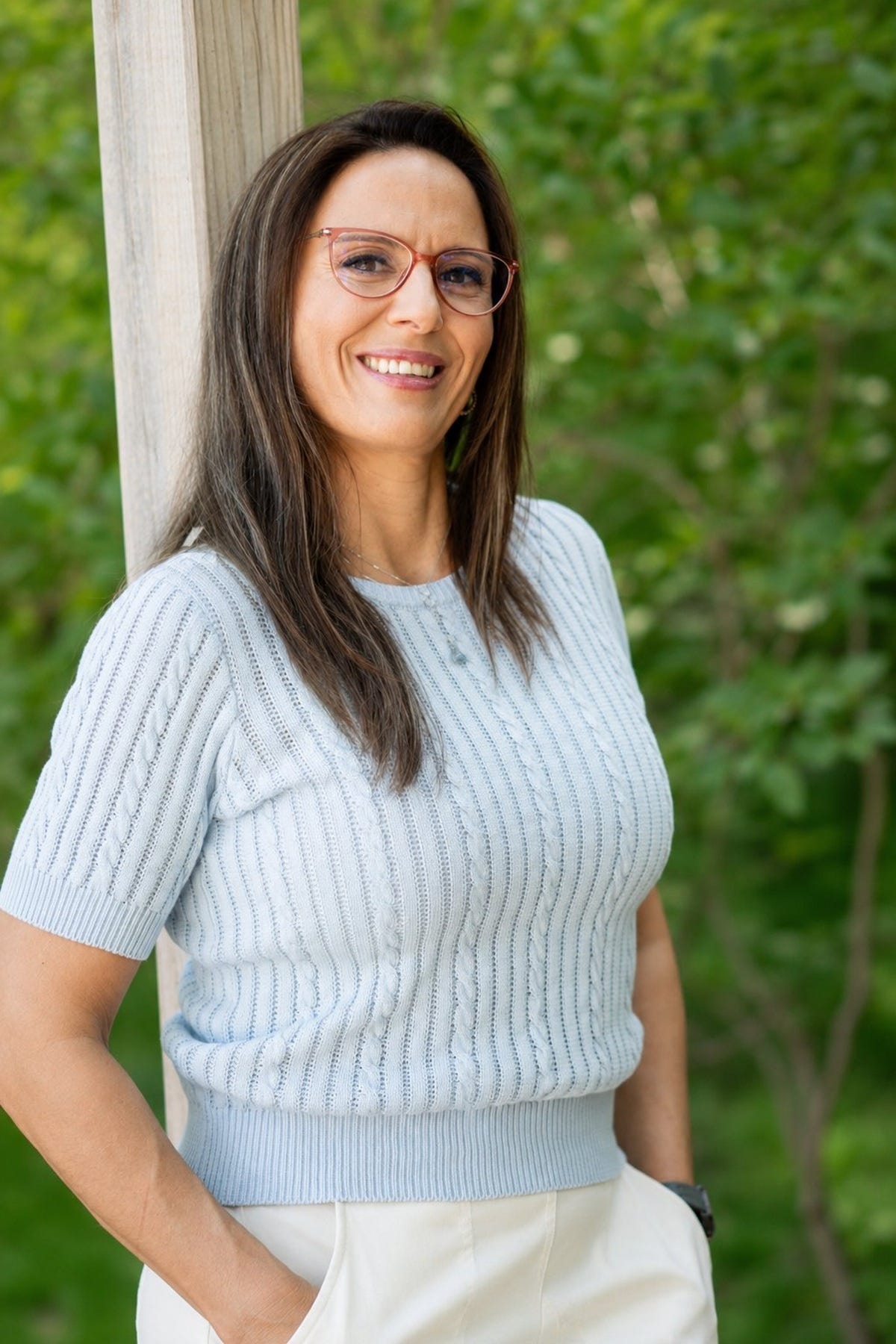
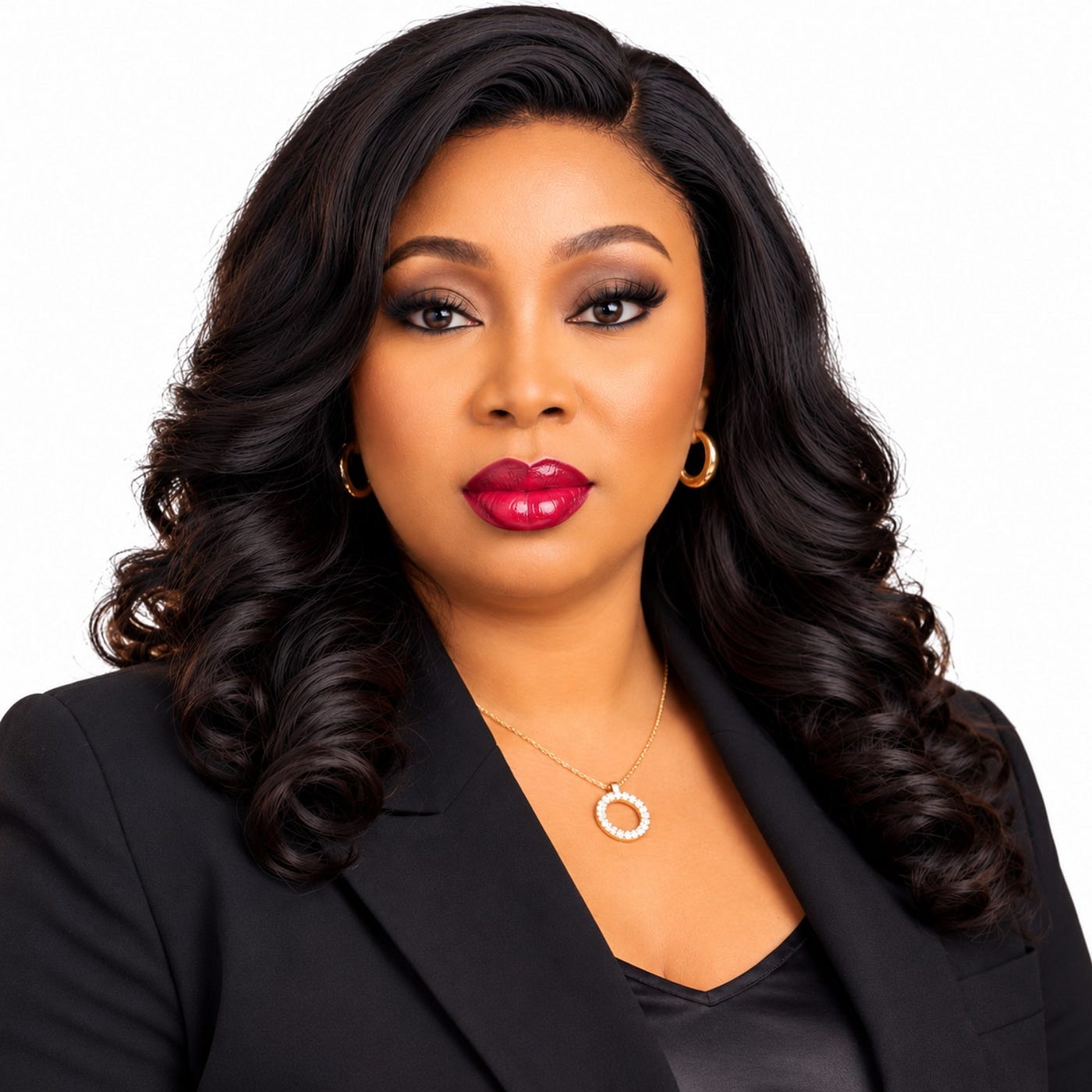
As a part of this series, we had the pleasure of interviewing Dr. Emelda Uzoagbado.
Dr. Emelda Uzoagbado is a Doctor of Natural Medicine, public health professional, U.S. Army veteran, and founder of 360 Essential Services. Her work focuses on health education and leadership development, with a particular interest in helping women build confidence and make informed decisions. Drawing on her experience in healthcare and clinical research, she brings a commitment to service and practical learning to her community work.
Thank you so much for joining us in this interview series! Our readers would love to “get to know you” better. Can you share your “backstory” with us?
What has remained consistent throughout my work is my interest in people. I enjoy listening to their concerns and helping them understand information they can use.
I wanted my work to connect wellness education with support people could use in daily life. Leadership education has become part of that purpose because I want women to feel more confident speaking up and recognizing what they can contribute.
I am also continuing my education in clinical mental health counseling. That keeps me learning about how people experience difficulties and how to listen without rushing to offer an answer. I want the support I offer to begin with understanding the person.
Looking ahead, I aspire to run for public office in the United States. I see it as an opportunity to continue serving my community and bring my experience in public health and leadership to decisions that affect people’s daily lives.
Can you share the most interesting story that happened to you since you started your career? What were the main lessons or takeaways from that story?
An interesting development has been sharing leadership ideas through Biz Her Way. My speaker session focuses on responding to challenges and making a difference through leadership, and I am also listed as a contributing writer.
That connection matters to me because health and leadership meet in everyday life. A woman building a business or caring for others still needs time to consider her own well-being. Encouragement can help, but so can clear information and practical support.
The lesson I draw from this is that advice needs to connect with the decisions people face. I want a conversation about well-being to leave room for the person’s ambitions and the demands of daily life.
It has been said that our mistakes can be our greatest teachers. Can you share a story about a mistake you made when you were first starting? Can you tell us what lesson you learned from that?
If I were starting my career today, I would seek mentorship earlier. Having someone to discuss a difficult decision with can offer a perspective we may miss on our own. I would be more intentional about finding that guidance.
I would ask more questions before making major decisions and give each goal a realistic amount of time. There is a lot of pressure to appear capable and keep moving, but asking for guidance can help us make better choices. To me, leadership includes being willing to learn and knowing when another person’s experience could help.
Let’s jump to our main focus. When it comes to health and wellness, how is the work you are doing helping to make a bigger impact in the world?
I want to make health information easier to understand so people feel more confident asking questions and considering their options. I also encourage people to seek guidance from a qualified healthcare professional when their concerns need individual attention.
My leadership work supports that goal. Speaking up about a concern, asking for an explanation, or making time for an appointment can take confidence. I want women to recognize that their needs deserve attention alongside the responsibilities they carry for others.
I approach this work with respect for evidence and for the person receiving the information. Advice has to make sense in someone’s life. Their resources, culture, and circumstances matter when discussing what a realistic next step might be.
Can you share your top five “lifestyle tweaks” that you believe will help support people’s journey towards better wellbeing? Please give an example or story for each.
1. Find movement you can repeat.
A short walk during a break is a useful place to begin for someone whose workday involves a lot of sitting. Another person might prefer dancing or an activity with a friend. I would look for something enjoyable that fits the person’s abilities and health needs. A routine becomes more practical when it has a clear place in the day.
2. Give yourself time to wind down.
Rest deserves a place in the schedule. For someone who keeps checking work messages late at night, a first step could be choosing a stopping time and putting the phone aside before bed. A regular bedtime and wake-up time can also help establish a routine. Persistent sleep difficulties are worth discussing with a healthcare professional.
3. Make regular meals easier.
I would begin with what is affordable and familiar. For example, planning a few meals around ingredients already at home can make a busy week easier to manage. Preparing some ingredients in advance may also help. Food choices should respect the person’s preferences and any individual medical guidance.
4. Keep someone you can talk to.
A trusted friend, relative, or other source of support can make it easier to speak honestly about a difficult week. For example, a caregiver might arrange a regular check-in and ask for help with one specific task. When someone needs professional support, personal encouragement can help them take that step.
5. Check your commitments before adding another.
Someone balancing work and family may need a more manageable schedule before adding a new wellness routine. I would suggest looking at what must happen now, what can wait, and where help is possible. Saying, “I cannot take that on this week,” can be a reasonable way to protect time for existing responsibilities and rest.
If you could start a movement that would bring the most amount of wellness to the most amount of people, what would that be?
I would call it Wellness Within Reach. I would want it to make trustworthy health education available in places where people already gather, with opportunities to ask questions in ordinary language.
I would bring community organizations and appropriately qualified health professionals into the conversation. Sessions could cover preparing for a healthcare appointment, finding emotional support, or making realistic changes to daily routines. Participants would help choose the topics.
Accessibility would be central to the idea. The time of a session, its cost, the language used, and the way people can participate all affect who can benefit. I would want the work to respond to those practical concerns.
What are your “5 Things I Wish Someone Told Me Before I Started” and why?
1. Find people you can learn from.
I would encourage someone starting out to look for a mentor and ask questions early. Experience from another person can help us think through decisions we might otherwise try to handle alone.
2. Listening takes practice.
I value conversation, but useful support begins with understanding what the other person is saying. A pause or a follow-up question can tell us more than an immediate explanation.
3. Make room for your own well-being.
My work and studies involve several responsibilities. I want to plan them in a way that leaves room to rest and give people thoughtful attention. That requires realistic priorities and support.
4. Let confidence grow through practice.
Teaching leadership matters to me because people can overlook the value of their own experience. I want women to take opportunities to develop their skills, even while they are still building confidence.
5. Be clear about your role.
I want people to understand what support I can offer and where another professional may be better placed to help. Being open about that is part of taking responsibility for the information I share.
Sustainability, veganism, mental health, emotional health, and environmental changes are big topics at the moment. Other important issues include women’s health, food security, affordable housing, and inclusion. Which of these causes is closest to your heart, and why
Women’s health is especially close to my heart, including emotional well-being. My interest in women’s empowerment is connected to helping women feel informed and confident enough to express their concerns and seek support.
I also care about inclusion. People come to wellness conversations with different resources and experiences. I want to understand those circumstances before discussing what might help. Education should leave people with information they can use and room to make decisions about their own lives.
What is the best way for our readers to further follow your work online?
Readers can find my speaker profile and leadership session details on the Biz Her Way website: https://bizherwaysummit.com/.
Thank you for these fantastic insights! We wish you continued success and good health.