When none of these symptoms improved, one doctor dismissed me, claiming, “It’s all in your head — just keep taking the medication; it takes time.” It’s the absolute pits when you feel like no one is listening.
Wellness
Dr. Francesca LeBlanc of Labwell Healthcare: The Radical Simplicity of Rejecting Diet Culture During Perimenopause
The holistic health expert and clinical nutritionist shares how breaking free from corporate burnout and embracing functional medicine helped her reverse chronic symptoms and reclaim her vitality.

Perimenopause is a significant transitional phase for many women, often accompanied by a variety of physical and emotional symptoms that can impact daily life. However, with the right knowledge and support, it’s possible to thrive through this stage. How can women navigate perimenopause with resilience and a positive outlook? What tips, resources, and lifestyle adjustments can make this transition smoother? As part of this interview series, we are interviewing Dr. Francesca LeBlanc.
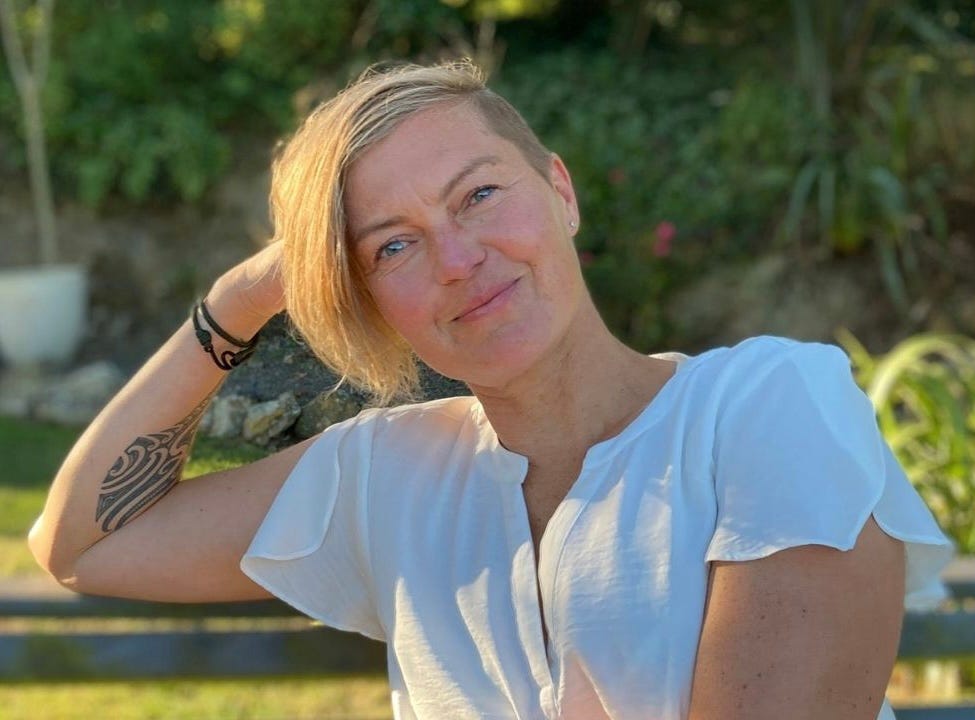
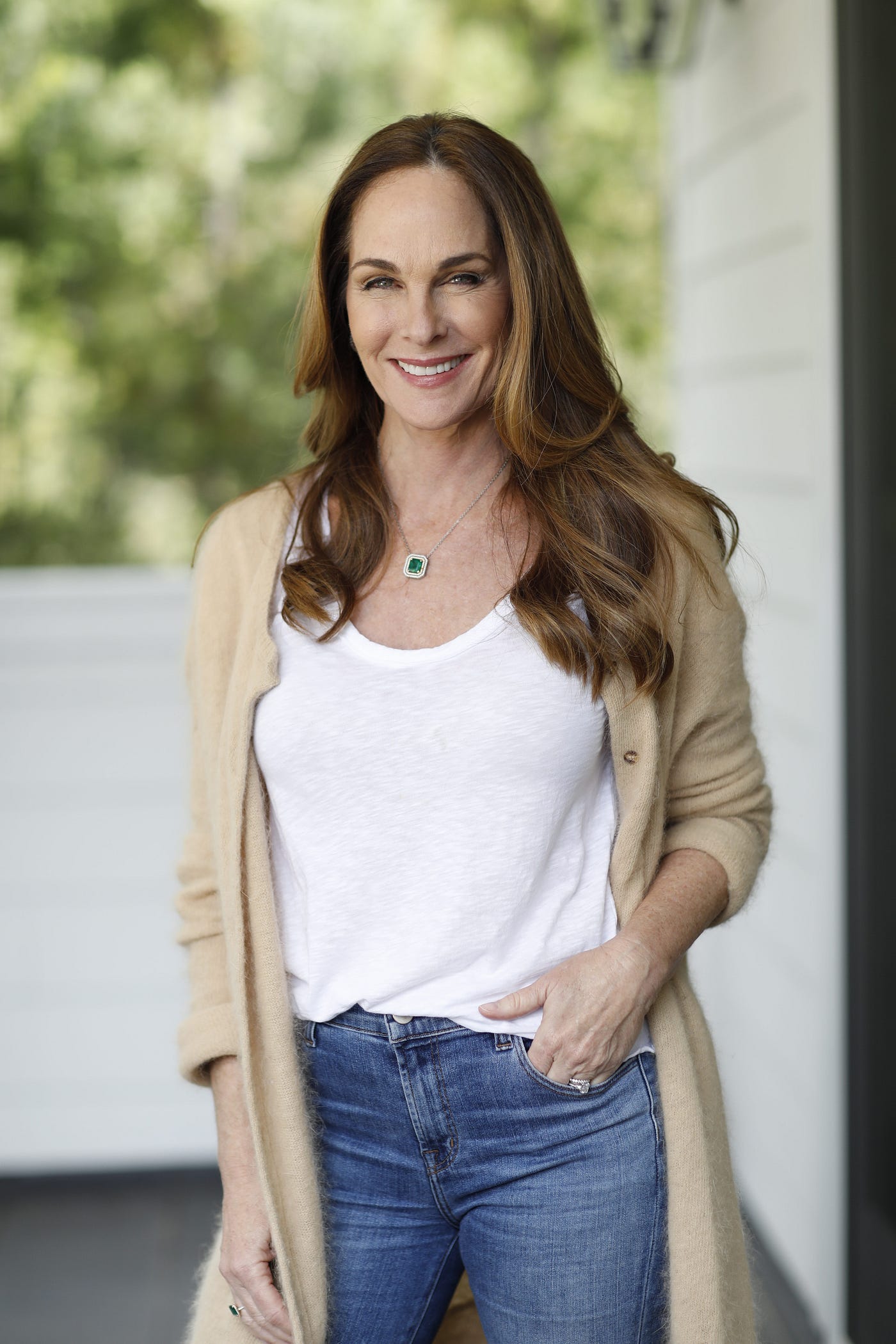
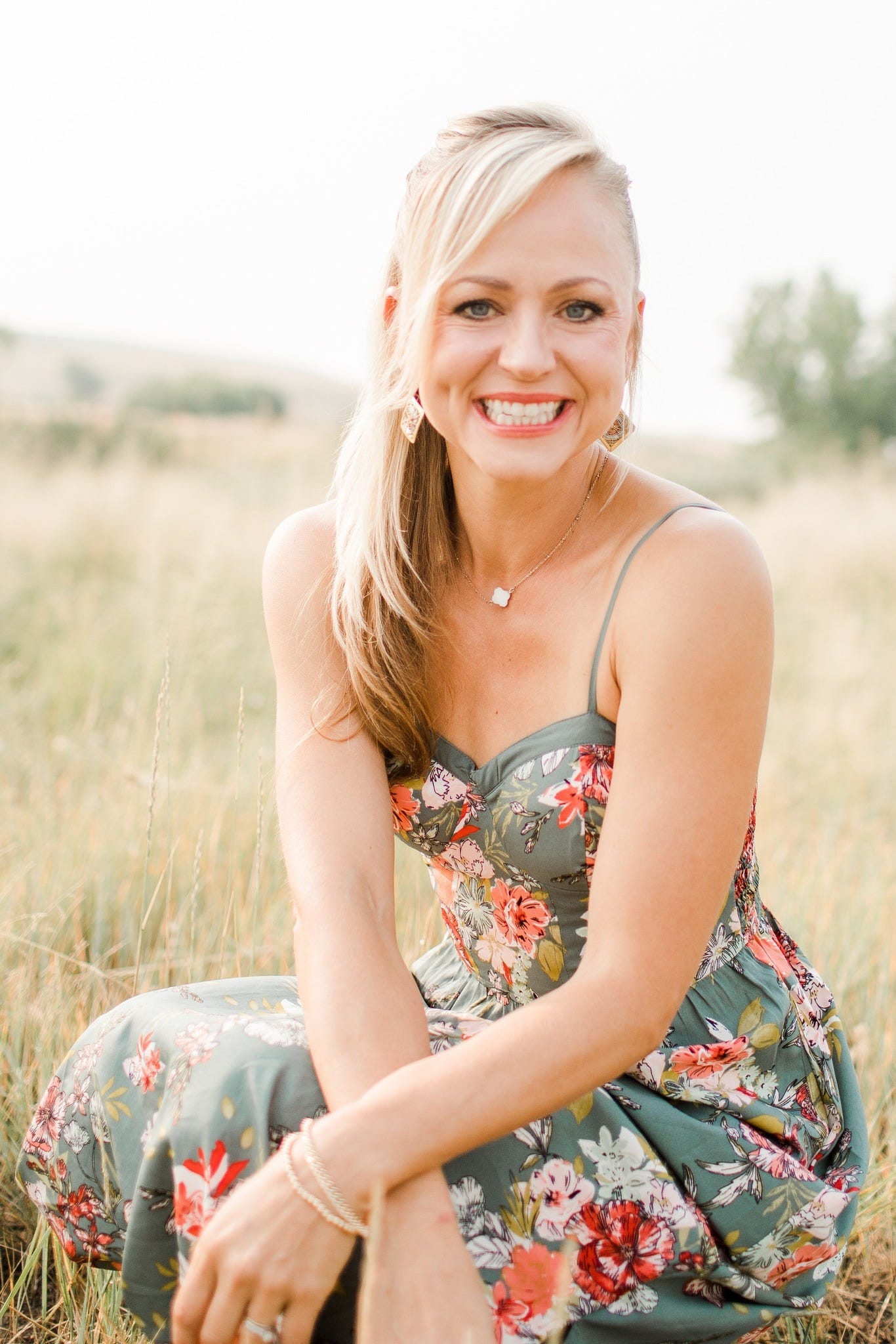
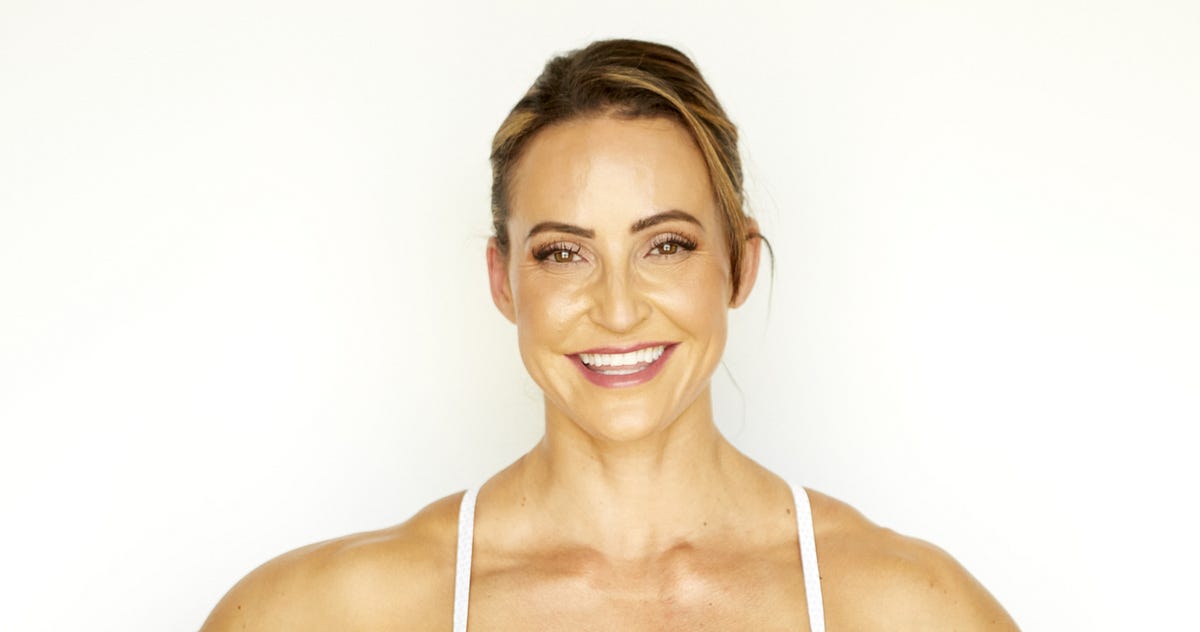
Dr. Francesca LeBlanc is a board certified doctor of natural medicine (DNM), chiropractor (DC) and clinical nutritionist (CNS). She’s spent over a decade practicing functional medicine helping women balance their hormones so they can regain their sleep, clarity, energy and waistline. With over 400k followers on Instagram, her mission is to normalize the challenges of Perimenopause and cultivate a community where women can find answers, advocate for themselves and support one another on their health & wellness journey.
Thank you so much for doing this with us! Before we dig in, our readers would like to ‘get to know you’. Can you tell us a bit about your background and your backstory?
How far back do we want to go? (laugh) As a child, I struggled with severe allergies that led to endless doctor visits and frequent trips to the hospital throughout my early years. By the time I was a young adult, I was dealing with chronic sinus infections, migraines, brain fog, anxiety, insomnia, and mood swings, which persisted well into my thirties. Doctors attributed my brain fog and mood swings to sleep deprivation, so I was prescribed sleeping pills. My anxiety and depression were blamed on the pressures of my stressful job, resulting in prescriptions for anti-depressants and anti-anxiety medication. And as for my sinus infections and migraines? I was told they were permanent, requiring me to endure a series of painful nasal injections for months.
When none of these symptoms improved, one doctor dismissed me, claiming, “It’s all in your head — just keep taking the medication; it takes time.” It’s the absolute pits when you feel like no one is listening. It was clear that I would have to take matters into my own hands, so I ditched the corporate world and pursued a career in holistic healthcare. Who knew that split decision twenty years ago would mark the beginning of my wellness journey?
After learning, then applying my knowledge, I finally started to check symptoms off my list. I felt better than I ever had before! When I began working with patients over a decade ago, I realized I was onto something when they, too, finally started to check symptoms off their list and the rest is history. And now, even while chasing after two little ones, I can honestly say I’m living a mostly symptom-free, fulfilling, and joyful life while helping hundreds of thousands of women do the same.
Can you share a story with us about what brought you to your particular career path?
In another life (it feels like) I spent three to four hours per day on trains and subways (and sometimes buses) in NYC and my ten hour days were fueled by venti lattes. I had endless health issues at this time but “hormones,” were never mentioned. In fact, I was diagnosed with anxiety, depression, brain fog, insomnia, amenorrhea, chronic sinusitis and severe allergies. In my early days as a holistic doctor, I decided to work with a practitioner who weaved Eastern and Western medicine to get me results and subsequently taught me how to “get to the root cause,” which is in its essence: functional medicine. So I hit the books (again!) and within a few years became board certified in natural medicine and nutrition.
What are some common misconceptions about perimenopause, and how can debunking these myths empower women going through this stage?
Wow! There are many! For starters, most women haven’t even heard of perimenopause because our mothers didn’t talk about this stuff; some others:
- Perimenopause is the same as Menopause
- Perimenopause only starts in your 40’s or 50’s
- Anxiety and sleep disturbances are not symptoms
- HRT causes cancer
- Your labs are normal so you’re not in Perimenopause
- BHRT and HRT are the same
- You shouldn’t test your hormone levels because they’re constantly fluctuating
These are all untrue, of course, and arming women with the facts empowers them to better advocate for themselves at their doctors appointments. Perimenopause, Latin for “around menopause,” can last anywhere from 8–10 years prior to menopause can start in your thirties. Anxiety and sleep disturbances are hallmark signs of very early or early Perimenopause due to fluctuating and declining progesterone. Due to a flawed 2002 WHI study, women were led to believe HRT increased the risk of cancer, heart disease and stroke but we have loads of evidence to support the latter. It’s quite common to have a litany of symptoms and normal hormone levels in labwork. BHRT (bio-identical hormone replacement therapy) and traditional HRT (hormone replacement therapy) differ in that BHRT replicates the exact molecular structure of the hormone itself while HRT is a synthetic derivative that differs slightly from the hormones produced by the body. I believe women should test their hormones 2–4 times per year to establish trends that will enable them to better support themselves with nutraceuticals or BHRT.
Many women experience unexpected emotional challenges during perimenopause. How can they develop mental resilience and maintain a positive mindset through this transition?
I believe years of compounded toxic stress and unresolved trauma have a tendency to rear its ugly head during Permenopause. Beginning and ending each day with a nervous system regulation practice has served me and my patients very well. Taking that intentional moment to step out of “fight-flight-freeze” and into “rest-and-relax” engages the vagus nerve and lowers cortisol to create “peace and calming.” Sure, you can do yoga, but one of my favorite (and free!) ways to do this is by writing in a gratitude journal. Take an inexpensive notebook and jot down three things you’re thankful for at the close of each day; this not only helps reset your mindset for the evening but also serves as an effective way to manage stress.
Other practices I love include grounding and box breathing. I love being barefoot on the ground in the morning watching the sunrise as I deeply breathe and express gratitude for my blessings. Don’t over-complicate it and overwhelm yourself. If you can’t stick to a weekly yoga class, then try five minutes of mindfulness here and maybe another ten minutes there. The goal is to be consistent.
What lifestyle adjustments — including diet, exercise, and sleep routines — do you recommend to help alleviate some of the most common symptoms of perimenopause?
While diet, exercise and sleep are crucial to reducing and eliminating the symptoms of Perimenopause, you’ll never catch me recommending hour long cardio workouts or restrictive diets. I like to keep it stupid simple (K.I.S.S.) and ensure your plate contains protein, fat, fiber at least three times per day. For movement, I encourage a minimum of 4000 steps/day to reduce our chances of all-cause mortality; and up to 10,000 steps/day to burn fat. I also recommend going to bed at the same time every night, by 10 p.m. (and waking up at the same time every day) even on weekends to establish circadian rhythm. Too many of us reach for our phone first thing in the morning and lay in bed scrolling our phone late into the evening. Both actions will disturb your circadian rhythm by disrupting the natural sleep cycle that involves the hormones melatonin and cortisol.
In your experience, what are the most effective natural remedies or alternative treatments for managing symptoms like hot flashes, mood swings, and fatigue?
After functional medicine testing has uncovered any underlying root causes (heavy metal, parasites, mold, etc) which may be contributing to the patient’s hot flashes, mood swings and fatigue, I make nutritional, lifestyle, nutraceutical and BHRT recommendations so the patient can meet herself where she’s at. Everyone is unique. Some women respond rather favorably to nutritional, lifestyle and nutraceutical recommendations alone, when they are early on in their Perimenopause journey, while others need more support. There is no “one size fits all.”
Hormonal changes can impact cognitive function, often referred to as “brain fog.” What advice would you give to women looking to keep their minds sharp and focused during perimenopause?
High cortisol and blood sugar dysregulation always are the first hormone imbalances that come to mind when patients report experiencing brain fog. I love using food as medicine for brain fog. I turn to bone broth, beets, broccoli and blueberries.
Bone broth is rich in natural collagen. It’s a great anti-inflammatory and the amino acids, proline and glycine, can enhance memory. Plus, it’s incredibly simple to prepare at home. Beets are not only powerful inflammation fighters and cancer combatants, but their natural nitrates also boost mental clarity and energy by purifying your blood and improving circulation to your brain. Roast beets at 425°F with a sprinkle of salt and pepper, then toss them into a salad! They’re delicious.
Packed with Vitamin K and choline, broccoli is a great choice for reducing brain fog, too. Just one cup of broccoli supplies more Vitamin C than your RDA. Blueberries, especially wild ones, are loaded with polyphenols like gallic acid, giving your brain protection against stress and degeneration. I love keeping frozen wild blueberries on hand and popping them into smoothies, muffins etc.
Ok. Here is the main question of our discussion. Can you please share “5 Things You Need To Thrive Through Perimenopause”? If you can, kindly share a story or example for each.
- My first Peri-hack is to opt out of diet and exercise culture. I speak from experience! I’ve tried it ALL to only yield temporary results. Keeping it stupid simple with sticking to the perimeter of your grocery store, eating three meals a day with protein, fat and fiber and walking daily (with strength training 2–3 days/week) have gotten me and my patients far greater results than an all or nothing approach to dieting and exercising during Perimenopause.
- My second Peri-hack is to “test, don’t guess.” Ask your doctor to run a full hormone panel. Just testing your estrogen because of your age or symptoms is not testing your hormones. And for some strange reason no practitioners want to test testosterone! I recommend at the very least testing the classic hormone triad two-four times/year to establish trends. A full hormone panel that can not only evaluate the triad but also cortisol, DHEA-s and vitamin D can be the game changer you didn’t know you needed (I test these markers on myself four times/year).
- My third Peri-hack is to Depuff, Drain and Regulate. Small changes make a HUGE impact over time and in just minutes/day you can take one daily action that lowers inflammation, one action that encourages lymphatic drainage and one action that regulates your nervous system. We want to depuff because inflammation exacerbates the symptoms of Perimenopause. We want to drain because we can’t properly detox excess hormones and toxins effectively if we’re not draining. We want to regulate because your nervous system has influence over your endocrine (hormone) system and vice versa.
- My fourth Peri-hack is to stack your magnesium. Magnesium can help to regulate your sleep, blood sugar, digestion, estrogen and also help your muscles recover while also supporting your stress response. Since magnesium supplements are made by attaching a molecule of magnesium to a carrier of some sort: an amino acid (glycine, arginine, taurine) or an organic acid like citrate to be recognized and absorbed by the body — why not leverage this science? Me and loads of my patients benefit from feeling calm and focused in the morning so we supplement with MagTech in the morning and then in the evening we take Magnesium to support circadian rhythm, greatly helping our goal of prioritizing sleep.
- My fifth Per-hack is to audit the labels of your personal care products like, deodorant, shampoo, soap and makeup and to start to swap out products that contain parabens, phthalates, fragrance, sulfates, formaldehyde, perfume or benzene. What you put on your skin is as equally important as what you feed yourself. Hormone disruptors are everywhere these days disguised as makeup, air fresheners, scented laundry detergent, scented dishwasher pods, scented candles, etc. For instance, phthalates (which are banned in Europe) are what give fragrance shelf-life and make it last and the science is strong linking them to hormonal imbalances, fertility problems, developmental disorders, and more. Opt for products for yourself and home that have a limited ingredient list.
What role does community and social support play in navigating perimenopause, and how can women find or create supportive networks during this time?
This is essentially the mission of my platform because humans are built for connection! The saying “it takes a village” rings true for your child-raising years, through Perimenopause and beyond. I can’t tell you how many women comment on my reels and say “Oh, so it’s not just me,” or “I’m glad to know I’m not alone.” As women we deserve answers. We deserve to have discussions with our healthcare providers that last longer than fifteen minutes and for our challenges and symptoms to be “heard,” instead of dismissed as normal consequences of aging. I believe I have cultivated that and will continue to do so, so that the stigma of Perimenopause no longer exists for my daughter’s generation.
Looking forward, what proactive steps can women take in their 30s and 40s to prepare for peri-menopause and set themselves up for a healthier, smoother transition?
I think a great practice would be to start tracking your symptoms. Only you know your body best. When you have a journal of symptoms and have established some trends, discuss this with your doctor. If you’re not satisfied with the level of support, get another (and sometimes a third or fourth!) opinion from a functional medicine trained doctor that specializes in hormone balance. In addition, another smart step would be to become more intentional at mealtime while getting hydrated. Ensure that there is protein, fat and fiber at every meal, and drink plenty of water (half your body weight in ounces/day). These steps in combination with sprinkling in some stress management in the form of nervous system regulation techniques will create a solid foundation for when hormones begin to fluctuate and decline.
Wonderful. We are nearly done. Is there a person in the world, or in the US, with whom you would like to have a private breakfast or lunch, and why? He or she might just see this, especially if we tag them. :-)
That’s easy: Barbara O’Neill. I only recently came across her work within the last five years and for that I am grateful. She lectures around the world about the human body’s ability to self-heal under the right conditions. Deemed a threat, she was banned from practicing in her native Australia, yet she still continued to educate the masses around the world. She’s a gangster. She’s my people.
How can our readers further follow your work online?
https://www.instagram.com/drfrancescaleblanc/
https://labwellhealthcareshop.com/
https://labwellhealthcare.com/
This was very meaningful, thank you so much. We wish you only continued success on your great work!
About the Interviewer: Shawna Robins is an international best-selling author of two books — Powerful Sleep — Rest Deeply, Repair Your Brain and Restore Your Life, and Irresistibly Healthy — Simple Strategies to Feel Vibrant, Alive, Healthy and Full of Energy Again. Shawna is the founder and CEO of Third Spark, an online wellness hub for women over 40 who want to reignite their sleep, reset healthier habits and respark their lives. Shawna is a sleep expert, hormone health expert, and a National Board-Certified Health and Wellness Coach (NBHWC). She has been featured on many podcasts including Dr. Mindy Pelz’s “The Resetter Podcast” and in Authority Magazine, Thrive Global, and The Huffington Post. A free download of her latest book can be found at www.thirdsparkhealth.com/powerful-sleep/ You can follow her on YouTube, Facebook, Instagram and LinkedIn.
SR
Written by
Shawna Robins
Executive Contributor · Authority MagazineShawna Robins is an executive interviewer and contributor covering leadership, culture, and business for Authority Magazine.

Published inAuthority MagazineTop Lessons, Top Authorities · 42K Followers
Exclusive, curated interviews with the leaders and changemakers shaping tomorrow. Leadership lessons, industry deep dives, and executive profiles.