When you lead with transparency, willing to get your hands dirty and own your mistakes, your team will feel empowered to do the same.
Business
Jeff Peel of Tactacam: Why Purpose In The Workplace Must Be Tied Directly To Customer Stories To Succeed
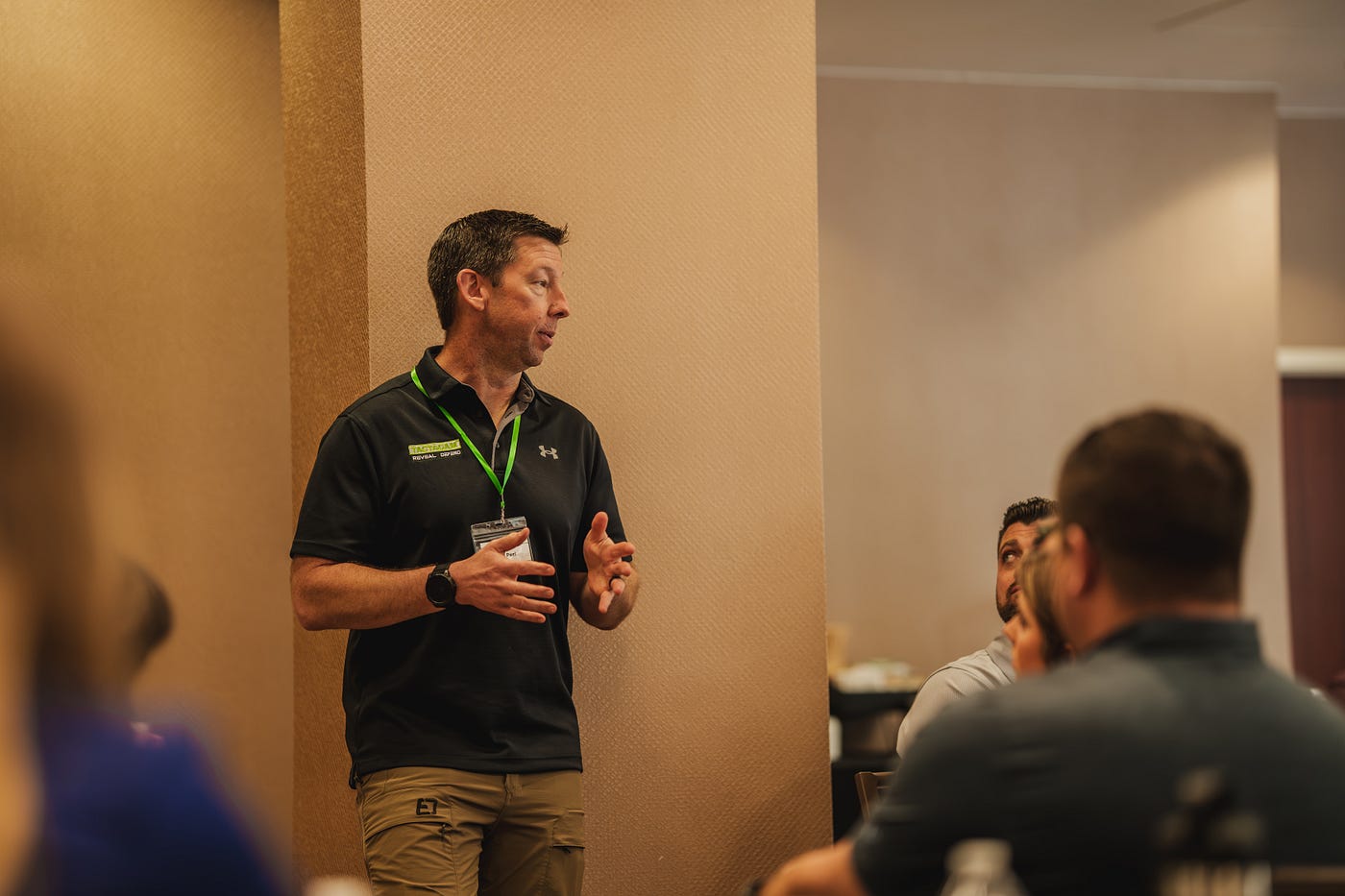
Purpose has become the new currency of success in today’s workplace, and leaders who prioritize mission-driven cultures are standing out in the war for talent. To explore this important topic, we had the pleasure of interviewing Jeff Peel, CEO and Co-Founder of Tactacam.
Jeff Peel is the CEO and Co-Founder of Tactacam, a top manufacturer of outdoor and cellular camera technology. Since launching the company in 2013, Jeff has been the driving force behind Tactacam’s rapid growth and expansion into three-industry leading brands: Reveal, Defend and FeatherSnap. Under Jeff’s leadership, Tactacam now serves more than 1.5 million customers and employs a team of 500 employees nationwide.
Thank you so much for joining us in this interview series. Before we dive into our discussion, our readers would love to “get to know you” a bit better. Can you share with us the backstory about what brought you to your specific career path?
Happy to. I’ve always been passionate about two things: 1.) The outdoors; and 2.) Building things that matter. At the start of my career, I saw how technology was rapidly changing the way people connected and shared experiences. At the same time, I noticed that hunters and outdoor enthusiasts were being left behind in this tech evolution. Tactacam started with a simple idea to help people capture their hunts and relive those moments the way they experienced them. In 2020, we launched our flagship and best-selling cellular trail camera brand, Reveal, redefining the hunt industry. We’ve continued to listen to our customers and leverage our technology to solve new challenges in property surveillance with Defend, and wildlife monitoring with FeatherSnap. Through it all, our mission has always been about delivering simple, reliable and user-friendly products that make outdoor pursuits more meaningful. As we’ve grown over the years, our commitment to the lifestyle and core values that got us here haven’t changed.
Can you share the most interesting story that happened to you since you began working in leadership, culture building, or purpose-driven organizations?
Watching firsthand how people come together and rally around our mission has been the most interesting and, honestly, the most humbling thing that has happened to me at Tactacam. Many of our big ideas that are now products used by millions of people started as sketches, and it’s been inspiring to see this vision come to life. Outside of building great cameras, we’re focused on building a community around our products and the lifestyle we value. We’re privileged to build relationships with our customers and hear their stories about how Reveal cameras inspired them to pursue their outdoor passions or how they’re using our cameras to keep watch over their property. These real-life stories of how people find meaning in our products underscore why the work we’re doing matters.
You are a successful leader. Which three character traits do you think were most instrumental to your success? Can you please share a story or example for each?
1. Persistence: We’re no stranger to setbacks at Tactacam. Over the years, we’ve had to navigate everything from products that didn’t work to disruptive supply chain challenges. As an example, I remember driving to a factory myself to sort out an issue because waiting to resolve it simply wasn’t an option. In these situations, persistence means doing what it takes to get the job done and not settling for “good enough.”
2. Curiosity: I ask “why” a lot, probably to the annoyance of some, but curiosity is what drives innovation. Reveal cameras became the industry leader they are because we asked how we could make cellular technology dead simple and ultra reliable for hunters.
3. Empathy: It’s easy to get consumed with the demands of the business, but approaching leadership and decisions with empathy is what helps you stay grounded. Tough decisions, whether around product development or changes within the team, are inevitable. When they arise, I always ask how our employees, customers and broader community will be impacted. The people you serve should guide your decision-making, because when you put them first, you earn their trust.
Let’s now jump into the focus of our interview. What does a “purpose-driven culture” mean to you personally, and why do you think it’s critical for attracting top talent?
I’ve learned that a purpose-driven culture means that everyone is all in. It means that we all understand the “why” behind the work we’re doing, beyond what we’re compensated for each month. When people know that their work ladders up to something bigger, such as wildlife conservation, improving outdoor safety, or connecting families through tech, they bring their best every day. Now, more than ever, top talent no longer just wants a job, they want to be part of a mission.
How did you identify and define the mission or purpose for your organization? Was it inspired by a particular event, challenge, or insight?
Tactacam’s mission was solidified from listening to customers, hunters and our own employees. From there, we realized our larger purpose wasn’t just to make high-quality cameras, but to help people share and protect what they love in the outdoors. This realignment in purpose happened when we started to see farmers using Reveal cameras, originally designed for hunting, to solve new challenges, like remote security and land management. At this point, we recognized that our deeper purpose was creating meaningful connections and protecting what matters most.
What are the key steps leaders can take to embed purpose into the day-to-day operations and decision-making of their companies?
Purpose shouldn’t be an afterthought, it should guide decision making across the organization. The most important step starts with asking one simple question. In every major meeting at Tactacam, we always ask: “Does this align with our mission?” This question changes how you prioritize, hire and communicate. If your brand purpose doesn’t show up in your calendar and budget, it’s nothing more than words without meaning behind them.
What role does leadership play in championing and modeling a purpose-driven culture? Can you share an example of how you or another leader helped reinforce your organization’s purpose?
Leadership plays the most important role in championing culture. Leaders are responsible for setting the overall temperature and example for how everyone else shows up. When you lead with transparency, willing to get your hands dirty and own your mistakes, your team will feel empowered to do the same. Several years ago, we had to navigate a really tough product recall. When it came to resolving it, we knew the standard corporate response playbook wasn’t the right approach. We took it as an opportunity to publicly own the issue, fix it quickly, and communicate personally with our customers. In that moment, the way we chose to respond and resolve the issue reinforced our credibility and, ultimately, earned more trust with our customers.

How do you handle skepticism or resistance from team members or stakeholders who may not immediately understand the value of focusing on purpose?
Managing resistance and skepticism can be tough to navigate. I’ve found that you have to meet people where they are and show them your purpose in action. When you can share exceptional customer stories or impactful results with skeptics, they start to see the vision and understand the “why.” It’s not my place to force belief on my team, but what I can do is build buy-in among our people with transparent communication results that speak for themselves.
Ok, let’s talk strategy. Based on your experience, can you share “5 Steps to Build a Purpose-Driven Culture That Attracts Top Talent”? If possible, please include examples or stories for each.
- Clearly define your “why.” Make it simple and concise enough for your team to repeat.
- Hire talent for alignment, not just for skill.
- Integrate your purpose into daily work at every level of the organization, from your strategy to your KPIs and big decisions.
- Celebrate your company’s purpose-driven wins together often. Do this by sharing inspiring customer stories and recognizing your people.
- Evolve and refine your purpose. Revisit it often as your business and audience grow.
Can you share a specific example of how embracing a purpose-driven culture helped your company attract exceptional talent or achieve a significant business goal?
When we started talking more openly about our mission at Tactacam — protecting land, wildlife and the outdoor lifestyle we cherish — we saw a pretty immediate shift. Candidates started coming to us because they really believed in the products and community we were building. Notably, some of the most talented hires we’ve made to date have come from industries that had nothing to do with hunting or the outdoors. They were simply drawn to and inspired our purpose and the vision we were chasing.
What advice would you give to leaders of smaller companies or startups who want to build a purpose-driven culture but don’t know where to start?
My best advice is to start small without over-thinking it. Get back to the basics by asking: “Why does our company exist, and who do we serve?” Then take the time to really listen to your people and to your customers. Get to know them, hear their feedback firsthand and understand what’s working and where you can improve. You’ll almost always find your purpose at the intersection of what you do best and what matters most to the people you serve.
What are some common mistakes leaders make when trying to create a purpose-driven culture, and how can they avoid them?
One of the most common mistakes leaders and organizations can make is believing culture can be spoken into reality. People will quickly see that your actions don’t align with the message you’re conveying. A culture rooted in purpose is defined by daily actions from the top down, not by a slogan in a company memo. If leadership isn’t living out your purpose in every interaction, no creative taglines or employee perks will make it feel authentic.
How do you ensure that your organization’s purpose evolves and remains relevant as your company grows and the world changes?
We stay curious and connected to our customers by keeping a close pulse on how they’re using our products and the problems they’re solving with them. Your brand purpose isn’t a static concept. As soon as you think your purpose is set, you’ve probably already started to drift from it. At Tactacam, we intentionally revisit our “why” behind our purpose often to ensure it still aligns with our goals and what our customers value most.
What trends or shifts are you seeing in the workplace regarding purpose, and how do you think these will shape the future of business?
The biggest recent shift is that people expect authenticity from brands. They want to see alignment between what a company says and what it does both internally and externally. Purpose-driven businesses will continue to win in today’s landscape because they build trust and loyalty among customers, employees and partners. I believe the future belongs to companies that can seamlessly combine purpose and profit.
In your opinion, how does having a purpose-driven culture impact not just employees, but customers, clients, and the broader community?
Purpose-driven cultures tend to create a ripple effect. When employees are passionate about the work they’re doing, customers notice. This builds trust, and your customers will start to tell your story for you. In turn, communities benefit because your company is rooted in real values, not just revenue. This is how you know your business is creating something truly meaningful.
You are a person of great influence. If you could start a movement that would bring the most amount of good to the most amount of people by building purpose-driven workplaces, what would that be? You never know what your idea can trigger. :-)
It would be interesting to start a movement called, “Work Worth Doing.” This campaign would help companies and people from all industries reconnect with the “why” behind their work, whether they’re in the business of building cameras, farming or coding. When your work has meaning behind it, innovation, loyalty and real impact are almost always sure to follow.
How can our readers further follow you online?
You can stay up to date on the latest from Tactacam at: www.tactacam.com
This was great. Thank you so much for the time you spent sharing with us.
AM
Written by
Authority Magazine Editorial Staff
Editorial Desk · Authority MagazineThe Authority Magazine Editorial Desk produces, verifies, and edits long-form primary-source interviews with executives, innovators, clinicians, creators, and social impact leaders across Business, Tech, Pop Culture, Wellness, and Social Impact.

Published inAuthority MagazineTop Lessons, Top Authorities · 42K Followers
Exclusive, curated interviews with the leaders and changemakers shaping tomorrow. Leadership lessons, industry deep dives, and executive profiles.