When I came into the market, every ad was polished, scripted, overly professional, and honestly boring. I showed up and just said things exactly how they were.
Business
Kai Stone of StoneSystems.io: Why Raw Authenticity And Cringe Ads Scale A Business Faster Than Polished Marketing

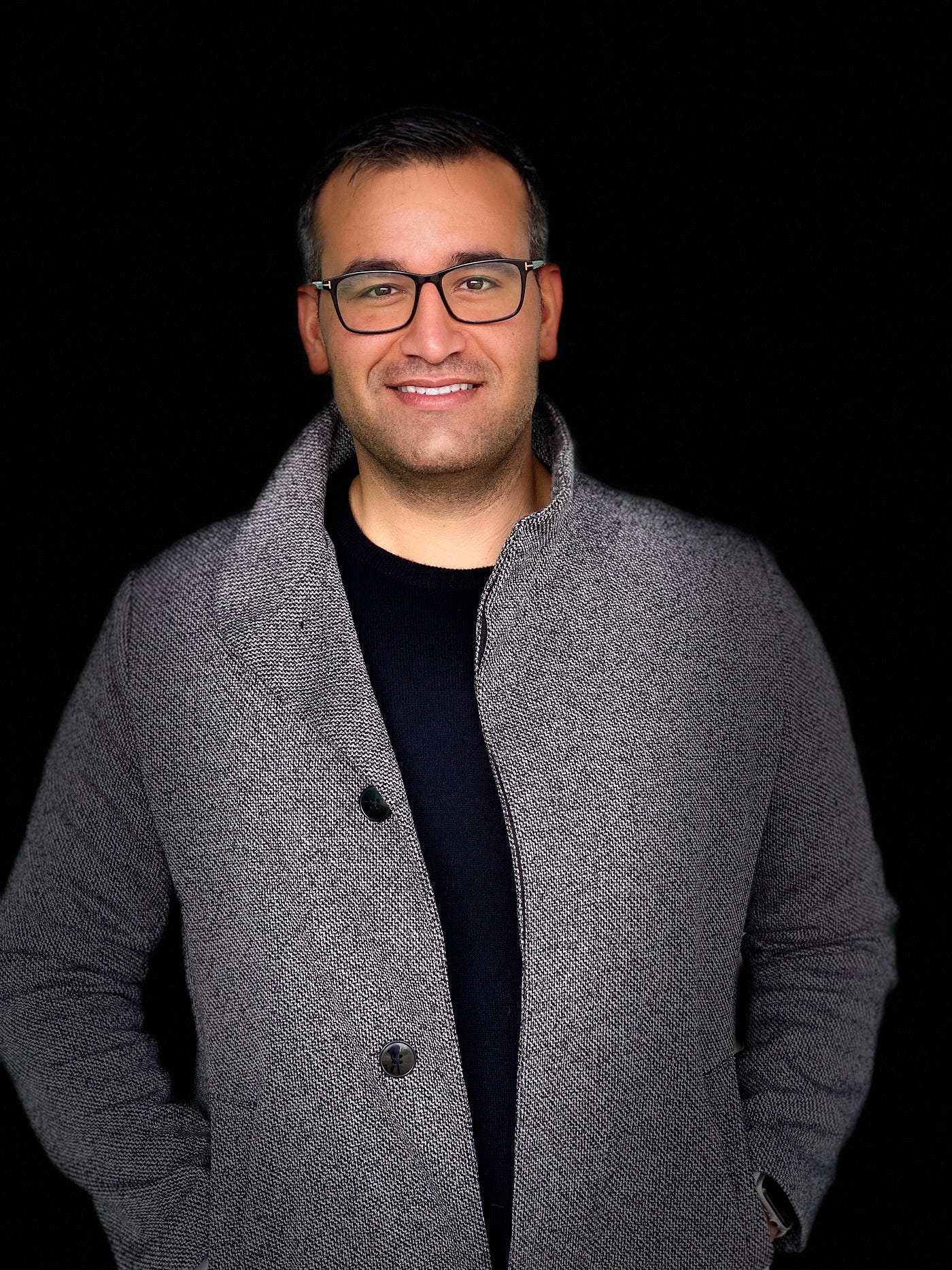
We had the pleasure of talking with Kai Stone. Kai is an entrepreneur, surfer from Hawaii, and reality TV personality known for his outspoken takes and unapologetically bold opinions. As the founder of StoneSystems.io, Kai built one of the fastest-growing software brands for contractors in America — blending sharp marketing instincts with raw authenticity. Loved and hated in equal measure, he’s become a polarizing voice redefining what it means to build wealth, freedom, and influence in the digital age.
Thank you so much for joining us! Can you share with us the backstory about what brought you to your specific career path?
I actually played professional video games in high school, so that’s where I first learned what it really takes to get good at something. It taught me discipline, extreme repetition, and how to handle failure. It was the first thing I worked hard at, and ultimately failed at — but that competitive drive stuck with me. When I eventually found business, I treated it the exact same way I treated esports: put in every hour of the day, master the mechanics, and climb the leaderboard. The only real difference is that one uses fake numbers and experience points, and the other uses real money — which ends up being a lot more useful in real life.
Can you share the most interesting story that happened to you since you started your career?
The most interesting thing has been the amount of self-confidence I’ve developed from being able to financially provide for myself and the people I care about. There’s a masculine urge to protect and provide, and watching that part of me grow was honestly one of the coolest things that’s happened. It wasn’t a single moment — it was realizing that I’m capable of taking care of myself and my family. That changed everything for me.
You are a successful individual. Which three character traits do you think were most instrumental to your success? Can you please share a story or example for each?
1. Willingness to look dumb for a long time.
You have to be okay with looking stupid in front of people you respect. When I first started running ads, people on Maui made fun of me because my ads were cringey. I kept going anyway, and eventually those “cringe ads” turned into a multi–seven-figure business.
2. Caring more about finding what works than being right.
Entrepreneurship isn’t about proving yourself correct — it’s about finding the right answer, even if it proves you wrong. I’ve changed strategies, products, and messaging countless times because the data told me to.
3. Accepting that you’ll work extremely hard without seeing results.
I went months with almost no traction. I got my first 20 clients after about eight months of grinding, which was maybe $4,000 a month. It took forever. But pushing through that phase is what separated me from everyone who quit.
Ok, thank you for that. Let’s now jump to the primary focus of our interview about young entrepreneurs’ secrets to rapid growth and success. To start, how would you define success?
For me, success is freedom. People think success is money, but money is just the tool that gets you to the real prize — which is waking up and doing whatever you want. That’s always been my issue in life: not the work, but the lack of choice. In school, I didn’t hate learning; I hated being forced to sit there. At my 9–5, I didn’t hate the job; I hated that someone else controlled my time. Success is waking up and saying, “Today I want to work,” or “Today I want to play video games,” and being able to do either without asking permission.
What unconventional strategy did you employ that significantly contributed to your startup’s growth, and why do you think it was so effective?
When I came into the market, every ad was polished, scripted, overly professional, and honestly boring. I showed up and just said things exactly how they were. It ruffled a lot of feathers, and it was definitely risky — it could’ve wrecked my reputation — but contractors resonated with the authenticity immediately. Nobody else was talking to them like real people. That difference helped us scale insanely fast.
Can you share a critical pivot point in your startup’s journey and how you navigated the decision-making process?
The biggest pivot point in my entire career was partnering with my business partner. I call him my little Elon Musk, or the Sam to my Frodo, or the Robin to my Batman. He’s everything I’m not. That partnership was the biggest decision I’ve ever made, and it turned out to be the best one. We complement each other perfectly, and it changed the entire trajectory of the company.
How do you balance the need for rapid growth with maintaining a sustainable and healthy company culture?
It’s actually pretty simple: as soon as something breaks, we ease off the gas, fix the constraint, then push forward again. We solve whatever the biggest bottleneck is at that moment — whether it’s hiring, onboarding, customer service, or product issues. Once the problem is solved, we continue scaling until the next constraint appears. That cycle keeps growth fast but controlled.
In what ways has your personal definition of success evolved since the inception of your startup?
In the beginning, success meant money, status, flexing on Instagram — all the surface-level stuff. But once I built the company, I realized success is actually the self-confidence you earn by proving to yourself that you’re capable. Going through the hardships gave me undeniable proof of who I am and what I can do. Before this business, my biggest achievement was chugging a beer in under two seconds — so building something real gave me a level of confidence I never had.

Based on your experience and research, can you please share “5 Things You Need to Succeed as a Young Person in Business?” If you can, please share a story or an example for each.
1. Be willing to look dumb and make risky decisions.
My early videos and ads were cringe and embarrassing. People laughed. But those same ads ended up fueling the growth of my entire company.
2. Work without reward for a long time.
It took eight months of grinding before I even made $4,000/month. Most people quit during that phase.
3. Accept that you will lose friends.
Some people won’t support you. You’ll be your own cheerleader for a long time. Today people root for me, but nobody rooted for me when I was up at 1 a.m. at my mom’s house fixing automations so I didn’t lose a client.
4. Commit 100% for at least one year.
I promised myself I’d give everything I had for one year, no matter what. That commitment kept me from quitting when it got hard.
5. Believe in the vision like it’s your North Star.
On the hard days, you need something to look toward. Only quit if the original hypothesis behind your business changes — not because you’re tired.
What is one piece of advice you would give to an aspiring entrepreneur that you wish someone had given you at the start of your journey?
Entrepreneurship isn’t glamorous. You’ll work twice as hard as your 9–5 and make less money for a long time. You’ll lose sleep, friends, comfort, and certainty. You’ll work without knowing whether it will pay off. But if you keep pushing long enough, eventually it does.
You are a person of great influence. If you could start a movement that would bring the most amount of good to the most amount of people, what would that be? You never know what your idea can trigger. :-)
I’d want to inspire young entrepreneurs who don’t think they’re smart enough, who have ADHD, who’ve struggled with substances, or who’ve been told they’re not the “sharpest tool in the shed.” I’ve dealt with all of that, and I still made it. I want to show them that their disadvantages don’t disqualify them. There’s always someone who had it worse and did better — and that means you can do it too.
How can our readers further follow you online?
Instagram: @kaistone808
Website: stonesystems.io
Thank you so much for sharing these important insights. We wish you continued success and good health!
AM
Written by
Authority Magazine Editorial Staff
Editorial Desk · Authority MagazineThe Authority Magazine Editorial Desk produces, verifies, and edits long-form primary-source interviews with executives, innovators, clinicians, creators, and social impact leaders across Business, Tech, Pop Culture, Wellness, and Social Impact.

Published inAuthority MagazineTop Lessons, Top Authorities · 42K Followers
Exclusive, curated interviews with the leaders and changemakers shaping tomorrow. Leadership lessons, industry deep dives, and executive profiles.