That was the day I truly began to think like a CEO. His mentorship laid the foundation for so many of my decisions, and we still meet once a month to review the business.
Business
Holly Daniels Christensen of Dune Jewelry & Co: The Principle That Passion Fuels You, But Numbers Guide You
The founder of Dune Jewelry & Co. shares how she transformed a kitchen-table craft into an international brand and why mastering the numbers is crucial for creative entrepreneurs.
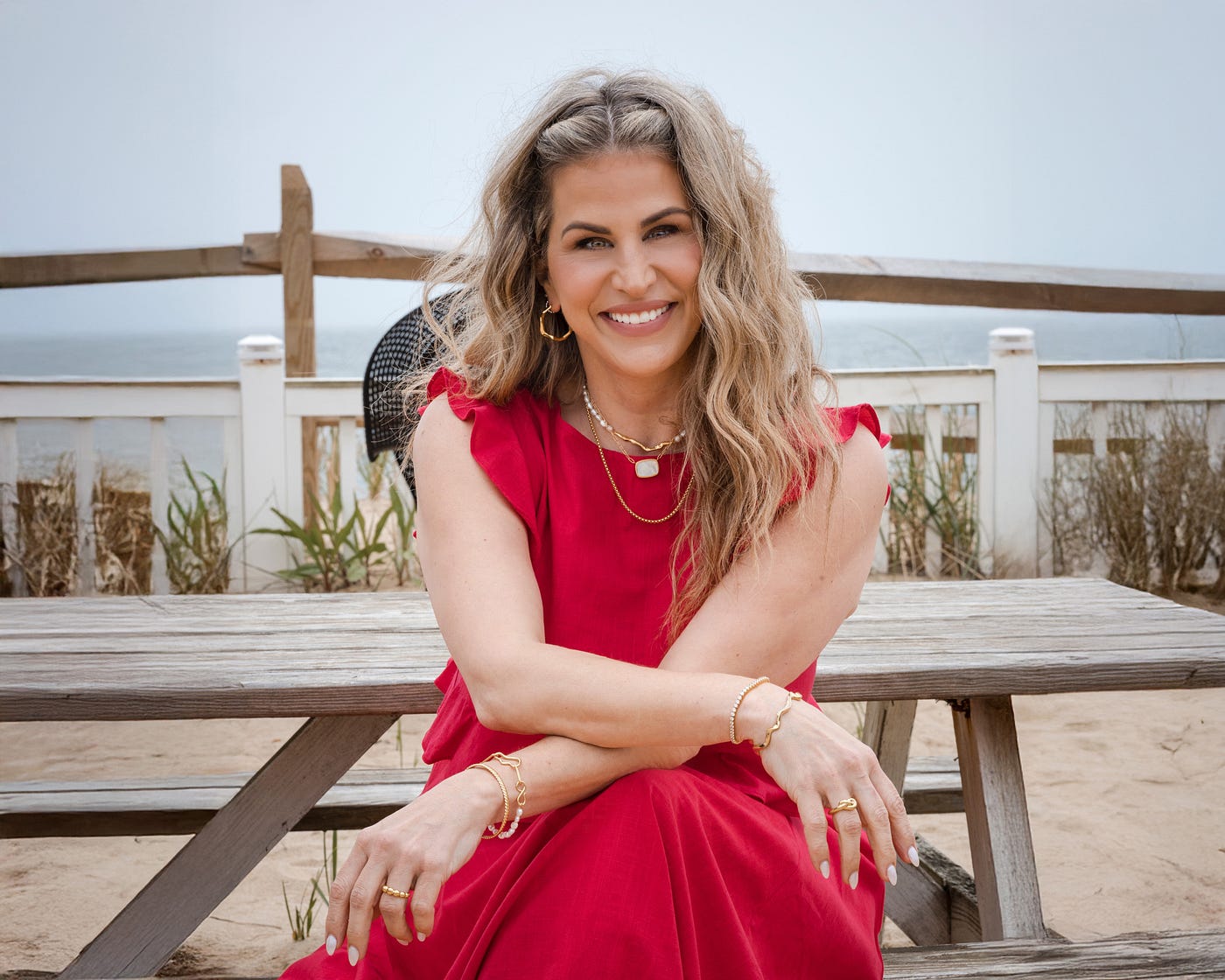
As a part of our series about “Female Founders: Five Things You Need To Thrive and Succeed as a Woman Founder”, we had the pleasure of interviewing Holly Daniels Christensen — Founder & Designer, Dune Jewelry & Co..
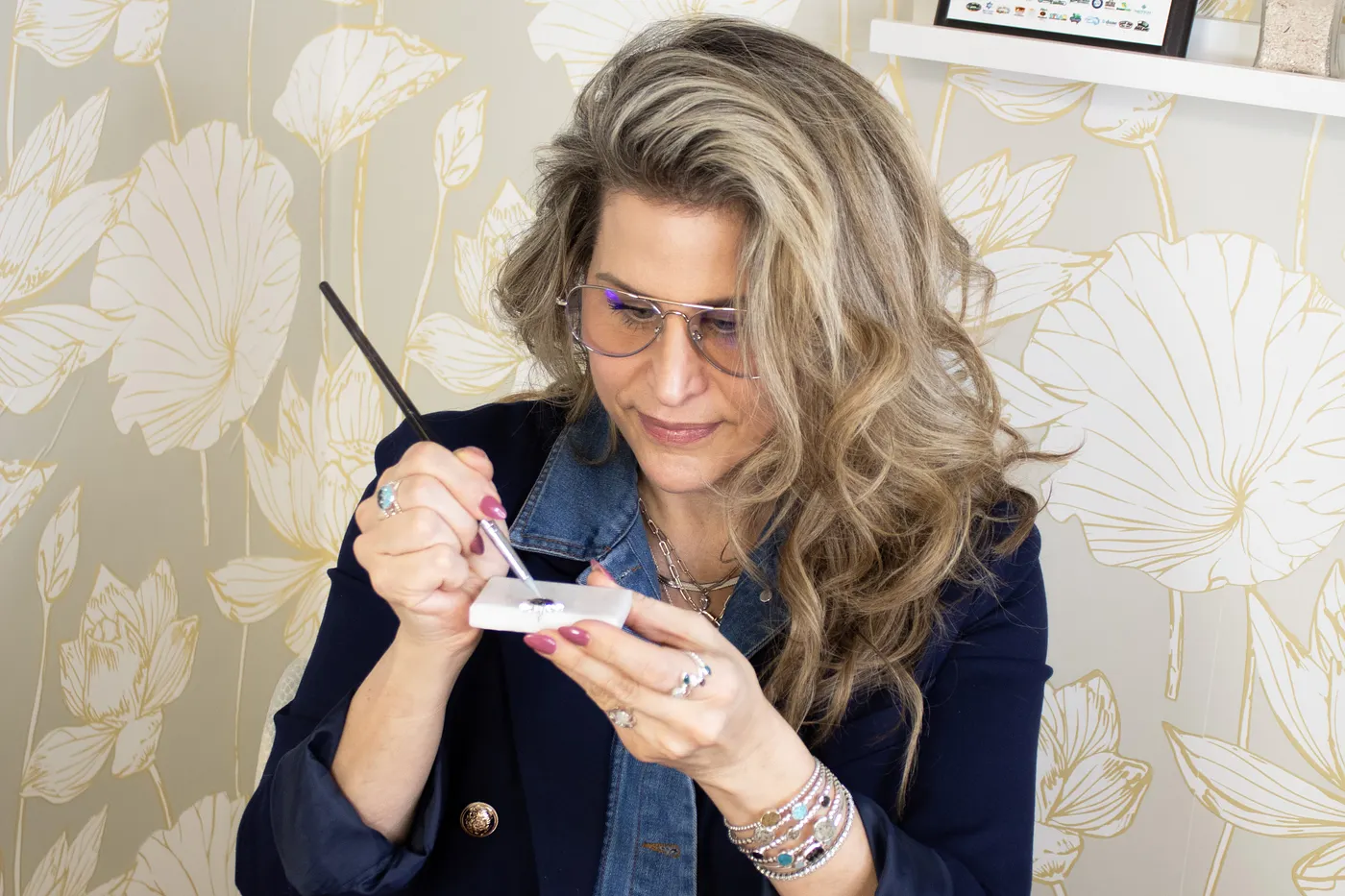
Holly Daniels Christensen is the founder and creative force behind Dune Jewelry & Co., a company she started at her kitchen table and has since grown into an internationally recognized brand. A self-taught designer and lifelong entrepreneur, her work reflects her passion for storytelling, sustainability, and capturing life’s most meaningful moments. Beyond jewelry, she is an author and the visionary behind Dune Travels, curating memory-driven journeys around the world.
Thank you so much for joining us! Can you tell us a bit about your backstory? What led you to this particular career path?
Dune Jewelry actually started at my kitchen table. I had this idea, pretty simple at the time, to use sand from a beach day and turn it into a keepsake that you could wear forever. I didn’t have a traditional business background, but I’ve always loved the ocean, traveling, and the way certain places stay with you. To scratch a creative itch that I had in 2007, I started making jewelry for friends and family using sand from Cape Cod, where I grew up, and their reactions really moved me. Many acquaintances began bringing me little containers of sand from around the world after returning from their travels, and that’s when it clicked that people are looking for meaningful and tangible ways to hold onto their memories. I followed that feeling and kept going.
Looking back, I see that moment as the spark that lit everything else. I didn’t know it at the time, but I was building what would eventually become a global Sandbank of over 5,500 locations, and a community who believes in the same idea I did — that memories deserve to be kept close, tangible, and beautiful. It’s humbling to see how a kitchen-table project grew into a brand that has captured over a million moments for people all over the world.
Can you share the most interesting story that happened to you since you began leading your company?
At Dune Jewelry, we keep an ever-growing Sandbank: more than 5,500 sands and earth elements cataloged from around the world in our studio. Every submission arrives because someone loved a place enough to share it with others. Honeymoon beaches and first kisses — family shorelines, mountain trails, favorite shells, ashes, flower petals, and more. The sky is the limit when it comes to our customization process. We record the location, embrace your story, and handcraft a design that celebrates both.
One request that really made me pause was a necklace crafted with sand from Mount Everest Base Camp and authentic coal recovered from the Titanic. It was like two edges of the world coming together to create something memorable and beautiful, and it reminded me that we climb to expand our reach, while we dive deep to understand our resilience. You scale the summits that call you, and you face the waters that test you. That’s what we love to create at Dune Jewelry — emotions turned wearable, a way to keep your highest highs and deepest truths close.
Every element entrusted to us is carefully logged and meticulously crafted with reverence for the location and its story. If your horizon is a shoreline, a summit, or a city street, we can capture that moment in a tangible reminder that you can hold onto forever.
Can you share a story about the funniest mistake you made when you were first starting? What lesson did you learn?
Oh, there are so many! One of the funniest was when I sent a wholesale order to the wrong address, internationally. In my defense, we had two small boutique accounts that had the same name, one was domestic and one was in the Caribbean. I was mortified because I constantly tell my team that a brand is built in the details. That mistake cost me a lot of time and money, but it taught me the importance of systems, double-checking everything, and not rushing through logistics. It was one of my early lessons in operational excellence.
Those early missteps were tough, but they shaped how I lead today. We built a culture at Dune of under-promising and over-delivering, focusing on the details that matter most — from lifetime warranties to handwritten notes tucked into our packages. Mistakes can be expensive teachers, but they also laid the groundwork for our reputation as a brand people can truly trust.
It wasn’t funny in the moment, but now I laugh at how seriously I took myself while the universe was simply teaching me a lesson in slowing down.
Is there a particular person who helped get you to where you are? Can you share a story?
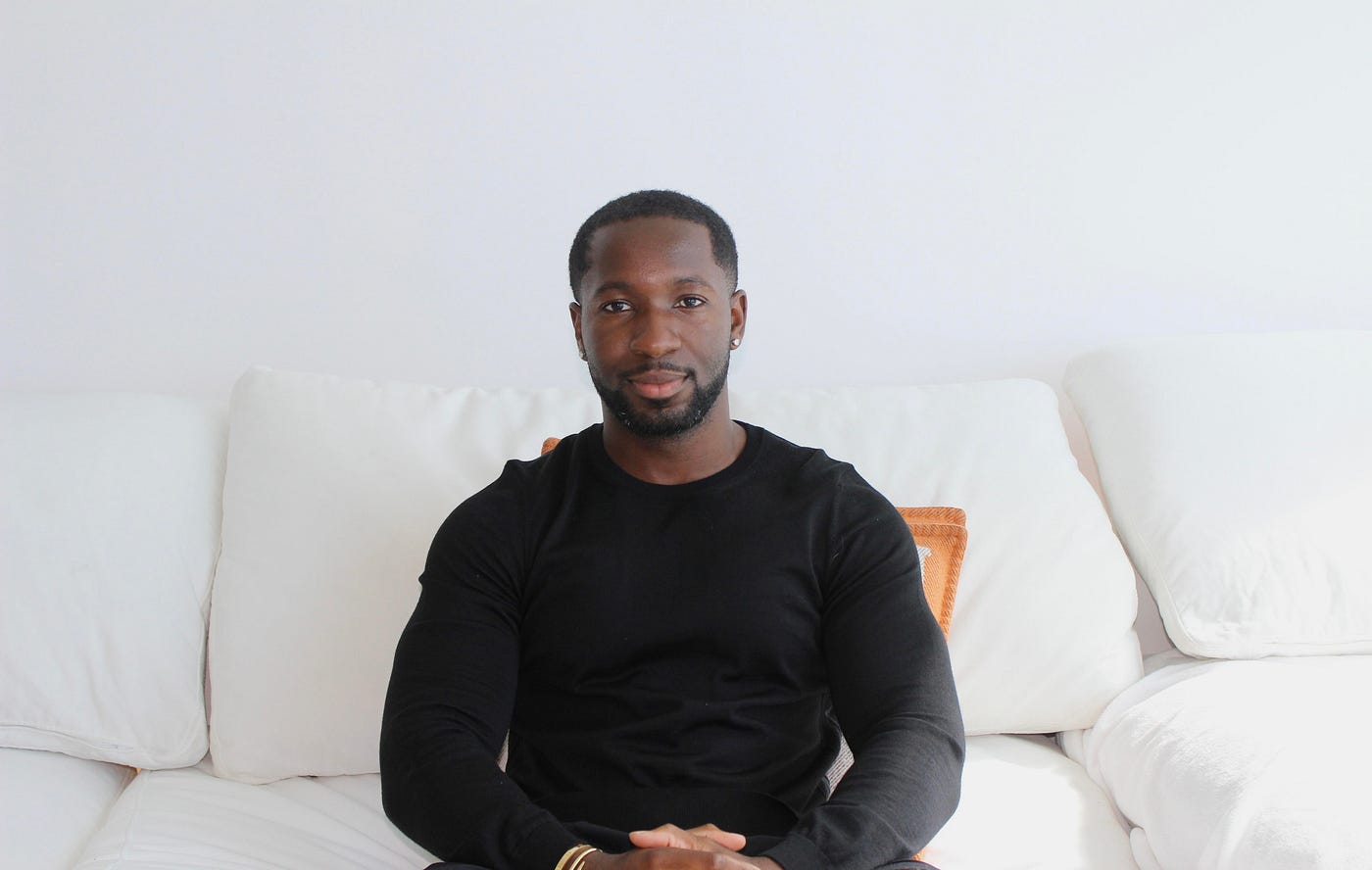
Absolutely. One of the most pivotal people in my entrepreneurial journey was my mentor, Rick B., from SCORE Boston — a free program offered by the Small Business Administration. In 2012, Rick was the person who helped me translate passion into strategy. He taught me how to read a profit and loss statement, understand the cost of goods sold, and most importantly, how to separate my identity as an artist from my responsibilities as a business owner.
There was one afternoon early on when I walked into our meeting with tears in my eyes over a bad month in sales. Rick didn’t flinch. He calmly pulled out a spreadsheet and walked me through how to break down the numbers and find opportunities for improvement. He reminded me that emotional intelligence is an asset, but that business decisions must be grounded in logic and metrics. That was the day I truly began to think like a CEO. His mentorship laid the foundation for so many of my decisions, and we still meet once a month to review the business.
I often tell other founders to find a mentor like Rick because no journey should be taken alone. Having that steady hand on your shoulder, especially in the early years, can make the difference between giving up and pressing forward. To this day, even with an international team and partnerships with global organizations like 4ocean, I still lean on that advice: passion fuels you, but numbers guide you.
What is currently holding back women from founding companies?
We’ve made real progress, but the playing field still isn’t level. One of the most significant barriers is access to capital. Many of us already know this but women-led startups receive less than 2% of venture funding in the U.S. which is staggering. That shortfall has a ripple effect that reaches far and wide: how quickly we can grow, who we can afford to hire, and how much market share we can capture. Furthermore, many women lack access to influential mentorship circles and networks that can open doors through a single conversation. There are great communities out there, but finding the right ones and getting a seat at the table still takes extra energy and persistence.
Then there’s the quieter, more personal barrier: the voice many of us grew up with telling us not to waste anyone’s time, not to take up space or be “too much,” to prioritize harmony over ambition. We’ve been taught to be agreeable when what’s really needed is to be bold. That mindset can keep women from chasing the big, risky ideas.
The good news? That narrative is changing. I see more women every day claiming their space, owning their vision, and leading in a way that’s unapologetically their own. The more we invest in, celebrate, and amplify one another, the faster change will come.
I’ve seen firsthand how important it is to build circles of trust and belonging. At Dune, our community has been our greatest strength — from retail partners who’ve carried our story into their own towns, to customers who’ve trusted us with their most cherished memories. When women founders come together with that same spirit of collaboration, we don’t just build businesses — we change the landscape for the next generation.
What can be done to overcome those obstacles?
We need to start by telling the stories of women founders more loudly and often. Representation matters, and we all look and move differently. On a structural level, more inclusive funding opportunities, mentorship programs, and female-driven communities can make a massive difference. Groups like All Raise, Dreamers & Doers, and TheLi.st are already doing fantastic work. However, I also believe there’s room and a need for more business-first, deal-making networks that focus on execution and scaling, rather than supporting and inspiring. Founders need tactical tools and access.
And on a personal level, we need to support each other — collaboration over competition. Create circles of trust. Open doors for one another. When women band together with intention, we don’t just rise; we shift the landscape.
I’ve seen this firsthand through Dune’s own community. When we highlight our retail partners or invite customers to share their Sandbank stories, it empowers others to see themselves in that journey. Women lifting up other women isn’t just inspiring — it’s catalytic. It creates ripple effects that outlast any single venture.
Why should more women become founders?
Because our ideas are powerful and practical. Women tend to build businesses that are empathetic, socially responsible, and deeply connected to their customers. We bring a different lens to entrepreneurship that the world desperately needs more of. Plus, it’s empowering to create your own destiny.
When I look at Dune’s journey, I see proof of that. We’ve built a multimillion-dollar company by focusing not just on profit, but on meaning — honoring memories, protecting the environment, and building community. That perspective is uniquely feminine, and it’s exactly the kind of leadership the world needs more of.
What are the myths about being a founder?
One of the biggest myths is that it’s all glamour — you set your own schedule, take long lunches, and spend the rest of your time traveling the world. The reality? You’re accountable for everything 24/7. It’s exhilarating, but it’s also exhausting. You carry the weight of making payroll, solving problems nobody else can see, and driving innovation. It gets lonely sometimes because the majority of your friends will never understand that kind of self-induced pressure.
Another myth is that you have to have it all figured out from day one. You don’t. Nobody does. The best founders I know are resourceful, deeply passionate, and open to learning (always) — and not just from books and mentors, but from their team and their customers. It’s messy, it’s unpredictable, and it will test every part of you. But when it works, there’s nothing more fulfilling.
I often remind new founders: it’s not about perfection, it’s about progress. My own path was filled with missteps — wrong addresses, underpricing, overextending — but each one became a teacher. What people don’t see is that the unglamorous moments are what give you the grit to celebrate the wins.
Is everyone cut out to be a founder? What traits help someone succeed?
Not everyone is cut out to be a founder, and that’s okay. Founders need to be incredibly resilient. You must be able to pivot quickly, handle rejection, lead with vision, know your sphere of genius, and surround yourself with others who have more talent in other aspects of the business. And most importantly, you must persevere when things get tough. Self-awareness, emotional intelligence, and grit are more important than any business degree.
I’d also add humility. Some of my best decisions came from listening — to customers at a craft fair, to mentors like Rick, or to my team at our flagship store and our boutique. You can’t thrive if you think you have to know everything yourself. Founders who succeed create space for collaboration and keep learning no matter how far they’ve come.
What are your “5 Things I Wish Someone Told Me Before I Started” and why?
- Cash flow is everything. You can be profitable on paper and still fail if you don’t manage your cash. You can look profitable on paper and still run out of money if you don’t manage your cash carefully. Early on, I learned that timing matters; it can make or break a business. Staying disciplined with budgeting, planning for the unexpected, and keeping a close eye on cash flow gave me the stability to grow sustainably.
- Hire slowly, fire quickly. A bad hire can poison your team. Trust your gut. One bad hire can unravel a team’s energy and culture. I’ve learned to trust my instincts — if something feels off, it usually is. It’s worth taking the time to find the right people who align with your mission and values.
- Don’t be afraid to charge what you’re worth. Pricing is an emotional and strategic decision. In the beginning, I was hesitant to price with confidence, worried I might lose customers. What I discovered is that people will pay for authenticity, quality, and meaning. Underpricing only undermines your work and your worth.
- Protect your creativity. As a founder, you can get lost in operations. Make space for what fuels you. As a founder, it’s easy to get buried in spreadsheets, operations, and putting out fires. But creativity is the heartbeat of everything I do. If I lose that spark, the brand loses its soul. I’ve had to carve out intentional space to keep my imagination alive.
- The rollercoaster never stops. Success isn’t linear. Get comfortable with highs and lows — they’re both part of the ride. Entrepreneurship isn’t a straight line. There are days of soaring wins and days where you wonder if you can keep going. I wish someone had told me sooner that the highs and lows are both permanent residents in this journey! Once you accept that, you stop resisting and start riding the waves with resilience and maybe even a little joy.
These five truths are still my compass today. Whether we’re launching a new collection with materials and elements we haven’t worked with before, scaling to 600+ retail partners, or partnering with 4ocean to pull 50,000 pounds of plastic from the sea, the fundamentals don’t change: watch the cash, hire with care, honor your worth, protect your creativity, and embrace the ride.
For more information on Dune Jewelry, visit www.dunejewelry.com and follow @dunejewelry & @holly_daniels_christensen on all social media platforms.
AM
Written by
Authority Magazine Editorial Staff
Editorial Desk · Authority MagazineThe Authority Magazine Editorial Desk produces, verifies, and edits long-form primary-source interviews with executives, innovators, clinicians, creators, and social impact leaders across Business, Tech, Pop Culture, Wellness, and Social Impact.

Published inAuthority MagazineTop Lessons, Top Authorities · 42K Followers
Exclusive, curated interviews with the leaders and changemakers shaping tomorrow. Leadership lessons, industry deep dives, and executive profiles.