My lesson learned is don’t assume the ritual and keep a good sense of humor. None of us are able to achieve success without some help along the way.
Business
Tami Newcombe: Inside the Strategy to Build a Global Precision Technology Leader From a Blank Canvas
The president and CEO of Ralliant shares insights on steering complex public company spins, cultivating a people-first culture, and leading with clarity and care.
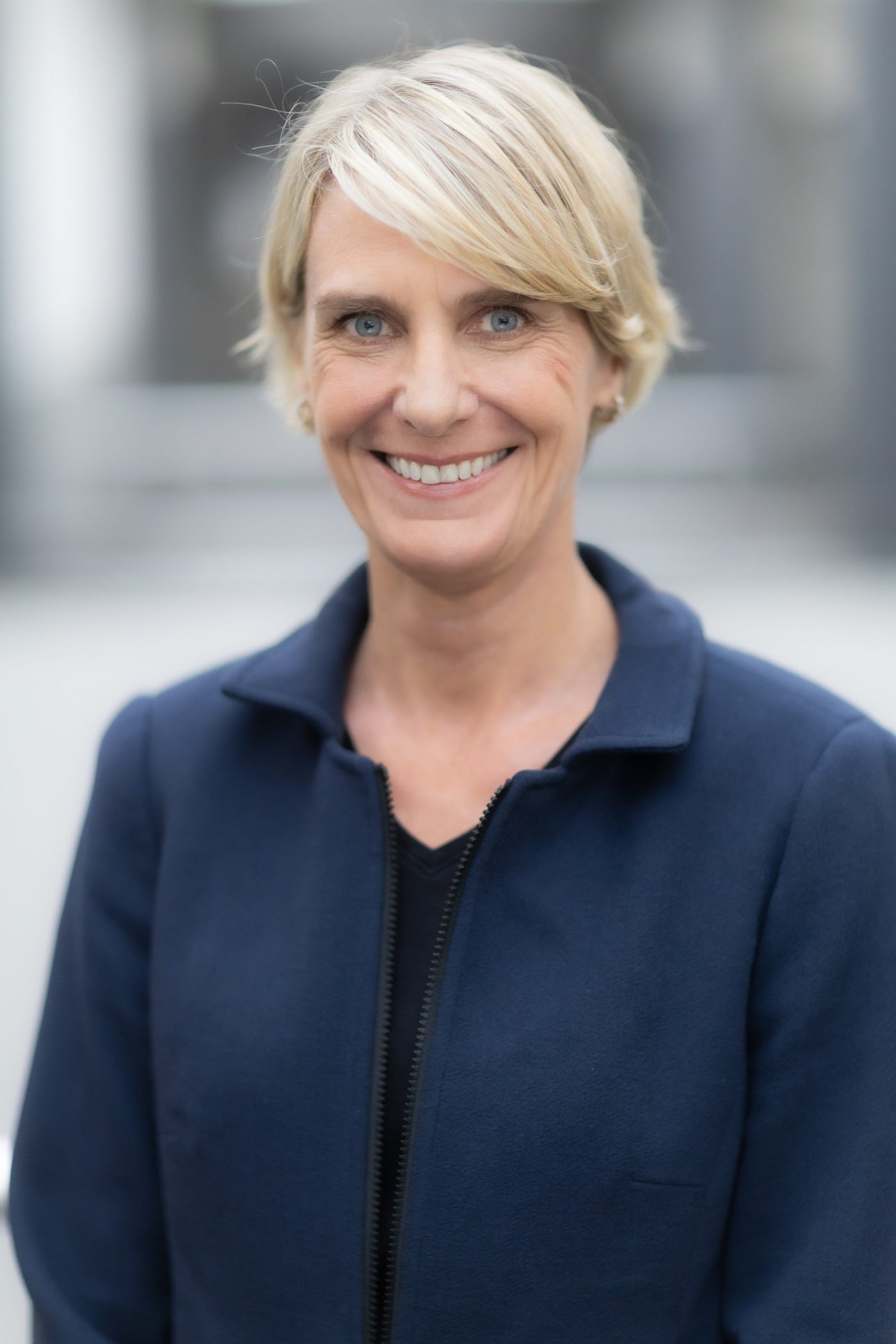
As a part of our series called ‘Five Things I Wish Someone Told Me Before I Became A CEO’ we had the pleasure of interviewing Tami Newcombe, Ralliant.
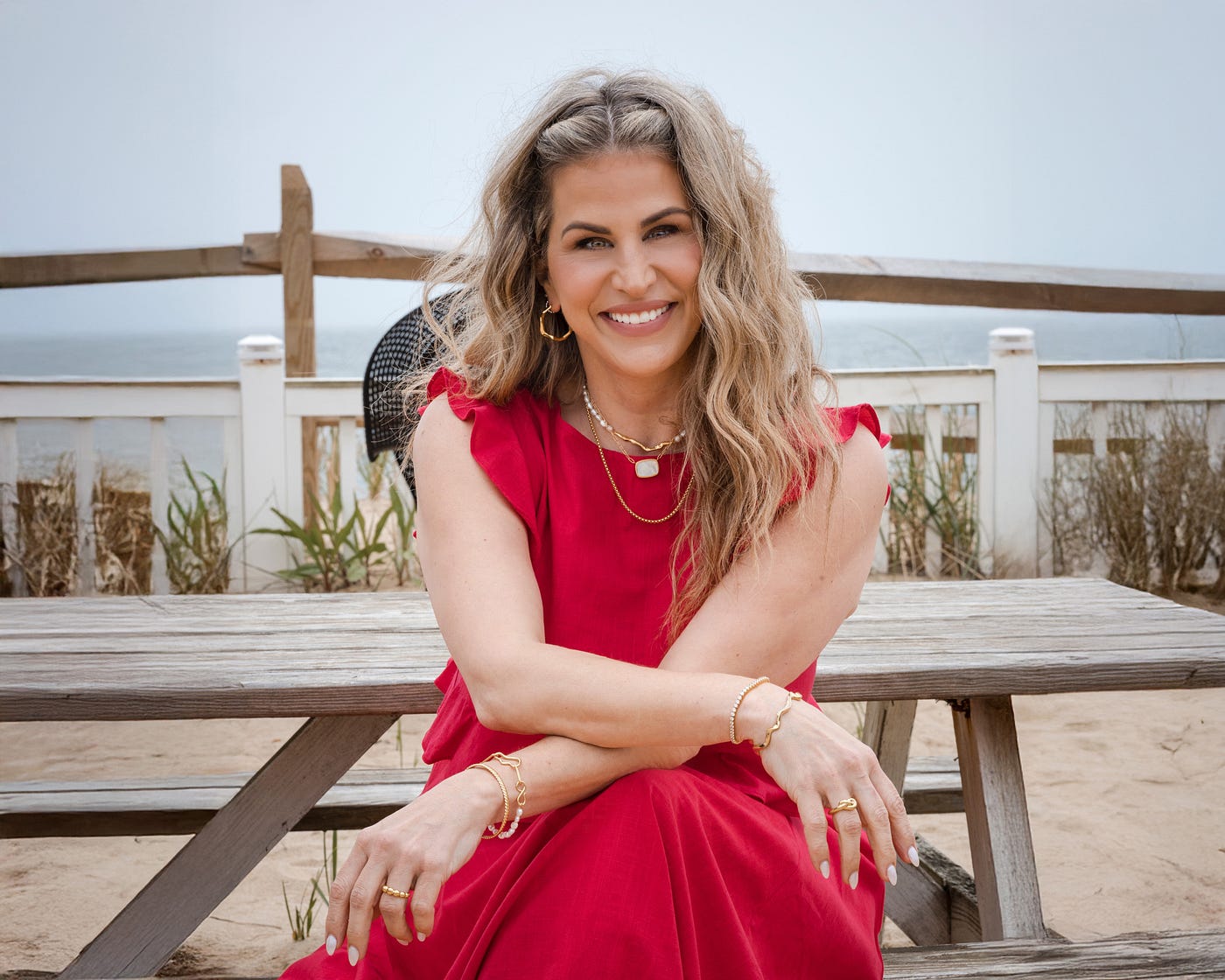
Tami Newcombe leads Ralliant with strategic vision and hands-on operational expertise, serving as president, CEO, and a member of the company’s board of directors. She sets the company’s direction as a global leader in precision technologies, combining deep industry knowledge with customer focus to drive growth in rapidly evolving markets.
Thank you so much for joining us in this interview series! Before we dig in, our readers would like to get to know you a bit more. Can you tell us a bit about your “backstory”? What led you to this particular career path?
I was raised in upstate New York by two teachers who instilled curiosity and a love for continuous learning. Competing in high school sports taught me teamwork and how to push for my best, lessons that carried me to Syracuse University on a Division I volleyball scholarship where I studied engineering. My career has taken me through engineering, product marketing, sales, operations, and full P&L leadership with a consistent focus on building and leading high-performing teams at leading enterprise technology companies. Today, I serve as CEO of a public technology company still guided by the same principles that shaped me early on.
Can you share the most interesting story that happened to you since you began leading your company?
We began with a blank canvas and built a culture like a startup backed by decades of experience and 7,000 teammates strong. In my first months, we needed a name — bold, simple, and ours. We chose Ralliant, drawn from rally and valiant, to signal unity and courage. Together, we co-created five guiding principles that define how we show up for customers, shareholders, and each other. We made them lived, not laminated. Our culture is uniquely ours and everyone’s fingerprints are on Ralliant.
Can you share a story about the funniest mistake you made when you were first starting? Can you tell us what lesson you learned from that?
Less than a week after we became a public company, my team and I were on the NYSE podium to open trading. I turned — dead serious — and asked, “So…where’s the bell?” Cue me scanning for a brass bell and rope until our host kindly pointed to the digital button. I pressed it, the exchange lit up, and we all burst out laughing. My lesson learned is don’t assume the ritual and keep a good sense of humor.
None of us are able to achieve success without some help along the way. Is there a particular person who you are grateful towards who helped get you to where you are? Can you share a story about that?
I’m deeply grateful to my high school and college coaches. As a Division I captain at Syracuse, my coach hard-wired discipline into my DNA. At the end of practice came “wind-sprints” — forward, backward, sideways — until the gym floor felt endless and the coach pushed for one more. I learned that character shows up on the last repetition, and I carry that into leadership: set the bar, build belief, and coach people to see and reach what’s possible.
Leadership often entails making difficult decisions or hard choices between two apparently good paths. Can you share a story with us about a hard decision or choice you had to make as a leader?
The hardest calls touch people. We faced one that was to keep a beloved legacy business or divest to sharpen focus. We chose divestiture with transparent communication, redeployment where possible, and fair transitions to deliver sharper strategy and stronger momentum. Leadership means choosing clarity over comfort and pairing courage with care. That’s how teams move forward together.
Ok, thank you for that. Let’s now jump to the primary focus of our interview. Most of our readers — in fact, most people — think they have a pretty good idea of what a CEO or executive does. But in just a few words can you explain what an executive does that is different from the responsibilities of the other leaders?
The CEO is accountable to the board and shareholders; defines strategy and deploys capital to back it; and assembles a team that can execute. Equally, they champion culture, ensuring guiding principles translate into how we work and the outcomes we deliver.
What are the “myths” that you would like to dispel about being a CEO or executive? Can you explain what you mean?
Myth 1: CEOs know everything and tell everyone what to do.
I don’t have all the answers — and I don’t pretend to. My job is to set strategy, allocate capital, and assemble a high-performing team that can execute. I ask crisp questions, remove friction, and connect dots so the right people make the right decisions fast.
Myth 2: Culture is HR’s job.
Culture is everyone’s job. I’m a culture champion — I model our principles, celebrate the behaviors we want, and make them visible in decisions.
Myth 3: Executive communication is about announcements.
In reality, it’s about connections, meeting people where they are, explaining the “why,” and showing incremental progress so belief builds as results appear.
What is the most striking difference between your actual job and how you thought the job would be?
I always knew I’d spend a lot of time with customers and employees, and I still do. The surprise was how much of my calendar is shaped by our owners and the board. As a public-company CEO, there’s a steady rhythm of preparation and dialogue around governance, earnings, and long-term value creation. I’m not just leading operating decisions; I’m constantly translating what I hear on the factory floor and in customer labs into a clear narrative for shareholders and directors, why we’re investing here, how we’re managing risk, and what outcomes we’ll deliver.
Do you think everyone is cut out to be an executive? In your opinion, which specific traits increase the likelihood that a person will be a successful executive and what type of person should avoid aspiring to be an executive? Can you explain what you mean?
Not everyone is cut out for executive roles; two things are non-negotiable: ambition and experience. By ambition, I mean the drive to run toward hard problems, invite candor, and keep learning. By experience, I mean having lived the business end-to-end across commercial (go-to-market and margin), product development (customer-led roadmaps), manufacturing operations (quality, supply chain, lean), and G&A (talent, finance, legal, IT, governance). The CEO job is integration, connecting disciplines, making tough trade-offs, and communicating clearly to employees, customers, owners, and the board.
What advice would you give to other business leaders to help create a fantastic work culture? Can you share a story or an example?
Great cultures are practiced. Be explicit about the few beliefs and behaviors that matter most, then design the conditions — clarity, cadence, coaching, and accountability — so people can put them into action every day. At Ralliant, we prioritized a people-centric culture from day one: one team, ownership of outcomes, and a common way of working.
How have you used your success to make the world a better place?
By building the next generation of leaders. Strong leaders act as force multipliers who create healthier teams, smarter decisions, safer products, and more inclusive workplaces that serve customers and communities. The ripple effect is tangible: when leaders grow, careers open, families thrive, and the organizations they shape deliver innovations that improve everyday life.
Fantastic. Here is the primary question of our interview. What are your “Five Things I Wish Someone Told Me Before I Became A CEO” and why? (Please share a story or example for each.)
- Public company spins are (very) complex. A spin tests every muscle in governance, legal, finance, talent, and communications, simultaneously. We navigated SEC filings and comment cycles on the Form 10, secured the IRS tax-free ruling, and coordinated NYSE mechanics and separation-committee actions under a compressed timeline. Even small dependencies matter when you’re racing toward a listing date.
- Building a new board is a Rubik’s Cube. You’re balancing expertise, independence, committee coverage, and onboarding speed while standing up policies and rhythms. We worked through nominee diligence, committee/class assignments, and director-orientation materials, then lifted-and-shifted policies to fit a new company. Gaining alignment with your chair and key directors up front prevents weeks of rework.
- The geopolitical landscape is always evolving. Geopolitics change timelines, supply chains, and compliance burdens, often overnight. We felt it this year through tariff shifts and export-controlled programs. Treat geopolitics as a core operating variable, with scenario planning wired into strategy, risk, and operating cadence.
- New investors require continuous communication. Investors need structured touchpoints to digest a spin’s story; expect a multi-quarter education journey before coverage, models, and conviction mature — cadence matters. We anchored the narrative at Investor Day and reinforced it through earnings calls, conference appearances, and targeted outreach — keeping our messaging consistent, data-backed, and frequent.
- Building a CEO peer group is a force multiplier. Peer CEOs, chairs, bankers, and operators are a force multiplier for insight, speed, and sanity. Curating a small, diverse “cabinet” and meeting regularly is essential.
You are a person of great influence. If you could inspire a movement that would bring the most amount of good for the greatest number of people, what would that be? You never know what your idea can trigger.
Confidence to Lead is a movement to give young people the belief and tools to accomplish anything. I’ve learned that confidence is earned one rep at a time. A rep is one small, intentional action that builds courage and skill: ask one question in a meeting, deliver a one-minute demo, apply for a stretch role, reach out to a potential mentor, or propose a fix. The goal is to turn ambition into diverse work experiences and encourage more young people to raise their hands, lead teams, and drive impact in the world.
Can you please give us your favorite “Life Lesson Quote”? Can you share how that was relevant to you in your life?
Life Lesson Quote: “If you have nothing good to say, keep your mouth shut.”
My dad said this often, and over time I translated it into a simple leadership practice: think before speaking and ask yourself whether your comment adds value and energy to the conversation. In tough moments, like board debates, executive reviews, and customer escalations, I take a brief pause and run a quick check: Is this true? Is it necessary? Is it helpful right now? If the answer is no, I choose silence; if yes, I speak with intent. That discipline has made meetings shorter, decisions clearer, and our culture more respectful, leading to fewer words and better outcomes.
We are very blessed that some very prominent names in Business, VC funding, Sports, and Entertainment read this column. Is there a person in the world, or in the US with whom you would love to have a private breakfast or lunch with, and why? He or she might just see this if we tag them
Elon Musk
Thank you for these fantastic insights. We greatly appreciate the time you spent on this.
AM
Written by
Authority Magazine Editorial Staff
Editorial Desk · Authority MagazineThe Authority Magazine Editorial Desk produces, verifies, and edits long-form primary-source interviews with executives, innovators, clinicians, creators, and social impact leaders across Business, Tech, Pop Culture, Wellness, and Social Impact.

Published inAuthority MagazineTop Lessons, Top Authorities · 42K Followers
Exclusive, curated interviews with the leaders and changemakers shaping tomorrow. Leadership lessons, industry deep dives, and executive profiles.