Find a product/idea you are passionate about and put together a plan of attack. Stay focused on execution of your plan and never let anyone tell you it can’t be done!
Business
Brian S. John of Safety Shot: The Power of Backing Wellness Claims With Rigorous Scientific Trials
The veteran executive and entrepreneur explains why bootstrapping early, assembling an experienced C-level team, and letting science lead are essential to building a lasting beverage brand.
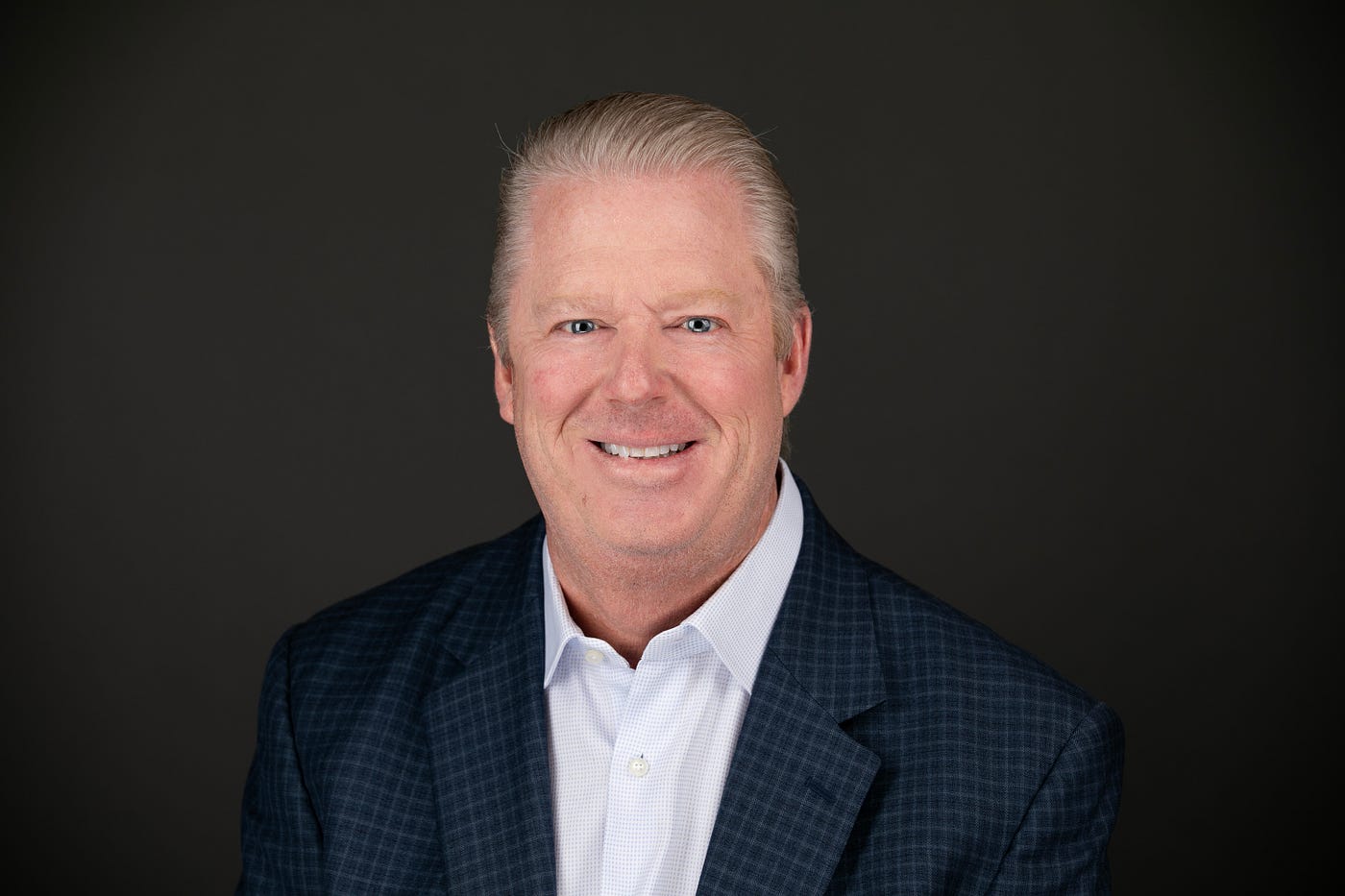
As a part of our series called “5 Things You Need To Create a Successful Food or Beverage Brand”, I had the pleasure of interviewing Brian S. John.
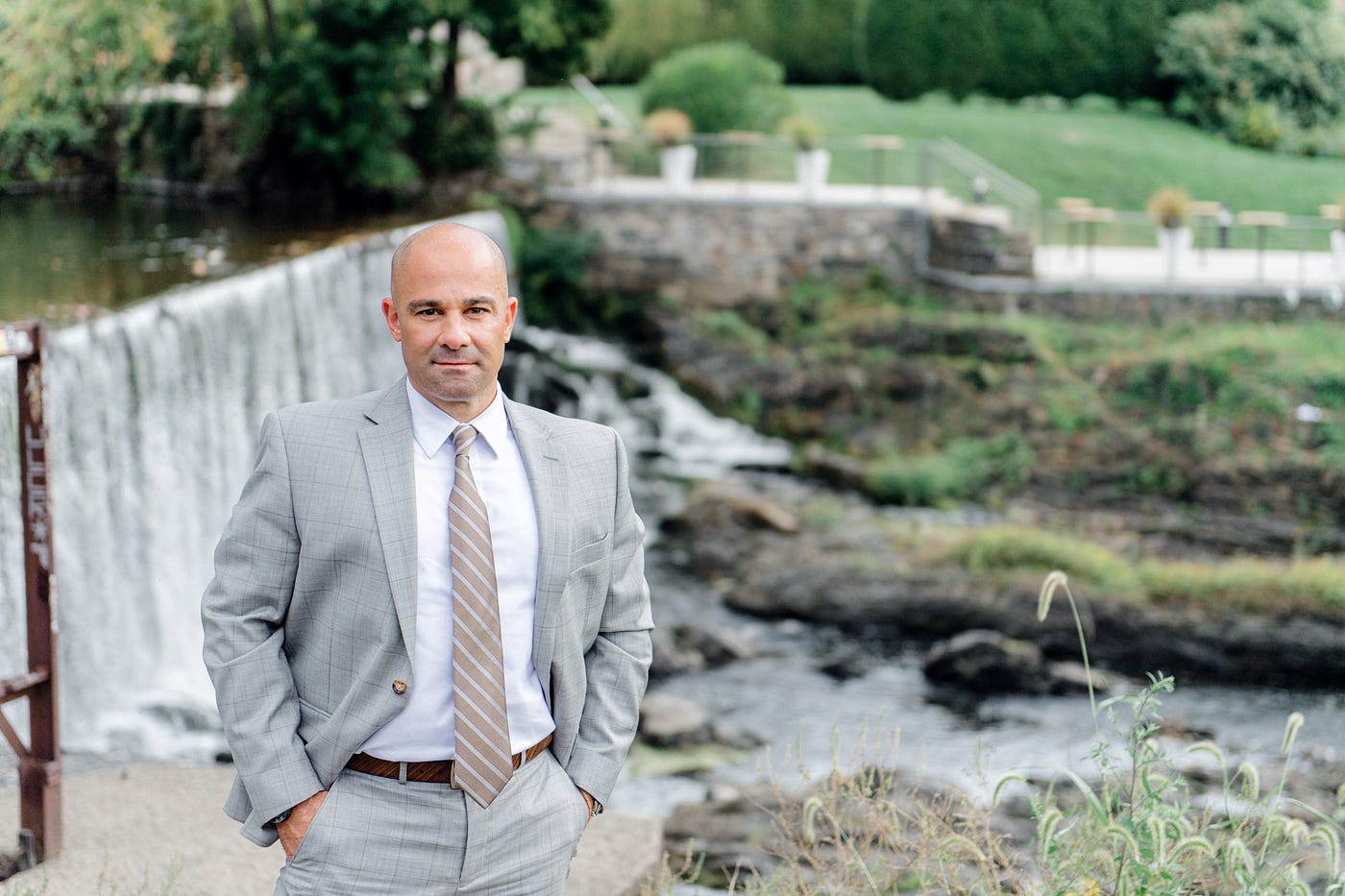
Brian S. John is Chief Executive Officer, Director, and Founder of Jupiter Wellness and Safety Shot (Nasdaq: SHOT). For the past 20 years, Brian has been an investor and advisor to companies around the globe. He is the founder of Caro Partners, LLC, a financial consulting firm specializing in assisting emerging growth companies primarily in the sub- $100 million market cap space, and has worked with hundreds of companies in dozens of countries over the last 25 years. He also serves on the Board of Directors of The Learning Center at the Els Center of Excellence–a school for children with autism in Jupiter, Florida and sits on the Board of Casa Mexico Tequila.
Thank you so much for doing this with us! Before we dive in, our readers would love to learn a bit more about you. Can you tell us a bit about your “childhood backstory”?
I grew up on Long Island in Suffolk County about 60 miles from NYC. My father was a school teacher, my mother was a housewife and I have 2 brothers; I’m the middle child. I left for college in Pennsylvania after graduating high school and later became a stock broker where I moved to Florida and have been here for the past 25+ years! I lived in the Delray area until moving to Jupiter 8 years ago. We heard about the Els Center of Excellence that Ernie Els and his wife Liezl were building and moved up here to put our Autistic son Zach in the Els Center, which was the best thing I have ever done for him as a parent — the place is amazing. I served on the board of the lower school from inception to last year when it moved to another location.
Can you share with us the story of the “ah ha” moment that led to the creation of the food or beverage brand you are leading?
Once I tried Safety Shot, I was a believer. That’s all anyone needs to do, because there is nothing like it in the world and once you experience what Safety Shot does, you will be a believer too.
Can you share a story about the funniest mistake you made when you were first starting? Can you tell us what lesson you learned from that?
In my previous life, having represented so many public companies, I have been pitched literally every “next best product” in the world for the last 25 years. The funniest part of all of it is that much like some other people, I didn’t believe the Safety Shot drink would work. It took a couple of meetings until I finally tried the drink to realize–WOW! This is amazing!
The lesson learned was to be a little more trusting and give Safety Shot (or anything) a chance. I saw that trying Safety Shot is believing in Safety Shot. I was sold. The same thing happens to everybody who we give sample cans to or comes to our events.
What are the most common mistakes you have seen people make when they start a food or beverage line?
One of the most common mistakes I see brands make is that they don’t know who their customer is and why that customer would enjoy your product over something that’s on the market already. Think about how crowded the energy drink space is. If you create a new energy drink but aren’t clear on your target audience, and don’t do anything to set your product apart from everything else on the market, your product will get lost in the noise. That’s why Safety Shot enlisted a top-notch C-level team before going to market.
What can be done to avoid those errors?
Hopefully the creator of a new beverage or food line will be ahead of or well-aligned with the broader trends in what people are looking for. For example, there was the broader trend of health consciousness with people actually preferring to pay for bottled water instead of paying for a soda. That’s the most blatant example. Many more have followed like the functional beverage segment. Creators of drinks should certainly do what they love and create a product they love, but then, they need to make sure there are enough other people out there who also want that same thing.
Let’s imagine that someone reading this interview has an idea for a product that they would like to produce. What are the first few steps that you would recommend that they take?
Make sure you are well capitalized, have an experienced C-level team that have the know-how and have had success in the past launching products in your category. Your team is most important!
Many people have good ideas all the time. But some people seem to struggle in taking a good idea and translating it into an actual business. How would you encourage someone to overcome this hurdle?
Find a product/idea you are passionate about and put together a plan of attack. Stay focused on execution of your plan and never let anyone tell you it can’t be done! There will be setbacks in any business endeavor, those that succeed are the ones that never give up.
There are many invention development consultants. Would you recommend that a person with a new idea hire such a consultant, or should they try to strike out on their own?
I definitely recommend hiring experienced people that have been there and done it before. Having an experienced team will save a lot of time, money and heartache.
What are your thoughts about bootstrapping vs looking for venture capital? What is the best way to decide if you should do either one?
This is a very good question and very hard to answer. I think each company/product is different so it really depends on where you are in the process. Sometimes a good venture capital partner at the right time works and sometimes if you do it too soon or it’s not the right partner you could lose your company and idea very quickly. I prefer bootstrapping early on until you reach the point you can attract the proper VC partner.
Can you share thoughts from your experience about how to file a patent, how to source good raw ingredients, how to source a good manufacturer, and how to find a retailer or distributor?
Safety Shot has filed many patents. Personally, we recommend working with a good patent attorney. Our Chief Scientific Officer is Dr. Glynn Wilson who was head of new Drug Development at Smithkline in his early days. Our Chief Manufacturing officer is Mr. David Sandler, who was a sports nutrition expert for 30 years that has been mixing beverages like ours forever. He is very well known in the industry. Distribution is easy if you hire the right folks that have done that forever and know exactly how to do it. We have C level folks from Diagio, Anheiser Bush and Life-Loc that are all distribution experts.
What are your “5 Things You Need To Create a Successful Food or Beverage Brand” and why?
- Appealing/smart branding that is associated with positivity.
Two energy drinks, Red Bull and Celsuis are great examples. Red Bull goes beyond energy and is identified with excitement, stimulation and extreme sports. Celsius, a thermogenic (calorie-burning) drink started-off positioned as a weight loss drink. While weight loss is something that can be perceived as difficult, when they switched to positioning as an energy and fitness drink, a positive message, that’s when Celsuis really took off to become a hugely successful drink brand.
2. Sponsorship/brand ambassadors/effective & aggressive marketing.
Associating the brand with the right kind of events and people is very important. This will vary based on the brand and product. Red Bull invests heavily in sponsoring athletes and events. Safety Shot is doing the same. MMA and UFC fighters have come on board as brand ambassadors. Safety Shot is ring sponsor for Gamebred Bareknuckle MMA. Marketing doesn’t have to be expensive to be highly effective. Know who your customers are, and know how to get in front of them, all the time.
3. Back-up your claims with science.
If you are putting a food or beverage product out there and part of your brand is health and wellness, back it up with science. Celsius markets its drinks as being “clinically validated dietary supplements”, conducts studies and publishes results. At Safety Shot, we’ve already completed some clinical trials and we continue to conduct more. We publish our results and back up our claims.
4. Choose or create a high-growth market.
For example, the energy drink market is huge. Celsius has been driving a lot of the recent growth with 29% of the market. Bottled waters, especially sparking is now one of the fastest growing markets and many new brands are rushing in to meet the need. Safety Shot is at the beginning of a fairly new category in beverages, a first as a beverage in the hangover remedy market which is valued at $1.5 billion now. We believe we are creating a market that we will lead. Safety Shot has nootropics and therefore is positioned beyond hangover remedy, into wellness for people who don’t drink who want a clearer head and to be sharper.
5. Have a great leadership team.
This is true in any industry. In food and beverage in particular, because so much depends upon the strength of the brand, management is not only important but also usually quite visible. For example, the CEOs of both Monster and Celsius are credited for the brands’ growth. CEOs are good when they know how to build a team that knows the industry inside out, and gives the team all the decision power they need to execute. Formulating a great product and aggressively marketing it–this is all up to the team.
Can you share your ideas about how to create a product that people really love and are ‘crazy about’?
It needs to have or create an emotional reaction. While humans are rational beings, to be “crazy about” something, means that person is not rational — hopefully they are reacting to your product out of enthusiasm and love. So, whether it’s a beverage or food product, you need to create something that causes an emotional reaction. This will likely be beyond taste. It’s likely something in the packaging or branding that makes people react, even before they taste it. That product needs to be affiliated with something people love. For example, with functional health beverages, people may love their favorite brand because they associate it with self-care and giving themselves a health boost so they can be their best–it’s emotional.
Ok. We are nearly done. Here are our final questions. How have you used your success to make the world a better place?
With Safety Shot, we are helping feel better, be sharper and clearer in their thoughts, and this is for people who have had an alcoholic and those who have not. If a person has never had a drink or has stopped drinking completely, Safety Shot has nootropics that improve their wellbeing. When people feel well, they are more able to contribute to others both near and far. In aspects of our business and in my prior ventures, I’ve focused on building teams, raising capital, and growing companies in healthcare and in children’s entertainment–all of these, I believe, do make the world a better place. Beyond the business world, I contribute my time and resources to charity as well.
You are an inspiration to a great many people. If you could inspire a movement that would bring the most amount of good to the most amount of people, what would that be? You never know what your idea can trigger.
There are many ways to get there, but whatever the avenue, it’s simple–what would bring the most amount of good to the most amount of people is–people need to be kind and respectful to EVERYONE. Whether they agree with them or not, whether they are of the same country, culture, skin color, spiritual beliefs systems or not–human decency is the key. That would solve a lot of problems.
Thank you for these fantastic insights. We greatly appreciate the time you spent on this.
MM
Written by
Martita Mestey
Writer & ContributorContributor at Authority Magazine covering leadership, innovation, and industry insights.

Published inAuthority MagazineTop Lessons, Top Authorities · 42K Followers
Exclusive, curated interviews with the leaders and changemakers shaping tomorrow. Leadership lessons, industry deep dives, and executive profiles.