If it seems salesy, too many people shut down. When it’s more neutral and informative, they let their guards down.
Business
Ayal Ebert of Particle For Men: Inside the Strategy to Disrupt the Multi-Billion Dollar Grooming Market Through Authentic Storytelling and Direct-to-Consumer Innovation
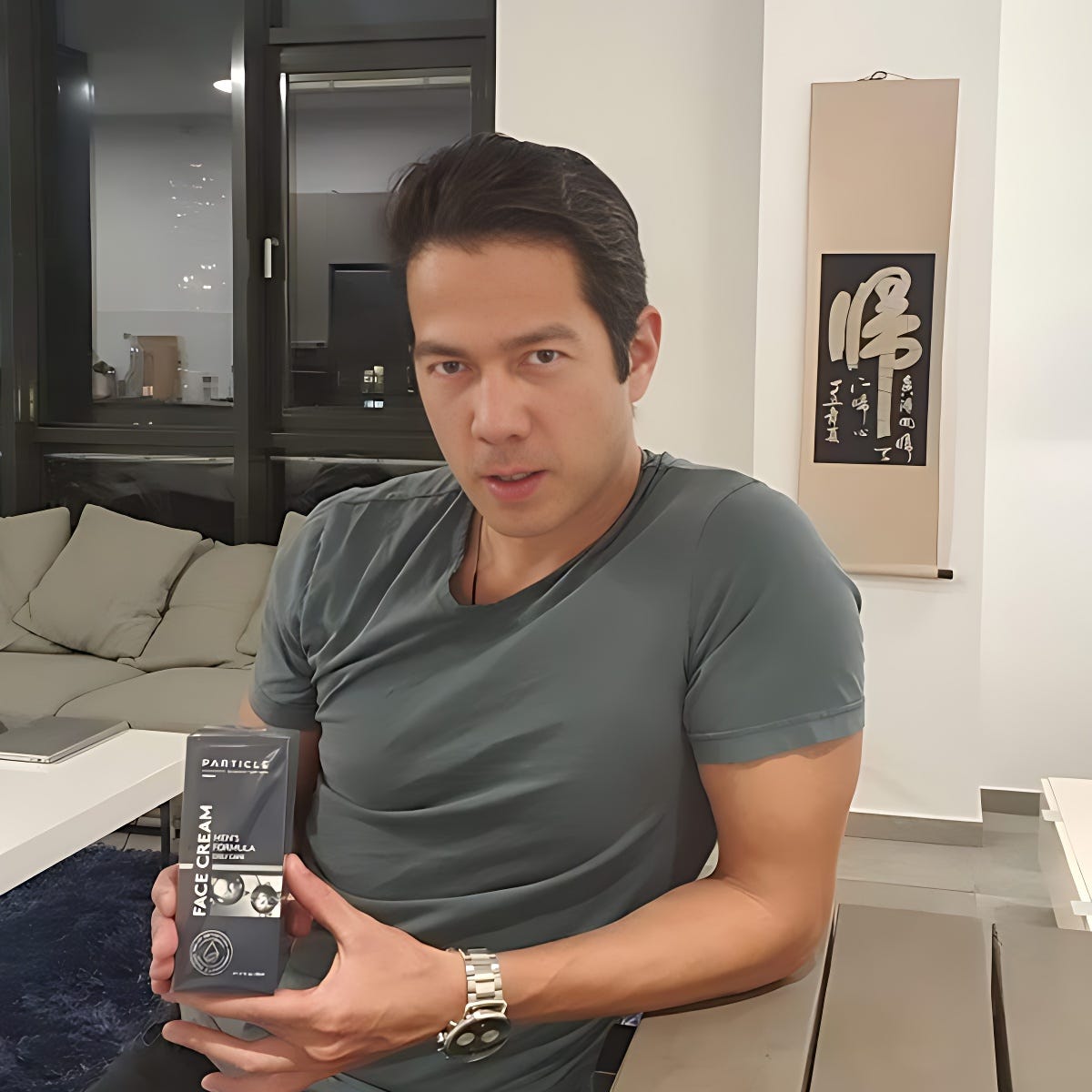
As a part of our series about “Five Things You Need To Know To Succeed In The Modern Beauty Industry”, I had the pleasure of interviewing Ayal Ebert.
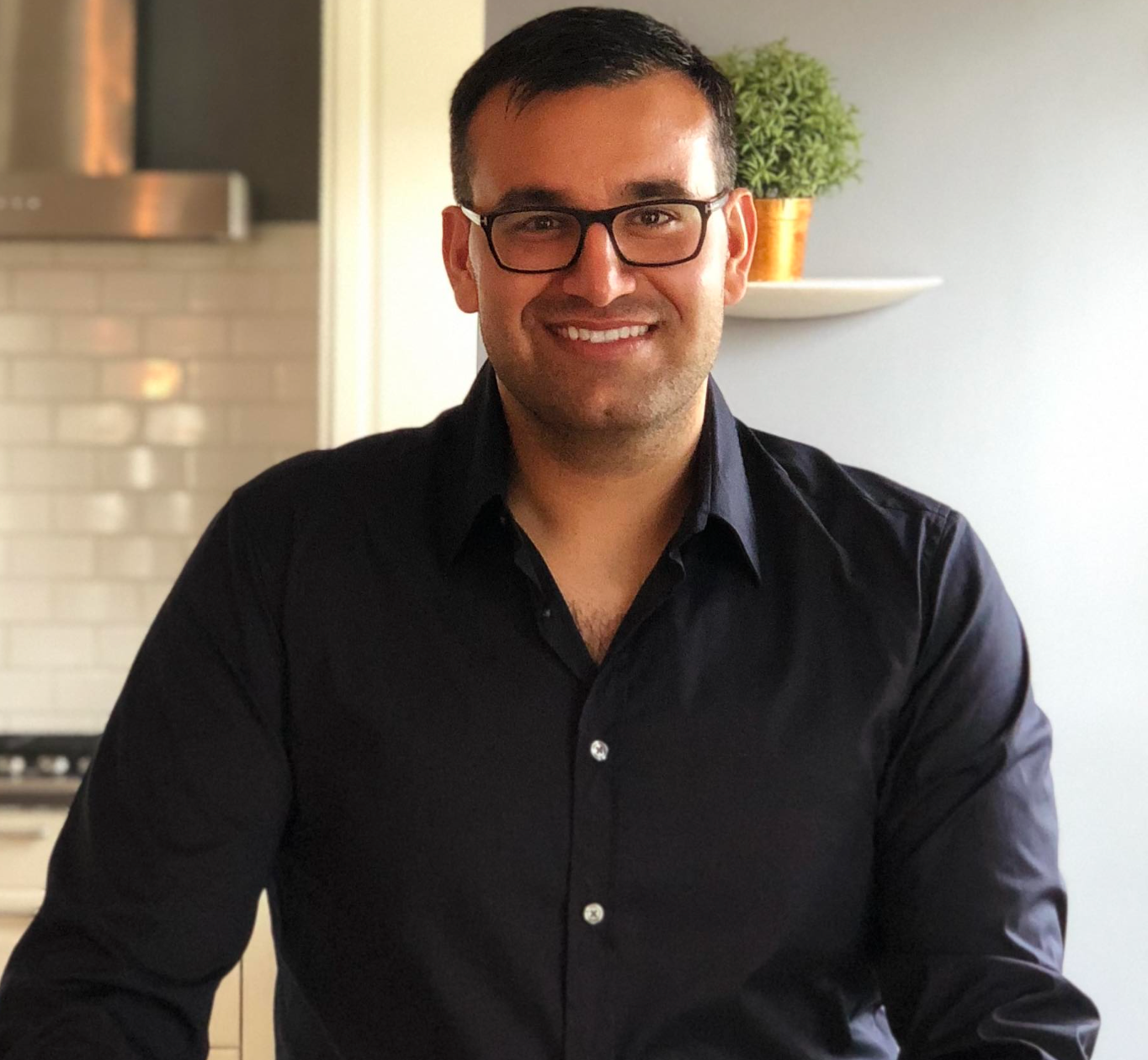
Ayal Ebert is the Co-Founder of Particle For Men. The brand is committed to crafting innovative, anti-aging and rejuvenating skincare solutions for men. Each product in the range is also formulated specifically for the unique attributes of a man’s skin.
Thank you so much for doing this with us! Before we dive in, our readers would love to learn a bit more about you. Can you tell us a story about what brought you to this specific career path?
Around the time I was nearing 40, I felt like getting an anti-aging cream. But in the drugstore, I had no idea what I was looking at. I didn’t understand the terminology and everything was pink — meaning, for women. I tried to get help from one of the sales ladies. It was uncomfortable, and I bought what she told me, which was in fact a product for women.
Back then, I was the co-owner of a media agency and one of the campaigns we were running was a filler botox campaign. It targeted women, but we noticed that a lot of the comments on social media were actually men. My partner and I identified a huge opportunity to target men, and coupled with my own personal experience of the gap in the market, we sold the agency and diverted all our efforts to Particle.
Can you share the most interesting story that happened to you since you began your career?
A couple of years ago, we were about to raise growth capital from a major CPG conglomerate.
We received a term sheet and were about to enter the due diligence phase. However, the process was progressing extremely slowly. In the meantime, we decided to rework our marketing funnel. We took a deep look and ran intense testing. We changed some critical things in the user journey, and suddenly our profit doubled. In a wild turn of events, we didn’t even need that investment. We turned it down! Because of this delay, we built a high growth, profitable company with zero external funding.
Are you able to identify a “tipping point” in your career when you started to see success? Did you start doing anything different? Are there takeaways or lessons that others can learn from that?
I’ve been in the online ad industry for 15 years. One of the aha moments my partner and I both had was about persuasion through information. We found that authentic content worked far better than slick, professional ads. If it seems salesy, too many people shut down. When it’s more neutral and informative, they let their guards down.
At that previous company, we generated revenue through native content. This made all the difference in getting the attention of the consumer. We also found that it’s not about that single ad or a single touch point. It’s about dozens of touch points along the funnel, and many of them are native content. In fact, it’s the most crucial part of the funnel. We continue to use this method today at our grooming company, Particle. Modern marketing is more about storytelling than ever.
None of us are able to achieve success without some help along the way. Is there a particular person to whom you are grateful who helped get you to where you are? Can you share a story about that?
My business partner Guy Falkovitch and myself go way back. We started our first business together back in 2008 and we’ve been partners ever since. We’ve actually been childhood friends since 7th grade.
Each of us has weaknesses and strengths and we always challenge and question each other’s ideas. The key to doing it is by putting ego aside and having a razor sharp focus on whatever it takes to achieve the goal. We’ve achieved a great deal as a duo.
Ok super. Let’s now shift to the main part of our discussion. The global beauty industry today has grown to more than a half a trillion dollar business. Can you tell us about the innovations that you are bringing to the industry? How do you think that will help people?
We created a line for men, and that was very intentional. Men’s skin is different from women’s skin. We are born differently with thick skin, and we also make harsher lifestyle choices. Usually, men spend more time outdoors. We shave and get micro cuts every time we scrape our faces with a blade.
It’s harder for actives to penetrate men’s skin. We create Particle products with ingredients at a higher concentration to go deep and affect cells, like shock therapy. That’s necessary to be effective.
Now, the term metrosexual has gone out of style. Men of all backgrounds want to look good. We live in Zoom meeting culture now, with up close and personal videos. We’ve found that 70% of our customers have never used face cream before, though.
Particle simplifies and makes skincare accessible, since men have less patience for multiple products. The package comes directly to your door — no sales lady necessary, no Sephora.
Can you share 3 things that most excite you about the modern beauty industry?
1. Men’s grooming has become mainstream, likely because of celebs and athletes. Now, there’s nothing wrong with being a handsome well-groomed man. You don’t have to be a smoking, rugged cowboy.
2. Mens skincare is a blue ocean. The way I see it, sky’s the limit worldwide. Korean brands already come to the West, but it’s exciting to bring Western tech to Asia, too.
3. The men’s market is still in its beginnings. Whoever wins the game now can influence the entire industry as a pioneer. That company name will be entrenched in people’s minds.
Can you share 3 things that most concern you about the industry? If you had the ability to implement 3 ways to improve the industry, what would you suggest?
Copycats from Asia are proliferating online in large marketplaces like Amazon. These are low quality, and even dangerous — and can influence how our brand is perceived. Like most premium brands, we’ve spotted fakes, and it’s troubling. The risk there for consumers is not the same as buying a bad t-shirt. Things that get absorbed by your body need to be authentic and safe, full stop.
Sometimes on Amazon, there are cheap solutions and brands. Consumers may be tempted to get the cheapest option there — but there really is a vast difference in the formula, so it’s important not to be tempted. Although they may make the same claims we do, they don’t have the ingredients to back it up. Sadly, Amazon keeps pushing the cheap bestsellers.
The beauty and fashion industry is advancing towards including “every-day” looking models in their campaigns. We feel like the men’s fashion market is still lagging in this area. We put an emphasis on including countless “normal” looking men in our campaigns and not just top models.
You are an expert about beauty. Can you share a few ideas that anyone can use “to feel beautiful”?
Online bespoke brands are worth the investment. Tailored clothes enhance your appearance tremendously — the shop remembers your exact measurements and offers a great deal of variety. They even let you send it back if it doesn’t fit. Get rid of the baggy stuff. Get clothes that fit. Fit is important; baggy isn’t in anymore.
Be consistent. Use your products really consistently if you really want tresults. For people not used to that, it’s a new routine.
Get to know your barber and visit frequently. Don’t look like you just got a haircut. Go every 2 to 3 weeks and the deviation of the way you look day to day will be minimal. Usually, you look silly immediately afterwards. The solution to that is consistent visits.
Here is the main question for our discussion. Based on your experience and success, Can you please share “Five Things You Need To Know To Succeed In The Modern Beauty Industry”. Please share a story or an example, for each.
1. Content is king, copy is key. Hire a copywriter in house to ensure a unified message. Freelancers can cause an inconsistent brand voice.
2. Don’t outsource media buying. It is the most important aspect of your business. You need to master the process — online is all about segmented markets. Don’t use an agency for this. You will most likely lose a lot of money because they are less invested in you as one client among many. Also, if you can’t manage a campaign, then the agency can do a poor job and you won’t even be able to judge their results because you don’t understand the process itself.
3. Test, test, and test. We know nothing. Data is everything, opinion is irrelevant. Get rid of your preconceptions and just test and improve.
4. Spread your manufacturing to a few factories and your warehouse to a few locations. There can be riots, storms, an epidemic. Diversify and don’t put all your eggs in one basket. Don’t depend on one protocol because the unexpected happens.
5. Where things are made is important. Our cologne is made in France by the best perfumers in the world. Legacy and tradition matters, especially with things like fragrance. It adds a lot to our cache and gives credibility for our brand. Indeed, it also affects the quality of the product. The French are very detail oriented there; fragrance is almost a religion, like their wine.
You are a person of great influence. If you could inspire a movement that would bring the most amount of good to the most amount of people, what would that be? You never know what your idea can trigger. :-)
We’re actually already doing that with Particle For Men, we’re helping men take control of their self esteem and confidence. It’s half the population that has been neglected. We feel we’re on a mission and we’re not just another brand.
Can you please give us your favorite “Life Lesson Quote”? Can you share how that was relevant to you in your life?
“If we have data, let’s look at data. If all we have are opinions, let’s go with mine.” ― Jim Barksdale, Former President and CEO of Netscape
Everyone has an opinion, but it’s best to go with the data. That sentiment helped me steer my business in an efficient, scalable, and rapid direction. That’s because it helped me put aside my ego. As it turns out, there is a lot of ego in creative processes!
This attitude shift is why I focus so much on a/b testing today. Today’s environment allows you to do rapid testing. You can test any idea and revise it in hours, which is ideal for e-commerce.
How can our readers follow you online?
You can follow us on Instagram @ParticleForMen
Thank you so much for joining us. This was very inspirational.
AM
Written by
Authority Magazine Editorial Staff
Editorial Desk · Authority MagazineThe Authority Magazine Editorial Desk produces, verifies, and edits long-form primary-source interviews with executives, innovators, clinicians, creators, and social impact leaders across Business, Tech, Pop Culture, Wellness, and Social Impact.

Published inAuthority MagazineTop Lessons, Top Authorities · 42K Followers
Exclusive, curated interviews with the leaders and changemakers shaping tomorrow. Leadership lessons, industry deep dives, and executive profiles.