When a customer came to us and asked for a personalized package and we said “no”, it changed everything. At Wingbuddy, we spend a lot of time perfecting our travel packages and so saying no to personalization allowed us to shift our focus, our time, and our energy to what we do best.
Business
Chris Hakim on Strategic Focus, Saying No to Customers, and Redefining the Travel Industry
The founder and CEO of Wingbuddy shares how narrowing his company's focus and learning the value of effective communication transformed a bootstrap startup into a premier North American tour operator.
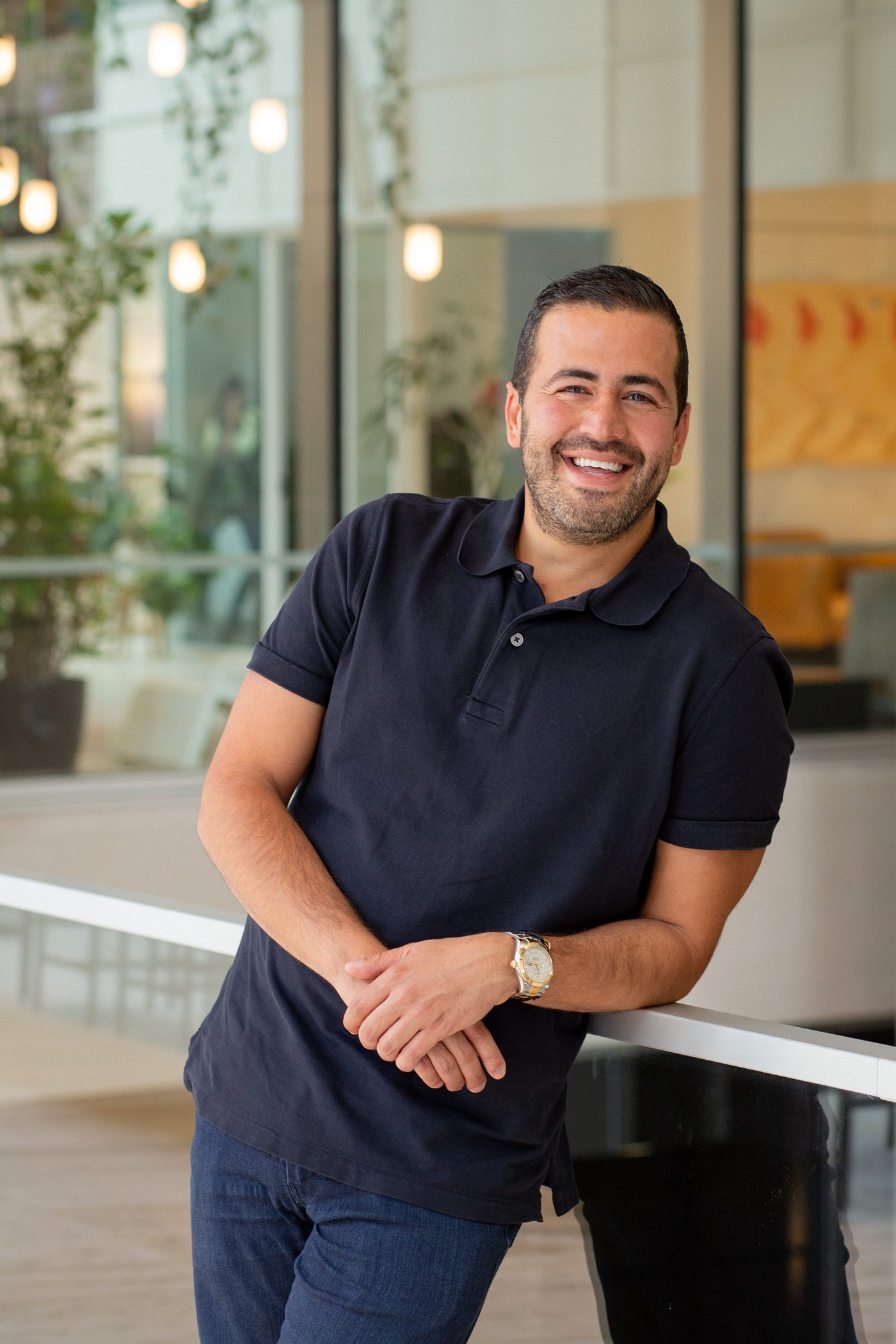
As a part of our series called ‘Five Things I Wish Someone Told Me Before I Became A CEO’ we had the pleasure of interviewing Chris Hakim.
Chris Hakim is a founder and CEO of Wingbuddy, a pioneering travel company reshaping vacation planning. With a passion for efficiency and innovation, Chris launched Wingbuddy in 2012 to transform how travel packages are offered, providing rich, hassle-free experiences. With over 15 years of experience in managing and growing businesses in the travel industry, Chris is dedicated to making travel easy and accessible for all.
Thank you so much for joining us in this interview series! Before we dig in, our readers would like to get to know you a bit more. Can you tell us a bit about your “backstory”? What led you to this particular career path?
Thank you very much for including me in this interview series. I’m excited about the opportunity to share my journey.
In 1986, my dad bought a brick-and-mortar travel agency for my mom, Voyages Routair, so my career path in the travel industry started from a young age. My father worked in sales and so while growing up, I watched both my parents work extremely hard in their respective fields; father’s discipline and my mother’s dedication were unmatched. As I got older, I had the privilege of working with them, especially during my summers off. This gave me my very first taste of the industry, and while I did go on to explore different jobs in other industries, I ultimately decided to come back to travel, where my roots are and where my passion truly lies.
Driven by my passion for travel and desire to improve the travel experience, I founded Wingbuddy in 2012 in a small shared office space with Voyages Routair. It was there that we launched our first two packages to Bali and Italy respectively. Since then, we’ve gone on to develop 100+ packages and build a team of 50 employees. Collectively, we’ve been working towards one goal: to redefine the way tour and cruise packages are offered by making it easier for North Americans to plan and enjoy their vacations through rich and hassle-free travel packages to worldwide destinations.
Hard work and dedication have enabled Wingbuddy to evolve from a startup into a distinguished tour operator of choice across North America. Today, we’re proud to have a growing clientele that exceeds 50,000 happy travelers.
Can you share the most interesting story that happened to you since you began leading your company?
A story or rather a moment that really stands out for me is the first time we said “no” to a customer. While it may seem small now, it was a big deal at the time. In the beginning, as a bootstrap business, we felt that we had to say yes to all opportunities and to all clients in order to be successful, whether that meant curating packages based on specific requests or making things happen for travelers that were outside of our capabilities. So when a customer came to us and asked for a personalized package and we said “no”, it changed everything. At Wingbuddy, we spend a lot of time perfecting our travel packages and so saying no to personalization allowed us to shift our focus, our time, and our energy to what we do best: curate hassle-free travel experiences for customers. And we’ve been doing that ever since.
Can you share a story about the funniest mistake you made when you were first starting? Can you tell us what lesson you learned from that?
We pride ourselves on customer service, providing unique and thoughtful elements for customers when they’re traveling with us. Early on, we had two honeymooners book with us, and so to ensure an extra special and romantic getaway, we planned a series of touchpoints throughout their stay — things like an extra special greeting at the hotel, room decorations, congratulatory elements, etc. Somehow along the way, we gave the hotel a heads up about the wrong couple and so the touchpoints we planned were received by a different, much older couple, not our newlyweds. Fortunately for us, the couple we mistook as our honeymooners were celebrating their 35th wedding anniversary and so warmly accepted our greetings and congratulations as their own — and rightfully so! They had a wonderful and unforgettable experience with us.
Here I learned the value of effective communication and coordination; we work with a lot of different parties to make these trips successful. But I also learned the value that thoughtful touchpoints can bring to a customer’s experience.
None of us are able to achieve success without some help along the way. Is there a particular person who you are grateful towards who helped get you to where you are? Can you share a story about that?
I am so grateful to my parents. They have taught me so much about the value of working hard and from your heart, and inspired my love for travel. They also always told me that no matter what I chose to do in life, to give it my best and my all and that’s always guided me — both in my personal and business philosophy.
I’m also very grateful to a friend that I crossed paths with who really guided and inspired me in my early days of entrepreneurship. They taught me about hard work too, but also how to stay dedicated and develop a business that is focused, which was one of the most important pieces of advice I have received.
Leadership often entails making difficult decisions or hard choices between two apparently good paths. Can you share a story with us about a hard decision or choice you had to make as a leader?
The travel industry is very fragmented so we had a lot of choices to make when it came to the services we wanted to provide our customers. Our first five years were very difficult and our growth was very slow. A big, and very difficult decision for Wingbuddy during this time was choosing to focus the business on experiential travel versus offering a full service travel agency model because it meant saying no to other potentially valuable revenue streams. But, like my friend had told me, I knew we had to establish a focus to ensure sustainable success in the future.
Ok, thank you for that. Let’s now jump to the primary focus of our interview. Most of our readers — in fact, most people — think they have a pretty good idea of what a CEO or executive does. But in just a few words can you explain what an executive does that is different from the responsibilities of the other leaders?
Certainly. While various leaders within an organization play critical roles, the CEO or executive is responsible for setting the overall vision and strategy of the company. They craft the company’s long-term vision, make complex decisions that affect the entire organization, and manage relationships with stakeholders ranging from clients to partners. Executives are responsible for enterprise-level risk management, resource allocation, and shaping the company’s culture and values. While other leaders may influence these areas within their domains, executives provide the leadership and direction that guide the entire organization toward its overarching goals and priorities.
As a founder who remained CEO, I experienced a big learning curve. I was wearing a lot of different hats when we started the business and while I may have called myself a CEO from day one, it wasn’t until we had grown to a certain degree that I actually had the ability to make these impactful decisions and pivot my focus on the wider vision of the company and really feel like a CEO. I’m really grateful for these experiences early on because they’ve really informed my role as CEO.
What are the “myths” that you would like to dispel about being a CEO or executive? Can you explain what you mean?
One common myth that needs debunking is the idea that there is one true CEO position.The truth is that the role of CEO looks different for each company; no business is the same so no CEO position can be the same. These roles demand round-the-clock commitment, with executives frequently juggling multiple responsibilities and facing unexpected challenges. Another misconception is that CEOs have reached the pinnacle of their careers and can relax. On the contrary, the job requires continuous learning and adaptation to stay relevant in rapidly changing business landscapes. Additionally, it’s a fallacy to assume that executives only focus on the big picture without getting into the operational details. Effective leaders at this level understand the importance of diving into the nitty-gritty to ensure their strategies are executed successfully. Lastly, the idea that executives are solely driven by profit is incomplete. Many CEOs and executives are deeply committed to values, social responsibility, and creating a positive impact, and they actively integrate these principles into their decision-making. So, being a CEO or executive is more multifaceted and dynamic than these myths suggest.
What is the most striking difference between your actual job and how you thought the job would be?
The most striking difference between my actual job as an executive and how I initially perceived it would be the level of direct engagement in resolving day-to-day challenges within various departments. When we founded Wingbuddy, I had to do everything myself. Now I have resources and while I anticipated a more high-level, strategic role in the CEO position, I quickly realized that effective leadership requires a hands-on approach, so I’ve been able to keep those same values from my early days with the business. Direct involvement in addressing operational issues underscored the need for a holistic understanding of the entire organization. It’s not just about setting the vision and strategy from a distance; it’s about actively supporting and ensuring the execution of those strategies on the ground. This hands-on aspect has deepened my appreciation for the complexities of running an organization to scale and the importance of being connected to the daily workings of the company. It’s important to stay connected.
Do you think everyone is cut out to be an executive? In your opinion, which specific traits increase the likelihood that a person will be a successful executive and what type of person should avoid aspiring to be an executive? Can you explain what you mean?
First, I’m a big believer that you can achieve anything you set your mind to. Everyone has the ability to evolve and work on themselves so therefore everyone is cut out to be an executive. That being said, I think it’s important to know who you are, and acknowledge your natural strengths as well as your weaknesses, and whether they’ll provide you success as an entrepreneur/executive or an employee. While they’re not the same thing, both routes offer incredible growth opportunities.
Individuals who thrive in structured, specialized roles and prefer singular focuses might find the broader responsibilities of an executive less suited to their strengths. Executives need to balance multiple priorities, make high-stakes decisions, and have a holistic view of the organization. Those who are more comfortable in narrowly defined roles may not enjoy or excel in such a diverse and all-encompassing position. So, aspiring executives should consider whether they have the necessary traits and are willing to embrace the multifaceted nature of the role.
In terms of the specific traits required to be successful in an executive role, they include adaptability, the ability to manage ambiguity, and a knack for strategic collaboration. Adaptability ensures the ability to navigate through ever-changing business landscapes and managing ambiguity is crucial because executives often deal with complex, uncertain situations. Strategic collaboration involves working effectively with diverse teams and stakeholders.
But I’ve learned that the most important traits include visionary thinking alongside an ability to execute and the ability to manage people. Visionary thinking helps set the direction for the organization, but being able to execute your goals sets you up for long term success. Finally, not only do you have to be able to manage people, you must enjoy managing people because your team members are critical to the success of your business.
What advice would you give to other business leaders to help create a fantastic work culture? Can you share a story or an example?
The most valuable advice I can offer to fellow business leaders seeking to create a fantastic work culture is to invest wholeheartedly in their team; you have to put the team first. It’s about fostering an environment where every team member feels valued, heard, and inspired.
Open communication, collaboration, and recognition of achievements are foundational aspects of a positive work culture. These components help build trust and a sense of belonging among the team, and they are essential to creating an environment where everyone can thrive.
However, what truly distinguishes an exceptional culture is when a leader is not just committed but dedicated to the growth of their team. I am obsessed with providing the most pleasant work environment for our employees, and this includes actively championing their development. I work hard to ensure I really know my team members and their profile so that I can provide them the tools to be successful and grow.
Being sincerely interested in your team’s success and viewing yourself as a member of that team can have a profound impact on the work culture. It not only boosts morale but also encourages a sense of loyalty and dedication among team members. When leaders genuinely invest in their people, the result is a workplace where individuals are not only motivated to perform at their best but also feel a deep sense of connection and purpose in their work. This, in my opinion, is the essence of creating a fantastic work culture.
How have you used your success to make the world a better place?
Turning people’s dreams into reality is a truly magical experience. Many individuals dream of travel, and at Wingbuddy, we have the privilege of crafting these dreams into memorable experiences that suit each person’s budget and preferences. Our mission revolves around transforming these dreams into tangible moments and memories.
For me, this is the most beautiful way to make the world a better place — by inspiring people to dream, explore, and connect with the world around them. Travel has the power to broaden horizons, foster cultural understanding, and create moments that inspire, uplift, and bring joy. It’s about more than just selling travel packages; it’s about enabling individuals to embark on journeys that can enrich their lives and leave a positive impact on the destinations they visit.
Through our work, we not only promote the joy of travel but also contribute to the global tourism industry, supporting economies and communities worldwide. Travel allows us to really see parts of the world and debunk stereotypes or misconceptions. We believe that by facilitating travel experiences, we’re playing a part in making the world a more interconnected and understanding place, one trip at a time.
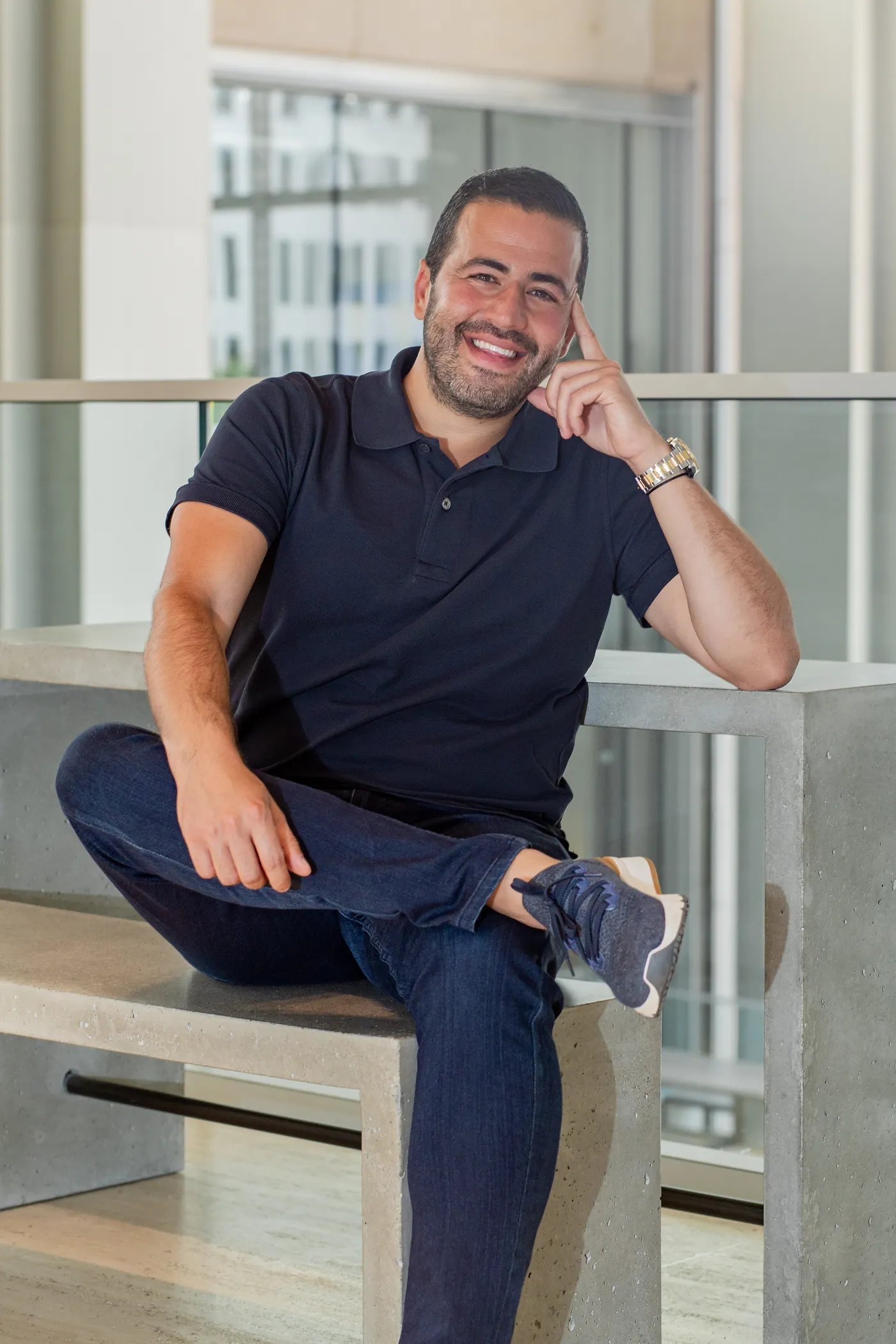
Fantastic. Here is the primary question of our interview. What are your “Five Things I Wish Someone Told Me Before I Became A CEO” and why?
The five things I wish someone had told me before I became a CEO are:
1) First, you have to balance vision and execution. When I founded Wingbuddy, I threw myself into so many different roles because I gave the company ambitious goals to achieve. These goals guided my day to day work and responsibilities. It’s a cycle: without the overarching vision, I wouldn’t feel motivated in my day to day work and without accomplishing the day to day responsibilities, we wouldn’t achieve our goals. Vision is nothing without being able to execute it and vice versa. It’s so important to pair these skills, and that’s why even though my role as CEO keeps me a bit further from the day to day roles and responsibilities, I choose to stay close to these parts of the business.
2) The art of deep listening. This doesn’t just mean hearing someone; it involves suspending judgment and reading between the lines to ensure you’re understanding the person. While this practice should refer to all stakeholders of your business, it is especially important for employees. I remember years ago we promoted one of our employees — she was doing exceptional work. But her promotion meant she now had a role that was vastly different from her previous position, so she started to underperform. We thought we gave her what she wanted, but soon realized that we had gotten it wrong. Once we better understood her personal and professional goals, we were able to adapt her role to ensure she could continue to learn and grow while also leveraging her skills, making her more happy.
3) The power of adaptability. I think back to the couple we mistook as honeymooners. While it wasn’t our original plan to shower a couple for their 35th wedding anniversary getaway, it definitely ended up that way. Not only is travel sometimes unpredictable, the travel industry certainly is and as a CEO, you have to be comfortable with being uncomfortable and adapt quickly and calmly to change.
4) The impact of small victories. It’s so important to celebrate company wins, no matter the size, no matter the level of the business. Celebrating these wins helps foster an environment where team members feel valued and motivated. It’s also a good way to remind myself to remain grounded and in touch with all levels of the business and its achievements.
5) But the single most important lesson I’ve learned as a CEO is the importance of narrowing your focus. As I’ve mentioned throughout this interview, narrowing and focusing your scope gives you the ability to grow a sustainable business. Focus on one thing, do it right and do it really well, then you can build from there. From saying no for the first time to a customer to choosing to focus Wingbuddy’s energy on experiential packages, I’ve seen firsthand the value and continued payoff that this piece of advice has provided our business. I’m grateful to the friend that told me this years ago; while it was only a concept then, it is now a mantra.
You are a person of great influence. If you could inspire a movement that would bring the most amount of good for the greatest number of people, what would that be? You never know what your idea can trigger.
I would inspire a movement that benefits local communities around the world through tourism — especially countries with populations in more need than others.
Can you please give us your favorite “Life Lesson Quote”? Can you share how that was relevant to you in your life?
My favorite quote comes from John Maxwell: “Sometimes you win, sometimes you learn.” It’s so great because it reminds us that we never actually lose. Failure is really important for personal and professional growth and it’s these moments that ultimately teach us the most.
We are very blessed that some very prominent names in Business, VC funding, Sports, and Entertainment read this column. Is there a person in the world, or in the US with whom you would love to have a private breakfast or lunch with, and why? He or she might just see this if we tag them
Definitely Sylvester Stallone. I’m a huge Rocky fan, so he’s been a hero of mine since I was a kid. That role really marked my youth because his character’s underdog story reinforced in me the value and pay-off of hard work. But I’m also a big fan of Stallone’s personal philosophy; he’s a big inspiration for me.
Thank you for these fantastic insights. We greatly appreciate the time you spent on this.
About the Interviewer: Douglas E. Noll, JD, MA was born nearly blind, crippled with club feet, partially deaf, and left-handed. He overcame all of these obstacles to become a successful civil trial lawyer. In 2000, he abandoned his law practice to become a peacemaker. His calling is to serve humanity, and he executes his calling at many levels. He is an award-winning author, teacher, and trainer. He is a highly experienced mediator. Doug’s work carries him from international work to helping people resolve deep interpersonal and ideological conflicts. Doug teaches his innovative de-escalation skill that calms any angry person in 90 seconds or less. With Laurel Kaufer, Doug founded Prison of Peace in 2009. The Prison of Peace project trains life and long terms incarcerated people to be powerful peacemakers and mediators. He has been deeply moved by inmates who have learned and applied deep, empathic listening skills, leadership skills, and problem-solving skills to reduce violence in their prison communities. Their dedication to learning, improving, and serving their communities motivates him to expand the principles of Prison of Peace so that every human wanting to learn the skills of peace may do so. Doug’s awards include California Lawyer Magazine Lawyer of the Year, Best Lawyers in America Lawyer of the Year, Purpose Prize Fellow, International Academy of Mediators Syd Leezak Award of Excellence, National Academy of Distinguished Neutrals Neutral of the Year. His four books have won a number of awards and commendations. Doug’s podcast, Listen With Leaders, is now accepting guests. Click on this link to learn more and apply.

Published inAuthority MagazineTop Lessons, Top Authorities · 42K Followers
Exclusive, curated interviews with the leaders and changemakers shaping tomorrow. Leadership lessons, industry deep dives, and executive profiles.