I have a background in founding, scaling, and successfully exiting two startups: Climate Cups Ltd and Bowes Media Ltd.
Business
Charlie Bowes-Lyon of Wild: Inside the Strategy to Eliminate Single-Use Bathroom Plastics Through Sustainable Innovation
Co-Founder and CMO Charlie Bowes-Lyon discusses scaling Wild into a top-performing eco-friendly startup, securing vital seed funding, and redefining sustainable consumer habits.
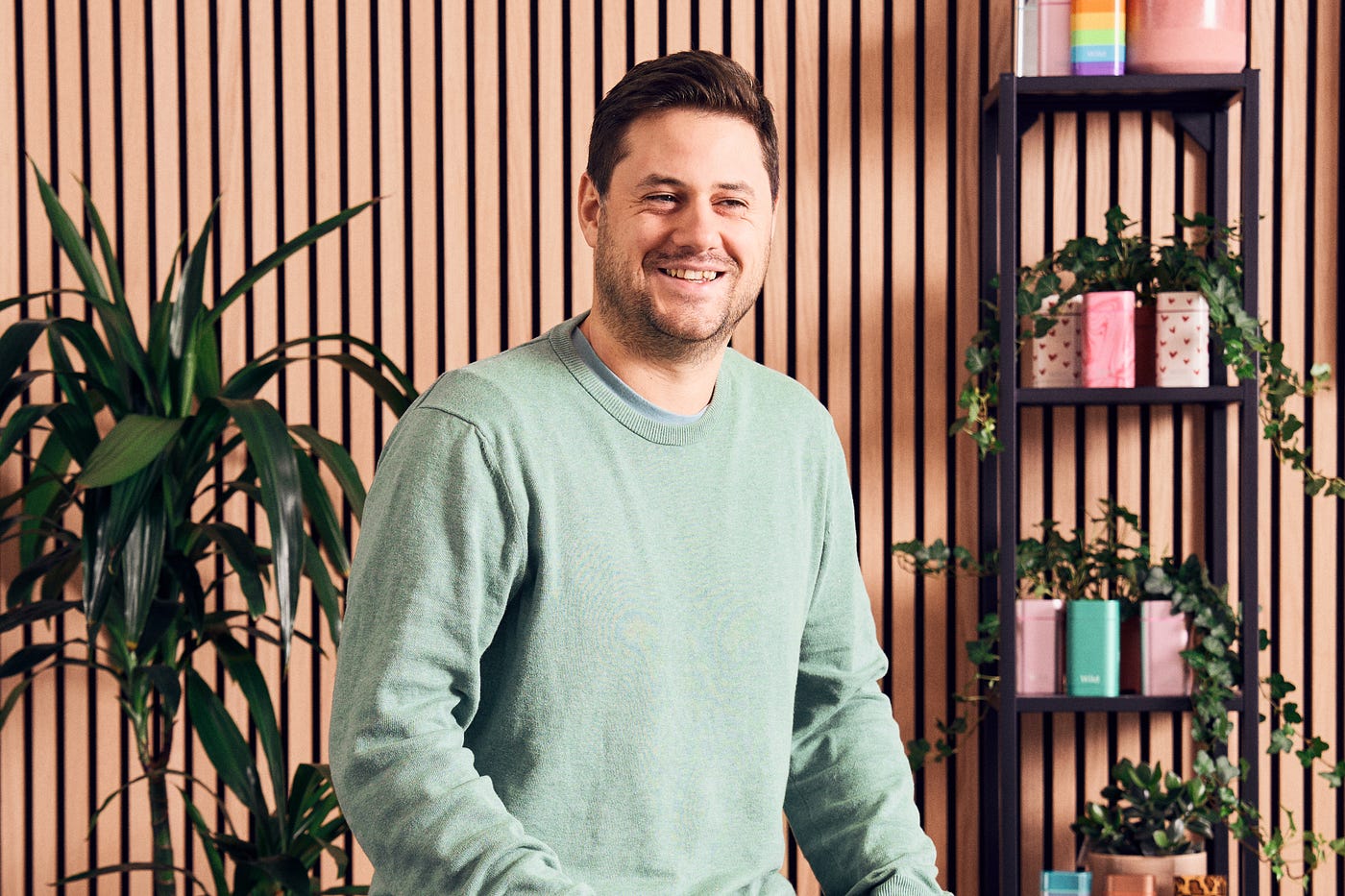
Startups have such a glamorous reputation. Companies like Facebook, Instagram, Youtube, Uber, and Airbnb once started as scrappy startups with huge dreams and huge obstacles. Yet we of course know that most startups don’t end up as success stories. What does a founder or a founding team need to know to create a highly successful startup? In this series, called “Five Things You Need To Create A Highly Successful Startup” we are talking to experienced and successful founders and business leaders who can share stories from their experiences about what it takes to create a highly successful startup. As a part of this series, we had the pleasure of interviewing Charlie Bowes-Lyon.
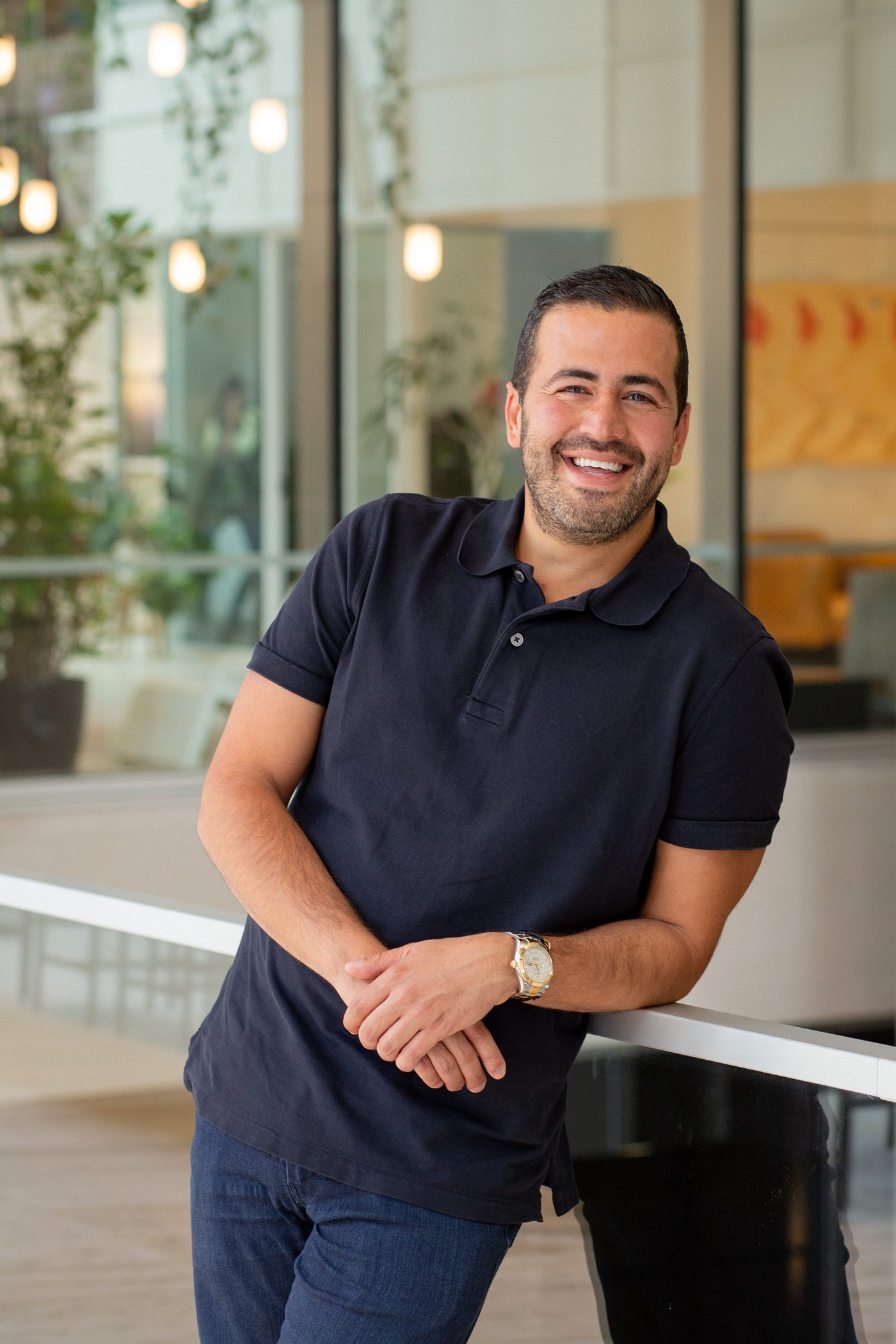
Charlie Bowes-Lyon is a seasoned entrepreneur with a track record of founding and successfully exiting startups, including Climate Cups Ltd and Bowes Media Ltd. As a former Director at Hatch Group (now Nest Performance), he provided strategic consultancy to leadership teams of renowned London startups. Currently serving as the Co-Founder and CMO of Wild, Charlie is driving the company’s mission to eliminate single-use plastic from bathrooms with natural, refillable alternatives, earning recognition as the fastest growing UK startup over the last 3 years (according to the Times) and achieving significant sales and global impact.
Thank you so much for joining us in this interview series! Before we dive in, our readers would love to “get to know you” a bit better. Can you tell us a bit about your ‘backstory’ and how you got started?
I have a background in founding, scaling, and successfully exiting two startups: Climate Cups Ltd and Bowes Media Ltd. During my time at Hatch Group (now Nest Performance), I served as a Director, helping to build leadership teams in some of London’s most well-known startups, including Harry’s, Resident, Simba Sleep, Papier, Me&Em, and others.
Currently, I am the Co-Founder and CMO of Wild, where I oversee all marketing, brand, and tech initiatives, as well as the product roadmap since its launch. Wild, a UK-based company, embarked on a mission in 2020 to eliminate single-use plastic from bathrooms through natural, refillable alternatives. Recognised as the top UK startup to watch in The Times shortlist, Wild achieved sales of £26.2 million in 2022 with growth close to 100% in 2023. Since its inception, Wild has sold over 15 million refills, successfully replacing more than 500,000 kgs of single-use plastic from bathrooms globally and garnering over 25,000 5* reviews.
What was the “Aha Moment” that led to the idea for your current company? Can you share that story with us?
The idea for Wild originated in 2019 with a pivotal “Aha Moment” that my childhood friend, Freddy Ward (formerly the director of marketing at HelloFresh) and I dreamt up during a day long “lock in” to come up with a business idea. We sensed a substantial unmet demand for a modern, convenience-driven brand that could seamlessly combine natural and sustainable elements without compromising performance or customer experience. Motivated by this insight, we embarked on the journey to develop a 100% biodegradable deodorant, with only the refillable case being an exception, consciously harsh chemicals and pore blockers like aluminum salts commonly found in typical antiperspirants. Remarkably, within our first 9 months of the official launch, we managed to do over £5 million in sales, validating our belief in the market need for our innovative product.
Was there somebody in your life who inspired or helped you to start your journey with your business? Can you share a story with us?
Perhaps unusually, I don’t think there was a specific individual who inspired me to start this journey. It was more a culmination of accidental events where I had ended up founding businesses that gained real traction and I realised, running companies is what I enjoyed and what motivated me. In addition, I strongly felt that in the modern world, business has to be both ethical and profitable, and those two things shouldn’t get in the way of each other. The environment was where I felt we could make the biggest impact, as arguably the biggest threat to mankind, and so that was where we focused.
What do you think makes your company stand out? Can you share a story?
What sets our company apart is not just our commitment to removing single-use plastic from bathrooms but our resilience and growth during challenging times. In the early peak of the coronavirus pandemic, we secured a substantial £500,000 in seed funding from Angels in January 2020, followed by a late seed round led by JamJar Investments in August. This support allowed us to achieve remarkable growth, surpassing 4000% from our product trial in 2019 to 2020 and acquiring over 150,000 customers.
Our dedication to sustainability and innovation is evident in our product offerings. Beyond the success of our natural deodorant, we introduced an innovative bamboo refill for shower gel, marking a significant stride toward a more eco-conscious future. The recognition as the top UK startup to watch in The Times shortlist, coupled with our impressive sales of £26.2 million last year, underscores our impact. In addition to reducing plastic waste; we’re actively contributing to environmental conservation by planting over 450,000 trees in global reforestation projects to date. This holistic approach to sustainability, coupled with our strategic growth amidst challenges, give us a very unique story amongst UK businesses.
How have you used your success to bring goodness to the world?
Our success has been a catalyst for positive change in several ways. Beyond our primary mission of removing single-use plastic from bathrooms with natural, refillable alternatives, we have actively contributed to environmental and social goodness. With the proceeds from our success, we have undertaken significant tree-planting initiatives. To date, we have planted 450,000 trees, contributing to reforestation efforts and supporting ecosystems. We recognise the importance of spreading awareness about sustainability. Our success has enabled us to invest in educational initiatives, helping consumers make informed choices about their environmental impact and fostering a greater understanding of eco-friendly alternatives.
Being conscious of our social responsibility, we engage with and support local communities. Whether it’s through employment opportunities, partnerships with local businesses, or supporting charitable causes, we strive to have a positive impact on the communities where we operate. Our success has allowed us to continue innovating in the eco-friendly product space. Introducing groundbreaking solutions like the bamboo refill for shower gel showcases our commitment to providing sustainable alternatives and encouraging a broader shift toward conscious consumerism. By promoting the use of refillable products, we actively contribute to the concept of a circular economy. This approach minimises waste and emphasises the continual use and reuse of materials, reducing the overall environmental footprint.
You are a successful business leader. Which three character traits do you think were most instrumental to your success? Can you please share a story or example for each?
Optimism coupled with ambition. I think both are these, whilst quite different are really important when building a business. On one had you have to strive ambitiously to create something that either hasn’t been done before or is much better than what has been done before whereas on the other hand you have to wholeheartedly believe that you can make it work. Constant optimism needs to persist through good and bad times and should facilitate you to constantly iterate on your offering you that you can find increasingly more ways to create success.
I also think you can’t run a company without resilience. There have been many occasions where we’ve faced challenges at Wild, and each time we’ve rallied the team and found a way through. There’s no doubt we launched a business during one of the most turbulent periods in history with Covid, the Ukraine war, Brexit and recent macroeconomic events all having a large impact upon us. This resilience not only allowed us to overcome the challenges but also strengthened our ability to navigate unforeseen obstacles, setting the stage for sustained success.
I’ll also never lead a team without empathy. Recognising the importance of employee well-being, I make a concerted effort to foster a positive and supportive workplace culture. During a particularly demanding project, I’ll take the time to understand the challenges faced by team members, adjusting deadlines and providing additional resources where needed.”
Often leaders are asked to share the best advice they received. But let’s reverse the question. Can you share a story about advice you’ve received that you now wish you never followed?
I love this question — almost everyone you speak to in the early days of building a business offers an abundance of advice and often this is very useful. But sometimes, it’s the complete opposite. I remember clearly just before launching, a potential investor asked us how much stock we’d ordered. When we told them, they were horrified as they thought we’d ordered about 10x too much and would bankrupt the business on stock before we’d even started. Luckily we didn’t listen to them and sold all that stock out within the first month.
Can you tell us a story about the hard times that you faced when you first started your journey?
Launching in Covid was simultaneously good and bad for us. On the one hand, it was a great time for sales. Everyone was at home on social media seeing our ads, and we blew up in a crazy way as a result. On the other hand, our operations practically ceased overnight. We were the smallest client of many of our new suppliers and when suddenly half their work force was staying at home, they just dropped us. That meant we were ghosted, ignored and generally told that suppliers had to capacity for us. We had to work really hard to bargain our way to getting what we needed to make the products but I think it took us a good 6 months to be able to make enough product to actually catch up with demand!
Where did you get the drive to continue even though things were hard? What strategies or techniques did you use to help overcome those challenges?
I think maintaining a positive outlook is very important. Of course you have to be realistic and be wary of worrying signs but you can’t just quit when things get a little tough. When Russia invaded Ukraine, we found that the cost of several of our deodorant ingredients skyrocketed and this was super worrying for the business but as a result we rallied to find other areas that we could improve margin and make the business more efficient. The result is that as those initial ingredients became more obtainable again, the margin wins we’d made then served to boost the profitability of the business.
The journey of an entrepreneur is never easy and is filled with challenges, failures, setbacks, as well as joys, thrills and celebrations. Can you share a few ideas or stories from your experience about how to successfully ride the emotional highs & lows of being a founder”?
Navigating the emotional roller coaster of entrepreneurship is indeed a formidable challenge. I guess a big part of it is understanding that setbacks are part of the entrepreneurial journey. When faced with challenges, try to view them as opportunities for learning and growth rather than insurmountable obstacles.
Surround yourself with mentors, advisors, and a supportive network of fellow entrepreneurs. Sharing experiences with others who understand the challenges can provide valuable insights and emotional support. I also always acknowledge and celebrate even the smallest victories. Entrepreneurship is a series of milestones, and recognising achievements, no matter how minor, helps maintain motivation and morale.
Finally, I think maintaining a life outside of work is important. Whether it’s exercise, seeing friends or spending time with family, you have to be able to switch off a little bit from time to time. I always make sure I take a 2 week holiday once a year as I think that gives you a proper amount of time to relax and then when it’s over you find yourself raring to go again and eager to get back.
Let’s imagine that a young founder comes to you and asks for your advice about whether venture capital or bootstrapping is best for them? What would you advise them? Can you kindly share a few things a founder should look at to determine if fundraising or bootstrapping is the right choice?
A huge first step is also to focus on developing a robust proof of concept with traction and a clear path to profitability before seeking external funding.
Then assess if your business requires significant upfront investment for rapid growth or if it can grow steadily without massive capital infusion. Consider whether your market demands quick capture and if timing is critical for success, as VC funding can expedite growth. Determine your willingness to relinquish control and ownership, as VC funding often comes with equity dilution. Ensure also to assess your financial security, as bootstrapping involves more financial responsibility.
Ultimately, the decision depends on the nature of the business, the founder’s goals, risk tolerance, and the competitive landscape. Carefully weigh these considerations and seek advice from mentors and peers with relevant experience.
Ok super. Here is the main question of our interview. Many startups are not successful, and some are very successful. From your experience or perspective, what are the main factors that distinguish successful startups from unsuccessful ones? What are your “Five Things You Need To Create A Highly Successful Startup”?
- Product Market Fit. Achieving product-market fit is crucial, but it’s not always necessary to have it immediately. Many successful startups have evolved their products based on early user feedback and market insights, including us. As an example, our deodorant had immediate product-market fit but our body-wash has taken a bit of time to work out what people wanted. Both are now successful products but they just had different paths to success and some products need more iteration than others.
- Launch Imperfectly. Waiting for a perfect product can lead to missed opportunities. It’s often more effective to launch with a minimum viable product to gather real-world feedback and iterate based on user responses. We launched pretty quickly and pivoted the product once we had initial feedback. We’ve done this over and over. Customer feedback is essential to success and so waiting for everything to be perfect before you launch may just waste a year of your time (especially if it then turns out that you don’t have product market fit).
- Social media provides a real-time platform for interaction with potential customers. Utilising this data for immediate feedback and market research can be a powerful tool in refining products and marketing strategies. From the very start we created a VIP group of customers who are fanatical about Wild. We now have over 10,000 people in that group and they provide for us instant feedback on anything, including future product launches. This really helps to define our product strategy as we get a very good idea about what customers will like / not like before launching it.
- Multi-Channel Approach. Relying on a single channel for customer acquisition or revenue can be risky. Diversifying your approach across various channels helps with risks associated with changes in the market or unexpected challenges. Many companies are very reliant upon Meta for example, but if Meta has a bad couple of months this can then overly affect the business. We strive to have no channel be responsible for more than 30% of revenue at any given time.
- Hire for Attitude over Experience. While experience is valuable, hiring individuals with the right attitude, cultural fit, and a willingness to learn can be more crucial for a startup. Startups often require adaptability and a shared vision among team members. We famously hire young people, straight from college or university, who are excited to be a part of a startup and bring energy that is palpable and contagious. Skills can be taught but attitude tends to be innate.
What are the most common mistakes you have seen CEOs & founders make when they start a business? What can be done to avoid those errors?
“Founders often make the mistake of a lack of market research. It’s so important to undertake thorough market research to understand customer needs, competitors, and industry trends. It’s also a huge mistake to ignore financial realities — take the time to develop a detailed financial plan, future you will thank yourself for it.
Don’t ignore scalability either — design systems with scalability in mind and regularly optimise operations for growth. Lastly, be willing to adapt. Stay agile, adapt to market trends, and be willing to pivot your strategy when needed.”
Startup founders often work extremely long hours and it’s easy to burn the candle at both ends. What would you recommend to founders about how to best take care of their physical and mental wellness when starting a company?
“Maintaining physical and mental wellness is paramount for startup founders navigating the demanding journey of entrepreneurship. Establishing a consistent daily routine that includes dedicated time for work, breaks, and personal activities helps prevent burnout and fosters a healthy work-life balance. I always prioritise sufficient and quality sleep — it’s fundamental for emotional well-being. Additionally, be at peace with the fact you’re going to have to work very hard. If you don’t have the desire or drive to do that, then probably it’s not the right thing for you.”
You are a person of great influence. If you could start a movement that would bring the most amount of good to the most amount of people, what would that be? You never know what your idea can trigger. :-)
Ha! I’m not sure about that but I think my greatest interest is tied to our reforestation project. To steal a phrase from others, trees are quite literally the lungs of the earth and over time we’ve reduced their count by a crazy amount resulting in famine, new deserts, weather distortions (lack of rain), reduction in animal life / biodiversity etc. etc. This is the reason we work so closely with our charity partner OnAMission. If we can make a noticeable difference in replanting forests that grow and thrive, the impact on the planet could be genuinely mind-blowing for us and all future generations.
We are blessed that some very prominent names in Business, VC funding, Sports, and Entertainment read this column. Is there a person in the world, or in the US with whom you would love to have a private breakfast or lunch, and why? He or she might just see this if we tag them.
There’s maybe two (slightly ambitious) people. The first is Obama, I think he could have achieved so much more without the shackles of the Republican congress and it’s a shame he didn’t get the chance, but also I think he’s an example of an ethical man in an ultimate position of power who managed not to sell his soul despite all the hardships that come with being president. No one is perfect, but the world certainly felt a slightly more reliable place in those days. The second is Elon Musk. Different from the Obama, I think he’s often perhaps not ethical, has an ego and is a little bit crazy at times BUT that’s also what makes him great. If mankind truly wants to advance, we need people like him, real inventors and risk takers who will do things no one else has dreamt of. Ultimately the future generations will rely on the ideas and inventions of these people.
How can our readers further follow your work online?
You can find us at wearewild.com or get updates from my on my LinkedIn https://www.linkedin.com/in/charlieboweslyon/
This was very inspiring. Thank you so much for the time you spent with this. We wish you continued success and good health!
About the Interviewer: Douglas E. Noll, JD, MA was born nearly blind, crippled with club feet, partially deaf, and left-handed. He overcame all of these obstacles to become a successful civil trial lawyer. In 2000, he abandoned his law practice to become a peacemaker. His calling is to serve humanity, and he executes his calling at many levels. He is an award-winning author, teacher, and trainer. He is a highly experienced mediator. Doug’s work carries him from international work to helping people resolve deep interpersonal and ideological conflicts. Doug teaches his innovative de-escalation skill that calms any angry person in 90 seconds or less. With Laurel Kaufer, Doug founded Prison of Peace in 2009. The Prison of Peace project trains life and long terms incarcerated people to be powerful peacemakers and mediators. He has been deeply moved by inmates who have learned and applied deep, empathic listening skills, leadership skills, and problem-solving skills to reduce violence in their prison communities. Their dedication to learning, improving, and serving their communities motivates him to expand the principles of Prison of Peace so that every human wanting to learn the skills of peace may do so. Doug’s awards include California Lawyer Magazine Lawyer of the Year, Best Lawyers in America Lawyer of the Year, Purpose Prize Fellow, International Academy of Mediators Syd Leezak Award of Excellence, National Academy of Distinguished Neutrals Neutral of the Year. His four books have won a number of awards and commendations. Doug’s podcast, Listen With Leaders, is now accepting guests. Click on this link to learn more and apply.

Published inAuthority MagazineTop Lessons, Top Authorities · 42K Followers
Exclusive, curated interviews with the leaders and changemakers shaping tomorrow. Leadership lessons, industry deep dives, and executive profiles.