Had it not been for those failures, and for persisting and persevering through the muddy parts, we would have never created the pasta and rice that our customers now enjoy around the world.
Business
Arash Hashemi of Kaizen Food Company: The Resilience and Iteration Mindset That Transformed Repeated Product Failures Into a Global Plant-Based Brand
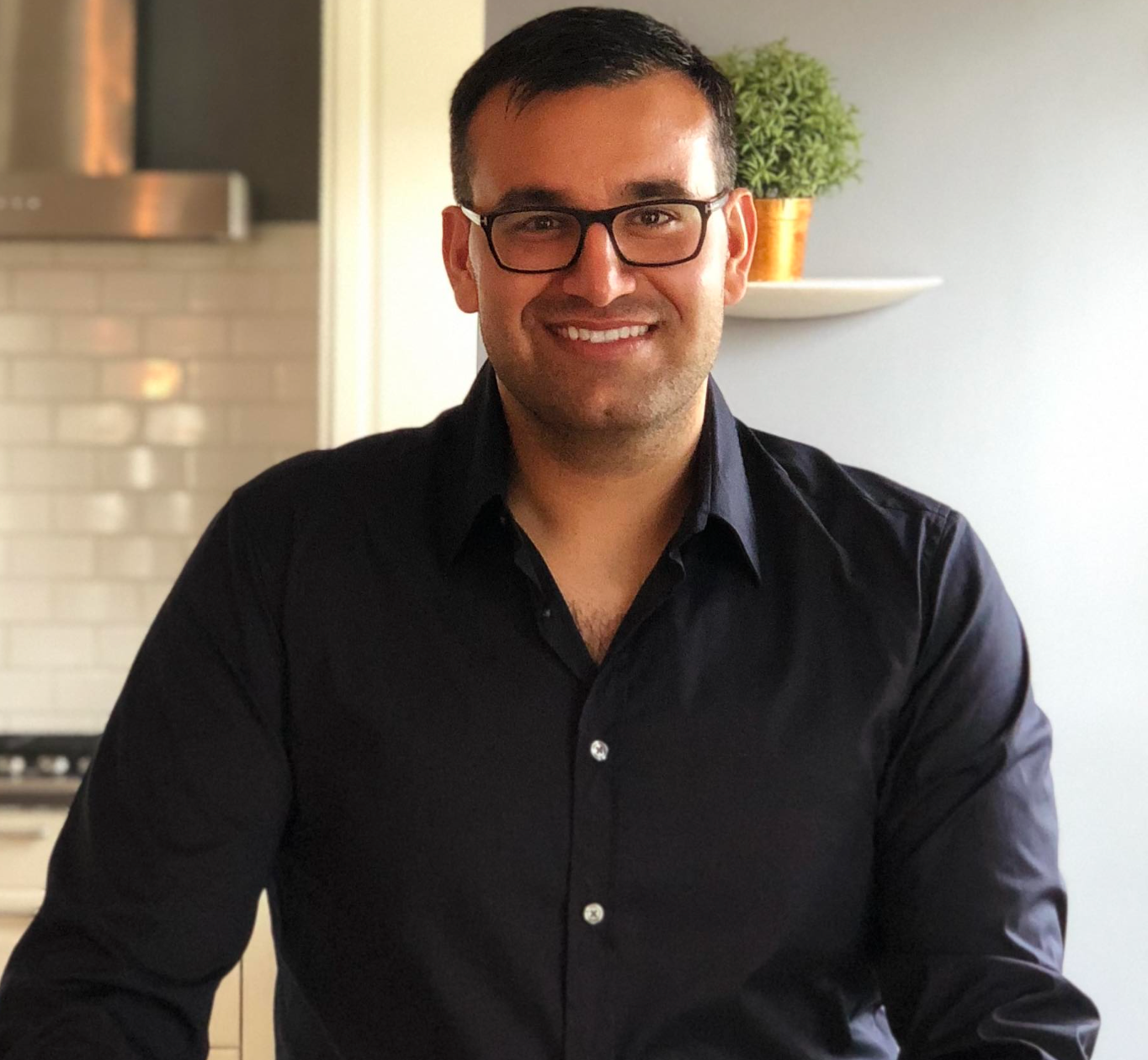
The plant-based revolution is here. As consumers globally are shifting towards more eco-conscious and health-oriented choices, the demand for plant-based products has never been higher. From food and beverages to cosmetics and clothing, the plant-based industry is blossoming with opportunities. But how does one tap into this growing market? What are the key ingredients to launching and scaling a successful plant-based product business? In this interview series, we are exploring the world of plant-based entrepreneurship. We are talking to founders, product developers, industry experts, and innovators who have successfully navigated the plant-based business landscape. As a part of this series, we had the pleasure of interviewing Arash Hashemi.
Arash Hashemi is the co-founder of Kaizen Food Company, a food and recipe influencer and an Ironman triathlete. He spent years in corporate finance and strategy before walking away to build a more fulfilling career from the ground up. That led to a transformative weight loss journey he documents on social media and ultimately, his own food brand with an innovative, low-carb and high protein lupini bean pasta as its flagship product.
Thank you so much for joining us in this interview series! Before we dive into the main focus of our interview, our readers would love to “get to know you” a bit better. Can you tell us a bit about your childhood backstory?
It’s a pleasure to speak with you!
I’m a son of Iranian immigrants. I was born in the US and lived the life so many in the Middle East and many other parts of the world can only dream of. From a young age, I learned the importance of hard work, humility, and resilience from my parents. They set an incredible example for my brother, sister and me. At the age of almost 50, they left a world they had always known for the unknown so that we could have a better life with more opportunity.
I was born in the US, but lived a number of years in Tehran, Iran and Halifax Canada before returning back to Amherst Massachusetts.
These moves were tough, but they ultimately helped shape how quickly I adapt to new environments, change, and building relationships with people from all walks of life.
You are a successful leader. Which three character traits do you think were most instrumental to your success? Can you please share a story or example for each?
I’m continuously learning and improving, but what’s helped me most is perseverance, persistence, and learning to accept failure as part of the overall journey.
The biggest example of this is our Kaizen pasta that my wife Madalina and I set out to create back in 2018. We started the journey in our home kitchen and faced roadblock after roadblock during the commercialization process. We must have tested over 500 recipes and manually blended tens of thousands of pounds of flour before we launched our first product in 2019 — only for it be a major flop with consumers.
It was a tough lesson, but Madalina and I stayed the course. We chose to believe in our mission and chose to focus on why our product failed and what the specific feedback was from consumers.
We went back to the drawing board in May 2020, and launched a revamped version in January 2022, only for it to flop again. But this time, we learned more and got additional feedback that we acted on.
It wasn’t until May 2022, almost 4.5 years after our initial foray into the pasta business, that we ultimately created Kaizen. Had it not been for those failures, and for persisting and persevering through the muddy parts, we would have never created the pasta and rice that our customers now enjoy around the world.
What are some of the most interesting or exciting projects you are working on now? How do you think that might help people?
We have a number of products in the pipeline. Our goal at Kaizen is to create lower carb, higher protein versions of everyone’s favorite foods, starting with pasta and rice. Our pasta has 85% fewer carbs than regular pasta and almost 3x the protein of the regular stuff, so its miles ahead of what anyone can find on the shelf today. If you think about the US adult population, almost 45% is overweight and 1 in 3 has prediabetes. Despite these startling statistics, pasta shelves continue to be dominated by starchy options. Our main focus is to make our pasta and rice products more accessible for consumers in stores, and then introduce similarly innovative products in our pipeline soon thereafter.
OK, thank you for all of that. Let’s now shift to the core focus of our interview about creating a successful plant-based product business. What inspired you to enter the plant-based product industry? Did you have a turning point or eureka moment that led you into the plant-based industry? Can you share some key milestones that helped shape your journey to success?
I struggled with weight my entire life, and at one point, was close to 350lbs. I don’t know my exact weight because at one point I just stopped stepping on the scale. This is despite trying every possible diet you can imagine.
It wasn’t until I started creating healthier versions of my favorite foods that I was able to become healthier and actually sustain my weight loss. My weight loss journey was focused on creating lower carb, higher protein versions of my favorite foods. I started the journey with hardly any knowledge of the food or nutrition space, and actually started documenting my journey on Instagram through my account Shredhappens. It felt incredible as I started to build a community and saw others use my ideas as inspiration.
Through this process, I realized that there were lower carb, higher protein alternatives for just about all my favorite foods except one thing. If you know me, you know I love pasta. But the challenge was that none of the lower carb alternatives (like zoodles, heart of palm, or butternut squash) really satisfied me.
So one night in 2018, my wife Madalina and I set out to create one. We initially started by using almonds, but over time, reformulated and began using the lupini bean. That’s what our Kaizen pasta uses as our main ingredient today. Lupini beans are naturally low carb, pack a ton of protein, and are incredibly sustainable crops.
What do you believe are the key factors behind the recent surge in demand for plant-based products, and how can aspiring entrepreneurs authentically tap into this growing trend?
Consumers are becoming increasingly savvy when it comes to their diets, the nutrition label, and arguably most importantly, the individual ingredients that make up our foods. And of course, there are environmental and sustainability considerations.
For us at Kaizen, the lupini bean offered considerable health and nutrition benefits that enabled us to offer the biggest innovation in the pasta category since chickpea pasta. So for us, it was predominately through the lens of health consciousness. We had felt a void in the pasta aisle and felt the lupini bean offered an incredible opportunity to help reshape it.
For others, this can be different depending on their values. For some, it can be environmental considerations (I should also add, that lupini beans are considered one of the most sustainable crops in the world), ethical or animal welfare considerations, accessibility, or a range of other values.
Ultimately, your conviction in your values is the most critical enabler in how well you lead a community on your mission will be key to long-term success as a change agent.
How do you envision the evolution of consumer preferences in the next 5–10 years?
Consumers are generally becoming more savvy. While there was a strong focus on the nutrition panel (the number of calories, fat, or protein) on the back of the packaging, they are now focusing their attention to the individual ingredients, the origin of those ingredients, and the quality of those ingredients.
You see that with eggs, and the shift from traditional to cage free to pasture raised. You see that with grass-fed beef. You see that with added sugars. You see the shift away from seed oils. These are incredibly important strides.
What is your favorite plant-based product (not necessarily your own) and what makes it stand out? What can we all learn from the appeal of that product?
I am of course biased and prefer my own pasta, but I’d say the non-dairy industry in general has made incredible strides. I absolutely love Malk Organics almond milk. Its not only delicious, but the ingredients are best in class. I love Coco June coconut yogurt — it is just so delicious. And I love Coconut Cult chocolate moose. It is so rich, decadent, and the perfect treat.
Based on your experience, what are some of the biggest myths or misconceptions people have about the plant-based industry?
I think the biggest misconception is that plant-based foods are only for vegans. And unfortunately, a lot of times diets can be polarizing between groups of people. I truly enjoy trying plant-based products. I find the advancements in food technology to be quite impressive, and many times find the plant-based alternatives to not only have better ingredients, but actually taste better than the normal versions. Plant-based is for everyone — those who are fully vegan, those looking to reduce animal-based protein consumption, or those who’ve chosen to embrace a flexitarian approach.
Developing and marketing plant-based products often involves unique challenges, from sourcing quality ingredients and sustainable packaging to building a brand that resonates with consumers. What strategies have you found most effective in overcoming these hurdles?
This is an excellent point. I think the challenges here ultimately vary by brand and product.
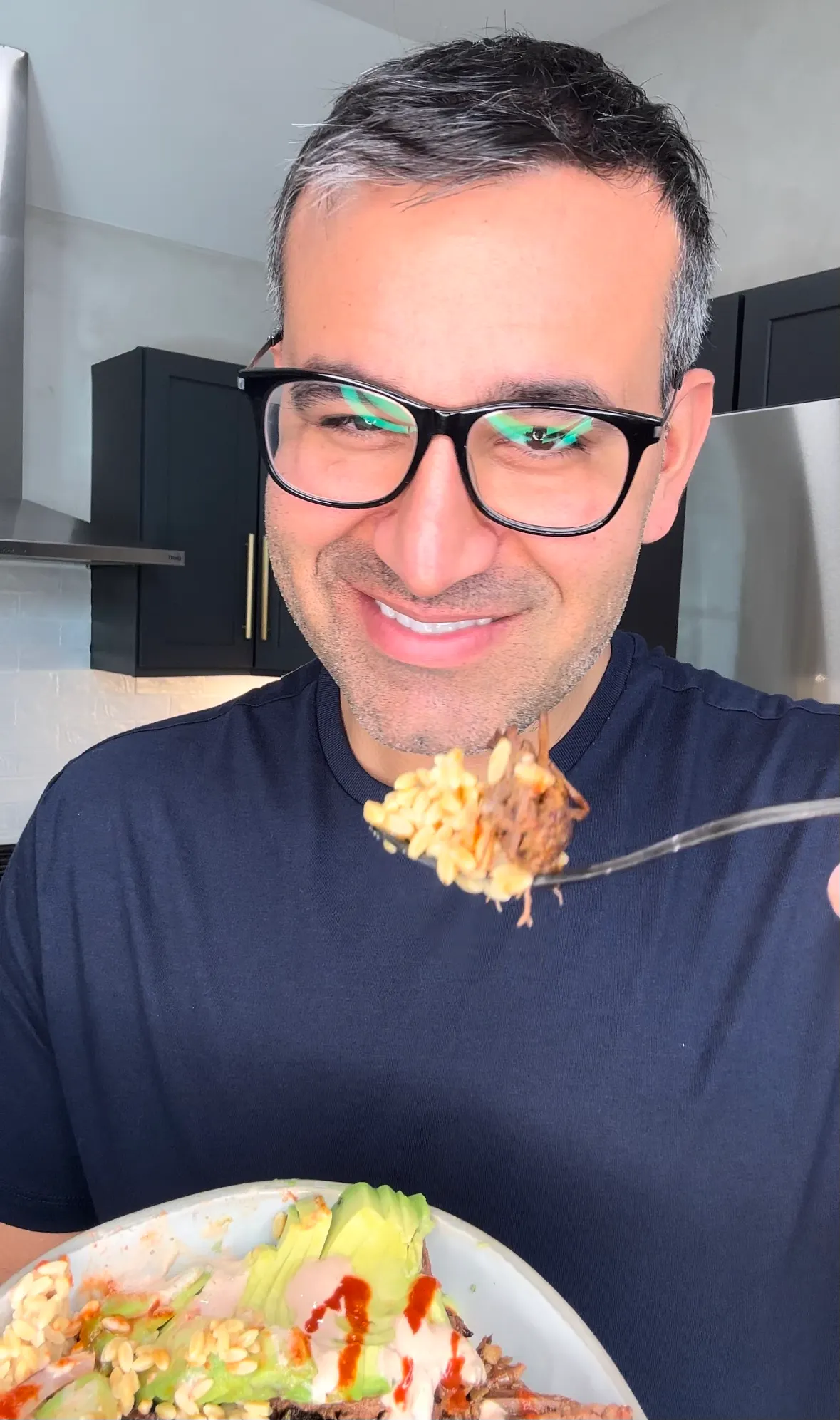
For us, we use the lupini bean, which is an ancient superfood used for centuries, but a lesser known legume in the United States. So, we have more of an educational challenge ahead of us. So, we use our social media channels to help shed light on the bean. We put it front and center, talk about its benefits, talk about its uses, and help consumers see all the different ways it can be enjoyed with their favorite recipes.
We provide our educational content via how we feel consumers consume it best: short-form video on Instagram, Tiktok, and Facebook.
The plant-based market continues to evolve and grow. What advice can you offer to individuals looking to launch their own plant-based product businesses? Are there any critical lessons or insights you’ve gained along the way that you’d like to share with aspiring entrepreneurs in this field? Based on your experience can you please share your “5 Things You Need To Create A Successful Plant-Based Product Business”.
1 . Identify a unique, innovative solution to a real problem. This may be a new product altogether, but doesn’t necessarily mean that it needs to be one. Its critical to stand out in the competitive market. What makes you unique? It could be your ingredients, the nutritional profile, how the product is ultimately consumed, or even the packaging.
2 . Focus on quality, taste, and experience. Yes, consumers want plant-based foods and healthier alternatives, but they also want the products to taste good and feel the same. Remember our initial almond pasta? It was unique and innovative, but it was a flop because it didn’t replicate the real pasta experience. Its not just enough to be unique anymore. The product has to look, taste, and feel good.
3 . Branding and accessibility. Consumers want a personal connection to the brands they bring home and put on their kitchen table. It is more important than ever to build a sense of community and interact with your consumers. Having a social media presence is a non-starter, and its more important than ever to authentically engage with the consumers who choose to support you. Afterall, they are the reason you are in business.
4 . A culture of continuous improvement. Launching your product is the beginning of a long continuous improvement journey. Stay close to customers so you can gauge feedback on not only your product, but your packaging, marketing, and sales channels. Actively solicit feedback from your repeat customers and find ways to address the feedback.
5 . Start small before you scale. This goes for everything from packaging, to marketing, to sales channels. Staying small helps you test and adapt quickly. We had very important learnings about our cooking instructions once we launched the latest version of Kaizen in May 2022. Had we ordered more packaging to take advantage of volume cost savings, we would have had to destroy thousands of cartons. By starting small, we were able to quickly adjust our packaging.
How does your business align with sustainability and ethics in the plant-based industry, and how does this alignment impact your brand’s success and customer trust?
Lupini beans are one of the most sustainable crops in the world. Lupini beans have a low environmental impact, and in fact, contribute to biodiversity preservation. Lupini plants have nodules on their roots that host nitrogen-fixing bacteria. This means they can help enrich the soil with nitrogen naturally, reducing the need for synthetic fertilizers.
What certifications and regulations are essential for new plant-based brands to uphold their values as they grow?
In my view, having Non-GMO products is essential for today’s consumers. Consumer beliefs, values, and concerns about food quality and environmental impact have evolved tremendously over the last 3–5 years, and non-GMO products are a non-starter.
Can you please give us your favorite “Life Lesson Quote”? Can you share how that was relevant to you in your life?
“Most people never pick up the phone and call. Most people never ask, and that’s what separates the people who do things from the people who just dream about them.” — Steve Jobs.
Entrepreneurship is a tough, scary, and sometimes lonely journey. But it doesn’t have to be. Being proactive and taking initiative can unlock so much.
You are a person of great influence. If you could start a movement that would bring the most amount of good to the most amount of people, what would that be? You never know what your idea can trigger. :-)
My wife Madalina and I are devastated by the amount of suffering in the world, and especially so when children are involved. I would love to start an organization that focuses on eradicating the global hunger crisis.
This is what we call our “matchmaker question”, and it sometimes works. Is there a person in the world whom you would love to have a power lunch with, and why? Maybe we can tag them and see what happens!
I regularly think about how I would love an in-depth conversation with Gwyneth Paltrow. She is a visionary in the health and wellness space, and in addition to her perspectives and insight in health, she is an extremely savvy businessperson I’ve long admired.
How can our readers further follow your work online?
Certainly! They can find me on Instagram, Facebook, or Tiktok on @Shredhappens. They can find Kaizen pasta at KaizenFoodCompany.com
Thank you for these really excellent insights, and we greatly appreciate the time you spent with this. We wish you continued success and good health!
About the Interviewer: Wanda Malhotra is a wellness entrepreneur, lifestyle journalist, and the CEO of Crunchy Mama Box, a mission-driven platform promoting conscious living. CMB empowers individuals with educational resources and vetted products to help them make informed choices. Passionate about social causes like environmental preservation and animal welfare, Wanda writes about clean beauty, wellness, nutrition, social impact and sustainability, simplifying wellness with curated resources. Join Wanda and the Crunchy Mama Box community in embracing a healthier, more sustainable lifestyle at CrunchyMamaBox.com.
WM
Written by
Wanda Malhotra
Editor & Journalist · Authority MagazineWanda Malhotra is a contributing interviewer at Authority Magazine covering Wellness and Business, conducting primary-source Q&A interviews with founders, executives, and industry leaders.

Published inAuthority MagazineTop Lessons, Top Authorities · 42K Followers
Exclusive, curated interviews with the leaders and changemakers shaping tomorrow. Leadership lessons, industry deep dives, and executive profiles.