Being adaptable — be known for solving challenging problems, not specific problems.
Tech
The Hidden Superpower of Every Great Leader: Google’s Kiranbir Sodhia of On Uncovering the Traits That Separate Good Leaders from Exceptional Ones
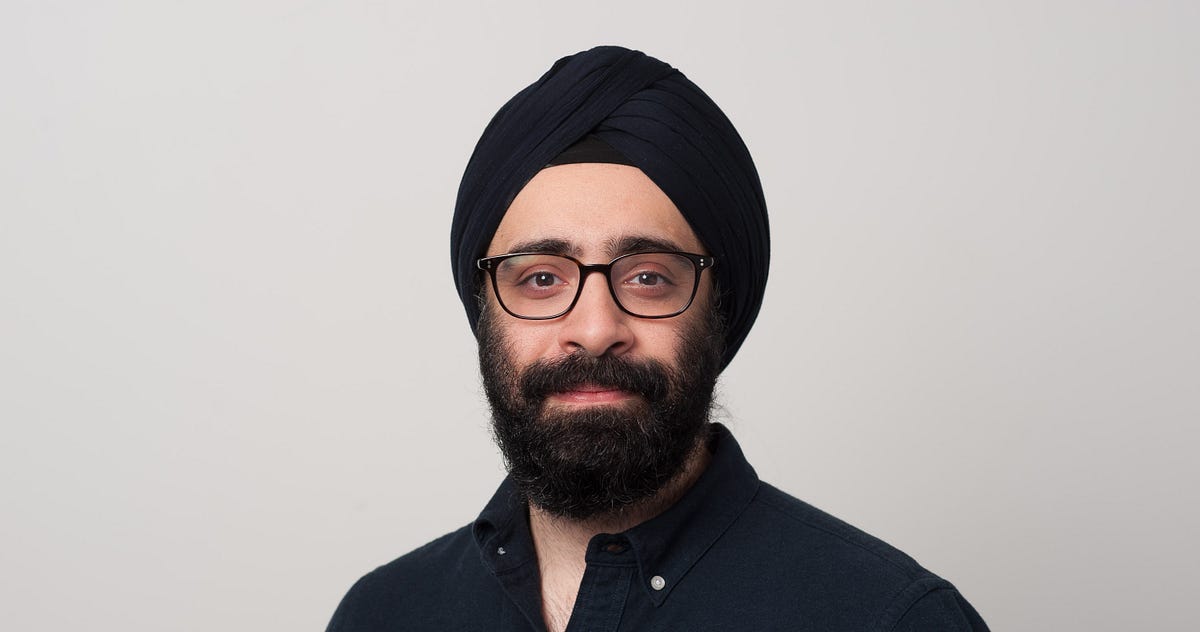
What is it that makes certain leaders stand out and achieve extraordinary results? Beyond technical skills and strategic thinking, great leaders often possess hidden superpowers — those intangible traits that set them apart. These traits enable them to inspire others, foster trust, and drive innovation even in challenging environments. As part of this series, we are interviewing Kiranbir Sodhia.
Kiranbir Sodhia, a distinguished leader and engineer in Silicon Valley, California, has spent over 15 years at the cutting edge of AI, AR, gaming, mobile app, and semiconductor industries. His expertise extends beyond product innovation to transforming tech teams within top companies. At Microsoft, he revitalized two key organizations, consistently achieving top workgroup health scores from 2017 to 2022, and similarly turned around two teams at Google, where he also successfully mentored leaders for succession. Kiranbir ‘s leadership is characterized by a focus on fixing cultural issues, nurturing talent, and fostering strategic independence, with a mission to empower teams to operate independently and thrive. Kiranbir Sodhia: Transforming Tech Teams; Cultivating Leaders.
Thank you so much for joining us in this interview series. Before we dive into our discussion, our readers would love to “get to know you” a bit better. Can you share with us the backstory about what brought you to your specific career path?
Thanks for inviting me! I guess the first part of my career is somewhat typical. Since I was 12, I wanted to work with computers. I loved programming, and I loved playing video games. I remember wanting to work on the Xbox when my parents wouldn’t buy me one.
I then followed a traditional path of studying engineering, getting an internship at Garmin, and eventually moving to Apple. After about five years, I wanted to have a larger impact on the programs I worked on, so I joined Microsoft for the opportunity to build a team.
Microsoft is where I really transformed my career. Like a lot of new managers, I had difficulty transitioning into the role. I cared about details that didn’t matter. I was micromanaging and ultimately didn’t know if managing was what I wanted to do. I went in with a mindset about how I could do much more if I led a team of people like me. Things changed when my team was asked to take a product from concept to production in only six months. I couldn’t get to everything, so I started delegating areas. Pretty soon, I started seeing my team deliver on those areas quickly, and in many cases, with solutions I never would’ve thought of. I realized I was getting in the way of my team.
So, I started making changes and asking myself how to be a better manager. I was lucky that Microsoft gave me a lot of room to make mistakes and learn. As I became a better manager, I was asked to lead more teams. I learned how to deal with new situations like transitioning teams after program cancellations, performance management, growing careers, and more. Creating or fixing teams and making them independent became some of my interests. I’ve been lucky to do that while learning and working in different areas, including eventually working on Microsoft’s Xbox video game console — 15 years after I wanted one!
Can you share the most interesting story that happened to you since you started your career?
I have a ton of stories, but one that I’ve been sharing recently that surprises people is how I’ve never worked at a company that didn’t reject me at least once. Garmin rejected me the first time I interviewed for an internship. Apple only gave me an offer after my second interview attempt. It took me four tries to get into Microsoft! After I joined, I was promoted four times over nine years. Finally, I joined Google on my third attempt.
A quote from Michael Jordan has always resonated with me: “I’ve failed over and over and over again in my life. And that is why I succeed.”
What do you think makes your company stand out? Can you share a story?
Having worked at many big tech firms, I can tell you they all succeed for different reasons. People hear about how we are a bottom-up culture where ideas can come from anyone. Having had a chance to work here, I can confirm that is the case. In fact, I can’t think of one technology or idea that my organization owns that came from anyone above the level of senior staff engineer and, in many cases, they came from someone much more junior than that.
Recently a senior engineer on my team had an idea for an AI framework that could benefit different products at our company. Their original idea was ambitious and generally something other organizations would pursue. However, they presented us with a business opportunity that we thought would be beneficial, so we gave them the space to work on it. Over nine months, they communicated progress, talked to customers, designed a solution, pivoted that solution, and incubated the framework. As a result, they presented the prototype to a leadership team that collectively manages over 2000 individuals. The program was funded, and we now have over 30 engineers in four organizations contributing to it and 100 developers adopting this framework. It’s continuing to grow rapidly.
I like this story because it’s one of the many I see each year in my organization, and it demonstrates how ideas can come from anyone and how you can be a leader regardless of your career stage.
You are a successful business leader. Which three character traits do you think were most instrumental to your success? Can you please share a story or example for each?
I wouldn’t go so far as to say that, but I’m always trying to be better. One thing I’ve always worked towards is maintaining a growth mindset. In your first question, I shared how I was getting in my team’s way and needed to trust and give them autonomy. I constantly seek feedback without being defensive. I remember I can always improve.
I also communicate transparently because that is what I appreciate. I remember when one of our products was canceled. There was a debate about discretion on the next steps because we didn’t know what was next, but we wanted to provide psychological safety. I decided I would be open with the team. These were smart people and adults. It was more important for me to keep them informed, than worry about how they might receive the news. I let them know where we went wrong, how we could pivot our future, and that there was a risk of layoffs. At the end of that meeting, I didn’t know if people would stick around. Unexpected was how many people stepped up to go back to the drawing board and brainstorm a path forward. We did indeed chart a path forward, we didn’t make any cuts, and I gained much more trust.
The last one that comes to mind is genuinely caring about my team, which has led me to focus on multiple areas. First, I’ve been supportive when people need it. That encouraged people to take risks, and it encouraged strong performers to stay at the company if they needed a break. Second, focusing on their growth further grew mine. I constantly study and work to remain technical to recognize and understand their ideas. Finally, I recognize when a team has outgrown me and it’s time to leave.
Ok, thank you for that. Let’s now jump to the primary focus of our interview. What makes someone exceptional?
There is certainly not one thing. Having grown many people into leaders and managers, I’ve learned managers achieve success for different reasons. Some of them promoted innovation, constantly bringing new opportunities to the team. Some of them were excellent mentors and created high-performing teams. Some were pragmatic, taking complex technical or organizational challenges and organizing the chaos to provide clarity.
If anything, exceptional leaders recognize the strengths and weaknesses of their team. They coach them to improve their weaknesses and leverage their strengths.
How do exceptional leaders leverage emotional intelligence to inspire and influence their teams?
The most significant aspect is self-awareness. Leaders have to be capable of recognizing how their actions and words affect others. Having and showing empathy provides psychological safety to their teams. It allows people to speak up when there are issues and to take risks when they know leadership has their back. It’s also what allows leaders to listen and hear sentiment rather than needing to probe for it. When you tie all that together, it gives leaders the insight to motivate and inspire their teams.
What role does humility play in the success of great leaders, and how is it demonstrated in their behavior?
First off, humility shouldn’t be confused with ignoring your own strengths. You should absolutely do that and lean into that. You should also celebrate your team’s success and your own success.
Earlier I talked about having a growth mindset. Being humble is essential to that. It’s important to recognize that, no matter your success, there are always areas to improve. Moreover, great leaders hire people who are more intelligent than they are and can admit they don’t know everything or are wrong. That’s what allows their team to share ideas, speak up when things are wrong, and ultimately course correct. Leaders should have opinions, but they should hold them weakly. Staying humble allows you to know when you have to leave to make room for changes or make room for others to grow.
How do exceptional leaders navigate difficult conversations and foster open communication in their organizations?
An expression I’ve shared is that managing is the easiest job in the good times and the most challenging job in the bad times.
When the economy is strong, teams are strong and a manager’s job is really to reward their team, give them space, and not screw things up. To be blunt, that’s a time when managers are the most useless.
The job becomes much more difficult when you have to share bad news. Delivering critical feedback to someone who isn’t performing well is difficult. Canceling a project is challenging. Moving a team forward after layoffs is difficult. That is when managers have to step up.
It goes back to being transparent in communication. It goes back to being humble when you don’t know something or when you are wrong. It also means recognizing that a conversation will be difficult but it is your job to have it. That’s when you need to be brave and remember that something is probably wrong if it doesn’t feel difficult. You can have difficult conversations while still being kind.
When you lead by example, are transparent, have a growth mindset, and are humble, you embody what you expect from your team. You demonstrate to your team that difficult conversations can be embraced, that feedback should be shared directly, and that this is an opportunity to learn.
What makes adaptability a superpower in leadership, and how do the best leaders exemplify it?
I’ve often used the term adaptability when building teams. We hire people who can embrace challenges. We know we can leverage temporary staffing when we need one specific thing for a period. But when we hire people, we look for those who know that the job they perform today might not be what they do a year later.
Leaders best demonstrate this by embracing new challenges. When the time comes, you should never turn down work because you believe it’s beneath you. You shouldn’t turn down work because you don’t know how. You should step up.
It’s absolutely right for you to know and say what you are good at. You can be great at creating designs, great at executing, or great at innovating. But what can really grow leaders and teams is being known for solving challenging problems — whatever they are. That requires adaptability.

What are your “Five Traits That Separate Good Leaders from Exceptional Ones”?
I’ll revisit and summarize some of the points I shared earlier since I’ve already shared some of those stories.
- Having a growth mindset and staying humble.
- Transparent communication, especially when it’s difficult.
- Genuinely caring about your team, recognizing them, and growing them.
- Being adaptable — be known for solving challenging problems, not specific problems.
- The last one I’ll share is my primary value in leading teams, which I didn’t discuss earlier. Trust your team and provide autonomy. You hired smart people. Define the vision, but give them space to solve complex problems. Celebrate and recognize their successes. Coach them and share feedback when they make mistakes. Trust that they will do what is best for the team and the company, and be transparent and humble so they trust you.
How do great leaders balance confidence with vulnerability to create stronger connections with their teams?
As I shared earlier, you must recognize your strengths and celebrate successes. However, remaining humble and sharing where you’ve made mistakes promotes the idea of a growth mindset. When teams recognize there are always opportunities to learn and improve, it creates a culture where others are willing to share more feedback to benefit everyone’s growth.
What strategies do exceptional leaders use to consistently recognize and nurture talent within their organizations?
Looking back at everything I’ve shared, a consistent theme is caring for an individual’s growth. Recognizing their successes and strengths encourages individuals to know where to lean in further and where they can add value when solving problems.
Nurturing talent also means recognizing their weakness, being unafraid to share that feedback, and coaching them. Promoting a growth mindset asks everyone to know there are always areas they can improve, ultimately driving their development and growth.
You are a person of great influence. If you could start a movement that would bring the most amount of good to the most amount of people, what would that be? You never know what your idea can trigger. :-)
I want a world where pineapple is never a pizza topping.
Jokes aside, I’ve been thinking a lot lately about a world in tech where everything is open-sourced. I’ve been a fan of Formula 1 racing lately; thank you, Drive to Survive. One of the ideas I’ve resonated with is how cars have new engineering advantages every year. However, the competition can pick up those design advantages in the upcoming year and become faster. It promotes a culture where you move forward if you retain talent that generates new ideas but still allows everyone to advance.
Instead of companies using their advantages and building moats and cash cows, if they share their work, it promotes a culture of always needing to innovate. It promotes a culture where talent that innovates is valued more. That allows anyone to create new things even if they aren’t at large companies. That innovation advances society faster.
How can our readers further follow your work online?
The best way to follow me is on LinkedIn at https://www.linkedin.com/in/kiranbir
Thank you for the time you spent sharing these fantastic insights. We wish you only continued success in your great work!
About the Interviewer: Cynthia Corsetti is an esteemed executive coach with over two decades in corporate leadership and 11 years in executive coaching. Author of the upcoming book, “Dark Drivers,” she guides high-performing professionals and Fortune 500 firms to recognize and manage underlying influences affecting their leadership. Beyond individual coaching, Cynthia offers a 6-month executive transition program and partners with organizations to nurture the next wave of leadership excellence.
CC
Written by
Cynthia Corsetti
Editor & Journalist · Authority MagazineEditor and journalist at Authority Magazine, sharing in-depth executive interviews, leadership insights, and empowering stories from world-class founders and creators.

Published inAuthority MagazineTop Lessons, Top Authorities · 42K Followers
Exclusive, curated interviews with the leaders and changemakers shaping tomorrow. Leadership lessons, industry deep dives, and executive profiles.
More from Authority Magazine
See all stories →A
Authority Magazine Editorial StaffBrandon Wade & Dana Rosewall on Why ‘Yes’ People are a Liability and the “Painful” 180-Degree Redemption Story
Tech27 min read

Y
Yitzi WeinerAmazon’s Lauren Stovall Talks AWS Nonprofit Programs, Enterprise AI and the Push for Unrestricted Funding
Tech22 min read
G
Gabriel Borden, Managing Partner at Arrow FundGuardians of AI: Kerstin Woods of Toshiba America Business Solutions On How AI Leaders Are Keeping AI Safe, Ethical, Responsible, and True
Tech17 min read
A
Authority Magazine Editorial StaffFrom New York Wild Child to Bali Wellness Queen: Inside Meghan Pappenheim’s Spiritual Empire
Tech20 min read