The technical team sees the information problem. The operational leader sees a capacity problem. The clinician sees a potential interruption in the daily workflows. All three perspectives are valid and need to be addressed for this to be successful.
Tech
Danielle K. Miller of The Pivot Nurse: Why Tech Adoption Fails When You Treat Clinical Workflow as an Afterthought
A veteran nurse and health-tech strategist explains why bridging the gap between software innovation and bedside reality requires involving clinicians in the product design process from day one.
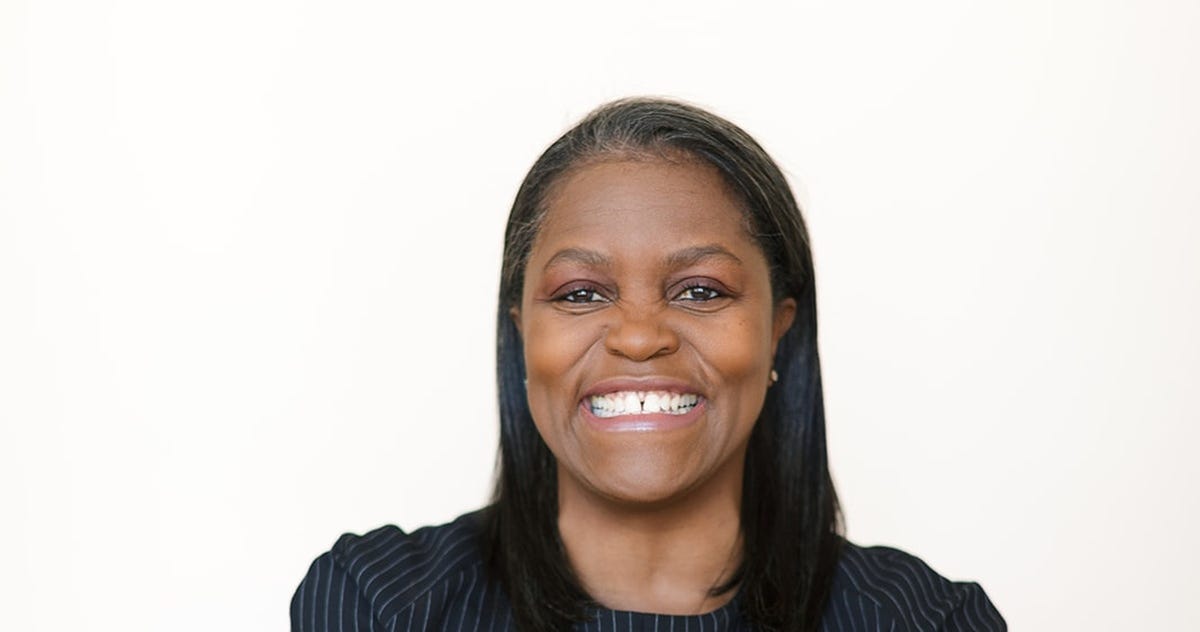
As a part of this series, we had the pleasure to interview Danielle K. Miller.
Dr. Danielle K. Miller, DNP, RN, is the founder of The Pivot Nurse, Inc. She is a dedicated healthcare leader who brings over two decades of clinical and operational experience to the intersection of technology and patient care. Having served in roles ranging from bedside charge nurse to senior leadership within global technology companies like Infor and Amazon Web Services, Dr. Miller specializes in helping healthcare organizations and health-tech startups bridge the gap between innovation and clinical reality. Her work focuses on clinical workflow optimization, product relevance, health equity, and empowering nurses to transition their expertise into the health-tech industry.
Thank you so much for joining us in this interview series! Can you share the most interesting story that happened to you since you began your career?
There have been so many. However, as it relates to how health-tech companies can shorten the road from innovation to adoption, I will share briefly how I worked alongside clinicians and the product team at a large academic medical center. The health system wanted to explore a pilot that would introduce natural language processing in the operating room to capture everything that happens in a busy OR. The environment in the operating room requires communication, timing, and clear coordination all matter enormously. Incorporating technology into this environment makes you think past what the system can recognize and then process. One must consider what the clinical team needs, what is happening, and if the information that is being produced will be useful at the exact moment, someone on the clinical team needs it.
What continues with me to this day are the players involved in getting this over the finish line. Each person has a different view of the same problem. The technical team sees the information problem. The operational leader sees a capacity problem. The clinician sees a potential interruption in the daily workflows. All three perspectives are valid and need to be addressed for this to be successful.
This and many other experiences reinforced what has guided me on every project and conversation I have since leaving the bedside, The clinical perspectives need to be included and help define the problem from the very beginning. It cannot be simply something that is added after the technology has been built. Clinicians must be at the table from the very beginning.
You are a successful business leader. Which three-character traits do you think were most instrumental to your success? Can you please share a story or example for each?
The first is curiosity as I want to understand why something is happening before thinking about how to fix it. At Infor, that involved listening closely to customers and prospective clients. The requested feature was often the beginning of the conversation that leads to more discovery. I needed to understand the underlying operational challenge so I could bring something useful back to our internal product management and development teams to be able to create something beneficial and useful to the client.
The second is adaptability as it was a huge transition to leave the bedside. Being able to leverage my transferrable skills into management, consulting, and technology requires me to develop different ways of communication. I could not walk into every room and explain an issue in the same way as there are different stakeholders. A nurse manager, a software developer, and a financial executive may need different information to understand the same problem. I learned to adjust my language while preserving the clinical reality of each role’s needs.
The third is the willingness to speak up, which was an easy thing for me. When incorporating a clinical perspective into a business or technology discussion, sometimes I must ask questions that may slow things down. Who will do this work? What happens when a shift is busy? Is the burden simply moving from one person to another? Across all roles, I have learned that asking question early, is part of helping the customer and the investment.
To begin, can you tell us about your company and the healthcare problems your technology is designed to solve?
I founded The Pivot Nurse to bring clinical and operational expertise into healthcare business decisions. My business provides boutique and advisory services. I work with startups, healthcare organizations, and other stakeholders on issues such as clinical workflow, product relevance, health equity, workforce challenges, implementation, and adoption.
The problem I help address is the distance between what a company believes its solution will do and what a healthcare organization needs to make it work. It involves having a various view of key stakeholders that can be financial, operational, and clinical. A product may have an impressive demonstration, but its success depends on practical questions that impact outcomes. Who will use it? Where does it fit into the workday? What existing work will it replace? Who is responsible when something goes wrong? My role is to help organizations answer those questions early enough to influence the product and implementation strategy.
I also help nurses transition into roles where health-tech companies need their expertise. Nurses bring transferable skills in clinical reasoning, communication, education, workflow improvement, and leadership. They understand how care is delivered and where a proposed solution may create challenges in practice.
As I mentioned earlier, clinicians need to be part of these conversations from the beginning. That also means helping nurses recognize how their experience translates into opportunities beyond the bedside and communicate the value they offer. They are already clinical experts. With guidance on how to pivot their careers, they can help health-tech companies define the right problems, shape solutions, and bring a nursing perspective into decisions that influence patient care.
What makes your technology different from other solutions already available in healthcare?
What differentiates my advisory work is the combination of perspectives I bring and over two decades of being on both sides of the discussion table.
I have delivered care, managed teams, educated clinicians, worked in senior consulting leadership, and worked within technology companies. I understand the pressure on the clinician using a solution, the leader purchasing it, and the company is trying to bring it to market. I also understand that each has specific outcomes they are looking to achieve.
At Infor, for example, I worked with customers and prospective clients to understand their needs, then worked with internal teams as sort of a translator to make sure what this clinical client needed from a software technology company to ensure they were developing the solution to meet the needs of our healthcare clients. I also supported the sales team globally, spoke at conferences, and contributed thought leadership. This has helped me examine whether a product’s operational requirement, commercial story, and clinical promise are all aligned. When there are gaps, I want to identify and address this early before a customer commits significant time and money.
Can you tell us the backstory about what inspired you to enter the health-tech industry and develop this particular solution?
It was the first time the academic medical center was selecting a new EMR, and it was between Cerner and Epic. Both are great options. I never realized how much could be done and how much detail can be configured into the platform. I was part of the selection committee. This role continued into being part of the implementation team with the selected EMR and ended when we completed all the train the trainer sessions. My interest in health technology grew from there after seeing how much the systems were being built without significant influence and perspectives from the clinical teams who would be the actual end user of the systems. If technology wants to make a real impact in the way care was to be delivered, then there needed to clinicians at the discussion table.
At the bedside and in leadership, you see first-hand the consequences of fragmented information, staffing challenges, and processes that result in clinicians creating a work around for poor design. In consulting and technology, you gain access to the decisions that shape those systems.
I wanted to bring what I understood about clinical practice into those decisions. The Pivot Nurse grew from that same motivation. Companies need experienced clinicians who can contribute to strategy, product decisions, and implementation planning. I saw an opportunity to help organizations bring that expertise into the process before they encounter expensive adoption problems. In addition to helping nurses prepare themselves to transition into roles at these companies.
Can you share the story of a time a product you believed in stalled between “this works” and “people actually use it”? What was really slowing adoption down, and what finally broke the logjam?
One lesson from my customer-facing work at Infor was that a conversation about product capability was quickly becoming a clearer picture of how the organization was operating. This was in relation to a scheduling and staffing implementation. The initial discussion was in relation to how the client describes the functionality needs, but our understanding required looking further into the processes, who had ownership of these responsibilities and what constraints needed to be removed for a successful project. After several calls, emails, and follow-up emails, things were clarified. My role included bringing those insights back to our internal team so that we can ensure the solution would reflect what the customers needed in practice.
I am always clear to not immediately speak about simply reducing the work to a single dramatic turnaround. Adoption always depends on several interrelated decisions.
An example of this is a workforce tool that gives visibility, but still requires them to maintain an separate spreadsheet.
An illustrative example is a workforce tool that gives managers better visibility but still requires them to maintain a separate spreadsheet. The software may work exactly as designed, yet the manager now has another place to update information. Progress requires resolving the duplicate work, agreeing which system is authoritative, and making someone responsible for the transition. The logjam will often break when the organization changes the adjacent or surrounding process, not simply when the technology vendor adds additional features.
Many leaders assume that strong clinical evidence or regulatory clearance is the finish line. What is the biggest myth about how adoption actually happens inside a hospital, practice, or health plan, and what should health-tech leaders do instead? Please share an example.
I think the biggest myth is that once a product demonstrates value, people will simply incorporate it into their work. This is not the case. The evidence can simply support the decision to purchase the product. There must be adoption, and it is required for an organization to change behavior and responsibilities. Change management is needed and for that to occur more organically when you have a clinical stakeholder that has been part of the decision-making teams. The person/persons should be involved well before the product is ever implemented.
Consider a tool that identifies a patient who needs follow-up. Identifying that patient is only one part of the process. Someone must receive the information, decide what action is appropriate, contact the patient, and document what happened. If those responsibilities are unclear, useful information can be untouched. Health-tech leaders should develop the implementation pathway alongside the evidence strategy. They need to know who will act, what resources that action requires, and how the organization will monitor whether it happened.
Based on your experience, can you please share “5 Things Health-Tech Companies Can Do To Shorten The Road From Innovation To Adoption”? Please share a story or an example for each.
1. Involve frontline clinicians early and give their feedback meaningful influence.
It is important to make sure that clinical involvement needs to begin while a company is defining the problem and developing the product. By the time a pilot begins, decisions that affect usability and workflow may already be difficult or expensive to change. At Infor, I worked with current customers and prospective clients to understand their challenges and translate those insights into requirements for our internal product management and development teams. It was my role to contribute by connecting what customers needed in practice with the decisions being made as we developed the solution. This could have been either new versions of our solutions or what enhancements should be included.
Health-tech companies can apply this approach by always including clinical representation in product discussions. Including their feedback into the decisions that have to be made creates a trusted relationship.
2. Demonstrate value through credible evidence and outcomes relevant to the organization.
Health-tech companies must understand what a customer considers valuable. Consider this. A solution promises to reduce nursing administrative work and measure the time required before and after implementation. Including the work involved in checking outputs, correcting errors, and handling the exceptions that will arise.
The time saved may support additional patient care, reduce overtime, or improve staff experience. Those are different benefits, and companies should be precise about which ones they have demonstrated.
3. Earn trust through transparency of capabilities and limitations.
Healthcare organizations need to understand where technology performs well, where it requires oversight, and what happens when it cannot complete a task reliably and what can be done to make it reliable. For example, with an AI enabled tool, a demonstration should include how users review its output, recognize a problem, and escalate an exception. Companies should explain the conditions under which performance was evaluated and where uncertainty remains.
My personal perspective is that companies must be willing to discuss their limitations to help customers make better decisions about the best and most appropriate use of their system. These conversations need to happen early to ensure both parties have clear expectations, so each side can plan to address any gaps.
4. Design implementation around existing workflows and clinical responsibilities.
When a product enters a healthcare environment, people in these spaces already have responsibilities, systems, and tight time constraints. Health tech companies need to understand this environment before asking them to change things. This is why it is important to have healthcare subject matter experts working at health tech companies.
Consider a tool that identifies a patient who needs follow-up. The implementation plan must establish who receives that information, who acts on it, how quickly action is expected, and how completion is documented. That may require changing the existing workflow. The important step is making those changes deliberate, with clear responsibilities and enough support to carry them out. Hiring such expertise provides health tech companies with inside knowledge of clinical and operational workings in the healthcare space.
5. Build pilots with clear success measures, accountable owners, and a plan for sustained use.
The problem being tested should be agreed upon before a pilot begins. The baseline, what are the measurements of success, and who is the person to handle and resolve implementation barriers. How the results will inform decisions about continued use should be established.
One example is to have a documentation pilot that will measure the proportion of relevant encounters which are completed via the tool, the quality of resulting notes, and the documentation time needed. It should also assess the support that is required to achieve those results. This also requires training, support, ownership, and expansion from the very beginning.
Who inside a customer organization most often makes or breaks adoption, and how do you win that person over in the first 90 days? What metric tells you adoption is real, rather than a pilot that only looks good on paper?
End users can make or break a successful implementation, so their involvement needs to begin early and continue throughout the process. They are the people who will use the solution in their daily work, and their buy-in is critical to adoption. Bring them into the conversation, show them how the solution will affect their workflows, and give them regular opportunities to raise concerns and shape decisions. That feedback needs to lead to action. Successful implementation depends on whether the people using the solution see its value and can make it work in practice.
For many clinician-facing products, the frontline operational leader is pivotal. That person connects executive expectations with the people doing the work. In nursing, it may be the nurse manager, supported by educators and trusted frontline clinicians.
However, no individual can compensate for unresolved IT, funding, or governance barriers.
During the first 30 days, I would listen, observe the workflow, and establish a baseline. During the next 30, I would test a defined use case with representative users and resolve the friction they identify. By 90 days, I would want to know whether the tool is becoming part of routine work and whether the organization can support it without constant vendor intervention.
The strongest adoption measure connects sustained use to the intended result. For a documentation product, for example, that might mean the proportion of eligible encounters completed through the tool, paired with documentation time and quality measures.
Logins alone would not convince me. I want to know whether people are completing useful work through the product and whether the expected benefit is occurring.
What are some of the biggest challenges you have encountered when trying to introduce your technology into healthcare organizations, and how have you worked to overcome them?
Across my work in healthcare and technology, recurring challenges have included competing priorities, limited staff capacity, and different stakeholders having different definitions of value. A leader may want improved visibility. A clinician may want fewer steps. IT may need to understand integration and support requirements. Each concern affects whether implementation succeeds.
My approach is to be clear about what expectations explicit early. What needs to change? What problems are being solved? Who experiences it? What will the customer need to contribute?
My experience working with customers and internal technology teams has taught me the value of translating those concerns into specific requirements and decisions. General agreement that a product is promising is not enough to guide implementation, and things need to be in writing to avoid any confusion that may arise down the line.
What is the biggest mistake you see health-tech companies making when trying to get healthcare organizations to adopt their products? What should they be doing differently?
The biggest mistake is treating adoption difficulties primarily as a communication or training problem. It is always more than that. Yes, sometimes people need better training. It also rings true that sometimes the product creates extra work to the end user. Maybe it solves lower-priority problems, and it is not enough to meet the least viable product for the client. Dedicated resources can also be a problem
Before deciding that clinicians are resistant, ask what their behavior is telling you. What are they avoiding? What workaround have they created? At what point do they abandon the process? This is important, as when this happens, the project can be viewed as a failure. Companies should observe actual use and be willing to change their assumptions. Repeatedly explaining the value proposition will not fix a poorly designed workflow.
How important are clinical outcomes, financial return on investment, and operational efficiency in driving adoption? What is the most effective way for companies to demonstrate their value?
All three are important, yet their importance depends on the problem and the purchasing decision. Consider a patient-facing clinical intervention needs evidence appropriate to its clinical claims. A workforce or administrative solution may be evaluated primarily on operational and financial performance, yet the evaluation that it needs to protect quality, and safety was not part of that consideration
Companies should avoid claiming benefits they have not measured. Saving staff time, for example, does not automatically produce a cash saving. The organization needs to understand whether that time reduces overtime, increases capacity, improves responsiveness, or creates another measurable benefit. Are you evaluating hard or soft savings, and how to show real ROI for both so that saving in one space, is not causing cost to increase elsewhere.
The most effective value demonstration starts with the customer baseline and includes the costs of implementation and ongoing use and support. Show what changed, for whom, over what period, and under what conditions. Be equally clear about what remains uncertain.
Looking ahead five years, how do you think the process of adopting new healthcare technologies will change? What should innovators be doing today to prepare for that future?
I expect healthcare organizations to become more demanding about the work required after a purchase. As more AI capabilities continue to expand become more available, having an impressive feature will become less persuasive on its own. Buyers will want clear answers about accountability, integration, oversight, and ongoing performance, and whether the solution being offered will add or reduce the number of systems their teams must manage.
I also expect clinical participation in technology decisions to become more important as products influence more consequential workflows, and subject matter expertise will be increasingly needed.
Innovators should prepare by building strong implementation practices now. Understand the customer’s environment, including clinicians who are subject matter experts in this space, make limitations clear, establish appropriate human oversight, and measure performance after deployment. The ability to sustain value will matter as much as the ability to demonstrate it.
If you could offer one piece of advice to a health-tech founder who has developed a promising technology but is struggling to get healthcare organizations to actually use it, what would you tell them?
Spend time watching the work you are asking people to change to have a first-hand understanding of the problems you are actively trying to solve. The amount of insight you can garner by sitting with a clinical manager or a staff member who will be using your product. Ask them to show you the workflow, and to show you what happens before, during, and after the task your technology is developed to address. Then ask: “What would need to change for this to become the way you normally work?”
Listen carefully to the answer. It may require a product change, a different implementation approach, or a more honest assessment of whether you are solving the customer’s most pressing problem. Your willingness to act on that information can determine whether a promising product becomes a useful one.
How can our readers further follow your work online?
Readers can connect with me on LinkedIn at Dr. Danielle K. Miller and follow The Pivot Nurse. I share perspectives on healthcare innovation, clinical strategy, workforce challenges, and the role nurses can play in shaping healthcare beyond the bedside. Be on the look out for my new my Substack, Your Clinical Strategist, where I explore how clinical insight can inform better business, technology, and care delivery decisions.
Thank you for sharing these insights!
About The Interviewer: Saul Marquez started out selling spine implants for Stryker and left an executive role at Medtronic to build Outcomes Rocket, a healthcare strategy and full service marketing agency. Twenty years in healthcare and 2,300+ interviews later, his conviction is simple: success in healthcare isn’t luck, it’s algorithmic, and it’s still a relationship game. Learn more at outcomesrocket.com
SW
Written by
Saul W. Marquez
CEO of Outcomes Rocket · Authority Magazine ColumnistAbout The Interviewer: Saul Marquez started out selling spine implants for Stryker and left an executive role at Medtronic to build Outcomes Rocket, a healthcare strategy and full service marketing agency. Twenty years in healthcare and 2,300+ interviews later, his conviction is simple: success in healthcare isn’t luck, it’s algorithmic, and it’s still a relationship game. Learn more at outcomesrocket.com

Published inAuthority MagazineTop Lessons, Top Authorities · 42K Followers
Exclusive, curated interviews with the leaders and changemakers shaping tomorrow. Leadership lessons, industry deep dives, and executive profiles.
More from Authority Magazine
See all stories →
S
Saul W. MarquezNoam Levine of FIZE Medical on Multidisciplinary Innovation and the Shift from Periodic Measurement to Continuous Understanding
Tech8 min read

S
Saul W. MarquezBenn Bluestein-Veyra of ExaVeyra Sciences: Why Scientific Transparency Is The Only Way To Win Over Skeptical Medical Directors
Tech13 min read
S
Saul W. MarquezTito Costa of Tecto Data Centers: How Strategic Infrastructure Placement Accelerates Regional AI Adoption
Tech13 min read

S
Saul W. MarquezLisa Loud of Deph Labs: How Prioritizing Usability Over Complexity Wins Over Overwhelmed Healthcare Buyers
Tech13 min read