My career has taken me through the evolution of telecommunications, cloud computing and data centers. AI brings those fields into even closer contact with energy, engineering and the businesses using the technology. I enjoy that exchange of perspectives.
Tech
Tito Costa of Tecto Data Centers: How Strategic Infrastructure Placement Accelerates Regional AI Adoption
The Tecto Data Centers CRO shares his blueprint for building the physical foundations of artificial intelligence while balancing environmental responsibility with the need for localized computing power across Latin America.
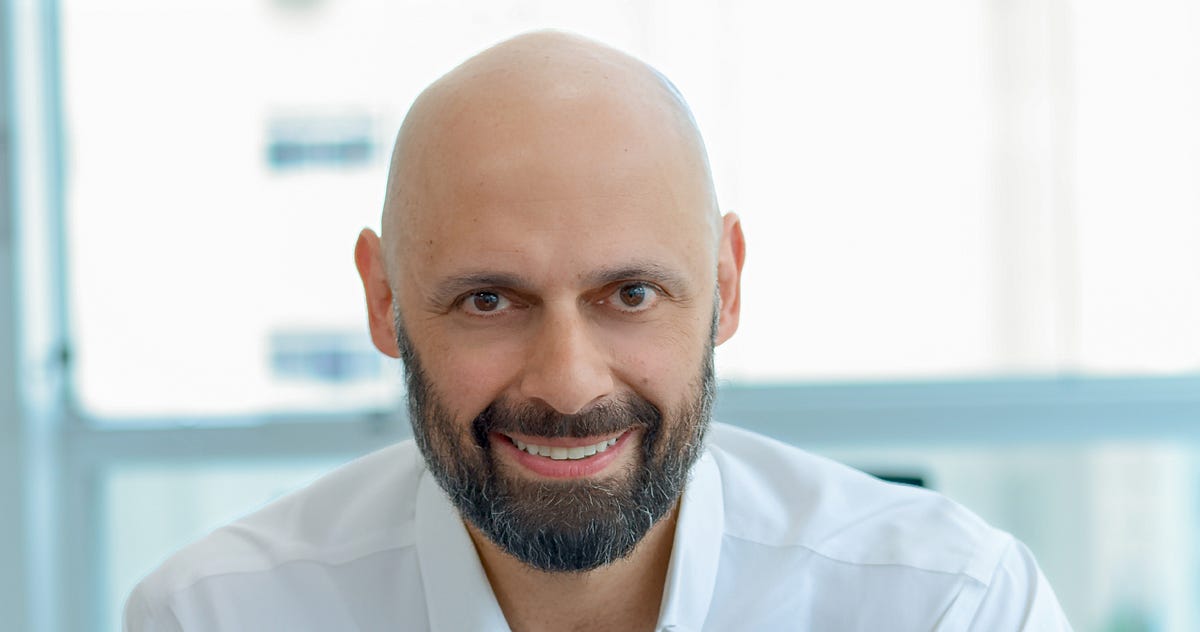
As a part of this series, we had the pleasure to interview Tito Costa.
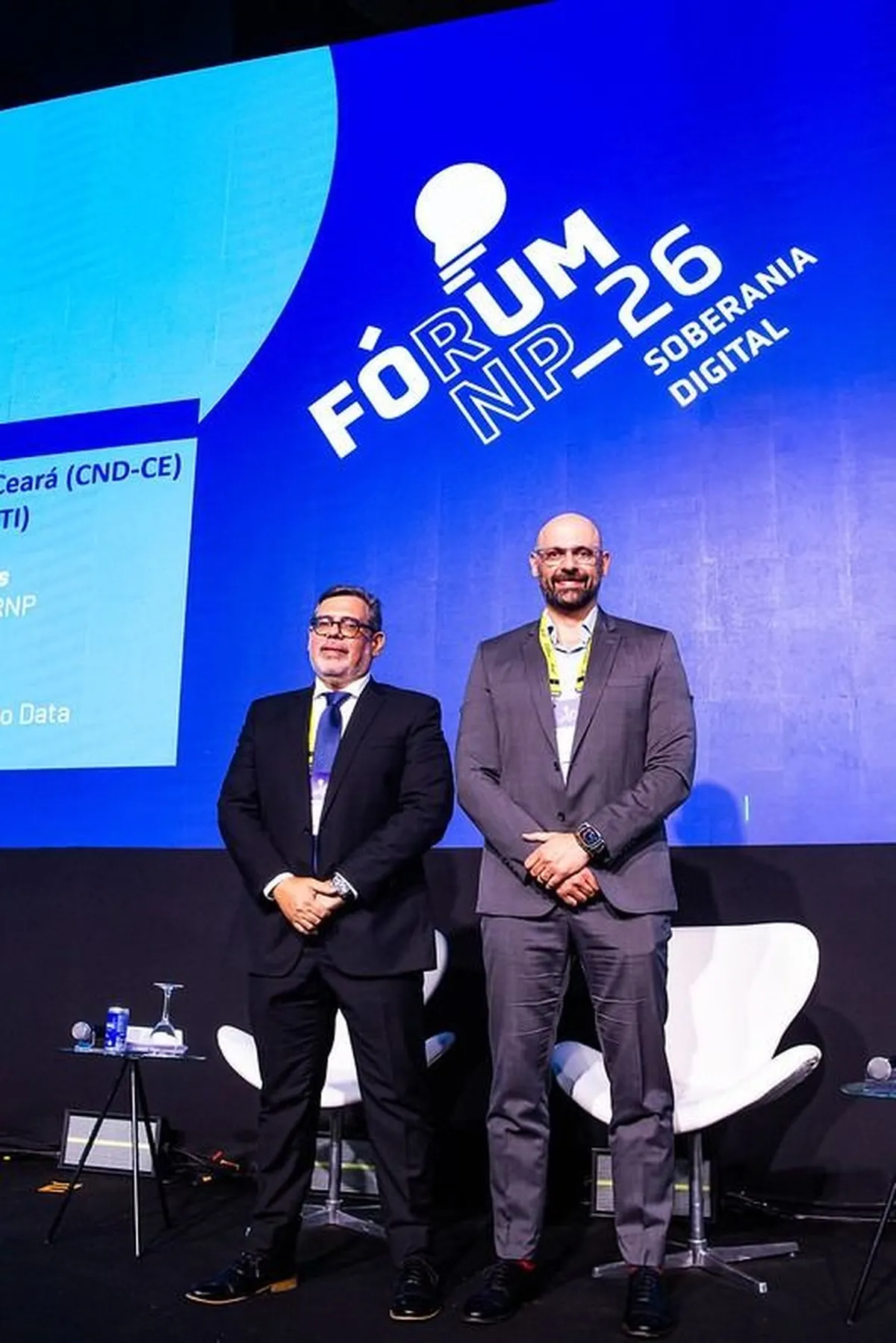
Tito Costa is the Chief Revenue Officer (CRO) at Tecto Data Centers, with over 15 years of experience in technology and telecommunications. Throughout his career, he has worked at companies such as Claro, TIM, Elea Digital, and Equinix, leading growth, sales, and innovation strategies in critical infrastructure. He currently serves on the Board of Governors of the Pacific Telecommunications Council (PTC), a global non-profit organization dedicated to advancing information and communication technologies across the Pacific region. He is also a mentor and angel investor in tech-based startups, focusing on innovation, digital inclusion, and new business development.
Thank you so much for joining us in this interview series! Can you tell our readers about the most interesting projects you are working on now?
One of the most interesting areas of our work at Tecto is connecting large-scale AI computing with infrastructure closer to the businesses and people using it. Our AI Factory and AI Grid strategies address those complementary needs.
TGRU1, in Santana de Parnaíba, is being developed to support demanding AI, cloud and high-performance computing workloads. Alongside that, our AI Grid brings together interconnected data centers across different regions, helping businesses access computing capacity closer to their operations.
A recent example is TFOR3, our 20 MW AI-ready data center in Fortaleza. It is part of an ecosystem of three interconnected Tecto facilities, with access to international submarine cable routes through TFOR1. That combination of computing capacity and connectivity is particularly important as businesses consider where to deploy AI applications and how to connect them to users and data.
TFOR3 was shortlisted for Brazil Data Center Project of the Year at the DCD LATAM Awards and for Best Data Centre / Edge Service Innovation at the Global Connectivity Awards in 2026. It is rewarding to see the team’s work recognized.
What interests me most is how these projects work together. The decisions we make about location, capacity and connectivity today will influence how businesses can adopt and use AI in the years ahead.
What are the five things that most excite you about the AI industry? Why?
1. Reducing barriers to learning.
Continuous learning has been important throughout my career, so I am excited by the possibility of making knowledge more accessible. AI can give people a place to start when they encounter an unfamiliar subject, help explain a difficult concept or allow them to explore a question further. That could be particularly valuable for people who have had fewer educational opportunities. The ability to question what you learn and develop your own conclusions remains essential.
2. What teams can accomplish with it.
Playing handball taught me how much depends on people understanding their roles and combining their strengths. I bring that perspective to AI. I am interested in how it can help teams share knowledge, work through problems and give more people the confidence to contribute. The exciting part is seeing what a group of people can achieve when they have useful tools and know how to work together.
3. The opportunity for Latin America to shape its own AI future.
I would like to see more businesses and entrepreneurs in Latin America developing applications that reflect the region’s needs. There is enormous value in understanding the people and industries you are building for. At Tecto, helping develop the computing capacity and connectivity to support that work is something I find particularly rewarding. It gives us a direct role in creating opportunities here.
4. Seeing different disciplines come together.
My career has taken me through the evolution of telecommunications, cloud computing and data centers. AI brings those fields into even closer contact with energy, engineering and the businesses using the technology. I enjoy that exchange of perspectives. Someone approaching a problem from a different discipline can challenge an assumption you have held for years, and that is often where an interesting idea begins.
5. Giving more people the opportunity to build something.
I have always believed in creating opportunities rather than waiting for them. AI could help someone take an initial step with an idea, whether that means exploring a business opportunity, learning an unfamiliar skill or testing a possible solution. That first step matters. I am excited to see what people do when they have more resources to pursue their curiosity and the determination to keep going.
What are the five things that concern you about the AI industry? Why?
1. Accepting answers without questioning them.
One of my biggest concerns is that people may become accustomed to accepting AI-generated information without examining it. A confident answer can still be inaccurate or incomplete. As these tools become more accessible, we need to strengthen our ability to question assumptions, evaluate sources and form our own conclusions.
2. Using AI without understanding its limitations.
People need to understand where AI can help and where human judgment remains essential. That includes knowing what information a tool has access to, how its outputs should be checked and when a decision requires someone with relevant experience. Clear responsibilities become especially important when the consequences of an error are significant.
3. Moving faster than people can prepare.
Businesses are under pressure to adopt AI, but introducing a tool is only one part of the process. Leaders also need to understand their teams’ skills, provide training and give people time to learn. Without that support, employees may struggle to use AI effectively or feel uncertain about how their roles will change.
4. Unequal access to its benefits.
AI could create significant opportunities, but access to technology, computing infrastructure and education varies considerably. I am concerned that those gaps could leave some businesses and communities further behind. Expanding access needs to include the knowledge and support people need to make meaningful use of the technology.
5. The environmental demands of growth.
AI depends on physical infrastructure, which requires energy and cooling. As demand grows, we need to consider where that infrastructure is built, how it is powered and how responsibly it uses water. Renewable energy, efficient design and cooling approaches that minimize water consumption should be part of those decisions from the beginning. The infrastructure we develop today will have consequences for many years.
What is your position on whether advanced AI poses an existential danger to humanity?
My experience is in telecommunications and digital infrastructure, so I approach this question from the perspective of someone helping build the foundations that support AI. That role carries a responsibility to consider the longer-term implications of the technology we enable.
I am optimistic about what AI can contribute to society. At the same time, I believe its development needs to be accompanied by rigorous safety evaluation, human accountability and a willingness to respond as our understanding improves. We should be able to pursue its benefits while taking difficult questions about its future seriously.
What can be done to prevent such concerns from materializing? And what can be done to assure the public that there is nothing to be concerned about?
Public confidence has to be earned through responsible decisions and clear information. People should be able to ask questions about AI, understand its limitations and see how the organizations developing and supporting it are addressing the risks.
Education is an important starting point. Businesses need to train their teams to evaluate AI-generated information, recognize when it may be unreliable and understand when human review is necessary. Leaders also need to establish clear responsibilities for how these tools are used.
From my perspective in digital infrastructure, that responsibility extends to the physical resources supporting AI. Decisions about power sourcing, cooling and location have long-term consequences. Access to renewable energy and cooling systems that minimize water consumption should be considered early in development.
At Tecto, renewable energy sourcing and cooling approaches designed to minimize operational water use are part of how we address those concerns. We also need to explain what those choices mean in terms people can understand, including what is measured and where there is room to improve.
What is needed to engage more women in the AI industry?
I believe we need to give more women opportunities to enter the industry, develop their expertise, and advance into leadership. That starts with access to technical education and continues through hiring, mentoring, and career development.
We should also make the range of careers in AI more visible. Engineering and software development matter, but the industry also needs expertise in infrastructure, operations, business, and communications. There are many ways to contribute, and we need women represented across those disciplines.
The responsibility for creating those opportunities sits with employers and industry leaders. That means recognizing potential, providing support, and giving people the chance to take on meaningful work. Seeing more women in technical and leadership positions can also help others imagine a future for themselves in the industry.
How can our readers further follow your work online?
Readers can connect with me on LinkedIn and follow Tecto Data Centers. Our website also has more information about our projects and approach to AI infrastructure.
I’ll also be at PTC’27 and look forward to connecting with others working on the future of digital infrastructure.
What led you to your career in telecommunications and digital infrastructure, and how has that work evolved to include AI?
What has always attracted me to telecommunications is the opportunity to work in an industry that is constantly evolving and plays such an important role in connecting people, businesses and economies.
Throughout my career, I have worked through major transformations, from the expansion of telecommunications networks to the development of cloud computing, data centers and, more recently, artificial intelligence.
One thing I have learned is that technology never evolves in isolation. Every major transformation creates new business models, challenges and opportunities. Understanding these connections and anticipating what comes next has always been an important part of my professional journey.
Today, AI represents one of the most significant transformations our industry has ever experienced. At Tecto Data Centers, we are preparing for this new era through our AI Factory and AI Grid strategies, developing the infrastructure required to support both large-scale AI computing and distributed workloads.
For me, the most exciting part is helping build the infrastructure that allows businesses and communities to benefit from AI.
What lessons from your career journey would you share with others?
I believe three things have made a significant difference throughout my journey: determination, continuous learning and critical thinking.
I played competitive handball from the age of 18 to 38, representing teams such as América and Guanabara, and had the opportunity to become a Rio de Janeiro state championship runner-up with América and a champion with Guanabara.
Sports taught me lessons that I have carried into my professional life: discipline, resilience, teamwork and the understanding that meaningful results require consistent preparation and effort.
In business, I believe the same principles apply. Success rarely happens overnight, and challenges are an essential part of growth.
I would also emphasize the importance of developing critical thinking. In a world where information is increasingly accessible, the ability to question assumptions, analyze different perspectives and form your own conclusions is what truly sets professionals apart.
My advice is to remain curious, never stop learning and have the determination to create opportunities rather than simply wait for them.
Is there a particular person who helped you get to where you are today? Please share a specific story about their influence or support.
Throughout my life, I have been fortunate to learn from people who challenged me to become better, both personally and professionally.
My experience as a handball player had a particularly strong influence on how I understand leadership and personal development. In team sports, you quickly learn that individual talent is not enough. You need people who challenge you, believe in your potential and help you understand how your contribution fits into a larger objective.
That philosophy has stayed with me throughout my career. I have always valued leaders and colleagues who encouraged me to think independently, take responsibility and push beyond what I initially believed I could achieve.
Today, I try to apply those same principles in the way I lead teams: creating opportunities for people to grow, encouraging different perspectives and helping them develop the confidence to make their own decisions.
What is your favorite life lesson quote? Can you share an example of how it has applied to your own life?
A principle I try to live by is: “Success is the result of preparation, discipline and consistency.”
Playing competitive sport taught me that progress depends on how consistently you prepare and your willingness to keep improving, even when results do not come immediately. I have carried that mindset throughout my professional career.
The telecommunications and digital infrastructure industries are constantly changing, and there are always new challenges to overcome. Whether you are building a team, developing a business strategy or preparing for a new technological transformation, consistent effort and long-term thinking make a tremendous difference.
For me, the lesson is simple: you cannot control every outcome, but you can control how well you prepare, how hard you work and how you respond to challenges.
How have you used your success to help others or make a positive difference? A specific example from your mentoring, angel investing or other activities would be helpful.
I believe one of the most meaningful aspects of professional success is the opportunity to help others grow.
Throughout my career, I have come to understand leadership as something that goes beyond achieving results. It is also about developing people, sharing knowledge and creating an environment where individuals feel encouraged to challenge themselves.
When someone comes to me with a challenge, I encourage them to ask questions, consider different perspectives and develop their own recommendation. I want people to build the confidence to make informed decisions.
This is closely connected to what I learned through sports. A strong team is not built around one individual. It succeeds when everyone understands their role, trusts one another and works toward a shared objective. I try to bring that philosophy into my professional life by supporting collaboration, knowledge sharing and the development of future leaders.
For me, the most rewarding part of leadership is seeing people grow, take on new responsibilities and achieve things they once thought were beyond their reach.
If you could start a movement that would bring the greatest good to the greatest number of people, what would it be and why?
I would create a movement focused on expanding access to education, technology and the development of critical thinking.
We live in a world where information is more accessible than ever, and artificial intelligence is accelerating that transformation. However, having access to information is not the same as knowing how to interpret it, question it or use it to make better decisions.
As AI becomes part of everyday life, people need the skills to question its outputs, recognize its limitations and make informed decisions about how they use it.
I would want this movement to give more young people access to technology and the education to use it confidently, regardless of their background. The goal would be to help them build the skills and judgment to shape their own futures.
Thank you so much for the time and great insights! We wish you continued success.
About The Interviewer: Saul Marquez started out selling spine implants for Stryker and left an executive role at Medtronic to build Outcomes Rocket, a healthcare strategy and full service marketing agency. Twenty years in healthcare and 2,300+ interviews later, his conviction is simple: success in healthcare isn’t luck, it’s algorithmic, and it’s still a relationship game. Learn more at outcomesrocket.com
SW
Written by
Saul W. Marquez
CEO of Outcomes Rocket · Authority Magazine ColumnistAbout The Interviewer: Saul Marquez started out selling spine implants for Stryker and left an executive role at Medtronic to build Outcomes Rocket, a healthcare strategy and full service marketing agency. Twenty years in healthcare and 2,300+ interviews later, his conviction is simple: success in healthcare isn’t luck, it’s algorithmic, and it’s still a relationship game. Learn more at outcomesrocket.com

Published inAuthority MagazineTop Lessons, Top Authorities · 42K Followers
Exclusive, curated interviews with the leaders and changemakers shaping tomorrow. Leadership lessons, industry deep dives, and executive profiles.
More from Authority Magazine
See all stories →
S
Saul W. MarquezNoam Levine of FIZE Medical on Multidisciplinary Innovation and the Shift from Periodic Measurement to Continuous Understanding
Tech8 min read

S
Saul W. MarquezBenn Bluestein-Veyra of ExaVeyra Sciences: Why Scientific Transparency Is The Only Way To Win Over Skeptical Medical Directors
Tech13 min read
S
Saul W. MarquezDanielle K. Miller of The Pivot Nurse: Why Tech Adoption Fails When You Treat Clinical Workflow as an Afterthought
Tech19 min read

S
Saul W. MarquezLisa Loud of Deph Labs: How Prioritizing Usability Over Complexity Wins Over Overwhelmed Healthcare Buyers
Tech13 min read