Most suppliers in this space are sales organizations, while ExaVeyra is led by a chemist who reads a certificate of analysis the way a reviewer reads a manuscript, checking identity, sterility, endotoxin, and heavy metals data before a product ever reaches a clinic.
Tech
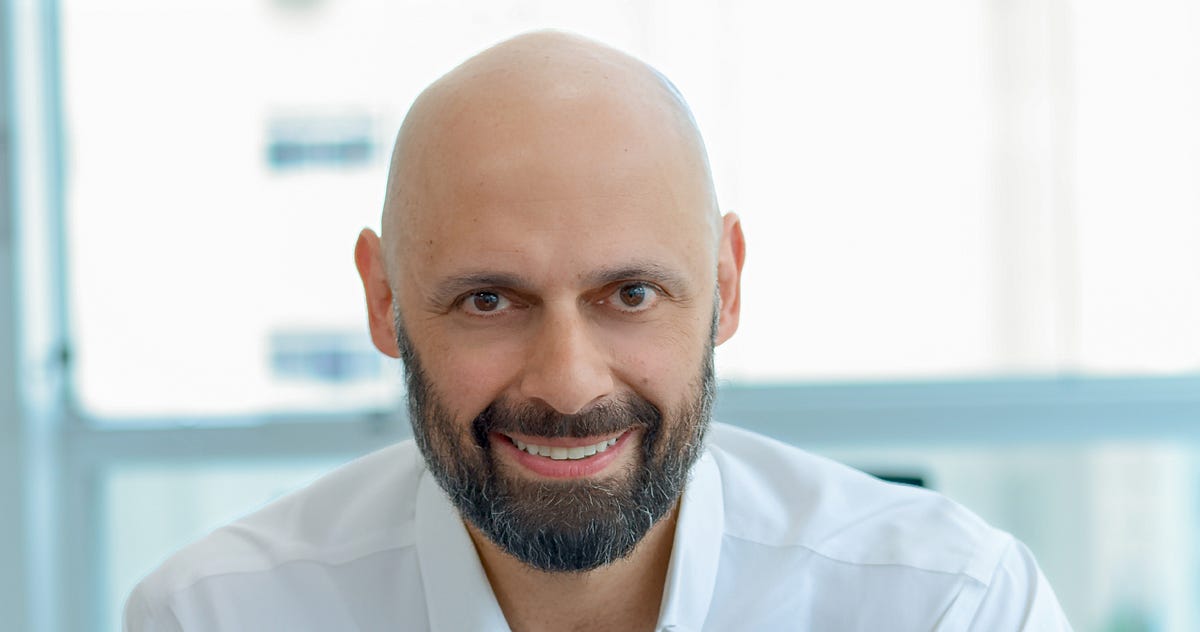
Benn Bluestein-Veyra of ExaVeyra Sciences: Why Scientific Transparency Is The Only Way To Win Over Skeptical Medical Directors
The organic chemist and founder explains how he pivoted from DNA sequencing to building a rigorous, data-first supply chain that helps clinicians navigate the complex world of regenerative medicine.
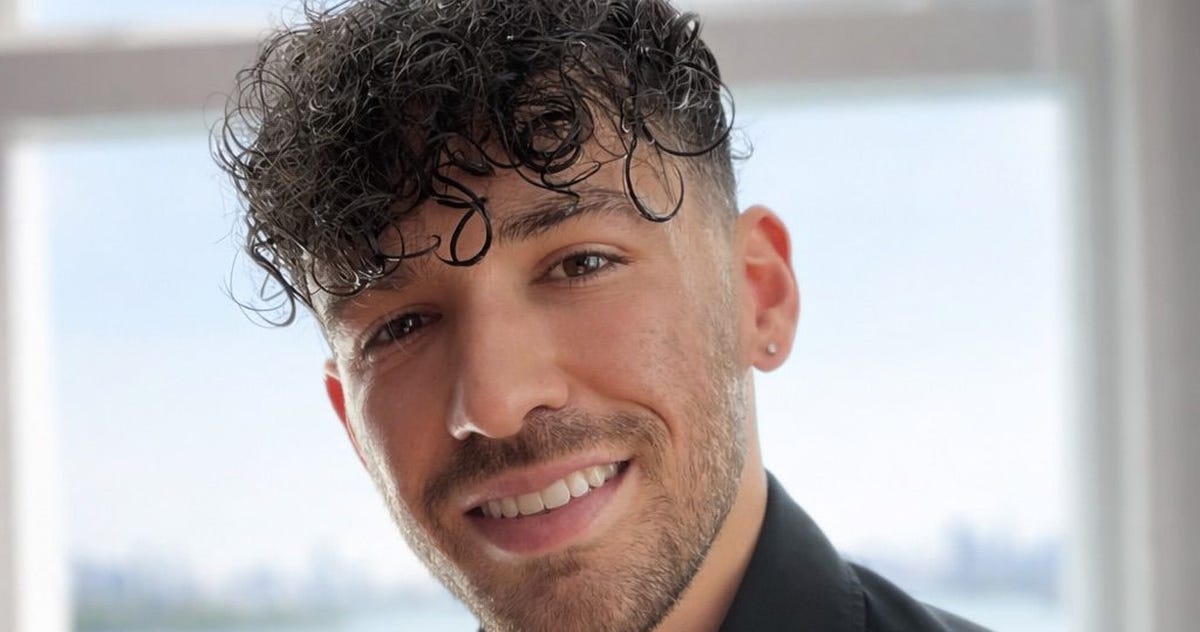
As a part of this series, we had the pleasure to interview Benn Bluestein-Veyra.
Benn Bluestein-Veyra, M.Sc., is an organic chemist and the founder and CEO of ExaVeyra Sciences, a Miami Beach-based B2B distributor of regenerative medicine products serving licensed practitioners nationwide. He holds an M.Sc. in Organic Chemistry from the Universidad Autónoma de Madrid and a B.Sc. in Biochemistry, with hands-on expertise in HPLC, LC-MS/MS, ICP-MS, and NMR. At ExaVeyra, he built a chemist-led model of scientific transparency that pairs lot-specific certificates of analysis and supplier documentation reviewed against analytical standards with a peer-reviewed research library that helps clinicians evaluate the biologics they use.
Thank you so much for joining us! Can you tell us a bit about your childhood backstory and how you grew up?
I’m a first-generation Argentine-American, and science runs in my family: my mother was studying chemistry at the University of Buenos Aires in 1974 when political instability under the military junta shut her classes down. My parents made curiosity part of everyday life, and they gave me my first chemistry set when I was eight years old. I was always experimenting, whether that meant cooking and baking at Spruce Pond Creamery, my family’s restaurant and the first organic pizzeria in the US, or building spaceships out of K’Nex, and that instinct grew into a love of biochemistry and organic chemistry in my teens and early twenties.
Can you share the most interesting story that happened to you since you began your career?
On my 30th birthday in February 2025, I was skiing Aspen Highlands, a mountain I knew like the back of my hand, and on the way down I went airborne off a jump on bindings a pro shop had tightened by half a point two days earlier, so my ski did not release on impact and I tore my left ACL. After surgery, the physical therapy I was given wasn’t getting me back to training legs in the gym, leading me to seek out a functional medicine doctor who could add a supervised peptide protocol compounded by a licensed pharmacy alongside my rehab. The combination of consistent weight training, a peptide protocol based on my blood biomarkers, and physical therapy techniques helped me regain strength and muscle mass in my freshly reconstructed knee joint in a shockingly short time frame (I returned to deadlifting 315 pounds three months after my surgery). This showed me how powerful these molecules can be when the chemistry is understood and the sourcing is sound. That experience revealed how few physicians have access to clear guidance on the biochemistry of these compounds, and ExaVeyra Sciences was born from that ACL tear.
Which three character traits do you think were most instrumental to your success?
- Initiative. I’m an ENTJ with an extroversion score of 100%, and I believe we get one walk on this fascinating and mysterious planet, so if someone interesting crosses my path at a conference, a party, or anywhere else, I start the conversation. I have learned that the biggest opportunities live on the other side of an icebreaker, so I challenge myself to get to know at least three new people whenever I go into a social situation. Alongside my work as a chemist, I’m an insured fire performer, and at one event I walked up to a fellow performer I’d never met, Madison McIntosh, to ask about her style. Her mother turned out to be Dr. Janine Hopkins, MD, FAAD, the dermatologist who invented the CuraCator, an FDA-registered precision applicator designed to make PRP application safer, and after a call and an in-person meeting at a laser conference, we built a partnership around using the CuraCator with biologics where precise, sterile delivery matters for clinic safety, patient experience, and compliance.
- Adaptability. I started ExaVeyra planning to focus only on peptides, given the steady growth of that sector, but then I saw functional medicine and dermatology practices in Florida running hybrid protocols that combined peptides, exosomes, and stem cell products without clear scientific communication about the biochemistry involved or the analyses needed to confirm sterility and quality. I pivoted toward biologics and built a supply chain sourced from FDA-registered laboratories, and I published an online library of peer-reviewed articles on my website so practitioners could make informed decisions quickly. In my opinion, adapting in regenerative medicine means finding the gaps in what’s available and filling them creatively.
- Scientific rigor. As a chemist, I hold every product and every claim to the standard of peer review, so before anything reaches a clinic, I personally review its certificate of analysis for identity, potency, sterility, endotoxin, and heavy metals data. That same standard governs our ExaBlog, where every article draws on at least 15 official and peer-reviewed sources, including clinical trials, because practitioners deserve the evidence itself rather than marketing language when they decide what to bring into their practice.
Can you tell us about your company and the healthcare problems your technology is designed to solve?
ExaVeyra Sciences is a B2B distributor of regenerative medicine products for licensed practitioners, including exosome products for topical aesthetic use, mesenchymal stem cell products, 503A compounded preparations through pharmacy partners, and the CuraCator applicator. The core problem we solve is verification: clinicians are asked to trust biologics and compounded products that often arrive with thin documentation, so every product we carry comes with lot-specific certificates of analysis and supplier documentation that I review as a chemist against analytical standards. On the technology side, we built our own platform, including NPI verification so only licensed practitioners can order, a secure CRM, and ExaBot, an AI assistant trained on our peer-reviewed library that helps clinicians find answers in the literature quickly.
What makes your technology different from other solutions already available?
Most suppliers in this space are sales organizations, while ExaVeyra is led by a chemist who reads a certificate of analysis the way a reviewer reads a manuscript, checking identity, sterility, endotoxin, and heavy metals data before a product ever reaches a clinic. We pair that with education, so our clients get a supplier and a scientific resource in one relationship, backed by cold-chain fulfillment and a physician advisor in Dr. Hopkins, whose clinical method with the CuraCator paves the way for standardized protocols in this rapidly evolving field.
Can you tell us the backstory about what inspired you to enter the health-tech industry?
Before ExaVeyra, I worked in DNA sequencing in San Diego, where I learned that communication between disciplines, from chemistry and polymers to electrical engineering, software, and mechanical engineering, was the make-or-break factor in whether a project succeeded. Regenerative medicine sits at an even wider intersection of disciplines, and after my own recovery showed me how little of that science reaches the clinicians making decisions, I built ExaVeyra to bring a chemist’s perspective to how practitioners evaluate and use these complex biological substances.
Tell us about your first real encounter with a health system’s buying process. What surprised you most, and what would you do differently?
My customers so far have been independent practices, from dermatology and aesthetic clinics to functional and regenerative medicine groups, and even at that scale the buying decision runs through a medical director, a practice manager, and the providers who perform the procedures. What surprised me most was how quickly the conversation moved past price and into documentation, sourcing, and regulatory status, and if I could walk into those first meetings again, I would lead with the certificate of analysis and the intended-use language instead of the product benefits, because that is where trust is actually decided.
Which gate do health-tech companies most underestimate, and how should they prepare? Please share a story.
Compliance is the gate I see underestimated most, because a product can pass every clinical and financial test and still stall if its claims, regulatory status, or quality data raise questions. Early on, I audited every line of copy on our website and rewrote it to match each product’s intended use, removing any language that implied approved therapeutic claims, and that work has made every conversation with a medical director faster, because the answer to “what can we legally say and do with this?” is already documented before they ask.
The quality data behind a product deserves the same scrutiny, and as a chemist I’ve seen certain third-party testing labs report 99%+ purity using HPLC methods that could never support that number. Some ran the analysis too quickly, so impurities eluted on top of the main peak and disappeared into it, others used the wrong type of column for the molecule, and many applied a one-size-fits-all method to compounds that range drastically in size, polarity, and chemical structure, then reported the cleanest-looking result. Using a generic method like that is like pointing a magnifying glass at a star system billions of light-years away and reporting that it contains a single, perfect star: the lens produces an image, but it lacks the resolving power to separate the hundreds of neighboring objects blurred into that one point of light, so what looks pristine is really just unresolved.
Companies can prepare for this gate by asking for the method behind every result, including the column chemistry, run time, gradient, detection wavelength, and system suitability data, along with confirmation by an orthogonal technique such as LC-MS, and by holding their own suppliers to that standard before a compliance or quality committee ever does. A certificate of analysis is only as trustworthy as the method that produced it, and the vendors who can explain their methods line by line are the ones who clear review without delay.
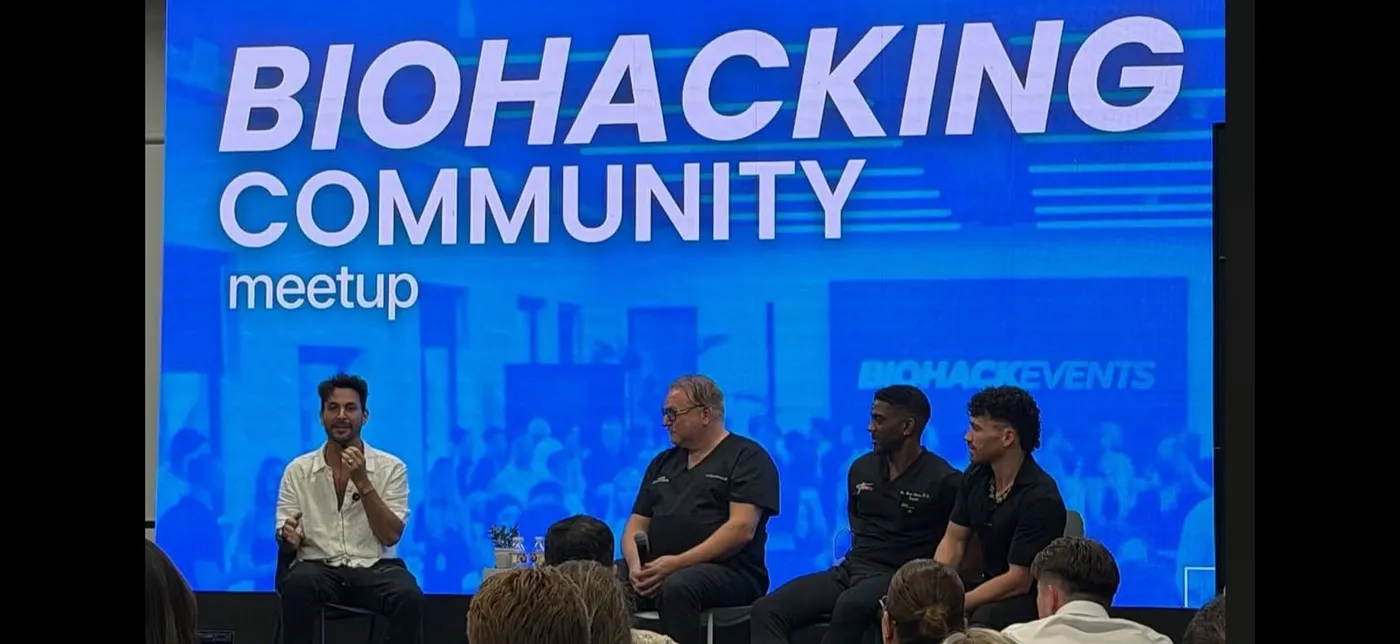
What are the “5 Things Every Health-Tech Company Should Know Before Selling To Health Systems”?
1. Lead with evidence your buyer can verify. Clinicians are trained to be skeptical, so give them primary data they can check themselves, which is why we hand practices the lot-specific certificate of analysis and the peer-reviewed literature pertinent to their specialty.
2. Know your regulatory lane before the first meeting. Every product we carry has a defined pathway, whether that is topical aesthetic use for exosomes or a patient-specific prescription for 503A preparations, and being able to explain that pathway in one sentence removes the biggest source of hesitation in the room.
3. Build security and access controls in from day one. We built NPI verification into our ordering platform so only licensed practitioners can purchase, and we completed a cybersecurity audit to keep practitioner data confidential.
4. Fit the workflow clinicians already use. Practices adopt what slots into procedures they already perform, which is why we position the CuraCator and our exosome products around steps like microneedling and PRP sessions rather than asking clinicians to build a new protocol from scratch.
5. Earn a clinical champion. My partnership with Dr. Hopkins, a board-certified dermatologist who invented the CuraCator and serves as our medical advisor, gives our work a physician’s voice, and in any health system a respected clinician who believes in your product will carry it further than any sales deck.
Who are the key decision-makers, and how can companies navigate so many stakeholders?
In a health system, the decision typically involves clinical leaders and department chiefs, a value analysis committee, IT and security, compliance and legal, procurement, and finance, while in independent practices those same concerns live with a medical director, a practice manager, and the treating providers. The way through is to prepare a different answer for each stakeholder before you arrive, with clinical evidence for physicians, regulatory documentation for compliance, security details for IT, and cost and workflow impact for administrators, so nobody must slow the process down waiting on you.
What is the biggest mistake companies make when pitching, and what should they do differently?
The biggest mistake I see is leading with hype, since overstating outcomes might win a first meeting but loses the medical director, who can spot an unsupported claim instantly. Companies should present their evidence honestly, including its limitations, and explain exactly what their product is cleared or intended to do, because credibility with clinicians compounds over time while overpromising ends relationships.
How important is demonstrating clinical outcomes, ROI, and operational efficiency? What is the most effective way to prove value?
All three matter, and health systems weigh them together, since strong outcomes mean little if the product disrupts the workflow or never pays for itself. The most effective proof is transparent data the buyer can verify independently, combined with a well-defined pilot that sets measurable endpoints in advance, so the results speak in the buyer’s own terms. For example, the CuraCator gives practitioners more control over the dispersion of PRP and exosomes, extending the surface area that each milliliter of product can cover and increasing the ROI on every vial of exosomes that they use.
What is the biggest barrier preventing promising innovations from being adopted?
The biggest barrier is the communication gap between the scientists who develop a technology and the clinicians and administrators who must evaluate it, which I saw firsthand in DNA sequencing, where projects succeeded or failed based on how well different disciplines understood each other. Regenerative medicine has the same challenge at an even larger scale, and innovators who translate their science clearly for every stakeholder will see adoption far faster than those who expect the evidence to explain itself.
Looking ahead five years, how will the relationship between health-tech companies and health systems change?
I expect health systems to demand far more transparency, from verifiable product data to AI tools that cite their sources, and to favor vendors who can show their work at every level. Innovators should prepare now by building documentation into their products from the start, keeping their claims tied to evidence, and designing AI tools like our ExaBot to ground every answer in peer-reviewed literature that a clinician can check.
What separates a long-term partner from a vendor replaced at renewal, and what do you do in the first year?
Long-term partners keep delivering value after the contract is signed, through education, responsiveness, and consistent quality, while replaceable vendors disappear until renewal. In the first year, we focus on documentation sessions that walk clinical teams through their certificates of analysis, priority allocation and standing orders so supply is never a concern, and ongoing access to our research library, so by the time the expansion conversation comes, the practice already sees us as part of its scientific team.
How can our readers further follow your work online?
Readers can learn more at exaveyra.com, explore our peer-reviewed research notes at exaveyra.com/blog, read my personal story at exaveyra.substack.com, and follow ExaVeyra Sciences on LinkedIn, X, and Instagram at @exaveyra.
Thank you for sharing these insights! We wish you continued success.
About The Interviewer: Saul Marquez started out selling spine implants for Stryker and left an executive role at Medtronic to build Outcomes Rocket, a healthcare strategy and full service marketing agency. Twenty years in healthcare and 2,300+ interviews later, his conviction is simple: success in healthcare isn’t luck, it’s algorithmic, and it’s still a relationship game. Learn more at outcomesrocket.com
SW
Written by
Saul W. Marquez
CEO of Outcomes Rocket · Authority Magazine ColumnistAbout The Interviewer: Saul Marquez started out selling spine implants for Stryker and left an executive role at Medtronic to build Outcomes Rocket, a healthcare strategy and full service marketing agency. Twenty years in healthcare and 2,300+ interviews later, his conviction is simple: success in healthcare isn’t luck, it’s algorithmic, and it’s still a relationship game. Learn more at outcomesrocket.com

Published inAuthority MagazineTop Lessons, Top Authorities · 42K Followers
Exclusive, curated interviews with the leaders and changemakers shaping tomorrow. Leadership lessons, industry deep dives, and executive profiles.
More from Authority Magazine
See all stories →
S
Saul W. MarquezNoam Levine of FIZE Medical on Multidisciplinary Innovation and the Shift from Periodic Measurement to Continuous Understanding
Tech8 min read
S
Saul W. MarquezDanielle K. Miller of The Pivot Nurse: Why Tech Adoption Fails When You Treat Clinical Workflow as an Afterthought
Tech19 min read
S
Saul W. MarquezTito Costa of Tecto Data Centers: How Strategic Infrastructure Placement Accelerates Regional AI Adoption
Tech13 min read

S
Saul W. MarquezLisa Loud of Deph Labs: How Prioritizing Usability Over Complexity Wins Over Overwhelmed Healthcare Buyers
Tech13 min read