Adoption of Automation and AI.
AI and automation will not only support better workflows. They will also support better content output to better engage audiences. Think about a camera that uses AI to track the speaker’s movements. This enables organizations to capture much more dynamic livestream content that better engages remote employees.
Tech
The Great Resignation & The Future Of Work: Ryan Carson Of Panasonic Connect On How Employers and Employees Are Reworking Work Together
When it comes to designing the future of work, one size fits none. Discovering success isn’t about a hybrid model or offering remote work options. Individuals and organizations are looking for more freedom. The freedom to choose the work model that makes the most sense. The freedom to choose their own values. And the freedom to pursue what matters most. We reached out to successful leaders and thought leaders across all industries to glean their insights and predictions about how to create a future that works.
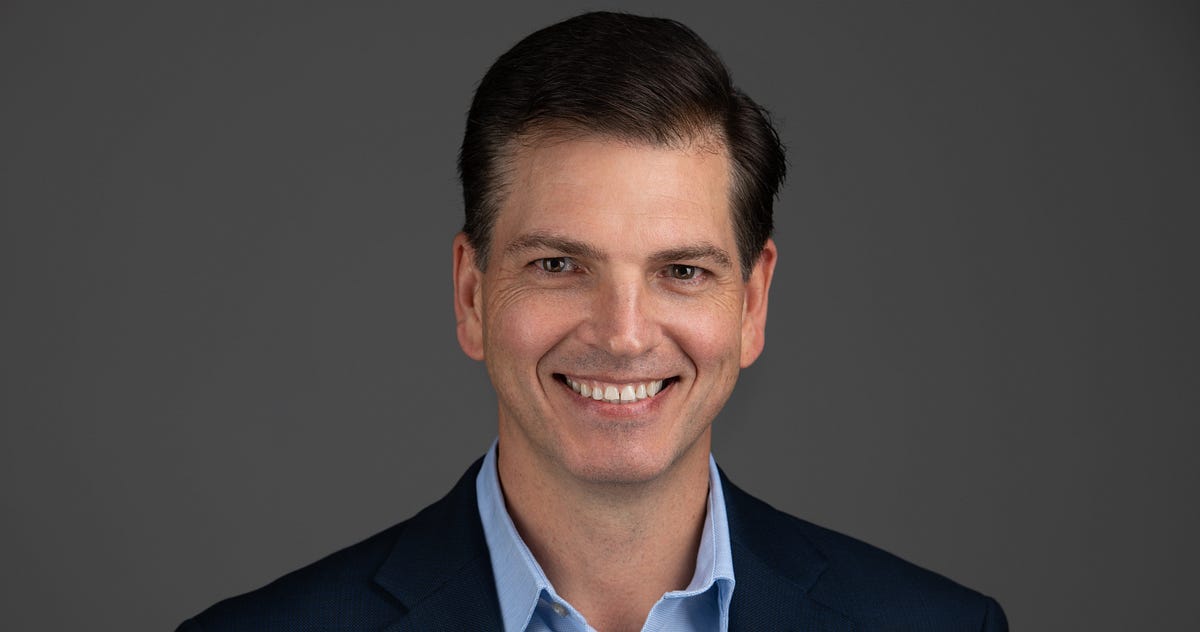
As a part of our interview series called “How Employers and Employees are Reworking Work Together,” we had the pleasure to interview Ryan Carson.
Ryan Carson is the senior vice president of professional imaging and visual systems at Panasonic Connect North America. Panasonic Connect is a B2B company offering device hardware, software, and professional services for the connected enterprise. Ryan has over 20 years of experience in technology and industrial end-markets, with a proven history of creating high performing teams, capturing new business, and growing market share in competitive B2B markets. He is motivated by innovative problem solving and merging the expertise of various teams to create solutions that relieve key customer pain points. He is also passionate about fostering environments that promote strong internal and external relationships, and the role that technology plays in cultivating meaningful connections and experiences.
Thank you for making time to visit with us about the topic of our time. Our readers would like to get to know you a bit better. Can you please tell us about one or two life experiences that most shaped who you are today?
I was raised in a small town in Michigan. At the time, it had a population of about 2,600 people. It had a single traffic light at the “four corners” and my friends and I would spend our weekends meeting up at McDonald’s or Dairy Queen. It was a simple quintessential small-town experience.
Being raised in a small community instilled a strong work ethic in me and taught me the value of community and the people you come to rely on. You must be dependable, reliable, and likable and you should look for those values in the people around you as well. I have carried those values with me as I have moved around the country, traveled the world, and grown in my career. It’s helped me a lot in my time at Panasonic Connect. Our employee base fosters a great sense of community, and we also get to collaborate with our ecosystem of partners and customers to inform our innovation strategy and ultimately deliver unprecedented audience experiences from connected classrooms and office spaces to immersive projection mapping exhibitions. My time at the company has reiterated what I always knew to be true growing up: a business is like a village and how you treat people matters not just to you, but to the entire community.
Likewise, having children profoundly changed my life. I have three wonderful children and as they grow, I have also grown through them and have come to see the world differently. From social media pressures to the rising cost of living, they are experiencing a much different upbringing than I had in my 1980s small town. And as someone in the technology industry, it has been especially interesting to watch the impact of technology on my children’s lives, like when they had to transition to remote learning just a few years ago. Their whole world became digital. It wasn’t just about the quality of the education they received in this virtual classroom. Technology shaped their ability to interact with friends and teachers. Entering the workplace will be different for them as a result. They’re so much more accustomed to the flexibility of hybrid work and building connections in a virtual environment. Yet, having spent some of their formative years in primarily digital worlds, they also hold a greater appreciation for the opportunity to gather in-person. I see how lucky I am to work for a company that designs and builds the technology behind connected classroom and office experiences. The technology we develop today will be the building blocks for a better work experience for my children. That’s what inspires me to keep innovating.
Let’s zoom out. What do you predict will be the same about work, the workforce and the workplace 10–15 years from now? What do you predict will be different?
Tomorrow’s workforce will look different as will tomorrow’s workplace. Tech advancements from artificial intelligence to virtual reality will transform workflows and enable new modes of work, particularly a much more connected digital workforce. Employees will continue to prioritize opportunities that give them work-life balance and offices will turn to technology to help them deliver that flexibility while supporting better collaboration between a distributed workforce. Developments in technology will bridge the gap between remote and in-office experiences.
However, the adoption of these technologies won’t happen overnight. We’ll witness a significant transition period before we see a complete blend of the physical and virtual environments. In the meantime, businesses will need to rely more on their current office technology: from projectors in conference rooms to displays that share office updates and wayfinding information. These projectors and displays will create that physical manifestation of the virtual environment.
Similarly, with more AI and automation, workflow capabilities for businesses will expand significantly. Organizations will still need to create engaging and dynamic content to interact with employees and customers, but the ways in which they achieve this goal will look much different.
Increased tech adoption will also create new jobs, like how the Internet created new roles from web designers to network architects. The possibility to leverage technology in ways currently unimaginable will lead to exciting new careers and opportunities for tomorrow’s workforce.
What advice would you offer to employers who want to future-proof their organizations?
Employers need to have a clear strategy for how they plan to evolve and meet changing employee needs. We learned a lot from the Internet boom, and we learned a lot during the pandemic. Now, we need to think long-term about what business operations will look like in 10–15 years. What problem will your business solve in the coming years? What type of office space do you need to provide for employees? What technology should you invest in? Setting a vision of what your business future will look like and creating a long-term plan to achieve that vision will help inspire and engage employees under a common goal.
A future-proofed organization is one that invests in its people, prioritizes strategy, and executes with rigor. This means having the right people to execute the strategy and bring the vision to life. And it means supporting those people with the right technology. However, organizations don’t always have the funds to invest in new tools immediately. At the same time, technology deployed now will stick with your organization for the next 5–7 years. So, if they end up finding the funds, organizations will need to prioritize emerging standards to future-proof that technology stack.
What do you predict will be the biggest gaps between what employers are willing to offer and what employees expect as we move forward? And what strategies would you offer about how to reconcile those gaps?
Employees, especially those at the early stages of their career, have an idealistic vision of the way things should be — from modes of working to environmental and social impacts. Business needs to transform, and the gaps will be clear and present. What employees expect from employers and what employers expect from employees will not be the same. This is the case when introducing new tools and technology into the workplace. It’s not always easy for companies to invest in improving multiple areas from employee technology to R&D to offsetting their carbon footprint all at the same time. It’s like the old saying goes “faster, better or cheaper — pick two.”
Businesses should focus on what will immediately impact employees’ lives today and invest in R&D to keep the business relevant for years to come. They’ll need to create long-term stated goals and focus on meeting those goals. Whether it’s updating employee technology or enhancing sustainability efforts, it’s important to set a timeline and provide clear, frequent updates on how the organization is progressing toward those goals. For instance, at Panasonic Connect, we have set out to reduce the CO2 emissions of our business operations to net-zero by 2030. And we have a framework for achieving this goal: we’ll implement renewable energy systems at each site and utilize solar and hydrogen energy technologies. Setting clear goals and objectives like this shows employees that we’re committed to practicing what we preach, which in turn supports a more transparent corporate culture.
And sometimes forming business partnerships is necessary to achieve these goals. For instance, deploying new corporate technology can be challenging from a financial perspective. Working with a technology partner will help ensure any technology your business implemented works with your existing systems and the systems you’ll have in place five to ten years from now.
We simultaneously joined a global experiment together last year called “Working From Home.” How will this experience influence the future of work?
Working from home created two groups of employees based on their preferences: those who prefer the office and those who prefer working remotely. Working from home does not benefit everyone equally. Just as working in the office doesn’t. This is where emerging technology can help bridge the gap.
The workplace of the future will be hybrid, and striking the right balance between in-person and remote work will be challenging. Younger generations are accustomed to interacting through technology in ways older generations are not as comfortable. Technology, like virtual reality that gives us the power to coexist in a digital, three-dimensional environment, will help bridge the digital and physical worlds and make people feel like they are working in the same place regardless of where they are.
Companies that begin experimenting with these technologies now will be better off in the future as these strategies become more mainstream. It reminds me of when our world first shifted to remote environments in 2020. The classrooms and houses of worship that were already accustomed to live streaming to some extent were the ones who managed to keep their audiences engaged, even if they did need to update their technology stack in the process. The same was true for corporate events. At Panasonic Connect, we were fortunate in that we produce high quality camera technology that can track speakers and work with our live production platforms to create dynamic content. This expertise enabled us to partner with an innovative company, called DisruptAR, to quickly pivot our in-person tradeshow presence to an engaging virtual format. It’s this type of creativity, collaboration, and agility that will help organizations embrace all possibilities of the next phase of work.
We’ve all read the headlines about how the pandemic reshaped the workforce. What societal changes do you foresee as necessary to support a future of work that works for everyone?
I see this question relating to the need for employers to accommodate the societal changes we’ve witnessed since the pandemic. For one thing, the freedom to choose the format of your experience has become critical. If attending a worship service in person feels overwhelming, you can attend a livestream. Similarly, if you learn better by tuning into a class remotely, you can participate virtually. Technology has helped advance these virtual experiences to the point where they feel equitable enough that individuals would freely choose the digital experience over the in-person one.
Organizations will need to embrace flexibility to give employees the choice to work in the environment that best suits their creativity and drives positive outcomes. It may be that working in the office helps some employees collaborate more and gives them a place for focused, deep work. Meanwhile, other employees may enjoy the freedom to work from home so they can minimize the time spent commuting and spend more time caring for family members and serving their communities. Panasonic’s founder, Kōnosuke Matsushita, believed the most important goal of a business was having a positive impact on society. That’s something my team strives for every day as we support our own employees and help our customers’ employees enjoy a better work experience that frees them to contribute positively to society.
What is your greatest source of optimism about the future of work?
My greatest source of optimism for the future of work is that technological innovation will create new jobs, new opportunities, and new modes of working. Equipping workers with the latest technology will foster better collaboration, regardless of where employees are located, and enhance employee engagement overall. In the end, my hope is that companies will be able to achieve their goals while giving employees the freedom to enjoy the flexibility and work-life balance they crave.
Our collective mental health and wellbeing are now considered collateral as we consider the future of work. What innovative strategies do you see employers offering to help improve and optimize their employee’s mental health and wellbeing?
I’m seeing employers implement a variety of different programs to support employees’ mental health. This includes offering mental health days and longer sabbaticals to focus on family or self-improvement and giving employees access to digital tools designed specifically to support mental well-being.
Employers are also making a greater effort to offer employees more flexibility. Giving employees the option to work where they are most productive for the entirety or part of the week gives them more free time to spend focusing on family or giving back to their communities and helps them achieve better work-life balance.
Technology also plays an important role in supporting these flexible work environments. If an employee works best from their home office, but the organization’s conferencing solutions are so outdated that they can’t participate in a collaborative meeting, they are forced to come into the office. In that case, all efforts the company has made to give employees flexibility disappear. Equipping office spaces and remote employees with the right camera and conferencing solutions will help minimize the divide felt between at-home and office work, drive better collaboration, and support employee well-being.
It seems like there’s a new headline every day. ‘The Great Resignation’. ‘The Great Reconfiguration’. And now the ‘Great Reevaluation’. What are the most important messages leaders need to hear from these headlines? How do company cultures need to evolve?
These headlines describe the relationship between employer and employee and how it has changed throughout the pandemic and in subsequent years. It first started when employees began leaving their jobs for opportunities that offered them better benefits and flexibility. This, in turn, drove employers to adjust their work policies to give workers some of the benefits they were craving. Regardless of the term used to describe the movement, the past few years have encouraged employees to reflect on their values and how their work schedules dictate the amount of time they can spend with family, and friends and on their hobbies. Flexibility, work-life-balance, health and well-being will remain expectations of employees in the coming years. The businesses that find success recruiting and retaining a solid employee base will be the ones that continue to evolve their benefit plans to help employees achieve these objectives.
For business leaders, it will be critical for them to have a strong understanding of both their personal and company values. And they need to make sure these organizational values are understood and practiced across the entire company. Nothing will fail faster than a company whose actions diverge from its values. Leaders must ensure cultural alignment prevails across the entire organization.

Let’s get more specific. What are your “Top 5 Trends To Track In the Future of Work?”
Adoption of Automation and AI.
- AI and automation will not only support better workflows. They will also support better content output to better engage audiences. Think about a camera that uses AI to track the speaker’s movements. This enables organizations to capture much more dynamic livestream content that better engages remote employees.
Integration of More Flexible Work Models.
- The greatest demand from employees in recent years has been more flexibility. Like I’ve said, efforts to increase flexibility will ultimately be rendered useless unless businesses also equip employees with the right technology to drive this flexibility. This isn’t just about adopting software tools that help boost efficiency. It’s about implementing the camera, audio, and collaboration tools that create a seamless work environment between those present in person and those tuning in remotely.
Alignment Between Employee and Employer Values.
- Companies need to know their identity and values and stay true to them. This alignment will be critical to attract the right talent. As I watch my children prepare to enter the workforce, I can say for sure they would never work for a company if they felt it did not align with their values and beliefs on environmental and social impact. That’s true for a large portion of Gen Z: 77% say it is vital for them to work for a company whose values align with their own. And on a broader level, that trickles down to trust. When companies clearly practice their values, they win the trust of their employees and their customers. This is crucial given that 91% of customers would buy from a brand that gains their trust and 71% of employees say they’ll leave a company that loses their trust. In the end, businesses can’t just talk about their commitment; they need to show that commitment through their actions.
Implementation of Skills Development for More Equitable Work Experiences.
- The shift to remote work was an important eye-opener to the disparity in everyone’s digital experience. On one hand, the digital divide makes it more challenging for underprivileged people to have access to the same technologies, whether that’s high-speed Internet or an up-to-date laptop. Similarly, having employees learn and adopt new digital workflows remotely underscored the gap in skills development across the organization. In many cases, younger employees picked up on the new workflows faster than those who had been accustomed to in-person, pen and paper processes for the majority of their careers. As employers work to create a more equitable work experience in the coming years, they’ll need to address these gaps in technology access and skills development with better support and training.
The Prioritization of Equity and Diversity.
- This trend hits home for me as I have a lot of diversity in my family, so it’s always been an important objective for me in the workplace. Embracing these values will be especially important when attracting Gen Z workers, the most racially and ethnically diverse generation.
I keep quotes on my desk and on scraps of paper to stay inspired. What’s your favorite “Life Lesson Quote”? And how has this quote shaped your perspective?
I have a few favorite quotes that have shaped my perspective over the course of my career:
- “I think it is possible for ordinary people to choose to be extraordinary.” — Elon Musk
- “Everybody is a Genius. But if you judge a fish by its ability to climb a tree it will live its whole life believing that it is stupid” — Albert Einstein
- “If you fail to prepare, you’re prepared to fail.” — Mark Spitz
These quotes have shaped my outlook on leadership, helping me see success as a mindset. When you “choose to be extraordinary,” you’ll put in extra time and effort to drive your ambition and spark new levels of creativity. In turn, positive results will follow. Likewise, when you take the time to recognize and capitalize on the individual strengths of your employees, you’ll inspire them to achieve greatness. Finally, a good leader must be prepared. That comes down to making careful, well-thought-out decisions, and leading with purpose. Like I’ve said, it’s not enough just to set values — you need to be prepared to embrace those values.
We are very blessed that some of the biggest names in Business, VC funding, Sports, and Entertainment read this column. Is there a person in the world, or in the US, with whom you would love to have a private breakfast or lunch, and why? He, she, or they might just see this if we tag them.
From the perspective of innovation and admiration for his approach to disrupting the technology space, I would love to meet Elon Musk. I started my career at NASA, where I witnessed first-hand how incredibly challenging it is to put a payload into orbit. So I’ve always watched in awe at all of the groundbreaking work SpaceX has been able to accomplish in such a short time. Similarly, when everyone said electric cars weren’t realistic, Tesla managed to make one that people really wanted to drive. Ultimately, I have a genuine appreciation for fast-paced, groundbreaking innovation in the tech field, so I think Elon Musk would be a great person with whom to explore that topic.
Our readers often like to continue the conversation with our featured interviewees. How can they best connect with you and stay current on what you’re discovering?
The best way to connect with me is on LinkedIn.
Thank you for sharing your insights and predictions. We appreciate the gift of your time and wish you continued success and good health.
About The Interviewer: Karen Mangia is one of the most sought-after keynote speakers in the world, sharing her thought leadership with over 10,000 organizations during the course of her career. As Vice President of Customer and Market Insights at Salesforce, she helps individuals and organizations define, design and deliver the future. Discover her proven strategies to access your own success in her fourth book Success from Anywhere and by connecting with her on LinkedIn and Twitter.
KM
Written by
Karen Mangia
Editor & Journalist · Authority MagazineEditor and journalist at Authority Magazine, sharing in-depth executive interviews, leadership insights, and empowering stories from world-class founders and creators.
Published inAuthority MagazineTop Lessons, Top Authorities · 42K Followers
Exclusive, curated interviews with the leaders and changemakers shaping tomorrow. Leadership lessons, industry deep dives, and executive profiles.
More from Authority Magazine
See all stories →A
Authority Magazine Editorial StaffBrandon Wade & Dana Rosewall on Why ‘Yes’ People are a Liability and the “Painful” 180-Degree Redemption Story
Tech27 min read

Y
Yitzi WeinerAmazon’s Lauren Stovall Talks AWS Nonprofit Programs, Enterprise AI and the Push for Unrestricted Funding
Tech22 min read
G
Gabriel Borden, Managing Partner at Arrow FundGuardians of AI: Kerstin Woods of Toshiba America Business Solutions On How AI Leaders Are Keeping AI Safe, Ethical, Responsible, and True
Tech17 min read
A
Authority Magazine Editorial StaffFrom New York Wild Child to Bali Wellness Queen: Inside Meghan Pappenheim’s Spiritual Empire
Tech20 min read