We spend years preparing for almost every area of life and yet most of us are never taught how to look after the relationship that shapes our happiness most, how to love well and make love last. We learn to drive, we train for careers, how to succeed at businesses and even bake sourdough!
Wellness
Sheela Mackintosh-Stewart: Inside the Architecture of Relationship Maintenance to Prevent Unnecessary Divorce
A veteran divorce lawyer reveals how shifting from reactive crisis management to intentional daily habits can help couples navigate life’s inevitable transitions and avoid the pitfalls of long-term relationship drift.
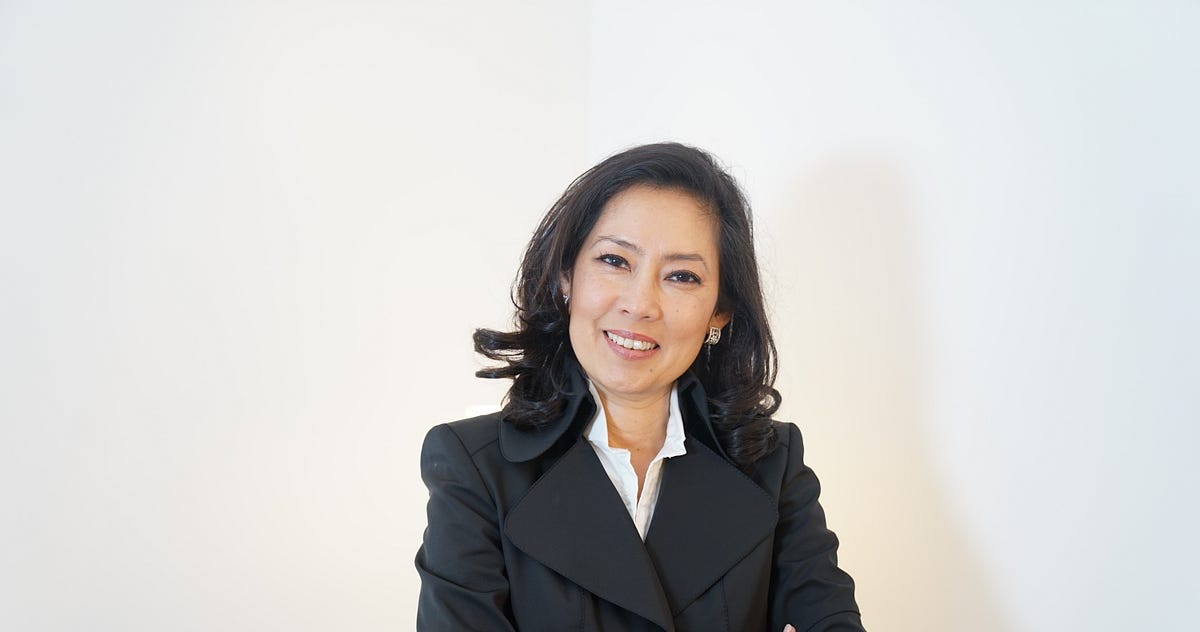
Marriage is a lifelong journey that requires dedication, understanding, and continuous growth from both partners. To delve deeper into what makes a marriage truly happy and enduring, we are seeking to feature authors who have explored this topic through their writing. As a part of this series, I had the pleasure of interviewing Sheela Mackintosh-Stewart.
Sheela Mackintosh-Stewart is a divorce lawyer, relationship expert and author of How to Stay Together-12 Daily Habits to Strengthen Your Relationship. She is probably the only divorce lawyer actively trying to keep people OUT of her office and has spent 30 years working in the divorce trenches. After working on 400 break-ups, Sheela has seen first-hand what causes couples to drift and the warning signs many wish they had spotted sooner. She uses the insights gleaned to help people stay together, combining her legal experience with relationship coaching to help clients reconnect and make their relationships happier and stronger before they reach the point of “I’m done”. Her new book, How to Stay Together, distils decades of experience, relationship research and real-life conversations into 12 simple, science-backed daily habits designed to help couples overcome challenges and future proof their relationship. Having experienced divorce herself and now happily remarried with two grown-up daughters, Sheela combines professional expertise with personal insight. She is driven by her passion to help us all become ‘relationship-smarter’, encouraging us to bring the same intention and care to our marriage we already bring to other areas of our lives.
Thank you so much for joining us in this interview series! Many of our most powerful lessons come from personal experience. What experiences inspired you to write a book of relationship advice?
We spend years preparing for almost every area of life and yet most of us are never taught how to look after the relationship that shapes our happiness most, how to love well and make love last. We learn to drive, we train for careers, how to succeed at businesses and even bake sourdough! I spent five years training to become a lawyer but not even five minutes learning how to build a healthy, lasting relationship.
Ironically, it was my 30 years in the divorce trenches and then going through divorce myself that inspired me to write a book about staying together. I’ve watched hundreds of marriages end including my own and learned some of my biggest lessons about how to stay together from seeing what happens when we don’t. Many of us assume our relationships will stay fine, so we don’t actively look after them. But life gets loud and busy, and we stop doing the little things we used to do that made us feel loved and connected. We then slowly drift apart without even noticing, or we brush aside the early warning signs, hoping things will miraculously get better on their own. Until something goes seriously wrong. Only then do we spring into action — but by then the little cracks have become great big gaps.
My own divorce blindsided me, so I know how easy it is to assume everything’s fine. You’d think of all people, I would have spotted the warning sign. But I didn’t. That was a huge lightbulb moment for me. Why do we wait until a relationship is in serious trouble before we start looking after it? Why aren’t we doing more while things are still good, or when the first little signs of drift appear?
Divorce is sometimes absolutely necessary, in cases where the relationship is abusive, harmful, or unhealthy for example. But in many cases, it can be a poor option. After 400 cases I can tell you this: many clients don’t come out of divorce feeling happier. Divorce can take a huge toll — on you, your family and your bank balance. So if you can avoid that, then why wouldn’t you? Surely we should give our relationship the best possible chance to succeed. That’s why I want to help people recognise problems much earlier and become better at looking after or repairing their relationship before it gets into serious trouble. And that’s really where How to Stay Together came from. In many ways, it’s a book of hope born from heartbreak, taking everything I’ve learnt from 30 years of seeing what goes wrong — including my own mistakes — and turning that into simple, practical ways to help more couples get it right.
In your opinion, what are the core principles that underpin a thriving marriage? Can you share a couple of examples from your book that illustrate these principles in action?
For me, a thriving marriage comes down to what I call the three big Cs: Connection, communication and consistent care. Connection keeps us feeling close like lovers and best mates. Communication keeps us talking, checking in, listening and understanding each other, especially when life gets stressful and difficult. And consistent care is what makes us feel valued, appreciated and loved.
None of it is rocket science and that’s rather the point. Great relationships aren’t usually built on enormous romantic gestures like expensive holidays, they’re built on the tiny things we do for each other, over and over again.
Take something as simple as bringing your partner their favourite drink, or running them a bath after a rotten day. It says ‘I thought of you. I want to do something nice for you’.
Another habit I mention in my book is to give your partner one genuine compliment every day. We’re brilliant at thinking lovely things about our other half and surprisingly rubbish at actually saying them out loud. After years together, we assume they know. They really don’t. Telepathy is not a love language! Don’t just think it, say it. It takes seconds but feeling noticed means such a lot.
How do you address the topic of conflict resolution in your writing? What strategies do you believe are most effective for couples to navigate disagreements and maintain harmony?
Two people living together for years are going to annoy the hell out of each other occasionally. Conflict is normal. The real danger is fighting badly and then failing to repair and reconnect afterwards.
In How to Stay Together, I talk about fighting smarter and repairing faster. When things get heated, slow it down, before the disagreement goes nuclear. Listen to understand, not just to reload. Reflect back what you’ve heard. ‘So what I’m hearing is…’ Try to understand the feeling beneath the row. You don’t have to agree with everything your partner says, but you can empathise: ‘I can see why you felt like that.’ Then move the row forward: ’What can we do differently next time? What do you need from me now?’
And please, don’t fight by angry text. Put the phone down. Seriously, nothing good comes out of furious words at 11.47pm and adding angry emojis for emphasis.
The other biggie is to repair quickly. Say sorry. Own your bit. Reach out. Have the cuddle. Crack the joke if the moment allows. Don’t let a ten-minute row become a three-day cold war because neither of you wants to blink first.
You don’t need to win the argument. You need to protect the relationship. Because being right is a pretty lonely prize if you end up miles apart.
Marriage often involves significant changes and challenges over time. How do you suggest couples can grow and adapt together through different life stages while maintaining a strong bond?
The person you marry at 30 won’t be exactly the same person at 50. You won’t be the same either. You’re both going to change, so the relationship has to change too. The trick is not expecting your marriage to stay frozen in time, but to continue to grow together.
Keep talking and checking in. Never assume you know what your partner is thinking just because you’ve been together for 20 years. Life keeps moving the goalposts: children, careers, money worries, menopause, illness, aging parents, empty nests. So stay curious and check in regularly.
Keep growing and adapting. Your relationship at 25 won’t look anything like your relationship at 55. In your twenties, dating is often spontaneous. In your 30’s it might require military planning around babies and childcare. In your 40’s, it might be navigating teenage tantrums, highly stressful jobs and caring responsibilities. Then your 50’s often bring midlife crises, menopause, retirement and empty nesters.
The mistake is expecting your relationship to work in exactly the same way through it all. It won’t, so you need to keep adjusting. You don’t have to grow in exactly the same direction at the same speed, but you do need to keep turning towards each other along the way.
That means finding new ways to spend time together, adjusting how you share the load and allowing sex and intimacy to evolve as your bodies and needs change.
And when one chapter ends — children leave home, retirement, a career change — work out what your relationship looks like in the next chapter. Keep building a relationship that works for the people you are now.
Keep choosing each other. Don’t lose sight of your partner. Amid kids, work, aging parents, mortgages and everything else, it’s so easy for couple togetherness to disappear. Keep the little things alive: the kiss when you walk past each other, the silly joke, the five-minute chat, the cuddle on the sofa. Don’t just be a great team, remember to be a couple.
Don’t forget to have fun! Deliberately bring back the things that make you smile. Fun isn’t a luxury or a silly extra, it’s part of the glue that keeps you close. It doesn’t have to be a big night out or a grand gesture. My husband and I still do a ridiculous little kitchen dance while the kettle boils. We’ll squeeze in a five-minute game of Chinese checkers — mainly so I can beat him, obviously. Sending each other a funny meme or a song that makes you think of each other counts too.
Think back to what made you laugh when you first got together. Revisit the old pub, look through silly photos, bring back the private jokes that belong only to the two of you. Because couples don’t just need a life that works, they need a life they enjoy sharing.
Based on your research and writing, what practical advice would you offer to couples looking to strengthen their marriage? Are there specific habits or routines you recommend that can foster deeper connection and mutual support?
My book is exactly about this with plenty of specific steps you can take to make your relationship stronger. I advise: Start much smaller than you think. When people think about working on their marriage, they often imagine a big dramatic fix. But I’m much more interested in what happens at 7:15 on a Tuesday morning. Do you say good morning? Do you look up from your phone when your partner walks through the door? Do you still kiss hello? Do you ask how their day actually was and listen to the answer? These tiny moments might seem insignificant but they really aren’t. They are little signals saying I see you, I notice you, I love you.
Create little rituals that belong just to the two of you. A proper hello and goodbye kiss, 10 minutes chatting without phones, a weekly check-in over coffee or a simple hug. Little things done consistently are what create a big difference over time.
Stay curious about each other. One thing I find fascinating is how couples often stop asking questions. At the beginning, we’re endlessly curious. We want to know everything about this person — their favourite things, their hopes, their worries, what makes them laugh. Then years pass and we assume we already know them.
But people change. When I ask couples what their partner is most worried about, or what they’re struggling with, I’m often met with a blank look. Don’t assume you know everything about the person beside you. Keep asking, keep listening and keep discovering each other, because the person you love today is still growing and changing, and your job is to keep getting to know them.

What are 5 Primary Points that you wish every couple knew and practiced? Please share a story or example for each.
One of the biggest lessons from my 30 years in divorce is that relationships don’t always explode. Often, they slowly drift through small loving gestures disappearing over a long time.
1. Spot the drift early
Take one couple I worked with. He had a demanding, high-pressure job in finance; he didn’t talk much about work because he didn’t want to bring the stress home or worry his wife. She, meanwhile, felt she didn’t really understand his world. Her attitude was, ’That’s his job — he knows what he’s doing.’ And because he wasn’t saying anything was wrong, she assumed everything was fine.
So he didn’t share and she didn’t ask. Meanwhile, she was busy raising the children and running the home. From the outside, everything looked fine, they were functioning as a family, but they were sharing less and less of themselves with each other. He was dealing with his pressures largely on his own so he became distant and withdrawn, while she felt increasingly lonely and shut out.
You can see how the drift crept in slowly and quietly, pulling them further and further apart; there were no huge rows and no obvious crisis. Until one day he landed the bombshell — he wanted a divorce and his mistress was pregnant. The affair was the crisis point, but the drift had started long before that.
What stayed with me was how long they had been living disconnected lives without either of them really tackling it. That’s what I wish every couple understood: silence doesn’t necessarily mean everything is fine. Hard conversations are awkward, they’re uncomfortable and most of us would rather avoid them. But having that conversation and giving yourselves the chance to understand, repair and reconnect is far better than waiting until one person reaches breaking point and says, ’I’m done’.
Sometimes the biggest warning sign isn’t the argument you’re having. It’s the conversations you’re no longer having.
2. Never stop sharing the little stuff
One of the earliest signs of drift is when couples stop sharing themselves with each other. It usually starts with tiny things. You tell your friend the funny story instead of your partner, you say ‘I’m fine’ when you’re actually struggling, you stop sharing the worries, the silly moments, the random thoughts that make up your day.
None of those things seem like a big deal at the time, but do it often enough and you slowly stop letting your partner into your world. Eventually you can be living under the same roof while leading emotionally separate lives.
So tell them the silly story, tell them why you’re worried, tell them about the ridiculous thing that happened at work. Keep that connection alive.
3. Notice the boring everyday stuff they do for you
It’s so easy to stop noticing the everyday stuff your partner does when they do it quietly and without fuss. Dinner cooked, kids collected, bins emptied. fridge stocked, washing done, grass mowed. But nobody wants to feel like the domestic help and taken for granted, so take a moment to say thank you.
It might sound obvious, but after years together, it’s often the most routine things that we stop acknowledging. So don’t just think it, say it, two tiny but super powerful words right on the tip of our tongue. It takes seconds, but it shows your partner that the things they do haven’t gone unnoticed.
After 30 years sitting opposite people whose relationships have ended, I’ve learnt that love rarely needs grand gestures, what is needs is attention. It’s the small, everyday ways we show each other we care that really matter. You don’t need to overhaul your relationship tonight, just pick one little thing to start and do it.
4. Don’t keep score
One of the fastest ways to drain the warmth out of a relationship is to start running an internal spreadsheet. ‘I cooked three times, I did bedtime, I organised the holiday, I always initiate sex, I apologised last time.’
Before long, you’re not partners, you’re rival accountants conducting an audit of who cares more. Now, of course fairness matters, nobody wants to feel like they’re carrying the whole relationship or doing more than their share, but quietly collecting evidence against your partner won’t fix the problem.
Say what you need, ask for help, have the conversation. Someone has to make the first move so make the tea, give the kiss, send the kind text. Not because you’ve lost or you’re admitting you were wrong, but because you’re choosing the relationship over the scorecard.
5. Don’t use divorce as a weapon
The word ‘divorce’ can change the emotional safety of a relationship. Don’t throw it into an argument unless you genuinely mean it.
One thing I’ve seen repeatedly in my work is couples who threaten divorce during a row. Often they don’t mean it — they’re angry, hurt or desperate to be heard — but it changes the temperature of the whole relationship. And the person on the receiving end doesn’t always hear, ’I’m overwhelmed’, they hear, ‘Our relationship is under threat’.
Over time, those words can chip away at trust and security. Instead of creating a safe space to fix problems, they create fear that the relationship could disappear every time things get difficult.
The solutions? Don’t threaten to leave when what you really mean is ‘I’m hurting’ or ‘I need you to understand how unhappy I feel’, or ‘things need to change’. Don’t use a threat or a dramatic statement to express a deeper feeling; say what you actually mean underneath the anger.
How do you reach couples with this message?
My biggest challenge is that most people only start searching for help when they’re already in pain and the relationship is under serious strain. I want to change that by encouraging people to talk to each other and make relationship care part of their everyday routine maintenance. I call it ‘love maintenance’.
That’s why I’m passionate about reaching couples earlier, before they’re sitting in a divorce lawyer’s office wondering how they got there. I try to meet people where they already are: through my book, social media, talks, podcasts and the press. I want relationship advice to feel less like homework and more like a conversation with a friend — practical, honest, easy to apply and fun!
My message is simple: Don’t wait until your relationship is in trouble before you start looking after it. You don’t need a relationship overhaul; often it’s the small things — the conversations, the affection, the appreciation, the laughter — that keep couples connected.
After 30 years seeing what happens when relationships break down, my goal is to take those lessons from the end of relationships and share them much earlier, while couples still have time to do something about it. If I can help someone spot the drift before they’re sitting opposite a divorce lawyer, that’s a very good day’s work for me.
Are you working on any exciting new projects now?
My biggest project right now is bringing to life my book, How to Stay Together, which comes out on 21 January 2027. I’m really excited to take the ideas beyond the page through talks, media and digital content.
I’m also exploring ways to bring these messages to a much wider audience. We spend years learning how to build careers, manage businesses, raise children and look after our finances, yet we’re somehow expected to know instinctively how to maintain the most important relationship in our lives.
I want to change that. I want us to become more relationship-smart, to learn how to build love, protect connection and look after our relationships while they are still strong, not only when they are struggling.
Is there any particular book or concept that helped you overcome a turning point in a marriage?
The insight that really stayed with me was this: One of the best things you can do for your relationship is to look after yourself and yet it’s something many of us are surprisingly bad at doing.
Guilt is often the culprit. We pour everything into our work, children, family responsibilities and keeping everyone else going until we become exhausted, depleted versions of ourselves with very little left to give our partner.
When I work with struggling couples, I often see people stuck in survival mode. Their emotional tanks are completely empty because they haven’t been refilled for years. Yet self-care isn’t selfish or indulgent, it’s what allows you to show up better as a partner, parent and person. Keep your friendships, interests, health and sense of self alive, and make time for the things that refill your tank, as relationships feel much harder when we’re running on empty.
In How to Stay Together, I explore the daily habits to top up self-care. Looking after yourself isn’t choosing yourself instead of your relationship, rather it’s so you can bring more of yourself back into it.
Ultimately, the book’s message is about hope, unity and togetherness. My ambition is to share these ideas nationally and globally to help us all become ‘relationship smarter’ and appreciate that relationships, just like anything else important in life, need care, attention and investment.
Given how many couples struggle and reach breaking point before seeking help, I would love to see relationship education become something we prioritise much earlier. Learning how to find love is only the beginning, we also need to learn how to protect it, nurture it and keep choosing each other through the ups and downs of life.
Other than your book, how are you using your success to bring goodness to the world?
One of the things I care most deeply about is changing the way people experience relationship breakdown, so my work really has two sides. Where a good relationship can be repaired, I want to help people reconnect and give it the best possible chance, but where a relationship cannot or should not be saved, the next best thing I can do is help people part as amicably as possible. That means in the kindest, most constructive way possible, especially when children are involved — that’s when I put on my divorce lawyer hat.
After 30 years in family law, I’ve seen that often the deepest damage doesn’t come from the separation itself, but from the conflict around it, from the hostility, angry messages, point-scoring, weaponising of children and money, and the desire to win at all costs. If I can help people lower the temperature, communicate better and protect their family relationships through a difficult transition, that feels hugely worthwhile.
Beyond my legal and relationship work, I’m also passionate about helping the next generation. I founded Diaspora Leaders, where I mentor young people and help them build up their soft power skills, such as confidence, communication skills and leadership abilities. I’ve been lucky enough to mentor nearly 100 people so far, and seeing them go on to achieve great things has been incredibly rewarding. I also help coach women leaders, helping them build confidence and step into their potential.
For me, success is not just about what you achieve yourself, it’s about what you help other people become.
None of us are able to achieve success without some help along the way. Is there a particular person or couple who you are grateful towards who helped get you to where you are? Can you share a story about that?
I’ve certainly learned that nobody builds a meaningful life entirely alone. I didn’t get here alone, as every person I’ve met has touched and shaped my life in different ways.
My clients have taught me some of my greatest lessons. Sitting opposite people during the hardest moments of their lives has given me a deep understanding of love, resilience, forgiveness and the human capacity to rebuild.
My mentees remind me every day that knowledge only matters when you pass it on. Watching people take what they’ve learnt, grow in confidence and go on to achieve things they once thought impossible is incredibly rewarding.
But my biggest influences have always been my family. I grew up in the jungles of Malaysia in a Chinese-Indian family, where I learnt early the importance of family, togetherness and resilience. My mum and siblings gave me the grounding, resourcefulness and strength that carried and still carry me through the wonderful and challenging chapters of my life.
My father had a profound influence on me, particularly his powerful belief in me. He made it very clear that education was the key to creating opportunities. He used to tell my sister and me that he was determined we would have the very best education possible because he wanted us to have the skills and confidence to make our own way in the world. That belief in us was one of the greatest gifts he could have given. A parent’s belief in a child becomes part of their inner voice.
I’m also incredibly grateful for my husband, whose support and constant cheerleading have carried me through so many adventures, while my gorgeous daughters inspire me every day with their courage, determination and can-do spirit as they carve their own trailblazing paths.
So while there isn’t one single person who made me who I am, my life is really a tapestry woven from the people who have loved me, challenged me, taught me and believed in me along the way.
You are a person of great influence. If you could inspire a movement that would bring the most amount of good to the most amount of people, what would that be?
If I could inspire a movement, it would have two connected aims: Better relationships and better endings.
Relationships matter. Let’s get better at loving well, staying connected and keeping love strong. And when relationships cannot continue, let’s create better endings.
Every relationship story has a different ending. Where a relationship can be saved, I want to help people make it stronger, happier and healthier. Divorce should be a last resort, not something we slowly drift into, but after 30 years in divorce I have learnt not every relationship can or should be saved. In those instances I want to help people navigate the end with less conflict, less damage and a better way forward.
Can you please give us your favourite “Life Lesson Quotes”? Can you share how that was relevant to you in your life?
One life lesson that has stayed with me since childhood came from my father.
He used to say to my four siblings and me: “Four sticks are much harder to break than one.”
His message was simple: we are stronger together. Look after each other, stand by each other. Life will throw challenges at you, but you don’t have to face them alone.
That lesson has stayed with me throughout my life, both personally and professionally. The strongest relationships aren’t perfect ones, they are the ones where people continue to turn towards each other, support each other and show kindness, especially when life gets difficult.
I think we live in a world where kindness is sometimes in short supply — particularly online, where people can forget there is a real human being on the other side of the screen. And I see the same thing in relationships.
Words can wound, but kindness can heal. So another phrase I try to live by is: ‘Be an angel of kindness.’ You never know what someone else is carrying, and a small act of kindness can change the entire tone of a relationship.
Ultimately, that is also the heart of my book: we are stronger when we choose connection over conflict, kindness over criticism, and when we remember we are on the same team.
We are very blessed that some of the biggest names in Business, VC funding, Sports, and Entertainment read this column. Is there a person in the world, or in the US with whom you would love to have a private breakfast or lunch with, and why?
Such a tough question because there are many remarkable people doing extraordinary things who I would love to sit down with.
George and Amal Clooney would definitely be up there. I’d love to know how two extraordinarily successful people have built a partnership while balancing ambition, family, individuality and togetherness. And, I’d like to ask George how he manages to keep up with Amal, who is clearly the cleverest person in the room.
But if I had to narrow it down to one person, it would have to be breakfast with Oprah Winfrey. I admire her incredible ability to make people feel seen. For decades she has created conversations around the things that matter most in our lives: love, relationships, family, resilience, healing and personal growth.
I’ve spent my career listening to people’s most personal, painful stories, often at the hardest moments of their lives. What I’ve learnt is that people don’t just need advice, they need to feel heard and understood.
I’d love to talk to Oprah about how we can change conversations around relationships and make relationship skills something we talk about openly, not something we only think about when things reach crisis point. Oprah has demonstrated the power of storytelling to help people change their lives and I would love the chance to learn from her, to explore how we could use this to build stronger relationships.
How can our readers follow your work online?
I’d love readers to join my community at Sheela.uk where they can find extra tools, tips and practical ideas to help them build stronger, happier relationships.
They can also follow me on Instagram, TikTok and LinkedIn where I share daily relationship insights, practical advice and lessons from 30 years in the divorce trenches. My new book, How to stay Together: 12 Daily Habits to Strengthen your Relationships is available to pre-order now from Amazon, Waterstones, Hachette and my website Sheela.uk.
Thank you so much for the time you spent sharing these insights with us. We wish you continued success with your book and your advocacy!
AM
Written by
Authority Magazine Editorial Staff
Writer & ContributorContributor at Authority Magazine covering leadership, innovation, and industry insights.

Published inAuthority MagazineTop Lessons, Top Authorities · 42K Followers
Exclusive, curated interviews with the leaders and changemakers shaping tomorrow. Leadership lessons, industry deep dives, and executive profiles.
More from Authority Magazine
See all stories →
A
Authority Magazine Editorial StaffDara Fleischer: Inside the Architecture of Breaking a Compulsive Shopping Cycle to Reclaim Financial Autonomy
Wellness30 min read

A
Authority Magazine Editorial StaffJessica Gold of Bliss Science on Molecular Bonding, Nonlinear Systems, and the Science of Human Connection
Wellness21 min read
A
Authority Magazine Editorial StaffMichael Ingber: Why We Must Stop Treating Menopause As A Disease To Be Endured
Wellness14 min read

A
Authority Magazine Editorial StaffJoel Conger of Connections Health Solutions on Crisis Intervention, Braided Funding, and the Power of Compassionate Care
Wellness6 min read