As I worked alongside some of the most vulnerable and underserved individuals in our communities, I realized that every person, regardless of their circumstances, wants the same things: purpose, connection, opportunity, and hope. Helping create pathways that allow people to achieve those goals became more than a career choice, it became a calling.
Wellness
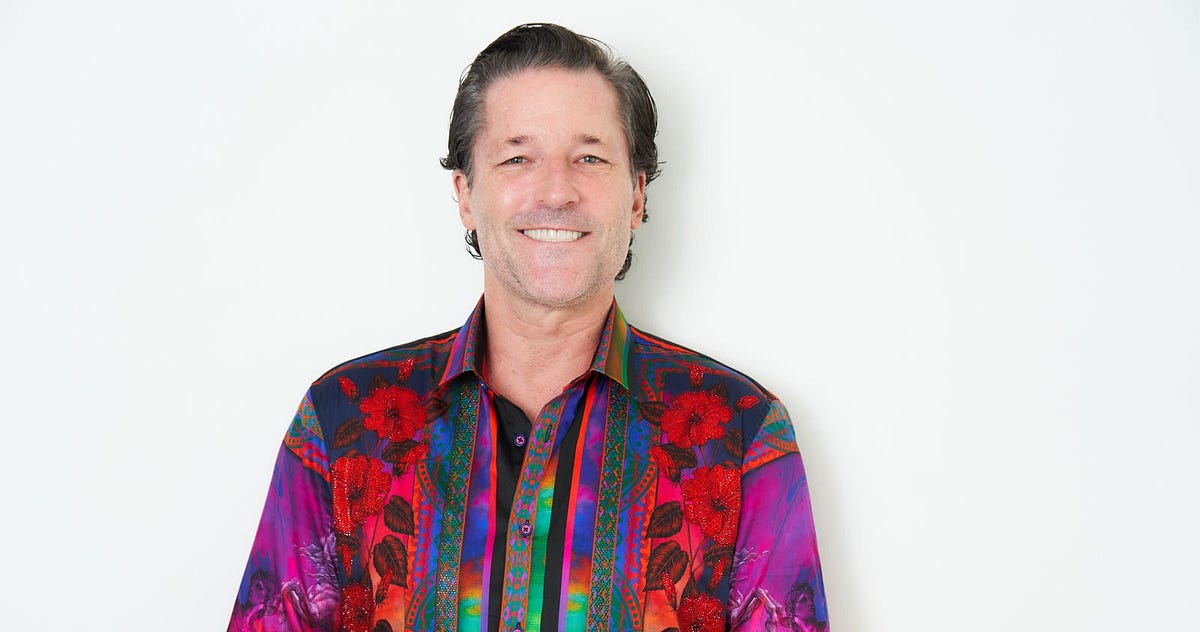
Joel Conger of Connections Health Solutions on Crisis Intervention, Braided Funding, and the Power of Compassionate Care
The West Region President of Connections Health Solutions shares his decades-long journey in behavioral health and his mission to replace emergency room visits with immediate, community-based crisis support.
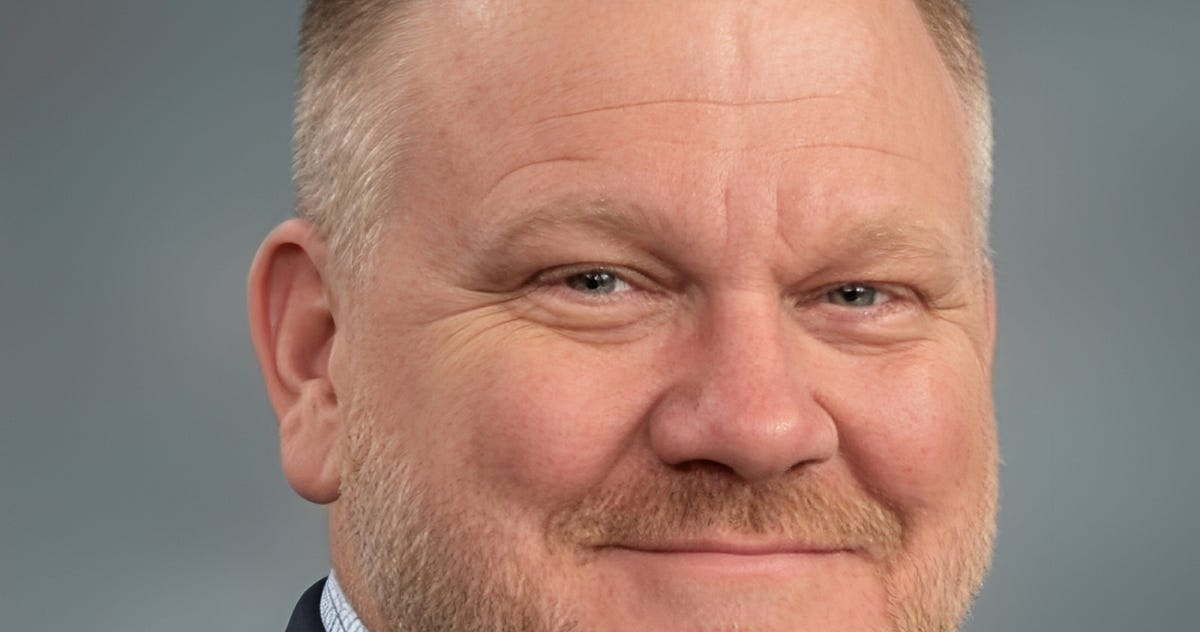
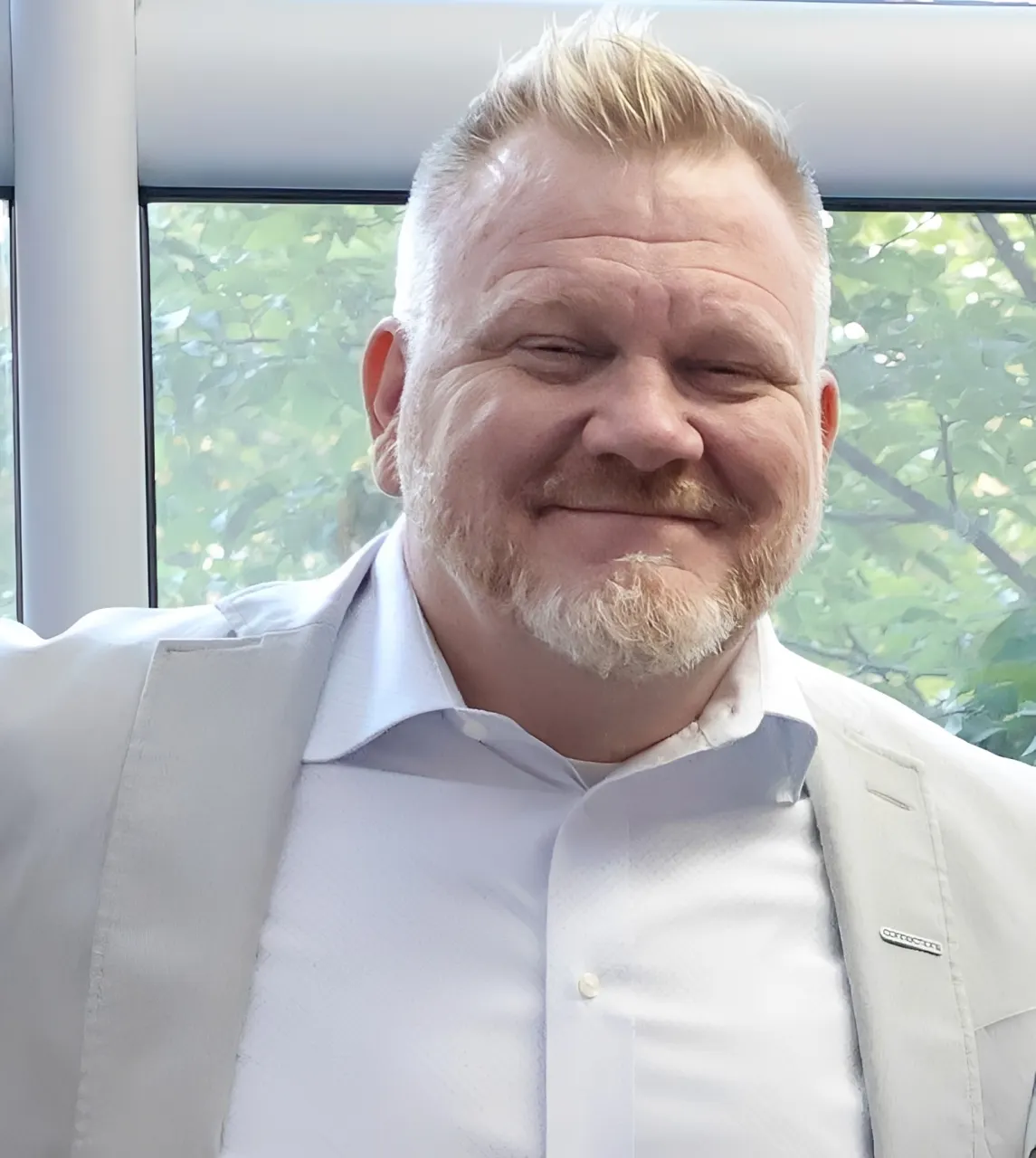
As a part of our series about Mental Health Champions helping to promote mental wellness, I had the pleasure to interview Joel Conger.
Joel Conger has spent more than 30 years working in behavioral health, and currently, he is the West Region President for Connections Health Solutions. Joel’s expertise lies in the domain of public sector behavioral health service delivery, where he possesses acute knowledge that allows him to navigate the complexities of braided funding mechanisms, encompassing state, federal, and grant funding. Joel is committed to making a difference in the lives of individuals facing behavioral health crises, and his contributions continue to shape the landscape of behavioral healthcare delivery in Western states.
Thank you so much for joining us in this interview series! Before we dig in, our readers would like to get to know you a bit. Can you tell us a bit about how you grew up?
I was born in Houston, Texas, the youngest of three children. My father was a mortgage banker, and my mother was a homemaker. After a brief time living in the East Bay area outside San Francisco, my family relocated to Phoenix, Arizona, which has been home since 1982. I attended the University of Arizona (Bear Down!) and earned a bachelor’s degree in Psychology in 1993. I am married and the proud father of two amazing children who are forging their own unique paths in life. My first role in behavioral health was with a residential program that supported individuals transitioning from the Arizona State Hospital back into the community. That experience ignited a passion that has shaped my career ever since. Witnessing recovery in real time and seeing individuals reclaim their lives was one of the most profound experiences of my life. Nearly four decades later, I remain deeply committed to serving people living with serious mental illness and helping build systems of care that support hope, recovery, and lasting change.
You are currently leading an initiative that is helping to promote mental wellness. Can you tell us a bit more specifically about what you are trying to address?
Having spent my entire career working with individuals living with serious mental illness, I’m passionate about expanding access to timely, compassionate behavioral health care. The initiative I currently lead focuses on ensuring that people experiencing mental health or substance use crises can access immediate care when and where they need it, rather than turning to emergency departments, jails, or other settings that may not be best suited to support their recovery. By building and expanding community-based crisis care services, we’re helping stabilize individuals in the least restrictive setting possible, connecting them to ongoing treatment and support, and ultimately improving mental wellness outcomes for individuals, families, and communities.
Many of us have ideas, dreams, and passions, but never manifest them. They don’t get up and just do it. But you did. Was there an “Aha Moment” that made you decide that you were actually going to step up and do it? What was that final trigger?
Seeing how access to timely, appropriate care can completely change the trajectory of someone’s life was my “aha” moment. As I worked alongside some of the most vulnerable and underserved individuals in our communities, I realized that every person, regardless of their circumstances, wants the same things: purpose, connection, opportunity, and hope. Helping create pathways that allow people to achieve those goals became more than a career choice, it became a calling.
Can you share the most interesting story that happened to you since you began leading your company or organization?
Honestly, there are too many to narrow it down to just one — I have what I consider to be one of the best jobs I have ever been fortunate to hold. Across four states, soon to be five, I get to see the lifesaving working our incredible teams at Connections Health Solutions do every day and the difference they make. People come to us when they are having, sometimes, what is the worst days of their lives — and I get to watch them be engaged, supported and cared for by the most dedicated staff anywhere. So maybe not so much interesting, but awe stricken on a daily basis.
None of us can be successful without some help along the way. Did you have mentors or cheerleaders who helped you to succeed? Can you tell us a story about their influence?
Throughout my career at Connections, I have had the privilege of learning from extraordinary leaders at every level of the organization. From operational leaders who navigate the challenges of frontline care each day, to physician leaders who use their expertise to save lives, to executives whose mentorship has shaped my professional journey over the past two decades, each has left a lasting mark on me. Their guidance, support, and belief in me have played a significant role in my success, and I would not be where I am today without them.
In your experience, what should a) individuals b) society, and c) the government do to better support people suffering from mental illness?
Individuals — don’t be afraid or embarrassed to ask for help. Mental illness is no different than a physical illness and unfortunately because it doesn’t always manifest itself in ways that physical illness does, don’t be ashamed or scared — help is out there! b) Society — building on the individual response — recognize and support individuals the same way you would someone with a physical illness. Stigma comes from a lack of knowledge and understanding. Be curious and be kind. Government — funding and parity are essential. Mental health continues to be woefully underfunded and exponentially more difficult to access than physical healthcare.
What are your 5 strategies you use to promote your own well-being and mental wellness?
1. Family and Friend time
Especially my four-legged family members.
2. Music
I can’t play anything per se but I do find it to be an escape of sorts — definitely a child of the 80’s heavy metal scene and something that I cherish to this day.
3. Conspiracy theory podcasts
Love listening to old Art Bell podcasts.
4. Travel
My family and I spent 10 days in England and Ireland this past summer — highly recommend.
5. Exercise
And the obligatory exercise when I can — should definitely be higher up in the priorities.
If you could tell other people one thing about why they should consider making a positive impact on our environment or society, like you, what would you tell them?
It takes no effort at all to simply be kind.
How can our readers follow you online?
https://www.linkedin.com/in/joelrconger
This was very meaningful, thank you so much. We wish you only continued success on your great work!
AM
Written by
Authority Magazine Editorial Staff
Writer & ContributorContributor at Authority Magazine covering leadership, innovation, and industry insights.

Published inAuthority MagazineTop Lessons, Top Authorities · 42K Followers
Exclusive, curated interviews with the leaders and changemakers shaping tomorrow. Leadership lessons, industry deep dives, and executive profiles.
More from Authority Magazine
See all stories →
A
Authority Magazine Editorial StaffDara Fleischer: Inside the Architecture of Breaking a Compulsive Shopping Cycle to Reclaim Financial Autonomy
Wellness30 min read
A
Authority Magazine Editorial StaffJessica Gold of Bliss Science on Molecular Bonding, Nonlinear Systems, and the Science of Human Connection
Wellness21 min read
A
Authority Magazine Editorial StaffMichael Ingber: Why We Must Stop Treating Menopause As A Disease To Be Endured
Wellness14 min read
A
Authority Magazine Editorial StaffDain Heer on Radical Self-Acceptance, the Power of Questioning, and Reframing Personal Limitations
Wellness30 min read