My goal has always been to help close those gaps, both through patient care and through research and innovation.

As a part of this series, we had the pleasure to interview Michael Ingber.
Dr. Michael Ingber, MD, is a board-certified urogynecologist, medical innovator, and Co-Founder and Chief Medical Officer of LiviWell, specializing in women’s pelvic and sexual health. Trained at the Cleveland Clinic, he holds dual board certifications in Urology and Female Pelvic Medicine & Reconstructive Surgery, multiple patents in women’s health, and academic leadership positions at leading medical institutions. As a clinician, researcher, and entrepreneur, Dr. Ingber is dedicated to advancing scientific understanding and innovative solutions for women’s sexual and vaginal health.
Thank you so much for joining us in this interview series! Can you tell us in your own words a bit about your background and your backstory?
I’m a board-certified urologist with subspecialty certification in urogynecology and reconstructive pelvic surgery, and I’ve spent much of my career focusing on women’s pelvic and sexual health. I’m also an Associate Professor of Urology at Rutgers University and a Fellow of the International Society for the Study of Women’s Sexual Health. In my clinical practice, I treat women dealing with conditions that can significantly affect their quality of life, including urinary incontinence, recurrent urinary tract infections, vaginal discomfort, pelvic floor disorders, and sexual dysfunction. I’m also the Co-Founder and Chief Medical Officer of LiviWell, a women’s health company focused on developing innovative solutions for overlooked aspects of intimate health. One thing that I’ve noticed throughout my career is that there are enormous gaps in women’s healthcare. While many of the conditions women face aren’t life-threatening, they can profoundly affect how women feel about themselves, their relationships, and their daily lives. My goal has always been to help close those gaps, both through patient care and through research and innovation.
Can you share a story with us about what brought you to your particular career path?
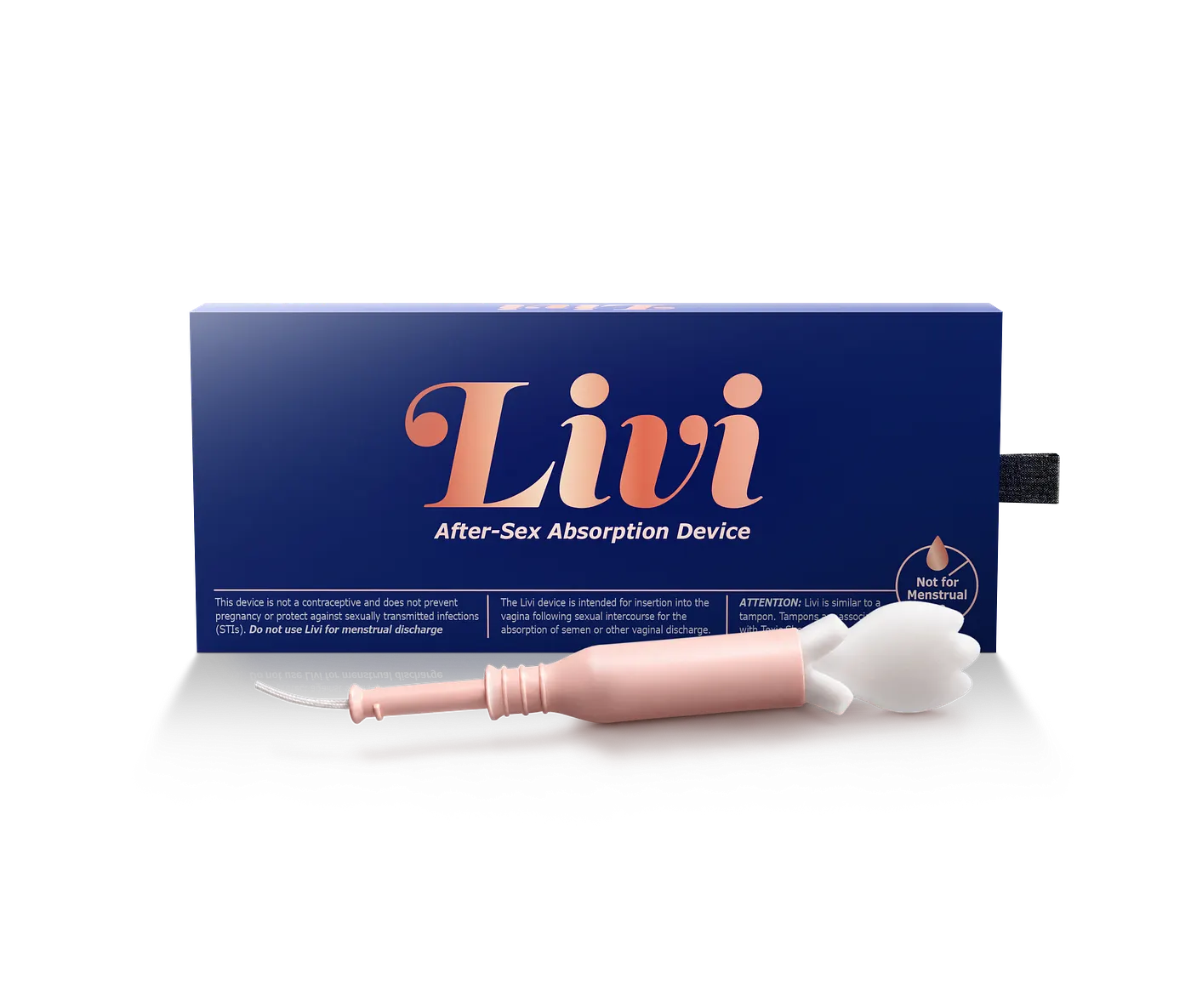
Early in my career, I became interested in the intersection between urology, gynecology, and sexual medicine. What struck me was how many women were living with symptoms that had either been dismissed or simply never addressed by their healthcare providers. Women would come into my office after years of dealing with urinary leakage, painful intercourse, recurrent infections, or sexual concerns. Many had been told these symptoms were simply part of aging, childbirth, or menopause. But what really stayed with me was how frequently patients would say, “I didn’t even know there was a treatment for this.” That sentence has shaped much of my career. We have so many sophisticated treatments available, yet so many women remain unaware that solutions exist for problems they’ve been living with for years. It also inspired my work in medical innovation. When my co-founders and I developed Livi, an FDA-cleared device designed to absorb semen and other fluids after intercourse, we were addressing an intimate concern that had largely been overlooked by the medical device industry. Sometimes the most meaningful innovations begin by simply listening to what women are telling us.
Can you share with our readers a bit about why you are an expert on medical care for women over 40?
A significant portion of my clinical practice involves women in their 40s, 50s, 60s, and beyond. I specialize in conditions that are very common during perimenopause and menopause, including urinary incontinence, recurrent urinary tract infections, genitourinary syndrome of menopause (previously known as “vaginal atrophy”), vaginal dryness, painful intercourse, and changes in sexual function. I’m also actively involved in clinical research and women’s health education, and I regularly work with patients who have seen multiple healthcare providers before finally receiving an appropriate diagnosis or treatment plan. What makes this population particularly interesting is that women over 40 aren’t simply experiencing one hormonal transition. They’re often managing several overlapping changes involving their pelvic floor, bladder, vaginal tissues, sexual health, metabolism, and overall well-being. These issues require a more integrated approach to care than our current healthcare system typically provides.
What are some common health concerns for women over forty, and how can the healthcare system be more responsive to these needs?
Perimenopause and menopause are major issues, but the symptoms extend far beyond hot flashes. Women may experience sleep disturbances, mood changes, vaginal dryness, painful intercourse, recurrent urinary tract infections, urinary urgency, and changes in sexual desire. Pelvic floor disorders also become increasingly common with age, including urinary incontinence and pelvic organ prolapse. These problems can be even worse in women who have had multiple pregnancies and deliveries. Unfortunately, many of these concerns are either not discussed during routine medical visits or are dismissed as normal consequences of aging. The healthcare system needs to recognize that quality-of-life conditions deserve the same attention as traditional medical diagnoses. We should be routinely asking women about bladder function, sexual health, vaginal symptoms, sleep, and menopause-related concerns, rather than waiting for patients to bring them up. And importantly, we need to stop treating menopause as a disease or a problem to endure. It’s a normal biological transition, but that doesn’t mean women should be expected to suffer through bothersome symptoms without treatment.
What changes would you like to see in the way routine check-ups and screenings are conducted for women over forty?
I’d like to see routine women’s healthcare visits become more comprehensive and less focused exclusively on traditional screening tests. Mammograms, cervical cancer screening, colorectal cancer screening, cardiovascular risk assessment, and bone health evaluations are all very important. But those are only part of the picture. Every woman over 40 should have an opportunity to discuss perimenopause symptoms, bladder health, vaginal health, and sexual function during routine visits. These conversations don’t necessarily require extensive testing. Sometimes a few simple questions can identify problems that have been affecting a woman’s life for years. For example, asking, “Do you ever leak urine when you cough, laugh, or exercise?” or “Has intimacy become uncomfortable or painful?” can open the door to effective treatments that we offer. I’d also like to see healthcare systems make better use of validated patient questionnaires completed before appointments. This would allow clinicians to identify concerns efficiently, without requiring a significantly longer office visit. We need to measure not only whether women are living longer, but also how well they’re living.
What specific policy changes would you propose to enhance preventative care services for women over forty in the US healthcare system?
One of the biggest changes I’d advocate for is improved insurance coverage and reimbursement for evidence-based menopause care, sexual health treatments, and preventive counseling. A perfect example is testosterone therapy for women. Testosterone plays an important role in female sexual health, yet there is currently no FDA-approved testosterone product specifically formulated for women in the United States. One in three women have low sexual desire. And despite evidence supporting appropriately dosed testosterone therapy for certain postmenopausal women with hypoactive sexual desire disorder (HSDD), clinicians must prescribe male formulations off-label or rely on compounded products, which can present challenges with dosing, consistency, and insurance coverage. We need a regulatory and reimbursement framework that encourages the development and approval of testosterone treatments specifically designed for women, and provides insurance coverage when these treatments are medically appropriate. Women’s sexual health deserves the same scientific attention and therapeutic options as men’s sexual health. I’d also like to see expanded coverage for pelvic floor physical therapy, vaginal estrogen, and other evidence-based treatments for genitourinary symptoms of menopause. Finally, we need more public and private research funding for conditions that disproportionately affect women but have historically received insufficient attention, including recurrent bacterial vaginosis, sexual dysfunction, and chronic pelvic pain.
How can the integration of technology and telemedicine be optimized to better serve the healthcare needs of women over forty?
Telemedicine has tremendous potential in women’s health, particularly for menopause management, sexual health counseling, and follow-up care. Many women are balancing careers, families, and caregiving responsibilities, making it difficult to schedule frequent in-person visits. Virtual appointments can make it easier to discuss symptoms, review treatment options, and monitor progress without requiring patients to take several hours out of their day to travel to the specialist. Technology can also help women track symptoms over time, whether they’re experiencing hot flashes, recurrent urinary symptoms, or changes in vaginal health. I think the most important opportunity is using technology to connect women with the right specialists, regardless of geography. A woman living in a rural community shouldn’t have to travel several hours just to speak with someone knowledgeable about menopause or sexual medicine. Of course, telemedicine cannot replace every examination or diagnostic test. The ideal system combines virtual care with appropriate in-person evaluation.
In what ways can healthcare providers be trained to better address the unique health concerns of women over forty, particularly in underserved communities?
We need to improve education about menopause, pelvic floor disorders, and female sexual health throughout medical training. These topics are still not covered consistently or comprehensively enough in many medical education programs– even within ObGyn, Urology, and Urogynecology programs, the ones who should be well educated on these conditions. Healthcare professionals should feel comfortable discussing vaginal symptoms, sexual function, and intimacy without embarrassment or judgment. It’s also important to recognize that women from different cultural backgrounds may have very different levels of comfort discussing these issues. In underserved communities, language barriers, limited specialist availability, transportation challenges, and financial constraints can make matters even more difficult– hence why telehealth is quite useful in this patient population. Training should emphasize culturally responsive communication, appropriate use of interpreters, and the ability to recognize symptoms that warrant specialist referral. We also need to empower primary care clinicians, nurse practitioners, and physician assistants with practical knowledge about common menopause and pelvic health conditions. Not every woman needs a specialist, but every woman deserves a healthcare professional who knows when specialized care may help.
How can the US healthcare system address and reduce the disparities in access to specialized care for women over forty?
First, we need to acknowledge that access to specialized women’s healthcare is highly uneven. Women living near major academic medical centers may have access to menopause specialists, urogynecologists, pelvic floor physical therapists, and sexual medicine clinicians. Women in rural or underserved communities may have few, if any, of these resources. One solution is to develop stronger referral networks between primary care providers and specialty centers, including telemedicine consultations when appropriate. We should also expand training opportunities for clinicians working in community health centers and underserved areas. Another important issue is affordability. Even when specialized care exists, high deductibles, inadequate insurance coverage, and out-of-pocket expenses can make it inaccessible. Ultimately, we need to build a system where specialized women’s healthcare is considered an essential component of medicine, rather than an optional luxury.
What role should insurance companies play in improving the affordability and accessibility of comprehensive healthcare services for women over forty?
Insurance companies have an opportunity to improve women’s healthcare by recognizing the long-term value of treating conditions that affect daily functioning and quality of life. For example, urinary incontinence is not merely an inconvenience– It can affect physical activity, social engagement, sleep, and emotional well-being. Similarly, untreated vaginal dryness and painful intercourse can significantly affect intimate relationships and quality of life. Insurers should support evidence-based treatments, including pelvic floor physical therapy, appropriate menopause therapies, and medically indicated specialty care, without unnecessary administrative barriers. And when no in-network providers are available, insurers should grant out-of-network coverage to women in need of care. I’d also like to see more emphasis on patient-reported outcomes. We should evaluate healthcare not only by whether a treatment prevents hospitalization (and decreases costs), but also by quality of life issues such as whether it allows a woman to exercise comfortably, sleep through the night, or enjoy intimacy without pain.
Can you please share “5 Ways The US Health System Can Improve Medical Care For Women Over Forty”? If you can, kindly share a story or example for each.
1. Make menopause care a routine part of women’s healthcare.
Menopause shouldn’t be something women have to navigate on their own. I’ve seen women struggle for years with vaginal dryness, painful intercourse, and urinary symptoms without realizing these issues may be related to hormonal changes. One woman I saw recently, at the age of 56, told me she has not been able to have intercourse with her husband for over 10 years due to chronic discomfort since perimenopause. She was told to “relax,” just “have a glass of wine,” or “deal with it” — even by gynecologists. After giving her vaginal estrogen therapy, referring her to a pelvic floor physical therapist, and recommending an OTC post-intercourse device (Livi), she was able to have pain-free sex with her husband for the first time in a decade! Simply listening to women, recognizing the symptoms, and initiating a conversation can make an enormous difference.
2. Stop dismissing quality-of-life concerns as normal aging.
One of the most frustrating things I hear from patients is that they were told urinary leakage or painful intercourse was just something they had to accept and deal with as they got older. I often explain that while certain conditions become common with age, that doesn’t mean they should be considered “normal,” inevitable, or untreatable. We have excellent treatments for many pelvic floor and sexual health conditions. Women deserve to know their options.
3. Invest in research addressing overlooked women’s health needs.
Women’s intimate health remains an area where innovation and research have lagged behind clinical need. My work with LiviWell is one example of how listening to women can reveal opportunities for meaningful innovation. We developed Livi, an FDA-cleared postcoital fluid absorption device, after recognizing that many women experience bothersome discharge, odor, and discomfort following intercourse, yet have few purpose-designed options available. We’ve also received grant funding to investigate how intercourse affects vaginal chemistry and the microbiome, including the potential role of Livi in improving the risk of one of the most common vaginal infections, bacterial vaginosis. These are exactly the kinds of questions that deserve more scientific attention.
4. Improve access to specialized care through telemedicine, provider education, and innovation.
Women shouldn’t need to live near a major academic hospital to receive appropriate care. For example, a woman experiencing recurrent urinary tract infections or painful intercourse may benefit from a specialist’s evaluation, but her local primary care clinician can often manage much of the ongoing treatment with the right guidance. Better coordination between generalists and specialists could dramatically improve access. Lastly, novel devices exist that allow women to receive treatment in the comfort of their own home. Devices that help treat pelvic pain, stress urinary incontinence, and overactive bladder are available and can help decrease inequities seen throughout healthcare.
5. Make sexual health part of overall health.
Sexual health is often treated as optional or unimportant, particularly as women get older. As a specialist in vaginal health, I strongly disagree. I’ve cared for women who avoided intimacy for years because of pain, dryness, or embarrassment about urinary incontinence. When these conditions are treated successfully, the improvement often extends well beyond the bedroom. It can affect confidence, relationships, quality of life, and overall emotional well-being.
In what ways can the healthcare system encourage women over forty to prioritize their health and seek regular medical care?
We need to make healthcare more accessible, less intimidating, and more relevant to women’s everyday lives. Women are often so busy caring for their families, managing their careers, and meeting everyone else’s needs that their own health becomes a lower priority. Healthcare systems can encourage providers to normalize conversations about menopause, bladder symptoms, and sexual health. Many women simply don’t know that effective treatments exist for symptoms they’ve been experiencing for years– so actively reaching out to women over 40 and informing them that treatments exist is important for health systems to do. I’d also encourage women to advocate for themselves. If a symptom is affecting your quality of life and you’re told it’s simply part of getting older, don’t be afraid to ask whether treatment options exist or whether a specialist evaluation would be appropriate. My message is simple: Just because something is common doesn’t mean you have to live with it.
Is there a person in the world, or in the US, with whom you would like to have a private breakfast or lunch, and why?
I’d love to sit down with Dr. Shannon Klingman, the OB/GYN who founded Lume. Interestingly, we graduated from the same medical school in Detroit a year apart, yet never met. What I admire about her story is that she recognized a problem affecting women’s everyday lives that the traditional consumer health industry had largely overlooked. She then built a company around solving that problem, while also challenging some of the stigma surrounding women’s bodies. As a physician and co-founder of a women’s health company myself, I see a lot of parallels in the challenges of bringing new intimate health products to market. One of the biggest obstacles isn’t necessarily developing the technology. It’s helping people become comfortable talking openly about the problem you’re trying to solve. I’d love to hear how she navigated that journey, the early challenges of educating consumers, overcoming skepticism, and building trust.
Thank you for sharing these insights!
AM
Written by
Authority Magazine Editorial Staff
Writer & ContributorContributor at Authority Magazine covering leadership, innovation, and industry insights.

Published inAuthority MagazineTop Lessons, Top Authorities · 42K Followers
Exclusive, curated interviews with the leaders and changemakers shaping tomorrow. Leadership lessons, industry deep dives, and executive profiles.
More from Authority Magazine
See all stories →
A
Authority Magazine Editorial StaffDara Fleischer: Inside the Architecture of Breaking a Compulsive Shopping Cycle to Reclaim Financial Autonomy
Wellness30 min read

A
Authority Magazine Editorial StaffJessica Gold of Bliss Science on Molecular Bonding, Nonlinear Systems, and the Science of Human Connection
Wellness21 min read

A
Authority Magazine Editorial StaffJoel Conger of Connections Health Solutions on Crisis Intervention, Braided Funding, and the Power of Compassionate Care
Wellness6 min read

A
Authority Magazine Editorial StaffDain Heer on Radical Self-Acceptance, the Power of Questioning, and Reframing Personal Limitations
Wellness30 min read