Behavioral health as a whole is reactive rather than proactive. Families usually reach out in a crisis and understandably want to move quickly, so decisions about where someone goes are often made before anyone has a clear picture of what is being treated.
Wellness
Noah Nordheimer of All Points North: Why We Must Stop Treating Mental Health Care As A Reactive Crisis Response
The founder of All Points North shares why shifting from reactive crisis management to proactive, data-driven assessment is the only way to truly fix our fractured mental health landscape.
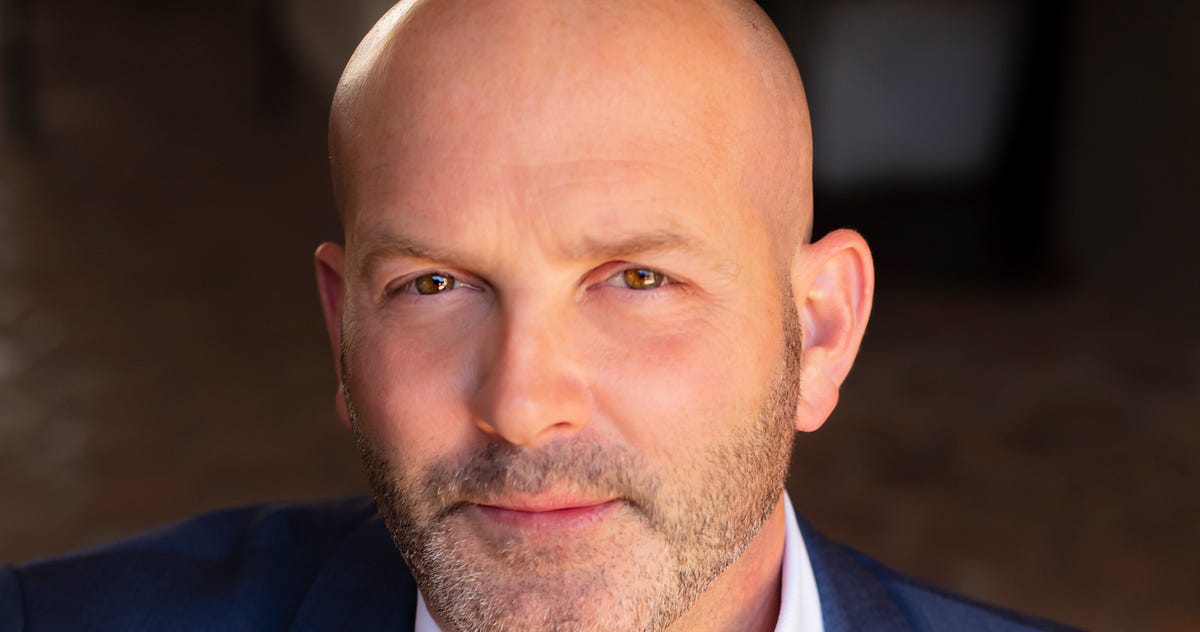
As a part of this interview series, we had the pleasure of interviewing Noah Nordheimer.
Noah Nordheimer is a passionate visionary, leader, and investor with an unshakable call to addiction and trauma treatment and a 20-year track record of exceeding stakeholder expectations. Before founding All Points North (APN) Capital and serving as Chief Executive Officer for APN, Noah created the Baltimore-based Concerted Care Group (CCG) in 2014. At CCG, he designed a uniquely integrated model of care that has shown immense long-term promise for improved client outcomes and sustained addiction recovery. At APN, he’s bringing those same goals to a much larger scale.
Thank you so much for joining us in this interview series. Before we start, our readers would love to “get to know you” a bit better. Can you tell us a bit about your background and your childhood backstory?
I’m originally from Washington, D.C. I grew up with a family I’m close to, but I also experienced significant childhood trauma. My father went to prison when I was a teenager, and there were unrelated experiences of abuse that I didn’t talk about for years. Having a supportive family and carrying unresolved pain were both part of my story.
I played lacrosse and had multiple injuries and back surgeries. I was prescribed opioids and became addicted. At first, I had trouble recognizing myself in the treatment options being offered. I knew I needed help, but I didn’t feel that the approach fit me. Eventually, I found a therapist and a psychiatrist and began addressing the childhood trauma underneath what I was experiencing. My family and friends were an enormous part of helping me through that period.
Professionally, I worked in affordable housing before moving into behavioral health. When I began looking at investment opportunities in treatment, I remembered my own frustrations. I also kept asking a basic question: how do you know whether people are getting better? I wasn’t satisfied with the answers.
That experience led me to build Concerted Care Group in Baltimore and, later, to found All Points North. Today, as APN’s founder and CEO, my focus is on advancing individualized mental health, trauma, and addiction treatment, connecting people with care across different levels of need, and measuring progress so we can keep improving what we do.
Can you please give us your favorite “Life Lesson Quote”? Can you share how that was relevant to you in your life?
My father used to say, “If you’re going to be something, be the best at it. Focus on that one thing.” That advice has stayed with me throughout my life and continues to shape how I approach both personal growth and business development. I try to hold myself to a high standard and continually strive to improve, so that I can put my best effort into everything I do.
I strive to bring that same philosophy to my approach to business, and I believe, and I think it shows in APN’s success. We’re in the top 5% of treatment providers nationally because we never stop innovating, improving, and challenging ourselves to deliver the best possible care for our clients.
Let’s now shift to the main part of our discussion. It is often said that “the mental health system in America is broken”. What does that statement mean to you? From your perspective what is “broken” today?
I’ve experienced this from both sides, as someone who needed help and as someone building treatment organizations. To me, a broken system is one where a person is ready to get well, but the way care is organized or paid for keeps getting in the way.
Having insurance should translate into being able to find appropriate treatment and receive it. We need to ask whether provider networks give people realistic options, whether coverage supports the care they need, and whether payment practices allow providers to keep delivering that care. Those questions have become a major part of my work.
Mental health parity is supposed to ensure that mental health and substance use treatment are covered comparably to physical healthcare, but that’s not always the reality. Restrictive coverage requirements, inadequate provider networks, and overly complicated reimbursement practices create barriers that keep people from getting the care they need.
Providers have responsibilities, too. When I first entered this field, I was frustrated by how difficult it was to find clear information about outcomes. People were entrusting organizations with their lives, and I wanted to understand how those organizations knew their treatment was working.
Then there is the problem of expecting everyone to respond to the same approach. What works for one person may not work for the next. You need to understand their history, know what they have already tried, measure how they are doing, and be willing to change course. The system needs to give clinicians the time and flexibility to do that.
It starts at the front end. Behavioral health as a whole is reactive rather than proactive. Families usually reach out in a crisis and understandably want to move quickly, so decisions about where someone goes are often made before anyone has a clear picture of what is being treated. We need to understand the problem first: whether a provider is the right fit, which program, what level of care, and whether that means a residential facility or telehealth. Better front-end assessments lead to better decisions and better outcomes.
Professionals feel that gap acutely. Executives, physicians, attorneys, and people working in technology are often the last to ask for help. They worry about confidentiality, their licenses, their reputations, and the people who depend on them, so problems tend to build for a long time before they reach treatment. They need access to care as much as anyone, and the system should make it safer for them to come forward.
What about any bright spots? Do you think there are any elements that we get right in today’s world that we wouldn’t want to reverse unintentionally?
The willingness to talk openly about mental health is a real bright spot. When someone shares their recovery story, it can help another person feel less isolated and more comfortable asking for help. I would like to see more people have the opportunity to share those experiences on their own terms.
I also believe we can make treatment feel more hopeful. It involves difficult, uncomfortable work, but it is also an opportunity to learn about yourself, develop tools, and change your life. People get excited about personal development. I want someone entering treatment to feel that there is something worth looking forward to.
Telehealth and the ability to measure progress give us more ways to support that work. At APN, virtual services help extend care beyond a residential setting, and consistent assessments help us understand how people are responding.
As we improve the system, we should protect choices. People need different combinations of treatment, medication when appropriate, family involvement, and community support. We should keep making it easier to find the combination that meets someone where they are and evolves with them over time.

Fantastic. Here is the main question of our interview. In your opinion, what are the 5 most impactful things that could help heal the broken mental health system? These could be on any level including training, workforce, policy, culture, equity etc.
- Make access mean that someone can actually receive care.
An insurance card or a list of providers is only the beginning. Can someone find an appropriate provider who is accepting patients? Can they afford the care and receive it when they need it?
Behavioral health parity laws need to be enforced so that we can close the gap between coverage on paper and access in practice; we need accountability for whether provider networks give people realistic access to treatment. Coverage and payment practices should support clinically appropriate care and allow providers to keep serving their communities. We should pay particular attention to what those practices mean for smaller treatment organizations.
A family seeking help should be able to understand their options, costs, and next steps without having to become an expert in the healthcare system.
2. Individualize treatment and keep care connected.
What works for one person may not work for the next. We need a thorough understanding of someone’s history, including the treatments they have already tried. Then we need to keep evaluating their response. If an approach is not helping, the team should be able to adjust it.
That understanding has to begin before admission. A thorough front-end assessment, covering mental health, substance use, trauma, medical needs, and what someone has already tried, is how we decide whether we are the right fit and, if we are, which program, level of care, and setting make sense. If we are not the right fit, the assessment should help the family find the provider who is. Getting that decision right at the start saves families time, money, and the discouragement of a placement that does not work.
Individualizing care also means paying attention to who someone is in treatment with. Group therapy is central to recovery, and group dynamics depend on whether people feel they can be honest with one another. Early in my own recovery, I had trouble recognizing myself in the treatment options I was offered. When a surgeon, a trial lawyer, or a founder is surrounded by peers who understand the pressures of that work, they stop explaining their world and start doing the work. That is why All Points North built a dedicated professionals program, where executives, technology leaders, physicians, attorneys, and other professionals go through treatment alongside people from similar backgrounds.
That individualized plan also needs to follow the person through different levels of care. The transition out of intensive treatment deserves as much attention as admission. Before someone leaves, there should be a clear next step, an identified provider, and a plan for staying connected.
Providers should communicate with the person’s consent so that each transition builds on the work already done. We need to stop making people start over every time their level of care changes. That repetition causes treatment fatigue, and that can be a huge barrier for someone to continuously work to overcome.
3. Measure whether people are getting better and use what we learn.
Every provider should be able to explain how they assess progress. Attendance and completion tell us something, but we also need to understand changes in symptoms, daily functioning, relationships, and quality of life.
At APN, we use ACORN assessments to help track client progress and inform treatment. A thorough assessment at intake gives us the baseline to measure against. Measurement should lead to action: if someone is struggling, what needs to change?
We also need to be honest about what the data can tell us. Improvement during treatment is valuable information; understanding how people do over time requires continued follow-up. Accountability means being willing to examine both.
4. Invest in the people delivering care.
Expanding access requires a workforce with the training, time, and support to deliver high-quality treatment.
That means investing in clinical supervision, manageable workloads, and skills for treating trauma and co-occurring mental health and substance use conditions. It also means supporting collaboration across disciplines.
A therapist cannot solve every medical, housing, or family challenge alone. Clinicians need colleagues and community resources they can turn to. We ask them to do emotionally demanding work; our operating models need to give them a realistic chance to do it well.
5. Make whole-person care practical in everyday life.
At All Points North, our approach brings mental health, trauma, and addiction treatment together around the individual. That means understanding the person’s history and goals, how their challenges connect, and what support they need to make progress in everyday life. We combine clinical treatment with whole-person support and use measurement to help guide care.
We should bring that same practical thinking to treatment planning. Can the person get to appointments? Do they have a safe place to live? What support will they have between sessions?
Some of those needs require partnerships beyond a treatment organization. We should build those relationships and treat practical support as an essential part of helping people sustain progress.
If all of the items on your list were magically implemented tomorrow what change might we see in the world? What are the signs (big and small) that would show us that the system is being healed?
The first change would be that people encounter less friction when they ask for help. They would understand their options, reach an appropriate provider sooner, and know what comes next. Families would get a real assessment before they have to make a decision, instead of choosing a program in the middle of a crisis.
Over time, I would hope to see fewer avoidable crises, fewer disrupted transitions, and more people staying engaged with care. We would also look closely at who was still being left behind. Improvement that reaches only people with money, flexibility, or strong family support would be incomplete.
The smaller signs would matter just as much. Someone sleeps through the night. A parent becomes more present with their children. A person returns to work with support. A family knows whom to call when something changes.
Those are meaningful outcomes. A healthier system would help more people experience them and would take the time to understand what made them possible.
What is a project you or others are working on today that gives you hope? How can our readers learn more about this work?
There are two parts of our work at All Points North I want more people to know about: our programs for Veterans, first responders, and active-duty military, and our professionals program. Both are part of our broader commitment to building care around the person and their experiences.
Our professionals program serves executives, entrepreneurs, technology leaders, physicians, attorneys, and others who carry high-stakes responsibilities. These are people who are often expected to have every answer, so asking for help can feel like a risk to everything they have built. Being in groups with peers who understand those pressures changes the room. Clients challenge one another, hold one another accountable, and see that someone like them can get well and return to their work. Those peer relationships can become an important source of support long after discharge.
What gives me hope is the opportunity to bring individualized treatment and ongoing support together. We have built services across detox, residential treatment, partial hospitalization, intensive outpatient treatment, and outpatient care, including virtual services. The goal is to help people receive the support they need as their needs change.
I am particularly interested in what happens when someone returns to everyday life. That is where a treatment plan meets work, relationships, responsibilities, and stress. Making continued support more accessible during that period is meaningful work.
Our telehealth program is now available across all 50 states. That’s something our team has been working on since 2020, and I’m really proud of the sustained effort it took to get here. To me, the expansion is symbolic of how we approach care: treatment should adapt to the individual. Making care more accessible and being able to meet people where they are helps ensure they stay connected to support, even as their needs change.
Readers can learn about our professionals program, our Veterans and military programming, APN Telehealth, and our broader approach at apn.com.
How do you see technology shaping the future of mental health care and its accessibility?
Technology can make care easier to reach and easier to maintain. Virtual appointments can reduce travel and help some people participate more consistently. At APN, virtual care gives people a way to begin treatment or stay connected after more intensive care.
Through our APN Connection app, we offer virtual intensive outpatient programs, individual therapy, psychiatry, and clinician-led therapy groups, along with support groups. Our virtual intensive outpatient program combines live group sessions with individual counseling and personalized care. That gives people access to structured treatment while continuing to manage responsibilities at home and at work. For a physician with patients or an executive running a company, that flexibility can be the difference between getting care now and putting it off.
I am also interested in how technology can help us make treatment more individualized. A care team needs to understand a person’s history, what they have already tried, and how they are responding now. Tools that help bring that information together and track progress can support better-informed decisions about what to do next. That starts before admission. Families often need answers fast, and a front-end assessment that can begin virtually helps them understand what they are dealing with and which level of care and setting fits, rather than making a rushed choice in the middle of a crisis.
The question I keep coming back to is whether something helps people get better. We should apply that standard to technology, just as we do to the rest of treatment.
We also have to design for people who lack reliable internet, a private room, or confidence using digital tools. Accessibility requires options. Technology should strengthen the relationship between a person and their care team.
In your view, how do social factors like poverty, education, and culture affect mental health care and its effectiveness?
Earlier in my career, while developing behavioral health services in Baltimore, I rode buses with zoning maps to understand where people needed care and how they would reach it. Transportation costs matter when someone was already struggling to afford basic necessities. That experience continues to inform how I think about access as APN’s founder and CEO.
Some people might look at the luxury environments we create and think it’s too much, but it’s intentional: when people feel comfortable and like their needs are being anticipated, it centers their humanity. Treatment can be hard, and taking time away from your life and responsibilities can feel incredibly overwhelming. Addiction and mental health issues have a significant cost for individuals and communities, especially over time. If someone can step away from the environment that made them sick and focus entirely on developing the skills they need to get well, they can create a foundation that allows them to continue building their progress once they get home.
At APN, individualized care means understanding the circumstances around someone’s health, including their work, relationships, living situation, and ability to participate in treatment. Our continuum includes in-person and virtual services, giving people different ways to connect with care as their needs change. We also need to recognize when someone needs community resources beyond what a treatment organization provides.
My experience still shapes how I think. I had family and friends supporting me through my own recovery. What happens when someone doesn’t have that support? We have to account for those differences when we build services.
Culture matters in that same practical way. Someone has to feel understood and comfortable enough to participate. We should listen to how they describe their experience, understand what asking for help means in their family or community, and build a plan they can realistically follow. Effective care requires understanding the life around the person and the different obstacles they might experience as a result. That’s one of the reasons we developed specialized tracks for professionals, Veterans and active-duty service members, and high-performing athletes. Shared background matters in a group setting. A physician worried about a license or an attorney worried about a client relationship can speak more openly in a room of people who carry similar responsibilities, and that openness is where much of the progress happens.
In light of the growing mental health crisis among young people, what innovative approaches or interventions have proven most successful for children and adolescents?
I would defer to child and adolescent specialists on individual treatment decisions. From a system perspective, I believe the priority is getting young people appropriate help earlier and making that help easier to access. Having more adults share their experiences can also help reduce stigma — whether that’s through family therapy or intentional conversations with trusted loved ones.
There is evidence supporting approaches such as cognitive behavioral therapy for childhood anxiety and dialectical behavior therapy for adolescents at high risk of self-harm. The treatment needs to match the young person’s condition and developmental stage.
I am also interested in how we deliver established care: connecting pediatricians, schools, specialists, and families so that concerns lead to an assessment and a clear next step. Family involvement, when safe and appropriate, can help young people practice skills and receive support between appointments.
We should listen to young people when designing services. They can tell us what makes care intimidating, what prevents them from attending, and what helps them feel respected. Innovation should include making effective treatment easier to enter and stay with.
We are very blessed that some very prominent names in Business, VC funding, Sports, and Entertainment read this column. Is there a person in the world, or in the US with whom you would love to have a private breakfast or lunch, and why? He or she might just see this if we tag them. :-)
I would choose Brené Brown. I have admired her work on shame, vulnerability, and leadership for years.
Shame is something I keep coming back to in behavioral health. It perpetuates stigma and can keep people quiet about their pain and make asking for help feel threatening. Leaders have a responsibility to create environments where people can be honest and receive support. In the same way, as treatment providers, we have an obligation to work to dismantle the stigma around behavioral health.
I would love to talk with her about how we translate that understanding into the way organizations actually operate, from the first conversation with someone seeking treatment to the culture we build for employees. How do we make dignity and openness something people experience every day?
How can our readers further follow your work online?
Readers can visit apn.com to learn about All Points North, explore our treatment programs, and find educational resources. That is also the best starting point for connecting with our team and following our work.
Thank you for your time and thoughtful answers. I know many people will gain so much from hearing this.
AM
Written by
Authority Magazine Editorial Staff
Writer & ContributorContributor at Authority Magazine covering leadership, innovation, and industry insights.

Published inAuthority MagazineTop Lessons, Top Authorities · 42K Followers
Exclusive, curated interviews with the leaders and changemakers shaping tomorrow. Leadership lessons, industry deep dives, and executive profiles.
More from Authority Magazine
See all stories →
A
Authority Magazine Editorial StaffDara Fleischer: Inside the Architecture of Breaking a Compulsive Shopping Cycle to Reclaim Financial Autonomy
Wellness30 min read
A
Authority Magazine Editorial StaffJessica Gold of Bliss Science on Molecular Bonding, Nonlinear Systems, and the Science of Human Connection
Wellness21 min read
A
Authority Magazine Editorial StaffMichael Ingber: Why We Must Stop Treating Menopause As A Disease To Be Endured
Wellness14 min read
A
Authority Magazine Editorial StaffJoel Conger of Connections Health Solutions on Crisis Intervention, Braided Funding, and the Power of Compassionate Care
Wellness6 min read