Whilst perimenopause is natural, suffering unnecessarily is not. There are many evidence-based treatments and lifestyle strategies available that can significantly improve quality of life.
Perimenopause is a significant transitional phase for many women, often accompanied by a variety of physical and emotional symptoms that can impact daily life. However, with the right knowledge and support, it’s possible to thrive through this stage. How can women navigate perimenopause with resilience and a positive outlook? What tips, resources, and lifestyle adjustments can make this transition smoother? As part of this interview series, we are interviewing Dr. Nikki Ramskill.
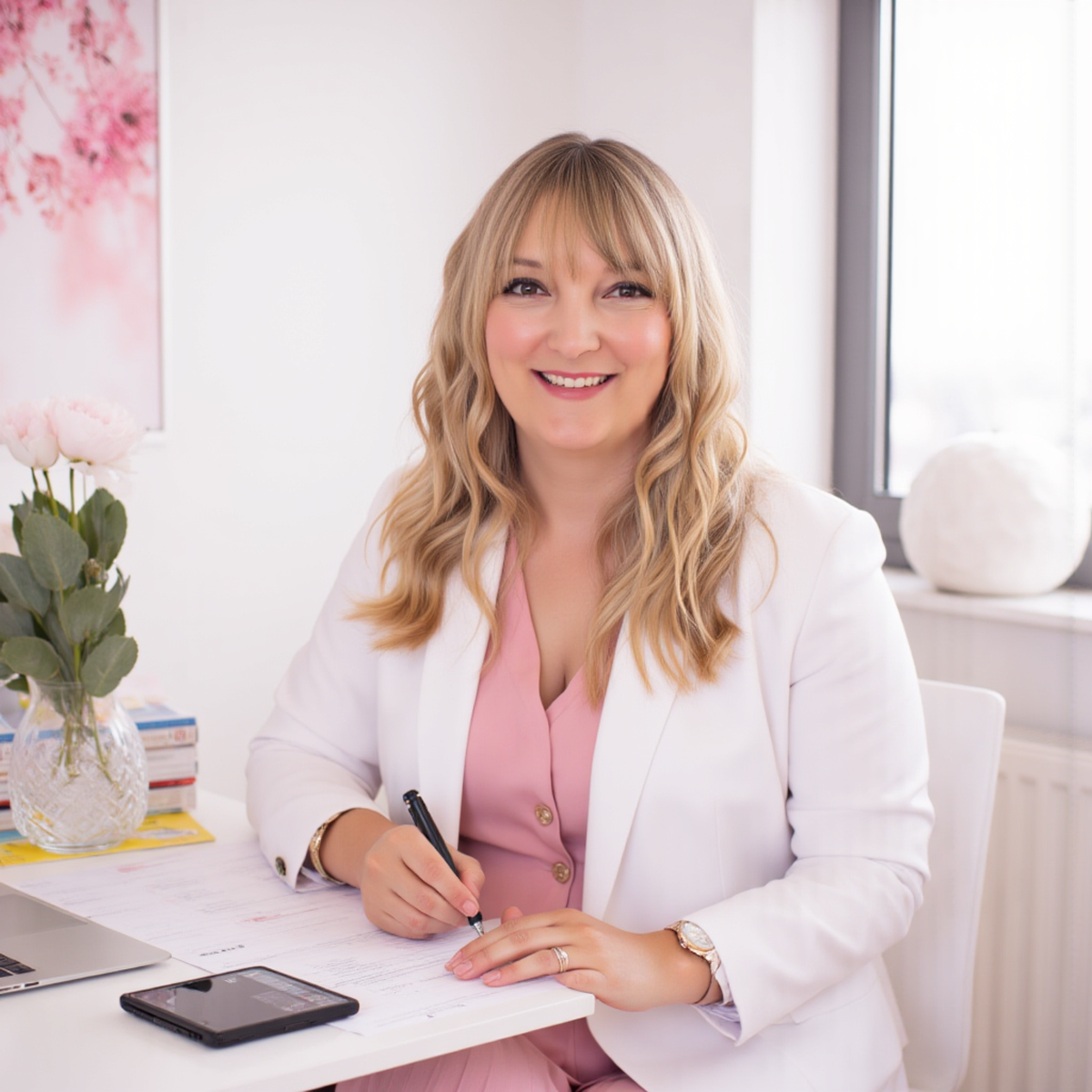
Dr. Nikki Ramskill is a GP and leading women’s health specialist with a passion for helping women navigate complex hormonal and reproductive health concerns. As the founder of The Female Health Doctor, she specialises in menopause, premature ovarian insufficiency (POI), fertility, pelvic health, contraception and hormone replacement therapy (HRT), combining evidence-based medicine with a compassionate, patient-centred approach. After graduating in medicine from St George’s, University of London, Dr Ramskill went on to gain memberships with the Royal College of General Practitioners and the Royal College of Obstetricians and Gynaecologists. She has spent more than a decade caring for patients and has become a recognised voice on women’s health, regularly contributing expert commentary to national media and speaking on issues affecting female wellbeing. Inspired by both her clinical experience and her own health journey, Dr Ramskill is committed to improving awareness of conditions that are frequently overlooked or misunderstood. Through her private practice, public education and advocacy, she empowers women to better understand their bodies, access timely care and make informed decisions about their health at every stage of life.
Thank you so much for joining us in this interview series! Please can you tell us a little about your background and what led you towards your current career path?
Throughout my career, I have worked across general practice, sexual and reproductive healthcare, gynaecology, contraception and menopause care, but women’s health has always been the area that I felt most passionate about, probably since the age of six when my nana died of ovarian cancer.
I would describe myself as a women’s health specialist GP and in 2024 I became the founder of The Female Health Doctor Clinic in Milton Keynes.
I qualified from medical school in London in 2009 and knew I wanted to work in women’s health. After my two foundation years, I gained a place to become a consultant in obstetrics and gynaecology. The problem is, all the things I really enjoyed doing were not a major focus in this career path, so after four years (and burnout), I left to figure out what I wanted to do. I kept coming back to women’s health, so I retrained as a GP and fully immersed myself in women’s health.
Today, my specialist clinic is dedicated to helping women navigate everything from menstrual problems and fertility concerns to menopause, weight management and hormonal health. What drives me is the belief that women deserve to feel heard, understood and empowered when it comes to their health. Too often, women spend years being told their symptoms are “normal” or that their tests are “fine” despite continuing to feel unwell. My mission is to help women find answers and regain confidence in their bodies.
Was there a particular experience or turning point that inspired your interest in women’s health and perimenopause?
Multiple! Whilst I had always enjoyed women’s health professionally, my own experiences have transformed my perspective.
It all started when I lost my nana at the age of 6. She had ovarian cancer and I vividly remembered the trauma of losing her. When other little girls my age wanted to be princesses or singers, I wanted to cure ovarian cancer. I didn’t become a researcher in the end, but I certainly want to do my bit to help women like her.
At the age of 36, after a miscarriage, I was diagnosed with Premature Ovarian Insufficiency (POI), a condition where the ovaries stop functioning normally before the age of 40. Receiving that diagnosis was both professionally and personally life-changing. Despite being a doctor, I found myself navigating symptoms, uncertainty and grief in a way that many of my patients experience, and all while trying to hold it together and help others. It was a condition that I thought I should know about, but it actually highlighted a black hole in my knowledge, even though I had women’s health experience.
Not only that, it gave me a deeper understanding of how profoundly miscarriages and hormonal changes can affect every aspect of a woman’s life, physically, emotionally and psychologically. That experience strengthened my commitment to helping women feel supported through perimenopause, menopause and other hormonal transitions.
What are some of the most common misconceptions surrounding perimenopause, and why is it important to challenge them?
One of the biggest misconceptions is that perimenopause is simply about hot flushes and periods stopping. In reality, perimenopause can affect almost every system in the body. Symptoms can include anxiety, low mood, insomnia, brain fog, joint pain, palpitations, migraines, weight changes and reduced confidence.
Another misconception is that women should simply “put up with it” because it’s a natural stage of life. Whilst perimenopause is natural, suffering unnecessarily is not. There are many evidence-based treatments and lifestyle strategies available that can significantly improve quality of life.
Finally, many women assume they are too young to be experiencing perimenopause. Symptoms can begin years before periods become irregular, often in the late thirties or early forties. Increasing awareness helps women seek support sooner.
Many women experience emotional and psychological changes during perimenopause. What advice would you give for building resilience and maintaining a positive mindset during this transition?
Firstly, understand that what you are experiencing is real. Many women blame themselves when they notice changes in mood, confidence or emotional resilience. Recognising that hormonal fluctuations can influence how you feel can be incredibly validating.
Secondly, focus on what is within your control. I encourage women to think of resilience as a skill that they can work on. Regular exercise, quality sleep, meaningful relationships, stress management and self-compassion all strengthen resilience over time.
I also encourage women to reframe this stage of life. Perimenopause often coincides with significant life demands: careers, caring responsibilities, ageing parents and growing children. Rather than viewing it as a decline, many women find it becomes an opportunity to reassess priorities, establish healthier boundaries and invest in themselves.
What lifestyle adjustments, including nutrition, exercise and sleep habits, do you most commonly recommend to help support women through perimenopause?
The foundations are often surprisingly simple.
From a nutritional perspective, I encourage women to prioritise protein, fibre, healthy fats and plenty of colourful vegetables. Stable blood sugar levels can have a significant impact on energy, mood and cravings.
Exercise is one of the most powerful tools we have. Resistance and impact training becomes particularly important during perimenopause because it helps preserve muscle mass, supports metabolism, improves insulin sensitivity and strengthens bones. I often recommend combining strength training with regular walking and activities that women genuinely enjoy.
Sleep deserves equal attention. Poor sleep can worsen almost every perimenopausal symptom. Establishing a consistent sleep routine, reducing alcohol intake, limiting late-night screen use and addressing symptoms such as night sweats can all make a meaningful difference.
In your experience, are there any particularly effective natural remedies, holistic approaches or alternative therapies that may help with symptoms such as hot flushes, mood changes and fatigue?
There is growing interest in complementary approaches, and some women find them helpful alongside conventional treatment.
Mindfulness practices, yoga, breathwork and meditation can be particularly beneficial for stress management and anxiety. Cognitive behavioural therapy has also been shown to help some women manage hot flushes and mood symptoms.
Certain supplements may have a role depending on symptoms and medical history, although I always encourage women to seek professional guidance before starting them. Magnesium, for instance, can be really helpful for sleep. The most effective approach is usually not a single supplement or therapy but rather a combination of good nutrition, movement, sleep, stress management and, where appropriate, evidence-based medical treatment.
Many women describe experiencing “brain fog” during perimenopause. What practical advice would you give for maintaining focus, memory and cognitive wellbeing during this stage of life?
Brain fog is one of the most common concerns I hear about in clinic. Women often worry they are developing dementia when, in reality, hormonal changes, poor sleep and stress are usually contributing factors.
My first recommendation is to optimise the basics: sleep, exercise, nutrition and stress management. Physical activity in particular has remarkable benefits for cognitive function.
Practically, I encourage women to reduce cognitive overload. Use calendars, reminders, lists and systems that support memory rather than relying on mental bandwidth alone. Delegating tasks and single-tasking rather than multitasking can also improve focus. Most importantly, be kind to yourself. Brain fog is often temporary and tends to improve when the underlying contributors are addressed.
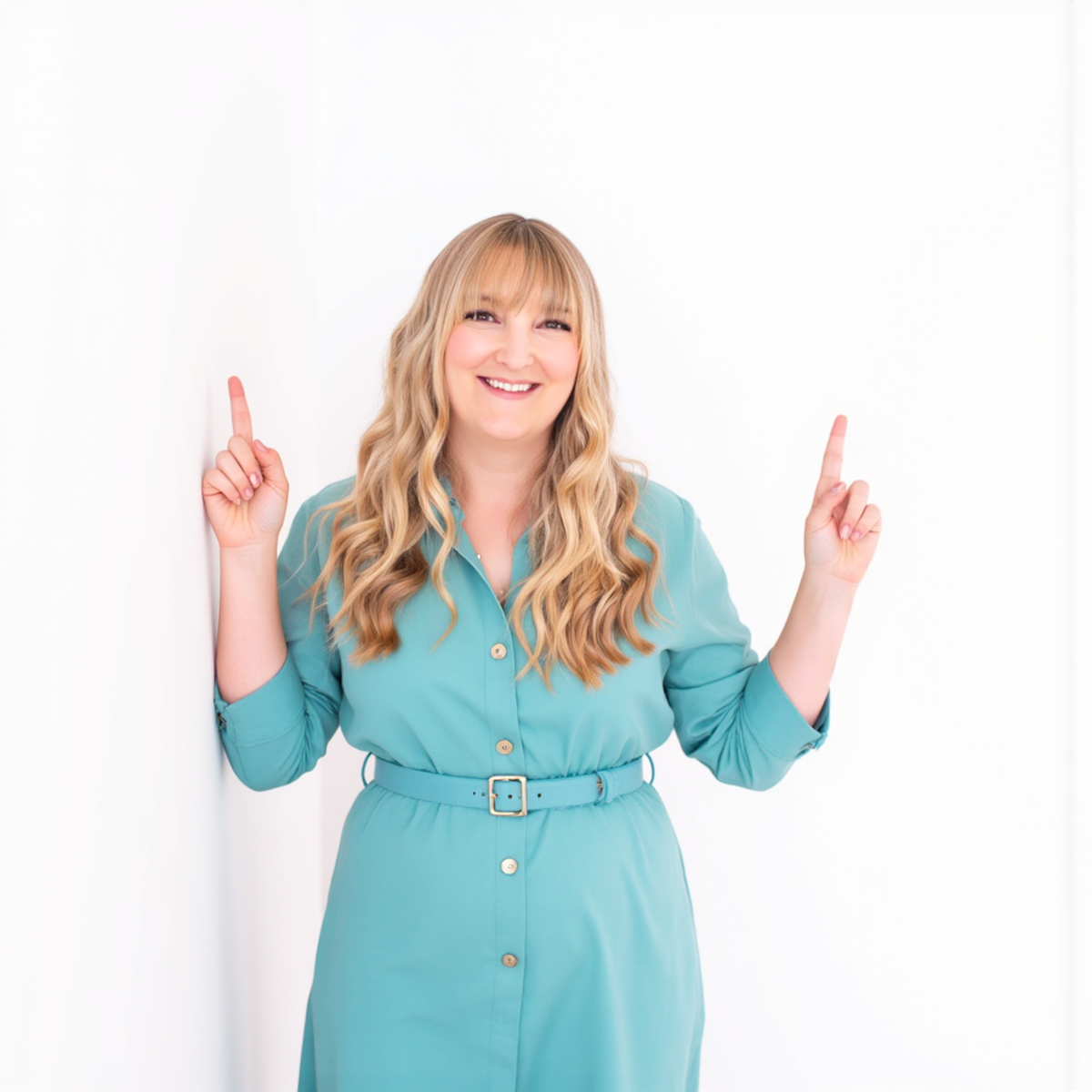
What are your “5 Things You Need To Thrive Through Perimenopause”?
1. Knowledge
Understanding what is happening to your body removes fear and uncertainty. Education empowers women to make informed decisions and seek help sooner.
2. Movement
Exercise is one of the most effective interventions available. Strength training, walking and regular movement support both physical and mental wellbeing.
3. Sleep
Everything feels harder when you are exhausted. Prioritising sleep can transform energy, mood, concentration and resilience.
4. Connection
Perimenopause can feel isolating. Sharing experiences with trusted friends, healthcare professionals or support groups reminds women they are not alone.
5. Self-Advocacy
Know that you deserve support. If you feel dismissed, keep asking questions and seek a second opinion if necessary. Women should never feel they have to suffer in silence.
One of the most rewarding parts of my work is seeing women regain confidence once they understand what is happening and realise there are solutions available.
How important is social connection and community support during perimenopause, and how can women build supportive networks around them?
Social connection is incredibly important. Human beings are wired for connection, yet many women tell me they feel isolated during perimenopause because they think they are the only one struggling.
Often, once one woman starts speaking openly about her experience, others realise they have similar concerns. Whether through friendships, support groups, workplace networks or online communities, shared experiences can reduce stigma and provide reassurance.
I encourage women to seek out spaces where conversations about health, ageing and wellbeing are welcomed rather than avoided. Community can be one of the most powerful forms of support.
Looking ahead, what proactive steps can women take in their 30s and 40s to better prepare themselves physically and emotionally for perimenopause?
Perimenopause preparation starts long before symptoms appear.
Building muscle through resistance training, prioritising cardiovascular health, maintaining a healthy weight and addressing nutritional deficiencies all create a stronger foundation. I also encourage women to understand their family history, track their health and establish regular preventative healthcare habits.
Emotionally, developing stress-management skills, building supportive relationships and making time for self-care are investments that pay dividends later. Perimenopause is easier to navigate when overall health is already being prioritised.
If you could have a private breakfast or lunch with anyone in the world, who would it be and why?
I would choose Richard Branson.
As both a doctor and a business owner, I am fascinated by people who have built successful organisations while remaining true to their values. Richard Branson has always struck me as someone who combines entrepreneurship with a genuine focus on people, culture and innovation.
Building a healthcare business is very different from many other industries because you are balancing commercial realities with patient care and clinical responsibility. I would love to hear his thoughts on leadership, scaling a purpose-driven organisation, building a memorable brand and maintaining resilience through setbacks.
Most importantly, I would be interested in discussing how businesses can continue to grow without losing the personal touch that made them successful in the first place. That is something I think about often as The Female Health Doctor Clinic continues to expand.
Finally, how can readers continue to follow your work online?
Readers can learn more about my work through The Female Health Doctor Clinic.
Website: www.thefemalehealthdoctor.com
Instagram: https://www.instagram.com/femalehealthdoc
TikTok https://www.tiktok.com/@drnikkiramskill
Women’s health support group on Facebook: https://www.facebook.com/share/hatrTUjSprxt9tu7/?mibextid=K35XfP
YouTube: https://youtube.com/@femalehealthdoc?si=P3xUgfFdTxFNvaYy
LinkedIn: https://www.linkedin.com/in/femalehealthdoctor
I regularly share evidence-based information on women’s health, menopause, fertility, hormonal wellbeing and practical strategies to help women feel informed, empowered and confident about their health.
Thank you so much for sharing these insights! We wish you continued success with your work.