The more you learn to accept yourself, even during the difficult times, the less power those moments have over you.
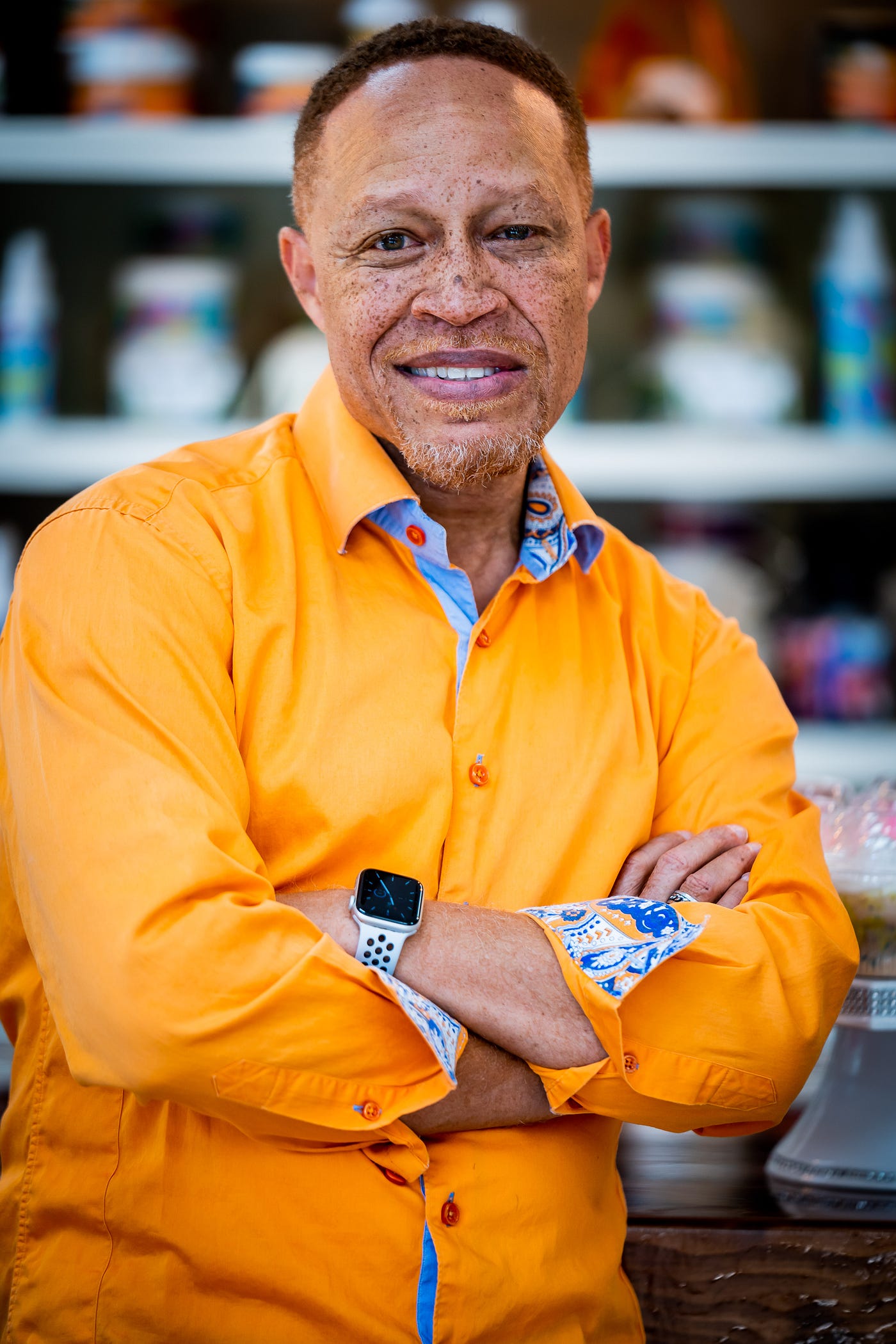
As a part of our series, we had the pleasure to interview Matthew Matsutani.
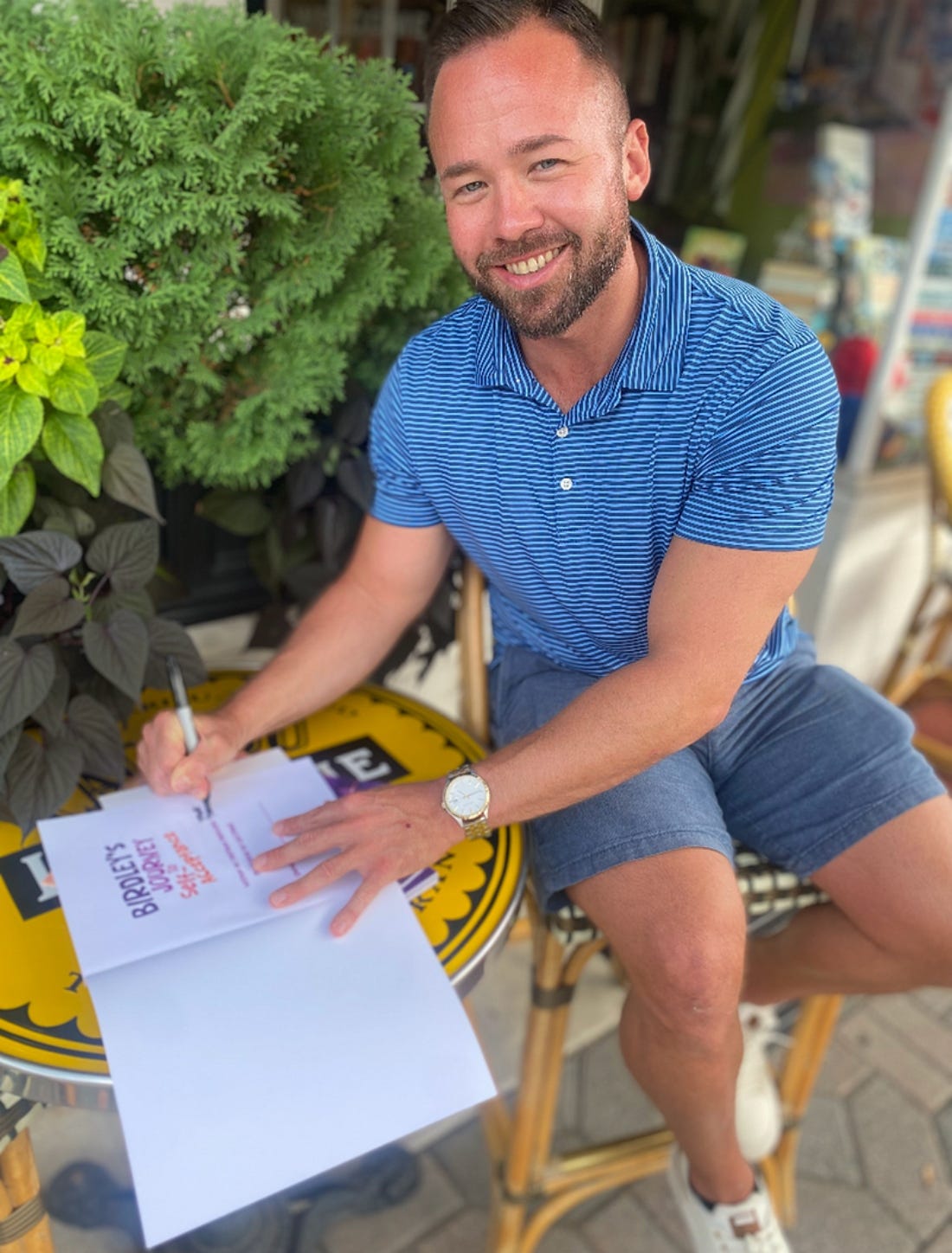
Matthew Matsutani is a licensed social worker, a supervisor of special services at a public school, and a therapist who works closely with children, teen, and families. Drawing from both personal and professional experience, he understands the challenges many face with anxiety and self-acceptance. Matthew wrote his first children’s book Birdley’s Journey to Self-Acceptance to inspire young readers to embrace their imperfections, build their self-esteem, and let their light shine.
Thank you so much for joining us in this interview series! I’d love to begin by asking you to give us the backstory as to what brought you to this specific career path.
First off, I just want to thank you for interviewing me and giving me the opportunity to share my story and journey with your audience. I hope it can help someone who might be going through something similar. What led me to this career path really started in childhood. Growing up in Brick Township, New Jersey, I remember sitting in my first-grade class one time with my heart racing, even when nothing was happening. I was sitting at my desk, waiting to be dismissed, but inside, I felt it. I didn’t have the words for it back then, but later in life, I came to understand that what I was experiencing was anxiety.
My family background also played a role in shaping how I saw myself. My father is half-Japanese and half-Italian, and my mother is half-Scottish and half-Welsh. I didn’t really think much about this until around third grade. Our class was presenting a sign language performance for the older students, and I remember some of the older kids pulling their eyes back to make fun of me while we presented. That moment always stayed with me. I would say that was the beginning of feeling ashamed of who I was.
Throughout the rest of my youth in town, I would occasionally get teased for being Asian. I was called names like “Mr. Miyagi”. Today, if someone called me Mr. Miyagi, I laugh because now I have the confidence to laugh at myself. But when you’re a kid who is still figuring out who you are, those experiences can really affect how you see yourself. I was also a chubby kid for a few years in elementary school and in the beginning of middle school, which impacted how I viewed myself physically. Between those experiences and what was happening on the inside (anxiety), social anxiety became something I struggled with throughout my life.
I have always felt love from my parents, and I know they did the best they could with the tools they had. I’m grateful for that, and I want to be clear that this isn’t about blaming them or anyone else. No parent is perfect. When we are young, we sometimes internalize things from our interactions with others, the way certain situations make us feel, or even things that are said without much thought. I love my parents, and I recognize that everyone’s journey is complex. My personal experiences helped shape the path I’m on today. The trials I faced growing up influenced the person I became and the work I feel called to do. I’ve learned that the things we struggle with can be our ultimate strength when helping people. Mike Tyson said something I heard on a podcast that stuck with me: “Humble enough to know I can be replaced; confident enough to know no one in the world is like me.” That’s such a powerful message. It reminds me that we can stay humble while still recognizing our own specific qualities that make us unique.
One thing I want every child, teenager, and adult to understand, is that you have something unique to offer the world. No one else has lived your experiences, learned your lessons, or views things from your perspective. You bring something to the table that nobody else can bring, and I hope people learn to embrace that rather than feel ashamed of it.
Are you working on any exciting new projects now? How do you hope that they might help people along their path to self-understanding or a better sense of wellbeing in their relationships?
Birdley’s Journey to Self-Acceptance was released on Amazon on October 6, and I’m excited to share this book. I truly believe it can help young children and families start supportive conversations about social anxiety, shame, self-esteem, and learning to embrace the things that make us different. Even things that we are embarrassed of. Our flaws and imperfections are part of who we are, and I want children and adults to understand that these things make us unique and can have our own footprint in the world. I really hope this book opens conversation between parents and children who may be struggling with shyness or social anxiety. A lot of times, kids just need reassurance that there’s nothing wrong with being who they are. Whether you’re quiet or outgoing, shy or more social, you can still embrace who you are. My goal is to help children develop self-acceptance while also giving parents a way to better understand and support their children. If this book can help even one child feel prouder of who they are or help one parent better support their child, then it’s already making a difference.
Do you have a personal story that you can share with our readers about your struggles or successes along your journey of self-understanding and self-love? Was there ever a tipping point that triggered a change regarding your feelings of self acceptance?
Oh, yes, definitely! I’ve already shared a little bit about my journey, but I’d like to give you more by sharing some experiences from my childhood and how I’ve learned to look back on those moments with compassion and empathy for my younger self. I remember having to present my family tree freshman year of high school. At the time, I was so ashamed of my Japanese background that I left that side of my family out completely. I included my mother’s side and my father’s Italian side, but not the Japanese side. When I look back on that now, I think about how much shame I was carrying to leave out a part of who I was. Imagine feeling so uncomfortable and ashamed with who you are that you choose to erase it? I’m sure some of your readers can relate to that feeling of wanting to hide a part of themselves just to fit in.
I also remember how socially anxious I was. Giving presentations, being put on the spot, speaking up in class, or even reading out loud could make me extremely anxious. I would feel my face get red, hot, and sweaty, and I would become so self-conscious about it. Sometimes, another kid would point it out and say, “Look how red he is.” I would internalize those comments and feel like there was something wrong with me. Even today, I can experience these same feelings at times. The difference is that I’ve learned to accept myself more, including the parts of me I don’t particularly like or find comfortable. I’ve come to understand that symptoms of social anxiety are normal physiological responses. They don’t define me, and they don’t make me have any less value. I remind myself that these symptoms will pass. And even when they don’t pass as quickly as I’d like, I have an easier time accepting myself. Learning to love yourself means accepting all aspects of who you are, not just the parts you feel good about.
When I look back on my childhood, I realize that I struggled with feeling proud of who I was long before any of these experiences I talked about previously. Even in preschool, I remember feeling like I was on the outside. I could not explain why, and I had friends, but I often just felt different. Throughout my childhood and teenage years, I had plenty of friends, played sports, and had what I would consider a good social life. Despite some of the difficult experiences I went through, I can honestly say I had a great childhood. I’m grateful for all of it because those experiences helped shape the person I am today. There were a few turning points that helped me accept myself more After college, when my friends moved to Jersey City and Hoboken, I would spend time there and meet people who would tell me how much they loved my mixed background. That was something I hadn’t really experienced previously, not even in college. For the first time, something I had felt ashamed of was now being complimented on by others. Those experiences helped me begin to see my background and perceptions of myself in different lenses.
Another major turning point came when I was 34 and went through a breakup with a woman who was a few years older than me. She ended the relationship because she felt I wasn’t mature enough. As painful as that experience was, it forced me to take a harder look at myself. I had been in therapy for years, but I realized I hadn’t always been willing to do the deeper work. I would attend without truly looking at every part of myself. I didn’t want to be vulnerable, not even in therapy. Looking back, I find that interesting because I was already working in the field of social work. Yet, somewhere along the way, I had internalized the idea that vulnerability made you less of a man. I’ve come to realize that this is one of the biggest misconceptions we have about masculinity and being a man. Being able to express your emotions, acknowledge your flaws and imperfections, and be honest about what you’re struggling with takes real strength. To me, being comfortable with your emotions and allowing yourself to be vulnerable are some of the strongest things you can do as a man.
After that breakup, I started putting much more intentional effort into myself. I worked harder in therapy, slowly started to step outside my comfort zone, and began taking an honest look in the mirror. I started looking at certain behaviors I wasn’t proud of and asking myself why I acted the way I did. Instead of avoiding uncomfortable truths, I began trying to understand where they came from and what I needed to change. It’s been one heck of a journey, and I’m still learning. I think anyone can struggle with self-acceptance at different points in their life, especially in today’s world, where there can be so much pressure to look, act, and live and look “the perfect way”. We’re all human, and we’re not going to feel confident with ourselves every single day. One of the biggest lessons I’ve learned is the importance of giving yourself grace. Struggling with self-acceptance doesn’t mean you’ve failed or that all the work you’ve done on yourself didn’t work. It’s part of being human. The more you learn to accept yourself, even during the difficult times, the less power those moments have over you. You will not be able to stop every negative thought or feeling from showing up, but you can learn to respond to yourself with more compassion. Instead of feeling like crap for five days, it now might only be a day. For me, that has been a huge part of developing genuine self-love.
According to a recent study cited in Cosmopolitan, in the US, only about 28 percent of men and 26 percent of women are “very satisfied with their appearance.” Could you talk about what some of the causes might be, as well as the consequences?
Oh yes, definitely! This is something I’ve struggled with myself. I still do at times. I would have to say social media is a big part of it. Working at a high school, I feel terrible for teenagers (and even adults) who see these unrealistic standards, whether it’s body image, bodybuilding, or material things. The thing is, we don’t know what filters someone is using, what they’re doing behind the scenes, if that car or house is rented, or what substances they might be taking to look a certain way. And if they’re a celebrity, they have the most expensive team behind them, including a personal nutritionist. It’s not a fair comparison and so many people do it every day. And it’s not just teenagers. Adults struggle with these same insecurities, too. With the rise of social media, companies now have a way to market directly to those insecurities and make money from them. They show us what we’re supposedly lacking, convince us we need to change something about ourselves, and then sell us a solution. It is a cycle that goes on and on.
To some, the concept of learning to truly understand and “love yourself,” may seem like a cheesy or trite concept. But it is not. Can you share with our readers a few reasons why learning to love yourself it’s truly so important?
If I was interviewed 10 or even 5 years ago, I most likely would have said, “This is corny.” I now know self-love is one of the most important things in life. Loving yourself doesn’t mean you have to love every single part of yourself. We all have insecurities, flaws, and imperfections, but the key is learning to accept them and learning they do not define who we are as a person. I believe self-love is what allows us to do that. And if we don’t or struggle to love ourselves, how can we expect to grow and evolve? Speaking from my experience, the reason I can step outside of my comfort zone now is because of the self-love I’ve developed through life experiences and therapy. I really must give a shout-out to my therapist! She has stuck by me through this crazy journey. Through the ups and downs, ugliness, and happiness. She knows exactly who she is. I’m incredibly grateful for her. Another reason self-love is so important is if you have children. Kids are like sponges. They absorb so much of what they see and hear, and they mirror our feelings, behaviors, and habits. If they see us constantly putting ourselves down or treating ourselves in a poor manner, those are things they can carry with them as well. That also includes the ways we cope with our insecurities and stress. This includes drinking, smoking, or turning to unhealthy eating habits. Children are watching more than we realize. I’m not saying we must be perfect human beings/parents, because that does not exist. But I do believe that learning to love and respect ourselves helps set an example for our children. At the end of the day, we want them to grow up knowing their worth, accepting their imperfections, and understanding that they are enough just as they are.
Why do you think people stay in mediocre relationships? What advice would you give to our readers regarding this?
I think there are many reasons people stay in mediocre relationships. First, they don’t want to be alone. There’s that saying, “Better the devil you know than the angel you don’t,” and I think there’s a lot of truth to that. Sometimes, the fear of the unknown is scarier than staying in a situation you already know isn’t making you happy or unfulfilled. Second, I think it comes down to a lack of self-love. When we don’t recognize our own worth, we do not believe we deserve better, so we accept less than what we truly want and need. And third, there’s fear. The fear of starting over, the fear of being alone, or the fear that you might never find someone else. I want to be honest: I’ve been there, and there are even times when I still find myself there in the present. That’s part of being human. We don’t always have everything figured out, and sometimes we must learn certain lessons more than once. But through my own experiences and the work I’ve done on myself, I really want to urge people not to settle for less than they deserve. This is another reason self-love is so important. When you believe you deserve authentic, reciprocal love, you’re less likely to accept a relationship that is anything less than that. But when you don’t believe you’re worthy of that kind of love, you will convince yourself that average is good enough, or worse, tolerate things you shouldn’t have to. Whatever that journey looks like for you, whether it’s therapy, self-care, setting boundaries, or spending time alone, do the work. Learn your worth. You don’t have to settle just because you’re afraid of being alone. Being alone can be difficult, but staying in a relationship that leaves you feeling alone is even worse. We all deserve a love that is authentic, reciprocal, genuine, and nurturing.
When I talk about self-love and understanding I don’t necessarily mean blindly loving and accepting ourselves the way we are. Many times self-understanding requires us to reflect and ask ourselves the tough questions, to realize perhaps where we need to make changes in ourselves to be better not only for ourselves but our relationships. What are some of those tough questions that will cut through the safe space of comfort we like to maintain, that our readers might want to ask themselves? Can you share an example of a time that you had to reflect and realize how you needed to make changes?
I couldn’t agree more with what you said about self-love not meaning blindly accepting ourselves exactly as we are. We must be willing to ask ourselves the tough questions and recognize where we need to make changes. That is why self-reflection is so important. Some questions I suggest people to ask are, “How did I get here?” What decisions have I made that may have contributed to where I am today? and “Why did I make those decisions?” For example, if I’m drinking too much alcohol, why? If I’m consistently spending money on other material things to make myself feel better, what am I trying to fill? What is really going on beneath these behaviors? Sometimes, our habits and behaviors are symptoms of something much deeper. If you’re truly willing to do the work, whether that means going to therapy or taking an honest look at yourself, you may uncover past traumas or experiences you didn’t even realize were still affecting you. You might remember things you had forgotten about or never fully understood the impact they had on you. Insanity is doing the same thing over and over again and expecting different results. I think that applies to so numerous areas of our lives. We can’t keep repeating the same patterns/behaviors and expect our lives to change. For me, there wasn’t one specific moment when I suddenly realized I needed to change my life. It wasn’t an overnight thought or thing. It was a long journey, especially over the last four years. It was about going to therapy, being willing to look at the parts of myself that weren’t always pretty and asking myself why I was the way I was. It hasn’t been easy. It’s been a rocky journey, but also a beautiful one. And that’s the thing about personal growth. It is not a linear journey. You have setbacks, and you find yourself repeating old patterns. What matters is that you’re willing to recognize them, learn from them, and keep working on yourself. I wouldn’t be where I am today without therapy. But it wasn’t just about going to my sessions. It was about doing the hard work outside of them, too. You have to be honest with yourself, even when it’s uncomfortable. For me, that’s where real change began.
So many don’t really know how to be alone, or are afraid of it. How important is it for us to have, and practice, that capacity to truly be with ourselves and be alone (literally or metaphorically)?
This question is really funny to me because, for most of my life, I hated being alone. I hated sitting by myself with my own thoughts. I needed to be around a group of friends, doing something, or simply being around other people. And the ironic thing is, even with my struggles in social anxiety, I still hated being alone. I’m at a point in my life now where I really appreciate being alone. I love the solitude, and I look forward to having that time to myself. I read a book a few years ago that talked about doing things alone to learn love yourself. Some of the things the book mentioned were traveling by yourself, going out to eat at a restaurant, or taking a day trip alone. When I started doing these things, it really changed my perspective. The ironic thing is that around the same time I started becoming more comfortable being alone, my friend group started to shrink. And I mean this in a positive way. I started realizing that I didn’t need to be with people all the time to feel good about myself. I became more comfortable in my own skin, and I didn’t have the feeling of wanting to hold on to certain friendships just for having friends to be around. When you truly start loving yourself and become comfortable being alone, you become less willing to tolerate certain behaviors from other people. You stop tolerating things that make you feel bad about yourself because you’re afraid of being alone. You begin to realize that having a smaller circle of genuine people is more beneficial than having a large circle that doesn’t add value to your life. Learning to enjoy my solitude has honestly been one of the biggest lessons of my life. I used to avoid being alone at all costs, but now I really appreciate it. There are huge differences in the feeling of being alone and being lonely. Learning this lesson has been huge in my life.
How does achieving a certain level of self-understanding and self-love then affect your ability to connect with and deepen your relationships with others?
Developing self-understanding and self-love can create a massive impact on how we connect with others and build deeper relationships. When you take the time to understand your own experiences, the good and the bad (and ugly), and realize how they’ve shaped you, you develop a much deeper sense of empathy for other people and even yourself. You begin to understand why specific things affect you the way they do, and that understanding can help you become more compassionate toward others too. It’s not just about the people you love or the people closest to you. It can even change how you interact with a stranger at the store. For example, if someone is rude to you, instead of taking it personally, you can stop and ask yourself, “I wonder what this person is going through to make them act this way?” Maybe they just received news that a family member has a terminal illness. Maybe someone just went through a breakup. Maybe they’re dealing with something you know nothing about. You never really know what someone else is going through behind closed doors. I am not going to lie, I’m human, and I still get frustrated by people and these interactions. But the self-understanding and self-love I’ve developed has definitely helped me approach people with more compassion and give them more grace. When you have that deeper understanding of yourself, you become take things less personally and more willing to see things from another person’s perspective. You start to realize that not everything is about you, and not every negative interaction deserves a negative reaction. Ultimately, I believe that developing compassion for yourself makes it easier to extend that same compassion to others. When you combine self-love, self-awareness, and the ability to give people grace, you create the foundation for much deeper and more meaningful relationships. You start connecting with people on a different level, and that’s a beautiful thing.
In your experience, what should a) individuals and b) society, do to help people better understand themselves and accept themselves?
I feel I mentioned this already, but I believe therapy is one of the most important things a person can do for themselves. And I don’t just mean showing up to therapy and talking about what you want your therapist to hear. I mean really digging deep, asking yourself hard questions, and being willing to work through the things that may be uncomfortable. Therapy has been instrumental in my own life. Another thing we’ve talked about is learning to be alone and embracing it. You have to spend time with yourself. Go do things on your own and get comfortable with being with yourself. I also think it’s important to step outside of your comfort zone. Attempt something you’ve never tried before, whether it’s taking a salsa class, a woodworking class, or anything that puts you in a position to be uncomfortable. I’ve done both woodworking and salsa classes, and let me tell you, it can be embarrassing. You will feel awkward or completely out of your element. But once you push through that discomfort and finish what you started, there’s a sense of accomplishment that comes with it. You realize you’re capable of doing things you may have never thought you could do, and that helps you grow and evolve. Experiences like these help you learn more about yourself. You discover what you enjoy, what challenges you, and how you handle being uncomfortable. The more you understand yourself, the more ready you are to understand and connect with other people on a deeper level. As far as what we can do as a society, that can be a much tougher question. I believe we need to give ourselves and others more grace. We’re all dealing with things or have dealt with things other people may know nothing about, and we are sometimes too quick to judge without taking a step back and considering what someone else might be going through. People need more awareness around compassion, more willingness to listen with an open mind, and less judgment. We don’t have to agree with everyone or understand every decision someone makes, but we can still treat people with kindness and respect. At the end of the day, it starts with the individual. The more inner work we do on ourselves, the more self-aware and compassionate we become. And if more people are willing to do that work, I know it can have a ripple effect on the people around us and, eventually, society as a whole.
What are 5 strategies that you implement to maintain your connection with and love for yourself, that our readers might learn from? Could you please give a story or example for each?
1. Therapy I have spoken about therapy quite a bit in this interview, but I can’t emphasize enough how much it helped me. It allowed me to recognize my feelings, understand my behaviors, and become more aware of my self-talk. As you start peeling back the layers with your therapist, you begin to develop empathy and compassion for your inner child. Instead of feeling ashamed by that younger version of yourself, you learn to understand him, comfort him, and give him the love he needed. For me, that process has been instrumental in learning to accept and love myself.
2. Spending time alone As I talked about previously, I used to hate being alone. I would do just about anything to avoid it. If I had nothing going on, I would be sitting at my parents’ house or my sister’s house. I love my family, when I look back, I realize I was doing everything I could to avoid spending time with myself. What really started to change my relationship with myself was learning to enjoy solitude. A few years ago, I took a day trip by myself to BAPS Shri Swaminarayan Mandir in Edison, New Jersey. I spent the entire day walking around, looking at the incredible sculptures, and even eating by myself. It might sound like something small, but experiences like that have been truly transformative for me.
3. Working out The way we feel about ourselves can have a significant impact on how we treat our bodies. I’ve always been someone who goes to the gym, but for such a long time, my reasons for working out were rooted in vanity. The way I felt about myself, both inside and out, made me believe I needed to get bigger, stronger, and more muscular to feel like I was good enough. After quite a few injuries, including shoulder and back surgery, I spent time away from the gym. That gave me the opportunity to look at my relationship with fitness and my overall lifestyle. I would spend hours lifting weights and running, only to binge drink on the weekends and stay out at clubs and bars all night. Was I really taking care of my body, or was I just focused on how it looked? In the fall of 2024, I started doing hot yoga once a week, and it changed my life. Today, I go to the gym, do cardio, and lift weights four to five days a week, but my mindset has changed. I’m more focused on a healthy lifestyle than proving something through my appearance. My clubbing days are all the way behind me, and so are the 3 AM pizza meals, even though I am still a foodie. Cheat meals are a must. Working out has become more about respecting my body than trying to change it to feel worthy. Taking care of yourself is an important part of self-love.
4. Getting out of my comfort zone I’ve continued to push myself outside my comfort zone in ways I never would have imagined. I’ve taken salsa lessons, tried woodworking, started hot yoga, and even wrote a book. I’ve also gone into bookstores and therapists’ offices to introduce myself and share my book. For someone who has been diagnosed with social anxiety, it is not easy. My anxiety comes, and I question myself, but I do it anyway. Even doing this interview makes me uncomfortable. But I’ve learned that perfection doesn’t exist. I can fail, look awkward, or feel like I have no idea what I’m doing. The most important thing is that I’m putting myself out there and giving myself the opportunity to grow and evolve. Every time I do something that pushes me out of my comfort zone, I gain a little more confidence in myself. You start to feel unstoppable because you realize that fear doesn’t have to dictate your decisions. Learning to accept that you won’t always know what you’re doing or succeed, and being okay with that, has been a major part of my journey toward self-love.
5. Church and having faith I’m a Christian, and my faith has played an important role in my journey. I want to be clear that I’m not here to push my beliefs on anyone or tell anyone what they should believe. That’s a personal decision, and I respect that everyone has their own path. In my experience, having a relationship with God has given me a sense of purpose and perspective. It has helped me through difficult times and reminded me that my worth isn’t based on any external things such as my accomplishments, my appearance, or what other people think of me. I believe having faith in something greater than yourself is essential, whatever that looks like for you. For me, my faith has been an important part of learning to accept myself, finding peace, and continuing to grow.
What are your favorite books, podcasts, or resources for self-psychology, intimacy, or relationships? What do you love about each one and how does it resonate with you?
Oh man! I have so many favorite books and podcasts when it comes to these topics! Let me start with a few of my favorite podcasts. 1. Theo Von — This Past Weekend. Theo is a comedian, but he gets deep. And I mean deep in a raw, genuine, and authentic way. Listening to his podcast was one of the things that first got me thinking more about myself and started me on my own journey of personal growth. Theo will have all kinds of guests on his show, from politicians and comedians to actors and other public figures. But the episodes I connect with the most are the ones where he discusses his childhood, his struggles, and his journey toward loving himself. He’s willing to show his vulnerability and talk about the instances he’s struggled with not liking himself. There’s something extremely powerful about seeing someone be that authentic and raw. Episodes with therapists and other mental health professionals are amazing, but I also love his conversations with famous figures who’ve struggled with the same things we’ve been talking about (relationships, intimacy, or self-worth). He talks openly about his own challenges with intimacy and relationships, and I think a lot of people can relate to that. If I could talk to Theo, I would say thank you. He probably has no idea how many people he’s helped just by being himself and sharing his experiences. 2. Lewis Howes — The School of Greatness. Lewis is another person who isn’t afraid to be vulnerable and talk about his struggles and life experiences. He brings on interesting guests, and I really enjoy the conversations he has about personal growth, emotional health, and relationships. My favorite episodes are the ones that focus on romantic relationships and what it takes to build a healthy one. We can learn a lot from hearing other people’s experiences and realizing that we’re not alone in what we struggle with. 3. Mel Robbins — The Mel Robbins Podcast. Mel Robbins is great! She is so real and authentic. She talks about topics in a way that can feel overwhelming and breaks them down into advice that you can apply to your everyday life. She has great episodes on self-love, mindset, and personal development, and I always enjoy listening to her. Talking about books, I attempt to read at least one chapter every night, no matter what I’m reading. Sometimes that means one page, and sometimes it might be 25 pages. The important thing for me is to actually read and to take lessons in the readings in order to grow. Here are some of my favorite books that have helped me with self-love, self-acceptance, intimacy, and relationships: The Let Them Theory by Mel Robbins, The Mask of Masculinity by Lewis Howes, Think Like a Monk by Jay Shetty, The Power of One More by Ed Mylett, Can’t Hurt Me by David Goggins, Greenlights by Matthew McConaughey, Man’s Search for Meaning by Viktor Frankl. All these books have something different to offer. This includes changing your perspective, understanding yourself better, building discipline, finding purpose, or learning how to navigate life’s challenges. And I can honestly say, there are so many more. I know I’m forgetting some other books. What I love about reading and listening to podcasts is because you learn so much from other people’s experiences, and sometimes you hear something that you needed in that exact moment. It makes you stop and think, self-reflect, and maybe even look at what your currently going through little differently. In my opinion, that’s what it’s all about. I’m consistently looking for ways to grow, learn, evolve, and become a better version of myself. I will never have it all figured out because growth is a lifelong process, but I’m always willing to keep learning.
You are a person of great influence. If you could inspire a movement that would bring the most amount of good to the most amount of people, what would that be? Maybe we’ll inspire our readers to start it…
I could honestly say it would be a movement of kindness. We live in a society where people are so divided over everything. But at the end of the day, no matter what our differences are, we are all human. We all have insecurities, flaws, and struggles. We all experience difficult times, and we all have moments when we’re struggling emotionally. Often, we have a lot more in common than we realize. We underestimate the power of the smallest acts of kindness. Something as simple as smiling at a cashier, asking someone how their day is going, or taking a moment to listen to another person with an open mind can make a difference. We never know what someone is going through behind the scenes. That cashier might be having the worst day of their life, and your smile could be the one positive interaction they have had all day. We never know when a small act of kindness could give someone the encouragement they need to keep living life. And who knows? That one interaction could become the spark that starts someone on their own journey toward self-love. Maybe it reminds them that there is still good in the world and that people do care. We have so much power in the way we treat people and the energy we put out into the world. We need to be more intentional about using that power for good instead of adding to the negativity that’s already out in the world. Kindness is so important. It doesn’t matter what your race, ethnicity, political affiliation, gender, or religion is. You don’t have to agree with someone, share their beliefs, or even understand their life experiences to treat them with kindness and respect. Could you imagine what the world would look like if we all made an intentional effort to be kinder to each other? We might not be able to change the entire world in one night, but we can change someone’s day. And changing someone’s day can start a chain of events that change multiple people’s lives. It starts with all of us. Be kind to yourself, be kind to others, and remember you never truly know what someone else is going through. If we could all live by this, we’d be living in a much better world.
Can you please give us your favorite “Life Lesson Quote” that you use to guide yourself by? Can you share how that was relevant to you in your life and how our readers might learn to live by it in theirs?
I shared this quote earlier in the interview, but I want to share it again because it is so important to me: “Humble enough to know I can be replaced. Confident enough to know, nobody in the world is like me.” — Mike Tyson. This quote is something I write down every morning. What makes this powerful is the reminder that we can all be replaced. If we break up with a partner, eventually they will find someone else. When we pass away, the Earth keeps spinning. When we leave a job, someone will fill our position. Life goes on, and that’s just the reality of it. But here’s the part of that quote that really inspires me: nobody is exactly like me, and nobody is exactly like you. Each one of us have our own unique journeys, experiences, and struggles that mold us into the people we are today. Nobody has lived your exact life. Nobody has your exact sense of humor, your personality, your perspective, or the way you experience and feel things. There may be people who are similar to you, but there will never be another person who is exactly you. That’s what makes each of us so unique. This quote is a daily reminder of the balance between humility and self-worth. It tells me that I’m not above anyone else, but also not beneath anyone else. We don’t need to be better than someone else to recognize our own value, and we do not need constant validation from other people to know that we’re enough. So many of us spend our lives in comparison to others, trying to fit in, or seeking approval. We forget that we don’t have to be the best-looking person in the room, the most successful, the wealthiest, or the most popular to have intrinsic value. We already have something unique to offer simply bringing ourselves and our experiences. The quote has further increased my understanding of self-love and self-acceptance, but it has also taught me humility and grace. I appreciate who I am without thinking I’m better than anyone else and recognize everyone I meet has their own journey and something unique to offer the world. At the end of the day, I think that’s what self-love is about. You can know your worth without needing to prove it to anyone. You can be confident in who you are while remaining humble enough to know you’re still learning and growing (which means you will make mistakes!). Nobody is exactly like you. Nobody is exactly like me. And there’s something beautiful about that.
Thank you so much for your time and for your inspiring insights!