One lesson that my childhood taught me was adaptability. One of my axioms is: Adapt and assimilate to your circumstances or fail.
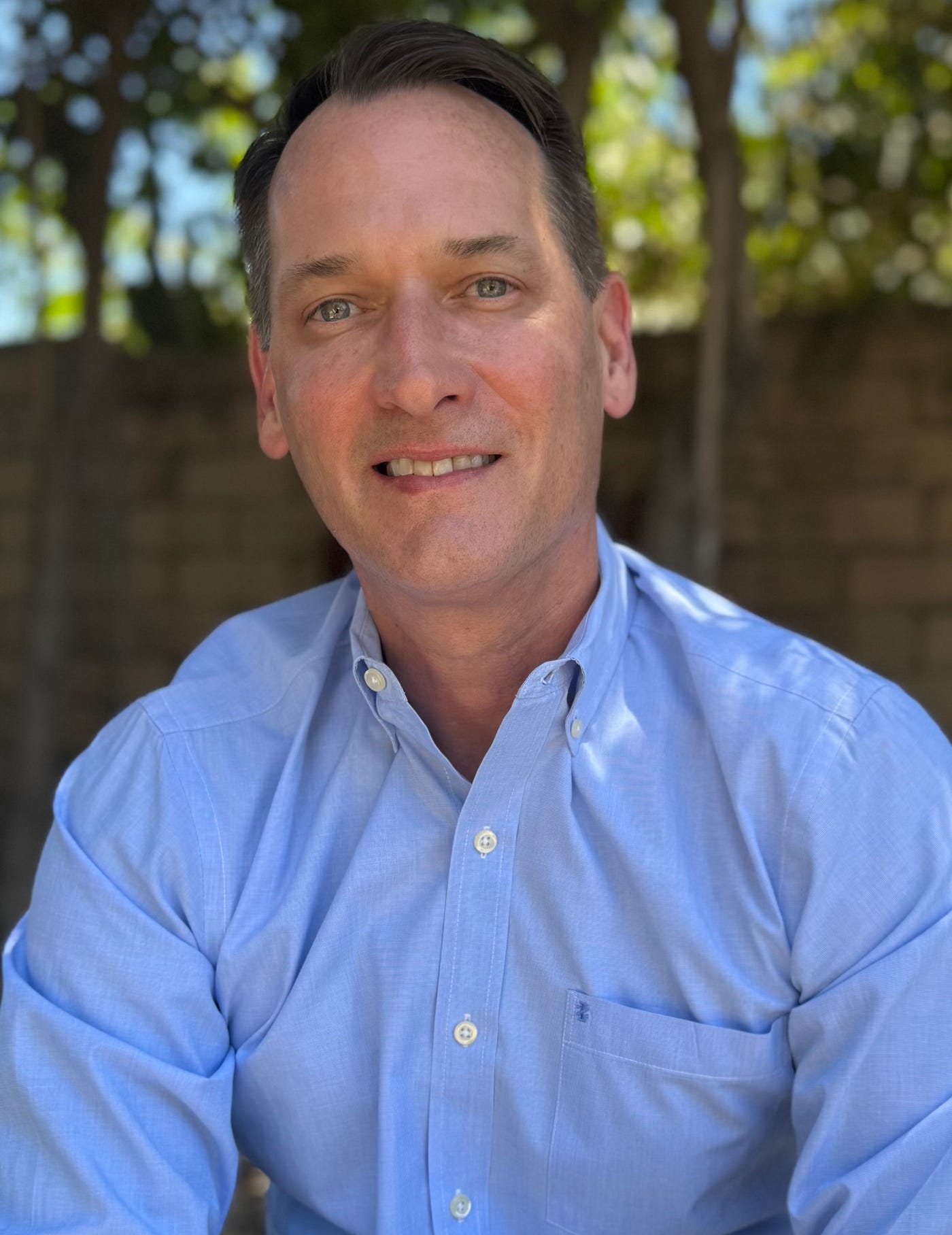
Trauma can arrive dressed in many different circumstances. You may be the victim of a criminal act. Your house may be destroyed by fire, flood or tornado. You may be fired from a job you loved. An illness or accident may change what you physically can do. Someone you dearly love may reject you or die. Even good things require us to explore a different version of who we are. We fall in love, marry, have a child, start a new career. No one gets through life without a trauma or two changing the trajectory of your future. At those junctures in life, we have to reimagine who we are now. What changes must I make in order to live the life I now have? Today I have the privilege of interviewing Tim Smith.
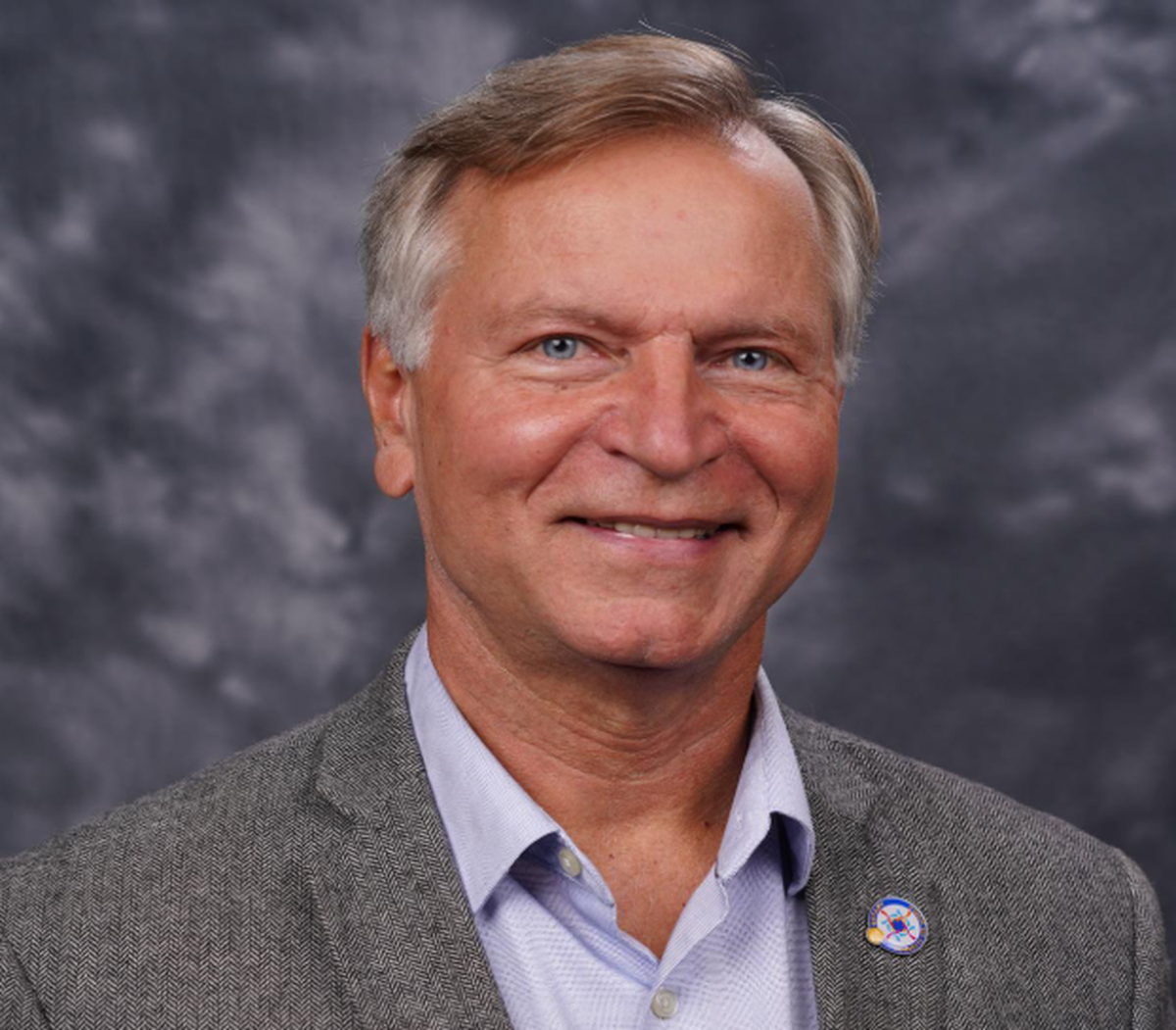
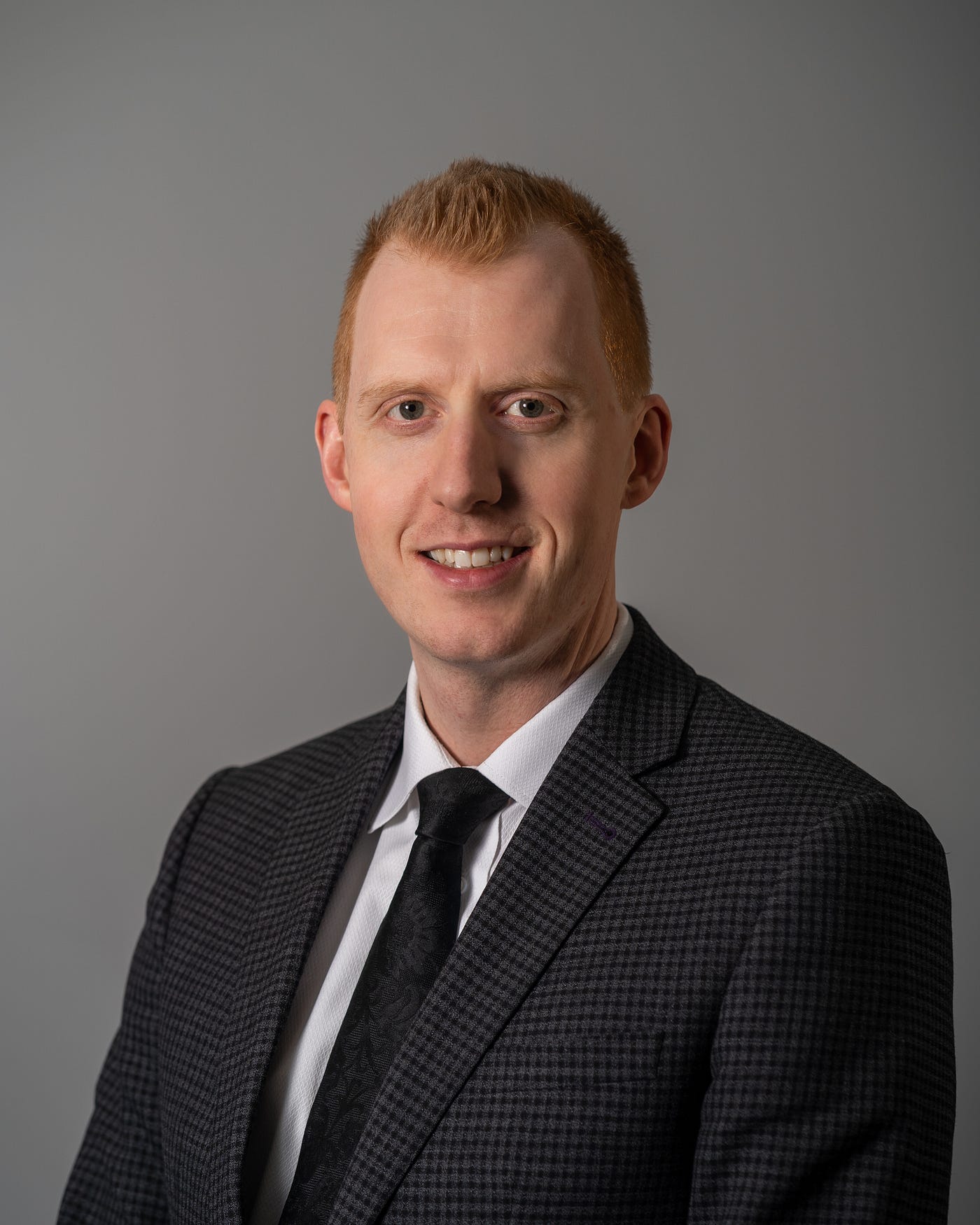
Tim Smith is an executive assistant, award-winning photographer, and author of the debut memoir Fault Line: Still Standing. Born in Pensacola, Florida, Tim grew up in the rural South in an environment shaped by addiction, instability, and neglect—experiences that would later form the emotional backbone of his writing. Before becoming an author, he worked a wide range of jobs that reflected both necessity and curiosity about the world: from short-order cook to labor in a Navy shipyard, eventually building a career in the financial sector as an executive assistant. Along the way he also developed a passion for photography, earning recognition and awards for his work behind the camera.
Smith lives in Los Angeles with his husband and their three rescue dogs. His life now stands in stark contrast to the chaos of his childhood—a testament to the central idea at the heart of his memoir: that the past may shape us, but it does not have to define us. Through his writing, photography, and creative work, Smith continues to explore themes of identity, resilience, and what it means to build a life after survival.
Please describe who you were before circumstances required you to change?
I was lost, unsure of myself and believed that the rejection I received, I deserved. I never believed that I deserved better than where I had come from. The abuse, my parents’ addictions, the abandonment, the challenges of growing up in extreme poverty in the south, I thought that was my life, that was what I deserved. I couldn’t see a life beyond the end of my trailer park. And change did not come overnight, or easy nor is it ever complete, I think. The human experience for better or worse is about growth and change and always trying to become a better version of yourself, even if you can’t see it happening at first or at all. I think I continue to—or at least hope to—continue to grow as a person, to be more self-aware of my choices and why I make them. Some days it’s very easy, other days can be a challenge. And to touch on my circumstances, which were growing up as a child of abuse and neglect, to put it mildly, are not as clear cut as the question would imply. It wasn’t as though I had had one bad experience and tried to muster through it. It was decades of systemic abuse, psychological torture, watching my parents spiral from their addictions and then running to my own in whatever form they took. It’s taken almost as long to crawl out of it.
Was the life change something you chose? Or was it thrust upon you unexpectedly as a surprise? Please explain in detail.
In the beginning, no, not at all. Not even close. All I had was hope, even as a child under my mother’s disdain and my stepfather’s strap, I knew there had to be better. I had hope, though it was almost destroyed in me. In the beginning it was just making little choices about education, my mother kicked me out my senior year in high school, so I never graduated. I went back to night school and got my diploma. I walked across the stage and picked up my diploma from a stranger, no family in the stands, no congratulations from anyone. I finished an associate’s degree I started under a dual enrollment program I started in high school. I tried to choose better places to work, I wanted to get out of the grease stain of my Waffle House past. I wanted better for myself and that was the drive, no one was coming to save me from me or from my past. Sometimes I didn’t know what the better was, but I would sometimes have a picture in mind, nothing specific more than a feeling of peacefulness and stillness. It was never about wealth or gain, it was about security, ease, moving through my own life and trying to claim it as mine.
What were your initial feelings about this change in circumstances? Give a few examples
It took years to realize it had even changed. Change doesn’t happen all at once or suddenly or even the next day. You must work on it. The work is hard when you come from where I did. From where a lot of your readers come from. I don’t know that I even realized my life had changed, but slowly it did over choices I was trying to make. I stopped working in places slinging hash, working in manual labor jobs or making gray moral choices to survive. I started to work in retail, which was a step up for me, then a small office job, then another office job until I could see what that path looked like and I dove headfirst into the professional services arena before moving over to financial services. Sometimes I am shocked, honestly. And proud of myself. I grew up in a trailer park between the International Paper factory and the Monsanto factory surrounded by filth, stench and the stain of poverty and nicotine touching everything. Now I work in the Golden Triangle in Beverly Hills. I have a thriving relationship and life that I have built from nothing. It took years, lots of work, millions of dark nights of the soul to get here and I have a sense of ease, of peace in my life I’ve worked hard for.
How long did it take to see how you could survive or thrive in your new circumstances?
One lesson that my childhood taught me was adaptability. One of my axioms is: Adapt and assimilate to your circumstances or fail. Each new iteration of my ‘new life’ made me feel increasingly confident and comfortable in my choices. As the years passed it was almost as though I could suddenly see the person I had always hoped was possible, the person, the life I imagined as a child, one of ease and grace. There certainly have been missteps along the way and sometimes when I thought I had learned a lesson, it was presented for me again to learn. And even though I am very stable, have a good steady job, a wonderful husband, a nice home with lots of dogs, there is always a part of me that knows where I came from and is sometimes fearful I could lose it or it could be taken away somehow. It’s unlikely, but my early childhood taught me that stability is uncertain.
What are five important choices you made that helped you adjust to the change in your life?
Gratitude: First and foremost. Thankfulness for the life I lead, my husband, my home and my peace. Even on some days where it’s hard to find gratitude, I always make space for it. If we aren’t grateful for the things we have, we will never be happy with what we get.
Love. To love myself—horribly cliché I know—but important. To choose to show up for myself, to choose my peace, my best interest first. That self love includes things like realizing my own worth, that I am worth fighting for, that I deserve to live a full life and contentment, taking care of my mind and my body.
Changing my mindset, my thought patterns. Moving from the internal voice echoing all the things I heard growing up: “you’re dumb”, “you have no talent”, “you’re fat”, “you aren’t really attractive unless you fix yourself up”, “nobody wants to be with you” and the words “Queer” and “Faggot” ringing between my ears. Making the internal dialogue and things I said to myself loving and kind even if I sometimes didn’t feel that way about myself.
Taking back my power from my past and from others. Power is taken, never given, and for so long my power was taken away from me. My mother kidnapped me from my dad, and I didn’t see him for a year. My stepfather’s cruelty was only matched by his belt and my father’s abandonment of his only son left me feeling powerless. I willingly surrendered that power to anyone because I believed I wasn’t worth it, I did not believe in me. Once I realized my own power and control it helped me to get over some hurdles from my past as well as my present.
Forgiveness. Sometimes. Forgiveness of the past helps, but it doesn’t make it go away and it doesn’t absolve the sins of the people who were supposed to take care of me. And forgiveness comes in many forms – some I can recognize and others that are subtle. In some ways, tending to my parents’ wounds, or least seeing their circumstances, their thought patterns, helps me tend to my own wounds. Some days, the pain, the hurt, the rage, the shame is a dull whisper in my ear – I know it will never go away. Other days it’s a screaming demon beating me with the club of past horrors. In the end, I am the only one that can absolve my parents of their sins – and mine too.
Have you been able to flourish in your new circumstances?
Yes, ridiculously so. Brilliantly so. But not at once, not whole or completely at once. And not for years. And even sometimes when I am in places or situations, I would have never imagined myself in, so far from my trailer park in the Panhandle of Florida, I kind of get the ‘Whoa!’ feeling. And I can feel proud of myself for walking in worlds and places I never suspected I would. I would be lying if I said the past doesn’t creep in sometimes, that when I am in gilded halls, beautiful locations or even exhibiting my photography I can still feel a little bit like that boy from the trailer park that feels a little out place and isn’t sure if I belong there or not. I often remind myself that I do belong. Finally.
What do you like or value about the new you that has emerged because of these circumstances?
The path, the road, the journey to get here to the ‘new me’ was not straight. It forked, it twisted and I lost count of how many dead ends I found myself at. Each part of change or becoming this new person—and again I want to iterate that I am still changing, I am still growing into possibility and into the person I am supposed to be. I hope we all are; we all deserve that. And it’s that right there, the journey of change, the road to becoming that I like and value. I look forward to what emerges next, what else can I learn, what else can I grow from?
If some time has passed, have you found things about the original trauma for which you now feel gratitude?
No, f*ck no. No. And a lot of time has passed. And I am not grateful for the original trauma. People say things to me like: “you’re so brave”, “you’re so strong”, “you are so resilient”. And I always say I wish I didn’t have to be. I wish I could have grown up like a little boy should have. I wish those that were supposed to care for me as a child didn’t destroy me. I wish I could remember Christmas mornings and family dinners, help with homework and baseball practice in the afternoons. That was never going to be my experience. I know it can sound bitter, and I accept it as that. In some ways I think I have every right to be bitter about my childhood. The trick is not to let that bitterness take the joy of today, the moment, the now. I can’t go back to the past and fix it, the future doesn’t care about me, all I have is the moment and this time, and I try and value it because it may never come again.
What are the best outcomes that are a direct result of the personal growth that was forced from you as a result of this trauma? Describe
Best outcomes... I don’t know about that. The best outcome would have been that my childhood was ‘normal’ , that I would have loving and nurturing parents with a stable life and not carry some of the things I carry with me. With that said I can see how I have turned the events of my childhood into useful skills - almost like taking survival skills and applying them to the real world.
I stand up for myself and for my own good and my own power. I don’t accept poor treatment and think that I deserve only the best now.
I’m immediately able to read someone or a situation. Survival came before childhood; I learned how to read people’s moods and expressions before I learned how to read books. For better or worse I picked-up an empathic sense from past challenges.
No one is coming to save you. There is no hero and there is no calvary. You are your own savior, your own hero.
One thing that I learned from the powerlessness of my past is to ask for what you want, believe you are worth what you are asking for and deserve more than that. I consider myself what I call a direct communicator. I like candor and will always provide that back.
Was any particular person, or book instrumental in helping you formulate who the new you could be following this trauma?
The trauma wasn’t just one thing, or one event and continued even after my mother kicked me out at 17, the trauma still reverberated for years after that. There was no plan at the time for a new me, I was just stumbling around from thing to thing, place to place, person to person. The only thing I knew for certain was there had to be better than where I had come from. There was never a formula, more like an idea, a hypothesis of who I wanted to be and what kind of life I wanted to have.
No one was instrumental and many people were over the years. Kind friends in high school, caring teachers, random strangers on trains and the people I choose as my family. It sounds very vague I know, but I think, or at least I would like to think angels or guardians were sent to be just enough of a guard rail to keep me from going over the edge.
My first partner in a long-term relationship of 13 years helped a great deal without that being the purpose. I learned I can be loved; I learned to love and all the things that come in between that. It was one of the first places I could feel calm and safe.
Through a yoga and manifestation teacher I discovered the author and motivational speaker Louise Hay who helped me recognize thought patterns in myself and how I can change them. I tend to think of Louise as a spiritual grandmother. That led me to Ram Das, Alan Watts, Wayne Dyer, the teachings of the Lao Tzu, and the most wonderful Buddhist monk Thich Nhat Hanh.
My grandma’s voice in my ear helps, I saw her sporadically throughout my life and she taught me a few lessons on kindness and doing the right thing. If it were not for her, I don’t know that I would have much of a moral compass.
And my husband, Bobby. He didn’t know what he was getting into 17 years ago when we met! His home life was such a contrast to mine, he had a family, they spent holidays together, they encouraged him and supported him. I will admit it was a foreign concept for me. His background from his family and a lifetime spent working in social services has helped me to be more complete, more whole and even more vulnerable when it comes to opening up about my past shame and learning to let my guard down to be loved.
Have there been opportunities to encourage or support others who are going through similar traumas? Please describe.
Yes! Wonderfully, yes! I had always hidden my past, my shame, my parents, my white trash pedigree were all things I wanted hidden from the world. I spent three years in therapy with a wonderful councilor who helped me to detangle my self-worth from my past. I learned that the past was something that happened to me but wasn’t who I was. I had a desire to write my book, Fault Line: Still Standing for years but didn’t have language for it until we started our sessions. I didn’t have the courage either. As I began the buildup for the launch of my memoir, I posted very personal family photos with sentences or excerpts from the book. To my surprise, people connected with it. People felt that it spoke about their experiences. People began to share their childhoods with me, their traumas, their personal stories. It blew me away; I did not expect those reactions. And I value and honor those connections and those stories.
I realize how hard, how humiliating it can be to be vulnerable to share the worst, most shameful parts of your life with a stranger and I never want to be dismissive or trite about it. The real power here is the connection when someone feels seen. As gay children, children of abuse we are taught to not be seen because when we are seen something bad can happen to you. In this way of seeing one another, we take back the power of the past and can shape the narratives of our lives and of our future.
Is there any particular person with whom you’d love to share a meal or conversation about the lessons learned through trauma?
I think I’d like to sit down with every child, every person who feels or felt thrown away, useless, worthlessly unseen and unloved and tell them they are. Tell them there are better days ahead. It may take some time to get there, but there are better days and you must hold on, you have to survive, in fact I insist that they do because the days ahead are worth living, they are full of promise. Your past is not who you are now and not your future yourself. And I would like to remind them that broken ground can still grow.
# # #
5 Things Video URL: https://youtu.be/BvTCmZ6lWwI?is=a0lJ9TpESNUyrIEo