I have always enjoyed learning and delayed graduation by a year so I could get a few extra degrees, including zoology and economics.
Wellness
Steven Larsen of Michigan Cognitive Recovery Center: Why We Must Look Beyond Managing Symptoms to Truly Reverse Cognitive Decline
Senior-living operator and attorney Steven Larsen discusses how lifestyle interventions and the ReCODE protocol can actively combat Alzheimer's disease.

In a world inundated with distractions, constant connectivity, and a plethora of information, our cognitive well-being has never been more crucial. Amidst the clamor, how do we nurture our minds, keep our focus sharp, and cultivate habits that promote mental clarity? The right lifestyle habits can be the cornerstone to maintaining and even enhancing our cognitive abilities, ensuring not just longevity but also the quality of our mental faculties. As a part of this series, I had the pleasure of interviewing Steven Larsen.
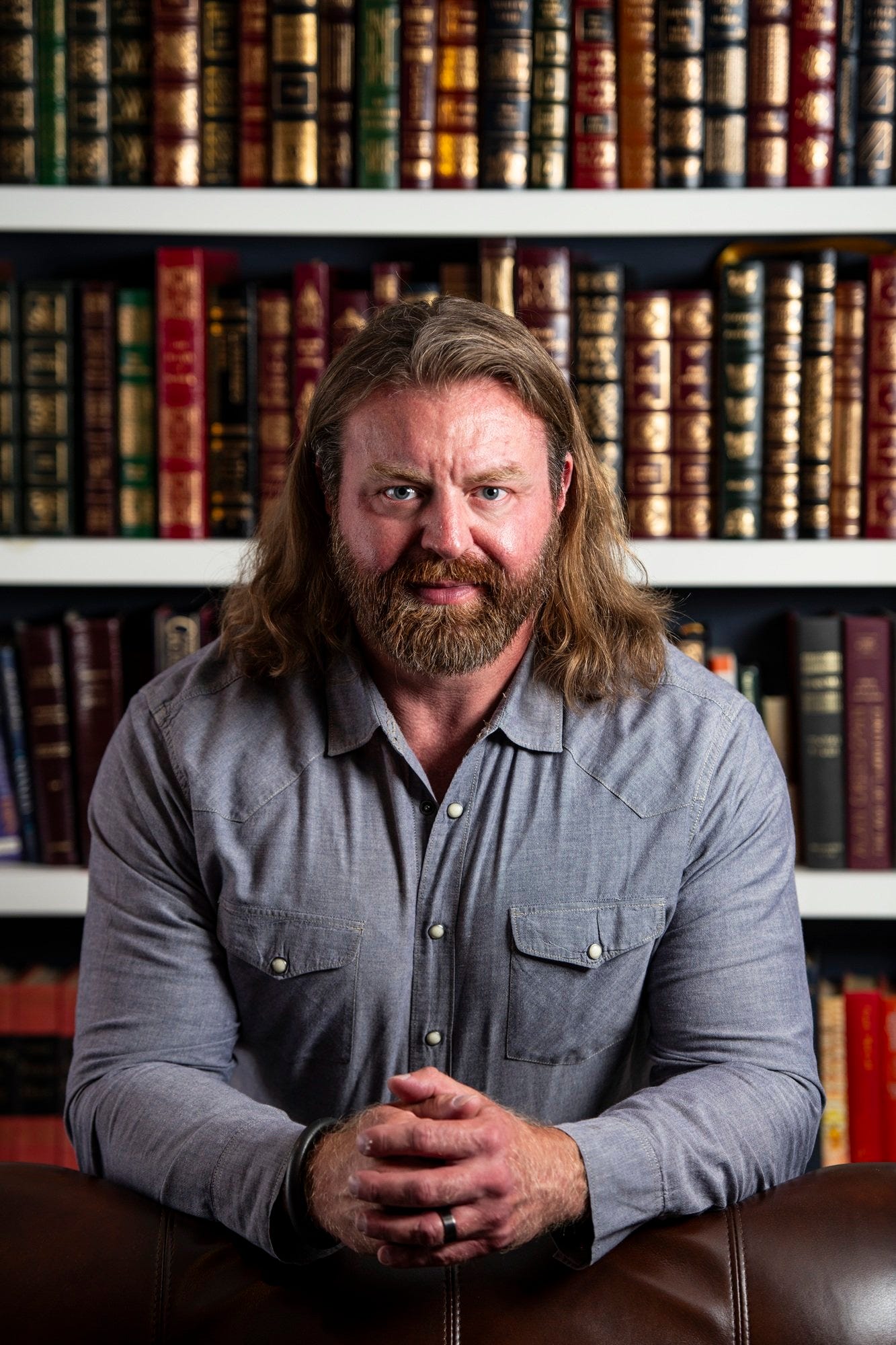
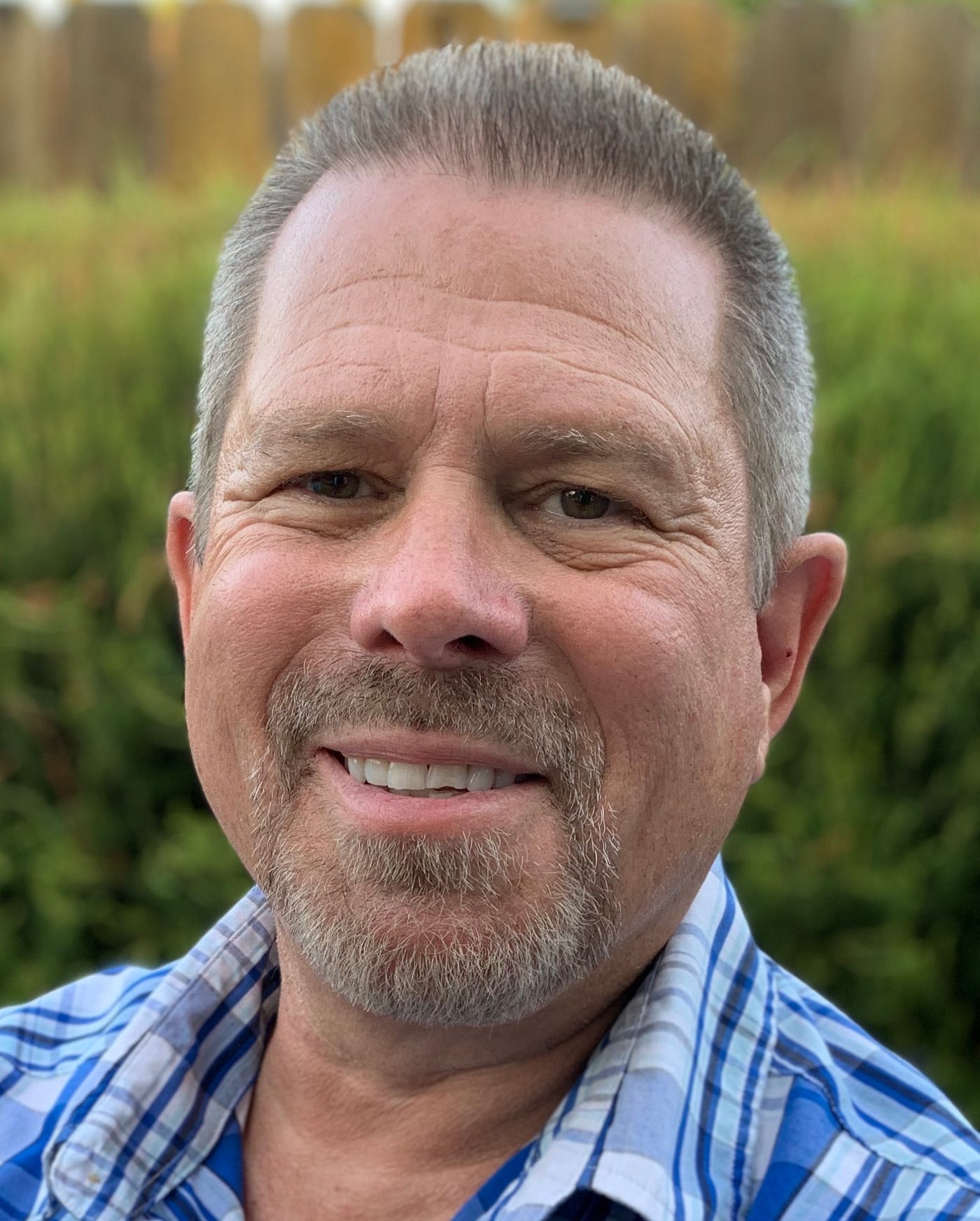
Steven Larsen is a senior-living owner, operator and attorney who has spent more than three decades building communities across the Midwest. After several years of research and then losing his younger brother to Alzheimer’s disease in November 2025, Steven partnered with Apollo Health, an organization founded by internationally recognized neuroscientist and neurologist, Dr. Dale Bredesen, that focuses on preventing and reversing Alzheimer’s disease through the ReCODE protocol. As the founder and CEO of the Michigan Cognitive Recovery Center (MCRC) in Lakeshore Woods Assisted Living and Memory Care in Fort Gratiot, Michigan, Steve is making the ReCODE+ for facilities program accessible to Michigan residents who wish to treat their cognitive decline and improve their quality of life.
Thank you so much for joining us in this interview series! Before we start, our readers would love to “get to know you” a bit better. Can you tell us a bit about your childhood backstory?
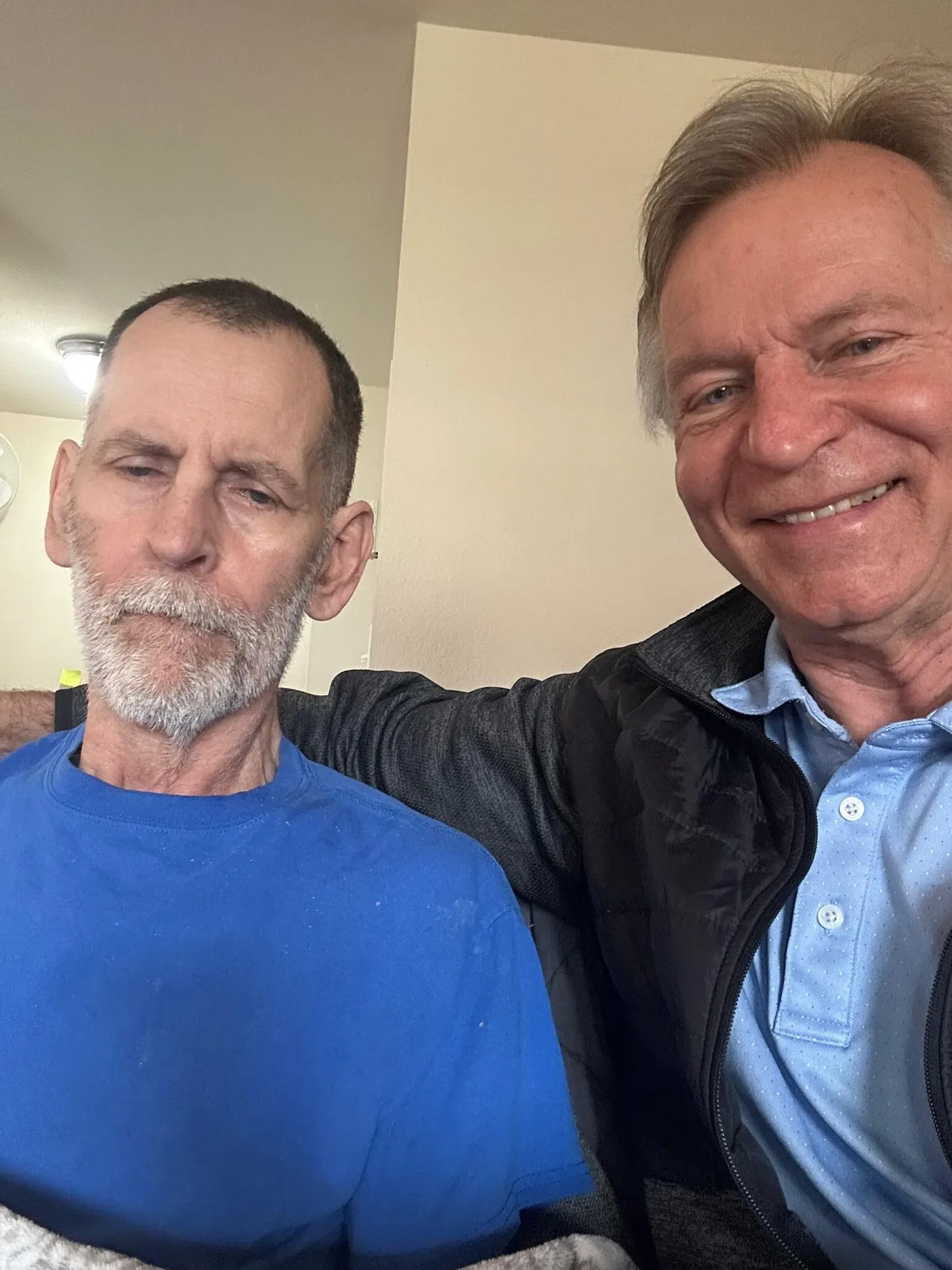
I grew up in the Royal Oak and Hazel Park area of Metro Detroit, Michigan. I was one of six kids — right in the middle, with two older sisters, a younger sister and two younger brothers. Our dad left when I was five years old, leaving my mom to care for all of us on her own. We were put into an orphanage and later split into foster care, but after about a year, our mom was able to reclaim custody and reunite us. Because of this, my siblings and I grew up very close. We were all we had during that time. We put the ‘fun’ in dysfunctional! During high school, my family moved to northern Michigan where I graduated a year early and went into the U.S. Army. I worked in finance, completing stints in Germany and Colorado. I CLEP’d (College Level Examination Program) out of my first year of college, completed my associate’s degree, then attended the University of South Florida before ultimately graduating from Michigan State University. I have always enjoyed learning and delayed graduation by a year so I could get a few extra degrees, including zoology and economics. After that, I started law school in the evenings while working full time, getting my Juris Doctor. It was around this time that I became involved with senior care facilities. Through a college friend, I was given an opportunity to help manage a facility in Michigan. Realizing I could do this work on my own, too, I purchased a large house and my brother and I converted it into an adult foster care home. After a series of buying, renovating, licensing, operating and selling these facilities, I got into development and financial management. There have been many defining moments in my life, but two of them that have had the largest impact on me are my mom being diagnosed with cancer and given four months to live, and my brother being diagnosed with Alzheimer’s disease. After my mom’s diagnosis, she adopted a holistic lifestyle, eating nutritious, whole foods, incorporating low-impact, aerobic exercise into each day and optimizing her sleep schedule. Miraculously, her body began to fight back against the cancer, and we got to spend four additional years with her — some of her healthiest and best years. As for my brother, I watched Alzheimer’s take him slowly. Due to my work in assisted living and memory care communities, I’d seen dementia up close hundreds of times. But seeing it in a familial setting reinforced my belief that it doesn’t have to end this way — there must be a better way to treat this disease than just managing the symptoms.
Is there a particular book, podcast, or film that made a significant impact on you? Can you share a story or explain why it resonated with you so much?
I’m a voracious reader and love learning from others. There are so many books that have helped and inspired me along the way. I tend to gravitate towards nonfiction, especially in the fitness and wellness space. These books, along with my biology and chemistry studies in college and my own desires to live a healthy life, have pushed me to complete or compete in more than forty triathlons and a number of marathons, as well as one Ironman. Eventually, I came across The End of Alzheimer’s by Dr. Dale Bredesen and other books about reversing, not just treating Alzheimer’s disease. It hit close to home after witnessing my mom’s amazing cancer recovery and then my brother succumbing to Alzheimer’s. This showed me that how I’d been feeling had been right — there is a better way, and we can do something to reverse cognitive decline. This book is how I eventually connected with Dr. Bredesen and participated in the ReCODE program, which I am now bringing to MCRC at Lakeshore Woods in Michigan. We are the first 24/7 assisted living facility in Michigan to offer the ReCODE+ for facilities program, and one of only two places in the United States to offer it.
Let’s now talk about lifestyle habits that support cognitive well-being. Are there specific foods or diets that have been scientifically shown to enhance cognitive functions?
Yes, there are a number of books and programs, but I have found the best one is Dr. Bredesen’s ReCODE program. He promotes the KetoFLEX 12/3™ diet which combines plant-rich, highly nutritive whole foods with a nightly fast of at least 12 hours, including three hours before bed. It’s a diet I try to live by, and one that our ReCODE+ residents follow. We also make sure to emphasize local, organic and seasonal non-starchy vegetables with protein and healthy fats to support brain health and cognition. Essentially, we want each plate to be as colorful as a rainbow. The Keto aspect, or getting into ketosis, is important because evidence has shown that not only does it help heal your metabolism, but it also provides clean fuel for your brain. Overall, this diet is similar to the Mediterranean diet. If you look at Blue Zones on a map, areas around the world with the highest levels of people over 100 years old, you’ll notice that many of them follow a version of the Mediterranean diet, prioritizing heart-health, plant-based foods and healthy fats, along with exercise and low stress, as our ReCODE+ program does. When my mom found out about functional, root-cause medicine and adopted a holistic lifestyle after her cancer diagnosis, she was on a very similar diet. Although the KetoFLEX diet hadn’t been created yet, I really believe that this transition to whole, healthy food was one of the primary reasons we were able to have so much extra time with her.
What are your thoughts on the importance of movement and exercise in the context of cognitive decline? How do different forms of exercise, such as aerobic vs. strength training, influence cognitive well-being?
Exercise and physical activity are very important to prevent cognitive decline! You need to get your blood flowing and let your organs do their job. So, you need to do at least 30 to 60 minutes of low-impact aerobics a day. This can really be as simple as walking — you just need to get your blood flowing to activate and move around the trillions of cells in your body. As I said, this simple movement, like walking, gets fresh blood flow to your kidneys and liver so they can do their job. Exercise is also great for strengthening your heart and lungs and building up your many other organs. Now, this of course gets harder as we age, especially after an Alzheimer’s diagnosis. At ReCODE+, we make exercise fun and turn it into daily activities that are engaging and tap into our residents’ interests, which we call our “Fun with Neighbors” program. We host facility-wide scavenger hunts and gardening sessions, so our seniors are not only getting active, but also getting outside to connect with the earth. It’s important for the body and the mind!
Can mindfulness practices or meditation offer measurable benefits to cognitive health?
Mindfulness is so important for all aspects of brain health and function. One of the best things you can do for yourself is start your day by saying what you’re grateful for, like a warm bed, a good sunrise or good family. When I wake up in the morning, I do my yoga stretches while reviewing or making a list of what I’m grateful for and what my daily goals are. This puts me in a positive mindset, and I get to reflect on all of the things in my life I love — good health, strong community, running water, a safe home — and all of the things I want or get to try to accomplish in the day. I also take time to sit outside by my pond and connect with nature. I do this alongside my dogs, who are great teachers in how to enjoy the little things in life! Your brain is essentially a computer. If you feed it negativity, it will give you negativity as a result. But if you frame your mind in a positive way, you will see positivity returned to you. We are the author of our own thoughts and in control of how we choose to move through the day. This is easier said than done for some people! But I always encourage my residents to take a few moments each day to reflect on what they’re grateful for and what they love about life.
How does the quality and quantity of sleep correlate with cognitive performance and long-term brain health?
As Dr. Bredesen discusses, part of the KetoFLEX 12/3 diet includes a twelve hour overnight fast, with three of those hours being between your final meal of the night and when you go to sleep. This is because when you go to sleep with food in your stomach, your body prioritizes processing that food rather than repairing itself each night. This has serious implications for both our sleep and our overall health. Everyone is different with the amount of deep sleep their body needs, and this can be based on many factors including REM sleep and oxygen. It’s okay if your body needs more sleep or less sleep, but the important part is figuring out what is optimal for you. At ReCODE+, we monitor each resident’s sleep to see what they’re getting. If someone is having sleep problems, we bring specialists in to help get to the bottom of the problem to restore their deep sleep.
How do social connections and interpersonal relationships influence our cognitive well-being?
Very important! We know that social connections and interpersonal relationships are imperative to cognitive wellbeing. Loneliness is a major cause of illnesses, including dementia — people who live alone have much higher rates of illness than those who are socially active. It’s part of the ReCODE+ program to maintain socially active calendars, so we plan many events like movie nights, crafts and hobby sessions and outdoor activities. This gives people opportunities to connect with their friends or make new ones over shared interests. This leads back to our “Fun with Neighbors” program where we encourage residents to plan and host activities based on their own interests. If we can get a group of five people who like playing bridge, or who all graduated from the same university, we allow them to plan their own events and manage the overall group. Not only does this give a sense of responsibility and purpose — two things that also help preserve cognitive wellbeing — but it helps the residents feel much more connected to each other and increases their quality of life.
What role do lifelong learning and continuous mental stimulation play in maintaining optimal cognitive health?
Cognitive stimulation is one of the seven key considerations for optimizing brain health, as described by Dr. Bredesen. Engaging in lifelong learning and targeted brain training builds cognitive strength and supports neuroplasticity as we age. Whatever you can do to stimulate the brain is important, whether that’s reading a chapter of a book a day or learning something new from a podcast. I’m a huge reader and I love to stay busy with my hobbies and work-related interests. Our world is full of interesting things, now more than ever. When I was 17, I created a set of goals, 25 things I wanted to do before I died. When I completed the last activity on the list, I just kept expanding it — and I still do. My point being: you’re never too old to try something new.
Here is the central question of our discussion. What are your five favorite lifestyle habits that proactively support cognitive well-being? Please share a story or an example for each, if you can.
1. Practice daily gratitude
I am a glass-half-full type of person, and practice gratitude with a daily list of what I’m thankful for. I start each day by breathing deeply, stretching, listing what I’m thankful for and reviewing my goals for each day. Your goals don’t have to be big. For me, they are things that make me feel accomplished, and that does a lot for a positive mindset.
2. Set long-term goals
Just as it’s important to set daily goals, I also like to set long-term goals. I call these “Dreams with a deadline.” These are goals that might take five years or a lifetime, but they ensure I always have something to work towards and look forward to. I’m very physically active and each year, as I mentioned, I set a goal to complete another triathlon. It doesn’t matter how fast I go or what my finishing time is — if I complete the triathlon, that accomplishes something for me. And of course, the physical exercise that goes into training is very beneficial for the body and mind. The bucket list I created when I was 17 is another example of this, it gave me a sense of purpose throughout my life, and new things to strive for.
3. Stay engaged in meaningful work and empower others
I’m a lifelong, or some say, ‘serial’ entrepreneur. I like to stay active and get a big sense of achievement from the work that I do. To me, that also means empowering those who work for me. How can I help them be better at their jobs, or better managers to those they oversee? When we give others the steppingstones to succeed, we all succeed together.
4. Find ways to laugh and smile
Worrying is wasted energy. So, why do it? I love to laugh and to make others laugh and think it’s some of the best medicine. We might not be able to control everything in life, but if we can control our attitude and find a reason to smile and laugh together, that counts for a lot!
5. Never stop learning
It’s a big world and learning has never been easier. I love to pursue knowledge about topics of all kinds, and frequently go down rabbit holes of new information. I love to read, watch documentaries, listen to podcasts or simply talk to someone about one of their favorite interests. Learning is a state of being, and it gets more important the older we get. I view learning as a way to keep your brain fresh and engaged every day.
Are there any proven techniques or habits that can help protect against age-related cognitive decline?
I mentioned the seven key fixes earlier, and it’s these factors that separate the ReCODE+ protocol from anything else out there. To break it down, the seven fixes are: nutrition, exercise, sleep, stress, brain stimulation, detox and supplementation. All things I have discussed as important factors of preventing cognitive decline and preserving brain function. Each of these factors breaks down even further into about 140 things. One of the most important things to protect against cognitive decline is compliance with the program. That’s the difference between the regular ReCODE program and ReCODE+ for facilities program. With ReCODE+, you live in our facility for support as you transition to this lifestyle. When you’re at home, it’s so easy to get distracted and fall off the path by eating something you shouldn’t, staying up too late or not getting enough activity in your day. At ReCODE+ in MCRC, we handle logistics and educate you along the way in a fun and enjoyable way. We buy and prepare the best food and help with your customized program that was created based on your cognitive tests and bloodwork, which is analyzed by a ReCODE certified practitioner. After 12 months, residents graduate and are empowered to go home and continue the lifestyle. We help you set up the building blocks over a 12-month period so you can preserve your cognitive function and prevent decline.
In your professional or personal experience, what can be done to delay cognitive decline if the genetic predisposition is there?
I deeply believe the ReCODE+ program, when followed as intended, can stop cognitive decline, even for those with a genetic predisposition to the disease. You can be tested for the APOE4 gene — you may have zero, one or two of these genes — and they increase your chance of developing Alzheimer’s disease. But with research, we’ve seen that the easier it is for your brain to develop Alzheimer’s with this gene, the easier it is to get rid of it. Participants with multiple of the gene do quite well in ReCODE+ when following compliantly. There is hope, even if your genetics are predisposed.
Is there a person in the world whom you would love to have lunch with, and why? Maybe we can tag them and see what happens!
How to pick just one! The first would be Jesus, but other than that, I’d love to sit at a roundtable with our most notable presidents. These are all people with different beliefs who reached the height of success in America. They were intelligent, persistent and creative, and changed the nation because of it.
How can our readers follow you online?
Readers can connect with me on LinkedIn, and learn more about ReCODE+ at my Michigan Center for Cognitive Recovery through our website, www.michigancognitiverecovery.com or at www.StevenLarsenJD.com.
Thank you so much for sharing these important insights. We wish you continued success and good health!
AM
Written by
Authority Magazine Editorial Staff
Editorial Desk · Authority MagazineThe Authority Magazine Editorial Desk produces, verifies, and edits long-form primary-source interviews with executives, innovators, clinicians, creators, and social impact leaders across Business, Tech, Pop Culture, Wellness, and Social Impact.

Published inAuthority MagazineTop Lessons, Top Authorities · 42K Followers
Exclusive, curated interviews with the leaders and changemakers shaping tomorrow. Leadership lessons, industry deep dives, and executive profiles.