I didn’t overcome adversity by eliminating it — I overcame it by reframing it.
As a part of my series about prominent entrepreneurs and executives that overcame adversity to achieve great success, I had the pleasure to interview Stratton Horres.
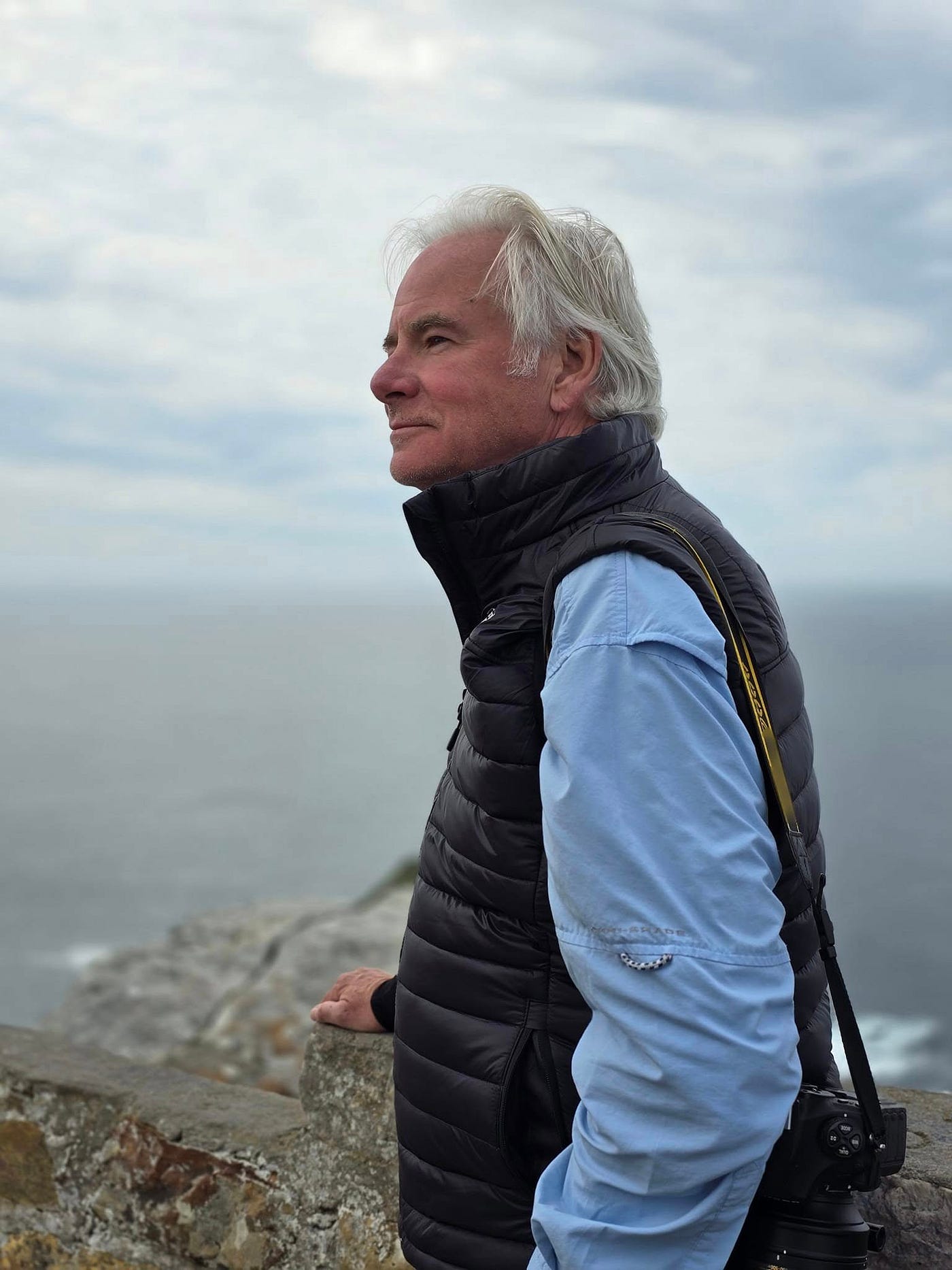
Stratton Horres is a former civil trial lawyer, global traveler, author and co-author of five books who believes that life’s greatest transformations often begin in the most uncertain moments. Today, he travels the world with his wife, Debbie. Having visited more than 90 countries across all seven continents, he brings a deeply reflective and philosophical perspective to travel, blending cultural exploration with personal growth.
Thank you so much for joining us in this interview series! Can you tell us the “backstory” about what brought you to this specific career path?
My path has been shaped by a realization that came much later than I expected — but exactly when I needed it.
I spent over four decades practicing law, handling some of the biggest cases across the country, a career I was proud of. Along the way, I co-wrote a book called Showing UP, which opened my eyes to a different way of living — one rooted in growth, purpose, and following your bliss. But I made a choice at that time to stay on the traditional path, believing I would come back to that calling later.
Then cancer intervened and disrupted my plan.
That diagnosis became my Kilimanjaro before the climb of Kilimanjaro. It forced me to confront everything I had postponed and everything I still wanted to become. Around that time, a quote from Marcus Aurelius took on a whole new meaning for me: “What stands in the way becomes the way.”
In my case, cancer wasn’t just an obstacle — it was the catalyst. It stripped away delays, hesitation, and excuses. It redirected my life toward intention. It didn’t block my path — it became my path. I was not going to let cancer defeat me; I made it motivate me.
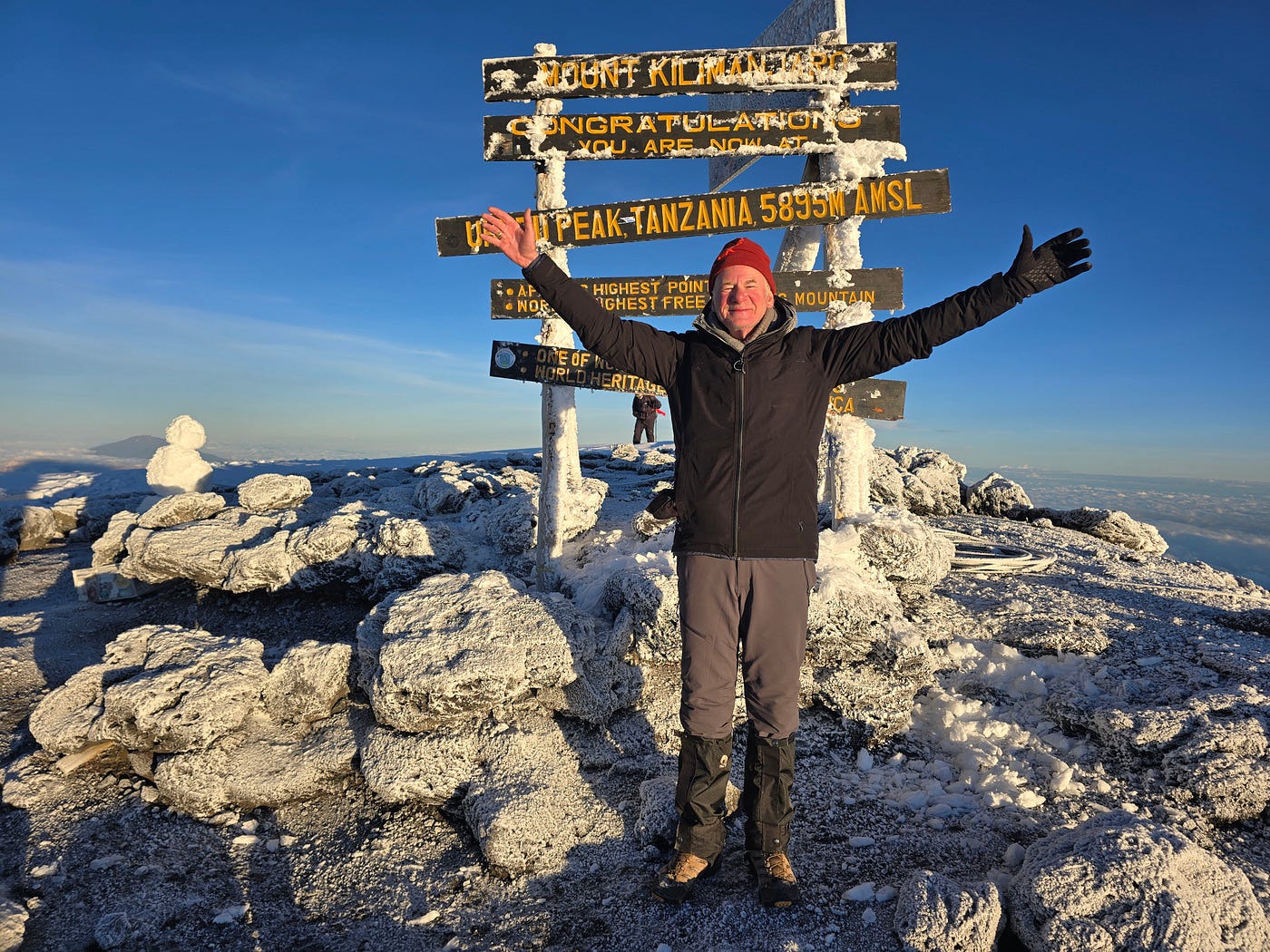
Climbing Mount Kilimanjaro at 68 was the physical manifestation of that truth. It symbolized not just overcoming adversity but transforming it into purpose. My work now — through my book From Crisis to Kilimanjaro — is about helping others see that what stands in their way may actually be pointing them forward.
Can you share your story of when you were on the brink of failure? First, take us back to what it was like during the darkest days.
The darkest days came after my cancer diagnosis, leading up to surgery. My cancer was high-risk, aggressive. For someone who had spent a lifetime solving problems and staying in control, I suddenly found myself in a situation where control didn’t exist. There was fear, uncertainty, and a quiet but persistent question: What if this is it?
Physically, I was preparing for surgery. Emotionally, I was unraveling and rebuilding at the same time. I retired from law at the same time to focus 100% on my health. My life was at stake, and I didn’t want any distractions.
It wasn’t just about cancer. It was about everything I had postponed — dreams deferred, risks not taken, passions set aside. The diagnosis stripped away the illusion of “someday” and replaced it with “now or never.”
That’s a sobering place to be.
What was your mindset during such a challenging time? Where did you get the drive to keep going when things were so hard?
At first, my immediate mindset was survival. But very quickly, it shifted into something deeper — purpose.
I realized I had two choices: I could let fear define the experience, or I could use it as fuel to finally live the life I had always imagined. That shift didn’t happen overnight, but once it did, it changed everything.
The drive came from a simple but powerful realization: time is our greatest asset, tomorrow is not guaranteed. That awareness stripped away excuses. It made decisions clearer. It made courage more accessible.
And oddly enough, it brought gratitude into sharper focus. Even in the middle of uncertainty, there was a sense that this challenge was not just happening to me — it was happening for me.
Can you please tell us how you were able to overcome such adversity and achieve success? What did the next chapter look like?
I didn’t overcome adversity by eliminating it — I overcame it by reframing it.
After surgery, instead of retreating, I leaned in. I began to pursue the things I had deferred for decades: travel, writing, speaking, and physical challenges that tested both body and spirit.
One of the most symbolic was my decision to climb Mount Kilimanjaro at age 68. It wasn’t just a climb — it was a declaration. A statement that life doesn’t end with a diagnosis. In many ways, it begins there.
The next chapter became about living intentionally. Not perfectly. Not fearlessly. But fully.
Based on your experience, can you share five actionable pieces of advice about how to develop the mindset needed to persevere through adversity?
- Reframe the obstacle as the path.
On Kilimanjaro, there were moments when the altitude, the cold, and the fatigue felt overwhelming. But I kept coming back to a simple idea: the mountain isn’t in your way — the mountain is the way. The same was true with cancer.
2. Take action before you feel ready.
I didn’t feel fully prepared to climb Kilimanjaro at 68. But waiting for perfect readiness is often just another form of delay. The climb itself creates the strength you think you’re missing.
3. Focus on the next step, not the summit.
On summit night, in the dark and at altitude, the top felt impossibly far away. But Kilimanjaro is climbed one step at a time. The mantra is pole, pole which is Swahili for slowly, slowly. The same applies in any crisis — narrow your focus to what’s immediately in front of you.
4. Train your body — and your mindset.
I prepared physically with intense workouts, but the real preparation was mental. Endurance, patience, and resilience are built long before the moment you need them.
5. Keep climbing — because not all mountains are made of rock.
Kilimanjaro taught me something I now carry into every challenge: keep climbing. Whether it’s cancer, loss, fear, or uncertainty — these are mountains too. You don’t go around them. You go through them. And with every step, you become stronger than what you’re facing.
None of us are able to achieve success without some help along the way. Is there a particular person who helped get you to where you are? Can you share a story about that?
My wife, Debbie, has been a constant source of strength and perspective. She is my anchor. Throughout my career, my illness, and this reinvention, she has been both a grounding force and an encourager of possibility.
When I began talking about climbing Kilimanjaro, it wasn’t dismissed as unrealistic — it was embraced as something worth pursuing. That kind of belief from someone close to you is invaluable. It gives you permission to believe in yourself when doubt creeps in.
Are you working on any exciting new projects now? How do you think that will help people?
Yes, I’m focused on sharing the message of From Crisis to Kilimanjaro through speaking, writing, and connecting with communities facing adversity. The book comes out next month and is published by Brown Books.
I’m also expanding my storytelling through travel and reflection — highlighting experiences that remind people of what’s possible when they step outside their comfort zones.
The goal is simple: to help people see that a crisis doesn’t have to be the end of their story. It can be the beginning of a better one.
You are a person of great influence. If you could inspire a movement that would bring the most amount of good to the most amount of people, what would that be?
I would inspire a movement built around one idea: Live now. This is presence.
Not recklessly — but intentionally. Too many people are waiting for the “right time” to pursue what matters most. The truth is, the right time rarely announces itself. Do not delay, you may not have another opportunity.
If more people chose to act on what matters — to travel, to connect, to create, to forgive, to love — we would see a profound shift in how people experience their lives.
Any parting words of wisdom that you would like to share?
You don’t need a crisis to start living differently — but if one comes, don’t waste it.
There is a hidden invitation inside every challenge. The question is whether we’re willing to accept it. Obstacles are really opportunities for growth in disguise.
How can our readers follow you on social media?
You can follow my journey and reflections on travel, resilience, and living fully at:
- farthertogether.blog
Thank you so much for joining us. This was very inspirational.
Thank you — it’s been an honor to share my story.