When you nourish the mind at the fundamental level of your consciousness, dramatic changes happen. Just do this technique twice a day and watch your emotions become more balanced.
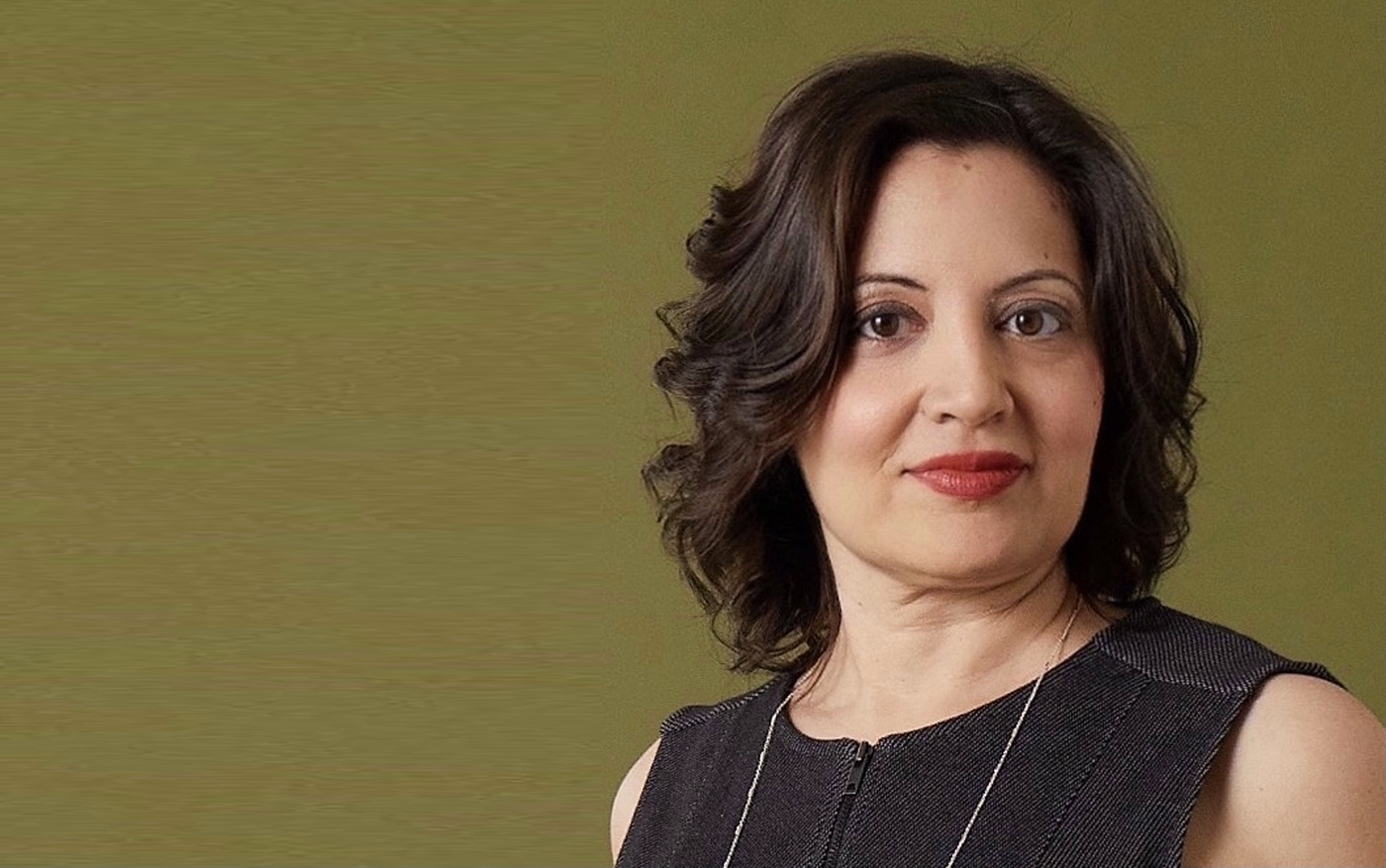
As a part of my series about women in wellness, I had the pleasure of interviewing Laurina Carroll,
a certified Transcendental Meditation (TM) teacher and wellness consultant who specializes in promoting a more natural approach to better health using TM, yoga, diet, exercise, and other lifestyle changes. Laurina earned a B.A. in Maharishi Ayurvedic Medicine and a Masters degree in Maharishi Vedic Science from Maharishi International University. She has been practicing the TM technique for 34 years and has been teaching it for the past 22 years. She is available for Ayurvedic Nutrition & Lifestyle consultations that include individualized recommendations for Ayurvedic diet, herbal products, yoga exercises, plus daily and seasonal routines that support good health. She can be reached at 630-903-0525.
Thank you so much for joining us in this interview series! Our readers would love to “get to know you” better. Can you share your “backstory” with us?
Sure! I am a certified Transcendental Meditation (TM) instructor, an Ayurvedic wellness consultant, and a mother who has seen tremendous benefits from Ayurveda, in my clients and family alike. My book, “Perfect Health for Busy People,” is an easy-to-use guide for living a healthy, balanced life, no matter how hectic your schedule. As someone who balanced a full-time career with the demands of being a single mother for more than a decade, I understand busy!
My tips are based on basic Ayurvedic principles for beginners, and they can help anyone feel better physically, think more clearly, enjoy more energy, and feel more emotionally balanced throughout the day.
Can you share the most interesting story that happened to you since you started your career? What were the main lessons or takeaways from that story?
I’ve been fortunate to work with many clients whose lives have been profoundly improved when they begin practicing the principles of TM and Ayurveda. One of my most recent clients was unable to sleep more than four or five hours each night, with severe insomnia and difficulty falling asleep. After learning the TM technique, she slept a full eight hours for the first time in years, and irritability from being sleep deprived was also eliminated. She said she feels like a different person. It’s very rewarding to be able to help people in this way.
Barry Zito, a professional baseball pitcher who won the Cy Young award in 2002 and helped the San Francisco Giants win the World Series in 2012, attributes much of his professional success to his practice of TM. He first learned the technique in 2011 and described it in the following way: “TM helps at a core level. It’s like taking vitamins so you don’t get sick… Meditation erases the stress before it can take hold. It gives me the perspective to not take angry comments by strangers personally.” In his next comment, he describes how TM helps an athlete enter into the zone while engaged in competition: “I feel like I’m in a bubble of serenity, going through my deliveries one at a time. All around me is craziness, even sixty feet away there’s something I could be fearful about—but I’m staying in that bubble of solitude and calm, which comes from my practice of Transcendental Meditation.” (Sirius XM radio show, Success without Stress, October 2014).
Studies have shown that TM reduces anxiety, depression, fatigue, and anger. It increases well-being, optimism, and purposefulness. I am so fortunate to be able to instruct others on TM and its many benefits.
It has been said that our mistakes can be our greatest teachers. Can you share a story about a mistake you made when you were first starting? Can you tell us what lesson you learned from that?
Growing up in the 1960s and 1970s, my family lived like most Americans at the time—not very health-conscious. We ate everything, good and bad. My Irish-English mother served us plenty of salads and vegetables, but there was also an abundance of red meat in the traditional Irish dishes she cooked, like leg of lamb or corned beef and cabbage. Thanks to my father—a full-blooded Italian—our plates were also piled high with pasta, bread, and sweets. We used to dip the Italian bread into the sauce while waiting for dinner, which was unbelievably delicious but tended to stick to my hips.
Technically, I wasn’t overweight, but I certainly wasn’t a stick-thin type like some of my slenderer friends. The Twiggy look was popular then, thanks to the ultra-slender British cultural icon and model of the same name. That didn’t help the self-esteem of any young girl who, like me, had a fuller figure and a strong, athletic physique (I only came to embrace these later in life).
At the time, vitamins and supplements were becoming popular, and by the 1980s, North American society as a whole was leaning toward fitness, aerobics, and the relentless pursuit of better health.
Unfortunately, extreme dieting was part of that health craze. My mom and I tried everything from the grapefruit diet to the Atkins diet and Carnation’s Slender, but none of those stringent approaches really offered a balanced, healthy, and sustainable approach to eating. My quest for a healthier lifestyle continued.
At twenty-two, I finally found what I was looking for when I learned to meditate and soon thereafter discovered Ayurveda. Used successfully in India for millennia, Ayurveda employs diet, lifestyle, and herbal recommendations to strengthen the body and mind while maintaining balance. The oldest system of natural healthcare in the world, Ayurveda considers that each one of us is an individual. There’s no one-size-fits-all approach to wellness, which is why fad diets are so often ineffective.
Ayurveda transformed my life and made me a much healthier, happier person. In my book, and in meetings with clients who book private consultations with me, I share my knowledge of Ayurveda and offer individual recommendations. Ayurveda can truly change lives.
Let’s jump to our main focus. When it comes to health and wellness, how is the work you are doing helping to make a bigger impact in the world?
Ayurveda is the world’s oldest system of natural medicine. In Sanskrit, the language of ancient India, the word ayu means “life” and veda means “knowledge.” Therefore, Ayurveda is the “knowledge of life.” In a practical sense, that means that Ayurveda offers helpful guidelines for living life in a balanced, healthful way. Ayurveda holds that the key to a healthier, happier life lies in finding balance—not just in the body, but in the mind, emotions, and spirit as well. With just a bit of attention to diet and lifestyle, those who practice Ayurvedic principles move closer to balance.
When I first studied Ayurveda, the first thing I learned was that the practice of the TM technique is of utmost importance for optimal health. It is the first recommendation in doing Ayurveda. Changing your consciousness is at the root of all healing in Ayurveda. The TM technique targets consciousness at the core of who you are above any other modality of healing.
The mind and body are intimately connected. Whatever you do to the mind affects the body, and vice versa. When you nourish the mind at the fundamental level of your consciousness, dramatic changes happen. Just do this technique twice a day and watch your emotions become more balanced. Your life will be transformed. Twenty minutes twice a day is a small investment of time for the benefits you will receive.
The TM technique has a profound effect on physiology. The health benefits are quite compelling, with over seven hundred scientific research studies that prove its benefits. TM has been shown to reduce hospital admissions, reduce symptoms of ADHD and PTSD, and improve sleeping and restfulness. It also increases optimism, well-being, and purposefulness.
The deep rest you gain during meditation provides the basis for more dynamic activity and greater mental clarity. You'll start to build up a tremendous amount of energy and vitality, and you will experience better health. You'll become more effective and efficient at work and in your home life. You'll be more patient with others, and you will enjoy more fulfilling relationships.
These outcomes continue to make a positive, global impact.
Can you share your top five “lifestyle tweaks” that you believe will help support people’s journey towards better wellbeing? Please give an example or story for each.
Lights Out by 9:45 p.m.
Early to bed and early to rise makes a man healthy, wealthy, and wise. That expression may be a bit of a stretch, since you may not see your bank account grow overnight; however, health is wealth. If you are a night owl, it may be hard to go to bed early right away. Start by shifting your bedtime 15 minutes earlier each night until you reach that goal of 10 p.m. If you are out late due to travel or the occasional event, no worries. Just get back on track again. Try for this bedtime most nights. If you have work you need to do, you will eventually start waking up earlier, so essentially you won't be losing any hours.
Don’t Eat Late
Don’t eat dinner too late at night, or graze later in the evening. It’s sad that people get in the habit of eating late at night. That can cause terrible sleep, resulting in bad dreams or tossing and turning all night. The types of food you eat can cause stomach acidity, which is another reason for poor sleep. Eat dinner at least three hours before getting to bed. If you are hungry several hours after dinner, drink warm cow’s, rice, hemp, oat, or almond milk. Implementing a better diet for your body type should help as well.
Reduce EMF Exposure
Reduce your use of cellphones, computers, and TV before bed. One important rule: Don't sleep with your cellphone or Wi-Fi on. These disrupt sleep and are among the top reasons why most people don't sleep well. Many people still put their cellphones under their pillows or on the night table. That’s way too close. Switch your cellphones to airplane mode or, better yet, turn them off completely if you want better sleep at night as well as better focus the next day.
Don’t skip Breakfast
Don’t fast for sixteen to seventeen hours, which Ayurveda would not recommend unless you are extremely overweight. Even then, it’s not something I would encourage. The daily fasting Ayurveda recommends is to eat your dinner by 6:00 or 7:00 p.m. and then eat your breakfast between 6:00 and 9:00 a.m. Then you would have fasted for twelve to fifteen hours, and that’s enough. If you skip breakfast and do not eat until noon or later, this is not good. Over the long term, this can be unhealthy for most people. If you eat too much late at night, you will not be hungry until noon since the evening food sat in your stomach and didn’t get properly digested.
Exercise at the Right Times.
Don't exercise too late at night. Exercise or yoga during the day, however, will promote better sleep at night. A brisk thirty-minute walk as well as yoga and strength training will make you want to crawl into bed by 10:00 p.m. When you experience the benefits of yoga and exercise firsthand, you will stay motivated to do them.
If you could start a movement that would bring the most amount of wellness to the most amount of people, what would that be?
I would like to start clinics all over the world, where anyone, no matter their financial situation, would be able to receive Ayurvedic treatments, called Panchakarma. It consists of a variety of treatments that help eliminate toxins from deep within tissues. This is the real deal. Just three to ten days of Panchakarma is not only detoxifying, but luxurious as well. Panchakarma is pure heaven.
A movement that already brings an enormous amount of wellness to the world is TM (Transcendental Meditation). I am so grateful to be a part of it, and so grateful to Maharishi Mahesh Yogi for introducing TM to the western world in 1959. TM is a simple, natural, effortless technique. From the moment I learned TM, I tapped into an oasis of inner peace that brought about such positive changes in my life, and I have done it for twenty minutes twice a day ever since.
In those early days, I lived in New York City, and while meditating I could hear the noise of the traffic outside and the hustle and bustle of the city, but nothing could disturb the profound silence I felt deep within the core of my being. This deep calm was not brought about by anything external—it was there inside me, without reason or cause. After some time, I realized that this silence was simply and freely available, deep within myself, anytime and anywhere. This beautiful, pivotal realization transformed my life.
What are your “5 Things I Wish Someone Told Me Before I Started” and why?
The basic principles of Ayurveda hold the key to a healthier, happier life. Its simple principles transformed my life, and the lives of millions of people. Here is a shortlist of some of my favorites:
Transcendental Meditation Is Simple and Can Benefit Everyone
TM is an amazingly simple technique to learn, which is why it can be practiced by all ages, children as young as four as well as adults in the later years of life.
What is unique about the TM technique is that it produces a state of restful alertness, where the mind is extremely relaxed and yet still alert or awake. Scientific research studies have shown that this translates into a unique style of brain wave activity that no other form of meditation produces, and no other meditation technique is able to reduce cortisol as much as the TM technique.
Food is Medicine
An Ayurvedic proverb states it quite well: “With improper food, medicine is of no use; with proper food, medicine is of no need.” All too often, we reach for prescription medicines and over-the-counter pills when a few easy changes in diet could prevent discomfort arising in the first place.
The Mind and Body are Intimately Connected
These days, the mind-body connection is well recognized by scientists, but Ayurveda has known it for millennia. The mind and body have a synergistic connection and work together. Whatever your mind experiences has an impact on your body, and vice versa—which is why it’s important to find balance within both.
Like Increases Like, Opposites Balance
This is a remarkably simple concept and another of the bedrock tenets of Ayurveda. For instance, when the weather is hot, we naturally crave cooling things like watermelon and smoothies, and we eat lighter fare. However, sometimes we might go overboard and indulge in ice cream, milkshakes, or icy beverages, which can dampen the flames of our digestive fire (agni), leading to imbalances. The knowledge and application of Ayurveda can help you balance your body’s natural cravings and desires in a healthy way.
An Ounce of Prevention is Worth a Pound of Cure
Benjamin Franklin said that, but it’s the prevailing wisdom held by Ayurvedic vaidyas (experts) and has been since ancient times. The aim of Ayurveda is to address imbalances as they arise and prevent them from developing into chronic conditions. In essence, avert the danger that has not yet come.
Sustainability, veganism, mental health, and environmental changes are big topics at the moment. Which one of these causes is dearest to you, and why?
All of these topics are important to me. The Ayurvedic diet is somewhat similar to the vegan diet in its emphasis on plant-based nutrition, but while vegans favor raw food, Ayurveda recommends well-cooked and well-spiced veggies for optimal digestion.
The perception that vegetarians are thin, sickly looking, malnourished people is now a well-known fallacy. Legendary quarterback Tom Brady credits his largely vegan, low-carb diet for his success playing MVP-level football into his forties. Vegetarian tennis player Novak Djokovic won five Wimbledon titles while on a plant-based diet. Vegan bodybuilders attest that you don’t need to eat beef to beef up.
The meat-alone-builds-muscle myth has long been exactly that—a myth in North America. Up until recently, the USDA promoted a Food Pyramid diagram that was out of date. Among other recommendations, the diagram encouraged six to eleven servings of bread, pasta, cereal, or rice daily (definitely a carbohydrate overload), classified all fats as bad (some fats are actually good for you), and lumped proteins like red meat and poultry together with nuts and legumes. The pyramid was replaced in 2011 by an improved plate diagram that reduced carbs and increased produce, but it still left a lot of questions unanswered about proteins, fats, and processed foods.
Today, scientists have discovered what Ayurveda has known all along: better health comes from a balanced, largely vegetarian diet that’s rich in fresh produce, fiber, and healthy fats like those from nuts and olive oil. In a 2014 study, researchers at Yale University’s Prevention Research Center concluded that “A diet of minimally processed foods close to nature, predominantly plants, is decisively associated with health promotion and disease prevention.” In keeping with Ayurvedic guidelines, the space on your plate at any given meal should be taken up by about 30% protein (from legumes, nuts, seeds, and dairy), 40% cooked vegetables, and 20% healthy grains.
What is the best way for our readers to further follow your work online?
My website, www.yourayurvedaconsultant.com, has more information about Ayurveda consultations with me, buying my book, and learning the TM technique.
Thank you for these fantastic insights! We wish you continued success and good health.
Thank you so much!