From my experience courage it’s what opens up opportunities for us to learn and grow. Courage also supersedes confidence. Many people wait until they are confident before they do the thing. But often what they need is courage in order to get started, then learn, and improve over time.
Wellness
Chad Walding of NativePath: Inside the Architecture to Help People Get Away From Quick Fixes and Reclaim True Health
Doctor of Physical Therapy and NativePath co-founder Chad Walding shares how eliminating distractions and prioritizing lifestyle factors can beat quick-fix weight loss drugs.

The pursuit of healthy weight management is a journey many of us embark on. In a world where quick fixes are often sought after, weight loss drugs have found a notable presence. However, like any medical intervention, there’s a need for understanding, caution, and professional guidance before considering such options. In this interview series, we are talking to doctors and medical and wellness professionals about the science, safety, efficacy, and ethical considerations surrounding weight loss drugs. As a part of this series, I had the distinct pleasure of interviewing Dr. Chad Walding.
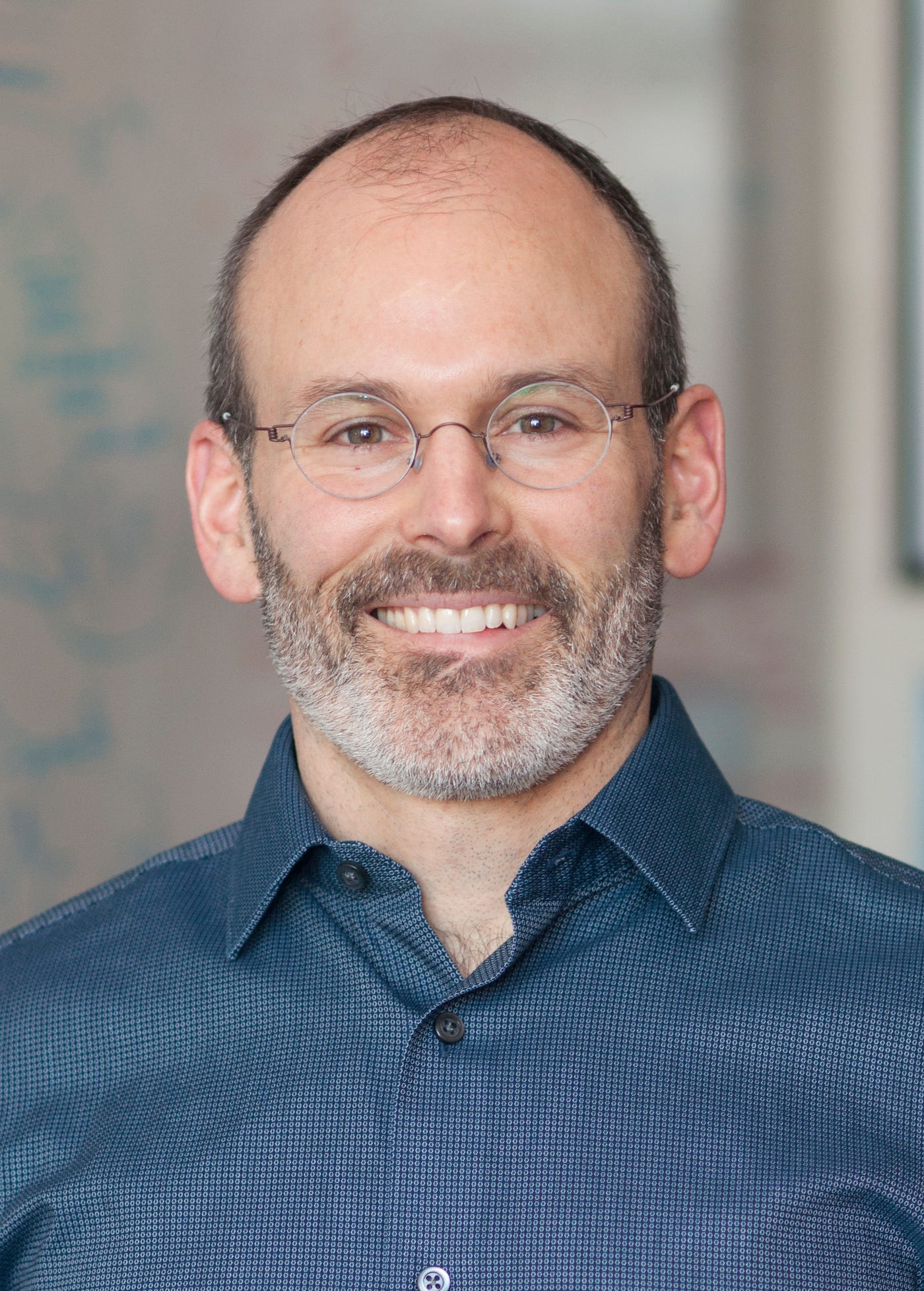
Dr. Chad Walding is a Doctor of Physical Therapy, the Co-Founder and Chief Culture Officer at NativePath, and has a passion for helping people eat, move, and live in harmony with their natural state. Since graduating from Hardin Simmons University in 2007, Dr. Chad has helped upgrade the quality of life for millions of people. When he’s not helping others, he can be found playing his guitar lakeside in Austin, Texas, taking sunrise and sunset walks with his wife and goldendoodle, and working out in his garage gym.
Thank you so much for joining us! Our readers would love to “get to know you” a bit better. Can you tell us a bit about your ‘backstory’?
I love to help people feel better. It’s what gets me jumping out of bed in the morning! I’m a lifelong athlete, played college baseball and love the gym. I actually enjoyed training for sports more than the actual sport and got super interested in fitness. This led me to become a Doctor of Physical Therapy. I’ve worked with people of all ages and demographics helping them get out of pain and optimize function naturally. I also owned a gym and have trained thousands of people both in person and online with their health and weight loss goals. I started NativePath as a way to help people get away from all the quick fixes and gimmicks and get ON the path to reclaiming their true health. We’ve reached millions of people and I’m super grateful to have the opportunity to help so many people feel better.
Can you share with us the most interesting story from your career? Can you tell us what lessons or ‘takeaways’ you learned from that?
My first internship was at a hospital in Houston, TX that was world renowned for its treatment in heart disease. On the very first floor of this hospital was a McDonalds. I remember treating patients who had just got out of heart surgery when they would ask me to wheel them down there for a Big Mac. I saw lots of nurses and doctors all in line for fast food that I knew wasn’t healthy or good for the heart. So from the very beginning I began to recognize that we have a health system that knows nothing about food and a food system that knows nothing about health. People are having trouble losing weight and dealing with so many health issues not because of their genetics… it’s the environment they are brought up in and the poor information they are getting about health. From that moment I became extremely motivated to do something.
You are a successful leader. Which three character traits do you think were most instrumental to your success? Can you please share a story or example for each?
- Courage — From my experience courage it’s what opens up opportunities for us to learn and grow. Courage also supersedes confidence. Many people wait until they are confident before they do the thing. But often what they need is courage in order to get started, then learn, and improve over time. I’ve spoken on many stages in front of a lot of people. I’ve felt fear every time. Had I waited until I was fully confident I would have never taken any action at all. I’m much more confident now but that only came through learning after I acted on courage.
- Focus + Repetition is the key to success. Whether it’s improving health, losing weight, improving relationships or growing a business it takes FOCUS! All distractions have to be removed in order for there to be a place for the process to be done over and over, trial and error, with constant and never ending progress. We live in a world with so many distractions. Eliminating what is not useful and absorbing only what is is indeed a valuable part of success. I never take my phone in the gym or when I’m on a date with my wife. Being present in the here and now is where it’s at.
- Create a sense of purpose and belonging. People want to be seen, heard, valued and appreciated. Whenever I’m working with people… whether that’s with my NativePath team, our customers, or my family and friends I always make an effort to help people feel that they are important. When they feel that way they are able to better perform and express themselves. When you’re happy I’m happy which is what motivates me to help you feel even better.
Ok, thank you for all that. Now let’s shift to the main focus of our interview. To begin, can you share with our readers a bit about why you are an authority in the fields of health, obesity, or weight loss? In your opinion, what is your unique contribution to the world of wellness?
There are two key things that make me unique in today’s world of wellness. Number one… I actually walk the talk. I live a healthy lifestyle, I love this stuff, and I reap the benefits. This keeps me motivated to always be learning and improving on ways I can serve. There are so many coaches and practitioners in the wellness world (Docs included) out there who aren’t’ actually good models of health. That really bothers me. I think we should be good examples for people. Number two… I’ve worked with an incredible amount of people face to face in various environments. I’ve worked in the clinic and I’ve coached in the gym. I’ve gone into homes and I’ve worked in the ICU. I’ve worked with people of all ages, all races, and all walks of life. Those experiences have not only given me a great deal of knowledge, they’ve given me an incredible amount of compassion for humans with a desire to help.
Do you have any financial affiliations or conflicts of interest related to weight loss drugs that readers should be aware of?
No.
When should a person consider using weight loss drugs to lose weight?
Weight loss medications should not be taken solely for the sake of appearance. They’re meant for people who struggle with health problems due to being overweight or having obesity. A provider may prescribe medication if someone has a body mass index (BMI) of 30 or greater, or if they’ve been diagnosed with a condition related to their weight — such as type 2 diabetes, high blood pressure, heart disease, or sleep apnea.
But not all people with a high BMI should take weight loss medications. Many adults can lose weight successfully by improving their diet and adding more physical activity to their routine. If someone is sedentary or eats poorly, it’s good practice to address these lifestyle factors first prior to starting any weight loss drug.
What are common examples of effective weight loss medications?
The new obesity drugs that are gaining popularity lately are in a class called incretin mimetics or GLP-1 based drugs, which emulate the effects of a hormone called glucagon-like peptide 1 that can help people feel full.
The most common of which is called semaglutide.
They can lead to a startling amount of weight loss, up to a fifth of body mass, but have to be taken regularly by injection to avoid regaining pounds.
What are the potential side effects of weight loss with medication?
In a Mayo Clinic study presented in May, half of 305 patients using semaglutide drugs for weight loss over one year suffered side effects, the most common being nausea and diarrhea. Another study published in Nature noted that 82 percent of participants taking a semaglutide drug reported adverse effects, generally mild to moderate gastrointestinal problems.
How do weight loss drugs compare to other methods of weight loss in terms of effectiveness and safety?
These medications should be combined with a balanced weight loss diet, as alone, they’re not likely a helpful long-term solution for obesity and may lead to weight regain over time.
Are there certain populations or groups of individuals for whom weight loss drugs are particularly beneficial or harmful?
Most weight loss medications are approved for adults with obesity or overweight and at least one weight-related condition, such as type 2 diabetes, high blood pressure and high cholesterol.
Though they shouldn’t be considered a quick fix, these medications can be a useful tool to support weight management when combined with regular physical activity and a nutritious diet.
It’s also true that certain weight loss medications are not suitable for everyone, including people who are pregnant, those with certain health conditions, or individuals taking specific medications.
In your professional opinion, is it ok or not ok to take medications created for alternative health conditions (like diabetes) for weight loss?
There is no one size fits all answer. It really depends on an individual’s health status and goals.
A healthcare professional can provide guidance on whether someone might be a candidate for a prescription, depending on their personal goals, medical history, and health status.
What are the potential side effects or dangers of taking medications aimed at alternative health conditions for weight loss? What are the benefits?
While weight loss can be beneficial for those with alternative health conditions, one of the big potential risks that people should be aware of is that many tend to gain back the weight they lost when they stop taking weight loss drugs. But practicing healthy lifestyle habits may help limit weight gain.
Based on your research or experience, can you please share your “5 considerations one should take into account before commencing weight loss through medicine?
1 . How well am I eating? The quality of our food is critical to the quality of our life. Make the bulk of your diet based on whole, real foods with an emphasis on lean proteins.
2 . How well am I hydrating? Not only is water essential for life itself, it’s mission critical for metabolic health. In fact, research shows that upping your water intake can help with weight loss in a variety of ways. It may suppress your appetite, boost your metabolism, and make exercise easier and more efficient, all of which could contribute to results on the scale.
3 . How well am I moving? When we stop moving, we start dying. And this is true for our metabolic health, too. But it doesn’t have to be complicated. In fact, simply walking 15–30 minutes daily is proven to be one of the best ways to keep your metabolism active and help support weight loss.
4 . How well am I sleeping? A good night’s sleep is one of the keys to good health-and may also be a key to maintaining a healthy weight. There is mounting evidence that people who get too little sleep have a higher risk of weight gain and obesity than people who get seven to eight hours of sleep a night.
5 . How well am I breathing? Breathing exercises have been used to promote health in Eastern cultures for thousands of years. In recent years, several studies have found that breathing exercises help reduce stress levels. Lowering cortisol, our stress hormone, helps reduce cravings, regulate appetite, decrease emotional eating and promote overall better metabolic health.
Are there any common myths or misconceptions about weight loss drugs that you’d like to address?
The biggest misconception is calling it a long-term solution to weight loss.
While they can be helpful in achieving weight loss, there will come a time when the individual comes off of the drug.
When this happens, it’s more critical than ever for an individual to practice healthy lifestyle habits. Eating whole foods, staying hydrated and walking 15–30 minutes a day are 3 simple ways to maintain a healthy body weight.
Can you help articulate why it is important to upgrade one’s lifestyle in conjunction with medicated weight loss?
Weight loss drugs should not be considered a “quick fix”.
Long-term, sustainable weight loss — especially when a participant stops taking the drug — can only be achieved and maintained by making smarter choices with how we eat, hydrate, sleep and move.
Beyond medication, what supplementary treatments or therapies do you recommend in conjunction with weight loss drugs for the best results?
One natural supplement that’s gaining popularity is berberine. It provides various health benefits but is particularly effective at lowering blood sugar levels and assisting with weight loss.
These effects are thought to be due to numerous mechanisms. In particular, berberine is believed to reduce glucose production in your liver and improve insulin sensitivity.
Studies show that taking berberine can lower blood sugar levels to a similar extent as the popular diabetes drug metformin.
In a study in 116 people with type 2 diabetes, the substance reduced fasting blood sugar levels by 20% and HbA1c (a marker for long-term blood sugar levels) by 12%.
The weight loss benefits are remarkable, too.
A 12-week study involving people with obesity showed that taking 500 milligrams mg of berberine three times per day caused about 5 pounds of weight loss, on average. The participants also lost 3.6% of their body fat.
Best of all, berberine is completely natural and side-effect free.
How do you see the future of medicated weight loss evolving with advances in science and medicine?
Weight loss management through pharmaceuticals is a landscape that will continue to evolve.
Drugs like semaglutide only reduce body weight for as long as people remain on them; cessation leads to an insidious regain of weight.
Although this is the same situation as medications for other chronic diseases, like drugs for high blood pressure, cholesterol, and blood sugar, it’s still a substantial downside.
That’s why it’s important to lean into what we can do naturally to promote long-lasting metabolic health.
What is the best way for our readers to continue to follow your work online?
We regularly publish articles on our blog at nativepath.com.
This was very inspiring. Thank you so much for the time you spent on this. We wish you only continued success.
About The Interviewer: Maria Angelova, MBA is a disruptor, author, motivational speaker, body-mind expert, Pilates teacher, and founder and CEO of Rebellious Intl. As a disruptor, Maria is on a mission to change the face of the wellness industry by shifting the self-care mindset for consumers and providers alike. As a mind-body coach, Maria’s superpower is alignment which helps clients create a strong body and a calm mind so they can live a life of freedom, happiness, and fulfillment. Prior to founding Rebellious Intl, Maria was a Finance Director and a professional with 17+ years of progressive corporate experience in the Telecommunications, Finance, and Insurance industries. Born in Bulgaria, Maria moved to the United States in 1992. She graduated summa cum laude from both Georgia State University (MBA, Finance) and the University of Georgia (BBA, Finance). Maria’s favorite job is being a mom. Maria enjoys learning, coaching, creating authentic connections, working out, Latin dancing, traveling, and spending time with her tribe. To contact Maria, email her at angelova@rebellious-intl.com. To schedule a free consultation, click here.
MA
Written by
Maria Angelova
CEO of Rebellious Intl. · Authority Magazine ColumnistMaria Angelova, CEO of Rebellious Intl. is an executive interviewer and contributor covering leadership, culture, and business for Authority Magazine.

Published inAuthority MagazineTop Lessons, Top Authorities · 42K Followers
Exclusive, curated interviews with the leaders and changemakers shaping tomorrow. Leadership lessons, industry deep dives, and executive profiles.