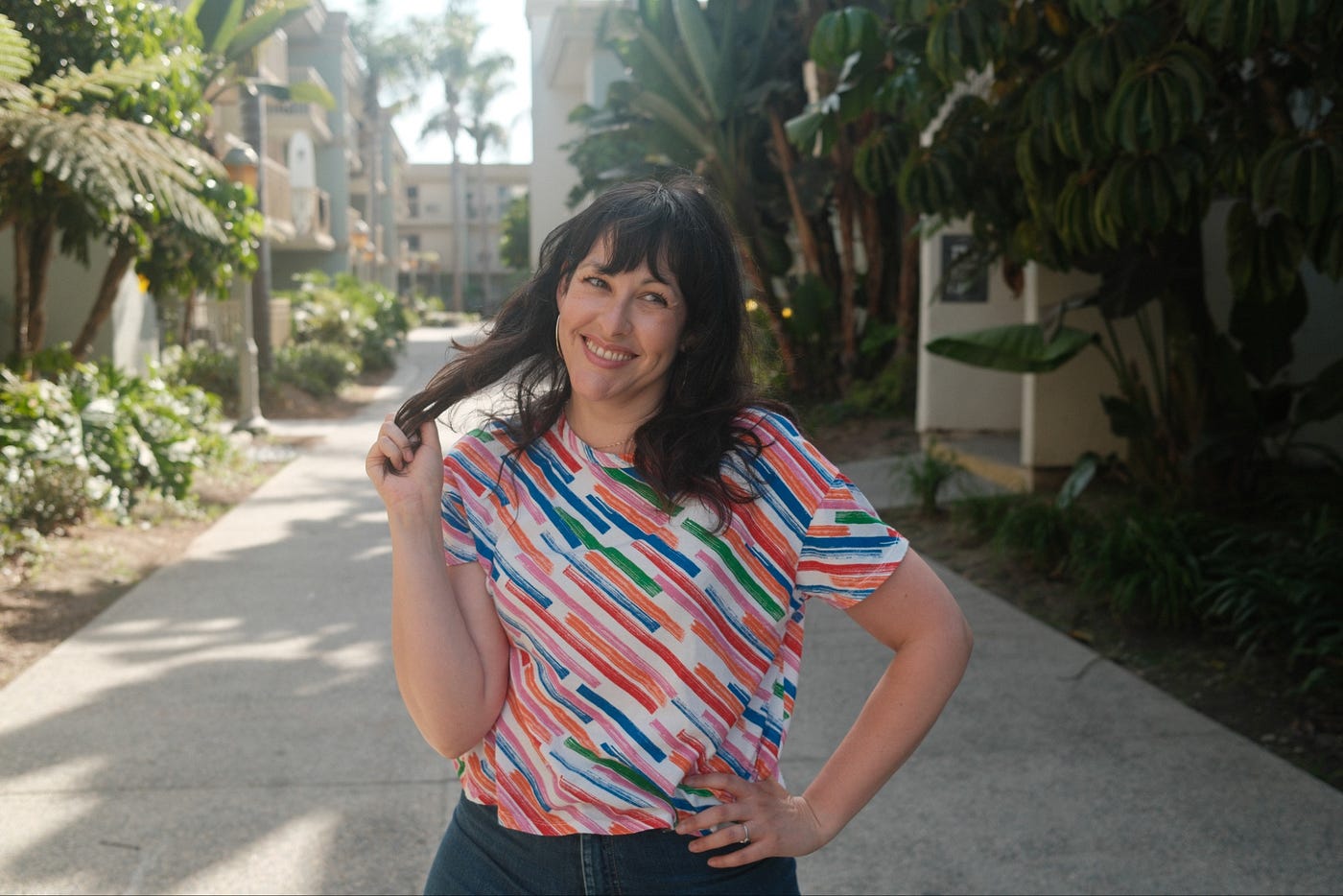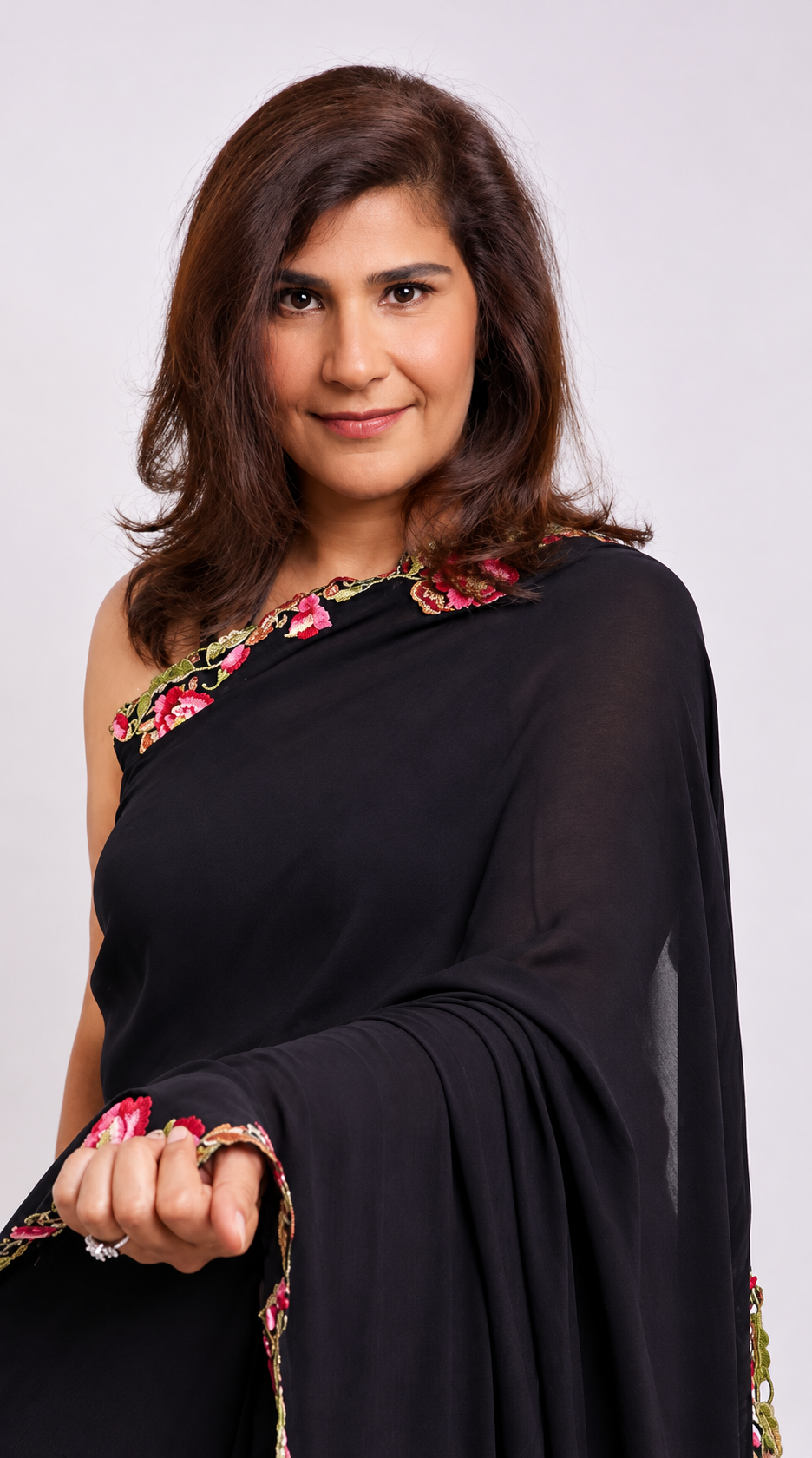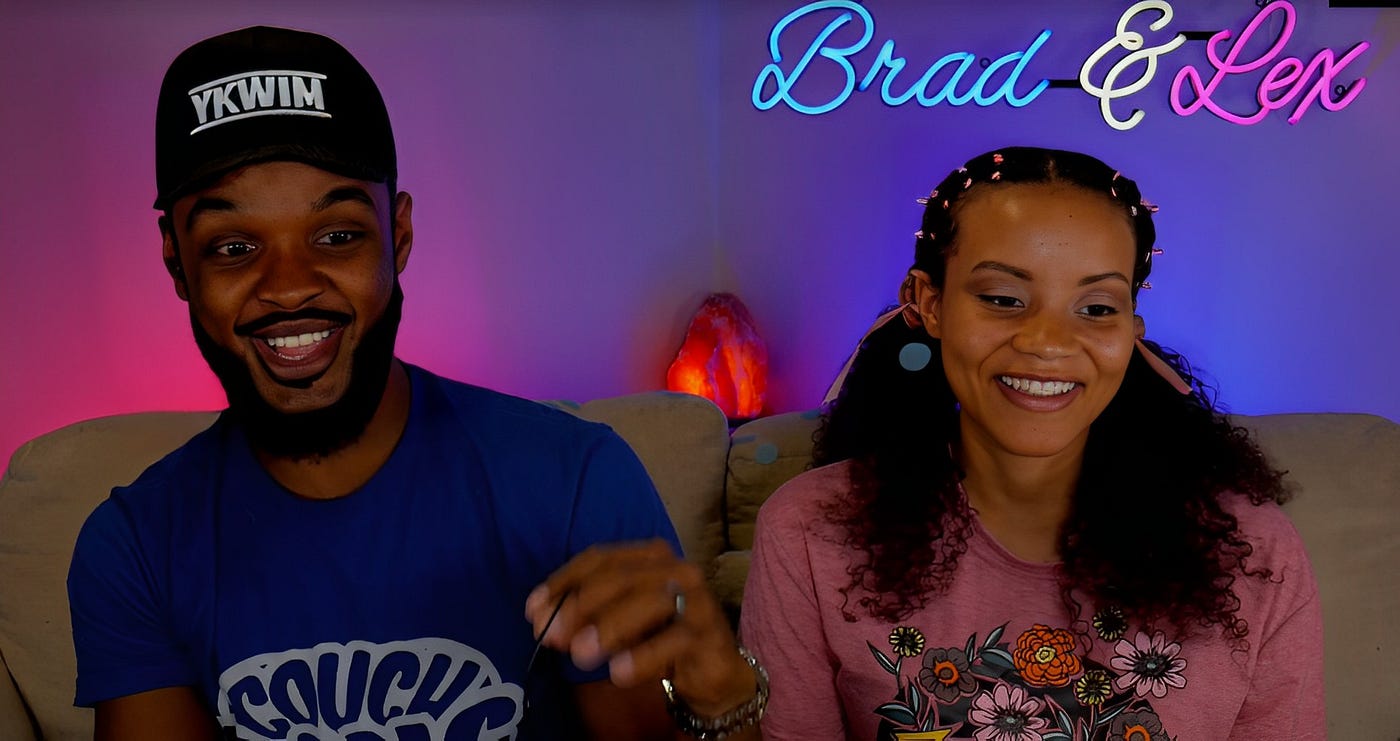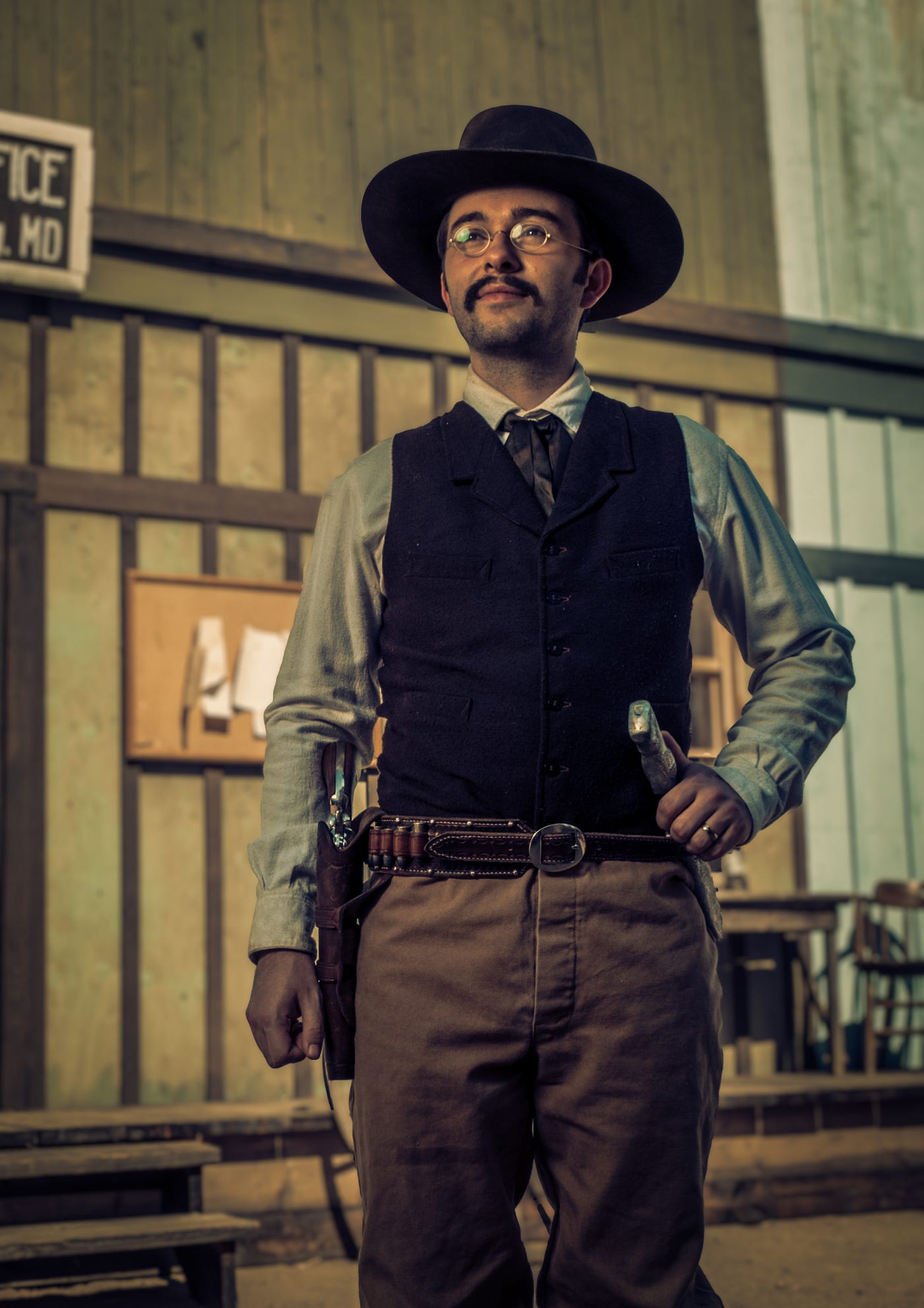
When Pantoliano insisted that Winnipeg had no decent pizza, Robertson challenged him to try Vera, a restaurant she believed would change his mind.
For a short film shot in Saskatoon, Saskatchewan, Maggie Nicole Robertson found herself confronting an unexpected kind of invisibility. Playing a person panhandling on the street, she interacted with unsuspecting passersby while a camera operator filmed discreetly from between parked cars. Robertson and the director anticipated conversations, perhaps even a little money. Instead, almost nothing happened. People walked past without acknowledging her. Some appeared to deliberately avoid eye contact. The filmmakers eventually brought in actors to create the interactions they had hoped would happen naturally.
Robertson, a Canadian actress preparing for her biggest screen appearance yet in Violent Night 2, found the experience daunting at first, then strangely energizing. It offered a different kind of acting challenge, one without the reassuring boundaries of a scripted scene or a conventional film set. It also revealed something about how easily people can overlook one another. For a performer whose profession depends on being seen, the experience was difficult to forget.
There is an interesting contradiction in Robertson’s emerging career. She is increasingly comfortable playing loud, fearless characters, particularly in horror films, yet she readily admits that confidence has been something she has had to develop. Early in her acting life, she worried intensely about getting things wrong. “I was really, really scared of making a mistake,” she recalls. Now, some of her most meaningful professional experiences have come from discovering what happens when she stops trying to control everything.
Her story begins in Weyburn, a small town in Saskatchewan, where she was the first baby born in 2002, an occasion that earned her a mention in the local newspaper. Her family later settled in Yorkton, where she began performing with a local theater company at eight years old. Over roughly a decade, she appeared in more than 30 productions, taking on a wide assortment of characters. That unusually extensive early training gave her something that would prove valuable when she moved into film: the ability to perform despite knowing that an entire room was watching.
At the University of Regina, Robertson initially intended to study theater. The pandemic changed those plans, leading her into creative technologies, a program she could pursue online. What might have seemed like a detour became a practical education in filmmaking. She learned to work in front of the camera, operate behind it, and edit her own material. That broader understanding of production continues to shape how she approaches acting, particularly on projects where performers are expected to improvise or help create the footage themselves.
Her early screen credits include By Faith, Denis, Fear and Trembling, and A Storm Blows Over. As her film work expanded, Robertson found herself drawn into horror, a genre she finds considerably more enjoyable to perform than to watch. She scares easily as an audience member, she admits, but has no problem getting covered in fake blood or screaming through a scene. The distinction is practical. When she is acting, she knows what comes next. Once the director calls cut, the frightening world disappears, and the cast can return to joking around.
The freedom to experiment became particularly important on Deathgasm 2, where she worked alongside performers who readily improvised and tried unexpected ideas. Their willingness to risk failure challenged her earlier perfectionism. A different kind of test arrived with Beyond the Veil, a found-footage horror production filmed in Saskatchewan. Robertson spent time outdoors in temperatures around minus 20 degrees Celsius, sometimes wearing little more than a light jacket. One sequence required her to run through a winter forest. The cast also had to film themselves while performing, adding technical demands to already uncomfortable conditions.
Then came Violent Night 2.
Robertson had recently lost out on another significant opportunity, a rejection she describes as devastating. The entertainment industry offers plenty of those moments, particularly for actors who audition constantly without knowing what will come of their efforts. But the sequel to the 2022 Christmas action comedy brought her onto a much larger production, alongside David Harbour, Kristen Bell, Jared Harris, Joe Pantoliano, and Daniela Melchior.
On her second day on set, Robertson walked into a blocking rehearsal and encountered Harbour. She remembers being momentarily astonished before shaking his hand and realizing that they were simply colleagues preparing to work. The encounter produced a quiet shift in perspective. “Okay, I’m supposed to be here. I can do this,” she remembers thinking.
The experience also came with moments of ordinary camaraderie. When Pantoliano insisted that Winnipeg had no decent pizza, Robertson challenged him to try Vera, a restaurant she believed would change his mind. She eventually went there with Pantoliano and several castmates, including Harris, Andrew Bachelor, and Melchior. Pantoliano conceded that she had been right. For Robertson, getting to share those unguarded moments with established performers was part of what made the production memorable.
In the film, scheduled for theatrical release on December 4, 2026, Robertson plays Duff, a teenage mall regular whose easygoing humor conceals a difficult home life. As the story develops, Duff reveals considerable courage and loyalty. Robertson recognizes parts of herself in the character, particularly her sense of humor and devotion to her friends, although she acknowledges a difference in temperament. “She’s probably a lot more brash and confident than I am,” she says.
That contrast gets at something central to Robertson’s development as a performer. Acting has given her room to explore qualities she is still learning to embrace in herself. She has become less concerned with appearing flawless and more interested in remaining present, responding to collaborators, and accepting the possibility that an experiment might fail.
Away from production, she finds ideas through walking, cycling, watching movies, and observing people. Her curiosity extends beyond performance to how scenes are constructed and why certain creative decisions work. Yet she is equally interested in the human responsibilities that exist outside filmmaking. When asked what idea she would most like to encourage, she speaks about awareness, compassion, and the temptation to withdraw from other people’s difficulties. “I think we should practice caring,” she says.
It is a sentiment that gives her experience on that Saskatoon street a deeper resonance. As Robertson approaches a more visible chapter of her career, her interests increasingly involve the unpredictable spaces between people, whether they are improvising on a film set, working beside established stars, or passing a stranger without a second glance. She is learning that the most interesting moments do not always happen according to plan, and that being willing to notice them may be just as important as being noticed herself.
Yitzi Weiner: Maggie Nicole Robertson, it’s such a delight to meet you. Before we dive in deep and talk about your great work, our readers would love to learn about Maggie Nicole Robertson’s personal origin story. Can you share with us a story of your childhood and how you grew up, and particularly the seeds of all the amazing creativity that has come since then?
Maggie Nicole Robertson: I was born in a very small town in Saskatchewan. It’s called Weyburn, Saskatchewan. And I was the first baby born in 2002. So, in that town, that was a pretty big deal. I was in the newspaper.
And then yeah, it was a pretty normal childhood. I moved around a little bit, ended up in Yorkton, and I started acting when I was eight, doing theater and plays with the local theater company. I just learned everything I could in the 10 or so years that I was there. I did probably 30-plus productions and played all different kinds of characters. So that really, I think, set me up for success and gave me the acting bug. Since then, I’ve just been obsessed with it.
I went to school at the University of Regina. I was going to take theater, but it was the pandemic, so I took something that I could do online, which was creative technologies. That gave me a really well-rounded education. I got to do all different kinds of stuff. I got to act, got to get behind the camera, got to edit my stuff, and it was a lot of fun. While I was doing that, I was doing film acting, and that’s what I’ve been doing ever since.
Yitzi Weiner: Unbelievable. You probably have some amazing stories from your successful career, and I’m sure this is difficult to single out, but can you share with our readers two stories that stand out in your mind?
Maggie Nicole Robertson: Violent Night 2 is obviously the highlight of my career and the highlight of my life in many ways. I have a lot of great stories from that set.
One of them is, I was talking with Joey Pantoliano one day — we called him Joey Pants — and he was saying to me, “There’s no good pizza in Winnipeg. If you like the pizza in Winnipeg, then you’ve been here too long.” I was like, “Joey, are you sure about that? I know one place I think you’d like. It’s authentic Italian pizza.” He was like, “No, no, I don’t think so. I’ll believe it when I see it.” So then we all went out for pizza at this place called Vera, and it was me, Joey, Jared Harris, King Bach, and Daniela Melchior. And he loved it. So he had to say he was wrong. That was a great moment.
Probably another one would just be the second day I was on set. We walked onto set to do a blocking, and there was David Harbour. I was like, “Oh my god, crazy.” And I just shook his hand, and it was like we were just equals, like co-workers. I thought that was really cool. It’s not really a story, but more of just a feeling of, “Okay, I’m supposed to be here. I can do this.”
Yitzi Weiner: That’s a great story. Actually, it’s a great story. It’s great to hear that people like David Harbour are humble, down-to-earth, and grounded. There’s a saying that sometimes our mistakes can be our greatest teachers. Do you have a story about a funny mistake that you made when you were first starting acting and the lesson that you took away from it?
Maggie Nicole Robertson: Oh, that’s a good one. I feel like I probably make little mistakes every time I’m acting. And honestly, I think accepting those mistakes is such a strength, and it’s something that I’ve had to learn.
When I first started acting, I was really, really scared of making a mistake and having people realize that I made a mistake, or having people laugh at me, or whatever it is. But recently, I’ve been on sets where mistakes are encouraged, and risks and improv and all that are encouraged. So, I think I’ve embraced that more, and I’ve let myself be more free and not as afraid to go off script a little bit because most directors like that. You kind of have to feel it out, but most directors are open to improv and open to you taking a risk, even if it ends up in you falling on your face.
I was on a set called Deathgasm 2, and everyone on that set was improvising and just throwing things at the wall and doing all kinds of crazy stuff. So I really learned from those guys to just experiment and have fun, and not be so particular about things.
Yitzi Weiner: That’s great. There’s a related idea that “no” is not rejection, but redirection. Do you have a story like that where you got a “no” to an opportunity, a gig, or an audition, but that led to an even better opportunity?
Maggie Nicole Robertson: Yeah. I have to remind myself of that every time I don’t get something: “Okay, something else will come. It’ll be okay.” Because there are so many “nos,” and the more you audition, the more “nos” you get.
I auditioned for something big right before Violent Night and I didn’t get it, and I was obviously devastated. But then Violent Night came around, and that was huge, and probably a better and more fruitful opportunity than the one before. So it all works out in a crazy way. And it led me to Winnipeg, which is a great place, and I’m loving it here.
Yitzi Weiner: Okay, amazing. It seems like you’ve been involved with a bunch of horror franchises. Do you like horror?
Maggie Nicole Robertson: Yeah, it’s funny because I don’t really gravitate toward horror in my own viewing life. I get scared really easily. I just watched Obsession, which was a big step for me. I was very scared, but it was incredible.
But I do love acting in horrors. I feel a lot more comfortable acting in them than watching them because I’m not scared. They are so much fun to act in. It’s so much fun to be covered in blood and screaming and doing all that stuff. And it seems like it’s becoming a really big thing right now. There are a lot of horrors, so I’d love to do more.
Yitzi Weiner: I think Violent Night is not really a horror movie, right? It has a lot of gore, but it’s really a fun action movie. I loved the first one.
Maggie Nicole Robertson: Yeah, totally. Me too. I just got to watch the new one about a week or two ago, and I was surprised by how heartfelt it was, as well as obviously violent and scary in ways, but it was also super genuine and emotional and relatable, too. So I think it has elements that everyone can connect to and enjoy, which is a cool thing for a movie to do.
Yitzi Weiner: I love what you mean about how it’s not scary to act in. I think to a viewer, they don’t necessarily understand that because it seems like you’re surrounded by all these monsters and scary things. Can you explain more why it’s not scary to act in a horror movie?
Maggie Nicole Robertson: Well, so much of horror being scary is the fact that you don’t know what’s coming next and it’s unpredictable. When I was watching Obsession, I had no idea what was going to happen. I felt so unsettled.
But when you’re acting in it, you have the script. You know what’s happening. At times, you can feel it in your body, like, “Oh, this is a little bit freaky and uncomfortable,” but you know it’s not real. When you’re in the take, you play it up and you feel it, but then as soon as “cut” is called, you’re out of it and you’re joking again. At least from my experience, I really like being able to jump in and jump out. I’m not an actor that really tries to immerse themselves in the world at all times and really scare myself.
Yitzi Weiner: Please share with our readers what’s been the most challenging project or role you’ve taken on so far and why.
Maggie Nicole Robertson: I think all the projects I’ve done have different challenges and things that come up that are unexpected. I think the most challenging projects are always the ones that are outside, that are very cold and uncomfortable in that way.
I did a film called Beyond the Veil, and it was a found-footage horror. We spent a lot of time outside in minus 20 degrees Celsius with very light jackets on. At one point, I had to be running through the forest, and it was the dead of winter. So that was hard.
Also, acting-wise, it was a challenging one because we had to act and also film ourselves. So that was interesting. It provided a lot of new challenges and new opportunities for learning.
Yitzi Weiner: So please tell us about your latest work. Please feel free to be as elaborate as you like.
Maggie Nicole Robertson: After Violent Night, I did the found-footage horror I mentioned called Beyond the Veil, and that was shot in Regina. After that, I was doing a lot of auditioning and some callbacks and stuff like that.
I also did a little short film in Saskatoon, Saskatchewan, that I think is going to be called Small Change. It was a very interesting project where it was kind of a social experiment. I was actually panhandling on the street in character, but actually doing it with real people. So that was very interesting and very daunting at first, but then it became an energizing thing. That was one project, and now lots of auditions have been coming in lately, so I’m just getting through those and doing my PR stuff.
Yitzi Weiner: Amazing. I’d love to learn more about that social experiment. How were you treated?
Maggie Nicole Robertson: It was very interesting. The director and I both thought that people would pay more attention than they did. We thought that I’d at least get a little bit of money or there’d be some interactions of people talking to me or something. But I was out there quite a bit, and nothing. Most people just didn’t even look at me, which was surprising. A lot of people just walked by like there was nothing going on, or they were purposely trying to look away. I think one person gave me a dirty look, but most of them were just very neutral interactions.
So we did have to fill in with some actual acted-out stuff and have actors come in and do the interactions that we were hoping to get through improv and real people. The whole time we were filming, the camera guy was tucked in between some cars and filming from the side, and it was pretty sneaky.
Yitzi Weiner: Wow. So let’s talk more about Violent Night 2. Tell us why, in your unbiased opinion, our readers have to watch this.
Maggie Nicole Robertson: Like I said, I watched it the other day, and it’s incredibly funny. I think there’s a character in there for everyone, of all different age ranges. My character is a teen, and then we’ve got Joey Pants, who’s an older gentleman, and there’s a really strong villain character. Jared Harris plays a really convincing and kind of scary villain.
And then we obviously also have those moments of high tension and action and violence that people love, mixed in with Christmas spirit and that holiday aesthetic. I think it just makes it a Christmas classic. I think people are going to be watching this year after year.
Yitzi Weiner: That’s good. Tell us more about your character.
Maggie Nicole Robertson: Yeah, my character is called Duff. She’s a mall rat, so a teenager that spends a lot of time goofing around at the mall with her friends. She just seems to be really easygoing and funny and loose, but there’s something more going on beneath the surface. She has a really tough home life, so that’s a big reason why she spends so much time at the mall.
As the film develops, you see that she’s actually quite brave, and she’s also a fighter. It’s cool to see how all the characters develop through the action, and I think Duff has a really interesting arc.
Yitzi Weiner: So, how do you compare and contrast your personal character, Maggie, with the character you play? How are you similar and how are you different?
Maggie Nicole Robertson: Yeah, that’s a great question. That’s something that I always do in my prep: see how I’m the same and different from my character.
For similarities, we have a similar style, I would say. I’d feel pretty comfortable wearing what she wore in the film, which is great. I think she’s just unapologetically herself, which I love and which I try to do. She’s funny — I think I’m funny, I hope! — and she’s very loyal, and I’m also very loyal to my friends.
As for the ways that we’re different, she’s probably a lot more brash and confident than I am. She’s probably a bit of a stronger personality, a louder personality than me. But that was really fun to play.
Yitzi Weiner: That’s great. You mentioned that there are some heartfelt moments. What would you say is the overall message that viewers could take away? What message can society take from the motifs of the film?
Maggie Nicole Robertson: At its core, it’s a really heartfelt film that has a lot of themes I think people are going to think about afterward. Togetherness, I think, is a big one. There are all these different people from different backgrounds coming together to fight for a cause. Obviously, it’s reminding viewers of the real spirit of Christmas. I think togetherness is the big theme and what people will take away.
Yitzi Weiner: Amazing. So, this is our signature question. Maggie Nicole Robertson, because of your amazing work and the success you’ve been blessed with, you must have learned a lot from your experiences. Looking back all the way to the beginning when you first started acting, can you share five things that you’ve learned over the years that someone starting out today can really benefit from?
Maggie Nicole Robertson: Wow, five things I’ve learned.
- First, being present. Being present as much as you can in your life, especially on set, because it goes by so quickly. Just enjoy it.
- Second, being confident in yourself and your abilities. I think I’ve gained that through my life.
- Third, not being afraid to make mistakes. We talked about that already — to embrace all the mistakes, all the mess-ups, and learn from them.
- Fourth, collaboration is key. I think a lot of people think that to make something, you have to just sit down at your computer and type away and work by yourself. But for me, collaboration is really where I thrive and where I come up with some of my best ideas — when I can bounce it off somebody else and hear their perspective.
- And then the last one, I think just not taking things so seriously, and letting things go when they’re not serving you.
Yitzi Weiner: That’s beautiful. Can you share some of the self-care routines that you do to help your body, mind, and heart to thrive?
Maggie Nicole Robertson: I think I could always do better with that. It is a lifelong pursuit to do better with taking care of yourself.
A thing I love to do is go for walks and go for bike rides. Just getting out of the house, even if it’s not the nicest day out, finding some time to reconnect with your environment, go for a walk, and slow down. It’s also a great way to think. I get so many more ideas when I’m walking around and looking at things, people-watching, and letting my imagination go free.
What else do I do? I think watching movies is a big one. I love watching movies. Making myself a meal, that’s a good way of doing it. Also exercising, stuff like that.
Yitzi Weiner: That’s great. You’re in the industry and you’re a professional actor. When you watch a movie, do you feel like your experience of watching it is different than other people’s? Like you’re thinking, “How would I do that scene?” Is your experience more like looking at work rather than just a release for entertainment?
Maggie Nicole Robertson: Yeah, I think it depends on the movie. I can kind of turn it on or turn it off. Sometimes if I’m watching a movie, I can get lost in it like someone who isn’t in the film industry and just watch it as an audience member. And then something could happen, or I notice that it’s a really interesting or innovative scene — something that they’re doing is interesting — and I can turn it on and be like, “Oh, I wonder how they shot that,” or, “That must have been difficult to do,” or whatever it may be.
For my first watch, I like to watch it as an audience member, and then maybe on the second watch I’ll look at it more with a critical eye. But yeah, there are certain films I can’t turn it off with. I was watching The Odyssey, and I was just noticing all the intricacies, like, “How did they do that? How did they do this?”
Yitzi Weiner: Wow, that’s cool. It’s cool to know that it’s not always obvious for people outside what’s hard to do and what’s not hard to do. The assumption is, “Okay, everything’s either CGI or everything is some kind of set,” and it’s all the same. But as a professional, you understand that doing one thing is hard and another is easy. You probably have more of a sense of awe when you watch it.
Maggie Nicole Robertson: Yeah, and maybe more curiosity since I’ve been there. I also find myself watching things and thinking, “Oh, that must have been fun. I wish I could have shot that. That must have been cool.”
Yitzi Weiner: That’s a good point. Is it usually fun to be on set with other actors and professionals doing it?
Maggie Nicole Robertson: Yeah, for me, 99% of the time it’s fun, really. And if I find myself thinking, “I wish this was over, I wish we could move on,” I’ll just remind myself, “Hey, this is fun. You’re having fun. There’s nowhere you would rather be right now.” And it’s true. Even if it’s a long day, there’s nowhere I’d rather be than on set.
Yitzi Weiner: That’s great. Is it ever nerve-wracking to act in front of all the crew and directors and all those people standing on the side, or do you just get so immersed in the scene that you don’t think about that?
Maggie Nicole Robertson: It can be nerve-wracking for sure. You just can’t really think about it too much. I think that’s where my theater background has helped me, because when you’re on stage, you just have to do it and you have to pretend like there’s nobody there. You have that fourth wall, and even if there are 200 people watching you, you have to perform like it’s just you and the people on stage.
It’s the same thing with film. You have to just pretend like all those people aren’t there and they’re separate from you. And also, they’re all doing their job as well, so really, they’re focused on their thing. I think theater is, in a way, even more nerve-wracking because all those people are just watching you and what you’re doing, and they have no other goals than that.
Yitzi Weiner: So, this is our final aspirational question. Maggie Nicole Robertson, because of your amazing work and the platform that you’ve built, you’re a person of enormous influence. If you could spread an idea or inspire a movement that would bring the most amount of good to the most amount of people, what would that be? Because you never know what your idea can inspire.
Maggie Nicole Robertson: Well, I just think awareness in general as an idea is really important. Being aware of how our actions or our words affect other people, and being aware of what’s going on in our world and caring about it.
I think there’s a tendency to just turn off our feelings when we see things that are going on in the world and it’s just too much for us to handle. We turn it off and we pretend like we don’t care. But I think we should practice caring. I think we should care, and I think we should rely on each other to get through and talk to each other. If it’s too much for you to hold by yourself, then talk to somebody else, and we can carry the weight together.
How can our readers continue to follow your work?
Yitzi Weiner: Maggie, it’s been a true joy to meet you. I wish you continued success and good health and blessings, and I’d love to do this again next year.
Maggie Nicole Robertson: Yes, I’d love that, too. Thank you so much for your time.