Most of my mannerisms and way of speaking were things I acquired through watching film and television.
Pop Culture
Mason Beals: Inside the Creative Architecture of Building an Acting Career from Off-Grid Idaho to Hollywood
Actor and filmmaker Mason Beals shares his unconventional journey from building off-grid homesteads in Idaho to landing major roles in historical television series.
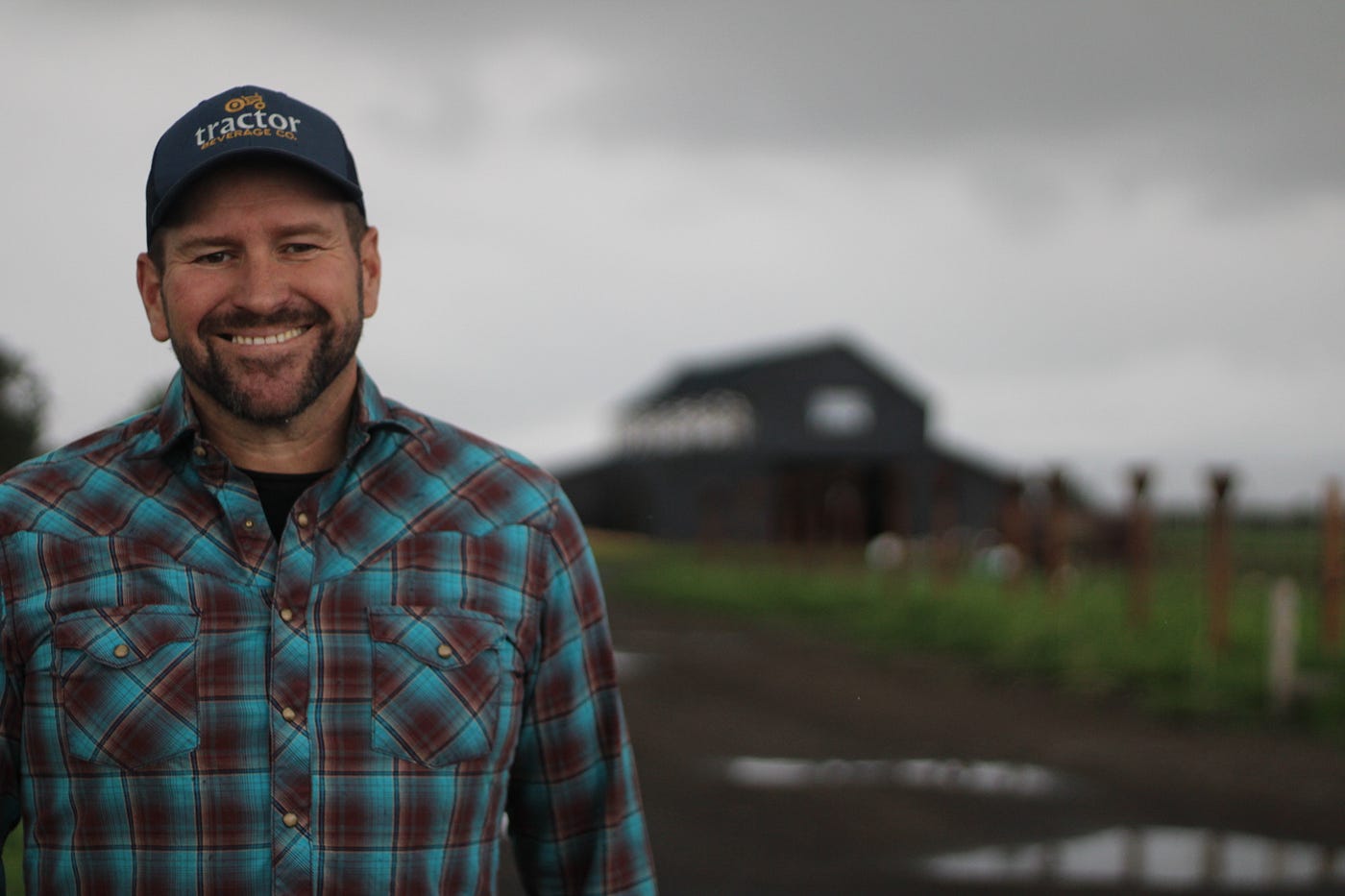
As a part of our series about pop culture’s rising stars, we had the distinct pleasure of interviewing Mason Beals.
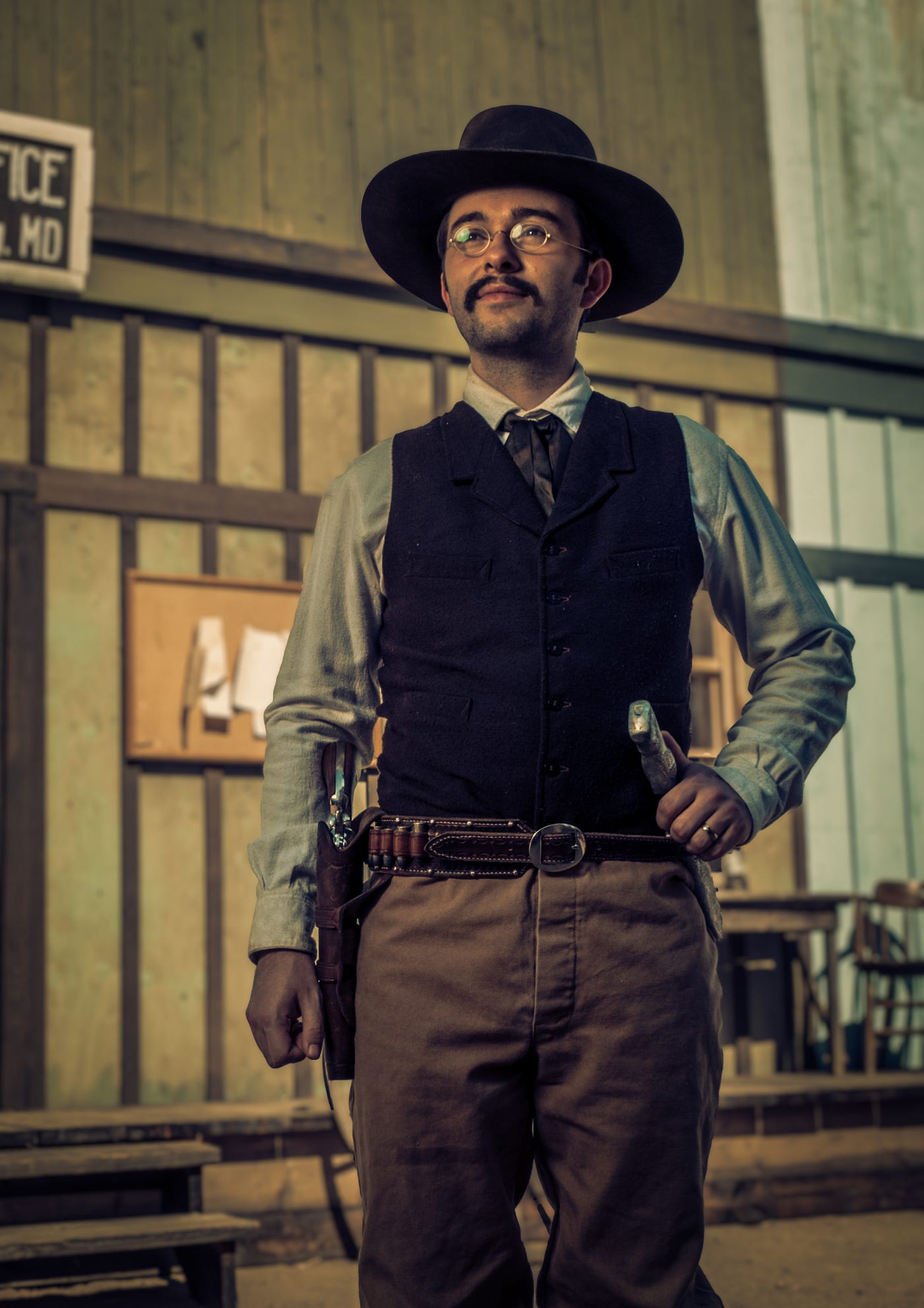
Growing up in Coeur d’Alene, Idaho, Mason Beals’ earliest acting endeavors included playing “superheroes” with his brothers. As a teen, he spent most of his time on the family’s property in Bonners Ferry, Idaho, where he helped his parents build an off-grid homestead. In 2017, Mason moved to Austin, Texas, where he began to create his own short films and act on camera whenever he could.
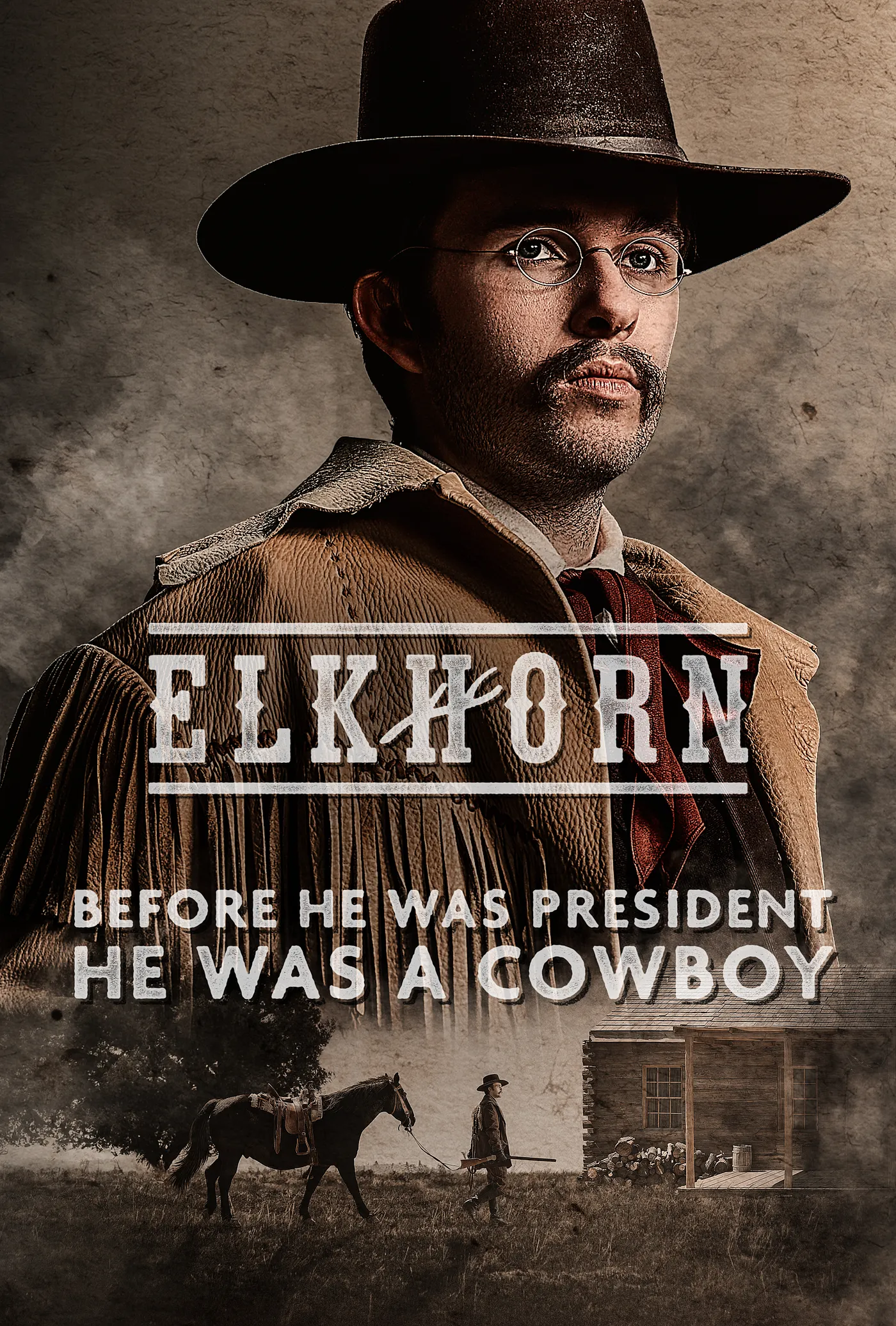
Since then, in Los Angeles, he’s continued writing, producing, directing, and starring in multiple short films, but his first major role, as a young Theodore Roosevelt in the series ELKHORN, has set him apart. Season 1 was inspired by Roosevelt’s first months in the Badlands of the Dakota Territory where he struggled to establish ELKHORN, the ranch for which the series is named. ELKHORN makes its exclusive television premiere Thursday, April 11th at 9PM ET on INSP, with subsequent episodes airing every Thursday at 9PM.
Thank you so much for joining us in this interview series! Can you tell us the story of how you grew up?
I was born in Kirkland, Washington to a hardwood floor installer, a mom who ran the business, and two siblings (an older brother and an older sister). When I was a year old, my family moved to Coeur d’Alene, Idaho to escape the rising price of living in Seattle. When I was four, my younger brother (and best friend) was born, removing me from the place of the baby of the family.
I grew up a shy kid. I had a hard time making friends growing up because I always felt like I was on the outside. Most of my mannerisms and way of speaking were things I acquired through watching film and television.
While in fifth grade, I transferred to North Idaho Christian School (with 23 kids per grade) and had Fridays off. This environment allowed me to learn how to make friends for the first time, and where I discovered that comedy was one of my greatest assets. I was a big fan of shows like Mork and Mindy, Alf, The Muppets, and influences like Jim Carrey, Robin Williams, and my dad. I attended this school through 8th grade.
I then transferred to a public high school. I was now a Viking at Couer d’Alene High School where I stepped right back into the routine of being a quiet, shy, awkward kid… except I started doing theater. I auditioned for the play “Footloose,” where I was up for the lead role of Ren McCormick. I was a freshman with very little experience, so there was no way I was getting the part, but for the first time I really, really wanted something and I didn’t know why. Ultimately, I got a part in the ensemble with a few speaking lines, but everyone in the theater department loved me and I loved them back.
After the 2008 housing crash, a family friend offered to trade part of an acre of land in Bonners Ferry, Idaho, to my father, who, ever longing to live off the grid and debt free, took him up on the offer and began to build a “just in case place.”
Once the building was about three-quarters of the way finished, my mother and father decided to move my younger brother and me out there to live in the middle of nowhere (my older brother and sister were out of the house at this time). So, for about nine months, I lived in the middle of nowhere Idaho. I had to drive my great-grandmother’s 1982 Isuzu I Mark every day down a winding country road, (after jump-starting the car every morning), the heater didn’t work during the wintertime, and the windshield would defrost from the heat of the engine. My brother and I shared a room and a bunk bed. Our source of heat was a wood-burning stove, and I was tasked with chopping and stacking at least four cords of wood, just to keep my brother and my mom warm that winter.
Living in Bonners Ferry was an adventure, to say the least. It’s less than 30 miles from the Canadian border. Our pipes would freeze, bats would fly into our home, my car would slide off the icy highway here and there; however, I decided to make the best of it. During this time, I started making YouTube vlogs called “Mason’s Motives.” I learned how to use a camera and editing software and began my love of filmmaking. I also snuck my way onto the student council at Bonners Ferry High and even hosted the talent show as a sophomore. My time there was such a growing experience for me. I learned what it means to make your own good time, and how fulfilling life can be when you are deciding to fill it with things you love. But… as soon as my mom pitched the idea of moving back to Couer d’Alene, my younger brother and I were sold. So ended our time in Bonners Ferry.
In my junior year of high school, I was back at Couer d’Alene High and was on track to be an engineer (a notion I had gotten from being a fan of the Iron Man films). But after doing poorly in those classes, and not completing some of my online courses, I was ready to take my mom up on her offer from the previous school year to drop out entirely (she was always quite the alternative thinker). So, I dropped out, got my GED, had a little faux graduation ceremony at the community college in Couer d’Alene, and started my working career doing hardwood floors with my dad.
During this time, however, I still didn’t quite know what I wanted to do long-term. I had some vague notion of wanting to be an “entrepreneur.” My mom, the encouraging investigator that she is, would often push me to tell her what I wanted to do with my life so that she could research and plan for my future. So, one night, during a spat where my mom was trying to get me to confess what I REALLY wanted to do, I blurted out, “I want to be an actor!” This was followed by a moment of silence, to which my mom responded with, “Ok.” My mom then did what she did best: she started to research.
My mom found an agency that was holding classes in Spokane, Washington (a 45-minute drive), where new actors could learn how to do monologues and scene analysis, and there would be a showcase at the end to audition to be a part of their roster. This program was mostly a money-making machine to lure in aspiring actors, but my mom was kind enough to pay for the classes, and I started to get my first real acting experience. Later, we received an email about an audition for a commercial in Seattle, so my mom and I decided to make a road trip of it, and I had my first real audition (which turned out was in the middle of Macy’s). I did a terrible job, BUT the fire was lit.
At 18, I moved out of my parent’s place and rented a house with my two older siblings in town. Since the acting options in Couer d’Alene were limited, I decided to make my own opportunities by following my other passion, filmmaking. I proceeded to write, direct, produce, shoot, and edit numerous short films to cut my teeth. The technical abilities I was learning allowed me to land an internship in Austin, Texas: a city I had my eyes on because Los Angeles felt too intimidating.
From there, I began to work for a production company in Austin, learning everything I know about filmmaking. I was able to continue to shoot multiple short films, act in a handful of shorts and features, work crew jobs on commercials and documentaries, and continue to make sketches bi-weekly for my YouTube channel. After four years, I decided it was time to take the next step and move to Los Angeles.
I’ve now been in LA a little over two years, and am excited to continue this twisting, winding path of life.
Can you share a story with us about what brought you to this specific career path?
I think I always knew that I wanted to be in film, but the option never felt real. Growing up in Idaho, no one wanted to be an actor or work in film. All the career paths I was looking into were ones that characters in movies I liked had. Once I was really able to be honest with myself, and look at the signs of my life, I was able to accept that this is what I wanted to do.
Can you tell us the most interesting story that happened to you since you began your career?
I would say the most interesting story to date has got to be landing the role of a young Teddy Roosevelt in ELKHORN. It’s been an absolutely crazy journey that does seem to fit into the craziness that is the rest of my life.
It has been said that mistakes can be our greatest teachers. Can you share a story about the funniest mistake you made when you were first starting? Can you tell us what lesson you learned from that?
I have made a LOT of bad short films. I would often finish the editing process and be so disappointed that it didn’t turn out the way that I wanted. I mean they would be comically bad. But those shorts I made taught me that all of this is a skill like any other. There’s a notion that talent is this divine skill a person is blessed with; I believe it’s something that is cultivated over time.
What are some of the most interesting or exciting projects you are working on now?
I’ve always had a big passion for improv and continue to grow my skills at the Upright Citizen’s Brigade. This year, I’m also hoping to focus on creating more shorts, sketches, and videos for my YouTube channel, regardless of whether I think they will do well. I’ve got a few feature scripts as well that I’m excited about fine-tuning.
As a rising star, you’ve likely faced challenges along the way. How do you stay motivated and overcome obstacles in your career?
I think that a lot of obstacles and times of hardship are temporary and it’s important to remember that. There is a light at the end. It’s just important to not be too hard on yourself if not everything is going your way. Life is hard.
We are very interested in diversity in the entertainment industry. Can you share three reasons with our readers about why you think it’s important to have diversity represented in film and television? How can that potentially affect our culture?
As a white kid from North Idaho, I think that diversity in media is crucial. It’s easy to get stuck in a vacuum and think that your experience is universal when it’s not. Since I’ve moved out of my small town, I’ve gotten to learn so much from individuals from different backgrounds, and it’s honestly some of the life info that I cherish the most. I think that the more we can normalize diversity in media, the closer we can get to abolishing this notion of “us and them” while still upholding and honoring our cultural differences.
What are your “5 things I wish someone told me when I first started” and why?
1. Take the number of actors and filmmakers you think are in Los Angeles and triple it. There are SO many people trying to work in this industry now that the information about being in it is so accessible.
I can’t tell you how many projects I’ve worked on where I asked someone what they wanted to be and they said “writer/director.” It kind of makes me laugh at this point. So, I think the lesson to learn is that just being you isn’t special enough. It’s a harsh lesson, but cultivate skills to help you stand out.
2. Don’t sink all your time and resources into a project no one is going to see.
This is the reason I started making simpler sketches and videos. I wanted to have fun making things, and didn’t want to have to worry about the notion that this project is “IT.” I’ve definitely made a few short films that I wish I hadn’t spent the money on, but they were all good learning lessons.
3. Don’t compare your career path to others. Everyone is on a different path.
I don’t have a specific story around this idea, but I think it’s a universal lesson to be learned. Be happy with where you’re at. There’s no timeline, there’s no one saying you need to be doing something else, just be easy on yourself.
4. One thing doesn’t lead to a different thing.
If you make vlogs, that’s not acting. If you’re a TikToker, that’s not writing. Again, it sounds a little harsh, but if you want to be a writer, you need to write. If you want to act, you have to act. These things are easier said than done, but it’s good to not kid yourself about what it takes to make the right steps.
5. Acting is a skill like any other.
This may be a bit obvious for some, but I think that there are a lot of people who think they can “just act.” But when you are on set for 16 hours a day and asking yourself, “How do people do this?” The answer is that it’s a skill like anything else. From really learning your lines to properly feeding yourself, you have to give yourself the necessary tools to take care of the job you’ve been assigned.
Which tips would you recommend to your colleagues in your industry to help them to thrive and not “burn out”?
I would say it’s important to take breaks and do things you enjoy. This is a lesson I’ve only learned recently. But the people in my life that I love have taught me that not everything I do needs to lead back to my career in one way or another. Additionally, don’t put so much pressure on your projects. Understand that there is a lot of noise out there, and it’s important to do things and work on projects that fill your soul points.
You are a person of enormous influence. If you could inspire a movement that would bring the most amount of good to the most amount of people, what would that be? You never know what your idea can trigger. :-)
In general, I think the public school system in America needs a lot of work. Last year I was able to film some videos for a few different school districts in Southern California, and I think it’s clear that a lot of schools/teachers are not given what they need to properly educate and guide the youth of America.
None of us are able to achieve success without some help along the way. Is there a particular person who you are grateful towards who helped get you to where you are? Can you share a story about that?
My mom really allowed me the opportunity to be honest with myself about what I wanted to do. If it wasn’t for her, I don’t know if I would have ever been able to figure out what I wanted to do with my life.
Can you please give us your favorite “Life Lesson Quote”? Can you share how that was relevant to you in your life?
“It’s not the things you do in life that you regret, it’s the things you don’t do.” — My Great Grandma Arlene (whose car I drove)
Anytime I’ve come up against the “what’s the point?” feeling in my life, I think of this quote. It’s one that has gained more nuance as I’ve gotten older. There have been so many opportunities that have come up that I’ll debate whether or not I should take, and nine times out of ten, I’m glad I took them.
Is there a person in the world, or in the US whom you would love to have a private breakfast or lunch with, and why? He or she might just see this, especially if we tag them. :-)
I would love to have a conversation with Jim Carrey. Not only was he one of my greatest influences growing up, but he’s had such a seasoned career and he’s seemed to have come out the other end more enlightened and with a very interesting outlook on life.
How can our readers follow you online?
Readers can follow my Instagram: @masonbeals97
This was very meaningful, thank you so much! We wish you continued success!
About the interviewer: Guernslye Honoré, affectionately known as “Gee-Gee”, is an amalgamation of creativity, vision, and endless enthusiasm. She has elegantly twined the worlds of writing, acting, and digital marketing into an inspiring tapestry of achievement. As the creative genius at the heart of Esma Marketing & Publishing, she leads her team to unprecedented heights with her comprehensive understanding of the industry and her innate flair for innovation. Her boundless passion and sense of purpose radiate from every endeavor she undertakes, turning ideas into reality and creating a realm of infinite possibilities. A true dynamo, Gee-Gee’s name has become synonymous with inspirational leadership and the art of creating success.
GH
Written by
Guernslye Honore
Executive Contributor · Authority MagazineGuernslye Honore is an executive interviewer and contributor covering leadership, culture, and business for Authority Magazine.

Published inAuthority MagazineTop Lessons, Top Authorities · 42K Followers
Exclusive, curated interviews with the leaders and changemakers shaping tomorrow. Leadership lessons, industry deep dives, and executive profiles.