My parents were very focused on giving me a good education but they also prioritized exposing me to as many new languages and cultures as possible.
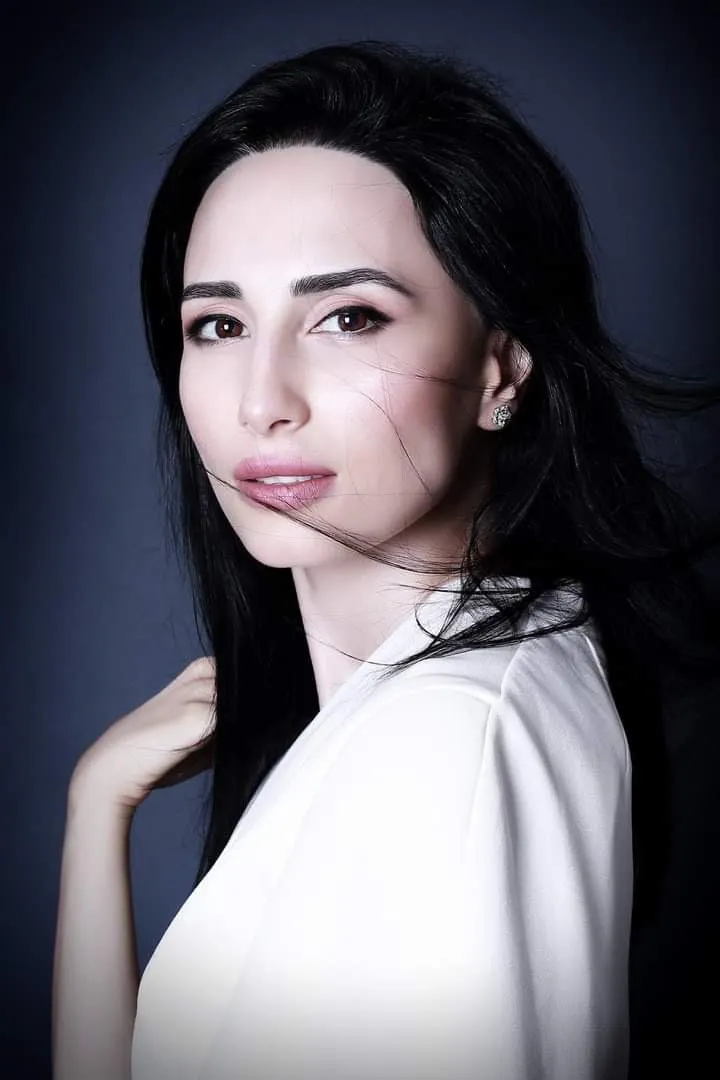
International etiquette consultant Jamila Musayeva shares how early exposure to diverse languages, global travel, and continuous education shaped her distinctive path as a modern cultural authority.
My parents were very focused on giving me a good education but they also prioritized exposing me to as many new languages and cultures as possible.
Thankfully, the world is open for travel once again. Traveling can broaden our horizons and make space for people to become more open-minded. How can travel give us the opportunity for personal growth? What are some ways that travel can help us become better human beings? As a part of our series about “How Traveling Can Help Us Become Better Human Beings”, I had the pleasure of interviewing Jamila Musayeva.
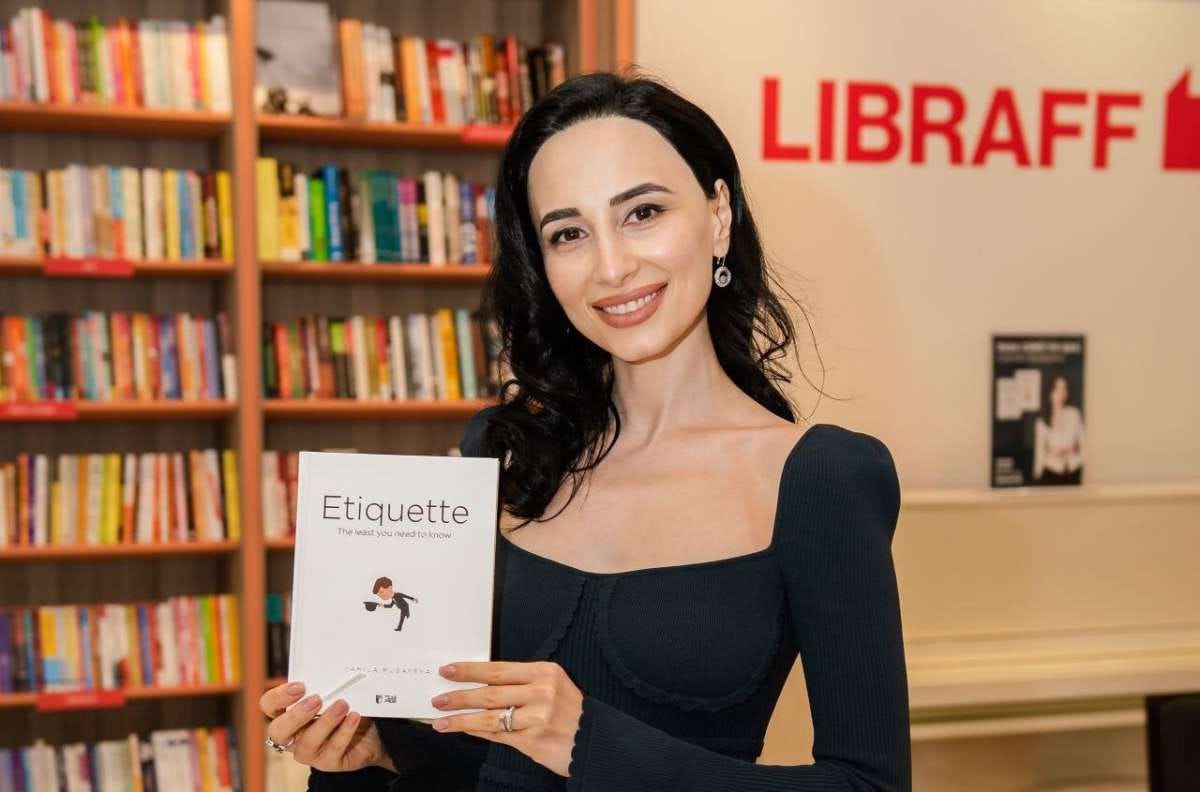
Jamila Musayeva, a certified etiquette expert and summa cum laude graduate in International Affairs from George Washington University, is a renowned author and YouTube creator with nearly 1 million subscribers, focusing on international etiquette. Raised and based in Azerbaijan, Jamila is fluent in six languages and raised in a culturally rich environment traveling the world. Jamila’s global perspective is deeply ingrained in her work. Her profound knowledge of diplomatic protocol, coupled with her mastery of etiquette, good manners, and luxury etiquette, positions her as a leading figure in the realm of refined behavior. Her modern approach integrates personal development, female empowerment, and multicultural understanding. Jamila’s mission is to foster open-mindedness, cultural appreciation, and a balance between progressive living and preserving traditions, establishing her as a global ambassador for etiquette and cultural understanding.
Thank you so much for joining us in this interview series! Before we dive into the main focus of our interview, our readers would love to “get to know you” a bit better. Can you tell us a bit about your childhood backstory?
I was born and raised in Azerbaijan into a family of doctors, so my parents really valued education the most. While growing up, I was given the best possible education that I could get here in Azerbaijan. I went to a mixed Azerbaijani-British school and I graduated when I was 16. Throughout my childhood, I was always exposed to many cultures as well as many languages. I spoke Azerbaijani, Russian, and English since I was learning English in school and over time my mom just kept adding new languages to my so-to-speak educational diet. I was introduced to Spanish, French, German, and then Arabic later on. My knowledge of each of these languages is different due to the amount of time I spent speaking the languages and practicing them. I would still say I’m very fluent in English, Russian, and Azerbaijani and also pretty fluent in Spanish and French. I can understand and speak Turkish, and I do understand a little bit of German as well as Arabic and I’m continuously learning it still.
As a backstory, I was in Azerbaijan until I was 16 and then I moved to the United States to go to university. I went to George Washington University in Washington DC and I majored in international affairs with minors in sociology and history. I graduated Summa Cum Laude at my university and then I did my master’s degree in Belgium at the College of Europe in EU politics and administration. Most of my education was focused on international relations and I did my master’s in a bilingual school, both in French and English. I had a pretty education-dense childhood. My parents were very focused on giving me a good education but they also prioritized exposing me to as many new languages and cultures as possible. They also frequently took us on trips abroad so that we could be exposed to a new country, and to a new culture. Overall, I would say I had a very happy childhood. My parents were really present and focused on making sure that I had the resources to become a well-developed person in a diverse field of studies.
What or who inspired you to pursue your career? We’d love to hear the story.
Growing up again in Azerbaijan, I was exposed to a very multicultural, multi-religious, diverse country. We have a lot of small ethnic groups and used to be a part of the Soviet Union. Our country has always been like a passageway for a lot of families and neighborhood areas, maybe because it was a stop along the Silk Road for trade long ago. Azerbaijan has always welcomed a lot of different cultures in the country and so I remained curious about foreign languages, foreign cultures, and understanding all types of people has always intrigued me. Additionally, in university I did international relations and also minored in history and sociology. I’ve always been interested in understanding society, culture, and history. Even when I was in the U.S., I had to do some etiquette classes for being an international relations student. There was an etiquette school in Washington D.C. that gave master classes to us and I attended a few of them and I really enjoyed it. I never knew it could be something I could make a profession out of but I’ve always been drawn to it.
While I was growing up in Azerbaijan I had a close teacher who was more of a private tutor that taught us art, culture, and etiquette. Etiquette wasn’t taught to us like a profession, but more as ground rules to a way of life. She taught us table manners as well as art, culture, and art history. It has always been super intertwined and I feel like my parents were focused on making us into a modern day renaissance person. They really wanted us to be exposed to a lot of things growing up. I guess I always had an interest in it but I never knew it could be a profession until I stumbled upon this program in the U.K. that certifies you in becoming an etiquette consultant. I completed training with the trainer program there in the U.K., and that is when I became certified to be an etiquette consultant.
None of us can achieve success without some help along the way. Was there a particular person who you feel gave you the most help or encouragement to be who you are today? Can you share a story about that?
I think that the people who supported me the most, invested the most in me growing up, and made me who I am today are my parents. Without their investment in me and my education, I would have never been able to find my voice. I think they prioritized the right things for us growing up. If they were able to afford it, education was prioritized first, then to travel if we could, and then only after it would be anything material in terms of the clothes or like other things that we would want. However, they always made sure that first, the money was spent on these things, like on books and things that would expand us.
For instance, they would probably not buy a new car but they would make sure that we could go to a good school. Those were their priorities and they were always really proud of me and always supported me no matter how crazy and ambitious my ideas were. I remember even in college, I would call them every other day and be like, oh, I decided to change my major. I would say I wanted to now study something else and they would tell me “yeah, go ahead and do it.” And soon later I would end up changing my mind again. However, They never said, “oh, it’s impossible” or “you’ll never be able to do that.” Both of my parents were dreamers and they really felt like I could do anything.
It has been said that sometimes our mistakes can be our greatest teachers. Can you share the funniest or most interesting mistake that occurred to you in the course of your career? What lesson or takeaway did you learn from that?
I feel like I haven’t really made any of those kinds of mistakes where I wish I did something differently. I believe that everything I’ve done is what has helped me get to where I am today. I will say I think it’s funny that sometimes when certain mishaps happen we think it will affect us in such a negative way, but really it brings us an opportunity. When one door closes, another one opens and I do believe this to be relevant to my story.
While I was teaching etiquette in university here in Azerbaijan, and in school, it was during COVID. When it hit, I realized I couldn’t continue teaching in person, which was a crucial part of etiquette. Learning etiquette is very hands on, you have to be able to show things and how they are done. For example, how to shake hands, how to greet someone, how to properly sit down, how to carry yourself, and how to execute table manners are all things you have to be able to show. However, all of the sudden, I wasn’t able to do that. Everything shifted, and I had only online classes and had to learn how to do them online. For me, it was difficult because it wasn’t biology or a math class where you have a lot of textbooks and video tutorials that you can use. I had to figure out a way to come up with it on my own, and that’s when I found YouTube as a platform to share my teachings.
I started shooting YouTube videos, uploading them online, and then sending the link to my students to watch before class or to use while we were in class. Through learning how to adapt and cope during these times, I was challenged and determined to explore the possibilities with YouTube. This was when a lot of people began discovering me because they too were at home, bored, and didn’t know what to do. They could Google things like, how do I sit? How do I stand? How do I socialize? And my videos were starting to be suggested to them. It’s interesting because I have people tell me that they found my channel during COVID and they are surprised when I say that’s when my channel actually emerged. I launched it in late 2019, right when people began to spend more time at home.
I wouldn’t say it was necessarily a mistake, but it was a global drawback that happened. But it actually pushed me to further my professional career because I found a way to channel my expertise in the right direction.
Can you share your favorite “Life Lesson Quote”? Why does that resonate with you so much?
Ever since I stumbled upon this quote, it has been one I’ve lived by. It is one that helped me launch my YouTube channel, start writing, publish a book, share my courses, and go public on Instagram. The quote says, “choose one day or day one.” It’s such a small quote and there are very few words there. Yet it sets a magnificent example of how everyday you can make a decision. Are you going to write a book, start going to the gym, work towards a dream house or job one day, or is it day one of starting that now.
All of a sudden, I remembered all the wish lists that I’ve had in my copy book for many years. For example, I really wanted to learn how to drive, it was on my wish list every single year. Then one day when I saw that quote, I realized I could make that choice. Is it one day that I’m going to learn to drive or is this day one of learning. I began making calls, asking for classes or instructors to actually make it happen. It has been my mentality ever since I saw that quote. I have been applying it to everything in my life. I also always wanted to do floral classes, so I took them. I always wanted to do horseback riding, so I did. I always wanted to take some professional dance classes. I just called and signed up and went. I’ve noticed that the hardest part in life is just to make that the first step that we keep postponing. I will go to the gym tomorrow, the next day, the next day. But really you just have to get up and do it. Sometimes I’ll be in my PJs, lounging around and I’ll think, “should I work out today or not?” I feel myself start to put it off but then I remind myself that this is day one, and to do it. I take out my mat, even if I’m just in my PJs, and I start working out. These are just examples, but you can apply it to anything in life.
What are some of the most interesting or exciting projects you are working on now? How do you think that might help people?
I have been working on a few projects and recently launched two online courses. The first one is called, “Western Formal Dining Etiquette from A to Z,” and it shows everything you need to know. From how to get ready for a formal dinner to going to meet your in-laws, meeting business clients, to how to handle yourself gracefully in almost any setting. The second course is called, “The Art of Entertaining at Home.” This is for anyone who wants to know the basics of how to set a table nicely based on different seasons, how to wrap gifts, and just general rules of etiquette when it comes to hosting people over or being a guest. I also show a glimpse of my candle collection, along with how to handle scented candles. These courses are really designed to help people to, in the comfort of their own home, equip themselves with the knowledge of entertaining guests, of art of living, grace, and elegance and just etiquette and good manners.
I am planning on doing a series of documentaries or possibly YouTube videos of showing different cultures around the world. I often feel like though we are very connected with everyone, we aren’t really aware of the cultural differences and respecting those differences without feeling a cultural superiority over other people. My intention is to show people that they are from different cultures and the value in that. Every single culture is rich and beautiful in its own way. My goal is to allow others to see cultures through kindness, acceptance, and open-mindedness rather than judgment and misunderstanding. I aim to really bring the world together and make it more kind and understanding through educating them about the culture, history, and society of different countries.
OK, thank you for all of that. Let’s now shift to the core focus of our interview about travel and personal growth. Let’s dive deeper into these together. Based on your research or personal experience, why do you think travel can lead to personal growth? Can you share a story?
Travel has been the biggest impact on me as a person in terms of how open-minded, receptive, and understanding I am to different cultures. I never remember being closed off and thinking that “my way” was better than anyone else’s. I was always curious to learn more and often asked questions like, what are they doing? How are they doing? And well, why are they doing things in those ways? What is the cultural belief or where is the cultural belief coming from? What about the religion that influences it? So I’ve always been very open to practicing, learning, and loving different cultural rituals of different countries and obviously the languages.
I think you really never know how diverse, beautiful, and vibrant the world is until you get to travel. When you live in your own city or your own country, you always think, “this is the only way people live. I can’t imagine not being able to live without Wi-Fi.” Then you travel to Cuba, which we did in 2013 with my husband, and we didn’t really have any internet access for some time. We thought, “how are we going to do it?” But then we managed to do it and by the end of the trip, we were starting to get used to not having the internet at our fingertips. It simply started to become a new norm for us. Other times people may wonder, “how are people living in these little huts without a bathroom in their house or outside in their yard? How are they doing it?” But then you go to a country where it’s their practice and you actually see how maybe it’s good for the house energy and maybe it’s just good for some exercise. You walk out of the house to go to the bathroom and then you come back.
The more you travel, there’s so many little things that you start to see people do differently. And we, as humans, get to adapt and really learn to live in an environment that we are exposed to. I think it shows how powerful a human being is in terms of being able to adapt to any condition and also to understand how diverse we all are and how that’s completely okay and we don’t have to all fit into the same box.
A recent survey from Psychology Today showed that over 80% of participants found that travel helped them with problem-solving or decision-making. Why do you think this is true for so many people?
When you are traveling, so many unexpected things are happening and you really have to be quick thinking and navigating how to get things done. I’ve heard that in order to build new neurons, like in order to maximize your brain capacity you have to switch your routine. For example, if you’re taking the road from home to work, and you can choose between taking street A and street B, change things up everytime so your brain starts building. When we get into the habit of doing something, we begin to do it unconsciously, like being on autopilot. In order to engage our brain, we have to make ourselves learn new things or learn new steps.
When we are traveling, we’re taken out of our routine, out of our usual ways of doing things, and we are doing it and living in a new way. The new ways always require quick thinking, being on your feet and able to react fast because we’re out of our comfort zone. We have to constantly be on edge alert to anything that can happen around us.
When I traveled to the U.S., I was only 16 when I was left to live alone. My parents did take me to the U.S., but then they left me there for college and went back to Azerbaijan. I remember my first culture shock and wondering “how do I do life?” I had to learn how to get a cab, use the metro, and do things that I’ve never had to do living and growing up in Azerbaijan.
That’s not to say that I’m privileged in any way, this was just a thing most middle class people were accustomed to. I didn’t know how to do laundry because my mom did it for us. I didn’t know how to do my taxes. When I was studying in college, I was also part- time working at university and I had to file my taxes and I didn’t know what to do. I also didn’t know how to get a phone because I had to register the phone and do all the documents. It was such a frustrating first couple of months where I just could cry every night because I couldn’t do a lot of things on my own. But by doing them and learning to do them on my own, I became more confident in myself. I became more independent and I started to feel better about myself.
When you’re traveling, you begin to realize you can handle hard things. No matter how scary or different or out of control they feel, you learn how to manage. Problem-solving brings confidence and can empower you to take even more action and be a quick decision maker.
Do you think travel enhances our mindfulness, optimism, or sense of gratitude? How? Can you please explain with an example or story?
Absolutely, I cannot emphasize this enough. Traveling doesn’t just open your eyes to different cultures and make you more understanding, open-minded, and culturally aware of things, but it also makes you so grateful to what you have in your own home. You can notice this especially when you travel to countries that are less developed than your country. It can be easy to take things like clean water, toilets, internet, heat, 24/7 pharmacies, etc for granted but traveling helps you start to appreciate them so much. There’s this immense sense of gratitude for everything that you have at home.
I notice this in my own children too, having traveled to certain islands and seen people live differently than how we live. Our kids have really learned to appreciate what they have at home and are looking forward to coming back and really being able to appreciate all they have. I love that they get to experience that, they get to see how different people can live and how things that they take for granted, they should appreciate a lot more. So, I couldn’t agree more with that.
Surely not everyone who travels automatically becomes an exemplar of human decency. What are a few reasons why some people completely miss out on the growth opportunities that travel can offer?
I think it comes down again to the fact that a lot of people, when they travel, they travel to the same destination. If they like to travel to Spain, and they keep on going to Spain every single year, or if they like a certain hotel in a certain country, and they keep on going back to the same hotel and the same country, it doesn’t broaden your perspective on things. Again, you’d go from one comfort zone into the other one. So from one safe spot into the other safe spot. When you don’t change up your travel routine or route, you really just stick to one, you’re never going to be, though you’re traveling, actually opening up your senses and experiencing new things.
Also, I think when people travel, some people just do things like stay around the hotel and shop. I don’t mean you have to go to a museum to understand how people live, but you can just sit in a cafe somewhere in the neighborhood and watch people, which is something I personally love the most. I think you can learn so much more from people watching than from a museum. You see how people dress, how they interact, their body language, what are certain ways of the customs, at what time they arrive to have lunch, how long they have lunch, how they’re dressed when they come to lunch and so on. All these things really can tell you a lot about society, if you’re observant enough.
For example, if you go to Mauritius and you only stay in a hotel in some resort that’s closed and you don’t ever step outside of the hotel, you’re never going to see Mauritius, though you are in Mauritius. You’ll probably just get to experience nature, but you’re not going to see the people. It’s important to take yourself out of the hotel and go into the streets and see people and how they live. I recommend going to a market, which is something my dad always used to do. He would always take us to the local market so we can see what people eat, what people buy for food, and ways they interact in the market. These things can tell you a lot about culture.
Thank you for that. Now for our main question; What are your “5 Habits You Should Develop In Order Make Travel Into An Opportunity For Personal Growth?”
From your experience, does travel have a negative impact on personal growth too? Is there a downside to traveling?
I think financial costs are one of the biggest things when it comes to travel. It can be easy to underestimate how much money you might end up needing because there are always things like museum fees, city taxes, and other things you may not expect. For example, when you arrive at a hotel, you have to leave a deposit and there might be a city tax as well on top of a deposit or there might be just a foreigner visitor tax. There can be a lot of little things like that that come up along the way that you haven’t calculated in your total budget.
However, apart from the financial expense of traveling, there isn’t really any tangible thing that you get back except the experience. Life has shown me that with anything, sometimes investing in tangible things makes sense, but also life can be so unpredictable. It can be so short, or sudden in a way and one day we will all leave this world without anything. There’s nothing you truly take with you besides your emotions and experiences you had.
In one case I had, I was experiencing an allergic shock, and I thought I was going to die. For a split second in front of my eyes, I saw flashes of my experiences and of emotions I felt. I don’t remember hanging onto thoughts wishing I had bought a dress or this or that. I remember my emotions, the people in my life like my parents, and even wishing I had tried more things. I specifically remember wishing I had eaten the ice cream this one time. Overall, I think it’s so important that we invest the money that we have into experiencing things first and then if we have extra, obviously, spend it on anything else or splurge.
We are very blessed that some of the biggest names in Business, VC funding, Sports, and Entertainment read this column. Is there a person in the world, or in the US, whom you would love to have a private breakfast or lunch with, and why? He or she might just see this, especially if we both tag them :-)
I would love to have breakfast with Queen Rania because I really love how well-spoken she is, how elegant and eloquent she is, and how she’s a really good example of a modern monarchy. She is a female monarch that is very, very much into education and women empowerment, and I also think that she has traveled so much of the world that she’s able to respect culture, be open-minded, and very understanding. She has the breadth of both worlds. She’s Muslim, but is also very Western as well, so she has this good example of what a modern progressive Muslim woman looks like, and I would love to have lunch with her.
How can our readers further follow your work online?
They can subscribe to my YouTube channel where I talk about etiquette, self-development, self-skill, sometimes lifestyle and fashion as well. I have almost 1 million subscribers, and I also have etiquette books, and a third book just came out, The Art of Entertaining at Home. It’s already available as an e-book, but a hardcover copy is now available.
I have three books on etiquette, The Least You Need to Know, Afternoon Tea Etiquette, and The Art of Entertaining at Home. I also have two online courses that I mentioned earlier, as well as a Patreon page or a Patreon platform where I do etiquette analysis of different movies. I have an etiquette movie club, as well as a book club, where I feature monthly book readings that I do and the summaries of the books that I read. They can follow me through my website, they can follow me on YouTube, they can follow me on Instagram, they can connect to me via email and keep in touch with me. And if they have any questions, send them along and I’ll be happy to connect.
You can learn more about me on my website: https://jamilamusayeva.com/
You can see my etiquette videos on Youtube: https://www.youtube.com/@JamilaMusayeva
And connect with me on social at:
https://www.instagram.com/jamila_musayeva
https://www.linkedin.com/in/jamila-musayeva-557738176/
https://www.facebook.com/jamilamusayeva19
https://www.tiktok.com/@jamila_musayeva
Thank you for these really excellent insights, and we greatly appreciate the time you spent on this. We wish you continued success.
About The Interviewer: Maria Angelova, MBA is a disruptor, author, motivational speaker, body-mind expert, Pilates teacher and founder and CEO of Rebellious Intl. As a disruptor, Maria is on a mission to change the face of the wellness industry by shifting the self-care mindset for consumers and providers alike. As a mind-body coach, Maria’s superpower is alignment which helps clients create a strong body and a calm mind so they can live a life of freedom, happiness and fulfillment. Prior to founding Rebellious Intl, Maria was a Finance Director and a professional with 17+ years of progressive corporate experience in the Telecommunications, Finance, and Insurance industries. Born in Bulgaria, Maria moved to the United States in 1992. She graduated summa cum laude from both Georgia State University (MBA, Finance) and the University of Georgia (BBA, Finance). Maria’s favorite job is being a mom. Maria enjoys learning, coaching, creating authentic connections, working out, Latin dancing, traveling, and spending time with her tribe. To contact Maria, email her at angelova@rebellious-intl.com. To schedule a free consultation, click here.
Maria Angelova, CEO of Rebellious Intl. is an executive interviewer and contributor covering leadership, culture, and business for Authority Magazine.

Exclusive, curated interviews with the leaders and changemakers shaping tomorrow. Leadership lessons, industry deep dives, and executive profiles.

Rising star actress Brooke Carter shares how she manages school, grueling set schedules, and world-class dance training to thrive in the competitive entertainment industry.
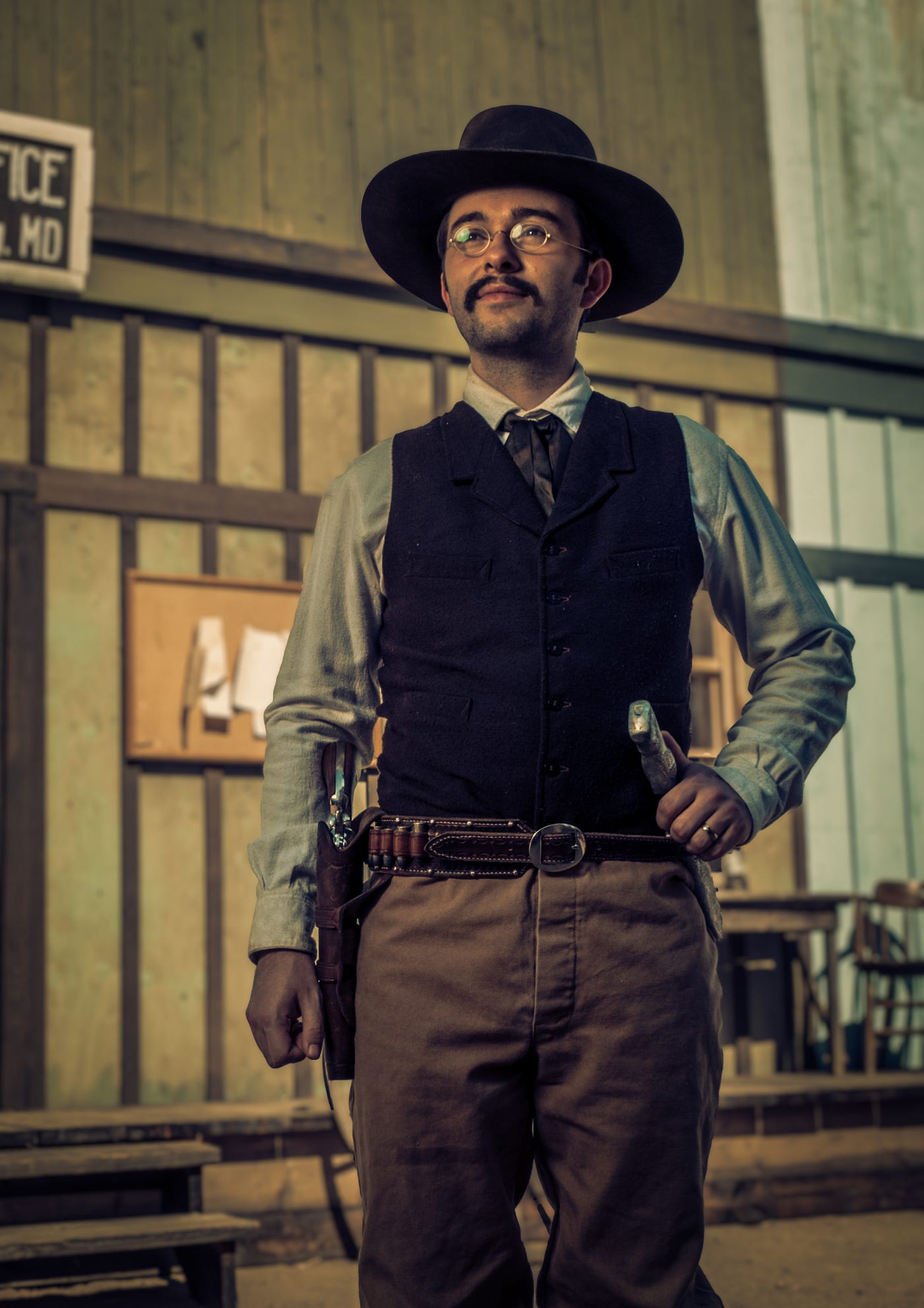
Actor and filmmaker Mason Beals shares his unconventional journey from building off-grid homesteads in Idaho to landing major roles in historical television series.
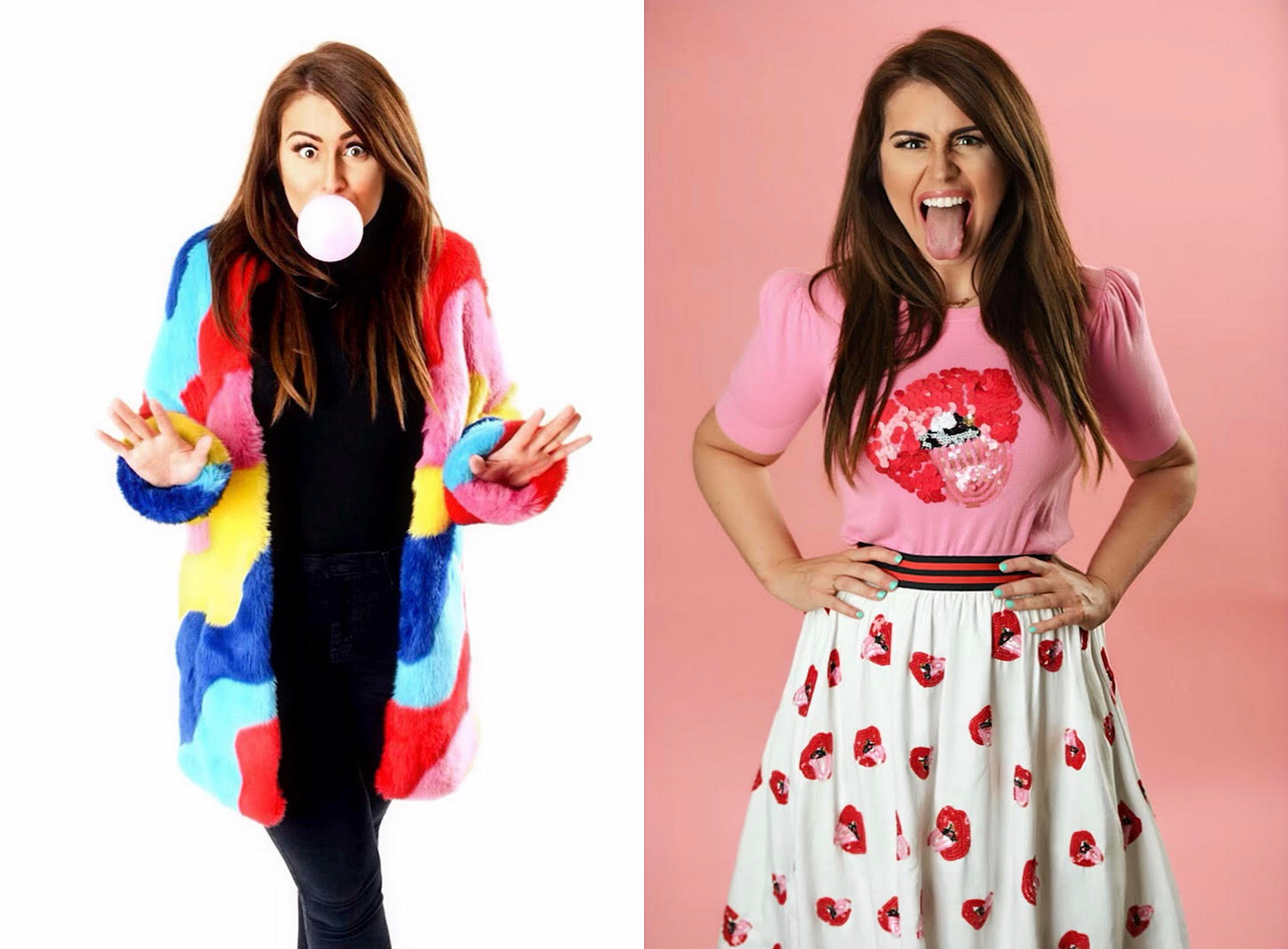
Television host and content creator Kinsey Schofield shares her unique journey from local journalism to social media stardom, offering practical advice on community building and maintaining mental wellbeing.
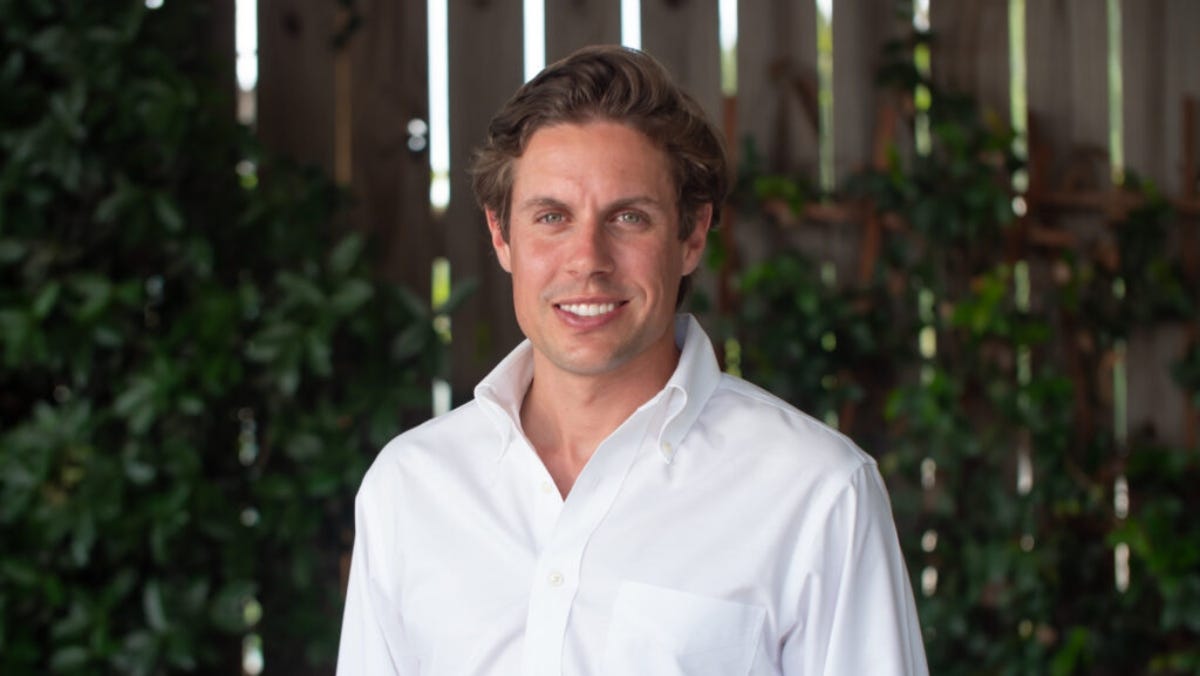
The former All-American runner and private equity partner shares how the rigorous mental frameworks of professional sports translate directly into high-stakes business leadership and entrepreneurial success.
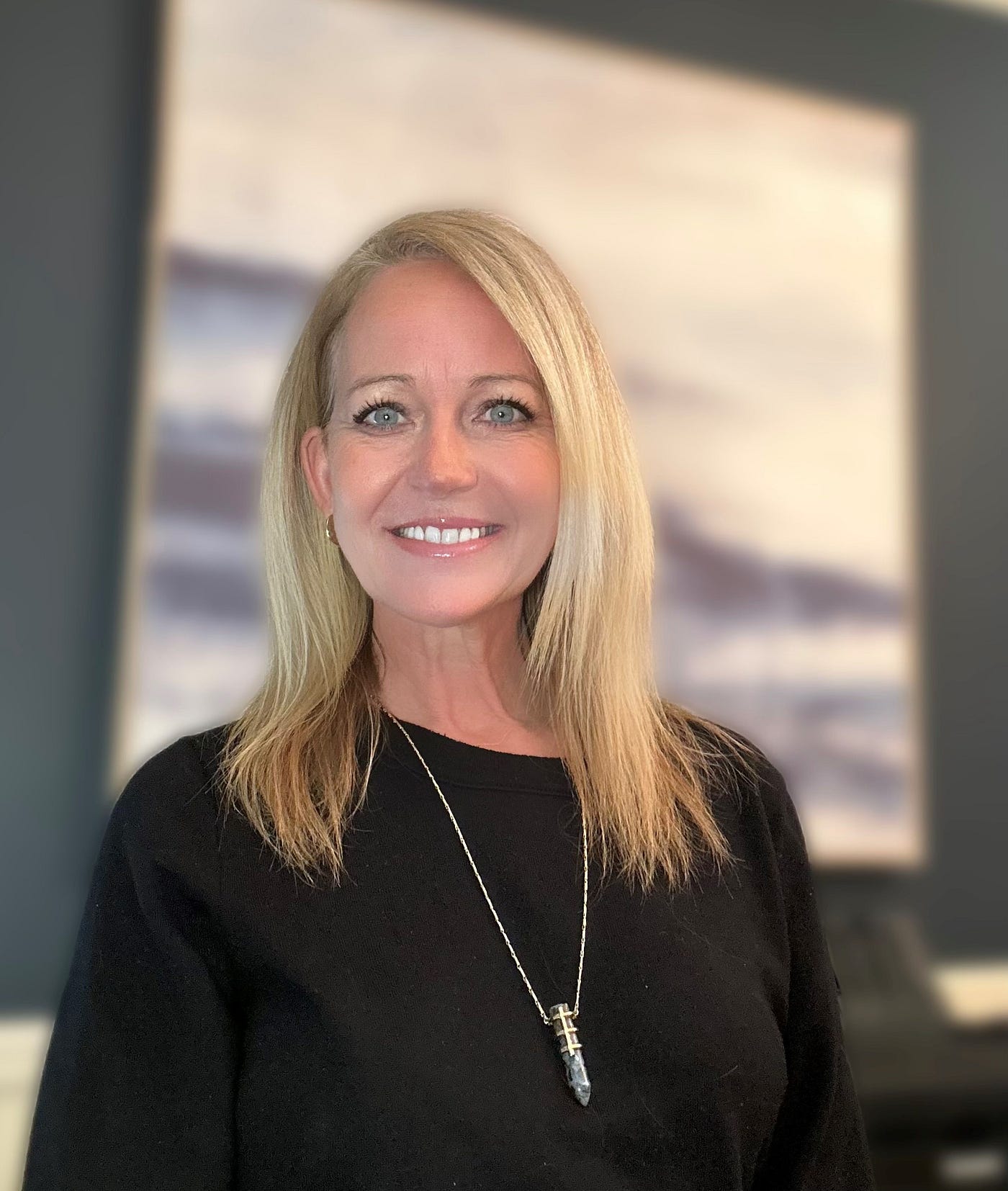
CDC Foundation campaign director Angela Dunbar shares her personal journey of surviving breast cancer, the importance of a positive mindset, and how she balanced family and career.