I realized that sometimes you can recreate a recipe, but you can’t recreate physics. I learned you must be willing to fail in order to learn from your mistakes, but it’s all part of the fun of it.
Pop Culture
Travis Potter of Tractor Beverage Company: The Farming Principle That Turns 'Ugly' Produce and Sustainable Ingredients Into Clean Industry Solutions
Travis Potter shares his journey from farm kid to founder, detailing how Tractor Beverage Company tackles food waste and reshapes commercial dining through organic ingredients.
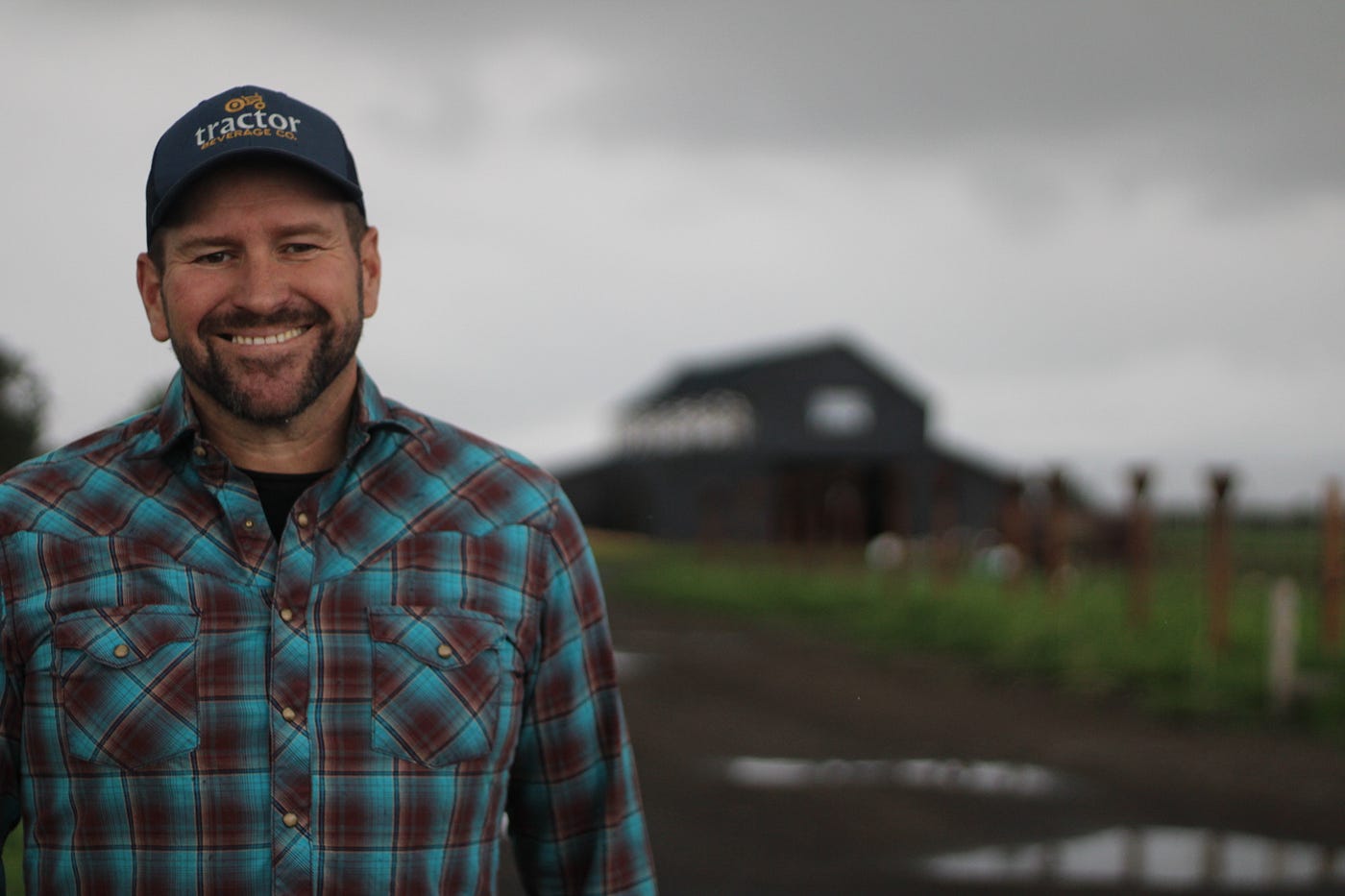
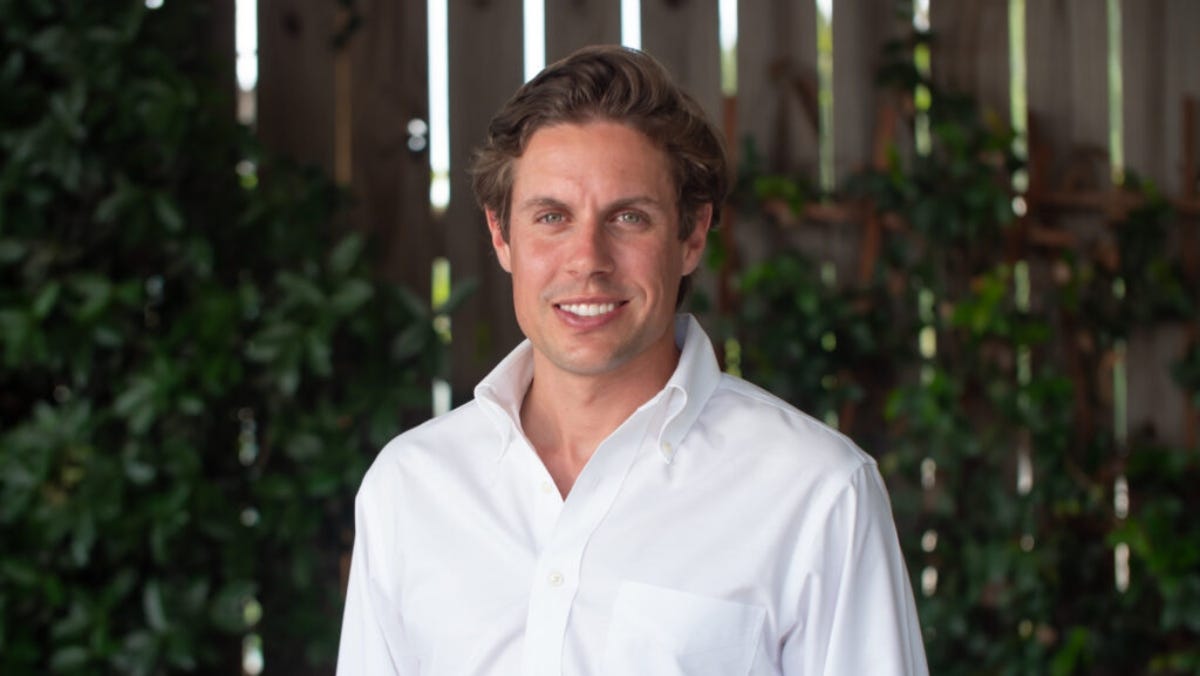
As a curious farmer and founder of Tractor Beverage Company, Travis Potter has made it his mission to enhance the health and wellbeing of future generations with “better for you” beverages. Potter works towards achieving one goal — changing the world through simple ingredients that make a large impact. He travels around the U.S. seeking innovative ways to improve his products by immersing himself in various cultures and regions (seeking our international markets everywhere he goes). Potter takes his knowledge back to the farm and continuously curates new, unique Tractor flavors that are 100% Certified Organic, non-GMO and entirely natural. Potter is also a father to eleven children who he’s raised to become successful entrepreneurs like himself. As a family, they strive to better the lives of others and create a chemical-free environment.
Thank you so much for joining us in this interview series! Before we dive in, our readers would love to “get to know you” a bit better. Can you tell us a story about what brought you to this specific career path?
I grew up as a farm kid, so a career in agriculture was a no brainer. The ‘a-ha’ moment I had was when I was trying to make a living as a farmer but couldn’t find a college to further my education. I ultimately went to college in Minnesota for meat production — and at the same time, many of my family members began to come down with illnesses, many tied to issues with conventional and commercial agriculture. I started looking at what was going into the food we eat, which motivated me to continue my focus in organic farming. If we can’t choose what goes into our food, or how it is produced, how can we make a difference and fuel the masses?
We realized that there are smarter ways to create food. Restaurants were the biggest opportunity — as you can’t control what ingredients go into your meal. When you look at so many of the chronic illnesses in our country, so many of them are tied to what we’re served when we eat out, including drinks. We saw a demand for cleaner beverages overall, especially in the foodservice industry, and that launched the idea for Tractor Beverage Company. We set out to be a solution for restaurants that was more sustainable and with a small carbon footprint from a shipping perspective — requiring less packaging. Our products are versatile and pair well with any kind of cuisine.
Can you share the most interesting story that happened to you since you began at your company or organization?
When I was looking at the restaurant industry, I thought — what are the holes in the market? How could we make something that we consider a ‘treat’ or junk food, a healthier option? We then created our ‘Snowplow’ product which was a better-for-you slushie, similar to what you see at a local gas station. So many people stopped by and did a double-take that a typically sugar-filled drink could be done differently and was an ‘a-ha’ moment for me at the beginning — we can create organic drinks that taste wonderful but don’t have all the added sugar and chemicals, and customers will love it all the same.
Can you share a story about the funniest mistake you made when you were first starting? Can you tell us what lesson you learned from that?
At the beginning of the company, we tried hard — I called it ‘failing forward.’ I tried my hand with physics using a soda fountain that looked like a bar tap. It looked amazing, but then turned to syrup and blew up! I realized that sometimes you can recreate a recipe, but you can’t recreate physics. I learned you must be willing to fail in order to learn from your mistakes, but it’s all part of the fun of it.
How do you define “Leadership”? Can you explain what you mean or give an example?
Leadership comes in a variety of different ways. I think great leaders lead by example, are willing to make mistakes, and wear multiple hats. Even if Tractor is a smaller company in the beverage industry, we’ve become a leader by doing things differently and with an edge. I’m less concerned with who our biggest competitors are, I’d rather see other companies follow suit to want to make a difference and create better beverages and products for people all over the world.
Can you please give us your favorite “Life Lesson Quote”? Can you share how that was relevant to you in your life?
From a personal perspective, the quote that resonates with me is: “Do what you love and you’ll never work a day in your life.” I was taught to always look at the older people who had the same career as you — and see if that’s who you would want to turn into. I know that I have a mission, and a reason — and a job that I’ll be proud of in the future.
OK, thank you for all of that. Let’s now shift to the main focus of our interview. Let’s begin with a basic definition of terms so that all of us are on the same page. What exactly are we talking about when we refer to food waste?
From a farmer’s perspective, the unfortunate reality is that we have way more food than what we can ever eat. It comes down to nutrition, farming and chemistry. So much of what’s produced goes to waste — mainly because we could never possibly eat all of it. I also ask myself the question, are we eating the right food — and using it efficiently? From creating bone broth and stocks from unused parts of an animal, and how can we use the entire plant or fruit from ‘seed to stem,’ all can contribute to the food waste issue. Additionally, so much produce goes to waste that’s deemed ‘ugly’ or wouldn’t travel well. 10% of all Tractor beverages contain ‘perfect’ produce — but otherwise, I would go out of my way to get the unsuitable fruit to use in our products.
Can you help articulate a few of the main causes of food waste?
There are several complicated causes of the food waste problem we are experiencing in our society. Food waste comes in several stages, from the yield of the seed that we plant the crops, excess farming amendments, lack of water — or too much water, depending on where the crops are being grown. Waste during harvest has always been a huge problem — as the harvest is plenty, but there are too few farmers and harvesters to pick the crops, leaving major amounts of crops underutilized as food.
The purpose of farming on the most basic level is to produce nutrition to feed the world. The higher yield on the farm per square foot or per acre is important, but the net nutrition, or nutrition farming, is even more significant. Think about bananas that are being shipped 4,000 miles over 5–6 countries and 20% of them make it to become food. We need to grow fresh produce as close as possible to the end consumer. It’s better for the farmers and harvesters — and better for the planet.
What are a few of the obstacles that companies and organizations face when it comes to distributing extra or excess food? What can be done to overcome those barriers?
Part of the solution is to understand why it’s happening in the first place. If 6–7 billion people are eating more than is needed, we don’t need to grow as much. Additionally, if we can take the excess food being processed in the world — for example, the ‘ugly fruit’ and the parts of the plant — or animal — that are being discarded and develop them into other food sources, that is a way to help the issue. As a society, I believe we are also not choosing the right food to eat — as processed foods are so popular, which results in so much of the food grown and processed contributing to the waste. Over the past 50 years, there has been great focus on utilizing as much as the crops as possible — but we still have a long way to go.
I believe food companies need to take a closer look at how much the population is eating and adjust how much they are growing and producing accordingly. It’s not just ‘the restaurant threw food away.’ It’s starting at the very beginning with the supply chain and being more strategic and sustainable with distribution logistics. An expensive and significant cause of food waste is from the truck that delivers the crops, through the distributors to the stores and especially the restaurants. It’s up to these large restaurant companies that feed millions of people a day to make a change to provide healthier and more efficient options to consumers — they can quickly make the world a better place.
Additionally, think of the phrase “when life hands you lemons, make lemonade.” Fermentation of unused fruits, grains and veggies are another great way to reduce food waste. Think of the lifespan of an apple. If not purchased and eaten, it may rot and get disposed of — or we can turn it into a beautiful, healthy apple cider vinegar that naturally preserves other food and helps with nutritional digestion.
Can you describe a few of the ways that you or your organization are helping to reduce food waste?
The tractor is doing its part from the start to make the most impact on the planet and the future of the farming industry. We have processed more than three million pounds of produce either blemished or deemed “not suitable for table fruit.” We have also bought and used 2,050 acres of organic, regenerative land so far this year — and will continue to switch our farms from conventional to organic. Our mission to is to continue to be at the forefront of farming innovation and utilize crops as much as possible, as well as focusing on regenerative farming practices to make a larger impact.
Are there three things the community/society/politicians can do to help address the root of this problem?
There are many ways we can address this issue from a local and national perspective. Consumers can choose their food wisely — and purchase items that last and are highly nutritious. Buying local is another great way to help this problem. You’re getting a significantly better, longer-lasting product if you’re buying something, for example, from a greenhouse in New Jersey versus buying an item grown in California, depending on where you are geographical. Lastly, analyzing how many extra hands are involved from a labor standpoint from where the food is grown, to how it’s shipped and labeled, to ensure its being done in a sustainable and effective way are all ways we can address the root of the food waste problem.
What are your “5 things I wish someone told me when I first started” and why. Please share a story or example for each.
1 — Find your strengths — figure out what you’re best at…do more of that and less of what doesn’t love. Find a team of people who balance out your strengths and weaknesses.
2 — Be willing to fail forward and learn from your mistakes — this way, you can learn what you’re great at, and make the world a better place.
3 — Everything is worth trying. For most of my life, I was asked, shouldn’t you get a normal job? But I knew if I continued to try with this company and career, I was going to be able to make a difference and do what I’m doing today.
4 — Keep grinding even when it hurts, and you want to give up. So many people say, ‘this isn’t working, I give up.’ Even when we’ve had tough obstacles to overcome, I knew that I wanted to keep going because of the legacy I wanted to create.
5 — Most importantly — never give up!
Are there other leaders or organizations who have done good work to address food waste? Can you tell us what they have done? What specifically impresses you about their work? Perhaps we can reach out to them to include them in this series.
Many businesses, from restaurants and foodservice companies, are recognizing the food waste issue and have started to change their values and approach to how and where they purchase their food from. It just starts with one person who sees a way to do things differently that can impact their larger team and result in change.
You are a person of enormous influence. If you could inspire a movement that would bring the most amount of good to the most amount of people, what would that be? You never know what your idea can trigger. :-)
Plain and simple — my movement would be to make the world a better place through food & farming.
Is there a person in the world, or in the US with whom you would love to have a private breakfast or lunch, and why? He or she might just see this, especially if we tag them.
I’d like to share a meal with everybody — we love all people, feeding people and eating with people. We’re not just farmers and a beverage company — we’re a hospitality business.
How can our readers further follow your work online?
Readers can check us out at www.drinktractor.com or follow us on Instagram and Facebook!
This was very meaningful, thank you so much, and we wish you only continued success.
MM
Written by
Martita Mestey
Writer & ContributorContributor at Authority Magazine covering leadership, innovation, and industry insights.

Published inAuthority MagazineTop Lessons, Top Authorities · 42K Followers
Exclusive, curated interviews with the leaders and changemakers shaping tomorrow. Leadership lessons, industry deep dives, and executive profiles.