The toughest ones are those that affect people — their careers, or a business move that may require canceling a project or shutting down a business entirely.
Business
Kim Lefko of Ace Hardware: The Principle of Expediting the Inevitable That Shapes High-Stakes Corporate Decisions
Ace Hardware Chief Marketing Officer Kim Lefko shares insights on leading with relentless curiosity, avoiding complacency, and making difficult executive decisions.
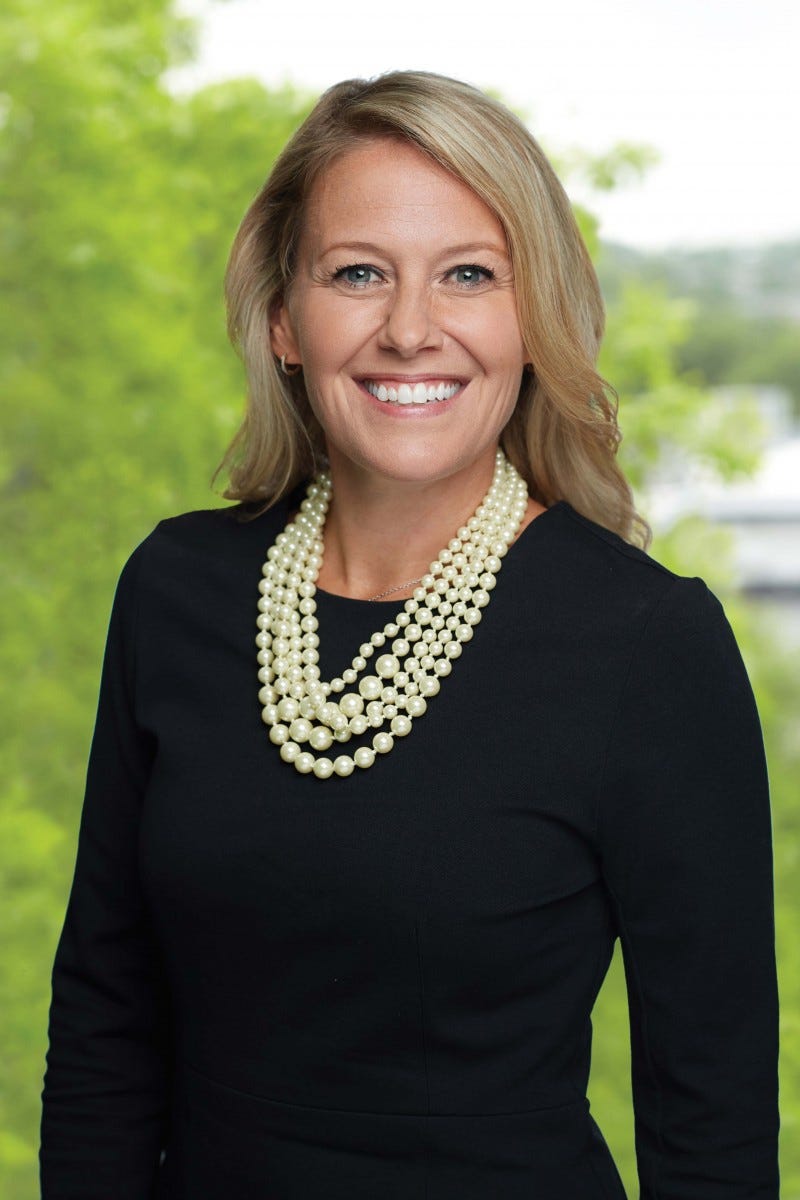
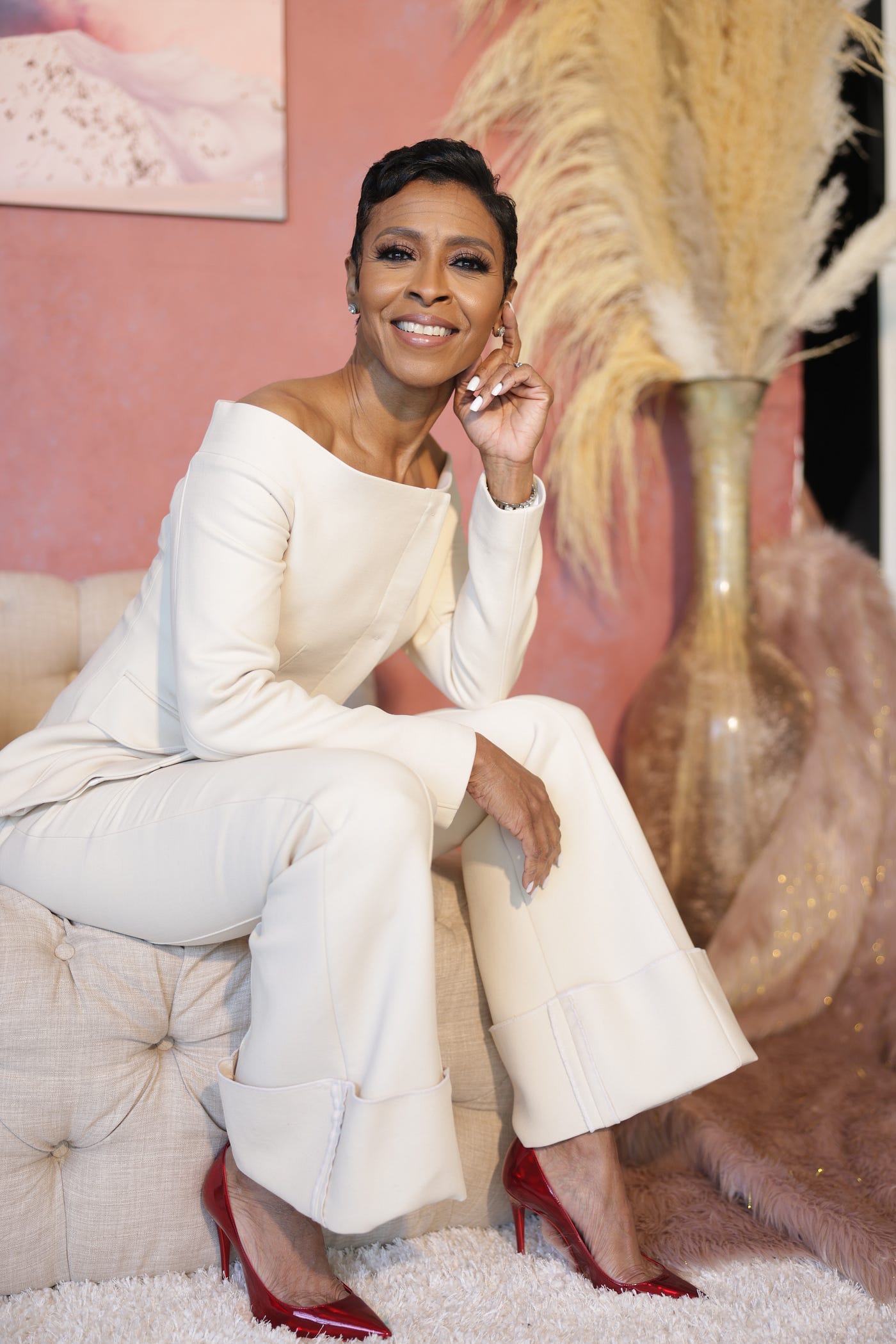
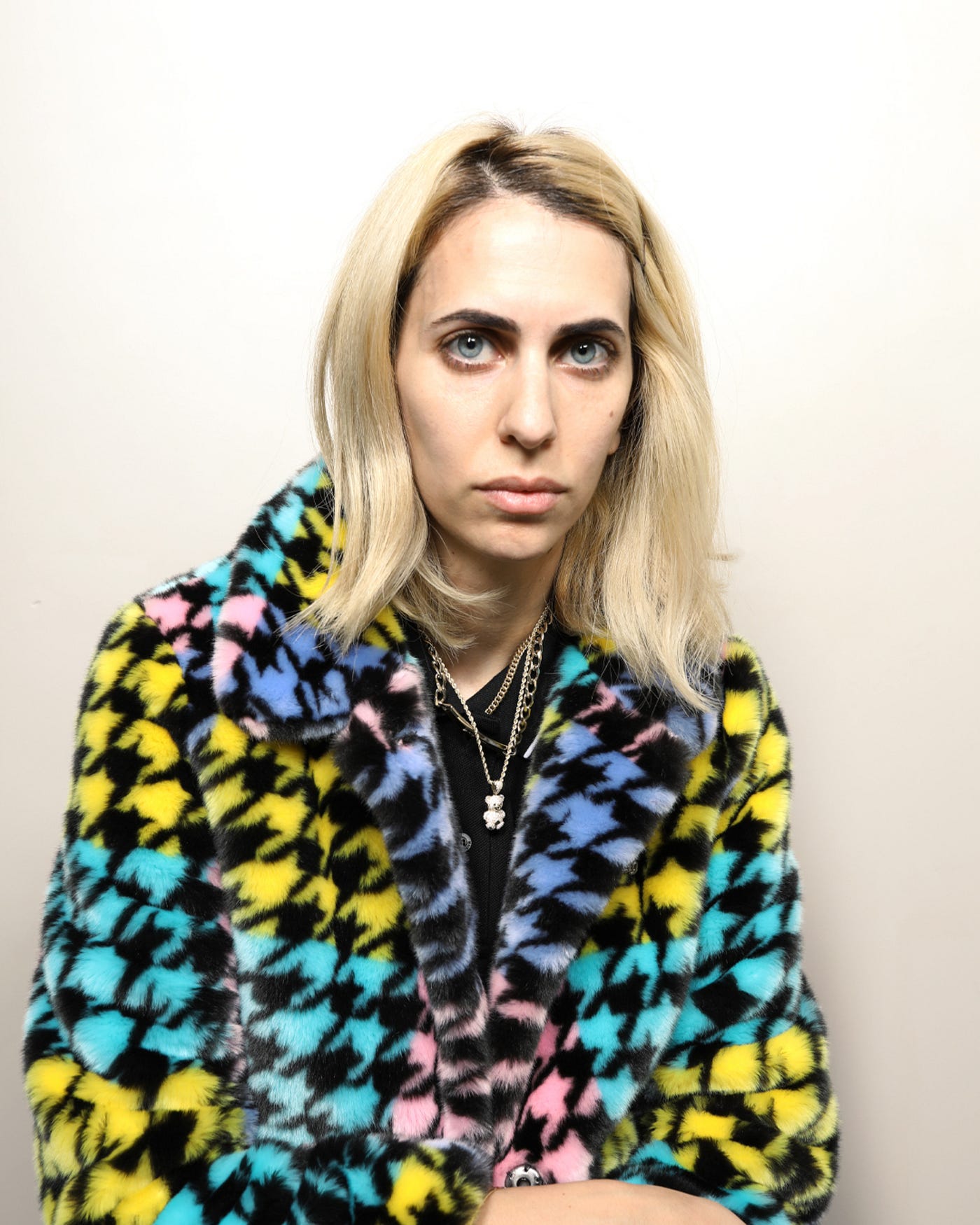
As a part of our interview series called “Women Of The C-Suite”, we had the pleasure of interviewing Kim Lefko.
Kim Lefko joined Ace in 2018 as its first Senior Vice President and Chief Marketing Officer and has helped lead the brand and organization to record levels. Lefko leads the brand’s global marketing and advertising efforts and digital initiatives. Along with her team, she is responsible for developing innovative strategies that further Ace Hardware’s brand promise and positioning Ace as the most convenient and helpful hardware stores on the planet.
Thank you so much for joining us in this interview series! Before we dig in, our readers would like to get to know you a bit more. Can you tell us a bit about your “backstory”?
I studied economics at Cornell University, but my entrepreneurial spirit was really born on a farm in upstate New York, where cash flow depended on how many new ideas and business ventures you could juggle at once. Our family ran a 400-acre vineyard, but my dad ventured into a mini-storage business, garbage business, rental units and more. He encouraged me and my siblings to spread our wings in becoming entrepreneurs. A few of my best ventures included a cleaning service and partnering with my brother on a fresh-fruit stand. It was that mix of practical number-crunching, creative problem-solving and the courage to take a chance that set me up for my career that unfolded, where turning data and ideas into demand is the name of the game.
What led you to this particular career path?
Before joining Ace Hardware, I served as Chief Marketing Officer at Weber Stephen Products, maker of the Weber grill. In that role, I advanced the leading BBQ brand globally with a focus on digital marketing and integrating technology into the product offering. BBQ is very central to Ace Hardware, so it was a natural stepping-stone that led me to my current role.
I also served as Senior Vice President of Sales and Marketing, Company Officer at Radio Flyer where I oversaw the development of the company’s first internal Sales and Marketing organization responsible for launching the e-commerce platform for the brand.
I started my career in sales and marketing at Black & Decker with various positions across Product Management and National Account Management. All of these roles, and the people I’ve learned from along the way, have helped to prepare me for where I’m at now with Ace Hardware.
Can you share the most interesting story that happened to you since you began leading your company?
One of the most remarkable experiences I’ve had since becoming CMO at Ace Hardware was in my first year, traveling across the country to visit many of our 5,000+ stores, each deeply embedded in its community. I quickly fell in love with the owners and operators of these local Ace stores. To many, Ace is where you go to buy paint, get a key cut, or have a grill delivered and assembled. Yes, our red-vested Ace heroes do all that, but what I found truly inspiring was how these owners and employees live our purpose, “We exist to help others,” in ways that go far beyond the ordinary.
They pour their hearts into their neighborhoods — like creating a Christmas village on top of a children’s hospital, honoring a young employee who tragically passed away with an annual Prom-Dress Extravaganza, or even something as simple yet profound as Sam, a young Ace employee, who sold a shovel to a Vietnam vet and then helped him bury his dog. This is what makes Ace extraordinary. It’s not just about the products we sell; it’s about the people who make it their mission to serve.
None of us are able to achieve success without some help along the way.
Is there a particular person who you are grateful towards who helped get you to where you are?
One of my former mentors advised me to work for “rock-star” bosses — because when you are around leaders with intellectual curiosity and rigor in financial growth, you’re never stuck in the status quo. Often, being close to leaders who refute complacency stretches your abilities and skills along the way. I’ve been fortunate enough to work with three standout CEOs in my career, and it’s been an absolute joy learning and growing with them.
Can you share a story about that?
In 2018, our CEO at Ace Hardware saw the marketing landscape shifting rapidly and knew we needed a dedicated team to keep up. This vision led us to establish a robust digital marketing department, which has transformed AceHardware.com into one of our fastest-growing channels. We also launched a mobile app that empowers customers to easily manage their loyalty rewards, of which Ace Rewards has to be one of the largest rewards programs in retail. This proactive approach has driven us to embrace innovation and push past complacency, setting the stage for our continued growth. But this was a direct result of a visionary leader or a “rock-star boss” who contested complacency and a “rinse, lather, repeat” mentality of leadership.
Leadership often entails making difficult decisions or hard choices between two apparently good paths.
Can you share a story with us about a hard decision or choice you had to make as a leader?
I’ve heard a statistic; senior leaders make over 500 hundred decisions daily. The important part to realize, all are not equal. The toughest ones are those that affect people — their careers, or a business move that may require canceling a project or shutting down a business entirely. Throughout my career, I’ve faced many such choices, wrestling with both my mind and heart. The hardest was deciding to shut down and sell a business — a tough call. But, we often say at Ace, in business we keep score with dollars, and we must be prudent in the management of these for our shareholders. With that, a great mentor shared with me, and it applies as a nice principle for difficult decision making; “expedite the inevitable.” Too often, we let time build between what we know is right for the business and what we hope for.
Ok, thank you for that. Let’s now jump to the primary focus of our interview. Most of our readers — in fact, most people — think they have a pretty good idea of what a CEO or executive does. But in just a few words can you explain what an executive does that is different from the responsibilities of the other leaders?
At Ace, we believe leaders take people to places they couldn’t reach on their own — a simple idea, but incredibly powerful. Leadership isn’t about a big budget, a large team, or a fancy title. It’s about vision, inspiring others, and executing a plan that can spark real change. I don’t draw a hard line between a leader and an executive, but if I had to, I’d say today’s executives need a balance of humility, relentless curiosity, and a deep understanding of the perspectives that shape their business. Empowering a team of leaders who share the company’s vision and are driven to capture market share and enhance customer satisfaction is essential for success.
What are the “myths” that you would like to dispel about being a CEO or executive? Can you explain what you mean?
Myth: C-Suite leaders need to choose between work and motherhood.
Reality: As the Chief Marketing Officer for Ace Hardware and the mother of two teenage daughters, it’s not about choosing, but it’s about (and I hate this word) balancing. After all, both roles require vision, patience and the ability to manage chaos with grace.
Myth: C-Suite leaders are extroverts and charismatic.
Reality: I would probably describe myself (and my Meyers-Briggs shows) as more of an extrovert. But it doesn’t come without times of needing a retreat, quiet, a break from interacting with several people in meetings. And some of the most effective leaders I’ve worked for and around lean towards being more of introverts. Bringing slower and longer dialogue, more questions than directives, a very inquisitive and intentional approach to gleaning insights.
Myth: C-Suite leaders only care about a profitable return and the money.
Reality: In my career I’ve been fortunate to work for leaders who tout, “to much is given, much is expected.” And embed that philosophy inside the culture of the company. Yes, in business you keep score with money. But when wildly successfully there is an opportunity to give-back and better the lives around you. And some may say it’s your obligation. Ace Hardware is filled with generous givers; over the past 33 years, store owners, customers, vendors and corporate team members have raised over $220 million for local Children’s Miracle Network Hospitals across the country. Maybe that’s one of the many reasons I believe Ace is one of the best companies on earth.
In your opinion, what are the biggest challenges faced by women executives that aren’t typically faced by their male counterparts?
I’m not sure there are many. The biggest self-awareness area is choosing how to show-up that is effective and matching your style to the right culture. Growing up on a farm with two older brothers and a pretty strict dad, I was taught early on that emotional vulnerability wasn’t an option — you don’t cry on the field (or in business), and you make your voice heard, regardless of your age or size. It wasn’t a surprise I gravitated toward male-dominated industries like power tools, BBQ grills and hardware retail. Courage is important for women in an executive position, but I find that’s not unique to women. Same with the ability to communicate in a persuasive manner or embodying a “steel spine, soft heart” mentality. However, my biggest challenge that my male counterparts came to empathize in the early 2000’s was breastfeeding while traveling for the first 18-months of my daughters’ lives. That was a test of resilience and creativity. Glad to see product innovation has caught up.
What is the most striking difference between your actual job and how you thought the job would be?
I love my job. Probably the biggest, pleasant surprise was the amount of interaction I would have with our 5,000+ Ace Retailers across the country. I’m inspired every day to help build love and demand for the businesses that Ace Hardware store owners have dedicated their lives to — some even carrying on a legacy that’s now in its third or fourth generation. When your work is deeply rooted in purpose, it gives meaning to the sacrifices, like traveling or missing your kids’ events, that come with the job. I’m truly grateful for Ace Hardware, a company celebrating 100 years this year, filled with store owners who are passionate about being vital to their communities. Interacting with these local heroes is the most rewarding part of my job — something that wasn’t in bold type on the job description, but it makes all the difference.
Is everyone cut out to be an executive? In your opinion, which specific traits increase the likelihood that a person will be a successful executive and what type of person should avoid aspiring to be an executive?
I would never deter anyone from pursuing a leadership opportunity or executive position. Because you never know what passion can uncover or unleash. If someone has deep care for a cause, business idea, problem to solve that alone can light a fire. So, if your heart is on fire for something or your belly aches to solve a problem — new skills and abilities may be uncovered in the pursuit of delivering change. Leadership and executive achievement are often romanticized as an innate quality — “they were born to lead.” While in some, that may be true. More often it’s the relentless pursuit of growth and the willingness to evolve that connects the stories of the most accomplished executives. The traits required to be an executive — I don’t believe there is a cookie-cutter to this or a standard formula. If pressed to provide a list of the top three based on my experience I would offer: curiosity, being intentional (in decision making, people development, culture impact, investment choices), and a keen ability to focus the efforts of many and measure the work.
What are your “5 Things You Need To Succeed As A Senior Executive” and why? (Please share a story or example for each.)
1. SLEEP — This one could be controversial. But sleep is critical, and there’s too much focus on early risers instead of well-rested leaders. I took a sleep class with Professor Maas at Cornell, where science clearly shows that quality sleep trumps early wake-ups. For busy professionals, especially working moms, getting to bed by 10pm isn’t always realistic, but it’s still essential to prioritize sleep. And too many executives, especially C-Suite, tout it like is a badge of honor. Claiming victory of only getting 4 hours of sleep, or waking at 5am even after a long night with the business or family. This is NOT saying sleep in like a teenage child going through a growth spurt. This isn’t about laziness or complacency, but about having a sleep routine that means getting the necessary hours. I was sold on the benefits during Dr. Maas class over almost 30 years ago.
If you think you’re getting 7 hours, you’re likely getting only 6, and research shows that executives need 8–9 hours for optimal health. The benefits are undeniable: improved cognitive function, enhanced immunity, better moods, and sharper productivity — all crucial for leaders making decisions that impact many lives. Let’s get the message out — sleep matters more than the 5am club.
2. HUMILITY — Humility is key as your influence grows. With fewer people challenging you, it’s easy to fall into hubris, but remember, iron sharpens iron. At Ace, we believe that collaboration sharpens ideas into excellence. I have incredible respect for the culture at Ace being one of “the best idea wins.” It doesn’t matter where or who generated it; excellence in execution is a differentiator, and the name on the front of the jersey is way more important than the one on the back. Stay open to others’ perspectives, be okay with not going with your own, and listen with an open mind. True greatness lies in embracing humility, not arrogance, as Jim Collins reminds us. He said, it is that point at which leaders lose sight of the true factors that created success in the first place, leading to their eventual downfall.
3. CURIOSITY — A paramount requirement for senior leaders in all types of companies is to remain curious. As Einstein suggested, “If I had an hour to solve a problem, I’d spend 55 minutes thinking about the problem and 5 minutes thinking about solutions.” This curiosity-driven approach ensures that leaders grasp the full picture before jumping to solutions, leading to better decision-making and innovative outcomes.
4. MATH MATTERS — At the end of the day, business is about numbers. And the more positive they are, the more doors of opportunity will open. It doesn’t matter if the organization is philanthropic, private equity backed or traded publicly. The importance of generating a positive return, driving a higher rate of growth on the bottom line in all market conditions, these results matter and require a sharp aptitude with math. Math matters in leadership.
5. MASTER ORGANIZER — As a senior leader in any organization the ability to organize the work into digestible, meaningful “mini-sprints” of activity that all ladder up to the horizon point for the project or business plan — is powerful. This is a trait, much like a muscle that can be developed. I’m big on focus. And often am quoted saying; “fewer, bigger, bolder” initiatives are required to deliver the business results. And much of this comes from organizing the work into mini sprints. But if you organize the work too soon in the process, you miss out on creativity and ideation.
I once heard this, and I love it: Storm — Form — Norm — in that order. The storming phase of any body of work is all about ideating, being curious and creating. Let the work get a little messy as you learn, inquire, create. Forming is when some organizing begins. Starting to put the work into “piles” or buckets or creating mini-work plans. And ideally, you reach Norming — this is normalizing the work into the day-to-day. Don’t rush the process. But, remember there comes a time you need to decide and organize the work.
You are a person of great influence. If you could inspire a movement that would bring the most amount of good for the greatest number of people, what would that be? You never know what your idea can trigger.
We come out of the womb, prewired to be pretty darn selfish. And as we age, we become too busy, self-consumed with the demands of our own day. But wouldn’t it be nice, even if forced like a kid eating their broccoli, if every day, you couldn’t rest your head on the pillow until you said one nice thing to someone, or about someone, or conducted a gesture of kindness to benefit another….and not yourself? Our daughters are 18 and 16 now; during the early years around the dinner table, we would ask them — “What is one nice thing you did for someone today?” The primary goal was to get them talking about their day, and potentially starting to embed the value of living life with an “others-first” mentality. And it’s amazing what accountability does. When you know that question is coming, it changes the way you conduct your day. If we knew the day was coming when all our unconditional acts of kindness would be piled before us, wouldn’t it radically change the way we behaved tomorrow?
We are very blessed that some very prominent names in Business, VC funding, Sports, and Entertainment read this column. Is there a person in the world, or in the US with whom you would love to have a private breakfast or lunch with, and why? He or she might just see this if we tag them
Anyone? I would choose Oprah, every time. I started college thinking I would land in broadcast journalism. But it was not meteorology or world news that enticed me; rather it was uncovering personal stories. Everyone has a story or a battle that others don’t know. I believe stories connect us. The beautiful stories, and the hardship stories. Oprah has done this so courageously in her career. And you see the impact she’s had in leveraging her success to do good in the world.
Another is Megan Fate Marshman. She is a compelling and inspiring communicator who has researched and taught on a topic I’m fascinated by — the intentions of the heart. Living a life rooted in way deeper meaning than the good of oneself. There is a Proverb: “as water reflects the face, so one’s life reflects the heart.” I’ve devoured every message from Megan to ever evolve the protection and development of a soft and servant heart. Because if our intentions are pure and deeply rooted in love, our actions follow. How does this tie to an article and reflection on executive development and leadership? Can you imagine the positive impact if love was embedded into more leadership values and principles and not as a decal on the wall, but displayed in actions and business practices? At Ace, we live by the WE LIGHT values, and the “L” is for love. And we say, values are principles to guide our behavior and our actions. And our aim: to act justly, to love mercy and to walk humbly; these are the actions of love. Megan seems to be a master on this topic. So I would jump at the chance to buy her a sandwich and siphon her mind on this topic.
Thank you for these fantastic insights. We greatly appreciate the time you spent on this.
About The Interviewer: Vanessa Morcom is a millennial mom of three and founder of Morcom Media, a performance PR shop for thought leaders. She earned her degree in journalism and worked for Canada’s largest social enterprise. She can be reached at vanessa@morcom.media
VM
Written by
Vanessa Morcom
Executive Contributor · Authority MagazineVanessa Morcom is an executive interviewer and contributor covering leadership, culture, and business for Authority Magazine.

Published inAuthority MagazineTop Lessons, Top Authorities · 42K Followers
Exclusive, curated interviews with the leaders and changemakers shaping tomorrow. Leadership lessons, industry deep dives, and executive profiles.