I started 21 companies that failed over the course of 9 years before I founded Hampton Adams. I thought I was done, but it turns out I had another idea in me.
Business
Seneca Hampton: The Twenty-Two Startup Journey That Transformed Failed Ventures Into A Multi-Million Dollar Empire
The founder of Hampton Adams shares how overcoming twenty-one failed ventures prepared him for the Shark Tank stage and building a profitable, zero-employee eCommerce business.
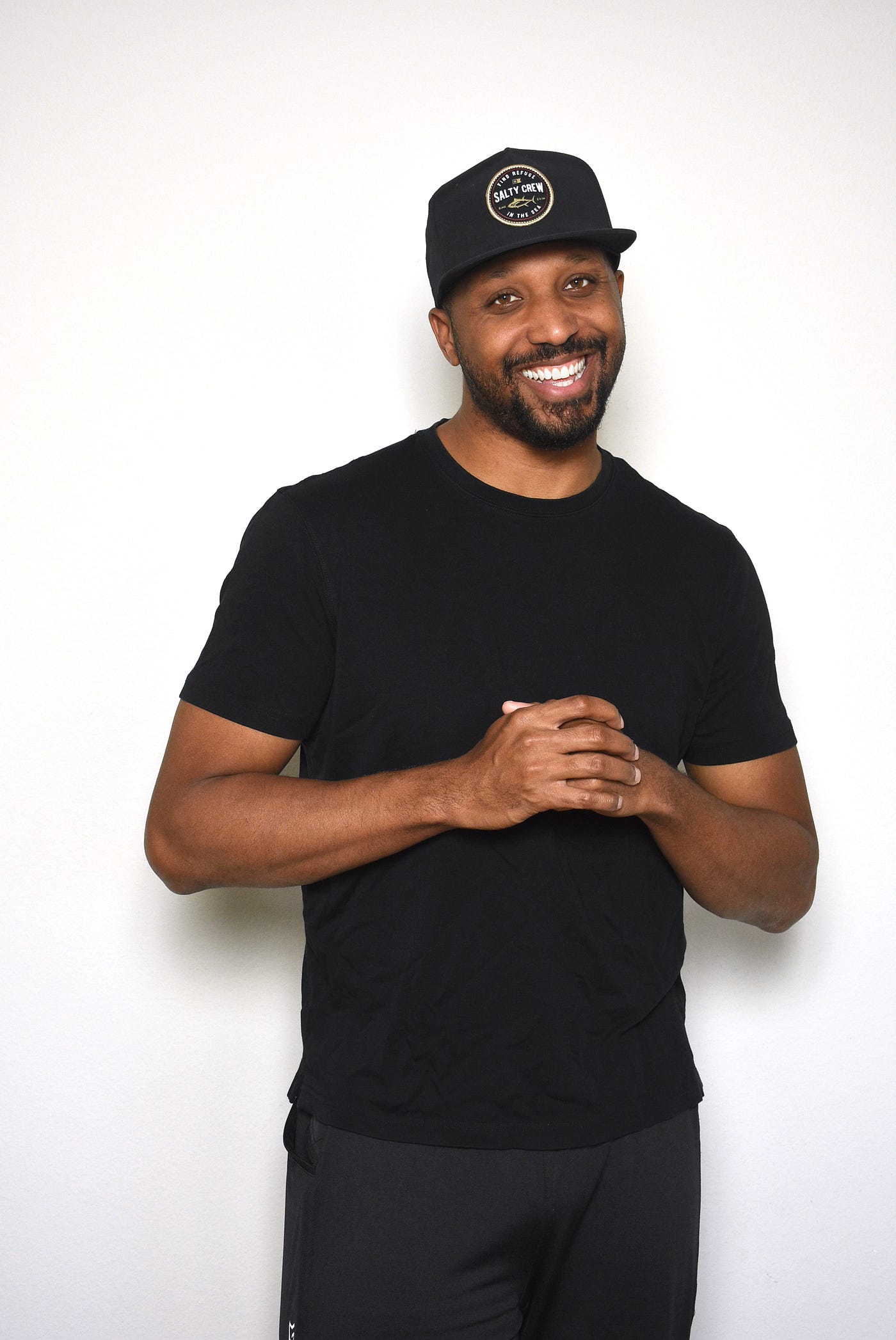
As a part of our series about the ‘5 Important Business Lessons I Learned While Being On Shark Tank’ I had the pleasure of interviewing Seneca Hampton.
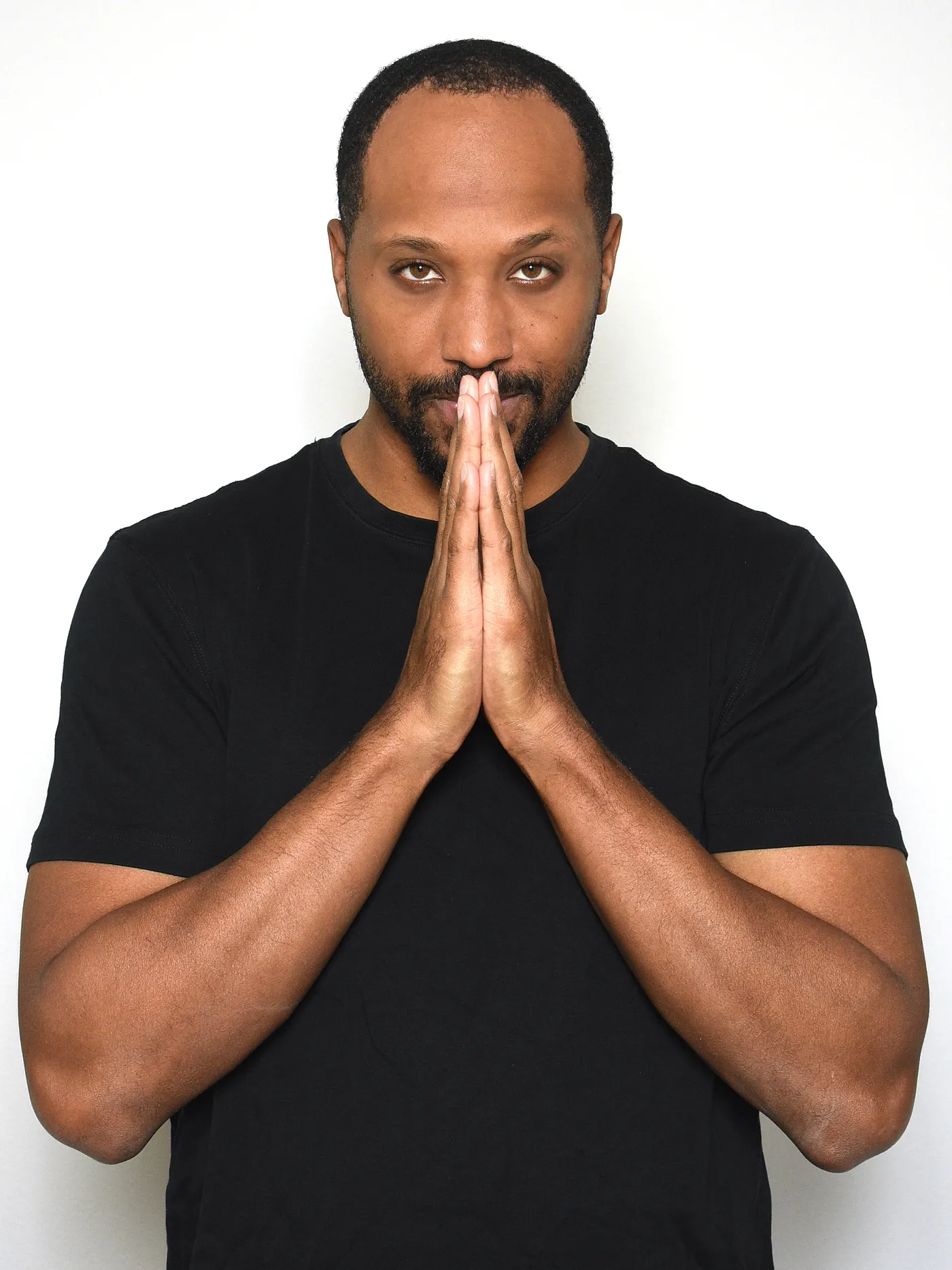
Seneca Hampton is an entrepreneur with multiple 7–8 figure businesses, from eCommerce to Logistics, Consulting, and Speaking. Seneca’s recent appearance on ABC’s Shark Tank demonstrates how he built Hampton Adams, an online eCommerce-based business that serves a rapidly growing 600,000 customers, has produced over $15,000,000 in Revenue, has zero employees, and only demands 30 minutes of his time per month. Connect with Seneca on Instagram or YouTube.
Thank you so much for doing this with us! Our readers would love to “get to know you” a bit more. Can you tell us a bit of the backstory about how you grew up?
I grew up as the youngest of 8 children in a low-income household. Growing up that way, I really learned the value of hard work and perseverance. I watched my parents overcome factors like addiction, violence and racism to give us a lower middle-class upbringing. I didn’t graduate college because after completing my Associate Degree, I was more interested in learning on-the-job skills than formal education. This led to me starting my first company at the age of 19.
Can you share with us the story of the “aha moment” that gave you the idea to start your company?
I can’t say that there was a definitive “aha moment” that led to me starting Hampton Adams, my athletic-tape company that I pitched on Shark Tank. The truth is that it was the 22nd company I started. I started 21 companies that failed over the course of 9 years before I founded Hampton Adams. I thought I was done, but it turns out I had another idea in me.
So why tape? Well, my brothers and I all grew up playing football. And we used tape all the time. One specific incident sticks in my mind, and it’s the reason I created my athletic tape. My dad had bought me some brand new Nikes. They were the cleats to have and I remember they were $99. All my teammates would tape their cleats. So the very first day I had them, I taped my cleats to protect them. But when I took off the tape, the glue was stuck to the laces and my cleats. They were dirty and looked terrible. And they were brand new. My heart was broken because I knew how hard my dad had worked to buy me those cleats.
Can you share the most interesting story that happened to you since you began leading your company?
To be honest, probably one of the most interesting experiences I’ve had since founding Hampton Adams is going on Shark Tank. It has been a wild ride.
Can you share a story about the most humorous mistake you made when you were first starting? Can you tell us what lesson or take away you learned from that?
When I was younger, I didn’t know all the rules of Amazon. I actually left myself a good review. Big mistake! Basically, I’m banned from reviewing anything on Amazon for life. Completely blacklisted from one dumb mistake.
Are you working on any exciting new projects now? How do you think that will help people?
I’m working on a few really interesting projects. In the gaming space, I’m working on a software that is going to revolutionize the way people play games together, or build communities. I’m also working on an Amazon AI software that will make selling on Amazon as easy as a few clicks for anybody. And lastly, I’m building a done-for-you social media service. There’s so much content online that it can be overwhelming and people don’t know where to start. I think a lot of people would be interested in being on social channels if someone else did it all for them.
Ok, thank you for all that. Let’s now move to the main part of our interview. Many of us have no idea about the backend process of how to apply and get accepted to be on the Shark Tank. Can you tell us the story about how you applied and got accepted. What “hoops” did you have to go through to get there? How did it feel to be accepted?
The funny thing is, I never applied to be on Shark Tank. My wife submitted my application. So, finding out that I was going to be on the show was surreal. It still is. I spent years watching Shark Tank. The whole time I was starting my 21 companies that inevitably failed, I would watch and it would make me so angry. I was frustrated that I couldn’t come up with an idea that was good enough to be on the show, and I stopped watching for years. It’s still hilarious to me that I finally got on the show with something as simple as athletic tape.
I don’t feel that there were any “hoops” to jump through. But I will say that the approval and vetting process was like TSA on steroids. That’s all I’ll say. Shark Tank is a little like Fight Club. You don’t talk about Shark Tank.
I’m sure the actual presentation was pretty nerve wracking. What did you do to calm and steel yourself to do such a great job on the show?
To calm my nerves, I do what I’ve been doing for years, dating back to high school when I had a big test. I just convinced myself that it wasn’t a big deal. Whenever it comes to clutch situations or urgent things, I’ve learned that all you can do is your best. All you can do is prepare. So that’s what I did. I know my business, I’ve been running it for six years. I know my stuff, I know my numbers. And I had to just go on autopilot in the tank.
So what was the outcome of your Shark Tank pitch. Were you pleased with the outcome?
I didn’t get a deal. But when you come out of the tank, there is almost a chemical reaction that happens. You have adrenaline and cortisol coursing through you. I’m sure if you get a deal, it’s got to feel euphoric. But for me I wasn’t mad or disappointed in that moment, I just had to come down from it and process it.
I had to stop and look at why I didn’t get a deal. And after my experience, that meant separating myself from my business. The sharks said so many positive things about me that I’ve since learned don’t usually happen if they aren’t going to offer you a deal. It was a very different experience, though. Usually, I try to learn from my mistakes and figure out how to do better next time. But Shark Tank is a once-in-a-lifetime experience. It’s not going to happen again. I had to learn from the experience in a different way. I had to think about what was next for my business.
What are your “5 Important Business Lessons I Learned While Being On The Shark Tank”? (Please share a story or example for each.)
- If you built one successful business, you can do it again.
One thing a lot of people told me after the show when I didn’t get a deal was to sell my business and start a new one. Sometimes we think we have a successful business because of luck or circumstance. But I realized after Shark Tank, that if you have what it takes to build a successful company once, you can do it again. That realization is very freeing.
2. Getting a deal or not isn’t personal.
I had a lot of time to think about that show. There were about six months between filming and when it aired, the more I thought about it, I realized that people have their own preferences for what they want to invest in and what they want to add to their portfolio. Even if you have a great business and a great product, it might not be a fit for one of the sharks just due to synergy or timing.
3. Getting a “deal” doesn’t make you an instant success.
I thought back to times when I’ve seen the Sharks invest in businesses or not invest in businesses, and then businesses blow up or businesses fail. An investor injects cash or information or resources to help you. But a lot of those businesses still fail. So while getting a deal on the show is a signal to the viewers that you’ve succeeded, that might not actually be the truth.
4. Life happens for you, not to you.
I’ve always believed this. If getting a deal on Shark Tank was meant to be my journey, I would have gotten one. When I was younger, I had a brand new 752 Suzuki motorcycle. I could jump on that thing and go from 0 to 140 in a second. And guess what? It got stolen a month later. But I realized that life was telling me something. If I had kept that motorcycle, I would have killed myself on it. Thank God something took it away.
5. It’s important to always value wisdom over money.
I learned a lot from interacting with the Sharks. They didn’t give me a deal, but honestly, I value knowledge and wisdom more than a contract or deal. When I have the latter, I can make money with that information. Sometimes things aren’t going to go the way you want. And that's okay. But if you focus on that, instead of the advice or knowledge you gleaned from the experience, you’ll never get ahead.
What advice would you give to other leaders to help their team to thrive and avoid burnout?
My advice is to create a passive income business. Find a product you can sell that you don’t have to make yourself and find a way to automate the sales so you don’t have to do that part yourself. Hampton Adams doesn’t take a lot of time and energy, it just takes up mental space.
Can you please give us your favorite “Life Lesson Quote”? Can you share how that was relevant to you in your life?
If you say you can’t do something, then you are accepting where you are. Instead, it’s important to think of something that appears hard as a problem and work to solve it. When you start to exercise your thinking skills, you discover that your life is literally what you make it. Choosing to accept defeat is just that, a choice.
It’s relevant to my appearance on Shark Tank because I didn’t get one of those investors. But there are others. And there are other options for me in my business besides finding an investor. Flex your problem-solving muscles.
We are very blessed that some of the biggest names in Business, VC funding, Sports, and Entertainment read this column. Is there a person in the world, or in the US with whom you would love to have a private breakfast or lunch with, and why? He or she might just see this if we tag them :-)
There are three that come to mind. First, Elon Musk, because I’m impressed by how mission-driven he is. Next, Marcu Lemonis because everything he does appears so effortless. Last, Ben Horowitz because that guy understands business.
This was very meaningful, thank you so much. We wish you only continued success on your great work!
ES
Written by
Edward Sylvan
Editor & Journalist · Authority MagazineAuthority Magazine Columnist & Contributor

Published inAuthority MagazineTop Lessons, Top Authorities · 42K Followers
Exclusive, curated interviews with the leaders and changemakers shaping tomorrow. Leadership lessons, industry deep dives, and executive profiles.