If there is one theme consistent in every story of eventual success it is some version of the statement; “I was determined.” Often the difference between success and failure is the sheer willpower and determination of the founder.
Business
Kenny Tomlin: The Relentless Determination Test That Separates Failed Startups From Eventual Industry Success
The veteran digital transformation entrepreneur and CourtAvenue founder shares crucial lessons on avoiding founder burnout, managing early economic crises, and hiring leadership correctly.
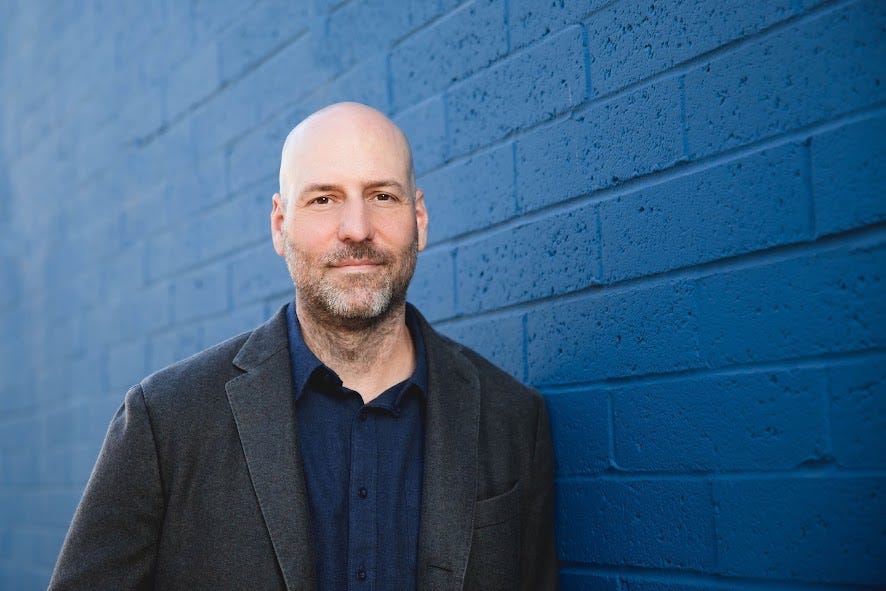
As part of our interview series called “5 Things I Wish Someone Told Me Before I Became A Founder”, I had the pleasure of interviewing Kenny Tomlin.
Kenny Tomlin has been a leader in the digital transformation space for over two decades. Prior to CourtAvenue, Kenny launched Rockfish, a digital innovation agency that received global recognition for it’s work integrating strategy, creativity and technology, which was later acquired by WPP in 2011. At CourtAvenue, Kenny leads the product innovation lab and acquisitions.
Thank you so much for joining us in this interview series! Can you tell us a story about what brought you to this specific career path?
Complete serendipity. I graduated college in 95 and bought my first computer at the end of my senior year. However, I was intimidated by it and had very little idea how to use it beyond playing games. I moved to Dallas after graduation and that first summer I took jobs cleaning swimming pools and loading UPS trucks while I looked for something “less outdoors” in Texas summers. I ended up at a home healthcare company as the assistant to the Director of Marketing. I helped him with recruiting and training nurses and over a couple of years taught myself how to write and design software to automate many of those functions. It turned out software development and design came natural and I parlayed those skills into my first digial businesses in the late 90’s.
Can you tell us a story about the hard times that you faced when you first started your journey?
My first company lasted about 6 months. We had a client concentration problem, and the client went bankrupt. I didn’t have financial runway so I had to take another corporate job for about 9 months until I had a better strategy and plan to launch again. That business was doing well, and we incubated an ecommerce business that we ran as a side hustle that was also really taking off. This was during the dot com hype of the late 90’s. We took on investors/partners in December of ’99 and then shortly after ran into the dot com crash. If we had not done the capital raise we would have sailed through this period in time as we were profitable and growing at a great pace, but the investor capital created a new economic reality that made the business unsustainable within a couple of years.
Where did you get the drive to continue even though things were so hard?
Hope and optimism. I went to middle school and high school in a very rural and low-income community. Most of my classmates didn’t go to college. I was the first person on either side of my family tree to graduate from college. Even though those factors all may appear to be headwinds, I never thought of them as such. I’ve always been optimistic and hopeful. I think it’s unfortunate that so many young people have lost hope for a better potential future and don’t realize they were born at the best time in history to change their lives for the better. The media and our politicians have discovered the power of despair and use this hammer repeatedly and it’s having a significant negative impact on young adults.
So, how are things going today? How did grit and resilience lead to your eventual success?
I continue as an entrepreneur, co-founding my most recent company, CourtAvenue, in early 2020. This is my 10th company to be a founder of. Every single one of them has been hard. Some haven’t succeeded. Others have succeeded beyond what I had imagined. Next to being a professional athlete, I think being an entrepreneur is the best way to build a professional life. With the exception that unlike in athletics, you get better with age in business.
I listen to a lot of podcasts that interview founders and also read a number of business biographies. If there is one theme consistent in every story of eventual success it is some version of the statement; “I was determined.” Often the difference between success and failure is the sheer willpower and determination of the founder.
Can you share a story about the funniest mistake you made when you were first starting? Can you tell us what lesson you learned from that?
In one of my earlier companies we were growing quickly and I needed to hire a senior level client leader. A person who applied for the job lived out-of-town but had a great resume. She interviewed by phone well, and her references were also very strong. I hired her without ever meeting her in person. Her interpersonal skills turned out to be atrocious. In one of our first meetings together with a CMO client she ate food off his plate without be invited to sample his food. In a following meeting with an executive at our biggest client she joked about the client’s appearance and told embarrassing restroom stories. I had to let her go. A costly and embarrassing hire but important lesson learned, always meet leadership candidates in person before hiring them.
What do you think makes your company stand out? Can you share a story?
We have a world-class team of digital transformation professionals characterized by the following three pillars:
Depth: CourtAvenue is unique because of our deep experience. Our historic growth is an outcome of the expertise of our people. We have created a system where the best wants to join us, find their home and learn from each other. And we enjoy applying our expertise to new, more expansive challenges as we grow with our clients.
- Relationships: not just experts, but good people with decades of collaboration between clients and teams. We are the industry’s best kept secret: flexible, custom client team models that drive referral and scale.
- Drive (or Speed): simply put, we’re fast. Our size and sentiment combine to provide clients with a hyper-responsive experience. This helps us get started and get to the right answer quickly.
Which tips would you recommend to your colleagues in your industry to help them to thrive and not “burn out”?
Have a plan for your day. I recommend starting your day with fitness and personal growth (reading, meditation, learning a new language — whatever is best for you) before you check emails or texts or get on social. Prioritize your most important business objectives for the first half of the day and try to avoid scheduling too many meetings before lunch when possible. After lunch is for meetings, email responses and work that is less motivating to you. Finish your day with family/friends and fun. Get plenty of sleep, don’t drink most nights, and eat healthy! All pretty straightforward advice, but it works and is incredibly important to be mentally sharp for each day and avoid burn out.
None of us are able to achieve success without some help along the way. Is there a particular person who you are grateful towards who helped get you to where you are? Can you share a story?
CA Rundell. I started my first company in Dallas with almost no prior business experience. CA was many decades my senior but still active professionally and someone I was introduced to in my mid 20’s. He always took time to answer my questions and meet for lunch to speak business. He also emphasized the importance of health and made sure I did annual physicals at the Cooper Clinic. Early in my career I often turned to CA for professional advice and a confidence check on an important decision and he always graciously took the time even though he had no connections to my companies.
How have you used your success to bring goodness to the world?
First I’d say the building of a successful company in, and of itself, brings goodness to the world. It creates jobs, provides incomes, contributes to people’s professional growth, supports local communities, pays taxes, and offers a good or service society needs/wants if it’s a success.
Second, every business I’ve built has had an entrepreneurial culture that has inspired many employees to launch their own companies. Rockfish alone has had many children and grand-children companies and I expect the same from CourtAvenue.
Third, I’ve supported entrepreneurs through mentorship and financial investment. While Austin is my home base, I’m currently building a home in Bentonville, AR which is where Rockfish was founded. I plan to spend more time there and one of my personal interests is to invest in the growth of that startup ecosystem because it was a community that invested in me when I founded Rockfish.
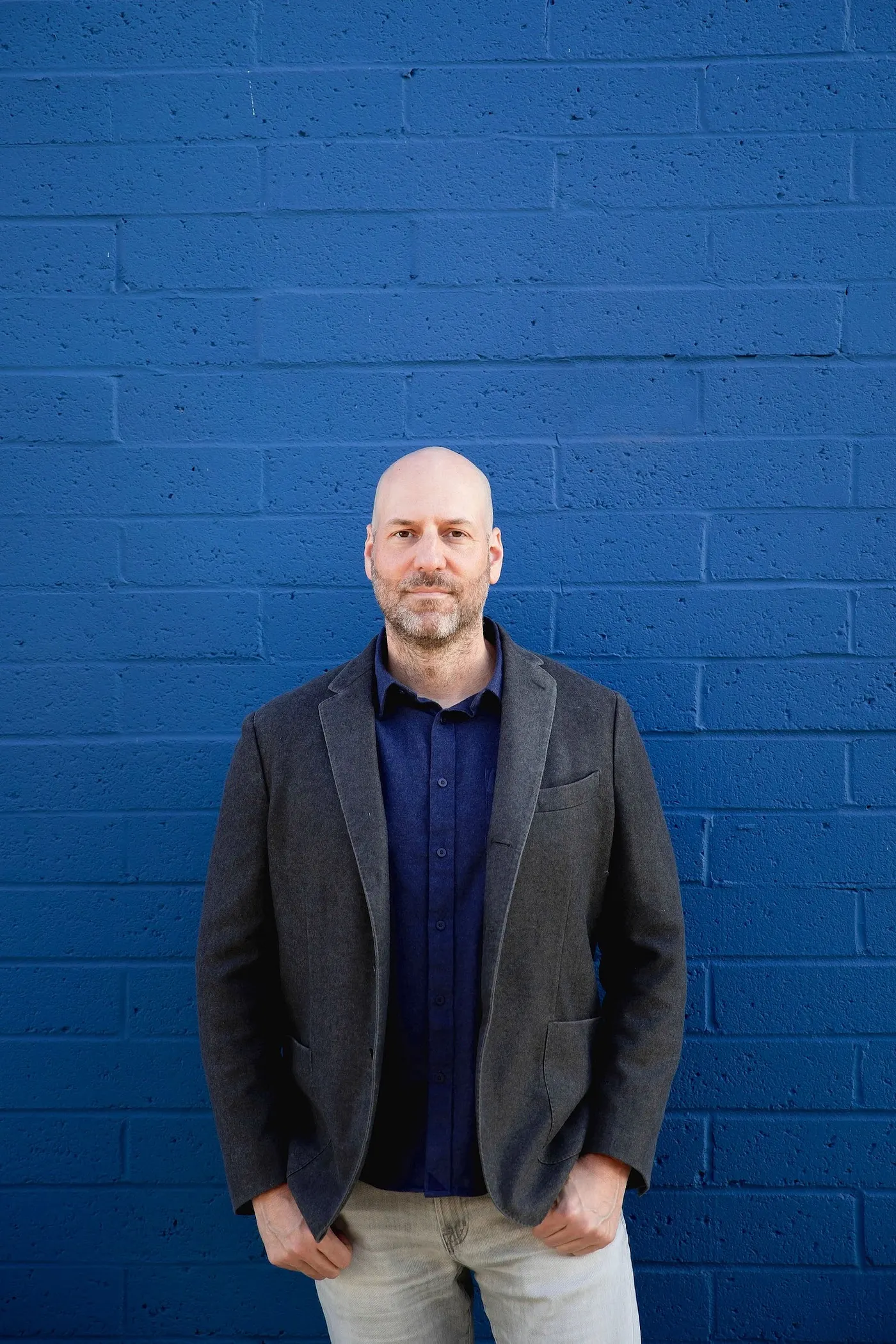
What are your “5 things I wish someone told me before I started leading my company” and why. Please share a story or example for each.
1 . Don’t take it personal. An employee resigning, a customer canceling, missing a quarterly goal; this isn’t a reflection of you personally. It’s just business. Alternatively, when things are going great don’t let it go to your head. As a founder it’s so easy to personalize your business as a reflection of you, but that actually leads to irrational decision making.
2 . Hire ahead of the curve. Your job as a leader is to constantly be looking around the corner. Great founders and leaders have great intuition. Hiring someone who has an important talent that can open new opportunities for your business is a key aspect of growth. Related, if you can afford it and someone incredible wants to join your company, hire them. Even if you don’t have an immediate role for them. Great people always quickly find ways to add value far beyond their cost.
3 . Always be interviewing. Always be subtly interviewing as you meet people professionally. Our new CTO at CourtAvenue is someone I first met 4 years ago. My girlfriend (now wife) worked for him and I met him at their Christmas party. I got to know him personally and learned more about his professional journey. When CourtAvenue needed an incredible CTO, he was on my short-list and thankfully agreed to join us. But I’ve known for four years I’d eventually want to work with him when the stars aligned.
4 . Cash flow. Know this number well. Watch it like a gas gauge in your car. Two things can kill a business: slow growth without adjusting expenses and rapid growth without managing cash flow.
5 . Every day you have to earn your success. It is never easy and the hard problems do change with scale and size, but they never leave. There’s always a competitor coming after you. There’s always a new technology or skill set to learn. There’s always a crisis to navigate. You can outwork all of those challenges. And that doesn’t necessarily mean 80-hour weeks, though there will be those seasons. It means learning to prioritize what is most important, have an excellent team that shares your work ethic, and know how to delegate.
Can you share a few ideas or stories from your experience about how to successfully ride the emotional highs & lows of being a founder”?
First and foremost, expect them. Within a single day you can go from an emotional low to an emotional high, both of which were unpredictable when you woke up that morning. A key employee who resigns unexpectedly, an important client who resigns their role, client budget cuts, economic uncertainties, international conflict, and in our lifetime, even a global pandemic.
Since we expect them to happen, plan for them. Run a cash-flow responsible business and have capital to absorb an unexpected downturn. Always be selling. Never take your foot of the growth accelerator.
Finally, and this one is hard, but don’t personalize it. Work on your personal physical and mental health. Have healthy relationships and hobbies outside of work. Unless you are a self-employed consultant, your business is not a reflection of you. It is the combined talents and relationships of a diverse group of contributors who are good individually but great collectively and accomplish incredible things together.
If you could start a movement that would bring the most amount of good to the most amount of people, what would that be?
I would change the present narrative from that of despair to optimism and hope. Vision + optimism = positive change
How can our readers further follow your work online?
This was very inspiring. Thank you so much for joining us!
About the Interviewer: Douglas E. Noll, JD, MA was born nearly blind, crippled with club feet, partially deaf, and left-handed. He overcame all of these obstacles to become a successful civil trial lawyer. In 2000, he abandoned his law practice to become a peacemaker. His calling is to serve humanity, and he executes his calling at many levels. He is an award-winning author, teacher, and trainer. He is a highly experienced mediator. Doug’s work carries him from international work to helping people resolve deep interpersonal and ideological conflicts. Doug teaches his innovative de-escalation skill that calms any angry person in 90 seconds or less. With Laurel Kaufer, Doug founded Prison of Peace in 2009. The Prison of Peace project trains life and long terms incarcerated people to be powerful peacemakers and mediators. He has been deeply moved by inmates who have learned and applied deep, empathic listening skills, leadership skills, and problem-solving skills to reduce violence in their prison communities. Their dedication to learning, improving, and serving their communities motivates him to expand the principles of Prison of Peace so that every human wanting to learn the skills of peace may do so. Doug’s awards include California Lawyer Magazine Lawyer of the Year, Best Lawyers in America Lawyer of the Year, Purpose Prize Fellow, International Academy of Mediators Syd Leezak Award of Excellence, National Academy of Distinguished Neutrals Neutral of the Year. His four books have won a number of awards and commendations. Doug’s podcast, Listen With Leaders, is now accepting guests. Click on this link to learn more and apply.

Published inAuthority MagazineTop Lessons, Top Authorities · 42K Followers
Exclusive, curated interviews with the leaders and changemakers shaping tomorrow. Leadership lessons, industry deep dives, and executive profiles.